Search Result
Results for "
hypoxic conditions
" in MedChemExpress (MCE) Product Catalog:
2
Biochemical Assay Reagents
| Cat. No. |
Product Name |
Target |
Research Areas |
Chemical Structure |
-
- HY-B1060
-
|
Methylprednisolone hydrogen succinate sodium
|
Glucocorticoid Receptor
|
Infection
Neurological Disease
Inflammation/Immunology
Cancer
|
|
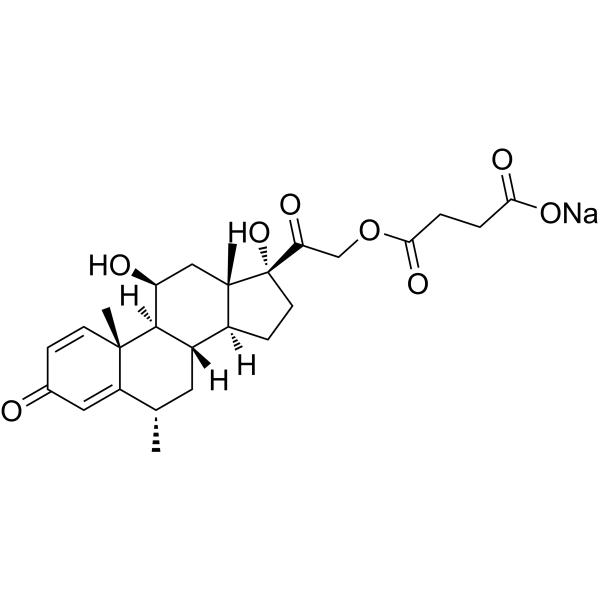
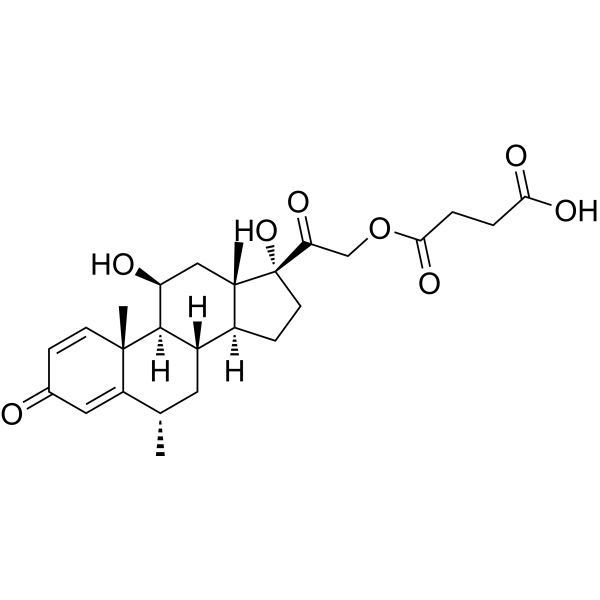
Methylprednisolone succinate (Methylprednisolone hydrogen succinate) sodium is a prodrug of Methylprednisolone (HY-B0260) and glucocorticoid with immunosuppressant and anti-inflammatory activity. Methylprednisolone succinate sodium binds cytosolic glucocorticoid receptors, translocates to nuclei, and modulates target gene transcription. Methylprednisolone succinate sodium alters Bax, Bcl-2, occludin, and ZO-1 expression; attenuates TLR4/NF-κB signaling; suppresses proinflammatory cytokine production and immune cell activation. Methylprednisolone succinate sodium can be used for the research of intracranial haemorrhage, rheumatoid arthritis, multiple sclerosis, preterminal cancer, inflammatory conditions, shock, immediate-type hypersensitivity, acute myocardial ischemia, hypoxic heart muscle damage, and traumatic spinal cord injury .
|
-
-
- HY-B1900
-
|
Methylprednisolone hydrogen succinate
|
Glucocorticoid Receptor
Bacterial
Toll-like Receptor (TLR)
NF-κB
|
Infection
Neurological Disease
Metabolic Disease
Inflammation/Immunology
Cancer
|
|
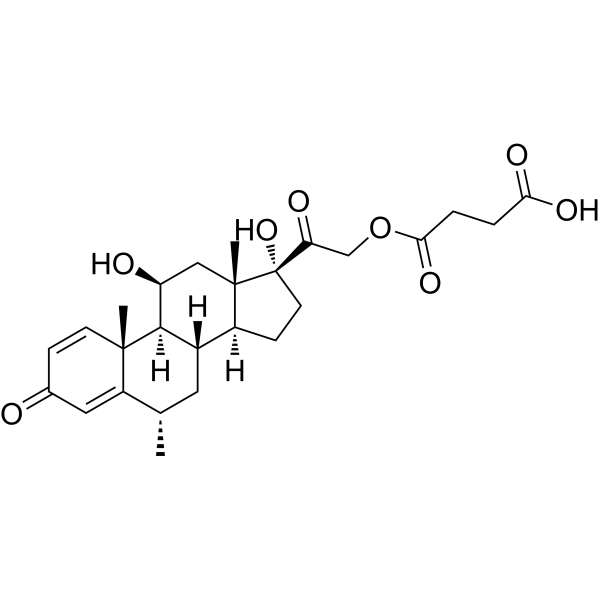
Methylprednisolone succinate (Methylprednisolone hydrogen succinate) is a prodrug of Methylprednisolone (HY-B0260) and glucocorticoid with immunosuppressant and anti-inflammatory activity. Methylprednisolone succinate binds cytosolic glucocorticoid receptors, translocates to nuclei, and modulates target gene transcription. Methylprednisolone succinate alters Bax, Bcl-2, occludin, and ZO-1 expression; attenuates TLR4/NF-κB signaling; suppresses proinflammatory cytokine production and immune cell activation. Methylprednisolone succinate can be used for the research of intracranial haemorrhage, rheumatoid arthritis, multiple sclerosis, preterminal cancer, inflammatory conditions, shock, immediate-type hypersensitivity, acute myocardial ischemia, hypoxic heart muscle damage, and traumatic spinal cord injury .
|
-
-
- HY-119264
-
|
|
Molecular Glues
Ras
Apoptosis
HIF/HIF Prolyl-Hydroxylase
|
Cancer
|
|
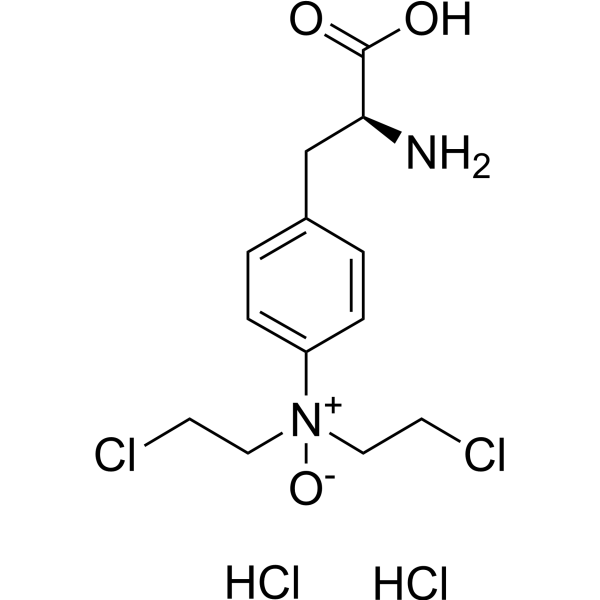
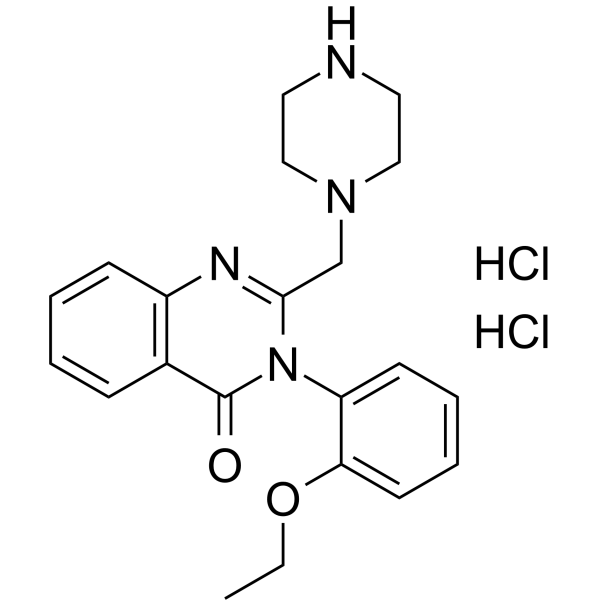
PRLX-93936 is a molecular Glues that binds to and reprograms the TRIM21 ubiquitin ligase to degrade nuclear pore complexes. PRLX-93936 binds to TRIM21, forms a ternary complex with TRIM21 and NUP98, and mediates the ubiquitination and proteasomal degradation of NUP98 and other nuclear pore complex proteins. PRLX-93936 induces the loss of short-lived cytoplasmic mRNA transcripts, triggers cancer cell apoptosis (Apoptosis), and inhibits the activated Ras pathway. PRLX-93936 inhibits HIF-1 under hypoxic conditions (IC50 = 0.09 μM in cell-based reporter gene assay). PRLX-93936 suppresses tumor growth in mouse models and improves survival rates in mouse models of multiple myeloma. PRLX-93936 is applicable to research related to pancreatic cancer and multiple myeloma .
|
-
-
- HY-121970
-
|
|
Phosphoglycerate Dehydrogenase (PHGDH)
Reactive Oxygen Species (ROS)
HIF/HIF Prolyl-Hydroxylase
|
Metabolic Disease
|
|
iGP-1 is a cell-permeable, selective mixed inhibitor of mitochondrial sn-glycerol-3-phosphate dehydrogenase (mGPDH), with IC50s of 6.3 μM and 13.6 μM for rat mGPDH activity and H2O2 production, respectively. iGP-1 specifically blocks the mitochondrial component of the glycerophosphate shuttle without affecting cytosolic GPDH. iGP-1 not only inhibits cell proliferation and glutaminolysis, and enhances glycolysis, but also significantly alters key cellular physiological processes such as apoptosis, ROS production, HIF-1α stability and mitochondrial membrane potential. iGP-1 remains active in neutrophil cultures under both normoxic and hypoxic conditions, and serves as an ideal probe for glycerol-3-phosphate metabolic mechanisms. iGP-1 has been applied to studies on prostate cancer and related metabolic pathways .
|
-
-
- HY-119264A
-
|
|
Molecular Glues
Apoptosis
Ras
HIF/HIF Prolyl-Hydroxylase
|
Cancer
|
|
PRLX-93936 dihydrochloride is a molecular Glues that binds to and reprograms the TRIM21 ubiquitin ligase to degrade nuclear pore complexes. PRLX-93936 dihydrochloride binds to TRIM21, forms a ternary complex with TRIM21 and NUP98, and mediates the ubiquitination and proteasomal degradation of NUP98 and other nuclear pore complex proteins. PRLX-93936 dihydrochloride induces the loss of short-lived cytoplasmic mRNA transcripts, triggers cancer cell apoptosis (Apoptosis), and inhibits the activated Ras pathway. PRLX-93936 dihydrochloride inhibits HIF-1 under hypoxic conditions (IC50 = 0.09 μM in cell-based reporter gene assay). PRLX-93936 dihydrochloride suppresses tumor growth in mouse models and improves survival rates in mouse models of multiple myeloma. PRLX-93936 dihydrochloride is applicable to research related to pancreatic cancer and multiple myeloma .
|
-
-
- HY-P1435
-
|
|
NADPH Oxidase
|
Cardiovascular Disease
Cancer
|
|
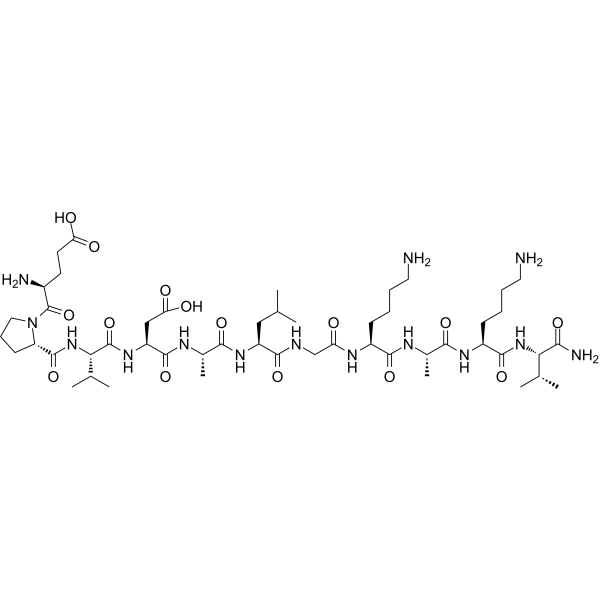
NoxA1ds is a potent and highly selective NADPH oxidase 1 (NOX1) inhibitor (IC50=20 nM). NoxA1ds inhibits NOX1-derived O 2- production in HT-29 human colon cancer cells. NoxA1ds attenuates VEGF-induced human pulmonary artery endothelial cell migration under hypoxic conditions in vitro. NoxA1ds can be used in the study of hypertension, atherosclerosis and tumors .
|
-
-
- HY-172705
-
|
|
Liposome
nAChR
|
Neurological Disease
|
|
DSPE-PEG2000-RVG29 is a PEG conjugate composed of DSPE and rabies virus glycoprotein 29 (RVG29). RVG29 specifically binds to nicotinic acetylcholine receptors (nAChR) at the blood-brain barrier (BBB), crosses the BBB, and mediates receptor-dependent transcytosis. DSPE-PEG2000-RVG29 can be used for brain-targeted drug delivery, surface modification of nanocarriers, as well as gene and nucleic acid delivery. DSPE-PEG2000-RVG29 is applicable to research related to hypoxic-ischemic brain injury, Parkinson's disease, and other conditions .
|
-
-
- HY-B1900R
-
|
Methylprednisolone hydrogen succinate (Standard)
|
Reference Standards
Glucocorticoid Receptor
Bacterial
Toll-like Receptor (TLR)
NF-κB
|
Metabolic Disease
Inflammation/Immunology
Cancer
|
|
Methylprednisolone succinate (Standard) is the analytical standard of Methylprednisolone succinate (HY-B1900). This product is intended for research and analytical applications. Methylprednisolone succinate (Methylprednisolone hydrogen succinate) is a prodrug of Methylprednisolone (HY-B0260) and glucocorticoid with immunosuppressant and anti-inflammatory activity. Methylprednisolone succinate binds cytosolic glucocorticoid receptors, translocates to nuclei, and modulates target gene transcription. Methylprednisolone succinate alters Bax, Bcl-2, occludin, and ZO-1 expression; attenuates TLR4/NF-κB signaling; suppresses proinflammatory cytokine production and immune cell activation. Methylprednisolone succinate can be used for the research of intracranial haemorrhage, rheumatoid arthritis, multiple sclerosis, preterminal cancer, inflammatory conditions, shock, immediate-type hypersensitivity, acute myocardial ischemia, hypoxic heart muscle damage, and traumatic spinal cord injury .
|
-
-
- HY-117778B
-
|
|
Enolase
Bacterial
Antibiotic
ATP Synthase
|
Infection
Cancer
|
|
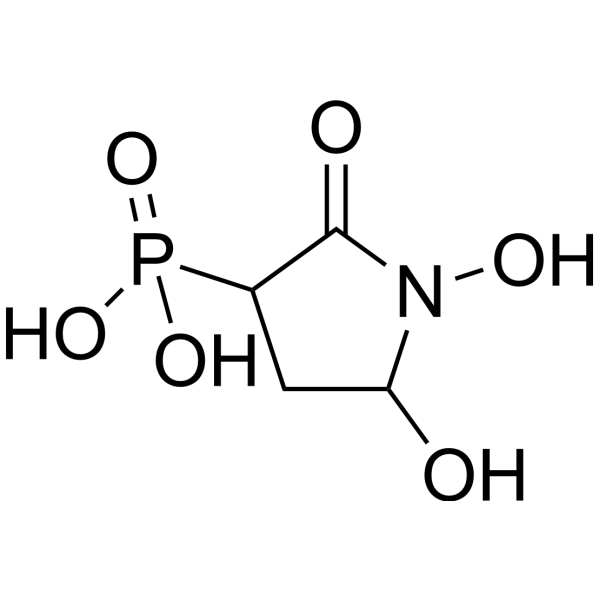
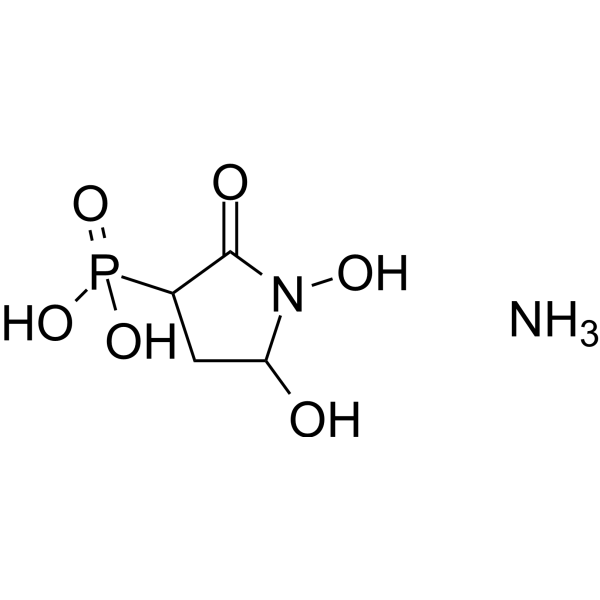
SF2312 ammonium is a phosphonate Antibiotic and Enolase inhibitor, with an IC50 of 18.4 nM against E. coli enolase. SF2312 ammonium reduces intracellular ATP levels and inhibits glycolytic flux. SF2312 ammonium exhibits activity against both Gram-positive and Gram-negative bacteria, and exerts synergistic effects against E. coli when combined with Fosfomycin (HY-B1075A). SF2312 ammonium shows selective toxicity toward gliomas with ENO1 gene knockout. SF2312 ammonium can be used in research related to bacterial infections and gliomas .
|
-
-
- HY-139409
-
|
|
Hexokinase
Glucose-6-Phosphate Isomerase (GPI)
|
Cancer
|
|
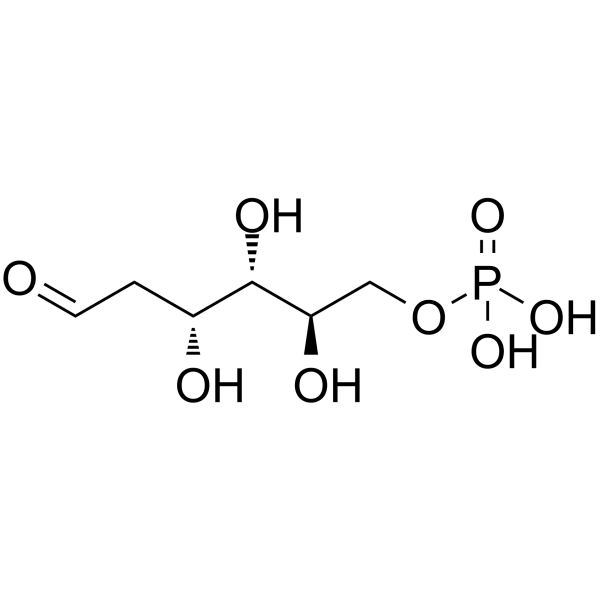
2-Deoxy-D-glucose 6-phosphate disodium is an ATP-competitive and 2-deoxy-D-glucose non-competitive Hexokinase inhibitor, with a Ki value of 1.45 mM against bovine heart hexokinase. 2-Deoxy-D-glucose 6-phosphate disodium exerts ATP-competitive and 2-deoxy-D-glucose non-competitive inhibitory effects on bovine heart hexokinase. 2-DG inhibits glycolysis via the generation and intracellular accumulation of 2-Deoxy-D-glucose 6-phosphate disodium, thereby inhibiting the functions of hexokinase and Glucose-6-phosphate isomerase, and inducing cell death. 2-Deoxy-D-glucose 6-phosphate disodium can be used in cancer-related research .
|
-
-
- HY-161838
-
|
|
ATM/ATR
|
Cancer
|
|
ICT10336 is a hypoxia-responsive prodrug of ATR inhibitor, AZD6738 (HY-19323). ICT10336 is hypoxia-activated and specifically releases AZD6738 only in hypoxic conditions in vitro. This can inhibit ATR activation (T1989 and S428 phosphorylation) and subsequently abrogate HIF1a-mediated adaptation of hypoxic cancers cells, thus selectively inducing cell death in 2D and 3D cancer models. ICT10336 is a metabolic substrate of CYPOR activity.
|
-
-
- HY-169100
-
|
|
VEGFR
PI3K
Akt
mTOR
p38 MAPK
HIF/HIF Prolyl-Hydroxylase
|
Cancer
|
|
Antiproliferative agent-57 (compound M2) is a tumor angiogenesis inhibitor. Antiproliferative agent-57 inhibits the secretion of VEGF in SiHa cells under hypoxic conditions (IC50=0.68 μM) without inducing cytotoxicity. Antiproliferative agent-57 can modulate the PI3K/AKT/mTOR and MAPK signaling pathways in tumor cells to inhibit the expression of HIF-1α and VEGF in tumor tissues .
|
-
-
- HY-117255
-
|
|
Potassium Channel
|
Others
|
|
ZM260384 is a KATP channel opener that accelerates metabolism and inhibits the decline of guinea pig isolated diaphragm function, thereby affecting muscle contraction. ZM260384 can be used to study muscle function under hypoxic conditions .
|
-
-
- HY-121648
-
|
|
Biochemical Assay Reagents
|
Cancer
|
|
PK 130 is a 2-nitroimidazole derivative that has radiosensitizing effects on hypoxic cells. PK 130 increases the radiosensitivity of Chinese hamster V79 cells under hypoxic conditions .
|
-
-
- HY-U00279B
-
|
|
DNA/RNA Synthesis
|
Cancer
|
|
Nitracrine hydrochloride is a platinum-based antineoplastic drug with selective toxicity to hypoxic cells. Nitracrine hydrochloride exhibits significant cytotoxicity against the Chinese hamster ovary cell line AA8 under hypoxic conditions. Nitracrine hydrochloride exerts its effect by binding to the insertion of DNA and forming covalent adducts. The cytotoxicity of Nitracrine hydrochloride under hypoxic conditions is related to its reductive metabolism to form alkylated substances. At the same time, it may enhance the reactivity to DNA through the insertion of DNA, thereby improving the efficacy. Nitracrine hydrochloride can also inhibit RNA synthesis, contributing to its anti-tumor effect .
|
-
-
- HY-106110
-
|
|
Prostaglandin Receptor
|
Metabolic Disease
|
OP-2507 is a prostacyclin analog. OP-2507 can increase brain glucose levels in mice, suppress the breakdown of energy metabolism under hypoxic conditions, and has a protective effect against changes in cyclic nucleotides in hypoxic brain tissue (specifically, an increase in cyclic AMP and a decrease in cyclic GMP). OP-2507 provides protective effects against brain hypoxia and edema .
|
-
-
- HY-149257
-
|
|
JAK
STAT
|
Cancer
|
|
HAT-SIL-TG-1&AT is a Janus tyrosine kinase (JAK) inhibitor with antitumor effects. HAT-SIL-TG-1&AT is the hypoxia-activated prodrug, witch inhibits JAK-STAT signaling in tumor tissue. And HAT-SIL-TG-1&AT inhibits HEL cells proliferation and downregulated phosphorylated STAT3/5 under hypoxic conditions .
|
-
-
- HY-125575
-
|
|
Carbonic Anhydrase
|
Cancer
|
|
FC11409B is an ureido-sulfamate carbonic anhydrase IX (CAIX) inhibitor. FC11409B inhibits proliferation and migration of breast cancer cell lines in both hypoxic (0.5% O2) and normoxic conditions (21% O2). FC11409B also inhibits 3D spheroid of breast cancer subtypes invasion. FC11409B is promising for research of breast and ovarian cancers .
|
-
-
- HY-170774
-
|
|
Apoptosis
Reactive Oxygen Species (ROS)
|
Cardiovascular Disease
|
|
Hypoxia inducer-1 (Compound N6) is an orally active hypoxia activated nitric oxide (NO) donor compound. Hypoxia inducer-1 exhibits highly selective NO release under hypoxic conditions and inhibits hypoxia-induced apoptosis, necrosis, and the increase in ROS levels. Hypoxia inducer-1 regulates vascular dilation and has a protective effect in a mouse model of myocardial hypoxia injury. Hypoxia inducer-1 can be used in the research of coronary heart disease .
|
-
-
- HY-162000
-
|
|
Apoptosis
|
Cancer
|
hCAIX/XII-IN-13 is an inhibitor of human carbonic anhydrases (hCA). hCAIX/XII-IN-13 shows good inhibitory activity against the tumor-related CA subtypes IX and XII, with Ki values of 0.08 µM and 0.06 µM, respectively. Under hypoxic conditions, hCAIX/XII-IN-13 can restore the cytotoxicity of Doxorubicin (HY-15142A) on MCF-7 cells, increasing G2/M phase cell cycle arrest and apoptosis .
|
-
-
- HY-P1435A
-
|
|
NADPH Oxidase
|
Cardiovascular Disease
Cancer
|
|
NoxA1ds TFA is a potent and highly selective NADPH oxidase 1 (NOX1) inhibitor (IC50=20 nM). NoxA1ds TFA inhibits NOX1-derived O 2- production in HT-29 human colon cancer cells. NoxA1ds TFA attenuates VEGF-induced human pulmonary artery endothelial cell migration under hypoxic conditions in vitro. NoxA1ds TFA can be used in the study of hypertension, atherosclerosis and tumors .
|
-
-
- HY-172705A
-
|
|
Liposome
nAChR
|
Infection
|
|
DSPE-PEG3400-RVG29 is a PEG conjugate composed of DSPE and rabies virus glycoprotein 29 (RVG29). RVG29 specifically binds to nicotinic acetylcholine receptors (nAChR) at the blood-brain barrier (BBB), crosses the BBB, and mediates receptor-dependent transcytosis. DSPE-PEG3400-RVG29 can be used for brain-targeted drug delivery, surface modification of nanocarriers, as well as gene and nucleic acid delivery. DSPE-PEG3400-RVG29 is applicable to research related to hypoxic-ischemic brain injury, Parkinson's disease, and other conditions
|
-
-
- HY-178475
-
|
|
Carbonic Anhydrase
Glutathione Peroxidase
Ferroptosis
|
Cancer
|
|
CA IX/GPX4-IN-1 (Compound 22abcb) is a dual targeted inhibitor of CA IX and GPX4 activity. CA IX/GPX4-IN-1 can effectively kill SUM159PT cells (IC50 = 416 nM) by inducing iron death under hypoxic conditions. CA IX/GPX4-IN-1 has an IC50 of 663 nM to CA IX in SUM159PT-CAIX-FL cells. CA IX/GPX4-IN-1 can significantly inhibit tumor growth and can be reversed by ferroptosis inhibitors. CA IX/GPX4-IN-1 can be used for research on breast cancer and other cancers .
|
-
-
- HY-P2862B
-
|
|
Biochemical Assay Reagents
|
Others
|
|
α-Enolase, Human is one of three enolase isoenzymes and a glycolytic enzyme expressed in most tissues. This protein plays a key role in anaerobic metabolism under hypoxic conditions and may act as a cell surface plasminogen receptor during tissue invasion.
|
-
-
- HY-W585945
-
|
|
Reactive Oxygen Species (ROS)
|
Inflammation/Immunology
|
|
Mono N-Desmethyl Disperse Polyester Dark Blue is a bioreductive agent that is activated under hypoxic conditions. Once inside a cell, it is reduced to its active form, which generates reactive oxygen species that can damage cellular components, including DNA. This damage can lead to cell death, particularly in hypoxic cancer cells that are already under stress. It has also been shown to inhibit the activity of hypoxia-inducible factor 1 (HIF-1) , which is a key regulator of the cellular response to hypoxia.
|
-
-
- HY-16964
-
|
|
Lactate Dehydrogenase
|
Cancer
|
|
LDHA-IN-1 (Compound 1j) is a selective, competitive LDH-A inhibitor, with Ki values of 8.9 μM (NADH assay) and 4.7 μM (Pyruvate assay) against hLDH-A. LDHA-IN-1 inhibits cancer cell proliferation under hypoxic conditions. LDHA-IN-1 can be used in the research of ovarian cancer, colorectal cancer, mesothelioma and pancreatic cancer .
|
-
-
- HY-182066
-
|
|
PANoptosis
|
Cancer
|
|
Photosensitizer-9 is an iridium (III)-based photosensitizer with anti-melanoma activity. Photosensitizer-9 exhibits significant phototoxicity (IC50=0.98 μM) and an ideal phototoxicity index (PI=3.05). Under light irradiation, Photosensitizer-9 generates large amounts of intracellular •OH in an oxygen-independent manner. Photosensitizer-9 mediates photodynamic therapy under hypoxic conditions and synergistically activates PANoptosis (by upregulating cleaved Caspase-3, GSDMD-N, p-MLKL), ferroptosis (by disrupting the GSH-GPX4-LPO axis), apoptosis, pyroptosis and necroptosis in melanoma cells. Photosensitizer-9 induces immunogenic cell death by promoting the release of damage-associated molecular patterns under hypoxic conditions and increases the maturation rate of dendritic cells. Photosensitizer-9 reduces tumor volume in melanoma-bearing mice. Photosensitizer-9 is applicable to relevant studies on melanoma .
|
-
-
- HY-160833
-
|
|
Carbonic Anhydrase
|
Cancer
|
|
hCAIX/XII-IN-12 (Compound 6) is a potent and highly selective dual inhibitor of hCA IX and hCA XII, with Ki values of 8.2 and 5.6 nM respectively. hCAIX/XII-IN-12 exhibits significant anti-proliferative activity against colon cancer cells, and this activity remains effective under hypoxic conditions. hCAIX/XII-IN-12 can be used for research on colon cancer .
|
-
-
- HY-125059
-
|
|
Endogenous Metabolite
|
Cancer
|
|
PTC-510 Free base is a compound that selectively inhibits hypoxia-induced VEGF expression in tumor cells. PTC-510 Free base demonstrates potent activity in reducing endogenous VEGF production under hypoxic conditions. PTC-510 Free base has been shown to control tumor growth effectively while minimizing toxicity. PTC-510 Free base represents a novel therapeutic strategy to address the limitations of current anti-VEGF therapies.
|
-
-
- HY-180370
-
|
NitroSynapsin; YQW-036; NMI-6979
|
iGluR
Drug Derivative
|
Cardiovascular Disease
Neurological Disease
|
|
Nitromemantine (NitroSynapsin) is a nitrate derivative of Memantine (HY-B0591) and is a dual-functional NMDAR antagonist. Nitromemantine exhibits significant efficacy in rodent models of cerebral infarction through a dual mechanism of blocking channels and regulating receptors via NO/redox regulation. Nitromemantine can target ischemic neurons under hypoxic conditions and enhance its activity. Nitromemantine inhibits the current induced by NMDA, with its IC50 being 2.4 μM. Nitromemantine can be used for the study of cerebral ischemic stroke .
|
-
-
- HY-181350
-
|
|
Carbonic Anhydrase
NAMPT
Apoptosis
Reactive Oxygen Species (ROS)
ERK
Akt
DNA/RNA Synthesis
Mitochondrial Metabolism
|
Cancer
|
|
CAIX/XII/NAMPT-IN-1 is a triple inhibitor of carbonic anhydrase IX/XII and nicotinamide phosphoribosyltransferase (NAMPT) with a hCA IX Ki of 78.1 nM, hCA XII Ki of 64.4 nM, and hNAMPT IC50 of 168 nM. CAIX/XII/NAMPT-IN-1 induces apoptosis, ROS accumulation, suppresses ERK/AKT signaling, inhibits DNA synthesis, and causes mitochondrial dysfunction. CAIX/XII/NAMPT-IN-1 exerts antiproliferative effects against multiple cancer cells under normoxic and hypoxic conditions. CAIX/XII/NAMPT-IN-1 can be used for the research of cancer, such as renal carcinoma, glioblastoma and colorectal cancer .
|
-
-
- HY-124487
-
|
|
NADPH Oxidase
TGF-β Receptor
Reactive Oxygen Species (ROS)
p38 MAPK
|
Cardiovascular Disease
Metabolic Disease
Inflammation/Immunology
|
|
GK-136901 is an orally active, dual Nox1/Nox4 NADPH oxidase inhibitor with a Ki of 160 nM for Nox1 and 165 nM for Nox4. GK-136901 potently blocks high glucose-induced intracellular reactive oxygen species production, p38-MAPK phosphorylation, and upregulation of TGF-β1/2 and fibronectin (fibronectin) in renal cells. GK-136901 also inhibits the proliferation of mouse pulmonary vascular cells under hypoxic conditions. GK-136901 is applicable to the research on the pathogenesis of type 2 diabetic nephropathy, high glucose-related renal lesions and pulmonary hypertension .
|
-
-
- HY-179034
-
|
|
Carbonic Anhydrase
c-Met/HGFR
Apoptosis
|
Cancer
|
|
CAIX/XII-IN-16 (Compound 5d) is a selective inhibitor of CA IX/XII and c-Met. CAIX/XII-IN-16‘s Ki values for hCA IX, hCA XII and CA I are 10.6, 31.8 and 2361 nM respectively, and its IC50 value for c-Met is 0.49 μM. CAIX/XII-IN-16 exhibits significantly enhanced cytotoxicity against colon cancer cells under hypoxic conditions. CAIX/XII-IN-16 causes cell cycle arrest and induces apoptosis (apoptosis). CAIX/XII-IN-16 significantly enhances the efficacy of Oxaliplatin (HY-17371) and 5-Fluorouracil (HY-90006). CAIX/XII-IN-16 can be used for studies on chemotherapy resistance related to hypoxia .
|
-
-
- HY-181430
-
|
|
TGF-beta/Smad
|
Metabolic Disease
Inflammation/Immunology
|
|
PXS 25 is a cation-independent mannose 6-phosphate receptor (CI-M6PR) inhibitor that inhibits CI-M6PR-mediated activation of latent TGF-β1. PXS 25 inhibits conversion of high glucose-induced latent TGF-β1 to active TGF-β1 in proximal tubule cells under normoxic conditions. PXS 25 suppresses high glucose-induced fibronectin, collagen IV production, and phosphorylated Smad 2 in proximal tubule cells under normoxic conditions. PXS 25 has antifibrotic properties in skin fibroblasts. PXS 25 can be used for the research of diabetic nephropathy .
|
-
-
-
HY-L204
-
|
|
535 compounds
|
|
Lactic acid metabolism is one of the key metabolic pathways within living organisms. It plays a crucial role not only in cellular energy conversion but is also closely related to a variety of physiological and pathological processes. The production and clearance of lactic acid are important indicators of cellular metabolic balance, and its abnormal regulation may lead to conditions such as lactic acidosis, muscle fatigue, and hereditary metabolic diseases. Moreover, lactic acid is closely related to the malignancy of tumors and is considered a biomarker for malignant tumors and poor prognosis. Lactic acid can serve as a metabolic substrate to support the metabolic needs of tumor cells under hypoxic conditions, and it can also cause acidification of the tumor microenvironment, suppress immune cell function to promote immune evasion, and induce drug resistance in tumor cells. Currently, targeting lactic acid-lactylation and its related metabolic pathways has become a new research avenue for cancer treatment. In-depth exploration of the molecular mechanisms of lactic acid metabolism can help in screening lead compounds that regulate the lactic acid metabolism.
MCE contains 535 small molecule compounds targeting enzymes involved in lactic acid metabolism. This library is of significant value for researching the role of lactate metabolism in the mechanisms of diseases.
|
| Cat. No. |
Product Name |
Type |
-
- HY-172705
-
|
|
Biochemical Assay Reagents
|
|
DSPE-PEG2000-RVG29 is a PEG conjugate composed of DSPE and rabies virus glycoprotein 29 (RVG29). RVG29 specifically binds to nicotinic acetylcholine receptors (nAChR) at the blood-brain barrier (BBB), crosses the BBB, and mediates receptor-dependent transcytosis. DSPE-PEG2000-RVG29 can be used for brain-targeted drug delivery, surface modification of nanocarriers, as well as gene and nucleic acid delivery. DSPE-PEG2000-RVG29 is applicable to research related to hypoxic-ischemic brain injury, Parkinson's disease, and other conditions .
|
-
- HY-172705A
-
|
|
Biochemical Assay Reagents
|
|
DSPE-PEG3400-RVG29 is a PEG conjugate composed of DSPE and rabies virus glycoprotein 29 (RVG29). RVG29 specifically binds to nicotinic acetylcholine receptors (nAChR) at the blood-brain barrier (BBB), crosses the BBB, and mediates receptor-dependent transcytosis. DSPE-PEG3400-RVG29 can be used for brain-targeted drug delivery, surface modification of nanocarriers, as well as gene and nucleic acid delivery. DSPE-PEG3400-RVG29 is applicable to research related to hypoxic-ischemic brain injury, Parkinson's disease, and other conditions
|
| Cat. No. |
Product Name |
Target |
Research Area |
-
- HY-P1435
-
|
|
NADPH Oxidase
|
Cardiovascular Disease
Cancer
|
|
NoxA1ds is a potent and highly selective NADPH oxidase 1 (NOX1) inhibitor (IC50=20 nM). NoxA1ds inhibits NOX1-derived O 2- production in HT-29 human colon cancer cells. NoxA1ds attenuates VEGF-induced human pulmonary artery endothelial cell migration under hypoxic conditions in vitro. NoxA1ds can be used in the study of hypertension, atherosclerosis and tumors .
|
-
- HY-P1435A
-
|
|
NADPH Oxidase
|
Cardiovascular Disease
Cancer
|
|
NoxA1ds TFA is a potent and highly selective NADPH oxidase 1 (NOX1) inhibitor (IC50=20 nM). NoxA1ds TFA inhibits NOX1-derived O 2- production in HT-29 human colon cancer cells. NoxA1ds TFA attenuates VEGF-induced human pulmonary artery endothelial cell migration under hypoxic conditions in vitro. NoxA1ds TFA can be used in the study of hypertension, atherosclerosis and tumors .
|
| Cat. No. |
Product Name |
|
Classification |
-
- HY-178475
-
|
|
|
Alkynes
|
|
CA IX/GPX4-IN-1 (Compound 22abcb) is a dual targeted inhibitor of CA IX and GPX4 activity. CA IX/GPX4-IN-1 can effectively kill SUM159PT cells (IC50 = 416 nM) by inducing iron death under hypoxic conditions. CA IX/GPX4-IN-1 has an IC50 of 663 nM to CA IX in SUM159PT-CAIX-FL cells. CA IX/GPX4-IN-1 can significantly inhibit tumor growth and can be reversed by ferroptosis inhibitors. CA IX/GPX4-IN-1 can be used for research on breast cancer and other cancers .
|
| Cat. No. |
Product Name |
|
Classification |
-
- HY-172705
-
|
|
|
Pegylated Lipids
|
|
DSPE-PEG2000-RVG29 is a PEG conjugate composed of DSPE and rabies virus glycoprotein 29 (RVG29). RVG29 specifically binds to nicotinic acetylcholine receptors (nAChR) at the blood-brain barrier (BBB), crosses the BBB, and mediates receptor-dependent transcytosis. DSPE-PEG2000-RVG29 can be used for brain-targeted drug delivery, surface modification of nanocarriers, as well as gene and nucleic acid delivery. DSPE-PEG2000-RVG29 is applicable to research related to hypoxic-ischemic brain injury, Parkinson's disease, and other conditions .
|
Your information is safe with us. * Required Fields.
Inquiry Information
- Product Name:
- Cat. No.:
- Quantity:
- MCE Japan Authorized Agent:

