1. Search Result
Search Result
Results for "

intravenous administration

" in MedChemExpress (MCE) Product Catalog:

28

Inhibitors & Agonists

1

Biochemical Assay Reagents

1

Peptides

2

Inhibitory Antibodies

3

Natural
Products

1

Isotope-Labeled Compounds

1

Oligonucleotides

Cat. No. Product Name Target Research Areas Chemical Structure
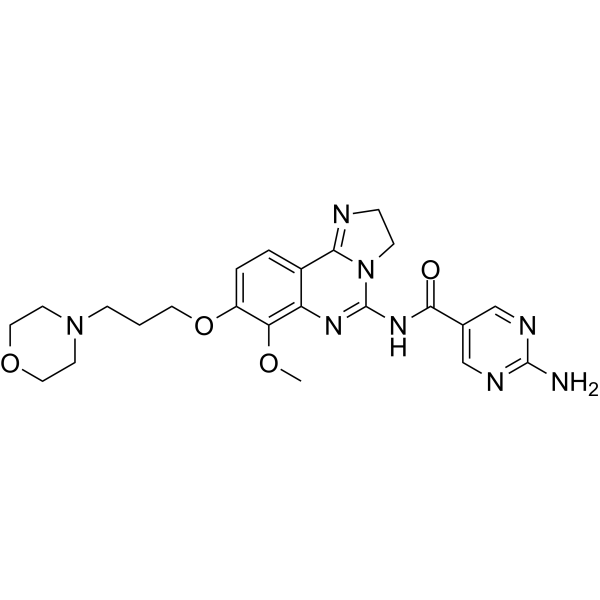
  • HY-15346
    Copanlisib
    Maximum Cited Publications
    34 Publications Verification

    BAY 80-6946

    PI3K Apoptosis Cancer
    Copanlisib (BAY 80-6946) is a potent, selective and ATP-competitive pan-class I PI3K inhibitor, with IC50s of 0.5 nM, 0.7 nM, 3.7 nM and 6.4 nM for PI3Kα, PI3Kδ, PI3Kβ and PI3Kγ, respectively. Copanlisib has more than 2,000-fold selectivity against other lipid and protein kinases, except for mTOR. Copanlisib has superior antitumor activity .
    Copanlisib
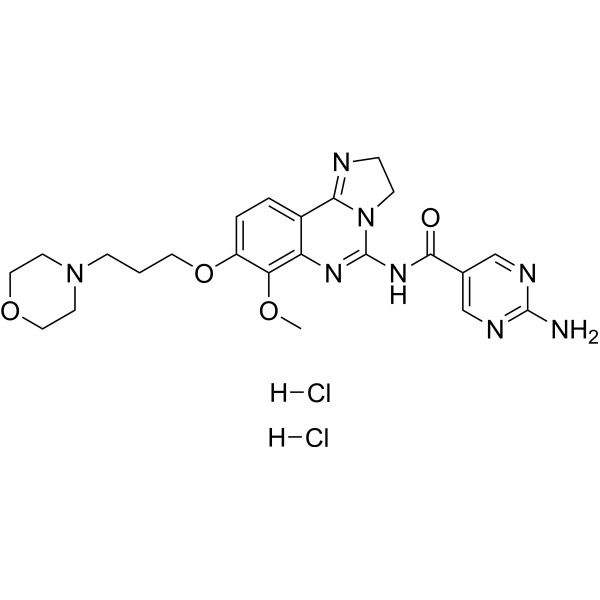
  • HY-15346A
    Copanlisib dihydrochloride
    Maximum Cited Publications
    34 Publications Verification

    BAY 80-6946 dihydrochloride

    PI3K Apoptosis Cancer
    Copanlisib dihydrochloride (BAY 80-6946 dihydrochloride) is a potent, selective and ATP-competitive pan-class I PI3K inhibitor, with IC50s of 0.5 nM, 0.7 nM, 3.7 nM and 6.4 nM for PI3Kα, PI3Kδ, PI3Kβ and PI3Kγ, respectively. Copanlisib dihydrochloride has more than 2,000-fold selectivity against other lipid and protein kinases, except for mTOR. Copanlisib dihydrochloride has superior antitumor activity .
    Copanlisib dihydrochloride
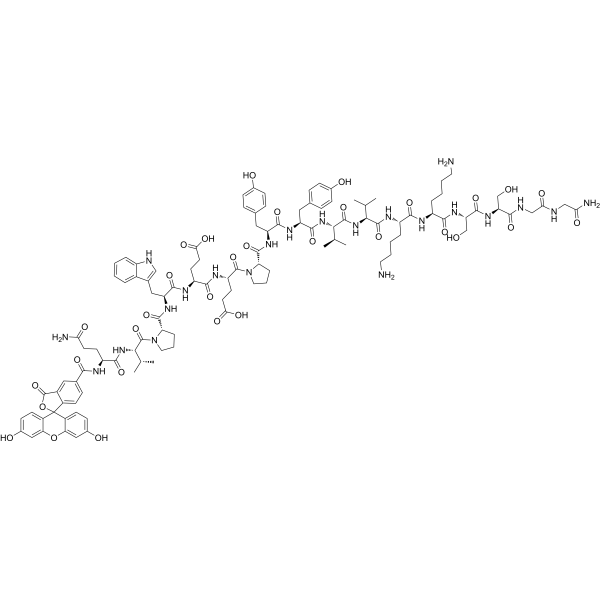
  • HY-P4154

    ALM-488

    Fluorescent Dye Neurological Disease Cancer
    Bevonescein (ALM-488) is a fluorescein-conjugated peptide that facilitates the targeted delivery of a fluorescent moiety (5-FAM (HY-66022)) to nerves after intravenous (IV) administration. Bevonescein binds nerve-associated connective tissue, labels peripheral nerves under real-time fluorescence imaging (FL) in living mice and human ex vivo nerve tissue. Bevonescein is a peptide-linked tracer which fluorescently labeled both intact and degenerated nerves (Ex/Em = 480/530 nm) .
    Bevonescein
  • HY-Y0850U3

    Polyvinyl alcohol (Mw 125000, 98-99% hydrolyzed, ~2800 polymerization); Poly(Ethenol) (Mw 125000, 98-99% hydrolyzed, ~2800 polymerization)

    Biochemical Assay Reagents Others
    PVA (Polyvinyl alcohol) (Mw 125000, 98-99% hydrolyzed, ~2800 polymerization) is a water-soluble, biodegradable, biocompatible and non-immunogenic polymer. PVA (Mw 125000, 98-99% hydrolyzed, ~2800 polymerization) causes no irritation to rabbit eyes, no skin sensitization in guinea pigs, promotes the proliferation of human skin keratinocytes, and reduces the loss of corneal endothelial cells. The LD50 of PVA (Mw 125000, 98-99% hydrolyzed, ~2800 polymerization) in rats and dogs is greater than 10 g/kg. PVA (Mw 125000, 98-99% hydrolyzed, ~2800 polymerization) is hardly absorbed by the digestive system, causes no adverse effects upon long-term oral administration, and shows no mutagenicity or carcinogenicity. However, repeated intravenous or portal vein injection of PVA (Mw 125000, 98-99% hydrolyzed, ~2800 polymerization) may induce pathological changes such as glomerular lesions, anemia, hypertension or liver fibrosis in rats or dogs. Crosslinked nanofibers prepared by modifying PVA (Mw 125000, 98-99% hydrolyzed, ~2800 polymerization) can be used in studies related to wound dressings and other applications .
    PVA (Mw 125000, 98-99% hydrolyzed, ~2800 polymerization)
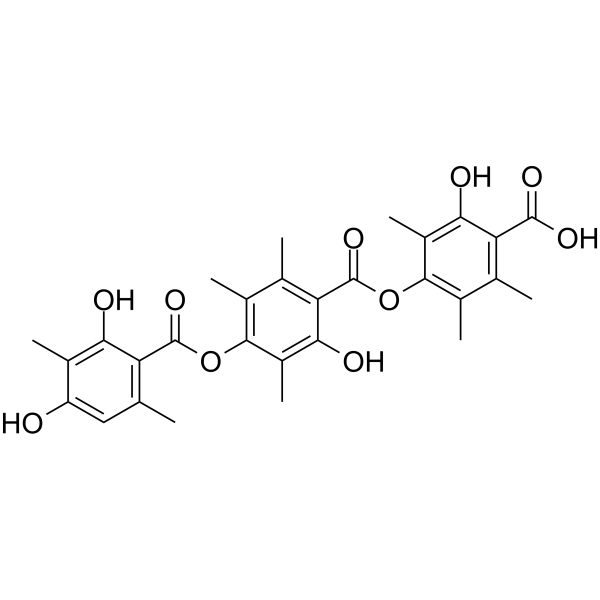
  • HY-N10225

    Prostaglandin Receptor Cardiovascular Disease Endocrinology
    Thielavin A is an inhibitor of prostaglandin biosynthesis produced by Thielavia terricola. Thielavin A specifically inhibits the conversion of arachidonic acid into prostaglandin H2. Thielavin A has no anti-inflammatory activity on intravenous injection or on oral administration .
    Thielavin A
  • HY-135578

    Parasite Infection
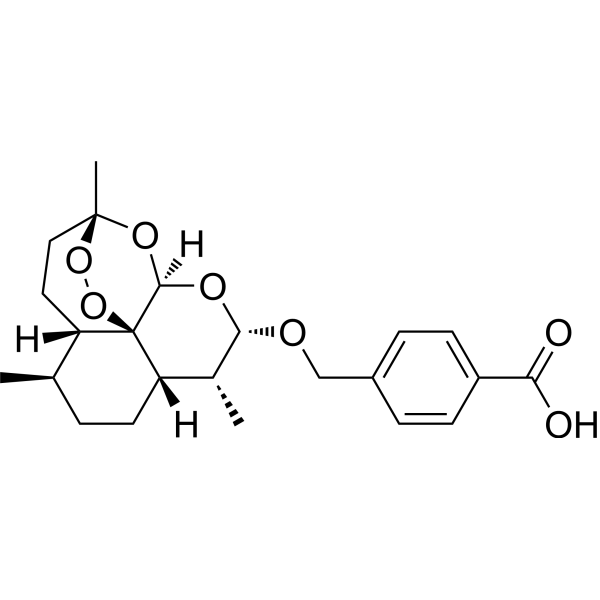
    Artelinic acid, a derivative of Artemisinin, is an antimalarial agent for the treatment of multidrug resistant strains of Plasmodium falciparum. Artelinic acid can be administered by various routes of administration, including intravenous, intramuscular and oral routes .
    Artelinic acid
  • HY-134160

    5-DHFU; 5-Fluorodihydropyrimidine-2,4-dione; 5-Fluorodihydrouracil

    Nucleoside Antimetabolite/Analog Cancer
    5,6-Dihydro-5-Fluorouracil (5-DHFU; 5-Fluorodihydropyrimidine-2,4-dione) is the active metabolite of the thymidylate synthase inhibitor prodrug 5-fluorouracil (HY-90006), which is formed from 5-fluorouracil by dihydropyrimidine dehydrogenase (DPD). 5,6-Dihydro-5-Fluorouracil is cytotoxic to HaCaT keratinocytes (IC50=13.5 μM). Intravenous administration of 5,6-Dihydro-5-Fluorouracil (90 mg/kg/wk) in combination with 5-fluorouracil and the DPD inhibitor eniluracil (HY-10533) slows tumor growth in a rat colon cancer model.
    5,6-Dihydro-5-Fluorouracil
  • HY-116763

    COX LOX-1
    COX-2/5-LOX-IN-4 (Compound 1) is a dual inhibitor that acts on both COX-2 and 5-LOX, with IC50 values of 0.05 μM for COX-2 and 0.003 μM for 5-LOX. By inhibiting the arachidonic acid metabolism pathway, COX-2/5-LOX-IN-4 reduces the production of prostaglandins and leukotrienes, alleviating inflammatory responses. In a rat ear edema model, intravenous administration (0.01 and 0.1 mg/kg) reduced edema by 41% and 44%, respectively, demonstrating significant anti-inflammatory effects. COX-2/5-LOX-IN-4 shows promise for studying the mechanisms of inflammatory diseases .
    COX-2/5-LOX-IN-4
  • HY-15346R
    Copanlisib (Standard)
    1 Publications Verification

    BAY 80-6946 (Standard)

    Reference Standards PI3K Apoptosis Cancer
    Copanlisib (Standard) is the analytical standard of Copanlisib. This product is intended for research and analytical applications. Copanlisib (BAY 80-6946) is a potent, selective and ATP-competitive pan-class I PI3K inhibitor, with IC50s of 0.5 nM, 0.7 nM, 3.7 nM and 6.4 nM for PI3Kα, PI3Kδ, PI3Kβ and PI3Kγ, respectively. Copanlisib has more than 2,000-fold selectivity against other lipid and protein kinases, except for mTOR. Copanlisib has superior antitumor activity .
    Copanlisib (Standard)
  • HY-105215

    Neurokinin Receptor Inflammation/Immunology
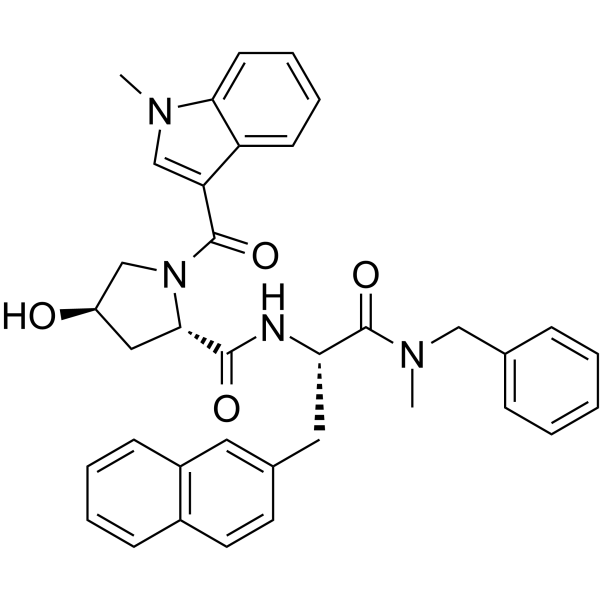
    FK888 is a potent, selective, and high affinity dipeptide NK1 receptor antagonist. FK888 displaces [3H]-SP binding with a Ki value of 0.69 nM and 0.45 microM. FK888 also inhibits SP-induced airway oedema in guinea-pig after both intravenous and oral administration .
    FK888
  • HY-134160S

    5-DHFU-13C,15N2; 5-Fluorodihydropyrimidine-2,4-dione-13C,15N2; 5-Fluorodihydrouracil-13C,15N2

    Isotope-Labeled Compounds Nucleoside Antimetabolite/Analog Cancer
    5,6-Dihydro-5-Fluorouracil- 13C, 15N2 (5-DHFU- 13C, 15N2) is the 13C- and 15N-labeled labeled 5,6-Dihydro-5-Fluorouracil (HY-134160). 5,6-Dihydro-5-Fluorouracil (5-DHFU; 5-Fluorodihydropyrimidine-2,4-dione) is the active metabolite of the thymidylate synthase inhibitor prodrug 5-fluorouracil (HY-90006), which is formed from 5-fluorouracil by dihydropyrimidine dehydrogenase (DPD). 5,6-Dihydro-5-Fluorouracil is cytotoxic to HaCaT keratinocytes (IC50=13.5 μM). Intravenous administration of 5,6-Dihydro-5-Fluorouracil (90 mg/kg/wk) in combination with 5-fluorouracil and the DPD inhibitor eniluracil (HY-10533) slows tumor growth in a rat colon cancer model.
    5,6-Dihydro-5-Fluorouracil-13C,15N2
  • HY-B1657

    Drug Intermediate Neurological Disease
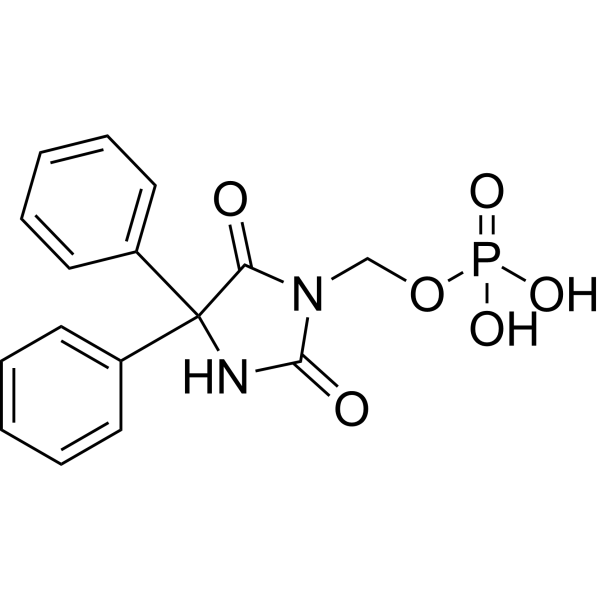
    Fosphenytoin is a phosphate ester proagent developed as an alternative to intravenous phenytoin for acute intervention of seizures. Fosphenytoin has advantages including more convenient and rapid intravenous administration, availability for intramuscular injection, and low potential for adverse local reactions at injection sites .
    Fosphenytoin
  • HY-N6910

    Others Metabolic Disease
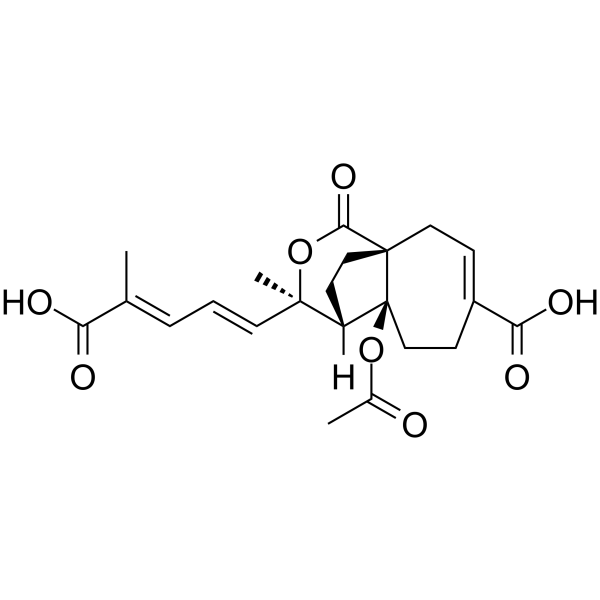
    Pseudolaric Acid C2, a diterpenoid isolated from Pseudolarix kaempferi, is identified as the specific metabolite of Pseudolaric acid B in plasma, urine, bile and feces after both oral and intravenous administration to rats .
    Pseudolaric Acid C2
  • HY-159640

    Parasite Infection
    NVP-FVP954 is a fast-acting antimalarial agent with potential for severe malaria. FVP954 has a high barrier to resistance, long half-life, and high solubility, making it suitable for intravenous administration .
    NVP-FVP954
  • HY-105919

    Factor Xa Cardiovascular Disease
    Naroparcil is an orally active antithrombotic agent. Naroparcil exhibits antithrombotic effects in rabbit Wessler stasis model with EC50s of 21.9 mg/kg and 36.0 mg/kg after respectively intravenous injection and oral administration .
    Naroparcil
  • HY-100435

    MCB-3837; DNV3837

    Bacterial Infection
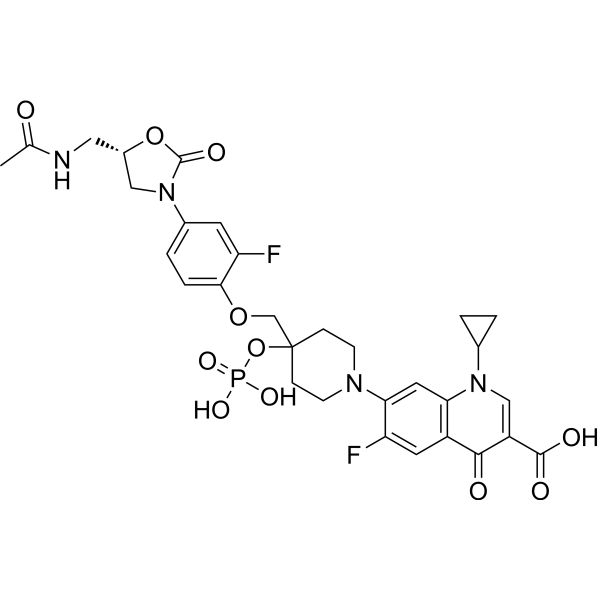
    Oxaquin (MCB-3837) is a injectable proagent that is rapidly converted to the active substance MCB3681 in vivo following intravenous (i.v.) administration, active against Gram-positive bacterial species. Oxaquin (MCB-3837) itself has no antimicrobial effects .
    Oxaquin
  • HY-14795

    ZT-1

    Cholinesterase (ChE) Neurological Disease
    Mimopezil (ZT-1) is an cholinesterase (ChE) inhibitor that rapidly degrades into the active metabolite Huperzine A (HY-17388) in water or aqueous organic solvents. After oral administration, Mimopezil is rapidly absorbed but has low bioavailability (0.37%) in rats. However, after metabolism, it is converted into Huperzine A, which accumulates in the blood and exhibits strong activity. Following intravenous administration, Mimopezil reaches higher blood concentrations and is also rapidly metabolized into Huperzine A .
    Mimopezil
  • HY-19454

    GHSR Cardiovascular Disease
    CP-464709 is a Ghrelin receptor agonist that can penetrate the blood-brain barrier. CP-464709 causes an increase in blood pressure by activating pre sympathetic neurons in the spinal cord. CP-464709 causes biphasic blood pressure response when administered intravenously, while intrathecal administration only causes pressor. CP-464709 can be used for research on cardiovascular conditions .
    CP-464709
  • HY-118185

    Renin Others
    SQ 31844 is a novel renin inhibitor belonging to the imidazolidinol class. This compound, which contains an imidazole ring in its active site binding group, has potent in vitro inhibition of primate renin, but not rat, pig, or dog renin. In conscious, sodium-deprived cynomolgus monkeys, both compounds produced dose-related inhibition of plasma renin activity (PRA) over a dose range of 0.001 to 1.0 μmol/kg, administered intravenously, with complete inhibition observed at the highest dose. However, a reduction in blood pressure was only observed when 10 μmol/kg was administered intravenously or by infusion. In sodium-replete monkeys, SQ 30774 inhibited the increase in arterial blood pressure and PRA following administration of exogenous monkey renin. When the compounds were administered orally at 50 μmol/kg, only SQ 31844 significantly inhibited PRA (80%). In summary, the imidazolidinol renin inhibitors have potent inhibitory effects on renin in vitro and inhibit PRA and reduce arterial blood pressure in vivo.
    SQ 31844
  • HY-15076

    NS-1209 sodium

    iGluR Neurological Disease
    SPD-502 sodium is a novel glutamate antagonist with potential neuroprotective properties, particularly in brain ischemia. It selectively targets the AMPA receptor, showing high affinity (IC50 = 0.043 μM) and competitive inhibition of AMPA-induced effects in rat cortical membranes and cultured mouse cortical neurons. In vivo, SPD-502 sodium effectively blocks AMPA-evoked spike activity in the hippocampus after intravenous administration, significantly increasing the seizure threshold in mice and demonstrating robust protection against ischemia-induced damage to hippocampal neurons in gerbils. These findings suggest SPD-502 sodium may be promising for studying neurodegenerative conditions associated with glutamate excitotoxicity .
    SPD-502 sodium
  • HY-15074

    NS-1209

    iGluR Neurological Disease
    SPD-502 is a novel glutamate antagonist with potential neuroprotective properties, particularly in brain ischemia. It selectively targets the AMPA receptor, showing high affinity (IC50 = 0.043 μM) and competitive inhibition of AMPA-induced effects in rat cortical membranes and cultured mouse cortical neurons. In vivo, SPD-502 effectively blocks AMPA-evoked spike activity in the hippocampus after intravenous administration, significantly increasing the seizure threshold in mice and demonstrating robust protection against ischemia-induced damage to hippocampal neurons in gerbils. These findings suggest SPD-502 may be promising for studying neurodegenerative conditions associated with glutamate excitotoxicity .
    SPD-502
  • HY-118683

    Potassium Channel Others
    KR-31378 is a neuroprotectant with dose-dependent pharmacokinetic properties and relevant activity in rats. After intravenous and oral administration of KR-31378 in rats, its pharmacokinetic parameters showed dose-dependent changes, such as decreased clearance with increasing doses, good oral absorption, and comparable AUCs for intravenous and oral administration at different doses.
    KR-31378
  • HY-P992453

    MTBT1466A; RG-6315

    TGF-β Receptor Neurological Disease Inflammation/Immunology
    RO-7303509 (MTBT1466A; RG-6315) is a human monoclonal antibody and TGFβ3 neutralizer. RO-7303509 targets the profibrotic mediator TGFβ3 to alleviate fibrosis. RO-7303509 can be administered via subcutaneous or intravenous routes and is used in research on systemic sclerosis . Recommended isotype control: Human IgG1 kappa, Isotype Control (HY-P99001).
    RO-7303509
  • HY-N18029

    Drug Derivative Inflammation/Immunology Cancer
    (24S)-Ginsenoside V is a monooxygenated derivative of Ginsenoside Rb1 (HY-N0039). (24S)-Ginsenoside V is the major circulating metabolite of Ginsenoside Rb1 in rat plasma. (24S)-Ginsenoside V appears in rat urine after intravenous and oral administration of Ginsenoside Rb1 to rats .
    (24S)-Ginsenoside V
  • HY-185679

    Biochemical Assay Reagents Others
    W19-LNP is a lipid nanoparticle formulated with a Ugi-reaction-derived ionizable lipid (W19). W19-LNP demonstrates highly selective mRNA delivery to the spleen in female BALB/c mice upon intravenous administration. W19-LNP can be used for the research of mRNA-based vaccine delivery, immune cell reprogramming, and gene-engineered cell preparation .
    W19-LNP
  • HY-182611

    TGF-β Receptor Inflammation/Immunology Cancer
    SRI-31277 is a thrombospondin 1 (TSP-1) inhibitor with a human target pIC50 of 8.28 nM and in vivo activity, and exhibits a very short plasma half-life with intravenous administration.SRI-31277 inhibits interaction between TSP-1 and the latency-associated peptide (LAP) of latent TGF-β, blocking TSP-1-mediated TGF-β activation.SRI-31277 can be used for the research of multiple myeloma and fibrotic conditions .
    SRI-31277
  • HY-182612

    TGF-β Receptor Cancer
    SRI-35241 is a thrombospondin TSP-1 inhibitor with a pIC50 of 8.12 nM against human targets. SRI-35241 inhibits the binding of TSP-1 to latent transforming growth factor-β-associated peptide (LAP) and blocks the activation of TGF-β. SRI-35241 shows a certain time-dependent property, with a plasma half-life of 1.8 h after intravenous administration. SRI-35241 can be used for the research of multiple myeloma and fibrotic diseases .
    SRI-35241
  • HY-P991905

    CD20 TREM receptor Neurological Disease
    AL044 is an antibody targeting MS4A family proteins. AL044 can mimic the protective effects of MS4A gene variants, thereby increasing the expression of both sTREM2 and membrane-bound TREM2 in cells. AL044 is applicable for research on Alzheimer's disease .
    AL044

Inquiry Online

Your information is safe with us. * Required Fields.

Salutation


Country or Region *

Applicant Name *


Organization Name *

Department *


Email Address *


Product Name *

Cat. No.


Requested quantity *

Phone Number *


Remarks

Inquiry Online

Inquiry Information

Product Name:
Cat. No.:
Quantity:
MCE Japan Authorized Agent:

