1. Search Result
Search Result
Results for "

orthosteric agonist

" in MedChemExpress (MCE) Product Catalog:

29

Inhibitors & Agonists

1

Natural
Products

Cat. No. Product Name Target Research Areas Chemical Structure
  • HY-W011417
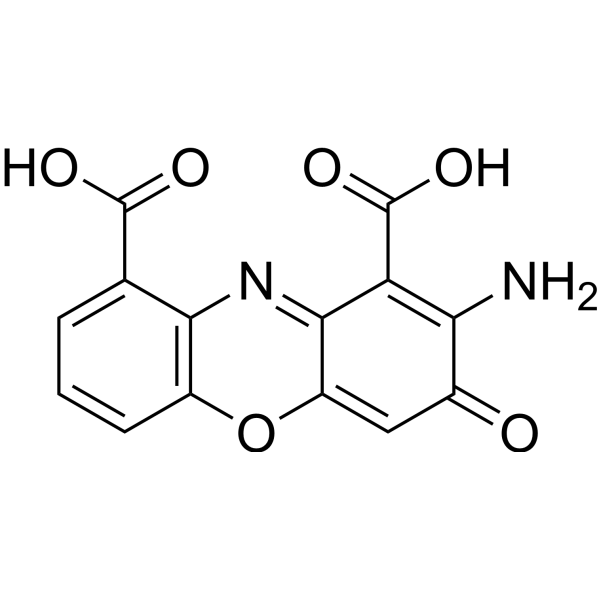
    Cinnabarinic acid
    1 Publications Verification

    Endogenous Metabolite mGluR Apoptosis Others
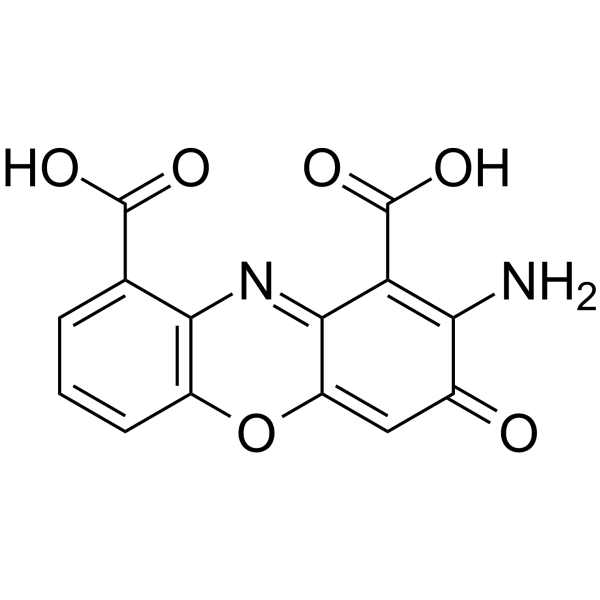
    Cinnabarinic acid is a specific orthosteric agonist of mGlu4 by interacting with residues of the glutamate binding pocket of mGlu4, has no activity at other mGlu receptors. Cinnabarinic acid is an endogenous metabolite of the kynurenine pathway of tryptophan. Cinnabarinic acid induces cell apoptosis .
    Cinnabarinic acid
  • HY-120645
    BMS-986122
    1 Publications Verification

    Opioid Receptor Neurological Disease
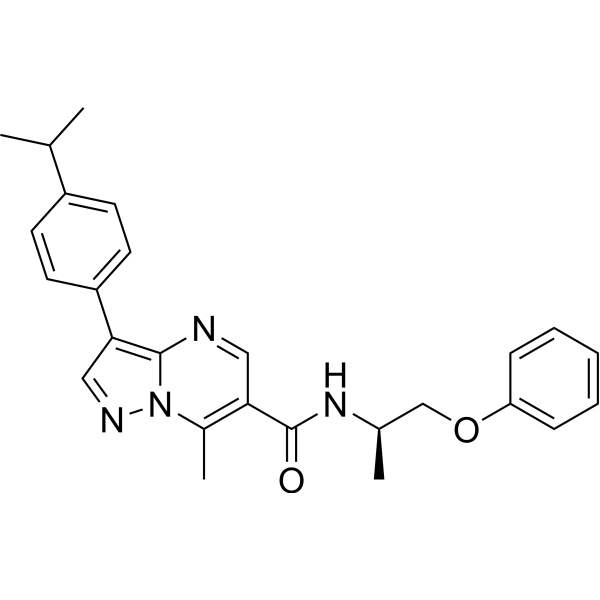
    BMS-986122 is a selective, potent positive allosteric modulator of the mu-opioid receptor (µ-OR). BMS-986122 shows potentiation of orthosteric agonist-mediated β-arrestin recruitment, adenylyl cyclase inhibition, and G protein activation. BMS-986122 potentiates DAMGO-mediated [ 35S]GTPγS binding in mouse brain membranes .
    BMS-986122
  • HY-159829

    NBI-1117568; HTL-0016878

    mAChR Neurological Disease
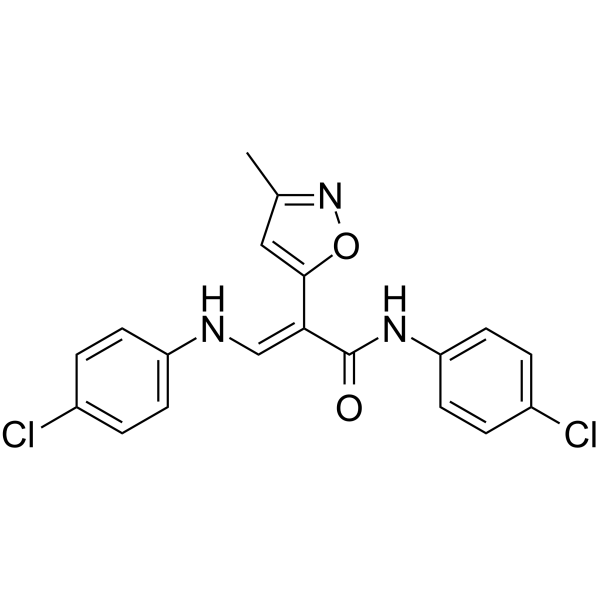
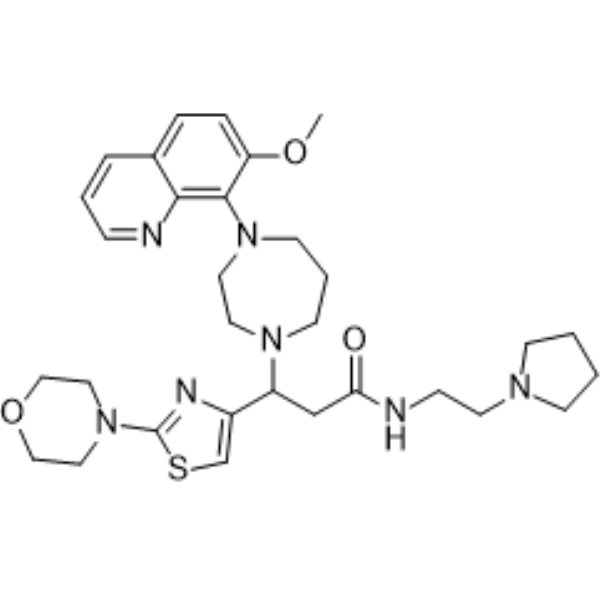
    Direclidine (NBI-1117568, HTL-0016878) is a selective orthosteric agonist targeting the muscarinic acetylcholine M4 receptor, exhibiting very low affinity for M1, M2, M3, and M5 receptors. It binds to the orthosteric site of the M4 receptor in a non-covalent, competitive manner. Direclidine specifically activates the M4 receptor, inhibiting the release of acetylcholine from striatal cholinergic interneurons, thereby regulating the balance of the dopaminergic system and reducing psychiatric symptoms associated with excessive dopamine release. Direclidine can improve symptoms associated with neuropsychiatric disorders and is used in research on schizophrenia and other neuropsychiatric disorders .
    Direclidine
  • HY-12150
    CCMI
    1 Publications Verification

    AVL-3288; UCI-4083

    nAChR Neurological Disease
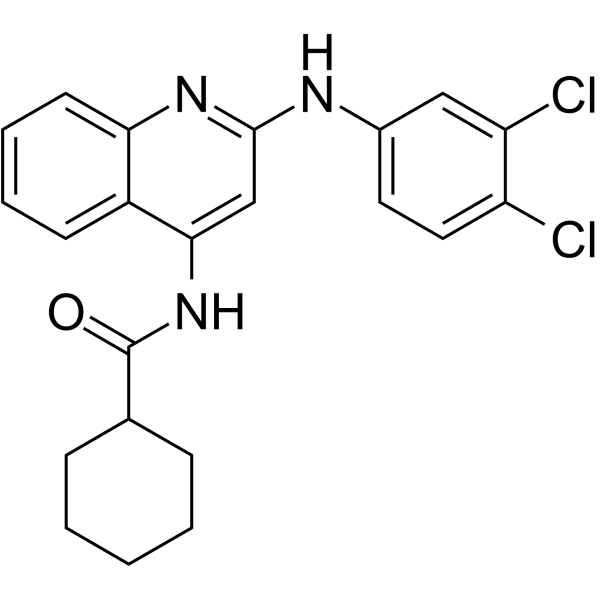
    CCMI (AVL-3288) is a potent and selective α7 nAChR-positive allosteric modulator, does not bind to or activate α7 nAChRs via the orthosteric site, and causes significant positive modulation of agonist-induced currents at α7 nAChRs. CCMI has potential in CNS diseases with cognitive dysfunction .
    CCMI
  • HY-W011417R

    Endogenous Metabolite Reference Standards mGluR Apoptosis Others
    Cinnabarinic acid (Standard) is the analytical standard of Cinnabarinic acid. This product is intended for research and analytical applications. Cinnabarinic acid is a specific orthosteric agonist of mGlu4 by interacting with residues of the glutamate binding pocket of mGlu4, has no activity at other mGlu receptors. Cinnabarinic acid is an endogenous metabolite of the kynurenine pathway of tryptophan. Cinnabarinic acid induces cell apoptosis .
    Cinnabarinic acid (Standard)
  • HY-123813

    CXCR Arrestin Cancer
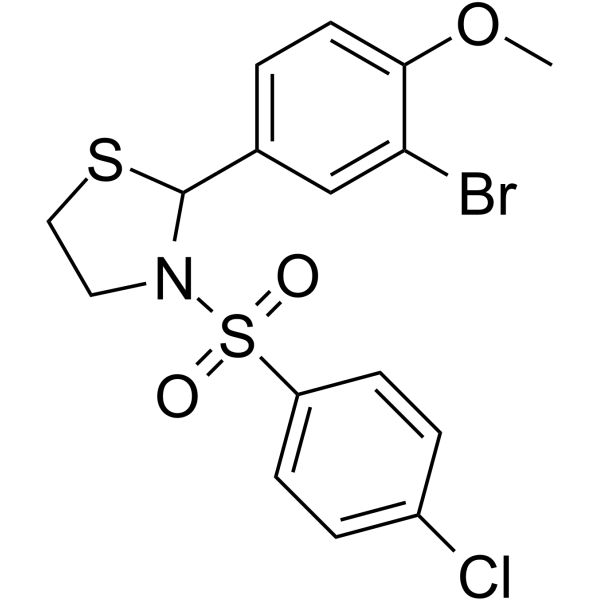
    CCX-777 is an orthosteric binder and partial agonist of CXCR7/ACKR3. CCX-777 induces the recruitment of β-arrestin 2 and affects the rebinding of chemokines to ACKR3. CCX-777 functions to stabilize the ACKR3 receptor and promotes the formation of a monodisperse, stable complex of the receptor in DDM/CHS micelles. CCX-777 is widely used in cancer-related research .
    CCX-777
  • HY-117764

    mGluR Neurological Disease
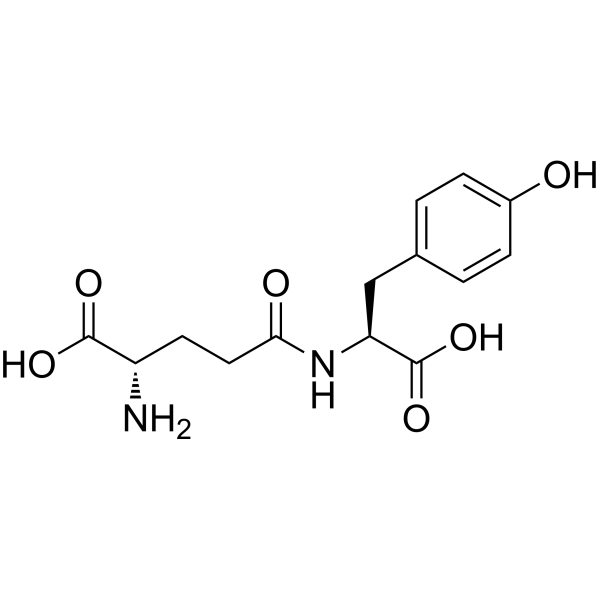
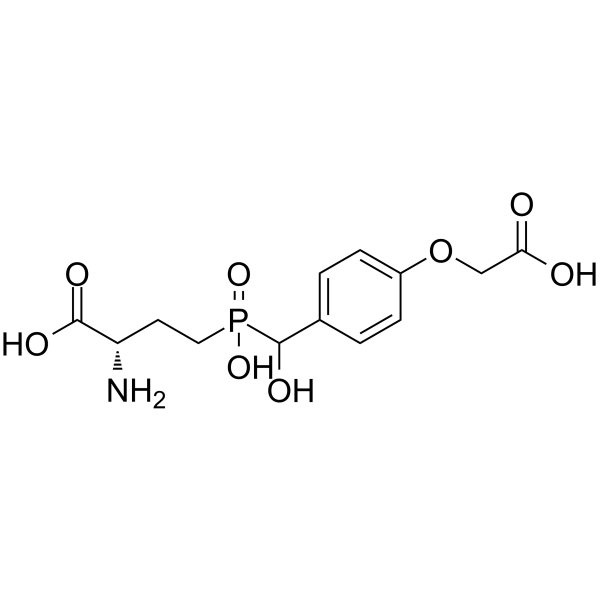
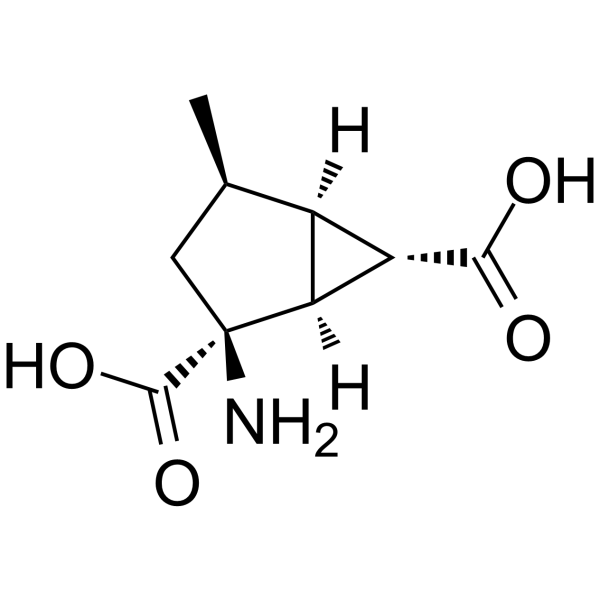
    LSP4-2022 is a potent and brain-penetrant mGlu4-selective orthosteric agonist, with an EC50 of 0.11 μM. LSP4-2022 inhibits neurotransmission in cerebellar slices from wild-type but not mGlu4 receptor-knockout mice. LSP4-2022 shows pro-depressant activity .
    LSP4-2022
  • HY-156025

    Hydroxycarboxylic Acid Receptor (HCAR) Inflammation/Immunology
    HCAR2 agonist 1 (Compound 9n) is a Gi protein-biased allosteric modulator of HCAR2. HCAR2 agonist 1 activates the Gi protein signaling pathway. HCAR2 agonist 1 shows anti-inflammatory effect, and reduces mRNA level of pro-inflammatory cytokine (TNF-α, IL-1β, IL-6, and MCP-1). HCAR2 agonist 1 enhances anti-inflammatory effects of orthosteric agonists in the mouse model of colitis .
    HCAR2 agonist 1
  • HY-59384

    Free Fatty Acid Receptor Metabolic Disease Inflammation/Immunology
    MOMBA is a selective FFA2 (Free Fatty Acid Receptor 2) orthosteric agonist that activates receptor signaling pathways by binding to the orthosteric site of FFA2 with high specificity. MOMBA holds potential for research on metabolic and inflammatory diseases .
    MOMBA
  • HY-13239

    mGluR Neurological Disease
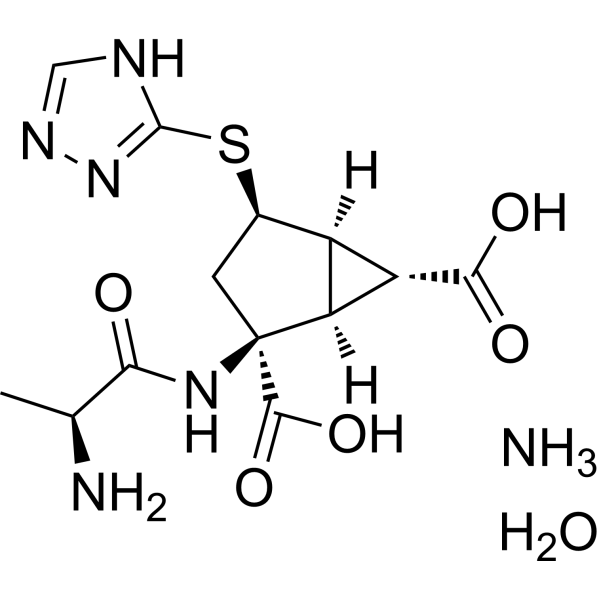
    LY2979165 is the alanine proagent of 2812223, a selective and potent orthosteric mGlu2 receptor agonist .
    LY2979165
  • HY-103549

    mGluR Neurological Disease
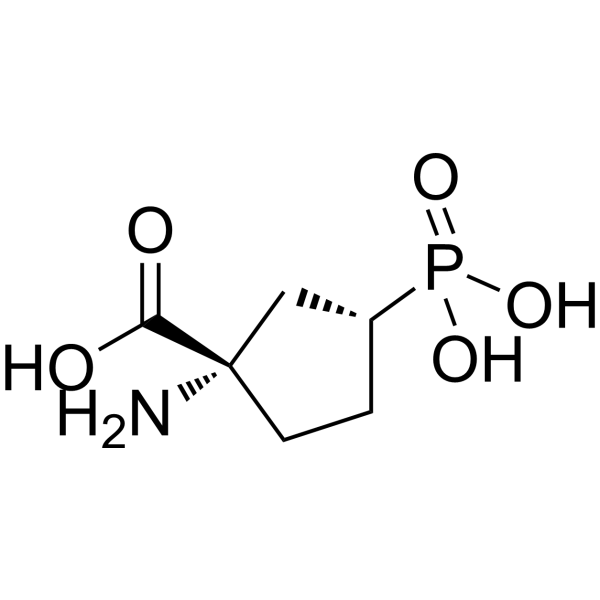
    Z-Cyclopentyl-AP4 is a kainate-type glutamate receptor agonist (orthosteric agonist). Z-Cyclopentyl-AP4 is more selective for mGlu4 than mGlu8 .
    Z-Cyclopentyl-AP4
  • HY-119943B

    Dopamine Receptor Neurological Disease
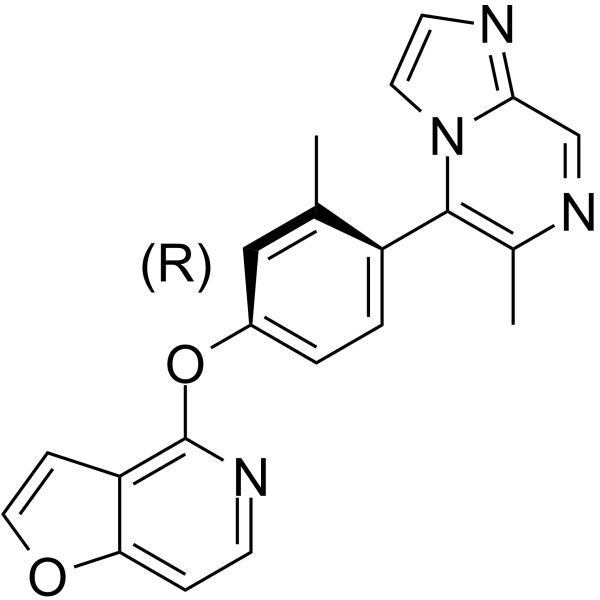
    (R)-PF-06256142 is the R enantiomer of PF-06256142 with low active. PF-06256142 is a potent and selective orthosteric D1 receptor agonist that can reduce receptor desensitization relative to dopamine and other catechol-containing agonists .
    (R)-PF-06256142
  • HY-175168

    STING Inflammation/Immunology
    diABZI-a1 is a orthosteric STING agonist with EC50 of 117 nM for IFNβ in human PBMCs. diABZI-a1 can be used for monogenic autoinflammatory disease like SAVI disease research .
    diABZI-a1
  • HY-10915

    Adenosine Receptor Cardiovascular Disease
    LUF6096, a potent allosteric enhancer of the adenosine A3 receptor, is able to allosterically enhance agonist binding. LUF6096 shows low orthosteric affinity for any of the adenosine receptors. LUF6096 shows protective effects in myocardial ischemia/reperfusion injury .
    LUF6096
  • HY-175166

    STING Inflammation/Immunology
    BMS-025 is a orthosteric STING agonist. BMS-025 can induces chemical shift of STING M271 residue, further activating STING IFN signaling. BMS-025 can be used for monogenic autoinflammatory disease like SAVI disease research .
    BMS-025
  • HY-135698

    M-CAM

    Opioid Receptor Neurological Disease
    Methocinnamox (M-CAM) a selective and long-acting μ-opioid receptor (MOR) antagonist with a Ki of 0.6 nM. Methocinnamox binds to the orthosteric site of the MOR in a pseudo-irreversible, non-covalent manner, resulting in prolonged receptor blockade that persists until new receptors are synthesized. Methocinnamox acts as a reversible antagonist at both the kappa-opioid receptor (KOR) (Ki = 4.9 nM) and delta-opioid receptor (DOR) (Ki = 2.2 nM), and it exhibits no intrinsic agonist activity at these receptors. Methocinnamox can be used to reverse and prevent opioid overdose and addiction .
    Methocinnamox
  • HY-13239A

    mGluR Neurological Disease
    LY2979165 free base is the alanine proagent of 2812223, a selective and potent orthosteric mGlu2 receptor agonist .
    LY2979165 free base
  • HY-103551A

    mGluR Neurological Disease
    LY 541850 is claimed from human ionotropic and metabotropic glutamate (mGlu) receptors expressed in non-neuronal cells. LY541850 is a selective orthosteric mGlu2 agonist and mGlu3 antagonist with IC50 values of 0.161 μM and 0.038 μM, respectively .
    LY 541850
  • HY-142972

    Prostaglandin Receptor Cardiovascular Disease
    19(S)-HETE is an arachidonic acid metabolite produced by cytochrome P450 enzymes. 19(S)-HETE is a full orthosteric agonist of the prostacyclin (IP) receptor with an EC50 value of 567 nM. 19(S)-HETE inhibits platelet activation and relaxation of vessels .
    19(S)-HETE
  • HY-175672

    Mas-related G-protein-coupled Receptor (MRGPR) Neurological Disease
    MRGPRX4 modulator-3 (Compound 1C) is a negative allosteric MAS-related G-protein-coupled receptor X4 (MRGPRX4) modulator. MRGPRX4 modulator-3 significantly attenuates Nateglinide (HY-B0422) (orthosteric agonist)-induced responses with an IC50 of 337 nM. MRGPRX4 modulator-3 can be used for chronic itch (especially cholestatic itch) and pain research .
    MRGPRX4 modulator-3
  • HY-182723

    GPR84 Cancer
    PSB-16671 is an allosteric agonist of GPR84. PSB-16671 recruits β-arrestins and couples to Gi, enhances the Gi activation potency of orthosteric agonists, and exerts a synergistic effect with orthosteric agonists. PSB-16671 promotes G protein activation and partial chemotaxis independent of GPR84 in mouse neutrophils, maintains the phagocytic function of macrophages against cancer cells without inducing receptor desensitization. PSB-16671 can be used in cancer-related research .
    PSB-16671
  • HY-120093

    Cannabinoid Receptor PERK Neurological Disease
    GAT100 is a negative allosteric modulator and covalent allosteric probe for cannabinoid receptor type 1 (CB1R). GAT100 acts as a positive allosteric modulator for orthosteric agonist CP55,940 binding to regulate the CB1R signaling pathway. GAT100 reduces the potency and efficacy of orthosteric CB1R agonists in terms of β-arrestin 1 recruitment, phosphorylation of PLCβ3 and ERK1/2, cAMP accumulation, and CB1R internalization. GAT100 is applicable to the research of psychobehavioral and somatic diseases .
    GAT100
  • HY-182729

    Free Fatty Acid Receptor Metabolic Disease
    FFA2 agonist-2 is a potent agonist of the FFA2 (GPR43) receptor, with a pEC50 of 7.9 for human FFA2, and a pEC50 of 7.3 for murine FFA2. FFA2 agonist-2 acts as an orthosteric agonist and shows no obvious cross‑activity against FFA1, FFA3 and FFA4. FFA2 agonist-2 can be used for FFA2 receptor research in type 2 diabetes and metabolic disorders .
    FFA2 agonist-2
  • HY-N11141

    Adrenergic Receptor Others
    (R)-Octopamine is a Gs-coupled receptor agonist. (R)-Octopamine binds to the orthosteric site of BmOAR2 and interacts with the Asp115, Ser202 and Tyr300 residues to activate the receptor, which couples to Gs protein and thereby stimulates adenylate cyclase activity .
    (R)-Octopamine
  • HY-121837

    Adrenergic Receptor Arrestin Cardiovascular Disease Inflammation/Immunology
    β2AR-IN-15 is a selective β2-adrenergic receptor (β2AR) antagonist with a Kd of 1.7 μM. β2AR-IN-15 binds to an intracellular β2AR region overlapping the G-protein binding site, enhancing orthosteric inverse agonist binding while negatively modulating binding of orthosteric agonists with EC50 values of 1.9 and 0.48 μM. β2AR-IN-15 shows inhibitory effect on cAMP production and β-arrestin recruitment to activated β2AR. β2AR-IN-15 can be used for the research of cardiovascular and pulmonary diseases .
    β2AR-IN-15
  • HY-182921

    GPR84 Enterovirus Inflammation/Immunology
    GPR84 antagonist 11 is a highly selective GPR84 antagonist, with a human pA2 of 8.41 and a pKi of 8.16. GPR84 antagonist 11 competitively inhibits the binding of agonists to the orthosteric site of GPR84 and has improved druglike properties, though its metabolic stability still requires optimization. GPR84 antagonist 11 can be used in the research of autoimmune diseases and fibrotic diseases .
    GPR84 antagonist 11
  • HY-123813A

    CXCR Arrestin Cancer
    CCX-777 formic is an orthosteric binder and partial agonist of CXCR7/ACKR3. CCX-777 formic induces the recruitment of β-arrestin 2 and affects the rebinding of chemokines to ACKR3. CCX-777 formic functions to stabilize the ACKR3 receptor and promotes the formation of a monodisperse, stable complex of the receptor in DDM/CHS micelles. CCX-777 formic is widely used in cancer-related research .
    CCX-777 formic
  • HY-124912

    Histamine Receptor Others
    VUF-6884 (Compound 7j) is a histamine receptor (Histamine Receptor) ligand with activity toward human H4R and H1R. Its pEC50 and pKi values against human H4R are 7.70 and 7.55, respectively, while those against human H1R are 8.17 and 8.11, respectively. VUF-6884 competitively binds to the orthosteric binding site of human H4R to displace histamine, and exhibits inverse agonist activity at human H1R .
    VUF-6884
  • HY-182687

    Adenosine Receptor Neurological Disease
    MRS7469 is a highly selective A1 adenosine receptor (A1AR) agonist with over 2000-fold selectivity over other adenosine receptor subtypes. MRS7469 stably binds to the orthosteric binding site of A1AR, and exhibits extremely high affinity for both humans and mice (e.g., human pKi is 8.67, mouse pKi is 9.43). By activating central A1AR, MRS7469 significantly induces hypothermia, motor inhibition and psychomotor dysfunction, and can be widely used in research related to depression and other relevant fields .
    MRS7469

Inquiry Online

Your information is safe with us. * Required Fields.

Salutation


Country or Region *

Applicant Name *


Organization Name *

Department *


Email Address *


Product Name *

Cat. No.


Requested quantity *

Phone Number *


Remarks

Inquiry Online

Inquiry Information

Product Name:
Cat. No.:
Quantity:
MCE Japan Authorized Agent:

