Search Result
Results for "
photosynthetic
" in MedChemExpress (MCE) Product Catalog:
4
Biochemical Assay Reagents
2
Isotope-Labeled Compounds
| Cat. No. |
Product Name |
Target |
Research Areas |
Chemical Structure |
-
- HY-W127709
-
|
|
Environmental Pollutants
Biochemical Assay Reagents
|
Others
|
|
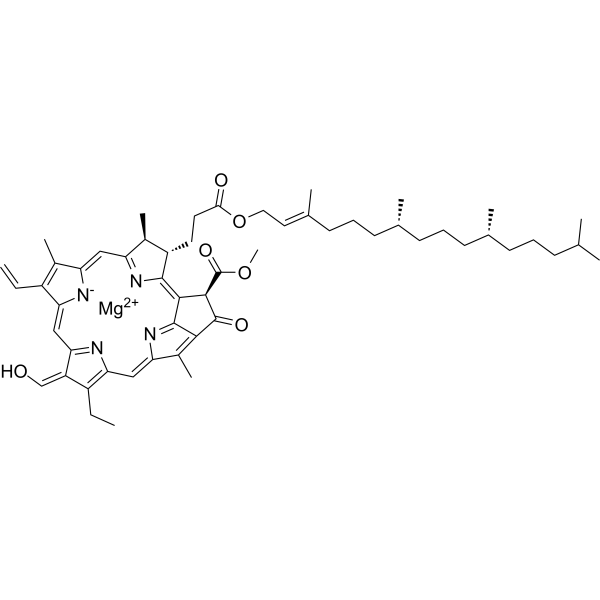
Chlorophyll b is an orally active tetrapyrrole derivative and pigment. Chlorophyll b can be obtained from photosynthetic organisms such as plants and algae. Chlorophyll b acts as a hydrogen donor and increases Glutathione levels. Chlorophyll b has antioxidant activity and functionally replaces chlorophyll a in photosystem II to participate in photosynthesis. Chlorophyll b reduces Cisplatin (HY-17394)-induced DNA damage, chromosome instability, and oxidative stress. Chlorophyll b is mainly used in the study of plant photosynthesis mechanism .
|
-
-
- HY-W006416
-
|
|
Drug Intermediate
|
Others
|
|
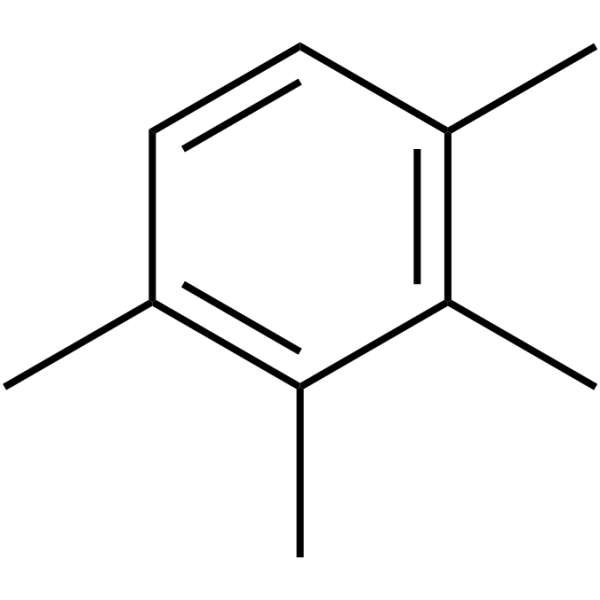
1,2,3,4-Tetramethylbenzene is an aromatic hydrocarbon. 1,2,3,4-Tetramethylbenzene can serve as a molecular marker indicating the input of photosynthetic sulfur bacteria (especially green sulfur bacteria) in ancient sedimentary environments, reflecting the static marine environment of the source rock deposition. 1,2,3,4-Tetramethylbenzene can also be used as a pharmaceutical intermediate .
|
-
-
- HY-N2024A
-
|
|
Endogenous Metabolite
Glycosidase
|
Metabolic Disease
|
|
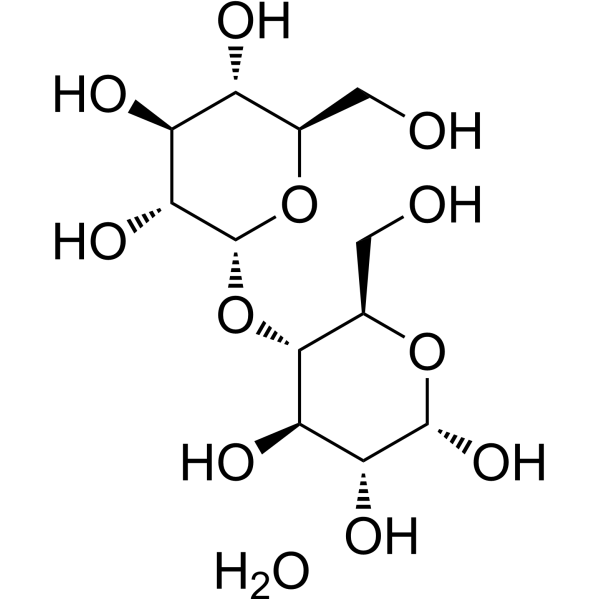
Maltose monohydrate is a disaccharide composed of two glucose molecules linked together. Maltose monohydrate is an endogenous metabolic product in plants, yeast, or bacteria, and it participates in carbon source storage and metabolism. Maltose monohydrate is a key core metabolite and main transport form in the temporary starch degradation, carbon output, and subsequent sucrose synthesis metabolism of the night chloroplast. In X. dendrorhous, maltose can act as a sugar donor and is converted into isomaltulose by α-glucosidase. Maltose monohydrate can act as a osmotic agent, supporting continuous capillary ultrafiltration and preventing severe metabolic disorders .
|
-
-
- HY-N0354
-
|
|
Environmental Pollutants
Virus Protease
|
Infection
Metabolic Disease
Inflammation/Immunology
Cancer
|
|
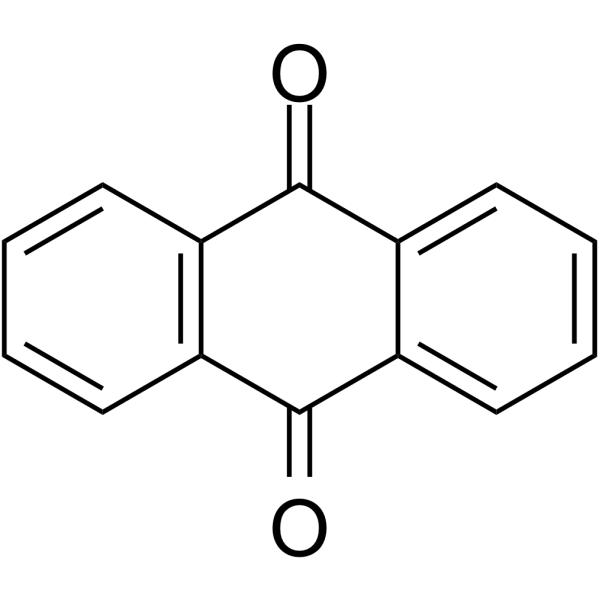
Anthraquinone is used as a precursor for dye formation and agrochemicals, existing in different organisms, such as bacteria, fungi, plants, and some animals. Anthraquinone has biological activities: anticancer, antiinflammatory, diuretic, antiarthritic, antifungal, antibacterial, antimalarial and antioxidant. Anthraquinone also plays an important role in the primary metabolism of plants by acting on the electron transport chain through the inhibition of energy transfer in the photosynthetic process. Anthraquinone can intercalates into DNA and inhibits the topoisomerase II (topo II) enzyme, resulting in cell death via Apoptosis .
|
-
-
- HY-B1876
-
|
|
Environmental Pollutants
Acetolactate Synthase (ALS)
|
Others
|
|
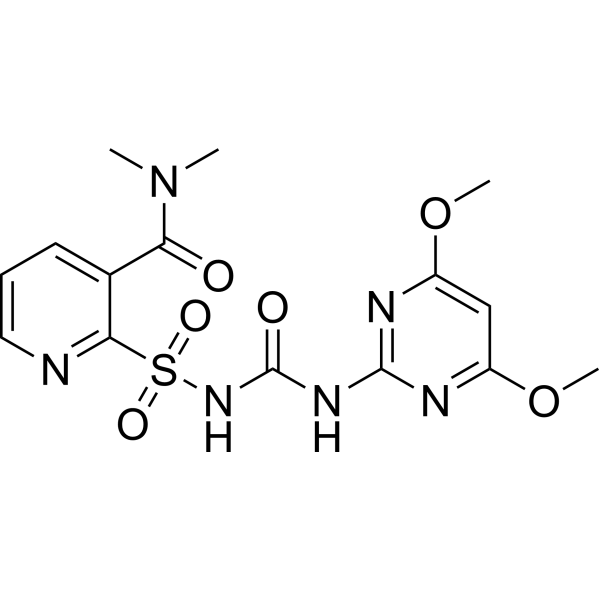
Nicosulfuron is efficient, harmless, antifungal and selective herbicide belonging to the sulfonylurea family. Nicosulfuron is also a photosynthetic system inhibitor and inhibits acetolactate synthase (ALS) enzyme activity. Nicosulfuron degradation by Plectosphaerella cucumerina AR1 is glucose concentration dependent in planktonic lifestyle. Nicosulfuron enhances the glycolysis pathway and tricarboxylic acid cycle to improve the adaptability of sweet maize. Nicosulfuron reduces the synthesis of branched-chain amino acids (BCAAs), which is proming for maize cultivation .
|
-
-
- HY-164642
-
|
RuBP
|
Endogenous Metabolite
|
Metabolic Disease
|
|
Ribulose 1,5-bisphosphate (RUBP) is a vital photosynthetic intermediate and substrate. Ribulose 1,5-bisphosphate acts as both product and substrate for Thermococcus kodakarensis KOD1 R15Pi. Ribulose 1,5-bisphosphate tightly binds to inactive RuBP carboxylase sites in plant leaves.Ribulose 1,5-bisphosphate serves as the key substrate for CO2 fixation in photosynthesis. Ribulose 1,5-bisphosphate supports carboxylation and regeneration processes in photosynthesis. Ribulose 1,5-bisphosphate determines the dynamic transition temperature of photosynthetic control. Ribulose 1,5-bisphosphate can be used for photosynthesis and enzyme mechanism research .
|
-

-
- HY-W007577
-
|
|
Drug Metabolite
|
Others
|
|
4-Nitrobenzaldehyde is a widely used industrial chemical intermediate and also the main photodegradation product of the broad-spectrum antibiotic Chloramphenicol (HY-B0239). 4-Nitrobenzaldehyde has genotoxic and mutagenic effects and poses a certain threat to human health and ecosystems .
|
-

-
- HY-17513
-
|
BAY314666; BAY-MKH 3586
|
Environmental Pollutants
Herbicide
|
Others
|
|
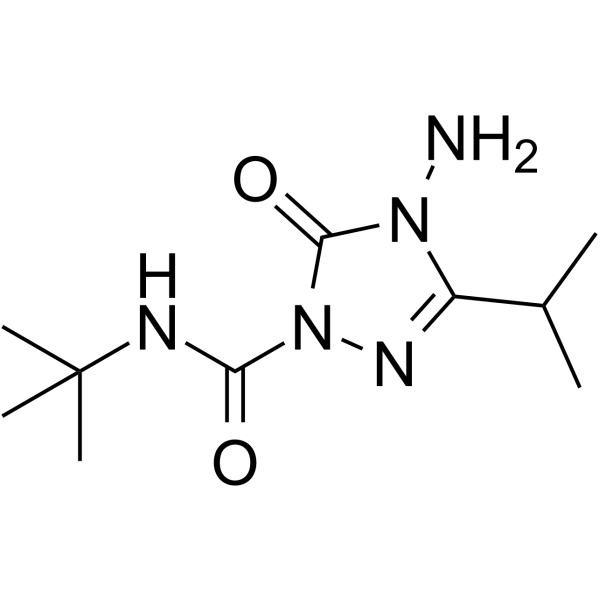
Amicarbazone (BAY-MKH3586; BAY314666) acts as a potent inhibitor of photosynthetic electron transport by binding to the Qb domain of photosystem II (PSII); it is a herbicide with broad-spectrum weed control activity .
|
-
-
- HY-D1815
-
|
APC Dye
|
Fluorescent Dye
|
Others
|
|
Allophycocyanin (APC Dye) is a light-harvesting protein, containing strongly coupled dimers of chromophores. Allophycocyanin serve as a minimal system to examine photosynthetic energy transfer. Allophycocyanin strongly absorbs far-red light (FRL), and expresses during acclimation to low light, likely associates with chlorophyll a-containing photosystem I .
|
-
-
- HY-N12540
-
|
MGDG
|
DNA/RNA Synthesis
Apoptosis
|
Others
|
|
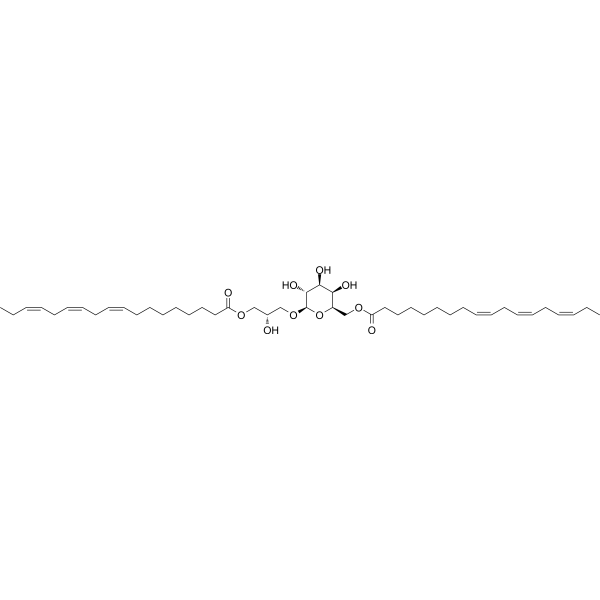
Monogalactosyldiacylglycerol (MGDG) is a galactolipid with anti-inflammatory and anticancer activities, which is found in photosynthetic organisms. Monogalactosyldiacylglycerol is a potent DNA polymerase inhibitor with pro-apoptotic activity. Monogalactosyldiacylglycerol inhibits the synthesis of LPS (HY-D1056)-induced inflammation-related proteins (Ex-FABP, Avidin, Serum Amyloid A). Monogalactosyldiacylglycerol exerts an anti-proliferative effect on chicken articular chondrocytes . Monogalactosyldiacylglycerol can be used in research related to osteoarthritis, cancer and inflammatory diseases .
|
-
-
- HY-N9625
-
|
|
Photosystem II
|
Others
|
|
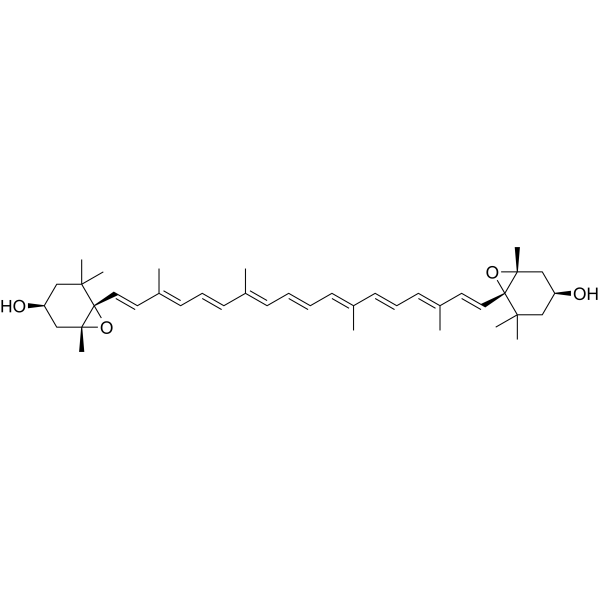
Violaxanthin is a lipophilic epoxy carotenoid and a light energy scavenger with biological activities such as antioxidation and anti-inflammation. Violaxanthin exists in photosynthetic eukaryotes including higher plants and participates in the xanthophyll cycle. As a component of the xanthophyll cycle, violaxanthin can be synthesized from zeaxanthin under the catalysis of epoxidase and scavenge excess light energy in photosynthetic eukaryotes .
|
-
-
- HY-W017448
-
|
N,N-Dimethylpiperidinium chloride; PIX
|
Environmental Pollutants
Biochemical Assay Reagents
|
Others
|
|
Mepiquat chloride (N,N-Dimethylpiperidinium chloride) is a systemic plant growth regulator. Mepiquat chloride reduces the activity of RuBP carboxylase. Mepiquat chloride decreases plant height, total length of vegetative and fruiting branches, and total leaf area of cotton. Mepiquat chloride reduces the net photosynthetic rate of cotton leaves. Mepiquat chloride promotes starch accumulation in cotton leaves without altering sucrose content .
|
-

-
- HY-136476
-
|
|
Endogenous Metabolite
|
Others
|
|
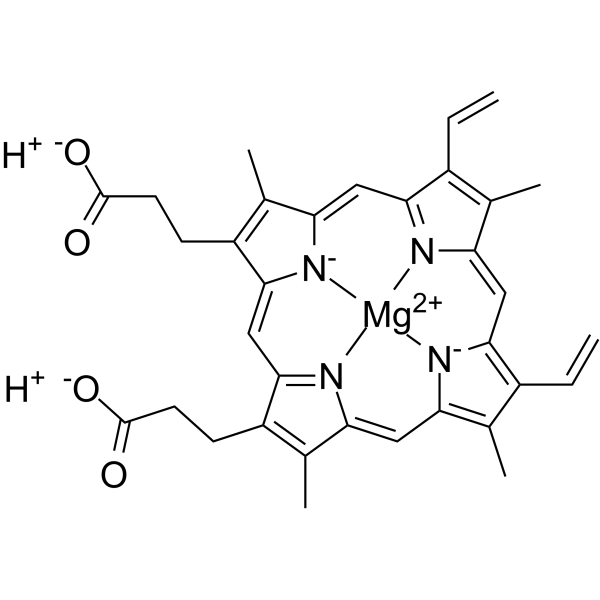
Mg (II) protoporphyrin IX is a precursor of chlorophyll in Chlorella. Mg (II) protoporphyrin IX acts as a negative effector of nuclear photosynthetic gene expression. Mg (II) protoporphyrin IX can be used to study signal molecules involved in plastid-nucleus communication .
|
-
-
- HY-P2944
-
-
-
- HY-121242
-
|
VEL-5026
|
Photosystem II
|
Others
|
|
Buthidazole is a selective herbicide for weed control in corn. Buthidazole inhibits photosynthetic electron transport at two distinct sites in the photosynthetic electron transport chain. The major site of inhibition was on the reducing side of photosystem II. Another site of electron transport inhibition is on the oxidizing side of photosystem II. Buthidazole inhibits corn photosynthesis and prevents starch accumulation in bundle sheath chloroplasts and some ultrastructural disruption of mesophyl chloroplasts of corn plants .
|
-

-
- HY-B2007
-
|
|
Environmental Pollutants
Acetyl-CoA Carboxylase
Herbicide
|
Metabolic Disease
Inflammation/Immunology
|
|
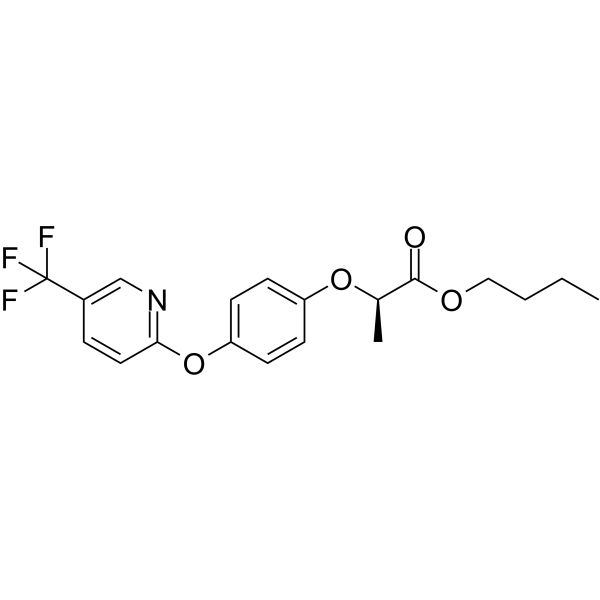
Fluazifop-P-butyl is an orally active herbicide and ACCase inhibitor. Fluazifop-P-butyl blocks the formation of malonyl-CoA, disrupts lipid synthesis in sensitive plants, and exhibits concentration-dependent phytotoxicity to non-target maize seedlings. Fluazifop-P-butyl induces oxidative stress in male Wistar rats, impairs their liver and kidney functions, and disrupts testicular function .
|
-
-
- HY-129792
-
|
|
Environmental Pollutants
Herbicide
|
Others
|
|
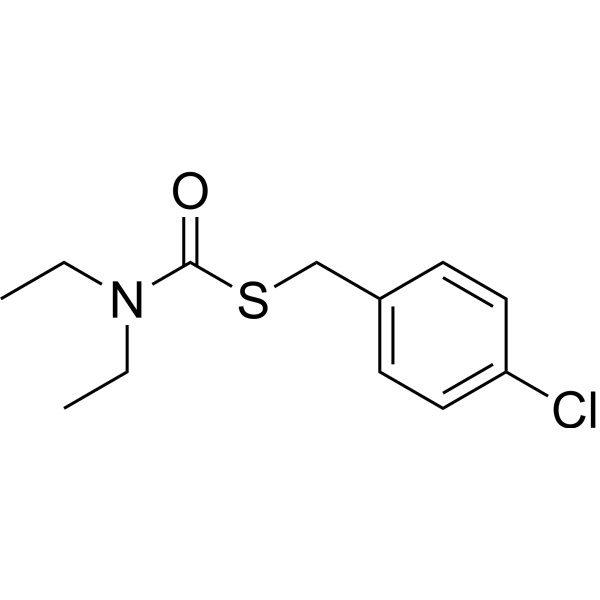
Thiobencarb is an herbicide, can reduce growth, photosynthetic activity, and amount of rieske iron-sulfur protein in the diatom Thalassiosira pseudonana .
|
-
-
- HY-N10516
-
|
|
Bacterial
|
Others
|
|
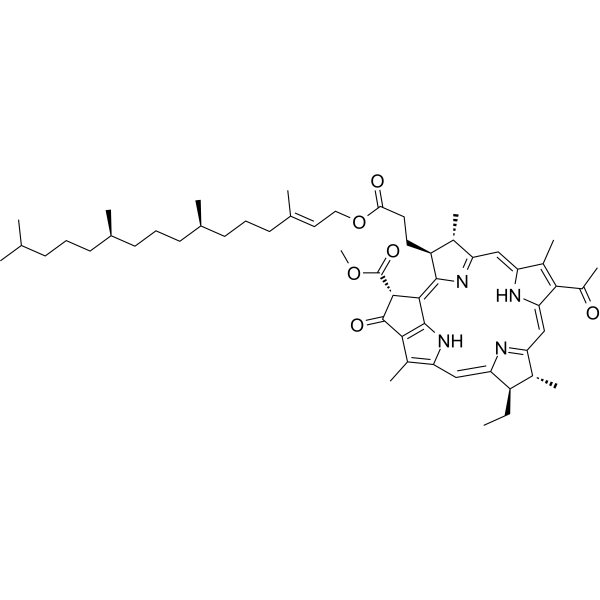
Bacteriopheophytin, a photosynthetic pigment, is a bacterial demagnetised chlorophyll composed of bacterial chlorophyll in which two hydrogen atoms replace the magnesium center. Bacteriopheophytin acts as an electron acceptor in the purple bacterial reaction center (RC) and is involved in electron transfer .
|
-
-
- HY-N9600
-
|
|
Others
|
Others
|
|
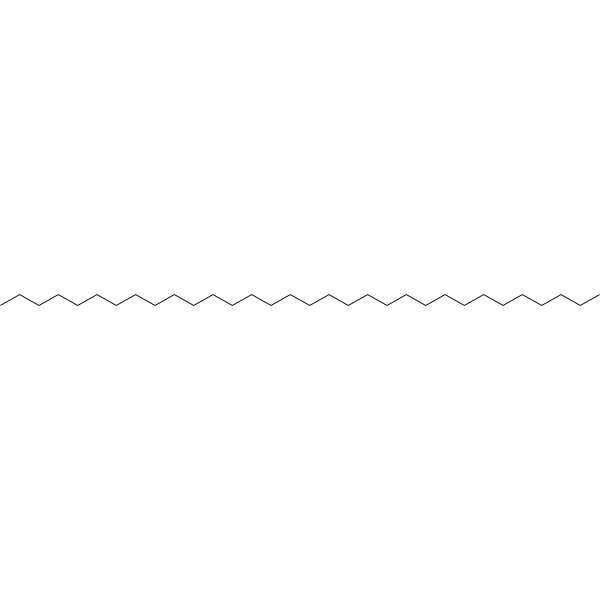
Dotriacontane is an alkane substance that can be absorbed and metabolized by photosynthetic organisms. It can be labeled with 14C and used for carbon tracing .
|
-
-
- HY-N15683
-
|
|
Biochemical Assay Reagents
|
Others
|
|
3-Hydroxyechinenone is a chromophore of the orange carotenoid protein (OCP). 3-Hydroxyechinenone is involved in the photoprotective mechanism of the photosynthetic apparatus of cyanobacteria .
|
-

-
- HY-N11882
-
|
PQ-9
|
Reactive Oxygen Species (ROS)
|
Others
|
|
Plastoquinone (PQ-9) is a photosynthetic electron carrier as well as a redox sensor capable of regulating state transitions and gene expression. Plastoquinone transfers electrons to the cytochrome b6/f complex via the Q cycle, and participates in the establishment of the thylakoid transmembrane pH gradient. Plastoquinone can react with ROS. Plastoquinone is used in plant photosynthesis research .
|
-

-
- HY-P2886
-
|
Phosphoriboisomerase
|
Biochemical Assay Reagents
|
Others
|
|
Ribose-5-phosphate isomerase (Phosphoriboisomerase) exists widely in microorganisms, animals and plants. It is the first enzyme in the non-oxidative phase of the pentose phosphate pathway (PPP) and also a key enzyme in the Calvin cycle (photosynthetic carbon fixation). Ribose-5-phosphate isomerase catalyzes the reversible isomerization between D-ribulose-5-phosphate (Ru5P) and D-ribose-5-phosphate (R5P). Ribose-5-phosphate isomerase acts as a multifunctional biocatalyst for rare sugar production. Ribose-5-phosphate isomerase serves as a target for antitrypanosomal agents .
|
-
-
- HY-W007577R
-
|
|
Reference Standards
Drug Metabolite
|
Others
|
|
4-Nitrobenzaldehyde (Standard) is the analytical standard of 4-Nitrobenzaldehyde (HY-W007577). This product is intended for research and analytical applications. 4-Nitrobenzaldehyde is a widely used industrial chemical intermediate and also the main photodegradation product of the broad-spectrum antibiotic Chloramphenicol (HY-B0239). 4-Nitrobenzaldehyde has genotoxic and mutagenic effects and poses a certain threat to human health and ecosystems .
|
-

-
- HY-N9600R
-
|
|
Others
Reference Standards
|
Others
|
|
Dotriacontane (Standard) is the analytical standard of Dotriacontane. This product is intended for research and analytical applications. Dotriacontane is an alkane substance that can be absorbed and metabolized by photosynthetic organisms. It can be labeled with 14C and used for carbon tracing .
|
-

-
- HY-W698895
-
|
|
Isotope-Labeled Compounds
Biochemical Assay Reagents
|
Others
|
|
4-Nitrobenzaldehyde-d4 is the deuterium labeled 4-Nitrobenzaldehyde (HY-W007577). 4-Nitrobenzaldehyde is a photodegradation product of chloramphenicol. 4-Nitrobenzaldehyde inhibits plant growth and induces damage of photosynthetic apparatus .
|
-

-
- HY-119984
-
|
|
Cytochrome P450
|
Others
|
|
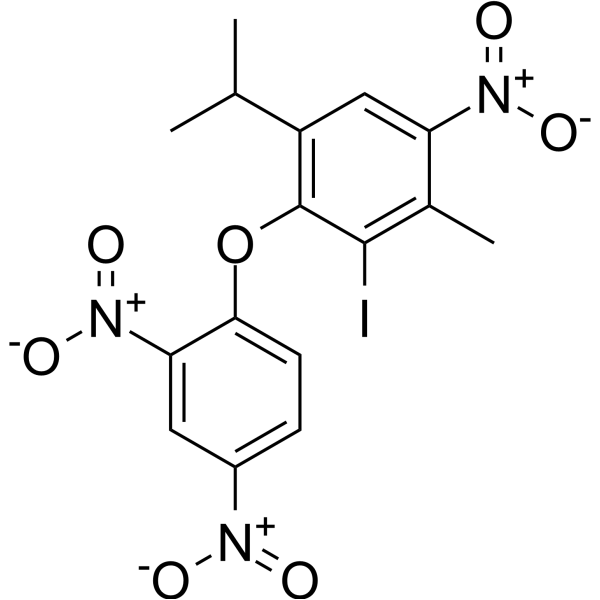
DNP-INT is a potent photosynthetic electron transport chain (PETC) inhibitor. DNP-INT competently inhibits the oxidation of plastid quinoline by binding to the Q0 site of Cyt-b6f (Kd=1.4 nM), thereby inhibiting electron transfer in plants .
|
-
-
- HY-N10269
-
|
|
Fungal
Endogenous Metabolite
|
Infection
|
|
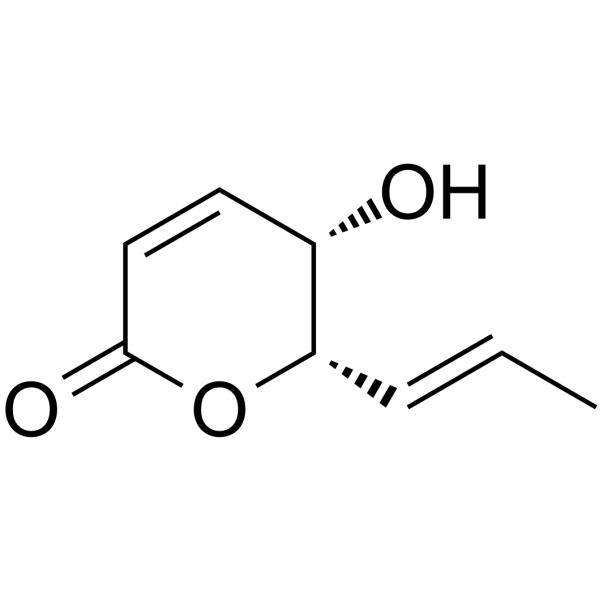
Phomalactone, produced by the fungus Nigrospora sphaerica, specifically inhibits the mycelial growth of Phytophthora infestans, with an MIC value of 2.5 mg/L . Phomalactone is phytotoxic to Z. elegans and other plant species by inhibition of seedling growth and by causing electrolyte leakage from photosynthetic tissues of both Z. elegans leaves and cucumber cotyledons .
|
-
-
- HY-W006416R
-
|
|
Reference Standards
Drug Intermediate
|
Others
|
|
1,2,3,4-Tetramethylbenzene (Standard) is the analytical standard substance of 1,2,3,4-Tetramethylbenzene. This product is used for research and analytical applications. 1,2,3,4-Tetramethylbenzene is an aromatic hydrocarbon. 1,2,3,4-Tetramethylbenzene can serve as a molecular marker indicating the input of photosynthetic sulfur bacteria (especially green sulfur bacteria) in ancient sedimentary environments, reflecting the static marine environment of the source rock deposition. 1,2,3,4-Tetramethylbenzene can also be used as a drug intermediate.
|
-

-
- HY-W778649
-
|
|
Isotope-Labeled Compounds
Herbicide
Photosystem II
|
Others
|
|
Sarmentine-d8 is the deuterium labeled Sarmentine. Sarmentine is a broad-spectrum contact herbicide and PSII inhibitor, with an IC50 of 3.0 μM and a Ki of 1.5 μM against spinach, an IC50 of 1.72 μM against wild-type Amaranthus retroflexus, and an IC50 of 0.97 μM against triazine-resistant Amaranthus retroflexus. Sarmentine competitively binds to the QB binding site of plastoquinone on PSII, thereby blocking photosynthetic electron transport. Sarmentine inhibits enoyl-ACP reductase in Arabidopsis thaliana by targeting the early fatty acid synthesis process, with an IC50 of 18.3 μM. Sarmentine induces light-independent loss of plasma membrane integrity and electrolyte leakage. Sarmentine also exhibits antiplasmodial, antimycobacterial, antituberculous, and antiplatelet aggregation activities .
|
-

-
- HY-129792R
-
|
|
Herbicide
Reference Standards
|
Others
|
|
Thiobencarb (Standard) is the analytical standard of Thiobencarb. This product is intended for research and analytical applications. Thiobencarb is an herbicide, can reduce growth, photosynthetic activity, and amount of rieske iron-sulfur protein in the diatom Thalassiosira pseudonana .
|
-

-
- HY-N17574
-
|
|
|
Others
|
|
3-(1,1-Dimethylallyl) xanthyletin (compound 2) is a pyranocoumarin present in the roots of Stauranthus perforatus. 3-(1,1-Dimethylallyl) xanthyletin inhibits the uncoupled electron transport from water to ferricyanide in spinach thylakoids. 3-(1,1-Dimethylallyl) xanthyletin act as a Hill reaction inhibitor. 3-(1,1-Dimethylallyl) xanthyletin interferes with plant energy metabolism at the photosynthetic level .
|
-

-
- HY-163910
-
|
|
Herbicide
|
Others
|
|
Herbicidal agent 5 (compound B5) is a herbicide that acts on Photosynthetic System II (PS II) .
|
-

-
- HY-150033
-
|
|
Photosystem II
Herbicide
|
Others
|
|
Sorgoleone is a photosystem II inhibitor found in sorghum. Sorgoleone binds to the QB niche of the D1 protein, inhibits photosynthetic electron transport, and does not affect photosystem I reactions. Sorgoleone reduces radicle elongation and stunts growth. Sorgoleone inhibits CO2-dependent oxygen evolution, photosynthetic O2 evolution, and mitochondrial respiration. Sorgoleone can be used as a herbicide .
|
-

-
- HY-W099725
-
|
|
Herbicide
Photosystem II
|
Cardiovascular Disease
Infection
|
|
Sarmentine is a broad-spectrum contact herbicide and PSII inhibitor, with an IC50 of 3.0 μM and a Ki of 1.5 μM against spinach, an IC50 of 1.72 μM against wild-type Amaranthus retroflexus, and an IC50 of 0.97 μM against triazine-resistant Amaranthus retroflexus. Sarmentine competitively binds to the QB binding site of plastoquinone on PSII, thereby blocking photosynthetic electron transport. Sarmentine inhibits enoyl-ACP reductase in Arabidopsis thaliana by targeting the early fatty acid synthesis process, with an IC50 of 18.3 μM. Sarmentine induces light-independent loss of plasma membrane integrity and electrolyte leakage. Sarmentine also exhibits antiplasmodial, antimycobacterial, antituberculous, and antiplatelet aggregation activities .
|
-

-
- HY-N15167
-
|
Chlorophyllide c2
|
Drug Derivative
|
Others
|
|
Chlorophyll c2 is a natural photosynthetic pigment belonging to the chlorophyll c series found in seaweeds. Chlorophyll c2 can capture and transmit light energy .
|
-

-
- HY-N9717
-
|
|
Endogenous Metabolite
|
Infection
|
|
Herbaridine B is a potential fungal secondary metabolite that can be extracted from the fungus Anteaglonium FL0768. This fungus was isolated as an endophyte from the photosynthetic tissue of Selaginella arenicola .
|
-

-
- HY-177428
-
|
JA-Val
|
Drug Derivative
|
Others
|
|
Jasmonoyl-valine (JA-Val) is one of the amino acid conjugates of jasmonic acid. Jasmonoyl-valine can be extracted from the alpine plant Saxifraga longifolia. Jasmonoyl-valine may participate in light protection or regulation of photosynthetic mechanisms .
|
-

-
- HY-B1977
-
|
GS 16068; Sancap; Cotofor
|
Herbicide
|
Others
|
|
Dipropetryn (GS 16068) is a compound that inhibits algal photosynthesis and toxin production. It can reduce the photosynthetic activity and pigment content of Karenia, reduce the levels of unsaturated fatty acids, reactive oxygen and hemolytic toxins, and regulate the expression of related proteins.
|
-

-
- HY-W714200
-
|
|
Herbicide
Aryl Hydrocarbon Receptor
Notch
Apoptosis
|
Others
|
|
Neburon is a phenylurea herbicide whose main mechanism of action is to inhibit photosynthetic electron transport, thereby disrupting algal growth. Neburon activates the Ahr and Notch1 signaling pathways, and induces oxidative stress and apoptosis. Long-term exposure causes significant male reproductive toxicity and cardiotoxicity in zebrafish .
|
-

-
- HY-129308
-
|
|
Herbicide
|
Others
|
|
LS 82-556 is a light and oxygen-dependent herbicide, which leads to degradation of fatty acids, deals structural damage at the cellular membrane level, and results in the bleaching, wilting, and desiccation of leaves and stems. LS 82-556 exhibits herbicidal activity with the presence of chloroplastic pigments .
|
-

-
- HY-155726
-
|
|
Others
|
Others
|
|
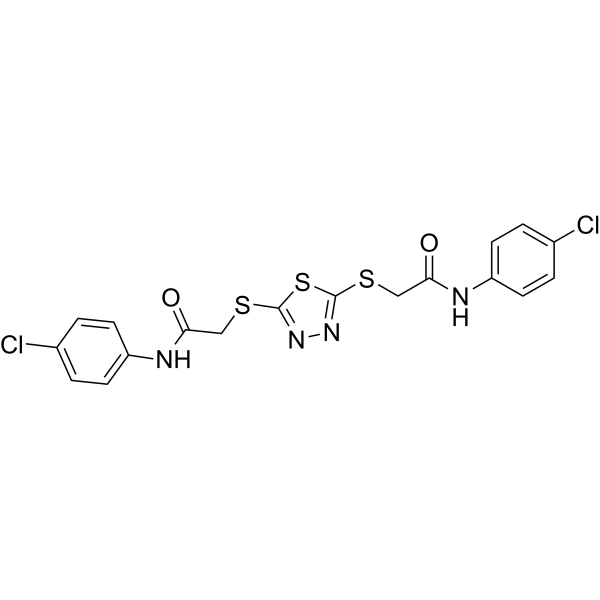
Cy-FBP/SBPase-IN-1 (compound S5) is a Cy-FBP/SBPase inhibitor, which is an important regulatory enzyme in cyanobacterial photosynthesis. Thus Cy-FBP/SBPase-IN-1 inhibits Calvin cycle and photosystem, and decreases photosynthetic efficiency in cyanobacterial photosynthesis. Cy-FBP/SBPase-IN-1 potently inhibits the growth of cyanobacteria, as well as Synechocystis sp.PCC6803. Cy-FBP/SBPase-IN-1 shows safety profile in human-derived cells and zebrafish models .
|
-
-
- HY-N9677
-
|
|
Herbicide
|
Others
|
|
Digalactosyldiacylglycerol is a membrane structure stabilizer that selectively acts on photosystem II light-harvesting complex II (LHCII), serving as a natural bilayer-forming lipid in plant thylakoid membranes. Digalactosyldiacylglycerol constructs a lipid bilayer environment with monogalactosyldiacylglycerol (MGDG) in a 2:1 molar ratio, stabilizing the supramolecular structure of LHCII through interactions such as hydrogen bonding. Its core activity is maintaining thylakoid membrane stacking (grana formation) and supporting photosynthesis-related functions, while also possessing functions in light harvesting assistance and excitation energy quenching regulation under light stress. Digalactosyldiacylglycerol can be used in research on plant photosynthesis mechanisms, thylakoid membrane structure and function regulation, as well as in the construction of artificial photosynthetic systems and the development of plant photoprotection strategies .
|
-

-
- HY-W714182
-
|
|
Herbicide
|
Others
|
|
Dimethametryn is a methylthio-triazine herbicide mainly used for controlling broadleaf weeds in paddy fields. Dimethametryn blocks plant photosynthesis by inhibiting electron transport and non-cyclic photophosphorylation of photosystem II, ultimately causing chlorosis, necrosis and death of sensitive plants .
|
-

| Cat. No. |
Product Name |
Type |
-
- HY-D1815
-
|
APC Dye
|
Fluorescent Dyes
|
|
Allophycocyanin (APC Dye) is a light-harvesting protein, containing strongly coupled dimers of chromophores. Allophycocyanin serve as a minimal system to examine photosynthetic energy transfer. Allophycocyanin strongly absorbs far-red light (FRL), and expresses during acclimation to low light, likely associates with chlorophyll a-containing photosystem I .
|
| Cat. No. |
Product Name |
Type |
-
- HY-W127709
-
|
|
Biochemical Assay Reagents
|
|
Chlorophyll b is an orally active tetrapyrrole derivative and pigment. Chlorophyll b can be obtained from photosynthetic organisms such as plants and algae. Chlorophyll b acts as a hydrogen donor and increases Glutathione levels. Chlorophyll b has antioxidant activity and functionally replaces chlorophyll a in photosystem II to participate in photosynthesis. Chlorophyll b reduces Cisplatin (HY-17394)-induced DNA damage, chromosome instability, and oxidative stress. Chlorophyll b is mainly used in the study of plant photosynthesis mechanism .
|
-
- HY-W007577
-
|
|
Biochemical Assay Reagents
|
|
4-Nitrobenzaldehyde is a widely used industrial chemical intermediate and also the main photodegradation product of the broad-spectrum antibiotic Chloramphenicol (HY-B0239). 4-Nitrobenzaldehyde has genotoxic and mutagenic effects and poses a certain threat to human health and ecosystems .
|
-
- HY-W017448
-
|
N,N-Dimethylpiperidinium chloride; PIX
|
Biochemical Assay Reagents
|
|
Mepiquat chloride (N,N-Dimethylpiperidinium chloride) is a systemic plant growth regulator. Mepiquat chloride reduces the activity of RuBP carboxylase. Mepiquat chloride decreases plant height, total length of vegetative and fruiting branches, and total leaf area of cotton. Mepiquat chloride reduces the net photosynthetic rate of cotton leaves. Mepiquat chloride promotes starch accumulation in cotton leaves without altering sucrose content .
|
-
- HY-W007577R
-
|
|
Biochemical Assay Reagents
|
|
4-Nitrobenzaldehyde (Standard) is the analytical standard of 4-Nitrobenzaldehyde (HY-W007577). This product is intended for research and analytical applications. 4-Nitrobenzaldehyde is a widely used industrial chemical intermediate and also the main photodegradation product of the broad-spectrum antibiotic Chloramphenicol (HY-B0239). 4-Nitrobenzaldehyde has genotoxic and mutagenic effects and poses a certain threat to human health and ecosystems .
|
| Cat. No. |
Product Name |
Category |
Target |
Chemical Structure |
-
- HY-N2024A
-
-
-
- HY-N0354
-
|
|
Seeds of Cassia tora Linn.
Quinones
Structural Classification
other families
Classification of Application Fields
Leguminosae
Anthraquinones
Other Diseases
Plants
Disease Research Fields
Source Classification
|
Environmental Pollutants
Virus Protease
|
|
Anthraquinone is used as a precursor for dye formation and agrochemicals, existing in different organisms, such as bacteria, fungi, plants, and some animals. Anthraquinone has biological activities: anticancer, antiinflammatory, diuretic, antiarthritic, antifungal, antibacterial, antimalarial and antioxidant. Anthraquinone also plays an important role in the primary metabolism of plants by acting on the electron transport chain through the inhibition of energy transfer in the photosynthetic process. Anthraquinone can intercalates into DNA and inhibits the topoisomerase II (topo II) enzyme, resulting in cell death via Apoptosis .
|
-
-
- HY-164642
-
|
RuBP
|
Structural Classification
Natural Products
Endogenous metabolite
Source Classification
|
Endogenous Metabolite
|
|
Ribulose 1,5-bisphosphate (RUBP) is a vital photosynthetic intermediate and substrate. Ribulose 1,5-bisphosphate acts as both product and substrate for Thermococcus kodakarensis KOD1 R15Pi. Ribulose 1,5-bisphosphate tightly binds to inactive RuBP carboxylase sites in plant leaves.Ribulose 1,5-bisphosphate serves as the key substrate for CO2 fixation in photosynthesis. Ribulose 1,5-bisphosphate supports carboxylation and regeneration processes in photosynthesis. Ribulose 1,5-bisphosphate determines the dynamic transition temperature of photosynthetic control. Ribulose 1,5-bisphosphate can be used for photosynthesis and enzyme mechanism research .
|
-
-
- HY-N12540
-
|
MGDG
|
Structural Classification
other families
Oplismenus burmannii
Plants
Lipid
Source Classification
|
DNA/RNA Synthesis
Apoptosis
|
|
Monogalactosyldiacylglycerol (MGDG) is a galactolipid with anti-inflammatory and anticancer activities, which is found in photosynthetic organisms. Monogalactosyldiacylglycerol is a potent DNA polymerase inhibitor with pro-apoptotic activity. Monogalactosyldiacylglycerol inhibits the synthesis of LPS (HY-D1056)-induced inflammation-related proteins (Ex-FABP, Avidin, Serum Amyloid A). Monogalactosyldiacylglycerol exerts an anti-proliferative effect on chicken articular chondrocytes . Monogalactosyldiacylglycerol can be used in research related to osteoarthritis, cancer and inflammatory diseases .
|
-
-
- HY-N9625
-
|
|
Structural Classification
Natural Products
Viola tricolor L.
Violaceae
Plants
Source Classification
|
Photosystem II
|
|
Violaxanthin is a lipophilic epoxy carotenoid and a light energy scavenger with biological activities such as antioxidation and anti-inflammation. Violaxanthin exists in photosynthetic eukaryotes including higher plants and participates in the xanthophyll cycle. As a component of the xanthophyll cycle, violaxanthin can be synthesized from zeaxanthin under the catalysis of epoxidase and scavenge excess light energy in photosynthetic eukaryotes .
|
-
-
- HY-N10516
-
-
-
- HY-N9600
-
-
-
- HY-N15683
-
-
-
- HY-N11882
-
-
-
- HY-N9600R
-
-
-
- HY-N10269
-
-
-
- HY-N17574
-
-
-
- HY-150033
-
-
-
- HY-W099725
-
|
|
Piper longum Linn.
Structural Classification
Alkaloids
Pyrrole Alkaloids
Piperaceae
Plants
Source Classification
|
Herbicide
Photosystem II
|
|
Sarmentine is a broad-spectrum contact herbicide and PSII inhibitor, with an IC50 of 3.0 μM and a Ki of 1.5 μM against spinach, an IC50 of 1.72 μM against wild-type Amaranthus retroflexus, and an IC50 of 0.97 μM against triazine-resistant Amaranthus retroflexus. Sarmentine competitively binds to the QB binding site of plastoquinone on PSII, thereby blocking photosynthetic electron transport. Sarmentine inhibits enoyl-ACP reductase in Arabidopsis thaliana by targeting the early fatty acid synthesis process, with an IC50 of 18.3 μM. Sarmentine induces light-independent loss of plasma membrane integrity and electrolyte leakage. Sarmentine also exhibits antiplasmodial, antimycobacterial, antituberculous, and antiplatelet aggregation activities .
|
-
-
- HY-N15167
-
-
-
- HY-N9717
-
-
-
- HY-N9677
-
|
|
Structural Classification
Natural Products
Amaranthaceae
Plants
Spinacia oleracea L.
Source Classification
|
Herbicide
|
|
Digalactosyldiacylglycerol is a membrane structure stabilizer that selectively acts on photosystem II light-harvesting complex II (LHCII), serving as a natural bilayer-forming lipid in plant thylakoid membranes. Digalactosyldiacylglycerol constructs a lipid bilayer environment with monogalactosyldiacylglycerol (MGDG) in a 2:1 molar ratio, stabilizing the supramolecular structure of LHCII through interactions such as hydrogen bonding. Its core activity is maintaining thylakoid membrane stacking (grana formation) and supporting photosynthesis-related functions, while also possessing functions in light harvesting assistance and excitation energy quenching regulation under light stress. Digalactosyldiacylglycerol can be used in research on plant photosynthesis mechanisms, thylakoid membrane structure and function regulation, as well as in the construction of artificial photosynthetic systems and the development of plant photoprotection strategies .
|
-
| Cat. No. |
Product Name |
Chemical Structure |
-
- HY-W698895
-
|
|
|
4-Nitrobenzaldehyde-d4 is the deuterium labeled 4-Nitrobenzaldehyde (HY-W007577). 4-Nitrobenzaldehyde is a photodegradation product of chloramphenicol. 4-Nitrobenzaldehyde inhibits plant growth and induces damage of photosynthetic apparatus .
|
-
-
- HY-W778649
-
|
|
|
Sarmentine-d8 is the deuterium labeled Sarmentine. Sarmentine is a broad-spectrum contact herbicide and PSII inhibitor, with an IC50 of 3.0 μM and a Ki of 1.5 μM against spinach, an IC50 of 1.72 μM against wild-type Amaranthus retroflexus, and an IC50 of 0.97 μM against triazine-resistant Amaranthus retroflexus. Sarmentine competitively binds to the QB binding site of plastoquinone on PSII, thereby blocking photosynthetic electron transport. Sarmentine inhibits enoyl-ACP reductase in Arabidopsis thaliana by targeting the early fatty acid synthesis process, with an IC50 of 18.3 μM. Sarmentine induces light-independent loss of plasma membrane integrity and electrolyte leakage. Sarmentine also exhibits antiplasmodial, antimycobacterial, antituberculous, and antiplatelet aggregation activities .
|
-
Your information is safe with us. * Required Fields.
Inquiry Information
- Product Name:
- Cat. No.:
- Quantity:
- MCE Japan Authorized Agent:








