Search Result
Results for "
plant fungal diseases
" in MedChemExpress (MCE) Product Catalog:
3
Biochemical Assay Reagents
6
Isotope-Labeled Compounds
| Cat. No. |
Product Name |
Target |
Research Areas |
Chemical Structure |
-
- HY-119976
-
|
|
Environmental Pollutants
Apoptosis
Fungal
Mitochondrial Metabolism
Succinate Dehydrogenase
|
Infection
|
|
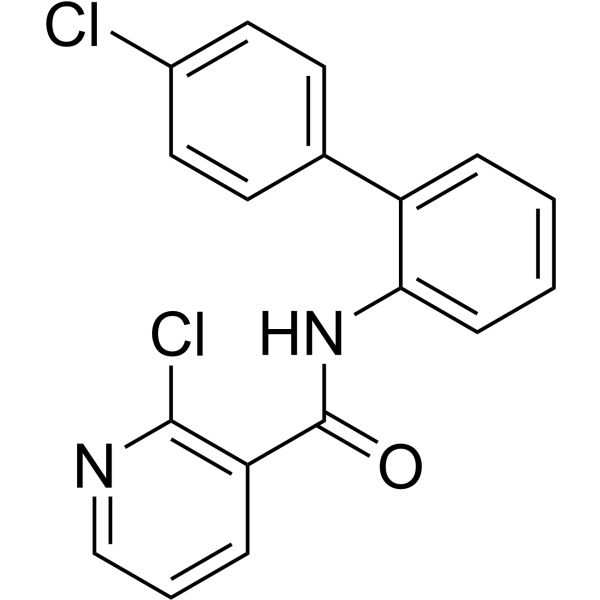
Boscalid is a succinate dehydrogenase (SDHI) inhibitor with antifungal activity. Boscalid binds to the ubiquinone-binding site of fungal mitochondrial complex II, blocks ATP production and aerobic respiration, exhibits good control efficacy against a variety of plant fungal diseases including gray mold, sclerotinia rot and powdery mildew, and is widely used for disease control in agriculture. Boscalid induces apoptosis, altered lipid metabolism, mitochondrial dysfunction, respiratory impairment, oxidative stress, ROS accumulation and neurodevelopmental disorders in zebrafish. Boscalid reduces foraging ability, shortens median death time and causes chronic toxicity in exposed honeybees. Boscalid also possesses genotoxicity, cytotoxicity, elevated mitochondrial superoxide levels and early-stage apoptosis .
|
-
-
- HY-N9497
-
|
|
Galectin
Fungal
|
Infection
|
|
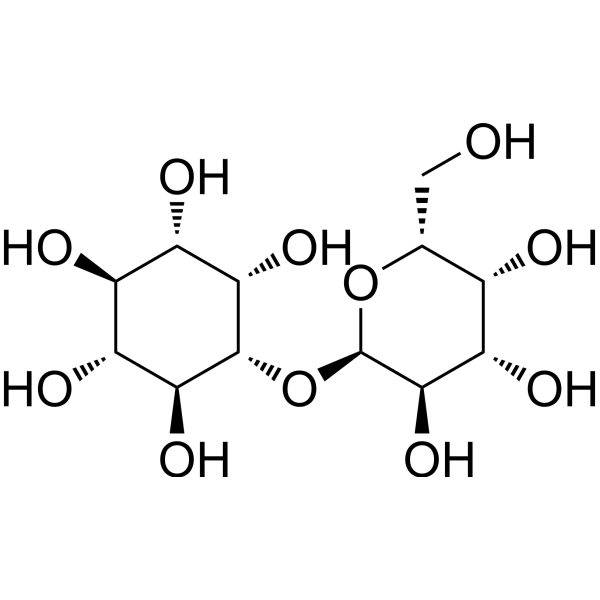
Galactinol is a disaccharide carbohydrate serving as a galactosyl donor, which belongs to the raffinose family oligosaccharide pathway and acts as an important osmoprotectant. Galactinol not only induces disease resistance in plants against fungal and bacterial pathogens, but also significantly enhances plant tolerance to abiotic stresses such as drought, high salinity, low temperature and oxidative damage. In addition, Galactinol has the ability to scavenge hydroxyl radicals, can act as a signaling component for root colonization-induced systemic resistance, and is positively correlated with seed longevity in various crops, making it a potential biomarker for evaluating seed vigor. Therefore, Galactinol can be used in the research of various plant diseases including fungal leaf spot, bacterial angular leaf spot, gray mold and soft rot .
|
-
-
- HY-B2033
-
|
|
Environmental Pollutants
Fungal
|
Infection
|
|
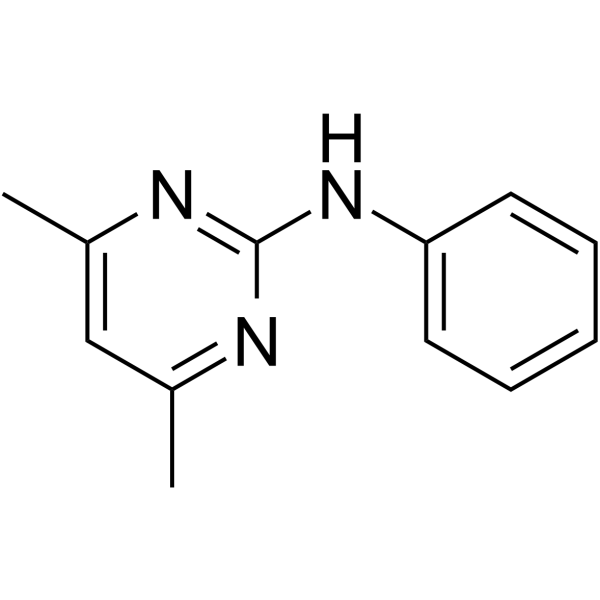
Pyrimethanil is an anilinopyrimidine and broad-spectrum contact fungicide for the control of Botrytis spp. on a wide variety of crops . Pyrimethanil inhibits the biosynthesis of methionine and other amino acids in Botrytis cinerea. Pyrimethanil can be used for the research of fungal diseases prevention on fruit, vegetable and ornamental plants with mold infection .
|
-
-
- HY-B0854
-
-
-
- HY-119630
-
|
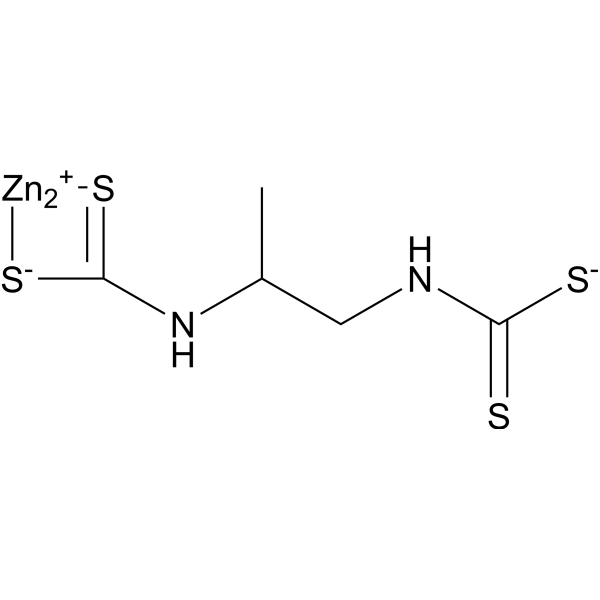
Zinc propylenebis(dithiocarbamate)
|
Environmental Pollutants
Bacterial
|
Infection
|
|
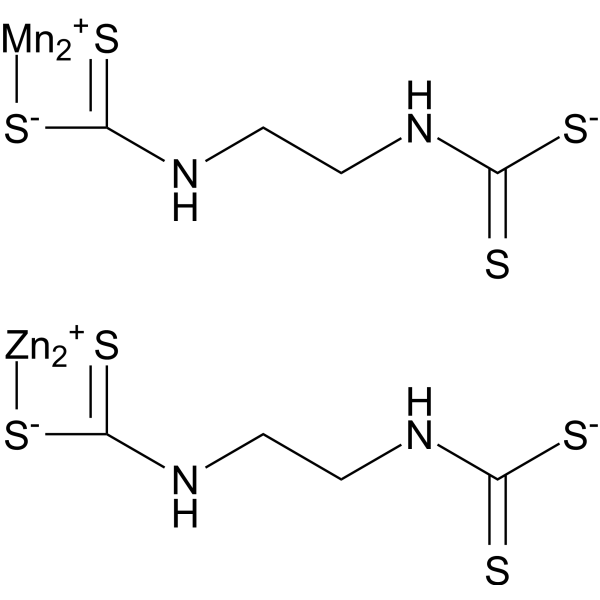
Propineb (Zinc propylenebis) is a compound widely used in fruit and vegetables cultures, due to its large spectrum of activity against fungal plant diseases .
|
-
-
- HY-Y1058
-
|
BHA
|
Fungal
|
Infection
|
|
Benzohydroxamic acid (BHA) is a chitin deacetylase (CDA) inhibitor with significant antifungal activity. The Ki values of BHA against the CDAs of Verticillium dahliae and Puccinia striiformis f. sp. tritici are 8.31 μM and 9.83 μM, respectively. Benzohydroxamic acid can restore the defense responses of infected host plants, upregulate the expression of defense-related genes, and reduce the growth and reproduction of fungi in plants. Benzohydroxamic acid can be used in the research of the field of controlling agricultural fungal diseases, such as various plant fungal diseases caused by Verticillium dahliae, Puccinia striiformis and other fungi, like cotton wilt and wheat stripe rust .
|
-

-
- HY-B1948
-
|
S-3308
|
Fungal
|
Infection
|
|
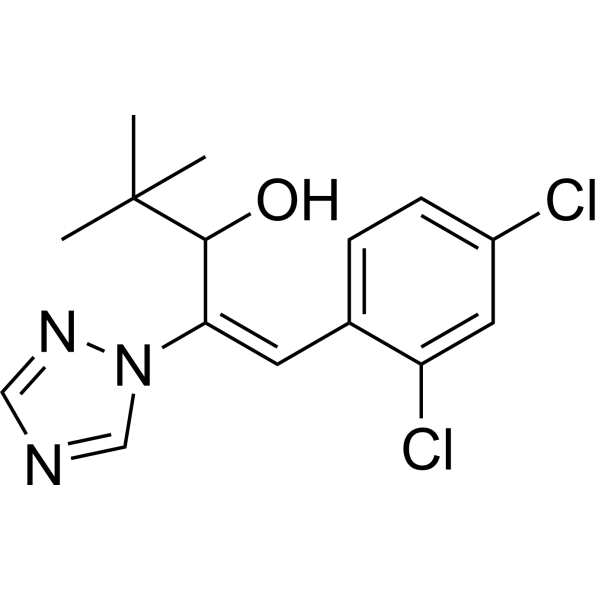
Diniconazole (S-3308) is a newly developed fungicide. Diniconazole exhibits fungicidal activity against Bolrytis cintrca, Sordaria fumicola, Fusarium graminearum, Sclerotium cepivornm, and Bipolaris sorokiniana with IC50 values of 0.012, <0.001, 0.008, 0.02, and 0.06 mg/L, respectively. Diniconazole can be used in research related to the prevention and control of plant fungal diseases and plant growth regulation .
|
-
-
- HY-W775091
-
|
IKF-5411
|
Fungal
Succinate Dehydrogenase
|
Infection
|
|
Isofetamid (IKF-5411) is a succinate dehydrogenase inhibitor and a fungicide. Isofetamid exhibits good control effects against various fungal diseases such as gray mold, white mold, and powdery mildew. Isofetamid is promising for research of plant fungal diseases .
|
-

-
- HY-116541
-
|
ASM
|
Environmental Pollutants
Fungal
Bacterial
|
Infection
|
|
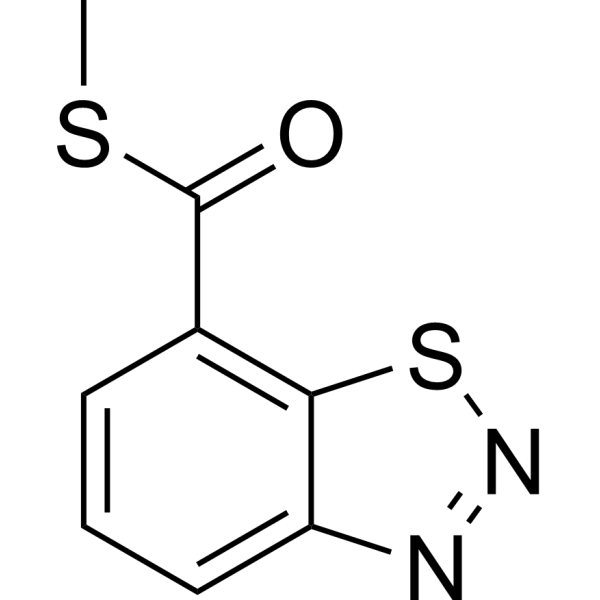
Acibenzolar-S-methyl (ASM) is a plant resistance inducer that mimics pathogen-host interactions and leads to systemic acquired resistance in plants. Acibenzolar-S-methyl helps reduce the use of pesticides and can be used in research to prevent plant diseases .
|
-
-
- HY-N6243
-
|
|
Fungal
|
Infection
|
|
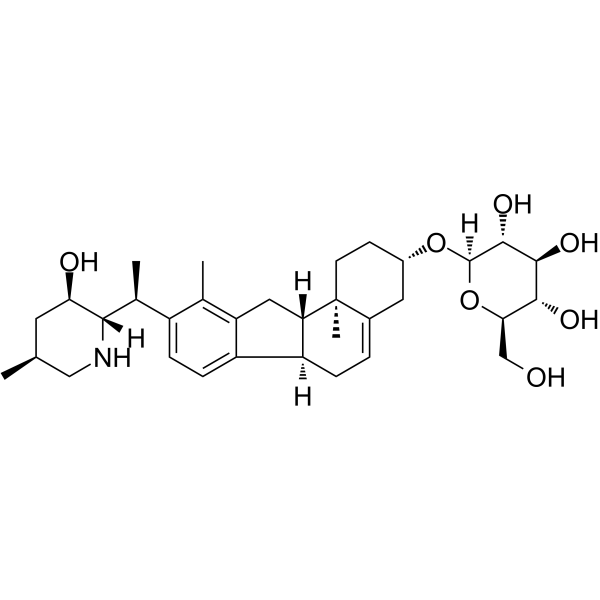
Veratrosine is a Trihydroxynapthalene reductase (THR) inhibitor and fungal plant pathogen inhibitor. Veratrosine interacts with THR, an enzyme in the DHN melanin biosynthesis pathway of Curvularia lunata. Veratrosine can be used for the research of leaf blight of rice, brown spot of rice, and blast disease of foxtail millet .
|
-
-
- HY-B2033R
-
|
|
Reference Standards
Fungal
|
Infection
|
|
Pyrimethanil (Standard) is the analytical standard of Pyrimethanil. This product is intended for research and analytical applications. Pyrimethanil is an anilinopyrimidine and broad-spectrum contact fungicide for the control of Botrytis spp. on a wide variety of crops . Pyrimethanil inhibits the biosynthesis of methionine and other amino acids in Botrytis cinerea. Pyrimethanil can be used for the research of fungal diseases prevention on fruit, vegetable and ornamental plants with mold infection .
|
-

-
- HY-B2033S
-
|
|
Isotope-Labeled Compounds
Fungal
|
Infection
|
|
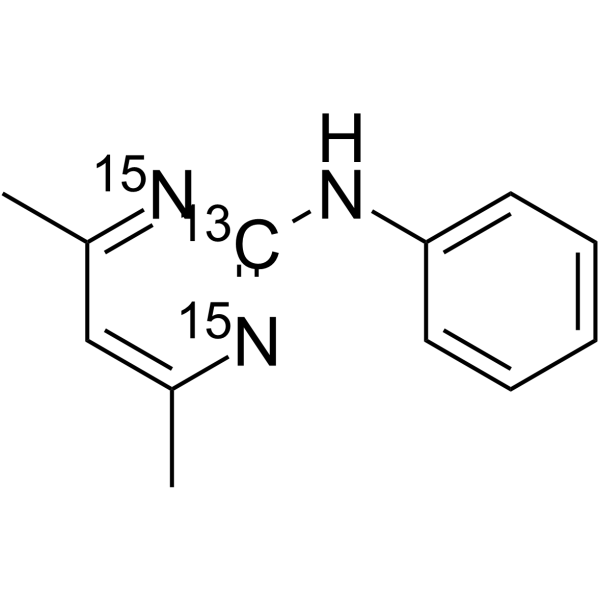
Pyrimethanil- 13C, 15N2 is the 13C-labeled and 15N-labeled Pyrimethanil. Pyrimethanil is an?anilinopyrimidine?and broad-spectrum?contact fungicide for the control of Botrytis spp. on a wide variety of crops . Pyrimethanil inhibits the biosynthesis of methionine and other amino acids in?Botrytis cinerea. Pyrimethanil can be used for the research of fungal diseases prevention on fruit, vegetable and ornamental plants with mold infection .
|
-
-
- HY-N8744
-
|
(±)-Vestitol
|
Fungal
|
Infection
|
|
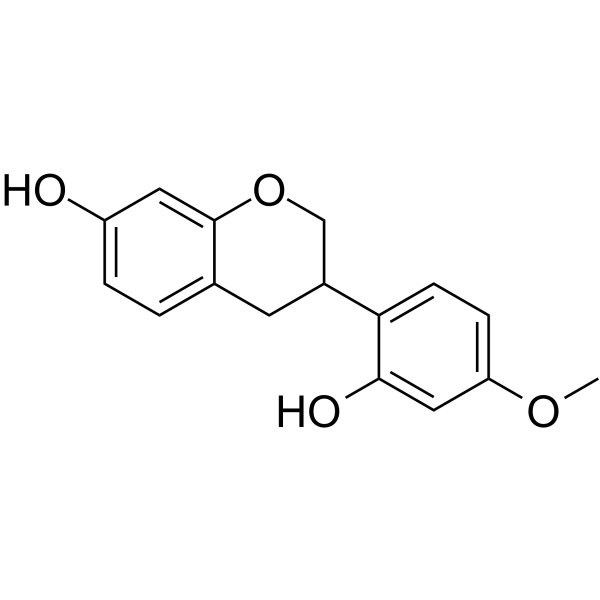
Vestitol ((±)-Vestitol) is an isoflavonoid phytoalexin and Antifungal agent. Vestitol can be isolated from the leaves of Trifolium arvense. Vestitol inhibits the mycelial growth of Helminthosporium carbonum with a ED50 of 17 μg/mL. Vestitol can be used in the research of fungal infections (Helminthosporium carbonum-induced plant diseases) .
|
-
-
- HY-N6625S
-
|
|
Fungal
|
Inflammation/Immunology
|
|
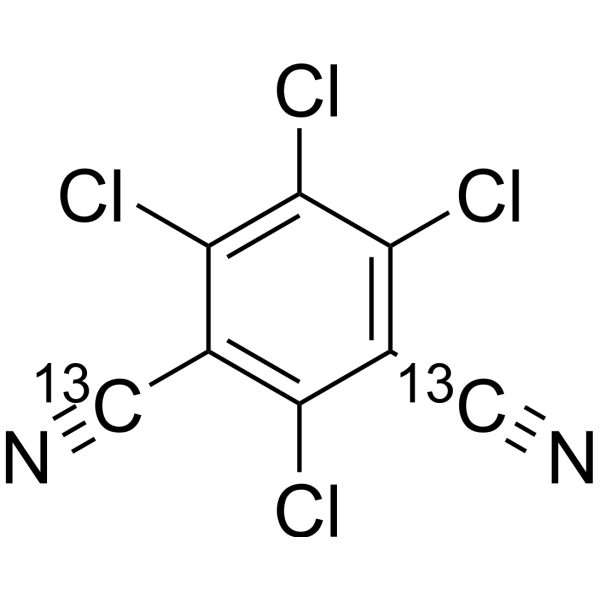
Chlorothalonil- 13C2 is the 13C-labeled Chlorothalonil. Chlorothalonil is a broad spectrum fungicide and is effective in protecting plants against fungal diseases caused mainly by Phytophthora infestans and Alternaria solani. Chlorothalonil is used for controlling of fungal foliar diseases of vegetables and crops .
|
-
-
- HY-W774934
-
|
|
Fungal
|
|
|
Isopyrazam is a plant protection product with fungal activity. Isopyrazam exhibits excellent disease resistance on crops and effectively inhibits the growth of multiple plant pathogenic fungi. The application of Isopyrazam can significantly improve the yield and quality of crops.
|
-

-
- HY-135258
-
|
|
Galectin
Fungal
|
Others
|
|
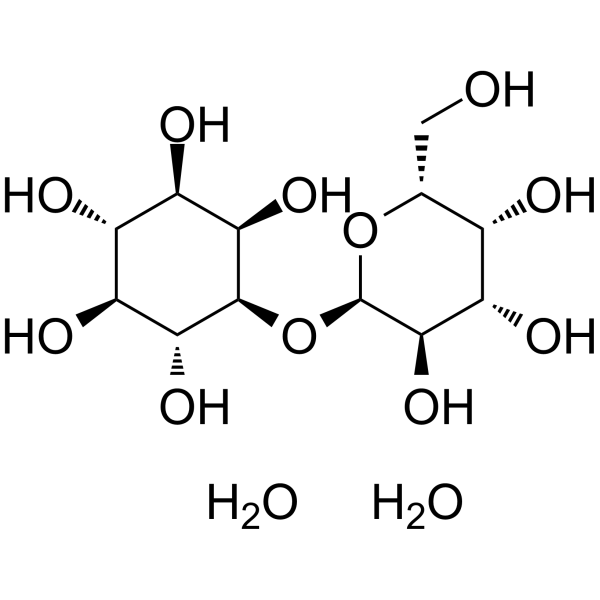
Galactinol dihydrate is a disaccharide carbohydrate serving as a galactosyl donor, which belongs to the raffinose family oligosaccharide pathway and acts as an important osmoprotectant. Galactinol dihydrate not only induces disease resistance in plants against fungal and bacterial pathogens, but also significantly enhances plant tolerance to abiotic stresses such as drought, high salinity, low temperature and oxidative damage. In addition, Galactinol dihydrate has the ability to scavenge hydroxyl radicals, can act as a signaling component for root colonization-induced systemic resistance, and is positively correlated with seed longevity in various crops, making it a potential biomarker for evaluating seed vigor. Therefore, Galactinol dihydrate can be used in the research of various plant diseases including fungal leaf spot, bacterial angular leaf spot, gray mold and soft rot .
|
-
-
- HY-116541R
-
|
ASM (Standard)
|
Bacterial
Fungal
Reference Standards
|
Infection
|
|
Acibenzolar-S-methyl (Standard) is the analytical standard of Acibenzolar-S-methyl. This product is intended for research and analytical applications. Acibenzolar-S-methyl (ASM) is a plant resistance inducer that mimics pathogen-host interactions and leads to systemic acquired resistance in plants. Acibenzolar-S-methyl helps reduce the use of pesticides and can be used in research to prevent plant diseases .
|
-

-
- HY-W042216
-
|
Sodium 4-aminobenzenesulfonate
|
Fungal
|
Infection
|
|
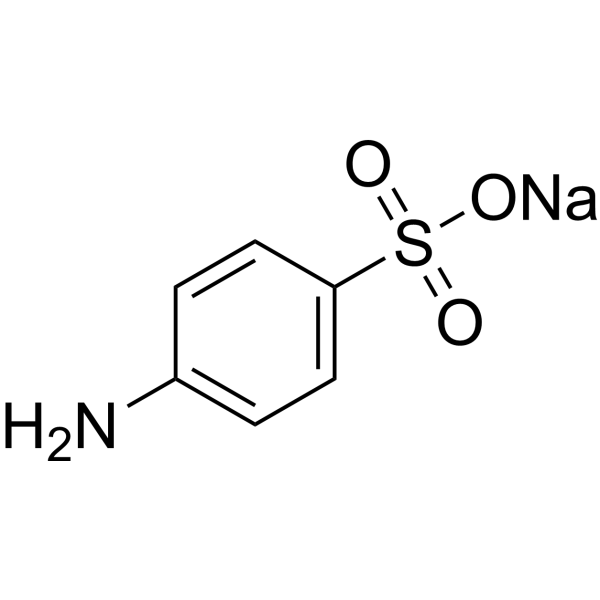
Sodium Sulphanilate (Sodium 4-aminobenzenesulfonate) is a folic acid synthetase inhibitor and antifungal agent, as well as a structural analog of p-aminobenzoic acid, that competitively inhibits folate biosynthesis in fungal pathogens. Sodium Sulphanilate induces host disease resistance via changes in amino acid profiles, reduces chlorophyll content in peanut leaves at high concentrations, and controls rust diseases in various plant species. Sodium Sulphanilate is applicable to studies related to peanut rust .
|
-
-
- HY-W017611
-
|
|
Environmental Pollutants
Reactive Oxygen Species (ROS)
Fungal
DNA/RNA Synthesis
|
Infection
|
|
4-Propylphenol is a plant-derived phenolic compound. 4-Propylphenol causes an increase in ROS within the Fusarium graminearum cells, leading to damage to the DNA and cell membranes of the mycelia, effectively inhibiting the growth of the mycelia. 4-Propylphenol also has a growth inhibitory effect on walnut pathogenic fungi (C. gloeosporioides, C. siamense, A. alternata), with its EC50 ranging from 29.11 to 31.89 mg/L, and it also inhibits spore germination, with EC50 being 55.04-71.85 mg/L. 4-Propylphenol can be used in the research of fungal diseases in walnuts and wheat Fusarium head blight .
|
-

-
- HY-122494
-
|
SF-1293
|
Bacterial
|
Infection
|
|
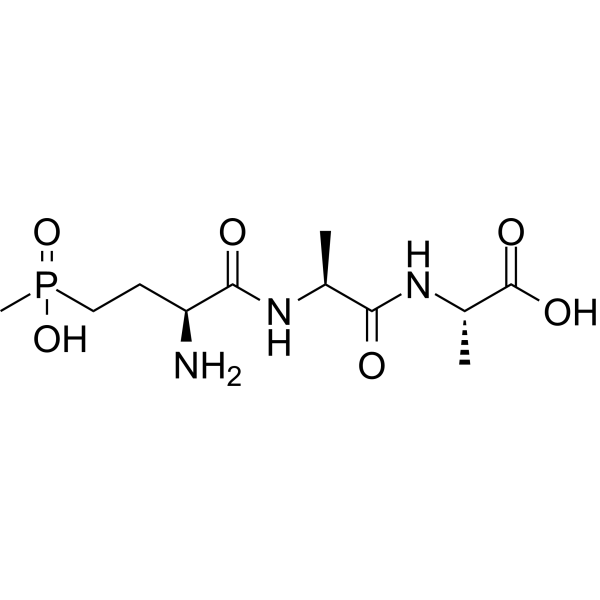
Bilanafos is a natural organic phosphine tripeptide antibiotic metabolized by Streptomyces hydroscopius or Streptomyces viridochromeogenes. Bialaphos has antimicrobial activity aganist Gram-negative and positive bacteria as well as some fungal plant diseases .
|
-
-
- HY-176746
-
|
|
Fungal
|
Infection
|
|
CMLD009688 is a cationic amphiphilic antifungal agent. CMLD009688 selectively inhibits plant pathogenic fungi such as Fusarium graminearum. CMLD009688 interacts with biological membranes, perturbing vacuolar and mitochondrial membrane structures to induce fungal cell death. CMLD009688 is promising for research of plant fungal diseases (e.g., wheat head blight, gray mold) .
|
-

-
- HY-172804
-
|
|
Succinate Dehydrogenase
Fungal
Apoptosis
|
Infection
|
|
SDH-IN-26 (Compound C3) is a succinate dehydrogenase (SDH) inhibitor. SDH-IN-26 exhibits significant inhibitory activity against multiple phytopathogenic fungi, such as Rhizoctonia solani and Botrytis cinerea, with an EC50 value of 0.270 μg/mL against Rhizoctonia solani. SDH-IN-26 damages the integrity of the fungal cell membrane, increases membrane permeability, disrupts cell structure, and reduces the number of mitochondria, thus affecting the normal growth of mycelia. SDH-IN-26 leads to a decrease in mitochondrial membrane potential, and induces cell apoptosis. SDH-IN-26 is promising for research of plant diseases caused by fungi .
|
-

-
- HY-171795
-
|
|
Bacterial
Fungal
|
Infection
|
|
Isolubimin is a sesquiterpenoid phytoalexin found in Datura stramonium fruits with antibacterial activity. Isolubimin is promising for research of plant disease caused by fungal infections .
|
-

-
- HY-B1838A
-
|
|
Fungal
|
Infection
|
|
Asulam (potassium salt) is a chitin synthase inhibitor against plant pathogenic fungi. Asulam (potassium salt) interferes with the biosynthesis of chitin in the fungal cell wall to destroy the integrity and normal growth and reproduction of fungal cells, thereby exerting bacteriostatic activity. Asulam (potassium salt) is promising for research of fungal diseases such as downy mildew and gray mold in spinach, tulips, daffodils and lilies .
|
-

-
- HY-171541
-
|
|
Fungal
|
Infection
|
|
CDA-IN-1 (Compound vs#2-1) is an inhibitor of chitin deacetylase (CDA). CDA-IN-1 exhibits antifungal activity. It can inhibit fungal growth by suppressing the activity of fungal CDA, activating the plant immune response, and accumulating reactive oxygen species (ROS). At a concentration of 100 μM, CDA-IN-1 can achieve inhibition rates of 86.9% and 74.5% against PxCDA1 and PxCDA2 of P. xanthii, respectively. CDA-IN-1 can be applied to the research in the field of controlling plant fungal diseases, such as the research on diseases like cucurbit powdery mildew and tomato gray mold .
|
-

-
- HY-W774918
-
|
|
Fungal
|
|
|
Oxaziclomefone is a broad-spectrum pesticide with fungal activity. Oxaziclomefone effectively controls a variety of crop diseases and has significant effects against plant pathogenic fungi. Oxaziclomefone is widely used in agriculture to protect crops from diseases and improve crop yield and quality.
|
-

-
- HY-119630R
-
|
Zinc propylenebis(dithiocarbamate) (Standard)
|
Reference Standards
Bacterial
|
Infection
|
|
Propineb (Standard) is the analytical standard of Propineb. This product is intended for research and analytical applications. Propineb (Zinc propylenebis) is a compound widely used in fruit and vegetables cultures, due to its large spectrum of activity against fungal plant diseases .
|
-

-
- HY-N15326
-
|
|
Fungal
|
Infection
|
|
Phytoalexine (Compound 8) is a phytoalexin found in wasabi with antifungal activity against fungi such as Phoma lingam and Phoma wasabiae. Phytoalexine inhibits spore germination and mycelial growth of fungi. Phytoalexine is promising for research of pesticides against plant fungal diseases .
|
-

-
- HY-W769743
-
|
|
Isotope-Labeled Compounds
Bacterial
|
Infection
|
|
Propineb-d3 (Technical grade) is the deuterium labeled Propineb (HY-119630). Propineb (Zinc propylenebis) is a compound widely used in fruit and vegetables cultures, due to its large spectrum of activity against fungal plant diseases .
|
-

-
- HY-W774918R
-
|
|
Fungal
Reference Standards
|
|
|
Oxaziclomefone (Standard) is the analytical standard of Oxaziclomefone. This product is intended for research and analytical applications. Oxaziclomefone is a broad-spectrum pesticide with fungal activity. Oxaziclomefone effectively controls a variety of crop diseases and has significant effects against plant pathogenic fungi. Oxaziclomefone is widely used in agriculture to protect crops from diseases and improve crop yield and quality.
|
-

-
- HY-112101R
-
|
n-Propyl dihydrojasmonate (Standard)
|
Drug Isomer
Reference Standards
|
Others
|
|
Oxaziclomefone (Standard) is the analytical standard of Oxaziclomefone. This product is intended for research and analytical applications. Oxaziclomefone is a broad-spectrum pesticide with fungal activity. Oxaziclomefone effectively controls a variety of crop diseases and has significant effects against plant pathogenic fungi. Oxaziclomefone is widely used in agriculture to protect crops from diseases and improve crop yield and quality.
|
-

-
- HY-B2033S1
-
|
|
Fungal
Isotope-Labeled Compounds
|
Others
|
|
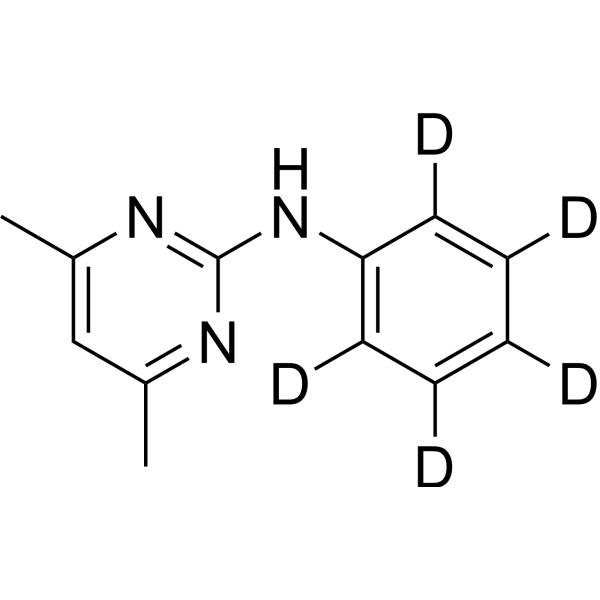
Pyrimethanil-d5 is the deuterium labeled Pyrimethanil (HY-B2033). Pyrimethanil is an anilinopyrimidine and broad-spectrum contact fungicide for the control of Botrytis spp. on a wide variety of crops . Pyrimethanil inhibits the biosynthesis of methionine and other amino acids in Botrytis cinerea. Pyrimethanil can be used for the research of fungal diseases prevention on fruit, vegetable and ornamental plants with mold infection .
|
-
-
- HY-B1948R
-
|
S 3308 (Standard)
|
Reference Standards
Fungal
|
Infection
|
|
Diniconazole (Standard) is the analytical standard of Diniconazole (HY-B1948). This product is intended for research and analytical applications. Diniconazole (S-3308) is a newly developed fungicide. Diniconazole exhibits fungicidal activity against Bolrytis cintrca, Sordaria fumicola, Fusarium graminearum, Sclerotium cepivornm, and Bipolaris sorokiniana with IC50 values of 0.012, <0.001, 0.008, 0.02, and 0.06 mg/L, respectively. Diniconazole can be used in research related to the prevention and control of plant fungal diseases and plant growth regulation .
|
-

-
- HY-119976S
-
|
|
Isotope-Labeled Compounds
Apoptosis
Fungal
Mitochondrial Metabolism
Succinate Dehydrogenase
|
Others
|
|
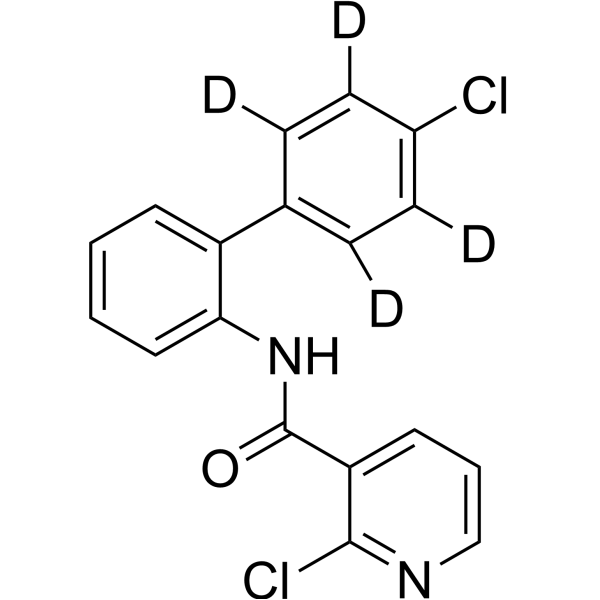
Boscalid-d4 is the deuterium labeled Boscalid. Boscalid is a succinate dehydrogenase (SDHI) inhibitor with antifungal activity. Boscalid binds to the ubiquinone-binding site of fungal mitochondrial complex II, blocks ATP production and aerobic respiration, exhibits good control efficacy against a variety of plant fungal diseases including gray mold, sclerotinia rot and powdery mildew, and is widely used for disease control in agriculture. Boscalid induces apoptosis, altered lipid metabolism, mitochondrial dysfunction, respiratory impairment, oxidative stress, ROS accumulation and neurodevelopmental disorders in zebrafish. Boscalid reduces foraging ability, shortens median death time and causes chronic toxicity in exposed honeybees. Boscalid also possesses genotoxicity, cytotoxicity, elevated mitochondrial superoxide levels and early-stage apoptosis .
|
-
-
- HY-119976R
-
|
|
Reference Standards
Apoptosis
Fungal
Mitochondrial Metabolism
Succinate Dehydrogenase
|
Infection
|
|
Boscalid (Standard) is the analytical standard of Boscalid. This product is intended for research and analytical applications. Boscalid is a succinate dehydrogenase (SDHI) inhibitor with antifungal activity. Boscalid binds to the ubiquinone-binding site of fungal mitochondrial complex II, blocks ATP production and aerobic respiration, exhibits good control efficacy against a variety of plant fungal diseases including gray mold, sclerotinia rot and powdery mildew, and is widely used for disease control in agriculture. Boscalid induces apoptosis, altered lipid metabolism, mitochondrial dysfunction, respiratory impairment, oxidative stress, ROS accumulation and neurodevelopmental disorders in zebrafish. Boscalid reduces foraging ability, shortens median death time and causes chronic toxicity in exposed honeybees. Boscalid also possesses genotoxicity, cytotoxicity, elevated mitochondrial superoxide levels and early-stage apoptosis .
|
-

-
- HY-W017611S
-
|
|
Isotope-Labeled Compounds
Fungal
Reactive Oxygen Species (ROS)
DNA/RNA Synthesis
|
Infection
|
|
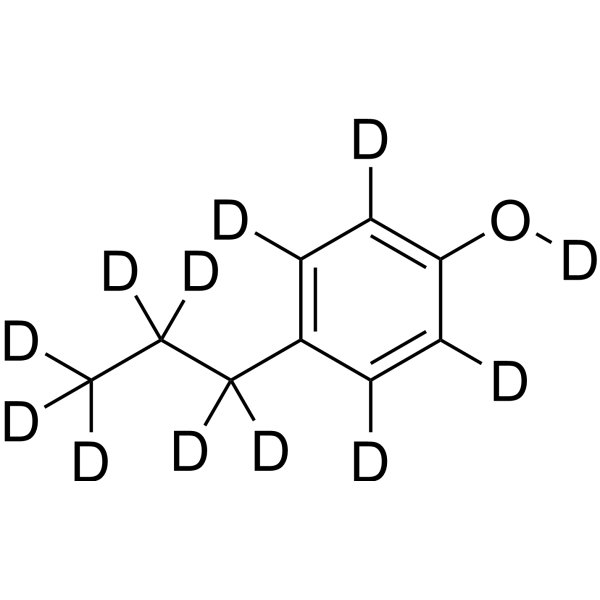
4-Propylphenol-d12 is the deuterium labeled 4-Propylphenol. 4-Propylphenol is a plant-derived phenolic compound. 4-Propylphenol causes an increase in ROS within the Fusarium graminearum cells, leading to damage to the DNA and cell membranes of the mycelia, effectively inhibiting the growth of the mycelia. 4-Propylphenol also has a growth inhibitory effect on walnut pathogenic fungi (C. gloeosporioides, C. siamense, A. alternata), with its EC50 ranging from 29.11 to 31.89 mg/L, and it also inhibits spore germination, with EC50 being 55.04-71.85 mg/L. 4-Propylphenol can be used in the research of fungal diseases in walnuts and wheat Fusarium head blight.
|
-
-
- HY-N19907
-
|
|
Endogenous Metabolite
Fungal
Antibiotic
|
Infection
|
|
Phomopsinone A is an Antifungal agent. Phomopsinone A is isolated from Phomopsis sp. Phomopsinone A exhibits activity against plant and crop pathogens Pyricularia oryzae, Septoria tritici and Botrytis cinerea. Phomopsinone A can be used in the research of plant/crop fungal diseases .
|
-

-
- HY-W043791
-
|
|
Fungal
|
Infection
|
|
4-Dodecyl-2,6-dimethylmorpholine is a morpholine fungicide and plant-growth regulator. 4-Dodecyl-2,6-dimethylmorpholine targets phytopathogenic fungi including Oomycetes, Ascomycetes and Basidiomycetes. 4-Dodecyl-2,6-dimethylmorpholine acts synergistically with acylalanine fungicides to enhance antifungal efficacy and regulate plant growth. 4-Dodecyl-2,6-dimethylmorpholine can be applied to the study of plant fungal diseases and phytopathogenic fungal infections .
|
-

-
- HY-N9564
-
|
|
Fungal
|
Infection
|
|
Pisatin is a phytoalexin found in pea (Pisum sativum L.) and an anti-fungal agent. Pisatin can be used for the research of pea plant disease caused by Nectria haematococca .
|
-

-
- HY-B1948A
-
|
(E/Z)-S-3308
|
Drug Isomer
|
Infection
|
|
(E/Z)-Diniconazole ((E/Z)-S-3308) is an isomer of Diniconazole (HY-B1948). Diniconazole (S-3308) is a fungicide that can be used in research on the control of plant fungal diseases and plant growth regulation.
|
-

-
- HY-134339
-
|
|
Fungal
|
Infection
|
|
Dichlobentiazox (Compound B14) is a component of Fungicidal compositions. Dichlobentiazox is used in studies on plant diseases caused by phytopathogenic fungi .
|
-

-
- HY-182471
-
|
|
Fungal
|
Infection
|
|
Aminopyrifen is a GWT-1 inhibitor. Aminopyrifen inhibits the inositol acylation of phosphatidylinositol, disrupting the maturation process of GPI-anchored proteins and the integrity of fungal cell walls. Aminopyrifen strongly inhibits germ tube elongation of Botrytis cinerea, delays spore germination, prevents appressorium formation, and blocks the infection of plant tissues by pathogenic fungi. Aminopyrifen is effective against field populations of eggplant gray mold and cucumber powdery mildew, and can be used for research on various plant fungal diseases such as gray mold and powdery mildew .
|
-

| Cat. No. |
Product Name |
Type |
-
- HY-119976
-
|
|
Biochemical Assay Reagents
|
|
Boscalid is a succinate dehydrogenase (SDHI) inhibitor with antifungal activity. Boscalid binds to the ubiquinone-binding site of fungal mitochondrial complex II, blocks ATP production and aerobic respiration, exhibits good control efficacy against a variety of plant fungal diseases including gray mold, sclerotinia rot and powdery mildew, and is widely used for disease control in agriculture. Boscalid induces apoptosis, altered lipid metabolism, mitochondrial dysfunction, respiratory impairment, oxidative stress, ROS accumulation and neurodevelopmental disorders in zebrafish. Boscalid reduces foraging ability, shortens median death time and causes chronic toxicity in exposed honeybees. Boscalid also possesses genotoxicity, cytotoxicity, elevated mitochondrial superoxide levels and early-stage apoptosis .
|
-
- HY-N9497
-
|
|
Biochemical Assay Reagents
|
|
Galactinol is a disaccharide carbohydrate serving as a galactosyl donor, which belongs to the raffinose family oligosaccharide pathway and acts as an important osmoprotectant. Galactinol not only induces disease resistance in plants against fungal and bacterial pathogens, but also significantly enhances plant tolerance to abiotic stresses such as drought, high salinity, low temperature and oxidative damage. In addition, Galactinol has the ability to scavenge hydroxyl radicals, can act as a signaling component for root colonization-induced systemic resistance, and is positively correlated with seed longevity in various crops, making it a potential biomarker for evaluating seed vigor. Therefore, Galactinol can be used in the research of various plant diseases including fungal leaf spot, bacterial angular leaf spot, gray mold and soft rot .
|
-
- HY-119976R
-
|
|
Biochemical Assay Reagents
|
|
Boscalid (Standard) is the analytical standard of Boscalid. This product is intended for research and analytical applications. Boscalid is a succinate dehydrogenase (SDHI) inhibitor with antifungal activity. Boscalid binds to the ubiquinone-binding site of fungal mitochondrial complex II, blocks ATP production and aerobic respiration, exhibits good control efficacy against a variety of plant fungal diseases including gray mold, sclerotinia rot and powdery mildew, and is widely used for disease control in agriculture. Boscalid induces apoptosis, altered lipid metabolism, mitochondrial dysfunction, respiratory impairment, oxidative stress, ROS accumulation and neurodevelopmental disorders in zebrafish. Boscalid reduces foraging ability, shortens median death time and causes chronic toxicity in exposed honeybees. Boscalid also possesses genotoxicity, cytotoxicity, elevated mitochondrial superoxide levels and early-stage apoptosis .
|
| Cat. No. |
Product Name |
Target |
Research Area |
-
- HY-122494
-
|
SF-1293
|
Bacterial
|
Infection
|
|
Bilanafos is a natural organic phosphine tripeptide antibiotic metabolized by Streptomyces hydroscopius or Streptomyces viridochromeogenes. Bialaphos has antimicrobial activity aganist Gram-negative and positive bacteria as well as some fungal plant diseases .
|
| Cat. No. |
Product Name |
Category |
Target |
Chemical Structure |
-
- HY-N9497
-
|
|
Source Classification
|
Galectin
Fungal
|
|
Galactinol is a disaccharide carbohydrate serving as a galactosyl donor, which belongs to the raffinose family oligosaccharide pathway and acts as an important osmoprotectant. Galactinol not only induces disease resistance in plants against fungal and bacterial pathogens, but also significantly enhances plant tolerance to abiotic stresses such as drought, high salinity, low temperature and oxidative damage. In addition, Galactinol has the ability to scavenge hydroxyl radicals, can act as a signaling component for root colonization-induced systemic resistance, and is positively correlated with seed longevity in various crops, making it a potential biomarker for evaluating seed vigor. Therefore, Galactinol can be used in the research of various plant diseases including fungal leaf spot, bacterial angular leaf spot, gray mold and soft rot .
|
-
-
- HY-N6243
-
-
-
- HY-N8744
-
-
-
- HY-N15326
-
-
-
- HY-N19907
-
-
-
- HY-N9564
-
-
| Cat. No. |
Product Name |
Chemical Structure |
-
- HY-B2033S
-
|
|
|
Pyrimethanil- 13C, 15N2 is the 13C-labeled and 15N-labeled Pyrimethanil. Pyrimethanil is an?anilinopyrimidine?and broad-spectrum?contact fungicide for the control of Botrytis spp. on a wide variety of crops . Pyrimethanil inhibits the biosynthesis of methionine and other amino acids in?Botrytis cinerea. Pyrimethanil can be used for the research of fungal diseases prevention on fruit, vegetable and ornamental plants with mold infection .
|
-
-
- HY-N6625S
-
|
|
|
Chlorothalonil- 13C2 is the 13C-labeled Chlorothalonil. Chlorothalonil is a broad spectrum fungicide and is effective in protecting plants against fungal diseases caused mainly by Phytophthora infestans and Alternaria solani. Chlorothalonil is used for controlling of fungal foliar diseases of vegetables and crops .
|
-
-
- HY-W769743
-
|
|
|
Propineb-d3 (Technical grade) is the deuterium labeled Propineb (HY-119630). Propineb (Zinc propylenebis) is a compound widely used in fruit and vegetables cultures, due to its large spectrum of activity against fungal plant diseases .
|
-
-
- HY-B2033S1
-
|
|
|
Pyrimethanil-d5 is the deuterium labeled Pyrimethanil (HY-B2033). Pyrimethanil is an anilinopyrimidine and broad-spectrum contact fungicide for the control of Botrytis spp. on a wide variety of crops . Pyrimethanil inhibits the biosynthesis of methionine and other amino acids in Botrytis cinerea. Pyrimethanil can be used for the research of fungal diseases prevention on fruit, vegetable and ornamental plants with mold infection .
|
-
-
- HY-119976S
-
|
|
|
Boscalid-d4 is the deuterium labeled Boscalid. Boscalid is a succinate dehydrogenase (SDHI) inhibitor with antifungal activity. Boscalid binds to the ubiquinone-binding site of fungal mitochondrial complex II, blocks ATP production and aerobic respiration, exhibits good control efficacy against a variety of plant fungal diseases including gray mold, sclerotinia rot and powdery mildew, and is widely used for disease control in agriculture. Boscalid induces apoptosis, altered lipid metabolism, mitochondrial dysfunction, respiratory impairment, oxidative stress, ROS accumulation and neurodevelopmental disorders in zebrafish. Boscalid reduces foraging ability, shortens median death time and causes chronic toxicity in exposed honeybees. Boscalid also possesses genotoxicity, cytotoxicity, elevated mitochondrial superoxide levels and early-stage apoptosis .
|
-
-
- HY-W017611S
-
|
|
|
4-Propylphenol-d12 is the deuterium labeled 4-Propylphenol. 4-Propylphenol is a plant-derived phenolic compound. 4-Propylphenol causes an increase in ROS within the Fusarium graminearum cells, leading to damage to the DNA and cell membranes of the mycelia, effectively inhibiting the growth of the mycelia. 4-Propylphenol also has a growth inhibitory effect on walnut pathogenic fungi (C. gloeosporioides, C. siamense, A. alternata), with its EC50 ranging from 29.11 to 31.89 mg/L, and it also inhibits spore germination, with EC50 being 55.04-71.85 mg/L. 4-Propylphenol can be used in the research of fungal diseases in walnuts and wheat Fusarium head blight.
|
-
Your information is safe with us. * Required Fields.
Inquiry Information
- Product Name:
- Cat. No.:
- Quantity:
- MCE Japan Authorized Agent:








