1. Search Result
Search Result
Results for "

plant mitochondria

" in MedChemExpress (MCE) Product Catalog:

20

Inhibitors & Agonists

10

Fluorescent Dyes

1

Biochemical Assay Reagents

5

Natural
Products

Cat. No. Product Name Target Research Areas Chemical Structure
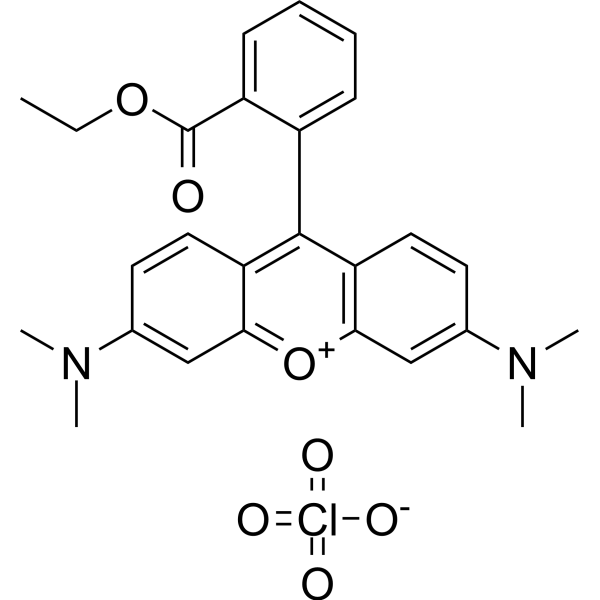
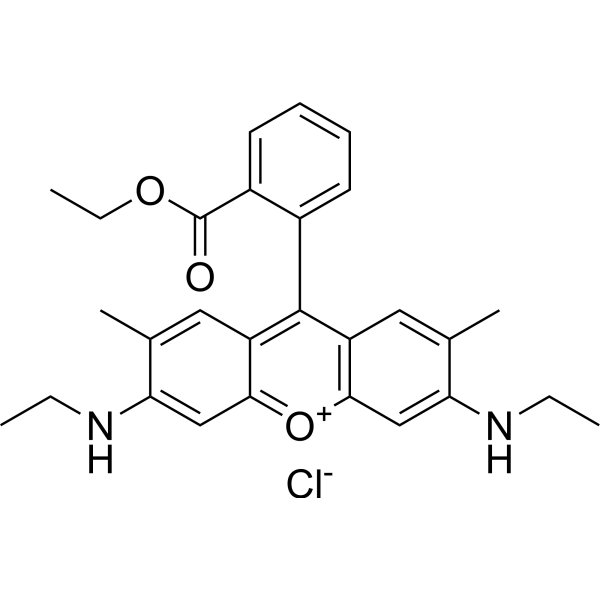
  • HY-D0985A
    TMRE
    Maximum Cited Publications
    75 Publications Verification

    Tetramethylrhodamine ethyl ester perchlorate

    Fluorescent Dye Others
    Rhodamine dyes are membrane-permeable cationic fluorescent probes that specifically recognize mitochondrial membrane potentials, thereby attaching to mitochondria and producing bright fluorescence, and at certain concentrations, rhodamine dyes have low toxicity to cells, so they are commonly used to detect mitochondria in animal cells, plant cells, and microorganisms .
    TMRE
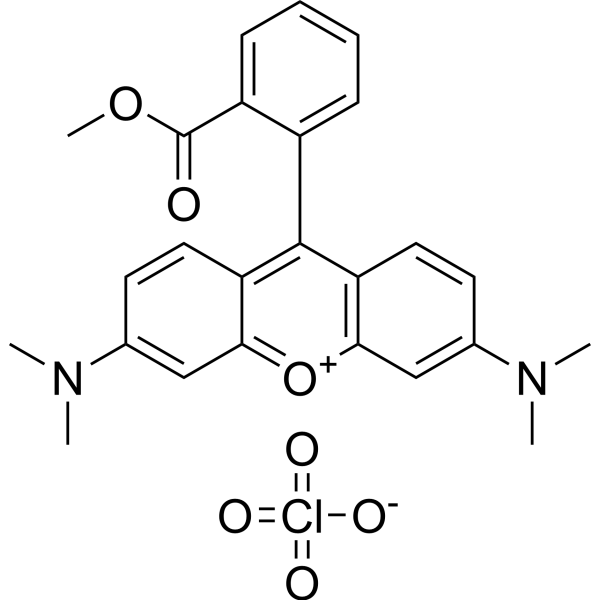
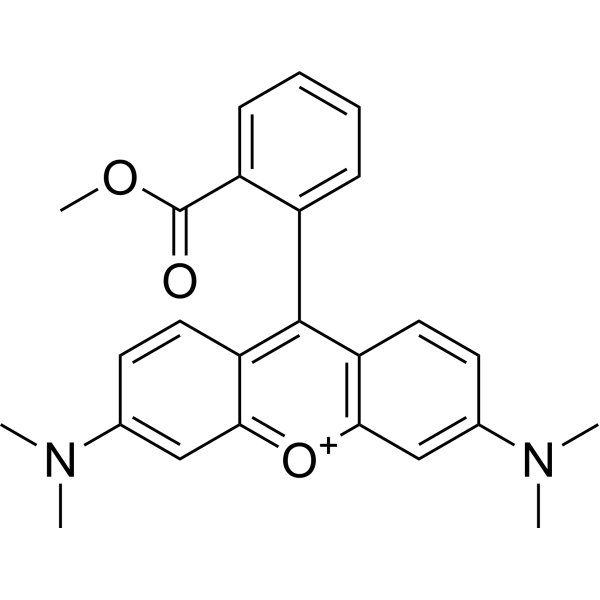
  • HY-D0984A
    TMRM Perchlorate
    30+ Cited Publications

    T668

    Fluorescent Dye Others
    Rhodamine dyes are membrane-permeable cationic fluorescent probes that specifically recognize mitochondrial membrane potentials, thereby attaching to mitochondria and producing bright fluorescence, and at certain concentrations, rhodamine dyes have low toxicity to cells, so they are commonly used to detect mitochondria in animal cells, plant cells, and microorganisms .
    TMRM Perchlorate
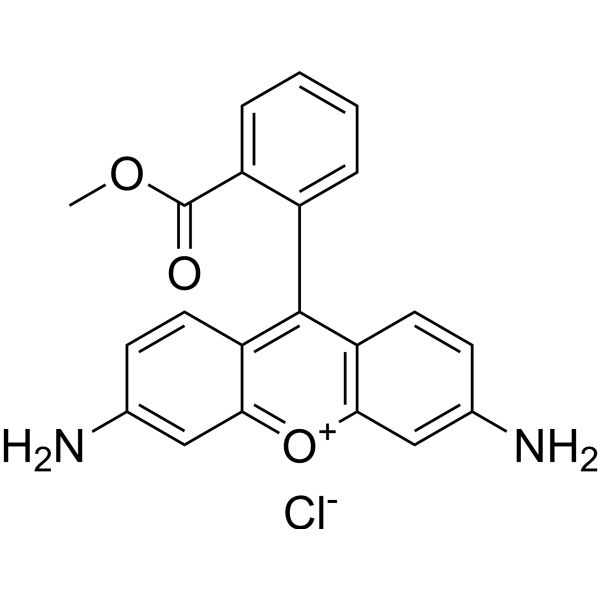
  • HY-D0816
    Rhodamine 123
    25+ Cited Publications

    RH-123; R-22420

    Fluorescent Dye Cardiovascular Disease
    Rhodamine dyes are membrane-permeable cationic fluorescent probes that specifically recognize mitochondrial membrane potentials, thereby attaching to mitochondria and producing bright fluorescence, and at certain concentrations, rhodamine dyes have low toxicity to cells, so they are commonly used to detect mitochondria in animal cells, plant cells, and microorganisms .
    Rhodamine 123
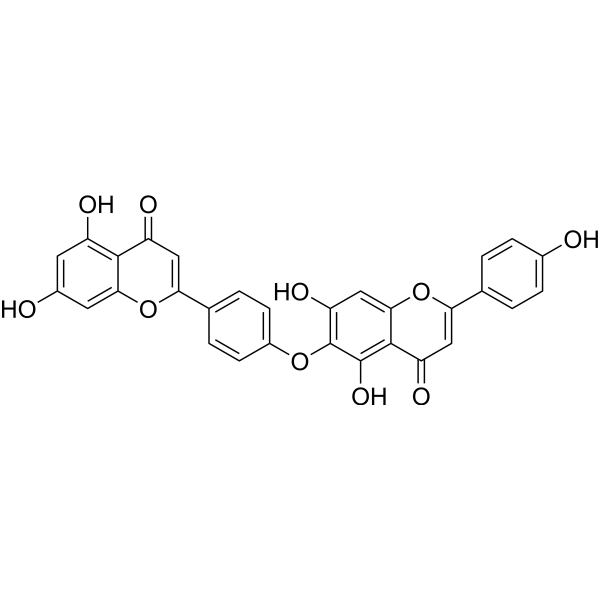
  • HY-N2360
    Hinokiflavone
    5+ Cited Publications

    E1/E2/E3 Enzyme Apoptosis MMP ClpP Infection Inflammation/Immunology Cancer
    Hinokiflavone is a novel modulator of pre-mRNA splicing activity extracted from plants with anti-inflammatory, anti-tumor and antiviral activities. Hinokiflavone is also a potent inhibitor for matrix metalloproteinases (MMPs). Hinokiflavone attenuates the virulence of Methicillin (HY-121544)-resistant staphylococcus aureus by inhibiting caseinolytic protease P (ClpP) with an IC50 value of 34.36 mg/mL. Hinokiflavone induces apoptosis via the reactive oxygen species-mitochondria-mediated apoptotic pathway and inhibits tumor cell migration and invasion. Hinokiflavone is a SUMO protease inhibitor against sentrin-specific protease 1 (SENP1) activity .
    Hinokiflavone
  • HY-D0309
    Rhodamine 6G
    4 Publications Verification

    Basic Red 1

    Environmental Pollutants Fluorescent Dye Cancer
    Rhodamine dyes are membrane-permeable cationic fluorescent probes that specifically recognize mitochondrial membrane potentials, thereby attaching to mitochondria and producing bright fluorescence, and at certain concentrations, rhodamine dyes have low toxicity to cells, so they are commonly used to detect mitochondria in animal cells, plant cells, and microorganisms .
    Rhodamine 6G
  • HY-D0984

    Fluorescent Dye Inflammation/Immunology
    Rhodamine dyes are membrane-permeable cationic fluorescent probes that specifically recognize mitochondrial membrane potentials, thereby attaching to mitochondria and producing bright fluorescence, and at certain concentrations, rhodamine dyes have low toxicity to cells, so they are commonly used to detect mitochondria in animal cells, plant cells, and microorganisms .
    TMRM
  • HY-DY1042

    Fluorescent Dye Others
    Rhodamine dyes are membrane-permeable cationic fluorescent probes that specifically recognize mitochondrial membrane potentials, thereby attaching to mitochondria and producing bright fluorescence, and at certain concentrations, rhodamine dyes have low toxicity to cells, so they are commonly used to detect mitochondria in animal cells, plant cells, and microorganisms .
    Solvent and concentration: DMSO: 10 mM
    TMRM Perchlorate (solution)
  • HY-101876

    Fluorescent Dye Others
    Rhodamine dyes are membrane-permeable cationic fluorescent probes that specifically recognize mitochondrial membrane potentials, thereby attaching to mitochondria and producing bright fluorescence, and at certain concentrations, rhodamine dyes have low toxicity to cells, so they are commonly used to detect mitochondria in animal cells, plant cells, and microorganisms .
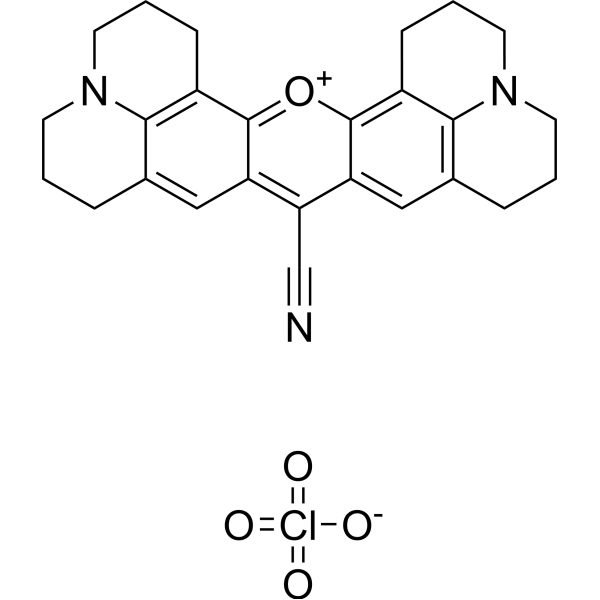
    Rhodamine 800
  • HY-DY1023

    Fluorescent Dye Others
    Rhodamine dyes are membrane-permeable cationic fluorescent probes that specifically recognize mitochondrial membrane potentials, thereby attaching to mitochondria and producing bright fluorescence, and at certain concentrations, rhodamine dyes have low toxicity to cells, so they are commonly used to detect mitochondria in animal cells, plant cells, and microorganisms .
    Solvent and concentration: DMSO: 10 mM
    TMRE (solution)
  • HY-DY1054

    Fluorescent Dye Cardiovascular Disease
    Rhodamine dyes are membrane-permeable cationic fluorescent probes that specifically recognize mitochondrial membrane potentials, thereby attaching to mitochondria and producing bright fluorescence, and at certain concentrations, rhodamine dyes have low toxicity to cells, so they are commonly used to detect mitochondria in animal cells, plant cells, and microorganisms .
    Solvent and concentration: DMSO: 5 mM
    Rhodamine 123 (solution)
  • HY-W587827

    Thiamine triphosphate

    Endogenous Metabolite Metabolic Disease
    Thiamine triphosphoric acid ester (Thiamine triphosphate) is a neuroactive compound and a triphosphate derivative of vitamin thiamine. Thiamine triphosphoric acid ester exists in microorganisms, animal organs and plants. In E. coli, Thiamine triphosphoric acid ester is transiently produced under amino acid deficiency, while in mammalian cells, it is continuously produced at a low rate. Thiamine triphosphoric acid ester can be synthesized by two distinct enzymes (cytosolic AK1 and FoF1-ATP synthase in brain mitochondria). Thiamine triphosphoric acid ester plays a fundamental role in cellular metabolism or cellular signal transduction .
    Thiamine triphosphoric acid ester
  • HY-D0309R

    Basic Red 1 (Standard)

    Fluorescent Dye Reference Standards Cancer
    Rhodamine 6G (Standard) is the analytical standard of Rhodamine 6G. This product is intended for research and analytical applications. Rhodamine dyes are membrane-permeable cationic fluorescent probes that specifically recognize mitochondrial membrane potentials, thereby attaching to mitochondria and producing bright fluorescence, and at certain concentrations, rhodamine dyes have low toxicity to cells, so they are commonly used to detect mitochondria in animal cells, plant cells, and microorganisms .
    Rhodamine 6G (Standard)
  • HY-E70425

    Glycosyltransferase Metabolic Disease
    Sucrose synthase belongs to glycosyltransferases and is a reversible catalyst present in plants, which catalyzes the conversion of sucrose into fructose and UDP-G or ADP-G. Sucrose synthase localizes to the cytoplasm, plasma membrane, cell wall, vacuole and mitochondria of plants. Sucrose synthase regulates sugar metabolism, supports the development of taproots, fruits, seeds and vascular tissues, drives the synthesis of starch, cellulose and callose, and enhances nitrogen fixation capacity. Sucrose synthase mediates signal transduction in plant meristems. Sucrose synthase is associated with plant growth, anaerobic stress tolerance, as well as shoot apical meristem and leaf morphology; overexpression of this enzyme promotes plant growth, increases xylem size, and elevates cellulose and starch contents .
    Sucrose synthase
  • HY-W127780

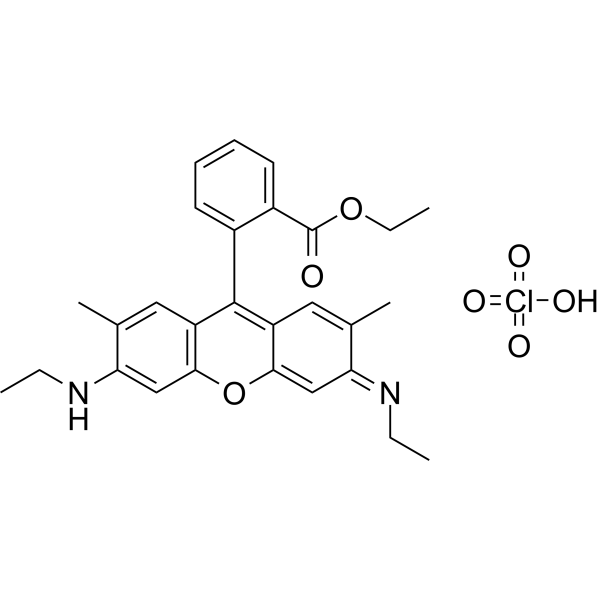
    Basic Red 1 perchlorate

    Fluorescent Dye Others
    Rhodamine dyes are membrane-permeable cationic fluorescent probes that specifically recognize mitochondrial membrane potentials, thereby attaching to mitochondria and producing bright fluorescence, and at certain concentrations, rhodamine dyes have low toxicity to cells, so they are commonly used to detect mitochondria in animal cells, plant cells, and microorganisms .
    Rhodamine 6G perchlorate
  • HY-N2360R

    Reference Standards E1/E2/E3 Enzyme Apoptosis MMP ClpP Infection Inflammation/Immunology Cancer
    Hinokiflavone is a novel modulator of pre-mRNA splicing activity extracted from plants with anti-inflammatory, anti-tumor and antiviral activities. Hinokiflavone is also a potent inhibitor for matrix metalloproteinases (MMPs). Hinokiflavone attenuates the virulence of Methicillin (HY-121544)-resistant staphylococcus aureus by inhibiting caseinolytic protease P (ClpP) with an IC50 value of 34.36 mg/mL. Hinokiflavone induces apoptosis via the reactive oxygen species-mitochondria-mediated apoptotic pathway and inhibits tumor cell migration and invasion. Hinokiflavone is a SUMO protease inhibitor against sentrin-specific protease 1 (SENP1) activity .
    Hinokiflavone (Standard)
  • HY-126643

    Mitochondrial Metabolism Others Cancer
    Wedeloside is a diterpenoid amino glycoside isolated from the plant Wedelia asperrima. Wedeloside is capable of inhibiting ADP-stimulated respiration in mitochondria and possesses potential anti-tumor activity. Wedeloside is applicable in drug development and toxicological research .
    Wedeloside
  • HY-N1338

    NSC 122417

    mTOR Akt Cancer
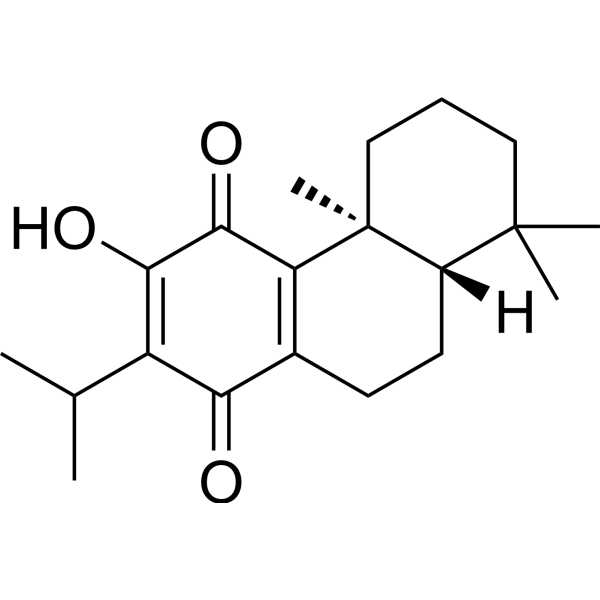
    Royleanone, a diterpenoid isolated from plants, inhibits the proliferation of cancer cells by inducing cell cycle arrest and mitochondria-mediated apoptosis, also inhibits cell migration potential, inhibits mTOR/PI3/AKT signaling pathway in LNCaP prostate cancer cells .
    Royleanone
  • HY-172804

    Succinate Dehydrogenase Fungal Apoptosis Infection
    SDH-IN-26 (Compound C3) is a succinate dehydrogenase (SDH) inhibitor. SDH-IN-26 exhibits significant inhibitory activity against multiple phytopathogenic fungi, such as Rhizoctonia solani and Botrytis cinerea, with an EC50 value of 0.270 μg/mL against Rhizoctonia solani. SDH-IN-26 damages the integrity of the fungal cell membrane, increases membrane permeability, disrupts cell structure, and reduces the number of mitochondria, thus affecting the normal growth of mycelia. SDH-IN-26 leads to a decrease in mitochondrial membrane potential, and induces cell apoptosis. SDH-IN-26 is promising for research of plant diseases caused by fungi .
    SDH-IN-26
  • HY-182303

    CATR

    Methionine Adenosyltransferase (MAT) Neurological Disease
    Carboxyatractyloside (CATR) is a tight-binding inhibitor of adenine nucleotide translocase, and represents the major toxic component of Xanthium sibiricum. Carboxyatractyloside competes with ADP for binding to the translocase, blocks the translocation of ADP/ATP across the inner mitochondrial membrane, and thereby inhibits ADP-stimulated respiration. In the presence of Cyclosporin A (HY-B0579), Carboxyatractyloside still induces permeability transition in liver mitochondria of aged rats, exhibiting significant hepatotoxicity and nephrotoxicity. Carboxyatractyloside is widely used in studies related to hepatotoxicity, nephrotoxicity and Alzheimer's disease .
    Carboxyatractyloside
  • HY-125778

    Others Metabolic Disease
    Cochlioquinone is a sesquiterpene metabolite originally isolated from C. miyabeanus. It is a phytotoxin that inhibits root growth of finger millet (E. coracana) and rice plants (O. sativa) by 59.9 and 51.7%, respectively, when used at a concentration of 100 ppm.2 Cochlioquinone B inhibits NADH oxidase and NADH-2,3-dimethoxy-5-pentyl-1,4-benzoquinone reductase from bovine heart mitochondria.
    Cochlioquinone B

Inquiry Online

Your information is safe with us. * Required Fields.

Salutation


Country or Region *

Applicant Name *


Organization Name *

Department *


Email Address *


Product Name *

Cat. No.


Requested quantity *

Phone Number *


Remarks

Inquiry Online

Inquiry Information

Product Name:
Cat. No.:
Quantity:
MCE Japan Authorized Agent:

