Search Result
Results for "
plasma thrombin
" in MedChemExpress (MCE) Product Catalog:
1
Biochemical Assay Reagents
| Cat. No. |
Product Name |
Target |
Research Areas |
Chemical Structure |
-
- HY-W018781
-
|
|
Ser/Thr Protease
|
Cancer
|
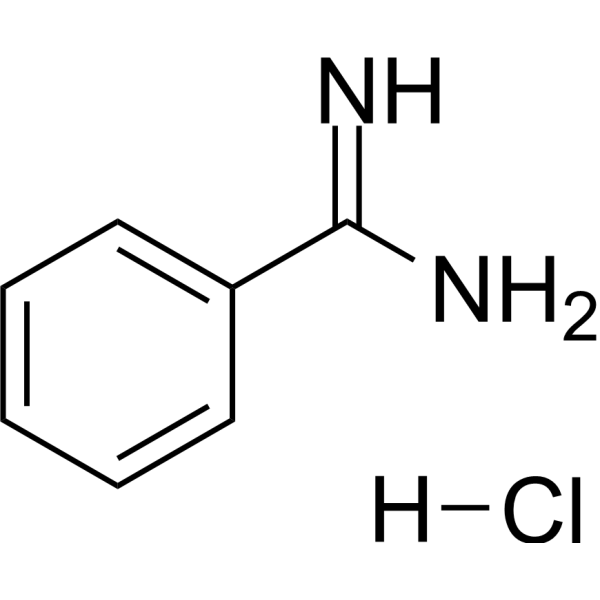
Benzamidine hydrochloride is a competitive protease inhibitor that blocks the hydrolytic cleavage of glucagon by plasmin, trypsin and thrombin. Benzamidine hydrochloride effectively inhibits the degradation of glucagon by relevant proteases during the collection, storage and analysis of human plasma and blood samples. During in vivo metabolism, Benzamidine hydrochloride undergoes N-hydroxylation and produces multiple metabolites, exhibiting characteristics of delayed excretion or biphasic elimination. Benzamidine hydrochloride only induces slight single-strand DNA breaks at high concentrations and shows no significant genotoxic potential overall. Benzamidine hydrochloride may interfere with the detection of some glucagon antisera, but does not affect key antigen-antibody affinity at specific concentrations. Benzamidine hydrochloride can be used as a stabilizer in glucagon radioimmunoassays to ensure the accuracy and recovery rate of detection results .
|
-
-
- HY-P0019
-
-
-
- HY-P0074
-
GPRP
3 Publications Verification
Gly-Pro-Arg-Pro; Pefa 6003
|
Thrombin
|
Cardiovascular Disease
|
|
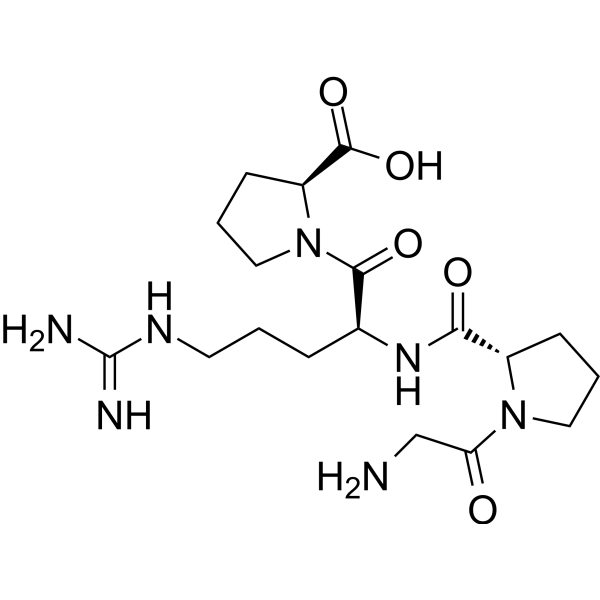
GPRP (Gly-Pro-Arg-Pro; Pefa 6003) is a fibrin polymerization inhibitor that inhibits the interaction between fibrinogen and the platelet membrane glycoprotein Ⅱb/IIIa complex (glycoprotein IIb/IIIa receptor) . GPRP increases the level of free thrombin in activated platelet-rich plasma by reducing the adsorption of thrombin onto fibrin. GPRP inhibits platelet aggregation and prolongs the thrombin-initiated clotting time in plasma. GPRP is applicable for research related to thrombosis and thrombotic diseases .
|
-
-
- HY-125913
-
|
|
Ser/Thr Protease
|
Inflammation/Immunology
|
Benzamidine is a competitive protease inhibitor that blocks the hydrolytic cleavage of glucagon by plasmin, trypsin and thrombin. Benzamidine effectively inhibits the degradation of glucagon by relevant proteases during the collection, storage and analysis of human plasma and blood samples. During in vivo metabolism, Benzamidine undergoes N-hydroxylation and produces multiple metabolites, exhibiting characteristics of delayed excretion or biphasic elimination. Benzamidine only induces slight single-strand DNA breaks at high concentrations and shows no significant genotoxic potential overall. Benzamidine may interfere with the detection of some glucagon antisera, but does not affect key antigen-antibody affinity at specific concentrations. Benzamidine can be used as a stabilizer in glucagon radioimmunoassays to ensure the accuracy and recovery rate of detection results .
|
-
-
- HY-P0019A
-
|
|
Fluorescent Dye
Thrombin
|
Others
|
|
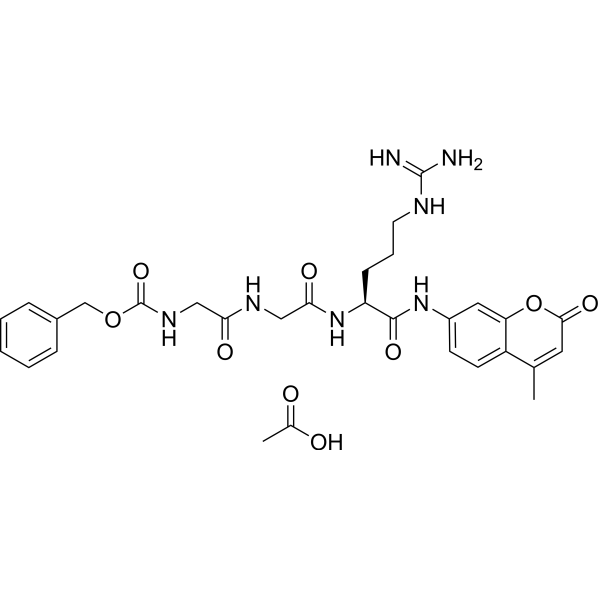
Z-Gly-Gly-Arg-AMC acetate is a thrombin-specific fluorogenic substrate for testing of thrombin generation in PRP and platelet-poor plasma (PPP) (Ex/Em = 390/480 nm) .
|
-
-
- HY-E70544B
-
-
-
- HY-153480A
-
|
BAX499 sodium
|
Factor Xa
Factor VIIa
Tissue Factor Pathway Inhibitor (TFPI)
|
Others
|
|
ARC19499 sodium is an aptamer that inhibits tissue factor pathway inhibitor (TFPI) , thereby enabling clot initiation and propagation via the extrinsic pathway. The core aptamer binds tightly and specifically to TFPI. ARC19499 sodium blocks TFPI inhibition of both factor Xa and the TF/factor VIIa complex. ARC19499 sodium corrects thrombin generation in hemophilia A and B plasma and restores clotting in FVIII-neutralized whole blood.
|
-
-
- HY-W087937
-
|
Benzenecarboximidamide hydrochloride hydrate
|
Ser/Thr Protease
|
Cancer
|
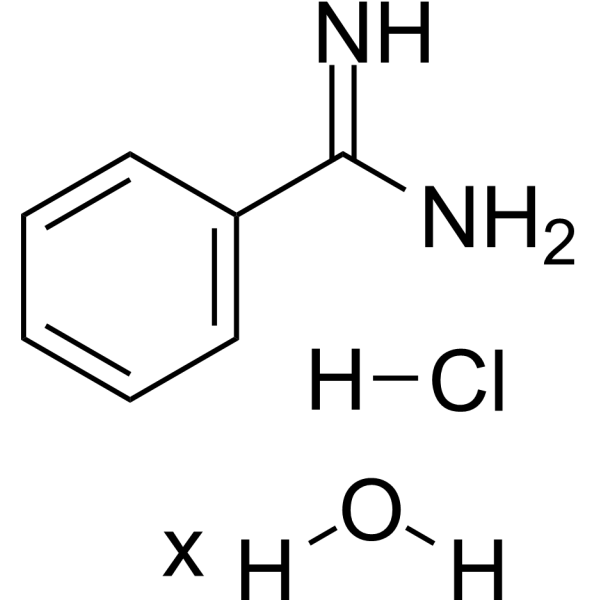
Benzamidine (Benzenecarboximidamide) hydrochloride hydrate is a competitive protease inhibitor that blocks the hydrolytic cleavage of glucagon by plasmin, trypsin and thrombin. Benzamidine hydrochloride hydrate effectively inhibits the degradation of glucagon by relevant proteases during the collection, storage and analysis of human plasma and blood samples. During in vivo metabolism, Benzamidine hydrochloride hydrate undergoes N-hydroxylation and produces multiple metabolites, exhibiting characteristics of delayed excretion or biphasic elimination. Benzamidine hydrochloride hydrate only induces slight single-strand DNA breaks at high concentrations and shows no significant genotoxic potential overall. Benzamidine hydrochloride hydrate may interfere with the detection of some glucagon antisera, but does not affect key antigen-antibody affinity at specific concentrations. Benzamidine hydrochloride hydrate can be used as a stabilizer in glucagon radioimmunoassays to ensure the accuracy and recovery rate of detection results .
|
-
-
- HY-125864D
-
|
|
Interleukin Related
NF-κB
|
Cardiovascular Disease
|
|
Rabbit Fibrinogen is a native fibrinogen from rabbit plasma. Fibrinogen is a selective proteolytic molecule that can be activated by thrombin to assemble fibrin clots. Fibrinogen can regulate the activation of NF-KB in endothelial cells and upregulate the expression of inflammatory chemokines MCP-1 and MCP-1. Fibrinogen plays a key role in blood clotting, thrombosis, atherosclerosis and the pathological development of venous grafts, and can be used in the study of blood clotting and vascular diseases .
|
-
-
- HY-122813
-
|
|
Drug Metabolite
Thrombin
|
Cardiovascular Disease
|
|
Dabigatran acyl-β-D-glucuronide is an active metabolite of the thrombin inhibitor Dabigatran (HY-10163). Dabigatran acyl-β-D-glucuronide increases activated partial thromboplastin time (aPTT) in isolated human platelet-poor plasma.
|
-
-
- HY-153480
-
|
BAX499
|
Factor Xa
Factor VIIa
Tissue Factor Pathway Inhibitor (TFPI)
|
Others
|
|
ARC19499 is an aptamer that inhibits tissue factor pathway inhibitor (TFPI) , thereby enabling clot initiation and propagation via the extrinsic pathway. The core aptamer binds tightly and specifically to TFPI. ARC19499 blocks TFPI inhibition of both factor Xa and the TF/factor VIIa complex. ARC19499 corrects thrombin generation in hemophilia A and B plasma and restores clotting in FVIII-neutralized whole blood.
|
-
-
- HY-166257
-
|
Psychosine 3′-O-sulfate; Psychosine 3′-sulfate
|
Biochemical Assay Reagents
Factor Xa
|
Metabolic Disease
|
|
Lyso-sulfatide (bovine) is a phospholipid component derived from sphingolipid catabolism and a potent factor Xa inhibitor and anticoagulant. Lyso-sulfatide (bovine) binds directly to factor Xa and inhibits prothrombin activation mediated by the prothrombinase complex, thereby prolonging factor Xa-induced plasma clotting time and suppressing thrombin generation. Lyso-sulfatide (bovine) serves as a reliable lipid membrane mimic for studying cell membrane structure, function, and molecular interactions .
|
-
-
- HY-Y1094
-
|
Chloro(1,5-cyclooctadiene)rhodium(I) dimer
|
Biochemical Assay Reagents
|
Cardiovascular Disease
|
|
[Rh(cod)Cl]2 (Chloro(1,5-cyclooctadiene)rhodium(I) dimer) is a rhodium (I) organometallic dimer complex. [Rh(cod)Cl]2 can inhibit platelet-activating factor-mediated platelet aggregation with IC50 values of 5.2 and 43.3 μM in washed rabbit platelets and human platelet-rich plasmas. [Rh(cod)Cl]2 also can inhibit thrombin-, ADP (HY-W010918)- and collagen-induced aggregation with IC50 values of 16.7, 162 and 69.8 μM. [Rh(cod)Cl]2 can be used for the research of cardiovascular disease, such as thrombosis .
|
-
-
- HY-19101
-
|
|
Kallikrein
|
Cardiovascular Disease
|
|
ONO-3307 is a protease inhibitor that competitively inhibits a variety of proteases including trypsin, thrombin, plasma kallikrein, plasmin, pancreatic kallikrein, and chymotrypsin. ONO-3307 alleviates endotoxin-induced experimental disseminated intravascular coagulation (DIC) in rats. ONO-3307 can be used in the study of thrombosis and protease-mediated diseases .
|
-
-
- HY-105383
-
|
|
Thrombin
|
Cardiovascular Disease
|
|
L 373890 is a selective pyridinone acetamide thrombin inhibitor with a Ki of 0.5 nM. L 373890 shows highly selectivity for thrombin over trypsin (Ki of 570 nM), serine proteases plasmin, tPA, activated protein C, plasma kallikrein and chymotrypsin. L 373890 can be used for thrombosis research .
|
-
-
- HY-163341
-
|
|
Protease Activated Receptor (PAR)
|
Cardiovascular Disease
|
|
PAR4 antagonist 1 (Compound 48) is a protease activated receptor 4 (PAR4) antagonist with an IC50 of 1.8 nM. PAR4 antagonist 1 has an IC50 of 2 nM against γ-thrombin-activated PAR4 in platelet-rich plasma (PRP). PAR4 antagonist 1 can be used in antithrombotic research .
|
-
-
- HY-128345
-
|
|
Protease Activated Receptor (PAR)
|
Cardiovascular Disease
|
|
UDM-001651 is a potent, selective, and orally bioavailable protease-activated receptor 4 (PAR4) antagonist (IC50=4 nM; Kd=1.4 nM). UDM-001651 shows antiplatelet potency (IC50=25 nM) in a γ-thrombin-induced platelet-rich plasma aggregation assay (γ-Thr PRP) .
|
-
-
- HY-P4302
-
|
Z-Phe-Lys-2,4,6-Trimethylbenzoyloxy-methylketone
|
Cathepsin
|
Cardiovascular Disease
|
|
Z-FK-ck (Z-Phe-Lys-2,4,6-Trimethylbenzoyloxy-methylketone) is a potent and selective gingipain-K-specific inhibitor. Z-FK-ck prolongs plasma thrombin time (TT) in a dose- and time-dependent manner .
|
-
-
- HY-19674
-
|
SSR182289A free base
|
Thrombin
|
Cardiovascular Disease
|
|
SSR182289 (SSR182289A free base) is a selective and potent orally active thrombin inhibitor. SSR182289 competitively and selectivity inhibits human thrombin (Ki=0.031 μM). SSR182289 demonstrates anticoagulant activity in vitro (thrombin time EC100=96 nM) and inhibits tissue factor-induced thrombin generation (IC50=0.15 μM) in human plasma. SSR182289 inhibits thrombin-induced aggregation of human platelets (IC50=32 nM), but has no effect on aggregation induced by other platelet agonists .
|
-
-
- HY-W927376
-
|
|
Fluorescent Dye
|
Others
|
|
Boc-Val-Arg-AMC is a synthetic peptide compound. As a specific fluorescent substrate, Boc-Val-Arg-AMC can be specifically cleaved by specific enzymes, especially thrombin, to release a fluorescent molecule AMC (7-amino-4-methylcoumarin), which can be used to monitor thrombin activity. Boc-Val-Arg-AMC can be used to detect thrombin activity in plasma samples .
|
-
-
- HY-P0019B
-
|
|
Fluorescent Dye
Thrombin
|
Others
|
|
Z-Gly-Gly-Arg-AMC TFA is the TFA salt form of Z-Gly-Gly-Arg-AMC (HY-P0019). Z-Gly-Gly-Arg-AMC TFA is a thrombin-specific fluorogenic substrate for testing of thrombin generation in PRP and platelet-poor plasma (PPP) (Ex/Em = 390/480 nm) .
|
-
-
- HY-10275
-
|
AR-H067637
|
Thrombin
|
Cardiovascular Disease
|
|
Atecegatran (AR-H067637) is an orally active competitive thrombin inhibitor with a Ki of 2-4 nM. AR-H067637 inhibits platelet activation and aggregation by blocking thrombin binding to fibrin and thrombomodulin. Atecegatran demonstrates significant anticoagulant effects in various plasma coagulation assays, with an IC50 ranging from 93 to 220 nM. Atecegatran can be used in research related to thromboembolic disorders .
|
-
-
- HY-11090A
-
|
|
Factor Xa
Kallikrein
Thrombin
Ser/Thr Protease
|
Cardiovascular Disease
|
|
DPC423 is a selective and orally active factor Xa inhibitor with a Kis of 0.15 (human) and 0.3 (rabbit) nM. DPC423 exhibits Kis of 60, 61 and 6000 nM against human trypsin, plasma kallikrein and thrombin. DPC423 blocks the formation of prothrombinase complex, reduces thrombin production, inhibits fibrin formation and platelet activation. DPC423 can be used for the study of anticoagulation of arterial thrombosis .
|
-
-
- HY-11090
-
|
|
Factor Xa
Kallikrein
Thrombin
Ser/Thr Protease
|
Cardiovascular Disease
|
|
DPC423 free base is a selective and orally active factor Xa inhibitor with a Kis of 0.15 (human) and 0.3 (rabbit) nM. DPC423 free base exhibits Kis of 60, 61 and 6000 nM against human trypsin, plasma kallikrein and thrombin. DPC423 free base blocks the formation of prothrombinase complex, reduces thrombin production, inhibits fibrin formation and platelet activation. DPC423 free base can be used for the study of anticoagulation of arterial thrombosis .
|
-
-
- HY-136898
-
|
|
Thrombin
|
Others
|
|
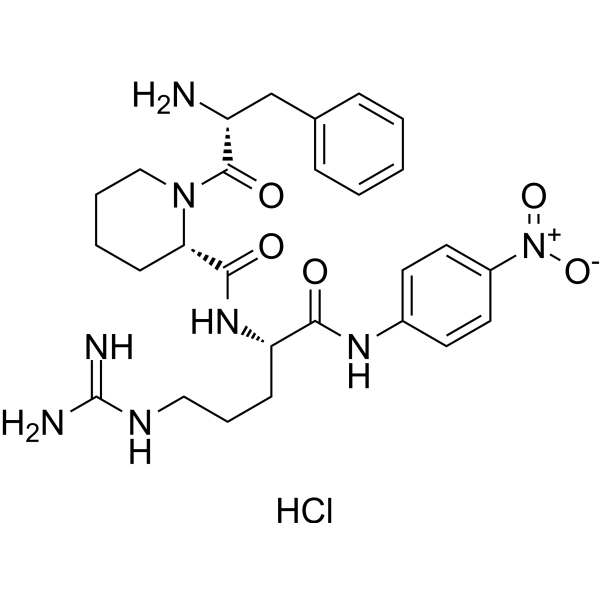
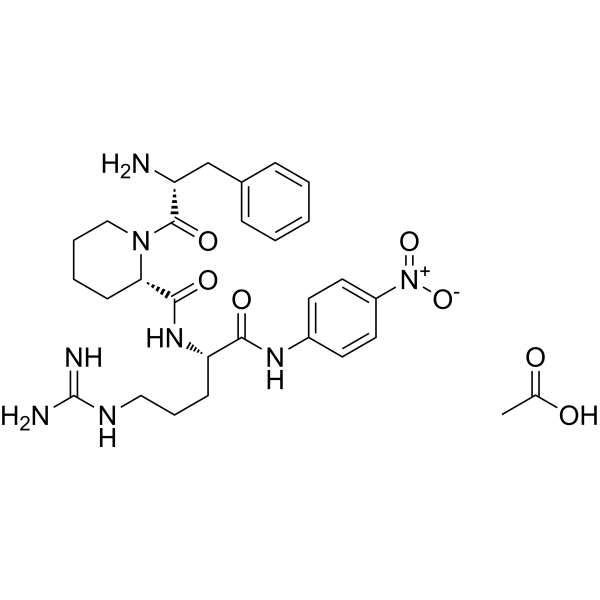
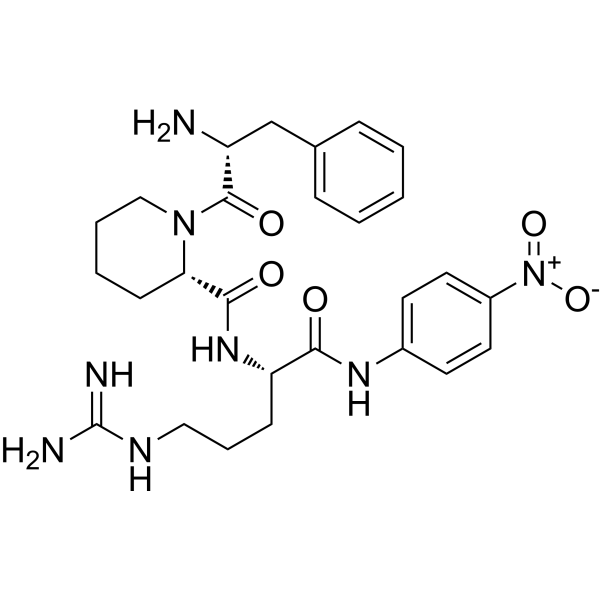
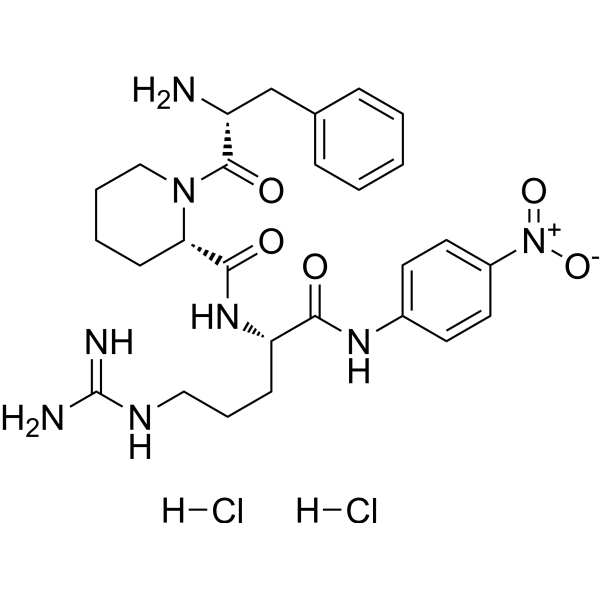
PS-915 dihydrochloride is a peptide substrate used in a colorimetric assay for plasma antithrombin III (ATIII). PS-915 dihydrochloride is highly specific for thrombin. By enzyme hydrolysis, PS-915 dihydrochloride liberates 3-carboxy-4-hydroxyaniline (CHA), which turns blue in color due to the complex formation with added alkaline-pentacyanoammine ferroate .
|
-
-
- HY-106404
-
|
|
Factor Xa
|
Cardiovascular Disease
|
|
RPR 130737 is a selective, potent and competitive inhibitor for factor Xa with a Ki of 2.4 nM. RPR 130737 shows selectivity of more than 1000-fold over thrombin, activated protein C, plasmin, tissue-plasminogen activator and trypsin. RPR 130737 can prolong plasma activated partial thromboplastin time and prothrombin time. RPR 130737 shows no effect on platelet aggregation. RPR 130737 can be used for the research of cardiovascular disease, such as thrombosis .
|
-
-
- HY-167924
-
|
|
Kallikrein
Thrombin
Ser/Thr Protease
|
Inflammation/Immunology
|
|
Ono 3307 Free base is a novel synthetic protease inhibitor that exhibits protective effects against acute pancreatitis by preventing hyperamylasemia and pancreatic edema. Ono 3307 Free base also inhibits the redistribution of lysosomal enzymes in acinar cells and mitigates lactic dehydrogenase discharge. Ono 3307 Free base effectively reduces cathepsin B leakage from lysosomes in a dose-dependent manner. Ono 3307 Free base is able to target trypsin (Ki=48 nM), thrombin (Ki=0.18 μM), plasma kallikrein (Ki=0.29 μM), plasmin (Ki=0.31 μM), pancreatic kallikrein (Ki=3.6 μM), and chymotrypsin (Ki=47 μM).
|
-
-
- HY-W018781R
-
|
|
Reference Standards
Ser/Thr Protease
|
Cancer
|
|
Benzamidine hydrochloride (Standard) is the analytical standard of Benzamidine (hydrochloride). This product is intended for research and analytical applications. Benzamidine hydrochloride is a competitive protease inhibitor that blocks the hydrolytic cleavage of glucagon by plasmin, trypsin and thrombin. Benzamidine hydrochloride effectively inhibits the degradation of glucagon by relevant proteases during the collection, storage and analysis of human plasma and blood samples. During in vivo metabolism, Benzamidine hydrochloride undergoes N-hydroxylation and produces multiple metabolites, exhibiting characteristics of delayed excretion or biphasic elimination. Benzamidine hydrochloride only induces slight single-strand DNA breaks at high concentrations and shows no significant genotoxic potential overall. Benzamidine hydrochloride may interfere with the detection of some glucagon antisera, but does not affect key antigen-antibody affinity at specific concentrations. Benzamidine hydrochloride can be used as a stabilizer in glucagon radioimmunoassays to ensure the accuracy and recovery rate of detection results .
|
-
-
- HY-165180
-
|
Psychosine 3′-O-sulfate sodium; Psychosine 3′-sulfate sodium
|
Biochemical Assay Reagents
Factor Xa
|
Metabolic Disease
|
|
Lyso-sulfatide (bovine) sodium is a phospholipid component derived from sphingolipid catabolism and a potent factor Xa inhibitor and anticoagulant. Lyso-sulfatide (bovine) sodium binds directly to factor Xa and inhibits prothrombin activation mediated by the prothrombinase complex, thereby prolonging factor Xa-induced plasma clotting time and suppressing thrombin generation. Lyso-sulfatide (bovine) sodium serves as a reliable lipid membrane mimic for studying cell membrane structure, function, and molecular interactions .
|
-
-
- HY-19517
-
|
|
Endogenous Metabolite
|
Cardiovascular Disease
|
|
R1663 is a factor Xa inhibitor with anticoagulant activity. R1663 does not affect bleeding time. The pharmacodynamic effects (such as inhibition of thrombin generation) and plasma concentrations of R1663 are dose-dependent. R1663 prolongs clotting time in a concentration-dependent manner and inhibits the peak height of thrombin generation and endogenous thrombin potential .
|
-
-
- HY-19220
-
|
|
Thrombin
|
Cardiovascular Disease
|
|
S-18326 is an orally active direct thrombin inhibitor. S-18326 inhibits thrombus formation by reversibly and with high affinity binding to the active site of thrombin, directly preventing the conversion of fibrinogen to fibrin. S-18326 effectively prolongs various clotting times in human plasma. S-18326 has demonstrated antithrombotic efficacy in multiple animal models without causing thrombocytopenia. S-18326 can be used in research on thromboembolic diseases .
|
-
-
- HY-N17623
-
|
|
Thrombin
|
Cardiovascular Disease
|
|
Ainsliaeasin C, a 7-hydroxycoumarin derivative, is an orally active anticoagulant agent that can be found in Ainsliaea fragrans. Ainsliaeasin C exerts anticoagulant activity both in vitro and in vivo. Ainsliaeasin C can be used for the research on thrombotic disorders .
|
-
-
- HY-N19876
-
-
| Cat. No. |
Product Name |
Type |
-
- HY-P0019
-
|
|
Fluorescent Dye
|
|
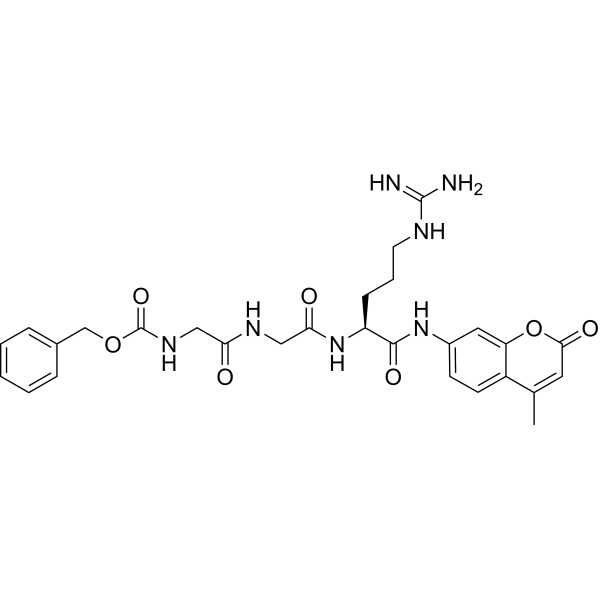
Z-Gly-Gly-Arg-AMC is a thrombin-specific fluorogenic substrate for testing of thrombin generation in PRP and platelet-poor plasma (PPP) (Ex/Em = 390/480 nm) .
|
-
- HY-P0019A
-
|
|
Fluorescent Dye
|
|
Z-Gly-Gly-Arg-AMC acetate is a thrombin-specific fluorogenic substrate for testing of thrombin generation in PRP and platelet-poor plasma (PPP) (Ex/Em = 390/480 nm) .
|
| Cat. No. |
Product Name |
Type |
-
- HY-W087937
-
|
Benzenecarboximidamide hydrochloride hydrate
|
Biochemical Assay Reagents
|
Benzamidine (Benzenecarboximidamide) hydrochloride hydrate is a competitive protease inhibitor that blocks the hydrolytic cleavage of glucagon by plasmin, trypsin and thrombin. Benzamidine hydrochloride hydrate effectively inhibits the degradation of glucagon by relevant proteases during the collection, storage and analysis of human plasma and blood samples. During in vivo metabolism, Benzamidine hydrochloride hydrate undergoes N-hydroxylation and produces multiple metabolites, exhibiting characteristics of delayed excretion or biphasic elimination. Benzamidine hydrochloride hydrate only induces slight single-strand DNA breaks at high concentrations and shows no significant genotoxic potential overall. Benzamidine hydrochloride hydrate may interfere with the detection of some glucagon antisera, but does not affect key antigen-antibody affinity at specific concentrations. Benzamidine hydrochloride hydrate can be used as a stabilizer in glucagon radioimmunoassays to ensure the accuracy and recovery rate of detection results .
|
| Cat. No. |
Product Name |
Target |
Research Area |
-
- HY-P0019
-
-
- HY-P0074
-
GPRP
3 Publications Verification
Gly-Pro-Arg-Pro; Pefa 6003
|
Thrombin
|
Cardiovascular Disease
|
|
GPRP (Gly-Pro-Arg-Pro; Pefa 6003) is a fibrin polymerization inhibitor that inhibits the interaction between fibrinogen and the platelet membrane glycoprotein Ⅱb/IIIa complex (glycoprotein IIb/IIIa receptor) . GPRP increases the level of free thrombin in activated platelet-rich plasma by reducing the adsorption of thrombin onto fibrin. GPRP inhibits platelet aggregation and prolongs the thrombin-initiated clotting time in plasma. GPRP is applicable for research related to thrombosis and thrombotic diseases .
|
-
- HY-P0019A
-
|
|
Fluorescent Dye
Thrombin
|
Others
|
|
Z-Gly-Gly-Arg-AMC acetate is a thrombin-specific fluorogenic substrate for testing of thrombin generation in PRP and platelet-poor plasma (PPP) (Ex/Em = 390/480 nm) .
|
-
- HY-P4302
-
|
Z-Phe-Lys-2,4,6-Trimethylbenzoyloxy-methylketone
|
Cathepsin
|
Cardiovascular Disease
|
|
Z-FK-ck (Z-Phe-Lys-2,4,6-Trimethylbenzoyloxy-methylketone) is a potent and selective gingipain-K-specific inhibitor. Z-FK-ck prolongs plasma thrombin time (TT) in a dose- and time-dependent manner .
|
-
- HY-P0019B
-
|
|
Fluorescent Dye
Thrombin
|
Others
|
|
Z-Gly-Gly-Arg-AMC TFA is the TFA salt form of Z-Gly-Gly-Arg-AMC (HY-P0019). Z-Gly-Gly-Arg-AMC TFA is a thrombin-specific fluorogenic substrate for testing of thrombin generation in PRP and platelet-poor plasma (PPP) (Ex/Em = 390/480 nm) .
|
| Cat. No. |
Product Name |
Category |
Target |
Chemical Structure |
| Cat. No. |
Compare |
Product Name |
Species |
Source |
Image |
Compare Products
|
| Products |
|
| Cat. No. |
|
| Species |
|
| Source |
|
| Tag |
|
| Accession |
|
| Gene ID |
|
| Molecular Weight |
|
| Purity |
|
| Endotoxin Level |
|
| Biological Activity |
|
| Appearance |
|
| Formulation |
|
| Storage & Stability |
|
| Shipping |
|
| Free Sample |
Yes
No
|
| Size |
* This product has been "discontinued".
Optimized version of product available:
|
| Cat. No. |
Product Name |
|
Classification |
-
- HY-153480A
-
|
BAX499 sodium
|
|
Aptamers
|
|
ARC19499 sodium is an aptamer that inhibits tissue factor pathway inhibitor (TFPI) , thereby enabling clot initiation and propagation via the extrinsic pathway. The core aptamer binds tightly and specifically to TFPI. ARC19499 sodium blocks TFPI inhibition of both factor Xa and the TF/factor VIIa complex. ARC19499 sodium corrects thrombin generation in hemophilia A and B plasma and restores clotting in FVIII-neutralized whole blood.
|
-
- HY-153480
-
|
BAX499
|
|
Aptamers
|
|
ARC19499 is an aptamer that inhibits tissue factor pathway inhibitor (TFPI) , thereby enabling clot initiation and propagation via the extrinsic pathway. The core aptamer binds tightly and specifically to TFPI. ARC19499 blocks TFPI inhibition of both factor Xa and the TF/factor VIIa complex. ARC19499 corrects thrombin generation in hemophilia A and B plasma and restores clotting in FVIII-neutralized whole blood.
|
Your information is safe with us. * Required Fields.
Inquiry Information
- Product Name:
- Cat. No.:
- Quantity:
- MCE Japan Authorized Agent: