



Rabbit Fibrinogen
Based on 2 publication(s) in Google Scholar
Rabbit Fibrinogen is a native fibrinogen from rabbit plasma. Fibrinogen is a selective proteolytic molecule that can be activated by thrombin to assemble fibrin clots. Fibrinogen can regulate the activation of NF-KB in endothelial cells and upregulate the expression of inflammatory chemokines MCP-1 and MCP-1. Fibrinogen plays a key role in blood clotting, thrombosis, atherosclerosis and the pathological development of venous grafts, and can be used in the study of blood clotting and vascular diseases.
For research use only. We do not sell to patients.
- Purity : 94.00%
- CAS No.: 9001-32-5
-
Storage:
Please store the product under the recommended conditions in the Certificate of Analysis.


To place orders, for customer services and technical support, please contact: MedChemExpress USA
Tel: 609-228-6898 E-mail: [email protected] [email protected]


-
 Biological Activity
-
Chemical Information
- Protocols
- Purity & Documentation
- References
-
 Help & FAQs


-

HY-D0842A
BSA Protein (Low Endotoxin,Fatty acid free)Oligonucleotide-binding Protein -

HY-D0842
BSA ProteinGlobular Protein -

HY-W250978
OvalbuminsAllergen -
HY-P1956
HSA ProteinAntioxidant/Anticoagulant -
HY-125864
Fibrinogen (Bovine)NF-KB Activator -

HY-NP010
Type I Collagen, from rat tailCollagen -
HY-P2995
HemoglobinIron-containing Protein -
HY-P2738
Collagen, Type I, from bovine achilles tendonCollagen Peptide -
HY-NP003
Collagen, Type II, from bovine snout membraneType II Collagen -

HY-W250978A
Ovalbumin, low endotoxinAllergen -

HY-125865
CaseinPhosphoprotein -

HY-P1956A
HSA Protein (Cell culture grade, Endotoxin<0.125 EU/mg)Plasma Protein
Publications Citing Use of MedChemExpress (MCE) Rabbit Fibrinogen
More Customer Validation & Images

-
2D/3D Cell Culture and Differentiation
-
Cell Imaging/Staining
-
Cell Imaging/Staining
-
Cell Imaging/Staining
-
Histological Imaging/Staining


Biological Activity
Description
In Vitro
Fibrinogen (0.3-4 mg/mL; 30 min) can induce a dose-dependent increase in the permeability of the endothelial cell layer to albumin, leading to the formation of gaps between endothelial cells and consequent albumin leakage[2].
Fibrinogen (2-4 mg/mL; 1-24 hours) increases leakage through the endothelial cell monolayer with time and dose[2].
Fibrinogen (4 mg/mL; 30 min) causes a dose-dependent increase in F-actin formation as well as gap formation in the endothelial cell monolayer[2].
Fibrinogen (2-4 mg/mL; 30 min) can trigger a dose-dependent increase in ERK phosphorylation[2].
Fibrinogen (1000 µg/ml, 4 hours) can regulate the activation of NF-κB in endothelial cells (HUVEC) and specifically bind with the subunits p50, p65, c-Rel[3].
Fibrinogen (250 µg/mL, 4 hours) induces the activation of NF-κB, which is independent of Polybacterial B (HY-K1044) (5 µg/ml) and IL-1β (HY-P80503) (5 µg/ml)[3]
Fibrinogen (100-1000 µg/mL; 4 hours) specifically and concentration-dependently upregulates the expression of MCP-1 and IL-8 mRNA in endothelial cells[3].
MedChemExpress (MCE) has not independently confirmed the accuracy of these methods. They are for reference only.
-
Cell Line:HUVEC cells
-
Concentration:100, 250, 500, 1000 µg/mL
-
Incubation Time:4 h
-
Result:Increased the MCP-1 from 1.3 times in the control group with 100 µg/mL to 3.1 times at 1000 µg/mL.
Increases IL-8 from 1.2 times in the control group with 100 µg/mL to 2.6 times at 1000 µg/mL.


Chemical Information
-
CAS No. 9001-32-5
-
SMILES
[Rabbit Fibrinogen]
-
Shipping
Room temperature in continental US; may vary elsewhere.
-
Storage
Please store the product under the recommended conditions in the Certificate of Analysis.


Publications (2)
-
Journal Impact Factor
-
Most Recent
-
Foods
Glycosylation Remodeling and Thermal Denaturation Dictate the Functional Diversification of Protein Z. [Abstract]2026 Mar 4;15(5):853. PMID: 41829126 -
Microvasc Res
DDIT4 knockdown suppresses venous malformation progression by inhibiting NF-κB signaling as a potential therapeutic target. [Abstract]2025 Sep:161:104833. PMID: 40571189
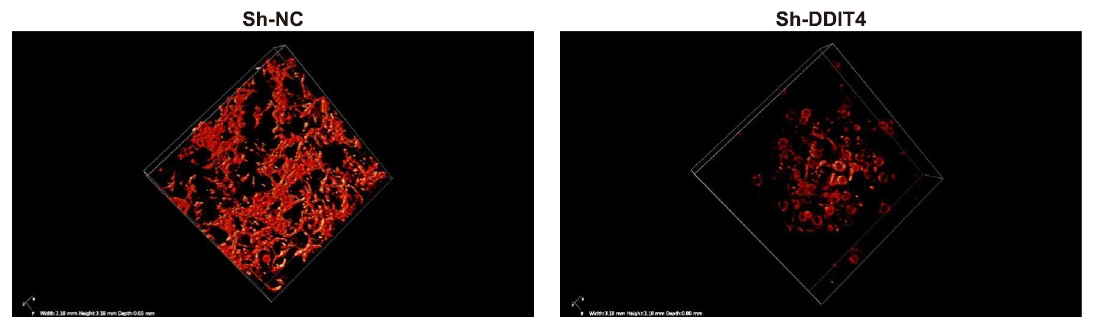
Rabbit Fibrinogen purchased from MedChemExpress. Usage Cited in: Microvasc Res. 2025 Sep:161:104833. [Abstract]
Fibrinogen (2 mg/mL; DPBS) was used to construct the VMs 3D cell model with or without DDIT4 knockdown.
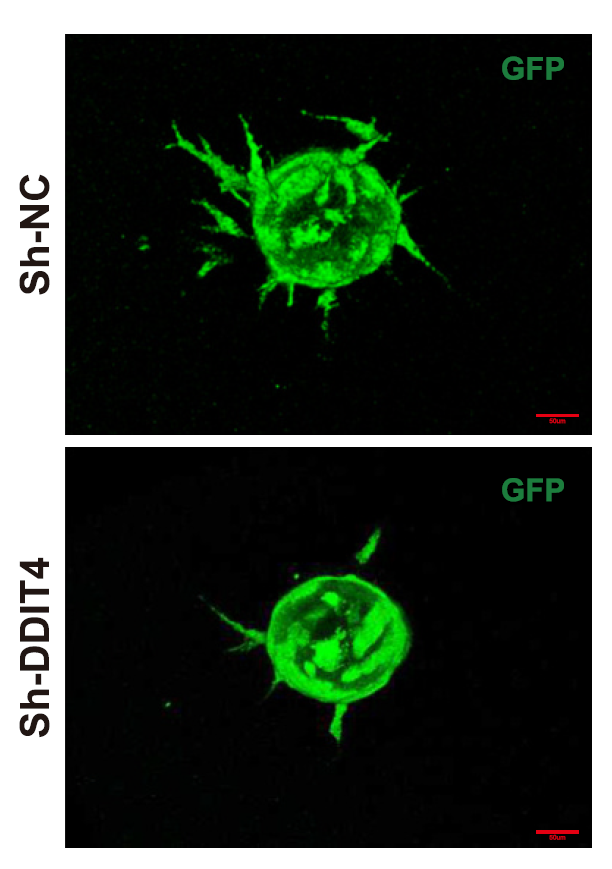
Rabbit Fibrinogen purchased from MedChemExpress. Usage Cited in: Microvasc Res. 2025 Sep:161:104833. [Abstract]
Fibrinogen (2 mg/mL; DPBS). Vascular sprouting in the VMs 3D cell model after 7 days of culture.
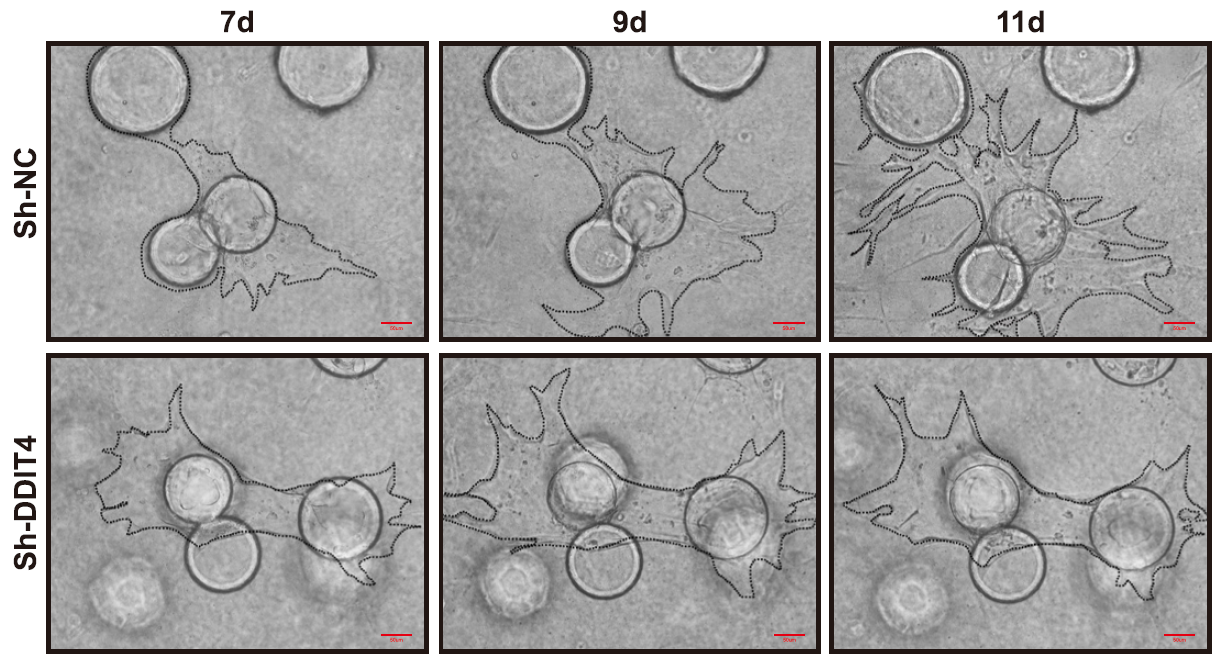
Rabbit Fibrinogen purchased from MedChemExpress. Usage Cited in: Microvasc Res. 2025 Sep:161:104833. [Abstract]
Fibrinogen (2 mg/mL; DPBS). Time-lapse analysis on days 7, 9, and 11 showed the angiogenesis rate in the VMs 3D cell model.
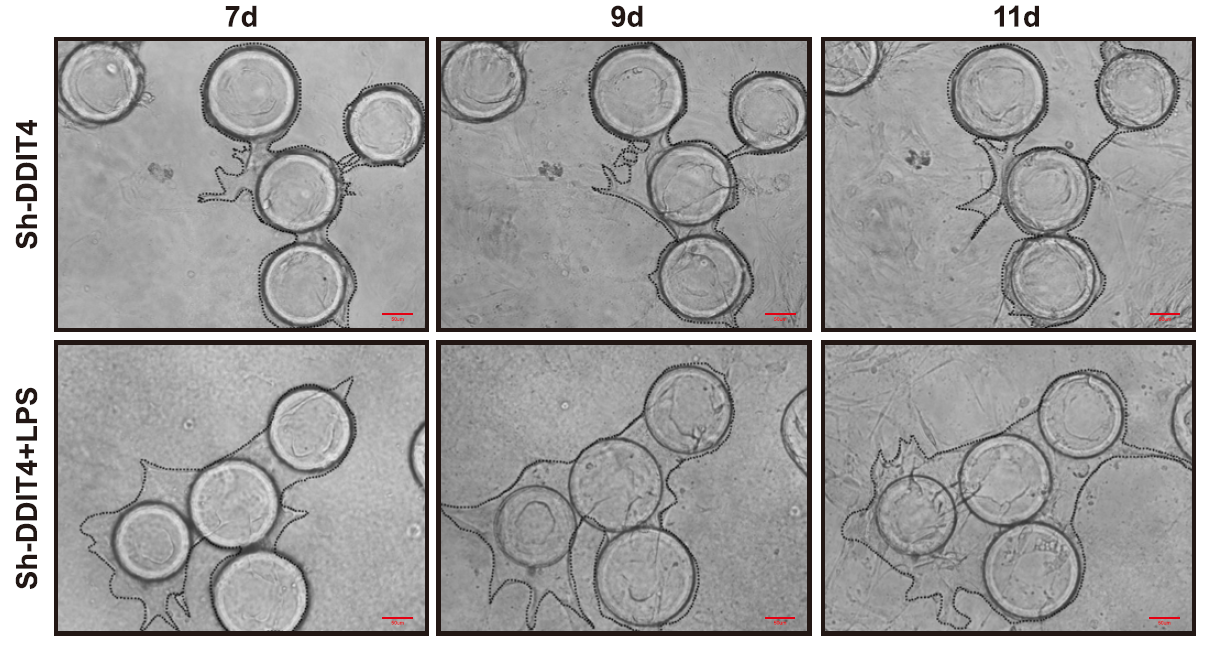
Rabbit Fibrinogen purchased from MedChemExpress. Usage Cited in: Microvasc Res. 2025 Sep:161:104833. [Abstract]
Fibrinogen (2 mg/mL; DPBS). Time-lapse analysis on days 7, 9, and 11 showed the angiogenesis rate in the DDIT4 knockdown VMs 3D cell model.
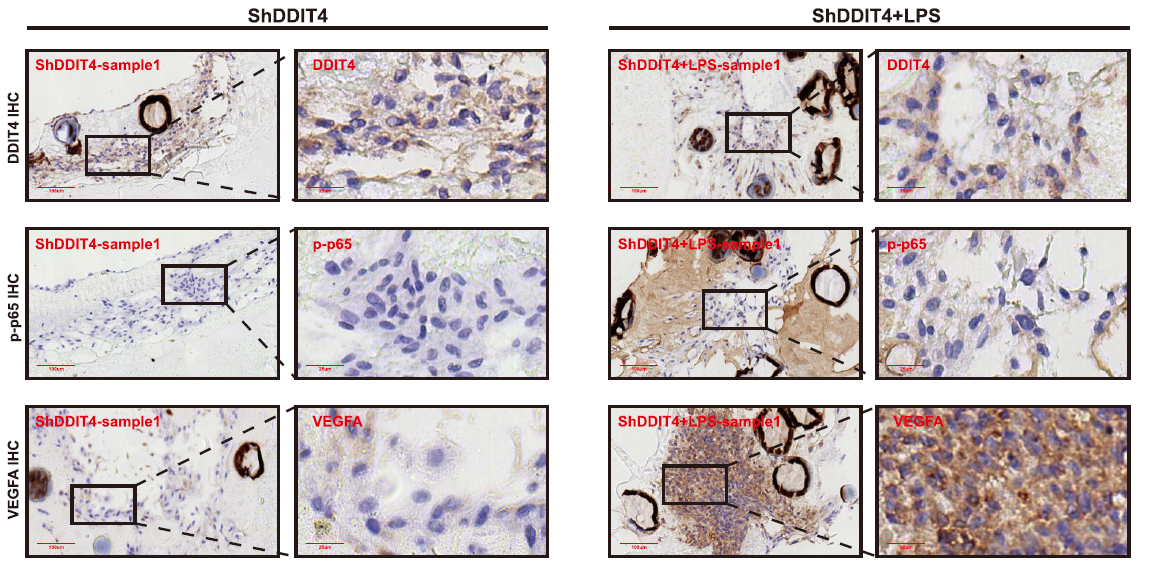
Rabbit Fibrinogen purchased from MedChemExpress. Usage Cited in: Microvasc Res. 2025 Sep:161:104833. [Abstract]
Fibrinogen (2 mg/mL; DPBS). Immunohistochemical (IHC) staining of DDIT4, phospho-p65, and VEGFA in the LPS-stimulated DDIT4 knockdown VMs 3D cell model was performed.


Purity & Documentation
References
[1]. Alving BM, et al. Rabbit fibrinogen: time course of constituent chain production in vivo. Arch Biochem Biophys. 1982 Aug;217(1):1-9. [Content Brief]
[2]. Tyagi N, et al. Fibrinogen induces endothelial cell permeability. Mol Cell Biochem. 2008 Jan;307(1-2):13-22. [Content Brief]
[3]. Guo M, et al. Fibrinogen regulates the expression of inflammatory chemokines through NF-kappaB activation of endothelial cells. Thromb Haemost. 2004;92(4):858-866. [Content Brief]

Calculators
Concentration (start) × Volume (start) = Concentration (final) × Volume (final)


Rabbit Fibrinogen Related Classifications
HY-125864D Related Classifications
 Powered by Bioz