1. Search Result
Search Result
Results for "

reproduction

" in MedChemExpress (MCE) Product Catalog:

55

Inhibitors & Agonists

3

Screening Libraries

10

Peptides

8

Natural
Products

6

Isotope-Labeled Compounds

1

Oligonucleotides

Cat. No. Product Name Target Research Areas Chemical Structure
  • HY-P2293
    Luteinizing hormone (human)
    3 Publications Verification

    Endogenous Metabolite Endocrinology
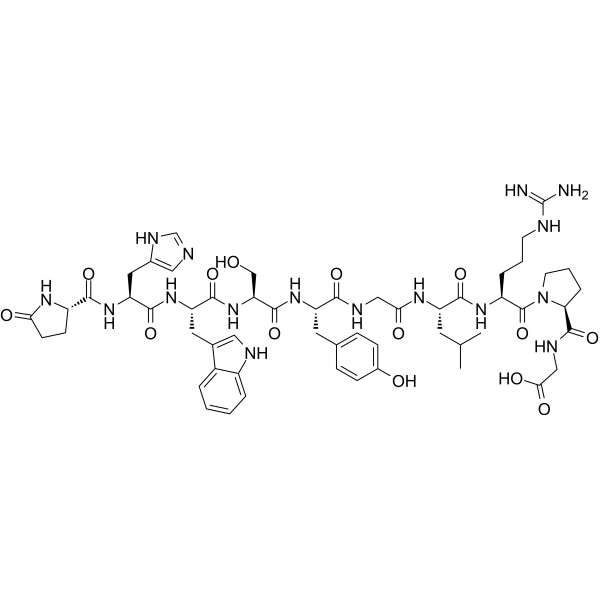
    Luteinizing hormone (human), a heterodimeric glycoprotein hormone produced by the pituitary gland (LH), plays key roles in human reproduction .
    Luteinizing hormone (human)
  • HY-B0891
    17α-Hydroxyprogesterone
    4 Publications Verification

    17-Hydroxyprogesterone; 17-OHP

    Progesterone Receptor Endogenous Metabolite Cardiovascular Disease
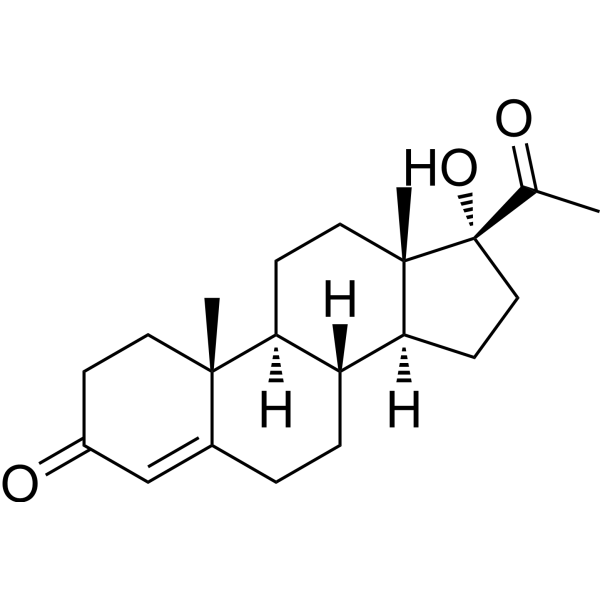
    17α-Hydroxyprogesterone is a steroid hormone. 17α-Hydroxyprogesterone induces ovarian growth and yolk production in female crabs and increases blood pressure in sheep. 17α-Hydroxyprogesterone is mainly used in research related to crustacean reproduction and animal hypertension .
    17α-Hydroxyprogesterone
  • HY-B1198
    Piperonyl butoxide
    1 Publications Verification

    ENT-14250

    Environmental Pollutants Parasite Infection Cancer
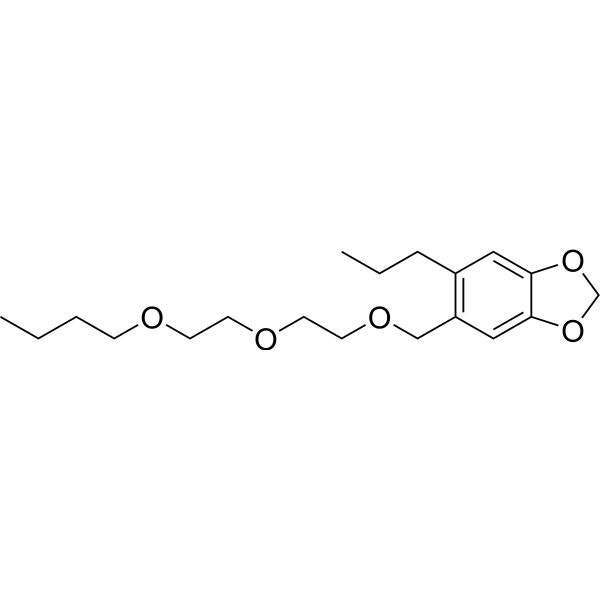
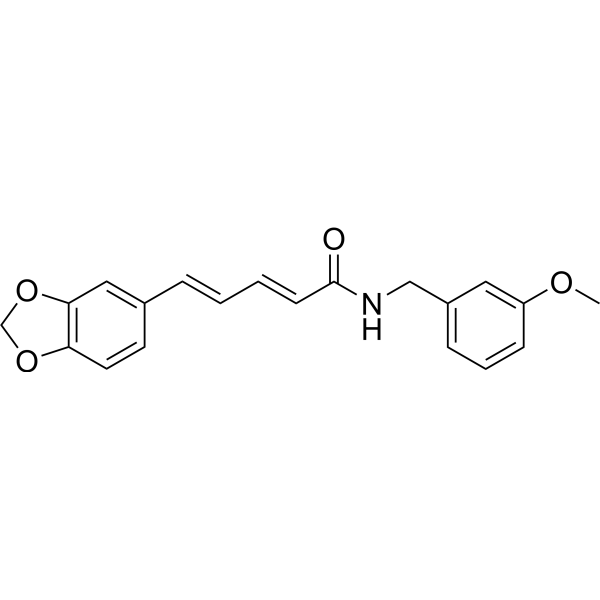
    Piperonyl butoxide (ENT-14250) is a pesticide synergist and food additive. Piperonyl butoxide has adverse effects on reproduction, development and behavior in mice. Piperonyl butoxide can activate c-Jun and ATF-2 in mouse hepatocytes. Piperonyl butoxide is a liver cancer carcinogen in rats and mice .
    Piperonyl butoxide
  • HY-148163
    Polystyrene sulfonic acid (30% in water)
    1 Publications Verification

    Biochemical Assay Reagents Others
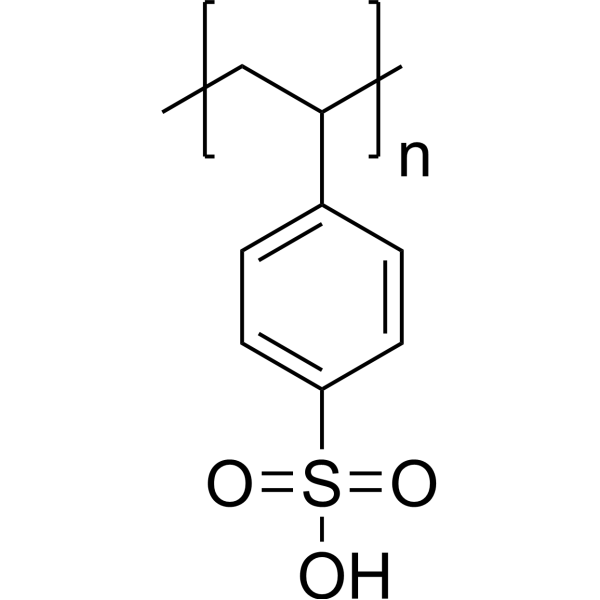
    Polystyrene sulfonic acid (30% in water) is a potentially toxic hazardous substance. Polystyrene-derived microplastics (PS-MPs) are harmful to zebrafish hearts and induce male reproductive toxicity in mice. MCE offers Polystyrene products in solution packaging .
    Polystyrene sulfonic acid (30% in water)
  • HY-B1158

    Environmental Pollutants Mas-related G-protein-coupled Receptor (MRGPR) Interleukin Related Bacterial Infection
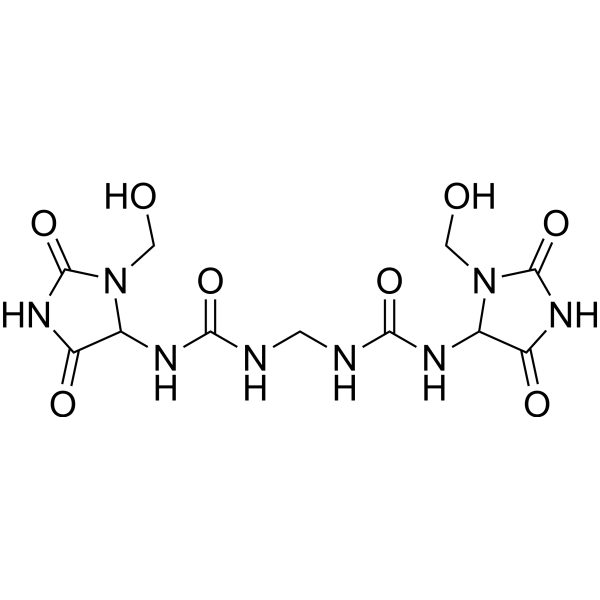
    Imidazolidinyl urea is a commonly used antibacterial preservative in cosmetics and pharmaceuticals that releases formaldehyde through decomposition. Imidazolidinyl urea can also be used in the preparation of multifunctional hydrogels for the care of infectious wounds. Imidazolidinyl urea has broad-spectrum antibacterial activity, which mainly inhibits the reproduction of gram-negative bacteria and gram-positive bacteria, and restricts the growth of yeast and mold to a certain extent. Imidazolidinyl urea can induce non-histaminergic allergy by MRGPRX2 activation of mast cells .
    Imidazolidinyl urea
  • HY-114298

    Endogenous Metabolite Neurological Disease
    7-Dehydro desmosterol is a sterol and an intermediate in cholesterol biosynthesis, which is found in the marine diatom Pseudo-nitzschia multistriata and the nervous system of rodents .
    7-Dehydro desmosterol
  • HY-N7719

    Endogenous Metabolite Bacterial Fungal Parasite Apoptosis Reactive Oxygen Species (ROS) Caspase HSV Infection Inflammation/Immunology Cancer
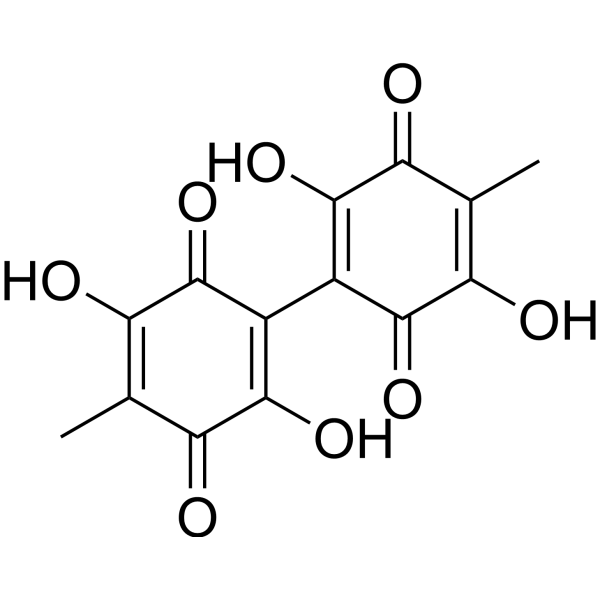
    Oosporein is a microbial metabolite and a red crystalline toxin produced by various fungi. Oosporein can promote the reproduction of fungi in host bodies by inhibiting insect immunity, and possesses multiple activities such as antibacterial, antiviral (HSV), and insecticidal effects. Oosporein can inhibit plant growth. In addition, Oosporein can also induce apoptosis, cell membrane damage, oxidative stress, and mitochondrial damage. Oosporein has certain antitumor activity .
    Oosporein
  • HY-B1812

    1,2-Dimethoxybenzene

    Environmental Pollutants Cytochrome P450 Others
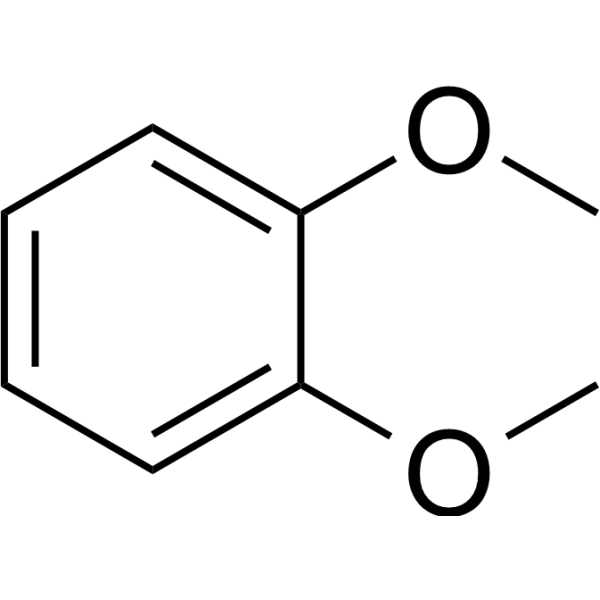
    Veratrole (1,2-Dimethoxybenzene) is a key compound that widely exists in plants and attracts pollinators. The release of Veratrole has a circadian rhythm and plays an important role in plant reproduction, species differentiation, and interactions with pollinators. In addition, Veratrole can be demethylated by cytochrome P-450 in Streptomyces setonii .
    Veratrole
  • HY-21191

    PFBS

    Biochemical Assay Reagents PPAR Reactive Oxygen Species (ROS) Metabolic Disease
    Perfluorobutanesulfonic acid (PFBS) is a short-chain perfluoroalkyl substance and the main replacement for perfluorooctanesulfonic acid. Perfluorobutanesulfonic acid induces fat accumulation in human HepG2 hepatoma cells. Perfluorobutanesulfonic acid promotes lipid accumulation by activating PPARγ pathway and triggering oxidative stress, endoplasmic reticulum stress and calcium dyshomeostasis. Perfluorobutanesulfonic acid impairs reproduction and causes developmental disorders in offspring of Caenorhabditis elegans. Perfluorobutanesulfonic acid disrupts pancreatic organogenesis and lipid homeostasis in zebrafish embryos. Perfluorobutanesulfonic acid can be used in environmental toxicology, lipid metabolism and developmental toxicity studies .
    Perfluorobutanesulfonic acid
  • HY-B1036

    Parasite Infection
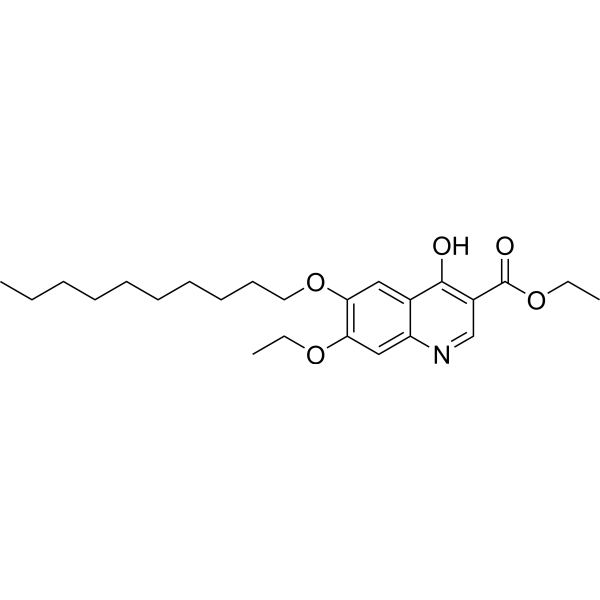
    Decoquinate is an orally active, selective inhibitor of the mitochondrial bc1 complex, targeting Eimeria spp. sporozoites and first generation schizonts, and Plasmodium spp. Decoquinate inhibits electron transfer by competitively binding to the mitochondrial cytochrome b system, blocking the parasite's energy metabolism, thereby inhibiting its development and reproduction. Decoquinate has significant anticoccidial activity, preventing intestinal damage and improving host growth performance, and also has inhibitory effects on the liver and blood stages of Plasmodium. Decoquinate is mainly used in veterinary research to prevent and treat coccidiosis in ruminants and poultry .
    Decoquinate
  • HY-W009066

    EHDPP; Octicizer

    PPAR Progesterone Receptor Estrogen Receptor/ERR Endocrinology
    2-Ethylhexyl diphenyl phosphate is an organophosphate flame retardants (OPFRs) and a PPARG agonist (EC20: 2.04 µM). 2-Ethylhexyl diphenyl phosphate also inhibits ERRγ transcriptional activity (IC50: 1.3 µM). 2-Ethylhexyl diphenyl phosphate upregulates 3β-HSD1, human chorionic gonadotropin (hCG) and progesterone secretion. 2-Ethylhexyl diphenyl phosphate can be used in studies of female reproduction and fetal development .
    2-Ethylhexyl diphenyl phosphate
  • HY-P4675

    GnRH Receptor Endocrinology Cancer
    LHRH (free acid), the luteinizing hormone-releasing hormone, is a neuropeptide hypothalamic. LHRH regulates reproduction. LHRH can be used for the research of cancer .
    LHRH free acid
  • HY-Y1058

    BHA

    Fungal Infection
    Benzohydroxamic acid (BHA) is a chitin deacetylase (CDA) inhibitor with significant antifungal activity. The Ki values of BHA against the CDAs of Verticillium dahliae and Puccinia striiformis f. sp. tritici are 8.31 μM and 9.83 μM, respectively. Benzohydroxamic acid can restore the defense responses of infected host plants, upregulate the expression of defense-related genes, and reduce the growth and reproduction of fungi in plants. Benzohydroxamic acid can be used in the research of the field of controlling agricultural fungal diseases, such as various plant fungal diseases caused by Verticillium dahliae, Puccinia striiformis and other fungi, like cotton wilt and wheat stripe rust .
    Benzohydroxamic acid
  • HY-E70001

    Others Endocrinology
    Recombinant Human Luteinizing Hormone is a recombinant form of Luteinizing hormone (human) (HY-P2293). Luteinizing hormone (human), a heterodimeric glycoprotein hormone produced by the pituitary gland (LH), plays key roles in human reproduction .
    Recombinant Human Luteinizing Hormone
  • HY-W014332R

    Biochemical Assay Reagents Reference Standards Reactive Oxygen Species (ROS) SOD Endocrinology
    1,3-Diphenylguanidine (Standard) is the analytical standard of 1,3-Diphenylguanidine (HY-W014332). This product is intended for research and analytical applications. 1,3-Diphenylguanidine is a widely used accelerator in rubber vulcanization. 1,3-Diphenylguanidine increases ROS activity and decreases SOD and CAT activity. 1,3-Diphenylguanidine accelerates the vulcanization process. 1,3-Diphenylguanidine impairs the reproduction and growth of Moina macrocopa [1] [2] [3] .
    1,3-Diphenylguanidine (Standard)
  • HY-121935

    Environmental Pollutants Fungal Infection
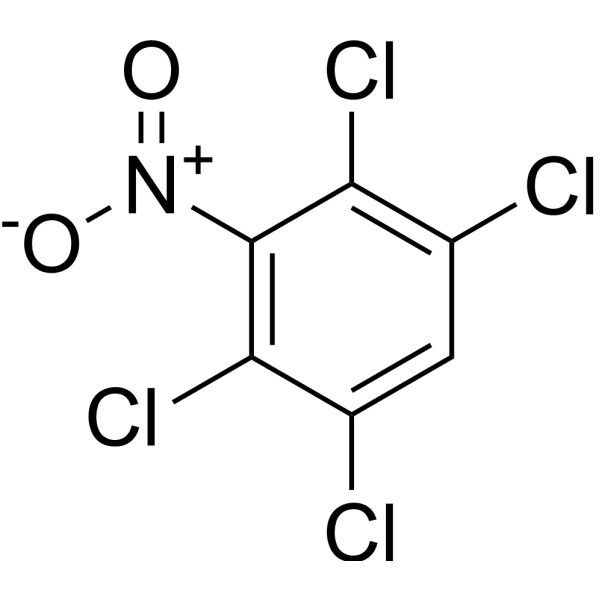
    Tecnazene is a dinitroaromatic fungicide and plant growth regulator. Tecnazene binds irreversibly to human skin tissues and exhibits acute toxicity in Rattus norvegicus (brown rat). Tecnazene exerts sprouting-inhibiting and antifungal activities by inhibiting the sprouting of potato tuber buds and blocking the growth and reproduction of fungi that cause dry rot. Tecnazene has significant antifungal and sprouting-inhibiting activities, and shows high toxicity to aquatic organisms such as freshwater fish and crustaceans. Tecnazene is used for sprouting inhibition and dry rot control during potato storage .
    Tecnazene
  • HY-W014332

    Biochemical Assay Reagents Reactive Oxygen Species (ROS) SOD Endocrinology
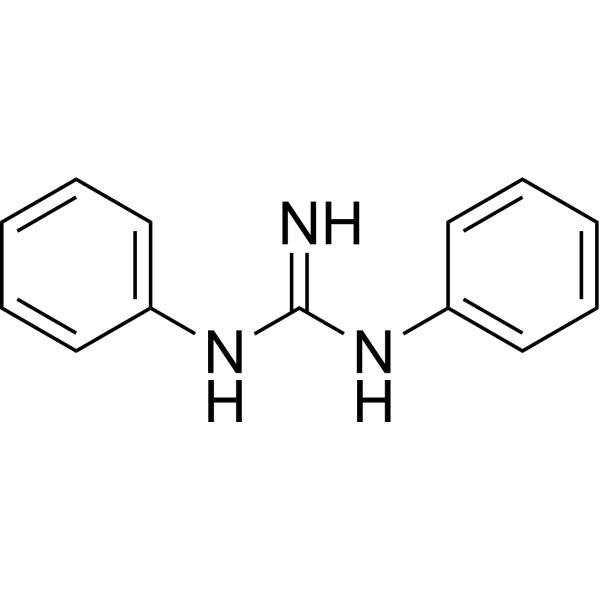
    1,3-Diphenylguanidine is a widely used accelerator in rubber vulcanization. 1,3-Diphenylguanidine increases ROS activity and decreases SOD and CAT activity. 1,3-Diphenylguanidine accelerates the vulcanization process. 1,3-Diphenylguanidine impairs the reproduction and growth of Moina macrocopa [1] [2] [3] .
    1,3-Diphenylguanidine
  • HY-N7719R

    Endogenous Metabolite Reference Standards Bacterial Fungal Parasite Apoptosis Reactive Oxygen Species (ROS) Caspase HSV Infection Inflammation/Immunology Cancer
    Oosporein (Standard) is the analytical standard of Oosporein (HY-N7719). This product is intended for research and analytical applications. Oosporein is a microbial metabolite and a red crystalline toxin produced by various fungi. Oosporein can promote the reproduction of fungi in host bodies by inhibiting insect immunity, and possesses multiple activities such as antibacterial, antiviral (HSV), and insecticidal effects. Oosporein can inhibit plant growth. In addition, Oosporein can also induce apoptosis, cell membrane damage, oxidative stress, and mitochondrial damage. Oosporein has certain antitumor activity .
    Oosporein (Standard)
  • HY-P3216

    9-Deamidooxytocin

    Oxytocin Receptor Endocrinology
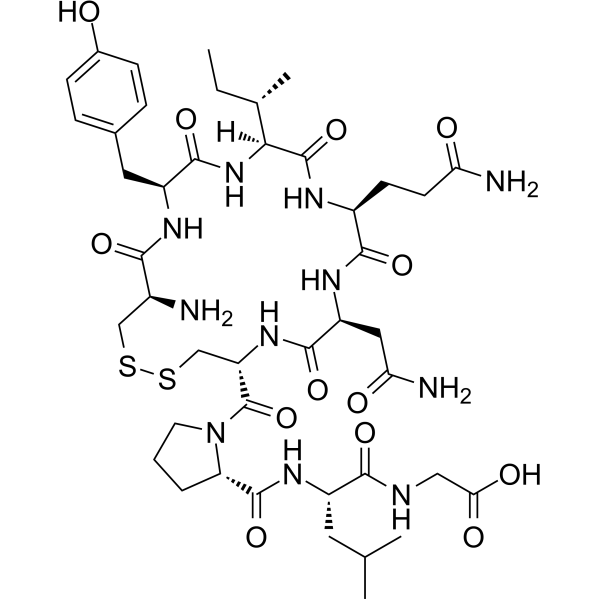
    Oxytocin free acid (9-Deamidooxytocin) is an analog of oxytocin in which the glycinamide residue at position 9 in oxytocin has been replaced by a glycine residue. Oxytocin is a pleiotropic, peptide hormone with broad implications for general health, adaptation, development, reproduction, and social behavior .
    Oxytocin free acid
  • HY-P3216B
    Oxytocin free acid TFA
    10+ Cited Publications

    9-Deamidooxytocin TFA

    Oxytocin Receptor Endocrinology
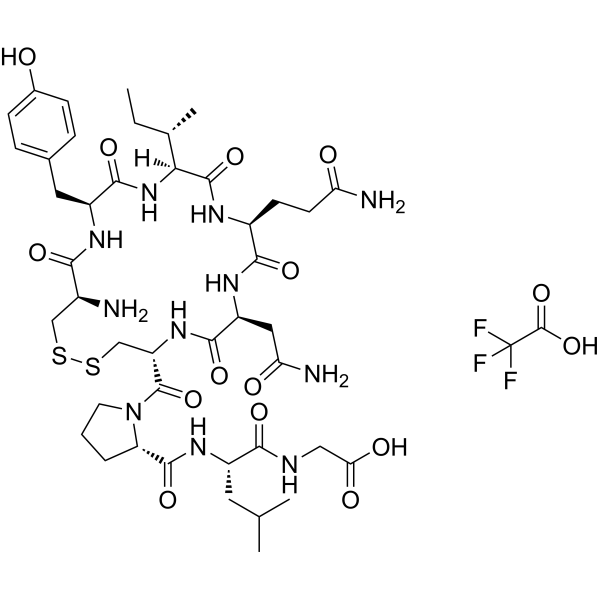
    Oxytocin free acid (9-Deamidooxytocin) TFA is an analog of oxytocin in which the glycinamide residue at position 9 in oxytocin has been replaced by a glycine residue. Oxytocin is a pleiotropic, peptide hormone with broad implications for general health, adaptation, development, reproduction, and social behavior .
    Oxytocin free acid TFA
  • HY-W099569

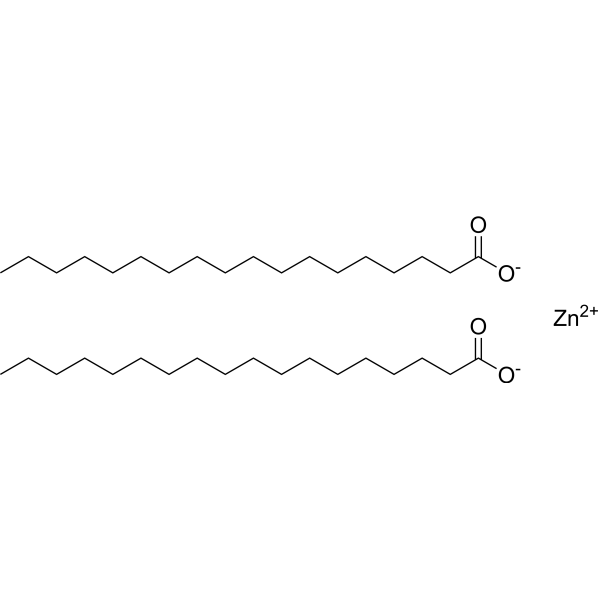
    Zinc octadecanoate

    Biochemical Assay Reagents Fungal Bacterial Parasite Infection
    Zinc stearate is a metal stearate that acts as a preservative, bactericide, fungicide, and larvicide. Zinc stearate inhibits larval reproduction in animal feces. Zinc stearate exhibits extremely low systemic toxicity. Zinc stearate is a common component of pharmaceutical excipients, lubricants, mold release agents, polymer stabilizers, and coating matting agents .
    Zinc stearate
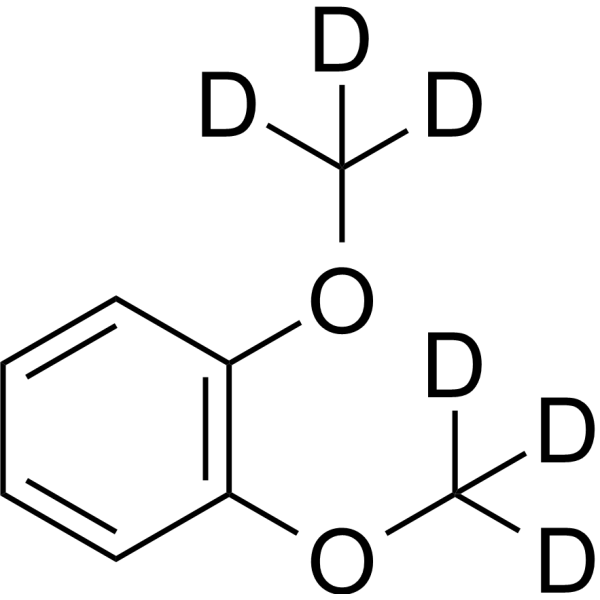
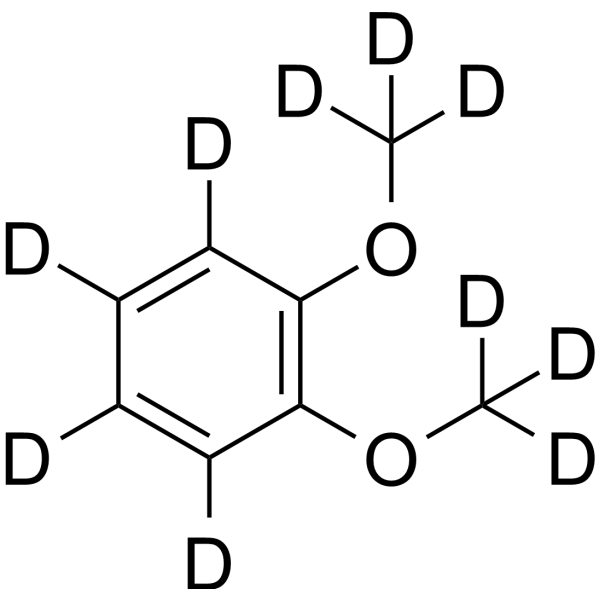
  • HY-B1812S3

    1,2-Dimethoxybenzene-d6

    Isotope-Labeled Compounds Cytochrome P450 Others
    Veratrole-d6 is the deuterium labeled Veratrole. Veratrole (1,2-Dimethoxybenzene) is a key compound that widely exists in plants and attracts pollinators. The release of Veratrole has a circadian rhythm and plays an important role in plant reproduction, species differentiation, and interactions with pollinators. In addition, Veratrole can be demethylated by cytochrome P-450 in Streptomyces setonii .
    Veratrole-d6
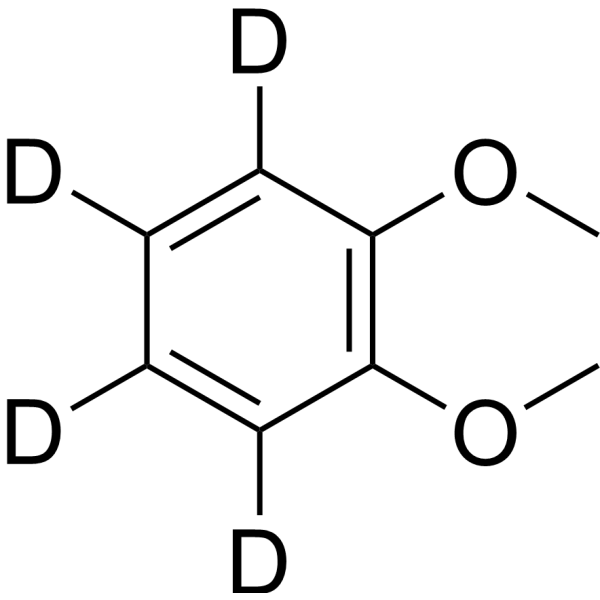
  • HY-B1812S

    1,2-Dimethoxybenzene-d4

    Isotope-Labeled Compounds Cytochrome P450 Others
    Veratrole-d4 is the deuterium labeled Veratrole. Veratrole (1,2-Dimethoxybenzene) is a key compound that widely exists in plants and attracts pollinators. The release of Veratrole has a circadian rhythm and plays an important role in plant reproduction, species differentiation, and interactions with pollinators. In addition, Veratrole can be demethylated by cytochrome P-450 in Streptomyces setonii .
    Veratrole-d4
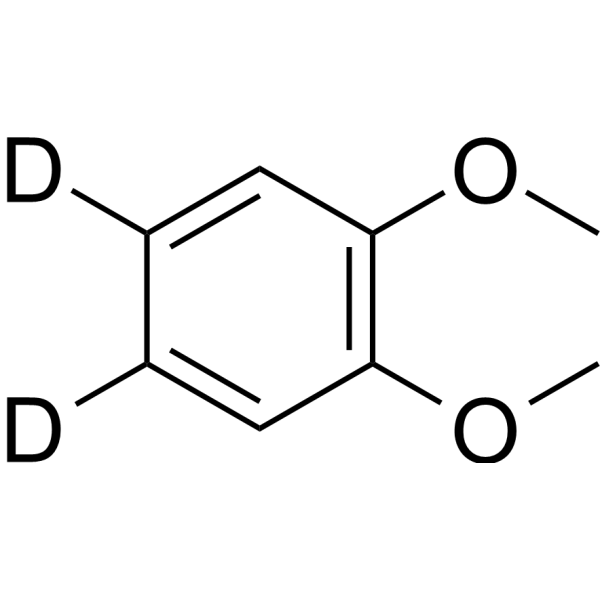
  • HY-B1812S1

    1,2-Dimethoxybenzene-d2

    Isotope-Labeled Compounds Cytochrome P450 Others
    Veratrole-d2 is the deuterium labeled Veratrole. Veratrole (1,2-Dimethoxybenzene) is a key compound that widely exists in plants and attracts pollinators. The release of Veratrole has a circadian rhythm and plays an important role in plant reproduction, species differentiation, and interactions with pollinators. In addition, Veratrole can be demethylated by cytochrome P-450 in Streptomyces setonii .
    Veratrole-d2
  • HY-P10256A

    Kisspeptin Receptor PKA PKC Endocrinology
    Kiss2 peptide acetate is the acetate form of Kiss2 pepride (HY-P10256). Kiss2 peptide acetate is a positive regulator of reproduction. Kiss2 peptide acetate binds with its cognate receptor Kiss2R (GPR54) in COS-7 cells, activates PKA and PKC signaling pathways through Gas and Gaq proteins, and thus enhances the activity of cAMP response element-dependent luciferase (CRE-luc) and serum response element-dependent luciferase (SRE-luc) .
    Kiss2 peptide acetate
  • HY-121935R

    Reference Standards Fungal Infection
    Tecnazene (Standard) is the analytical standard of Tecnazene. This product is intended for research and analytical applications. Tecnazene is a dinitroaromatic fungicide and plant growth regulator. Tecnazene binds irreversibly to human skin tissues and exhibits acute toxicity in Rattus norvegicus (brown rat). Tecnazene exerts sprouting-inhibiting and antifungal activities by inhibiting the sprouting of potato tuber buds and blocking the growth and reproduction of fungi that cause dry rot. Tecnazene has significant antifungal and sprouting-inhibiting activities, and shows high toxicity to aquatic organisms such as freshwater fish and crustaceans. Tecnazene is used for sprouting inhibition and dry rot control during potato storage .
    Tecnazene (Standard)
  • HY-P2054

    HIV Protease Infection
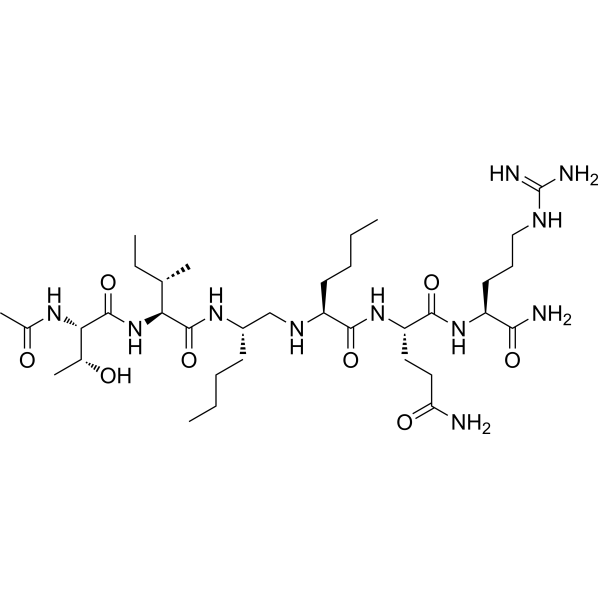
    Mvt-101 is a hexapeptide-based inhibitor of HIV-1 protease. Mvt-101 is also reduced-peptide-bond inhibitor. Mvt-101 inhibits reproduction of the HIV virus by blocking protease action .
    Mvt-101
  • HY-159666

    Antibiotic Fungal Infection
    Nystatin A1 is a polyene macrolide antifungal antibiotic that can be isolated from Streptomyces noursei. Nystatin A1 binds to ergosterol on the fungal cell membrane, increasing the permeability of the cell membrane and causing leakage of cell contents, thereby inhibiting the growth and reproduction of fungi .
    Nystatin A1
  • HY-B1198R

    ENT-14250 (Standard)

    Parasite Reference Standards Infection Cancer
    Piperonyl butoxide (Standard) is the analytical standard of Piperonyl butoxide. This product is intended for research and analytical applications. Piperonyl butoxide (ENT-14250) is a pesticide synergist and food additive. Piperonyl butoxide has adverse effects on reproduction, development and behavior in mice. Piperonyl butoxide can activate c-Jun and ATF-2 in mouse hepatocytes. Piperonyl butoxide is a liver cancer carcinogen in rats and mice .
    Piperonyl butoxide (Standard)
  • HY-N7402

    Others Others
    Hexyl hexanoate is a fruit aroma component with potential food and beverage additive activity. Hexyl hexanoate is found in alcoholic beverages and is used to blend fruit flavors. Hexyl hexanoate is present in many fruits, Parmesan cheese, alcoholic beverages, and black tea. Hexyl hexanoate is a volatile component produced as a result of fruit ripening. Toxicity assessments of hexyl hexanoate showed that it is not mutagenic and that exposure is below safety thresholds for repeated dose, reproduction, and local respiratory toxicity. Hexyl hexanoate is also below thresholds in skin sensitization assessments, and for phototoxicity and photosensitization, the results showed that it does not present a relevant risk. Hexyl hexanoate is considered non-persistent, non-bioaccumulative, and non-toxic according to the environmental criteria of the International Fragrance Association .
    Hexyl hexanoate
  • HY-W779377

    Parasite Infection
    Erythromycin B has anti-malarial activity and effectively inhibits the asexual reproduction of Plasmodium falciparum .
    Erythromycin B
  • HY-100540C

    GCA-1

    Drug Isomer Infection
    Golgicide A-1 (GCA-1) is a less active cis-diastereomer of Golgicide A (GCA). Golgicide A-1 weakly inhibits mosquito reproduction .
    Golgicide A-1
  • HY-155387

    Insecticide Others
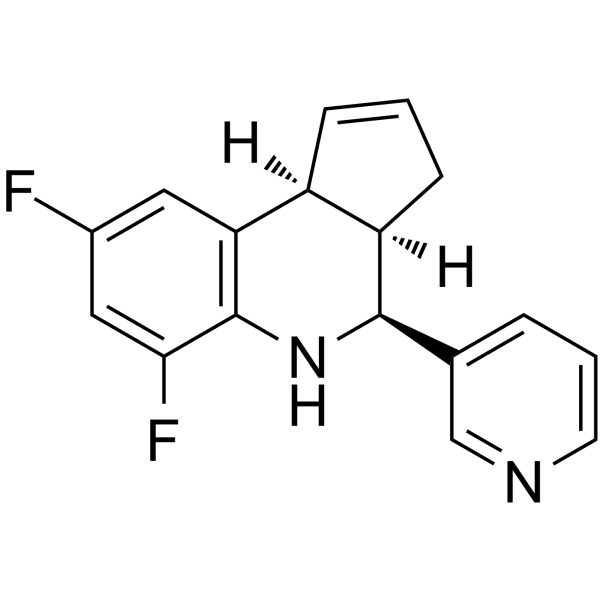
    ZK-PI-5 is a potent trehalase inhibitor and regulate the reproduction of Spodoptera frugiperda. ZK-PI-5 has the potential to be a new insecticide and has pest control potential .
    ZK-PI-5
  • HY-137089

    20.25-Diazacholesterol dihydrochloride

    CETP Endocrinology
    Azacosterol (SC-12937) dihydrochloride is a chemosterilant which in-hibits reproduction in the pigeon. Azacosterol (SC-12937) dihydrochloride exerts its inhibitory effect through the blocking of the synthesis of cholesterol, thought to be a vital component in the formation of egg yolks .
    Azacosterol dihydrochloride
  • HY-119616

    Apoptosis Cancer
    Phenamet is an anti-tumor agent that can inhibit tumor growth and slow the progression of cancer. Phenamet prevents the reproduction of tumor cells by interfering with the growth and division of cancer cells. In addition, Phenamet can induce apoptosis in cancer cells, thereby eliminating tumor cells.
    Phenamet
  • HY-159486

    Succinate Dehydrogenase Fungal Infection
    SDH-IN-18 (Compound 3a) is an inhibitor for succinate dehydrogenase (SDH) with an IC50 of 8.70 mg/L. SDH-IN-18 destroys fungal morphology and reproduction, exhibits antifungal activity against Rhizoctonia solani and Sclerotinia sclerotiorum with EC50 of 0.48 and 1.4 mg/L .
    SDH-IN-18
  • HY-W420337

    LH2010A

    Reactive Oxygen Species (ROS) Infection
    Fluopimomide (LH2010A) is a potent pesticide, widely used for agricultural pest management. Fluopimomide adversely affects the nematodes growth, locomotive behaviors, reproduction, and lifespan, accompanying with enhanced of reactive oxygen species (ROS) generation, lipid and lipofuscin accumulation, and malondialdehyde content. Fluopimomide inhibits antioxidant systems in the nematodes .
    Fluopimomide
  • HY-P4564

    GnRH Receptor Endocrinology
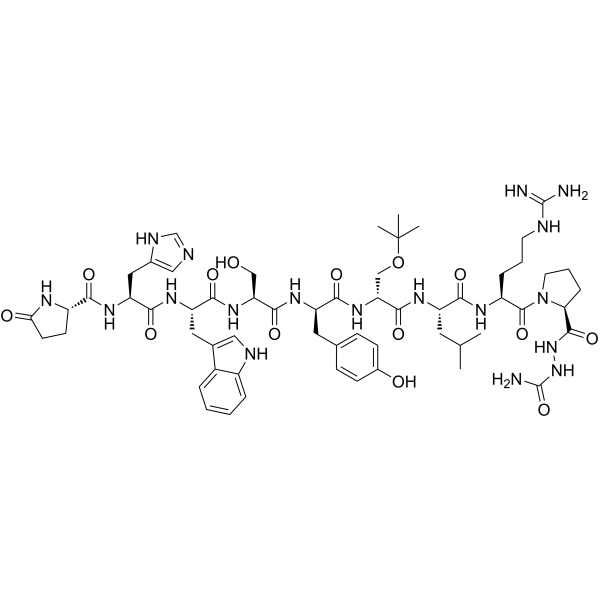
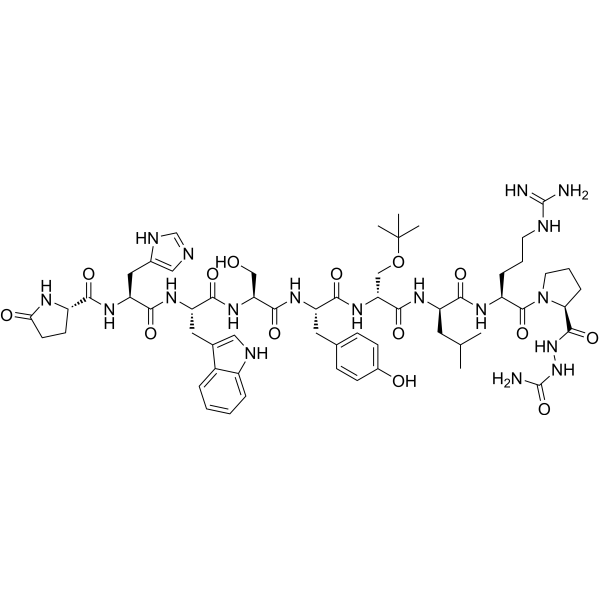
    (D-Ser(tBu)6,D-Leu7,Azagly10)-LHRH is an analogue of luteinizing hormone-releasing hormone (LHRH). LHRH plays a central role in the control of reproduction by stimulating the release of pituitary luteinizing hormone (LH) and follicle-stimulating hormone (FSH) .
    (D-Ser(tBu)6,D-Leu7,Azagly10)-LHRH
  • HY-P4568

    GnRH Receptor Endocrinology
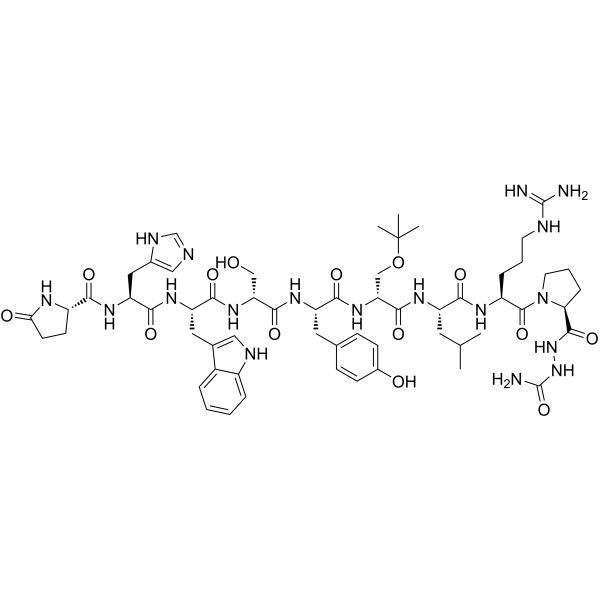
    (D-Ser4,D-Ser(tBu)6,Azagly10)-LHRH is an analogue of luteinizing hormone-releasing hormone (LHRH). LHRH plays a central role in the control of reproduction by stimulating the release of pituitary luteinizing hormone (LH) and follicle-stimulating hormone (FSH) .
    (D-Ser4,D-Ser(tBu)6,Azagly10)-LHRH
  • HY-P4577

    GnRH Receptor Endocrinology
    (D-Tyr5,D-Ser(tBu)6,Azagly10)-LHRH is an analogue of luteinizing hormone-releasing hormone (LHRH). LHRH plays a central role in the control of reproduction by stimulating the release of pituitary luteinizing hormone (LH) and follicle-stimulating hormone (FSH) .
    (D-Tyr5,D-Ser(tBu)6,Azagly10)-LHRH
  • HY-B1838A

    Fungal Infection
    Asulam (potassium salt) is a chitin synthase inhibitor against plant pathogenic fungi. Asulam (potassium salt) interferes with the biosynthesis of chitin in the fungal cell wall to destroy the integrity and normal growth and reproduction of fungal cells, thereby exerting bacteriostatic activity. Asulam (potassium salt) is promising for research of fungal diseases such as downy mildew and gray mold in spinach, tulips, daffodils and lilies .
    Asulam potassium
  • HY-172212

    Insecticide Reactive Oxygen Species (ROS) Infection
    SDH-IN-23 (Compound B21) is an SDH inhibitor. SDH-IN-23 exhibits excellent nematicidal activity. SDH-IN-23 can inhibit the feeding, reproduction, and embryonic development of nematodes. Meanwhile, SDH-IN-23 exerts a lethal effect on nematodes by triggering oxidative stress, causing intestinal damage, and inhibiting SDH, among other mechanisms .
    SDH-IN-23
  • HY-B1812S2

    1,2-Dimethoxybenzene-d10

    Isotope-Labeled Compounds Cytochrome P450 Others
    Veratrole-d10 is the deuterium labeled Veratrole. Veratrole (1,2-Dimethoxybenzene) is a key compound that widely exists in plants and attracts pollinators. The release of Veratrole has a circadian rhythm and plays an important role in plant reproduction, species differentiation, and interactions with pollinators. In addition, Veratrole can be demethylated by cytochrome P-450 in Streptomyces setonii .
    Veratrole-d10
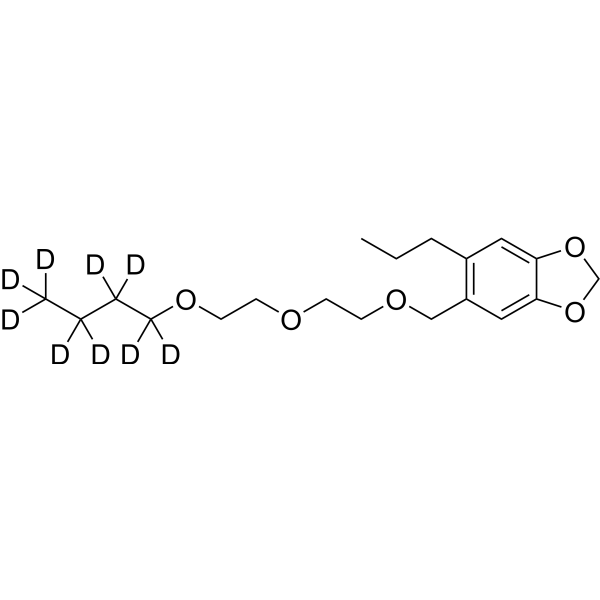
  • HY-B1198S

    ENT-14250-d9

    Isotope-Labeled Compounds Parasite Infection Cancer
    Piperonyl butoxide-d9 is the deuterium labeled Piperonyl butoxide.Piperonyl butoxide (ENT-14250) is a pesticide synergist and food additive. Piperonyl butoxide has adverse effects on reproduction, development and behavior in mice. Piperonyl butoxide can activate c-Jun and ATF-2 in mouse hepatocytes. Piperonyl butoxide is a liver cancer carcinogen in rats and mice .
    Piperonyl butoxide-d9
  • HY-W422288

    (Rac)-Ketoconazol; (Rac)-R 41400

    Fungal Cytochrome P450 Infection
    (Rac)-Ketoconazole ((Rac)-R 41400) is an antifungal imidazole compound with oral activity. (Rac)-Ketoconazole interferes with ergosterol synthesis by inhibiting cytochrome P450-dependent 14α-sterol demethylase (CYP51), a key enzyme on the fungal cell membrane, leading to membrane dysfunction and ultimately inhibition of fungal growth and reproduction. (Rac)-Ketoconazole is indicated for studies of fungal infections .
    (Rac)-Ketoconazole
  • HY-P10256

    Kisspeptin Receptor PKA PKC Endocrinology
    Kiss2 peptide is a positive regulator of reproduction. Kiss2 peptide binds with its cognate receptor Kiss2R (GPR54) in COS-7 cells, activates PKA and PKC signaling pathways through Gas and Gaq proteins, and thus enhances the activity of cAMP response element-dependent luciferase (CRE-luc) and serum response element-dependent luciferase (SRE-luc) .
    Kiss2 peptide
  • HY-B1812R

    1,2-Dimethoxybenzene (Standard)

    Reference Standards Cytochrome P450 Others
    Veratrole (Standard) is the analytical standard of Veratrole. This product is intended for research and analytical applications. Veratrole (1,2-Dimethoxybenzene) is a key compound that widely exists in plants and attracts pollinators. The release of Veratrole has a circadian rhythm and plays an important role in plant reproduction, species differentiation, and interactions with pollinators. In addition, Veratrole can be demethylated by cytochrome P-450 in Streptomyces setonii .
    Veratrole (Standard)
  • HY-B1812S4

    1,2-Dimethoxybenzene-d2-1

    Isotope-Labeled Compounds Cytochrome P450 Others
    Veratrole-d2-1 is the deuterium labeled Veratrole (HY-B1812). Veratrole (1,2-Dimethoxybenzene) is a key compound that widely exists in plants and attracts pollinators. The release of Veratrole has a circadian rhythm and plays an important role in plant reproduction, species differentiation, and interactions with pollinators. In addition, Veratrole can be demethylated by cytochrome P-450 in Streptomyces setonii .
    Veratrole-d2-1
  • HY-173264

    Parasite Insecticide Infection
    SDH-IN-24 (Compound 51) is an inhibitor of succinate dehydrogenase (SDH). The LC50 against the second-stage juveniles of Bursaphelenchus xylophilus (B. xylophilus) is 6.9 mg/L, and the IC50 for SDH is 15.0 μM. SDH-IN-24 exerts its nematicidal activity by inhibiting the activity of SDH to interfere with the energy metabolism of nematodes. Meanwhile, it inhibits the motility, feeding, and reproduction of nematodes, induces oxidative stress, reduces the protein content of nematodes, and impairs their antioxidant capacity. SDH-IN-24 can be used in the research related to anti-nematode fields .
    SDH-IN-24
  • HY-B1158R

    Reference Standards Bacterial Mas-related G-protein-coupled Receptor (MRGPR) Interleukin Related Infection
    Imidazolidinyl urea (Standard) is the analytical standard of Imidazolidinyl urea. This product is intended for research and analytical applications. Imidazolidinyl urea is a commonly used antibacterial preservative in cosmetics and pharmaceuticals that releases formaldehyde through decomposition. Imidazolidinyl urea can also be used in the preparation of multifunctional hydrogels for the care of infectious wounds. Imidazolidinyl urea has broad-spectrum antibacterial activity, which mainly inhibits the reproduction of gram-negative bacteria and gram-positive bacteria, and restricts the growth of yeast and mold to a certain extent. Imidazolidinyl urea can induce non-histaminergic allergy by MRGPRX2 activation of mast cells .
    Imidazolidinyl urea (Standard)

Inquiry Online

Your information is safe with us. * Required Fields.

Salutation


Country or Region *

Applicant Name *


Organization Name *

Department *


Email Address *


Product Name *

Cat. No.


Requested quantity *

Phone Number *


Remarks

Inquiry Online

Inquiry Information

Product Name:
Cat. No.:
Quantity:
MCE Japan Authorized Agent: