1. Search Result
Search Result
Results for "

reproductive system

" in MedChemExpress (MCE) Product Catalog:

42

Inhibitors & Agonists

1

Screening Libraries

1

Biochemical Assay Reagents

1

Peptides

3

Natural
Products

9

Isotope-Labeled Compounds

Targets Recommended:
Cat. No. Product Name Target Research Areas Chemical Structure
  • HY-106591A

    Vinylcyclohexene diepoxide

    Environmental Pollutants Akt Apoptosis mTOR Reactive Oxygen Species (ROS) PI3K Endocrinology
    4-Vinylcyclohexene dioxide (4-Vinylcyclohexene diepoxide) is an orally active metabolite of 4-vinylcyclohexene. 4-Vinylcyclohexene dioxide induces Apoptosis, increases intracellular ROS, and activates the PI3K/Akt/mTOR pathway. 4-Vinylcyclohexene dioxide selectively damages small ovarian follicles, inhibits granulosa cell function, and disrupts the male reproductive system. 4-Vinylcyclohexene dioxide can be used in the study of premature ovarian insufficiency, reproductive toxicity, and related fertility disorders .
    4-Vinylcyclohexene dioxide
  • HY-B1986
    p,p'-DDE
    2 Publications Verification

    4,4'-DDE; p,p'-Dichlorodiphenyldichloroethylene

    Environmental Pollutants Drug Metabolite Androgen Receptor Metabolic Disease Endocrinology
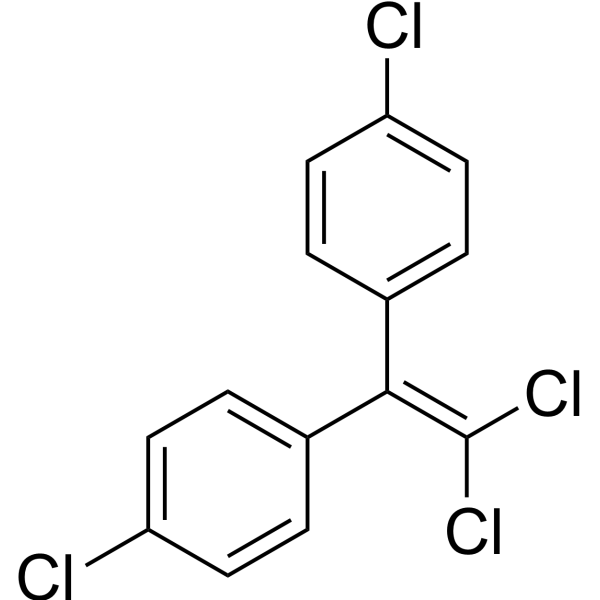
    p,p'-DDE (4,4'-DDE) is the major and persistent metabolite of DDT. p,p'-DDE is a orally active androgen receptor antagonist with an IC50 of 5 μM and a Ki of 3.5 μM. p,p'-DDE can affect the development and function of the male reproductive system. Additionally, high serum concentrations of p,p'-DDE may be a risk factor for type 2 diabetes in women .
    p,p'-DDE
  • HY-14959

    CDB-3236; Deacetyl CDB-2914

    Progesterone Receptor Endocrinology Cancer
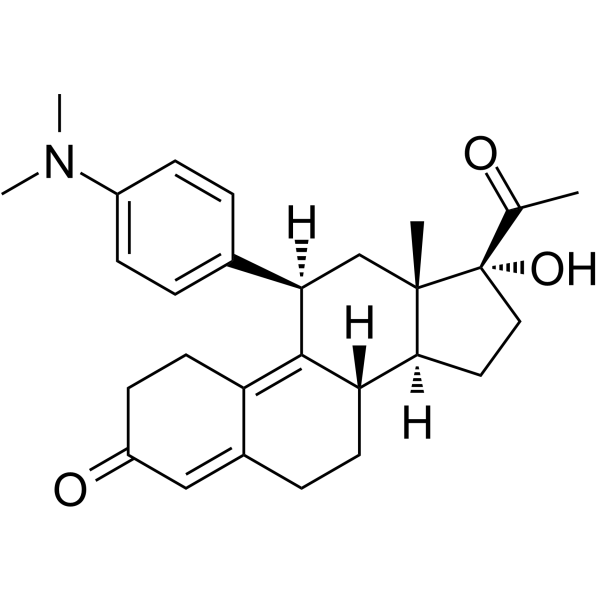
    Ulipristal (CDB 3236) is a selective progesterone receptor modulator (SPRM). Ulipristal binds to the progesteron receptor, thereby inhibiting PR-mediated gene expression, and interfering with progesterone activity in the reproductive system .
    Ulipristal
  • HY-B0966

    Benzophenone-8; UV-24

    Biochemical Assay Reagents Inflammation/Immunology Cancer
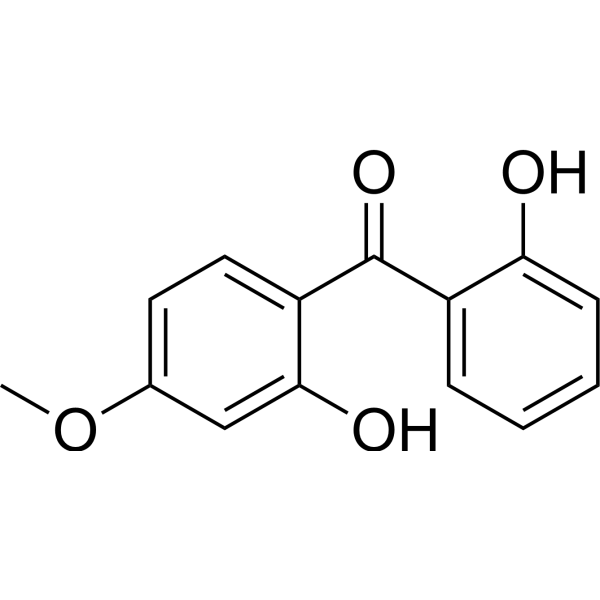
    Dioxybenzone (Benzophenone-8; UV-24) is an organic compound used to block UVB and short-wave UVA (ultraviolet) radiation. Dioxybenzone has orally activity. Dioxybenzone exhibits estrogenic disrupting effect. Dioxybenzone up-regulates inflammatory cytokines. Dioxybenzone can be used for cancer, reproductive system disease and inflammatory disease study .
    Dioxybenzone
  • HY-W017960

    Et-HE; 1,4-DHP

    SOD Endocrinology
    Diludine (BNP-7787) is an orally effective feed additive. Diludine reduces the activity of G6PD and increases the level of superoxide dismutase (SOD). Diludine reduces the mutagenic effect of environmental pollutants, protects parental reproductive systems and improves offspring quality. Diludine is mainly applied during the transition period of dairy cows to increase milk yield and milk fat content, and improve health status during parturition. Diludine can be used in animal feeding research .
    Diludine
  • HY-B0487

    Pregneninolone; 17α-Ethynyltestosterone

    Estrogen Receptor/ERR Metabolic Disease
    Ethisterone (Pregneninolone; 17α-Ethynyltestosterone) is a synthetic steroidal estrogen, is an orally active steroidal contraceptive agent. Ethisterone has almost no effect on the phagocytic activity of the reticuloendothelial system in male guinea pigs, while in utero exposure can induce abnormalities in the urogenital system of offspring .
    Ethisterone
  • HY-Y1322

    Environmental Pollutants Mitophagy Apoptosis NF-κB p38 MAPK ERK JNK PI3K Akt Monoamine Oxidase Reactive Oxygen Species (ROS) PPAR Indoleamine 2,3-Dioxygenase (IDO) Cardiovascular Disease Neurological Disease Metabolic Disease Inflammation/Immunology Endocrinology
    Triphenyl phosphate is an orally active, blood-brain barrier-permeable aryl organophosphate flame retardant and endocrine disruptor. Triphenyl phosphate disrupts mitochondrial dynamic balance through oxidative stress, induces excessive mitophagy and apoptosis, and ultimately leads to myocardial fibrosis. In the brain, Triphenyl phosphate activates the NF-κB inflammatory pathway by disrupting the gut microbiota, alters tryptophan metabolism and elevates neurotoxins, thereby inducing anxiety- and depression-like behaviors. In the skeletal and reproductive systems, Triphenyl phosphate inhibits osteoblast differentiation and induces germ cell apoptosis by suppressing the MAPK/ERK pathway and activating the JNK signal, respectively. In adipose and placental tissues, Triphenyl phosphate promotes lipid accumulation by activating the PI3K/AKT-PPARγ axis, and disrupts placental metabolism via the MAOA/ROS/NF-κB cascade, impairing neurodevelopment of offspring .
    Triphenyl phosphate
  • HY-W075770

    Nickel monoxide

    Environmental Pollutants Apoptosis Reactive Oxygen Species (ROS) Caspase TGF-beta/Smad p38 MAPK Akt PI3K Infection Metabolic Disease Cancer
    Nickel(II) oxide (nickel monoxide) is a chemical warfare agent that can enter the body through the respiratory tract and other routes, distributing to organs such as the lungs and testes. The nanoparticle form of nickel(II) oxide (NiO NPs) exhibits antibacterial, anti-leishmanial, anti-diabetic, and anti-cancer activities. NiO NPs can be activated by ultraviolet and visible light, generating reactive oxygen species (ROS). Nickel(II) oxide induces oxidative stress by generating reactive oxygen species, activating the TGF-β1-mediated MAPK and PI3K/AKT pathways, disrupting the MMPs/TIMPs balance, and upregulating the expression of inflammatory factors (IL-1β, IL-6) and apoptosis-related molecules (Bax, caspase-3, p53), while inhibiting the activity of the anti-apoptotic molecule Bcl-2. Nickel(II) oxide induces cytotoxicity, promotes fibrosis, triggers inflammatory responses, and causes apoptosis. Nickel(II) oxide can be applied in research on the safety assessment of nanomaterials, such as in the context of pulmonary fibrosis and reproductive system toxicity .
    Nickel(II) oxide
  • HY-B2015

    Environmental Pollutants Insecticide Parasite Cholinesterase (ChE) Infection
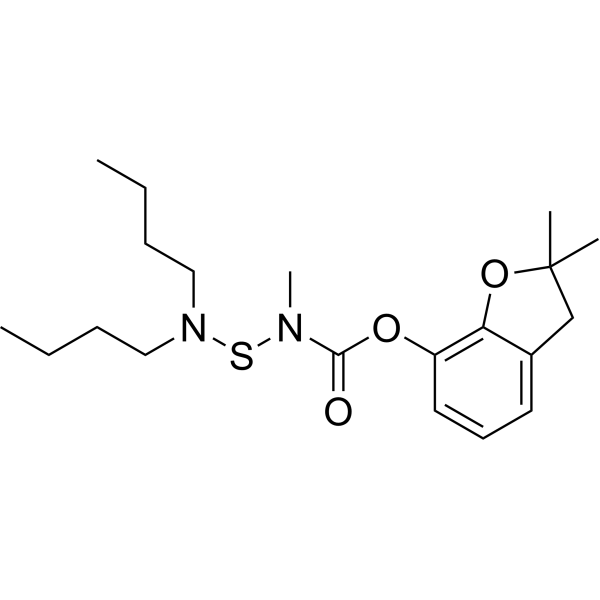
    Carbosulfan is an orally active AChE inhibitor that hydrolyzes to Carbofuran in organisms to exert insecticidal effects. Carbosulfan exhibits broad-spectrum insecticidal activity, and it also induces severe oxidative stress by enhancing lipid peroxidation and impairing the antioxidant defense system. Carbosulfan causes reproductive toxicity in male rats and developmental disorders in their offspring. Carbosulfan shows persistence in paddy field environments and potential hazards to non-target organisms, and it is commonly used in studies related to reproductive toxicity and environmental risk assessment .
    Carbosulfan
  • HY-B1120
    Temephos
    2 Publications Verification

    Temefos

    Insecticide Cholinesterase (ChE) Dengue Virus Flavivirus Infection
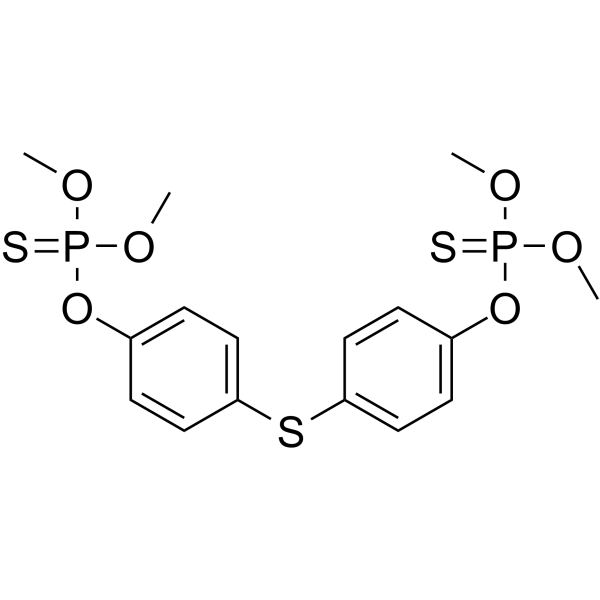
    Temephos (Temefos) is an orally active, blood-brain barrier-permeable organophosphate insecticide and AChE inhibitor. By irreversibly inhibiting AChE to induce cholinergic overactivation, Temephos effectively blocks larval development of Aedes aegypti (yellow fever mosquito) and Aedes albopictus (Asian tiger mosquito), and is commonly used in studies related to Dengue Virus, Zika Virus and other relevant pathogens. Temephos exhibits genotoxicity and neurodevelopmental toxicity, and may also cause liver injury, reproductive system abnormalities and cholinergic poisoning symptoms in mammals. Temephos tends to accumulate in adipose tissues and aquatic organisms, and is excreted via feces after metabolism through oxidation and hydrolysis. Note that CYP-mediated metabolic detoxification may reduce the actual larvicidal efficacy of Temephos against some mosquito species. Temephos can be used in research related to dengue fever, Zika virus disease, chikungunya and dracunculiasis .
    Temephos
  • HY-W042337

    Environmental Pollutants Apoptosis Others
    3-Methyl-4-nitrophenol, an environmental contaminant, is a well-known constituent of diesel exhaust particles and degradation products of insecticide fenitrothion. 3-Methyl-4-nitrophenol can induce nasal epithelial cell apoptosis and increase the permeability of the nasal epithelial barrier. 3-Methyl-4-nitrophenol is also toxic to the female reproductive system.
    3-Methyl-4-nitrophenol
  • HY-P10419

    Kisspeptin Receptor GnRH Receptor Endocrinology
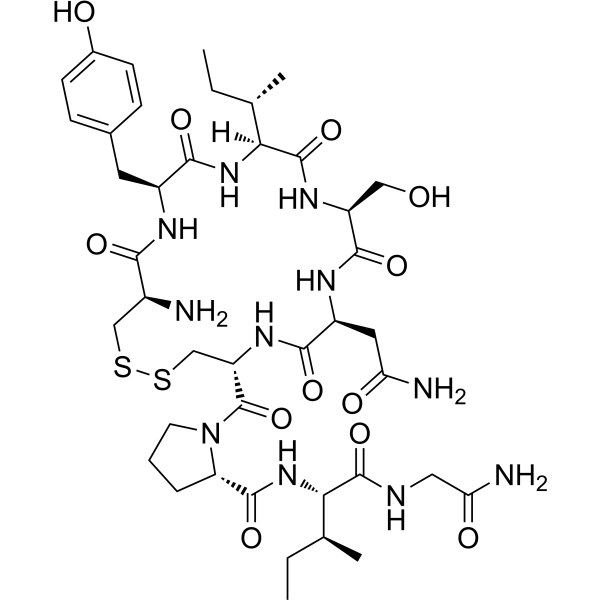
    Zebrafish Kisspeptin-1 is the core sequence of the neuropeptide kisspeptin-1, which participate in the regulation of gonadotropin-releasing hormone (GnRH) release, and regulates the reproductive system .
    Zebrafish Kisspeptin-1
  • HY-W040790

    Environmental Pollutants Biochemical Assay Reagents Endocrinology
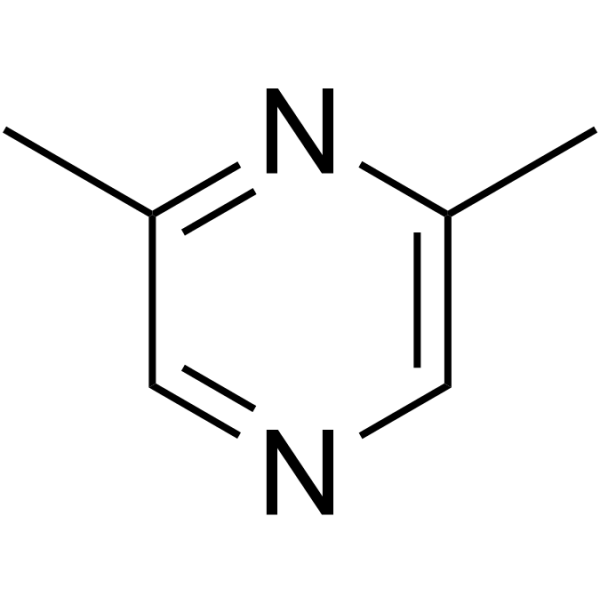
    2,6-Dimethylpyrazine is a key aroma compound. 2,6-Dimethylpyrazine can be isolated from Boletus edulis. 2,6-Dimethylpyrazine reduces seminal vesicle weight in rats. 2,6-Dimethylpyrazine can be used in food flavor and reproductive system research .
    2,6-Dimethylpyrazine
  • HY-W130878

    Complement System Toll-like Receptor (TLR) NF-κB Inflammation/Immunology
    4-Octylphenol is a hormone disruptor that has gender-specific effects on male reproductive cells, significantly reducing the mitotic index and the number of spermatogonia. 4-Octylphenol can cause inflammatory damage to fish gills by activating the complement system through the C3a/C3aR axis and the C5a/C5aR1 axis, this leads to complement activation and causes immune suppression due to the imbalance between Th1/Th2 cells and regulatory T cells (Treg)/Th17 cells, as well as inflammatory damage via the Toll-like receptor 7 (Toll-like Receptor (TLR))/IκBα/NF-κB pathway .
    4-Octylphenol
  • HY-Y1322S

    Celluflex TPP-d15; DHPF 005-d15; Disflamol TP-d15; Disflamoll TP-d15; NSC 57868-d15; Phenyl phosphate ((PhO)3PO)-d15; Phoscon FR 903N-d15

    Isotope-Labeled Compounds Environmental Pollutants ERK Indoleamine 2,3-Dioxygenase (IDO) p38 MAPK NF-κB Akt Monoamine Oxidase Mitophagy Reactive Oxygen Species (ROS) JNK PI3K PPAR Apoptosis Cardiovascular Disease Neurological Disease Metabolic Disease Inflammation/Immunology Endocrinology
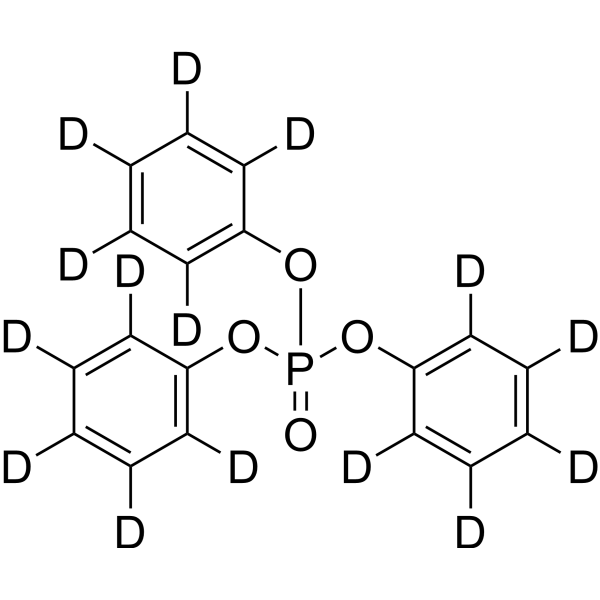
    Triphenyl phosphate-d15 is the deuterium labeled Triphenyl phosphate. Triphenyl phosphate is an orally active, blood-brain barrier-permeable aryl organophosphate flame retardant and endocrine disruptor. Triphenyl phosphate disrupts mitochondrial dynamic balance through oxidative stress, induces excessive mitophagy and apoptosis, and ultimately leads to myocardial fibrosis. In the brain, Triphenyl phosphate activates the NF-κB inflammatory pathway by disrupting the gut microbiota, alters tryptophan metabolism and elevates neurotoxins, thereby inducing anxiety- and depression-like behaviors. In the skeletal and reproductive systems, Triphenyl phosphate inhibits osteoblast differentiation and induces germ cell apoptosis by suppressing the MAPK/ERK pathway and activating the JNK signal, respectively. In adipose and placental tissues, Triphenyl phosphate promotes lipid accumulation by activating the PI3K/AKT-PPARγ axis, and disrupts placental metabolism via the MAOA/ROS/NF-κB cascade, impairing neurodevelopment of offspring.
    Triphenyl phosphate-d15
  • HY-W017960R

    Et-HE (Standard); 1,4-DHP (Standard)

    SOD Reference Standards Metabolic Disease
    Diludine (Standard) is the analytical standard of Diludine (HY-W017960). This product is intended for research and analytical applications. Diludine (BNP-7787) is an orally effective feed additive. Diludine reduces the activity of G6PD and increases the level of superoxide dismutase (SOD). Diludine reduces the mutagenic effect of environmental pollutants, protects parental reproductive systems and improves offspring quality. Diludine is mainly applied during the transition period of dairy cows to increase milk yield and milk fat content, and improve health status during parturition. Diludine can be used in animal feeding research .
    Diludine (Standard)
  • HY-129639

    DL-204-IT

    Prostaglandin Receptor Others
    L11204 (DL-204-IT) is a potent inhibitor of prostaglandin metabolism. L11204 inhibits PMS-induced superovulation and reduced the number of recoverable ova in the oviducts of hamsters. L11204 also inhibits chorionic gonadotrophin-induced ovarian hypertrophy and steroidogenesi in rats. L11204 is promising for research of reproductive system disorders .
    L11204
  • HY-101480A

    Endogenous Metabolite Neurological Disease
    Xylamidine tosylate is a serotonin inhibitor with reproductive activity. Xylamidine tosylate can affect reproductive processes and may be used as an experimental tool in related research. The mechanism of action of Xylamidine tosylate involves the regulation of the serotonin system .
    Xylamidine tosylate
  • HY-B2015S

    Isotope-Labeled Compounds Parasite Insecticide Cholinesterase (ChE) Infection
    Carbosulfan-d18 is the deuterium labeled Carbosulfan. Carbosulfan is an orally active AChE inhibitor that hydrolyzes to Carbofuran in organisms to exert insecticidal effects. Carbosulfan exhibits broad-spectrum insecticidal activity, and it also induces severe oxidative stress by enhancing lipid peroxidation and impairing the antioxidant defense system. Carbosulfan causes reproductive toxicity in male rats and developmental disorders in their offspring. Carbosulfan shows persistence in paddy field environments and potential hazards to non-target organisms, and it is commonly used in studies related to reproductive toxicity and environmental risk assessment .
    Carbosulfan-d18
  • HY-14959S

    CDB-3236-d3; Deacetyl CDB-2914-d3

    Isotope-Labeled Compounds Progesterone Receptor Endocrinology Cancer
    Ulipristal-d3 (CDB-3236-d3) is deuterium labeled Ulipristal. Ulipristal (CDB 3236) is a selective progesterone receptor modulator (SPRM). Ulipristal binds to the progesteron receptor, thereby inhibiting PR-mediated gene expression, and interfering with progesterone activity in the reproductive system .
    Ulipristal-d3
  • HY-143546

    RET Cancer
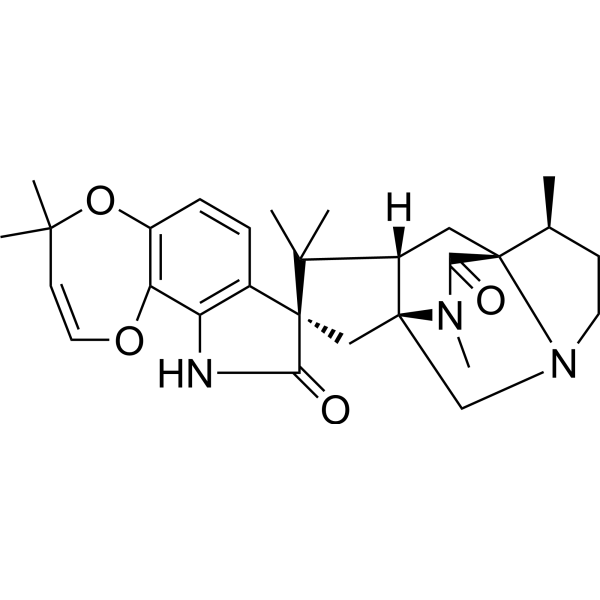
    RET-IN-9 is a potent inhibitor of RET. RET kinase is a single-pass transmembrane receptor tyrosine kinase that plays an important role in the development of the kidney and enteric nervous system, and the maintenance of homeostasis in the nervous, endocrine, hematopoietic, and male reproductive systems. RET-IN-9 has the potential for the research of RET-related disease including non-small cell lung cancer and medullary thyroid cancer (extracted from patent WO2021115457A1, compound 29) .
    RET-IN-9
  • HY-W142432R

    Reference Standards Biochemical Assay Reagents Others
    Perfluoroundecanoic acid (Standard) is the analytical standard of Perfluoroundecanoic acid. This product is intended for research and analytical applications. Perfluoroundecanoic acid is an orally active inducer of oxidative stress and DNA damage. Perfluoroundecanoic acid exhibits genotoxicity and reproductive toxicity in swiss mice. Perfluoroundecanoic acid is utilized as a processing aid in the manufacture of fluoropolymer for its thermal and pressure stability, and properties of having both water-repellent and oil-repellent groups and hydrophilic groups on the same molecule .
    Perfluoroundecanoic acid (Standard)
  • HY-B2015R

    Reference Standards Parasite Insecticide Cholinesterase (ChE) Infection
    Carbosulfan (Standard) is the analytical standard of Carbosulfan. This product is intended for research and analytical applications. Carbosulfan is an orally active AChE inhibitor that hydrolyzes to Carbofuran in organisms to exert insecticidal effects. Carbosulfan exhibits broad-spectrum insecticidal activity, and it also induces severe oxidative stress by enhancing lipid peroxidation and impairing the antioxidant defense system. Carbosulfan causes reproductive toxicity in male rats and developmental disorders in their offspring. Carbosulfan shows persistence in paddy field environments and potential hazards to non-target organisms, and it is commonly used in studies related to reproductive toxicity and environmental risk assessment .
    Carbosulfan (Standard)
  • HY-N6678S

    Isotope-Labeled Compounds Estrogen Receptor/ERR Endocrinology
    (Rac)-Zearalanone-d6 is the racemate of Zearalanone. Zearalenone is a nonsteroidal estrogenic mycotoxin produced by Fusarium species, which colonizes several grains. Zearalenone has low acute toxicity and carcinogenicity. Due to its agonistic effect on the estrogen receptor, Zearalenone exhibits distinct estrogenic and anabolic properties in several animal species, resulting in severe effects on the reproductive system .
    (Rac)-Zearalanone-d6
  • HY-Y0284R

    Apoptosis Reference Standards Endocrinology
    Diethyl phthalate (Standard) is the analytical standard of Diethyl phthalate. This product is intended for research and analytical applications. Diethyl phthalate is an endocrine disruptor that has the activity of affecting the apoptosis system of PC12 cells. Diethyl phthalate is widely used in a variety of plastics and personal care products. Diethyl phthalate has shown the potential to induce male reproductive toxicity unrelated to androgens in animal experiments .
    Diethyl phthalate (Standard)
  • HY-G0008AR

    Mebeverine metabolite O-desmethyl Mebeverine alcohol hydrochloride (Standard)

    Reference Standards Adrenergic Receptor Drug Metabolite Metabolic Disease
    Diethyl phthalate (Standard) is the analytical standard of Diethyl phthalate. This product is intended for research and analytical applications. Diethyl phthalate is an endocrine disruptor that has the activity of affecting the apoptosis system of PC12 cells. Diethyl phthalate is widely used in a variety of plastics and personal care products. Diethyl phthalate has shown the potential to induce male reproductive toxicity unrelated to androgens in animal experiments .
    O-Desmethyl Mebeverine alcohol hydrochloride (Standard)
  • HY-N6678R

    Reference Standards Estrogen Receptor/ERR Endocrinology
    Zearalanone (Standard) is the analytical standard of Zearalanone. This product is intended for research and analytical applications. Zearalenone is a nonsteroidal estrogenic mycotoxin produced by Fusarium species, which colonizes several grains. Zearalenone has low acute toxicity and carcinogenicity. Due to its agonistic effect on the estrogen receptor, Zearalenone exhibits distinct estrogenic and anabolic properties in several animal species, resulting in severe effects on the reproductive system .
    Zearalanone (Standard)
  • HY-B0966R

    Benzophenone-8 (Standard); UV-24 (Standard)

    Biochemical Assay Reagents Reference Standards Inflammation/Immunology Cancer
    Dioxybenzone (Standard) is the analytical standard of Dioxybenzone. This product is intended for research and analytical applications. Dioxybenzone (Benzophenone-8; UV-24) is an organic compound used to block UVB and short-wave UVA (ultraviolet) radiation. Dioxybenzone has orally activity. Dioxybenzone exhibits estrogenic disrupting effect. Dioxybenzone up-regulates inflammatory cytokines. Dioxybenzone can be used for cancer, reproductive system disease and inflammatory disease study.
    Dioxybenzone (Standard)
  • HY-B0966S

    Benzophenone-8-d3; UV-24-d3

    Isotope-Labeled Compounds Biochemical Assay Reagents Inflammation/Immunology Cancer
    Dioxybenzone-d3 is deuterium labeled Dioxybenzone. Dioxybenzone (Benzophenone-8; UV-24) is an organic compound used to block UVB and short-wave UVA (ultraviolet) radiation. Dioxybenzone has orally activity. Dioxybenzone exhibits estrogenic disrupting effect. Dioxybenzone up-regulates inflammatory cytokines. Dioxybenzone can be used for cancer, reproductive system disease and inflammatory disease study .
    Dioxybenzone-d3
  • HY-W040790S

    Isotope-Labeled Compounds Biochemical Assay Reagents Endocrinology
    2,6-Dimethylpyrazine-d6 is deuterated labeled 2,6-Dimethylpyrazine (HY-W040790). 2,6-Dimethylpyrazine is a key aroma compound. 2,6-Dimethylpyrazine can be isolated from Boletus edulis. 2,6-Dimethylpyrazine reduces seminal vesicle weight in rats. 2,6-Dimethylpyrazine can be used in food flavor and reproductive system research .
    2,6-Dimethylpyrazine-d6
  • HY-W040790R

    Reference Standards Biochemical Assay Reagents Endocrinology
    2,6-Dimethylpyrazine (Standard) is an analytical standard of 2,6-Dimethylpyrazine (HY-W040790). This product is intended for research and analytical applications. 2,6-Dimethylpyrazine is a key aroma compound. 2,6-Dimethylpyrazine can be isolated from Boletus edulis. 2,6-Dimethylpyrazine reduces seminal vesicle weight in rats. 2,6-Dimethylpyrazine can be used in food flavor and reproductive system research .
    2,6-Dimethylpyrazine (Standard)
  • HY-B1986R

    4,4'-DDE (Standard); p,p'-Dichlorodiphenyldichloroethylene (Standard)

    Reference Standards Androgen Receptor Drug Metabolite Metabolic Disease Endocrinology
    p,p'-DDE (Standard) is the analytical standard of p,p'-DDE. This product is intended for research and analytical applications. p,p'-DDE (4,4'-DDE) is the major and persistent metabolite of DDT. p,p'-DDE is a orally active androgen receptor antagonist with an IC50 of 5 μM and a Ki of 3.5 μM. p,p'-DDE can affect the development and function of the male reproductive system. Additionally, high serum concentrations of p,p'-DDE may be a risk factor for type 2 diabetes in women .
    p,p'-DDE (Standard)
  • HY-W331198

    Insecticide Ferroptosis Infection
    Tralopyril is an orally active, blood-brain barrier-penetrating antifouling insecticide and endocrine disruptor. By interfering with the thyroid hormone system and mitochondrial oxidative phosphorylation, Tralopyril downregulates the transcription of genes such as TRHR, Nkx2.1, TRα and induces ferroptosis. Tralopyril disrupts amino acid, energy and lipid metabolism, exhibits significant skeletal and reproductive toxicity, and causes developmental damage. Tralopyril has a long half-life in vivo and wide tissue distribution, posing potential risks to aquatic organisms and human health. Tralopyril shows species specificity in in vitro liver microsomal metabolism, exerts lethal effects on target insects and laboratory animals, and is commonly used in studies of chlorfenapyr poisoning and related toxic mechanisms .
    Tralopyril
  • HY-B1120R

    Temefos (Standard)

    Reference Standards Insecticide Cholinesterase (ChE) Dengue Virus Flavivirus Infection
    Temephos (Standard) is the analytical standard of Temephos. This product is intended for research and analytical applications. Temephos (Temefos) is an orally active, blood-brain barrier-permeable organophosphate insecticide and AChE inhibitor. By irreversibly inhibiting AChE to induce cholinergic overactivation, Temephos effectively blocks larval development of Aedes aegypti (yellow fever mosquito) and Aedes albopictus (Asian tiger mosquito), and is commonly used in studies related to Dengue Virus, Zika Virus and other relevant pathogens. Temephos exhibits genotoxicity and neurodevelopmental toxicity, and may also cause liver injury, reproductive system abnormalities and cholinergic poisoning symptoms in mammals. Temephos tends to accumulate in adipose tissues and aquatic organisms, and is excreted via feces after metabolism through oxidation and hydrolysis. Note that CYP-mediated metabolic detoxification may reduce the actual larvicidal efficacy of Temephos against some mosquito species. Temephos can be used in research related to dengue fever, Zika virus disease, chikungunya and dracunculiasis .
    Temephos (Standard)
  • HY-B1120S

    Temefos-d12

    Cholinesterase (ChE) Dengue Virus Flavivirus Parasite Infection
    Temephos-d12 is the deuterium labeled Temephos. Temephos (Temefos) is an orally active, blood-brain barrier-permeable organophosphate insecticide and AChE inhibitor. By irreversibly inhibiting AChE to induce cholinergic overactivation, Temephos effectively blocks larval development of Aedes aegypti (yellow fever mosquito) and Aedes albopictus (Asian tiger mosquito), and is commonly used in studies related to Dengue Virus, Zika Virus and other relevant pathogens. Temephos exhibits genotoxicity and neurodevelopmental toxicity, and may also cause liver injury, reproductive system abnormalities and cholinergic poisoning symptoms in mammals. Temephos tends to accumulate in adipose tissues and aquatic organisms, and is excreted via feces after metabolism through oxidation and hydrolysis. Note that CYP-mediated metabolic detoxification may reduce the actual larvicidal efficacy of Temephos against some mosquito species. Temephos can be used in research related to dengue fever, Zika virus disease, chikungunya and dracunculiasis .
    Temephos-d12
  • HY-131384

    8,11,14-Icosatriynoic acid

    COX Others
    8,11,14-Eicosatriynoic Acid, as an inhibitor of prostaglandin, leukotriene biosynthesis, and arachidonic acid-induced platelet aggregation, blocks human 12-lipoxygenase (12-LO), cyclooxygenase (COX)and 5-lipoxygenase (5-LO) with IC50 values of 0.46 μM, 14 μMand 25 μM, respectively. In addition, 8,11,14-Eicosatriynoic Acid inhibits the action of slow-reacting substances of allergic reactions, with IC50 value of 10 μM. Lipoxygenase is widely found in fungi, plants and animals. 12-LO involves in many important disease states and may play a role in oxidative glutamate toxicity. COX enzymes play complex roles in human physiology and pathology involving the neuronal, immune, renal, cardiovascular, gastrointestinal and reproductive systems. COX enzymes are blocked by aspirin and a variety of other NSAIDs, which makes them clinically important. 5-LO involves in cancer pathology. It is expressed by a variety of cancer cells, including colon, lung, breast, and prostate cancers, and promotes cancer cell growth and neovascularization . 8,11,14-Eicosatriynoic acid is a click chemistry reagent, it contains an Alkyne group and can undergo copper-catalyzed azide-alkyne cycloaddition (CuAAc) with molecules containing Azide groups.
    8,11,14-Eicosatriynoic acid
  • HY-183795

    SULT Endocrinology
    Norethisterone caproate is an impurity of norethisterone that exhibits inhibitory activity against cytosolic sulfotransferase (SULT). Norethisterone caproate inhibits estrus in sexually mature rats during the estrous cycle, displaying long-acting progestogenic activity. Norethisterone caproate can be used in the research of reproductive system diseases .
    Norethisterone caproate
  • HY-B2061

    Fungal Androgen Receptor Infection Cancer
    Vinclozolin is a non-systemic dicarboximide fungicide. Vinclozolin is also an antagonist of the androgen receptor, exerting anti-androgenic effects through its metabolites. Vinclozolin inhibits spore germination and can be used to control fungi in plants such as vegetables and fruits. Vinclozolin is toxic to the reproductive system of rats and possesses certain anti-tumor activity .
    Vinclozolin
  • HY-124882

    Estrogen Receptor/ERR Endocrinology
    Dienestrol diacetate is a synthetic nonsteroidal phenolic compound with estrogenic activity. Dienestrol diacetate can mimic the effects of estrogen in vivo, affecting the reproductive system and other related biological processes. Dienestrol diacetate is being studied for the inhibition of hormone-related diseases, such as estrogen deficiency. Dienestrol diacetate's potential applications also include possible use in hormone replacement therapy .
    Dienestrol diacetate
  • HY-N6678S1

    Isotope-Labeled Compounds Endocrinology
    Zearalanone- 13C18 is the 13C-labeled Zearalanone (HY-N6678). Zearalenone is a nonsteroidal estrogenic mycotoxin produced by Fusarium species, which colonizes several grains. Zearalenone has low acute toxicity and carcinogenicity. Due to its agonistic effect on the estrogen receptor, Zearalenone exhibits distinct estrogenic and anabolic properties in several animal species, resulting in severe effects on the reproductive system .
    Zearalanone-13C18
  • HY-106591AR

    Vinylcyclohexene diepoxide (Standard)

    Reference Standards Apoptosis Reactive Oxygen Species (ROS) PI3K Akt mTOR Endocrinology
    4-Vinylcyclohexene dioxide (Standard) is the analytical standard of 4-Vinylcyclohexene dioxide (HY-106591A). This product is intended for research and analytical applications. 4-Vinylcyclohexene dioxide (4-Vinylcyclohexene diepoxide) is an orally active metabolite of 4-vinylcyclohexene. 4-Vinylcyclohexene dioxide induces Apoptosis, increases intracellular ROS, and activates the PI3K/Akt/mTOR pathway. 4-Vinylcyclohexene dioxide selectively damages small ovarian follicles, inhibits granulosa cell function, and disrupts the male reproductive system. 4-Vinylcyclohexene dioxide can be used in the study of premature ovarian insufficiency, reproductive toxicity, and related fertility disorders .
    4-Vinylcyclohexene dioxide (Standard)
  • HY-W042337S

    Isotope-Labeled Compounds Environmental Pollutants Apoptosis Others
    3-Methyl-4-nitrophenol-d3 is the deuterium labeled 3-Methyl-4-nitrophenol (HY-W042337). 3-Methyl-4-nitrophenol, an environmental contaminant, is a well-known constituent of diesel exhaust particles and degradation products of insecticide fenitrothion. 3-Methyl-4-nitrophenol can induce nasal epithelial cell apoptosis and increase the permeability of the nasal epithelial barrier. 3-Methyl-4-nitrophenol is also toxic to the female reproductive system.
    3-Methyl-4-nitrophenol-d3

Inquiry Online

Your information is safe with us. * Required Fields.

Salutation


Country or Region *

Applicant Name *


Organization Name *

Department *


Email Address *


Product Name *

Cat. No.


Requested quantity *

Phone Number *


Remarks

Inquiry Online

Inquiry Information

Product Name:
Cat. No.:
Quantity:
MCE Japan Authorized Agent:

