1. Search Result
Search Result
Results for "

serine active site

" in MedChemExpress (MCE) Product Catalog:

21

阻害剤およびアゴニスト

1

生化学アッセイ試薬

1

ペプチド

1

阻害性抗体

2

天然物

製品番号 製品名 Target 研究分野 構造式
  • HY-B2228
    Proteinase, Aspergillus oryzae
    1 Publications Verification

    Biochemical Assay Reagents Cancer
    Proteinase, Aspergillus oryzae is a serine protease that hydrolyzes peptide bonds in protein substrates, preferring alkaline conditions (optimal pH 10.5). It efficiently degrades casein, poly-L-glutamic acid, and poly-L-lysine, with activity irreversibly inhibited by diisopropylfluorophosphate (DFP) and potato inhibitor. This enzyme catalyzes proteolysis via serine residues in its active site, finding applications in food processing (e.g., soy sauce fermentation), detergents, and leather industries due to its high yield in solid-state fermentation and cost-effective production.
    Proteinase, Aspergillus oryzae
  • HY-11107
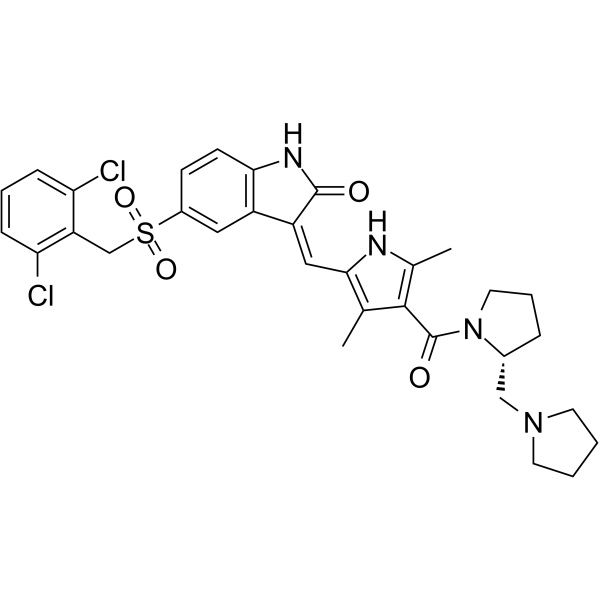
    PHA-665752
    10+ Cited Publications

    c-Met/HGFR Autophagy Apoptosis Cancer
    PHA-665752 is a selective, ATP-competitive, and active-site inhibitor of the catalytic activity of c-Met kinase (Ki=4 nM; IC50=9 nM). PHA-665752 exhibits >50-fold selectivity for c-Met compared with a panel of diverse tyrosine and serine-threonine kinases. PHA-665752 induces apoptosis and cell cycle arrest, and exhibits cytoreductive antitumor activity .
    PHA-665752
  • HY-153552A

    FAP Cancer
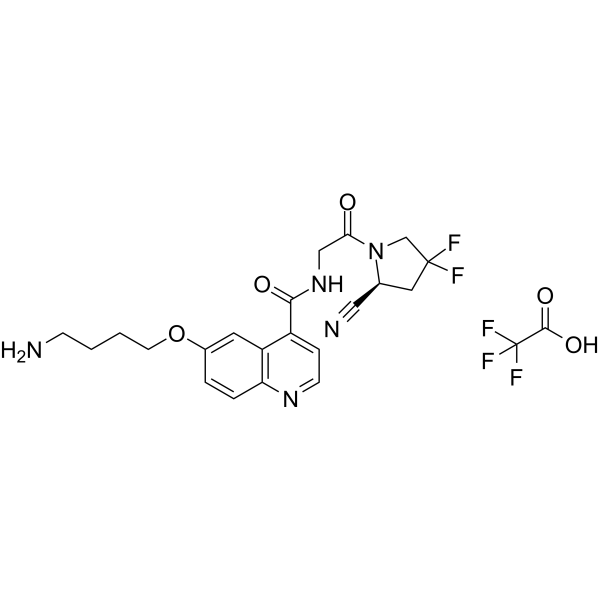
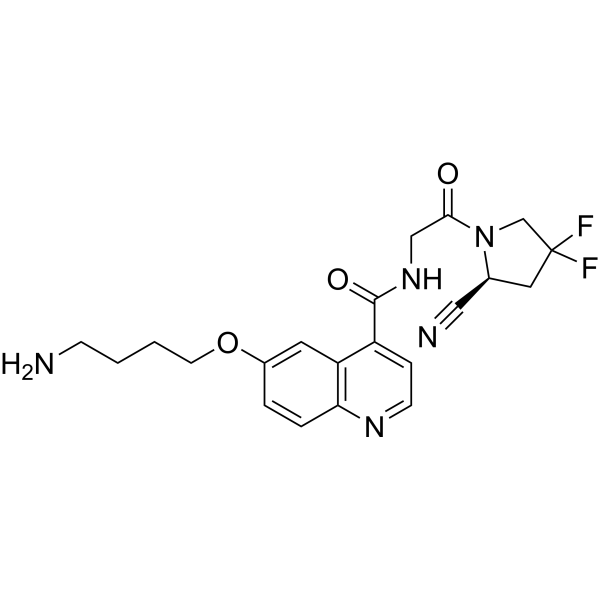
    NH2-UAMC1110 TFA is an aminobutoxy derivative of the fibroblast activation protein (FAP) inhibitor UAMC1110 (HY-100684), and is a precursor compound for the synthesis of FAP inhibitor probes, not directly used in bioactivity experiments. For example, NH2-UAMC1110 TFA is involved in the synthesis of the radiotracer FAPI-QS, which exhibits high tumor selectivity and high dose effect, and has been used in tumor diagnosis. NH2-UAMC1110 TFA structurally incorporates an active amino group, allowing it to form covalent bonds with various molecules (such as DOTA, DATA5m, radionuclide chelators, etc.) to synthesize molecular imaging probes or targeted compounds with the ability to target FAP. NH2-UAMC1110 TFA specifically binds to the FAP active site, inhibiting its proline-selective serine protease activity (including dipeptidyl peptidase and endopeptidase activity), blocking FAP-mediated tissue remodeling-related processes. Its key activity is high targeting and high affinity, and its core function is to act as a targeting module coupled with bifunctional chelators (such as DOTA, DATA5m). NH2-UAMC1110 TFA can be applied to diagnostic imaging studies of tumors expressing FAP (such as colorectal cancer, pancreatic cancer, etc.), and also provides molecular tools for targeted research of FAP-related diseases with high FAP expression, such as fibrosis and arthritis .
    NH2-UAMC1110 TFA
  • HY-15130

    Endogenous Metabolite Metabolic Disease
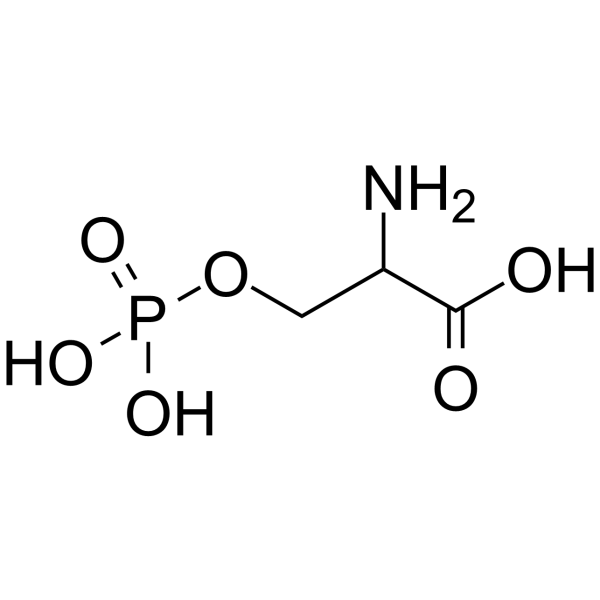
    DL-O-Phosphoserine is a normal metabolite in human biofluids and is a mixture of phosphoserine with two stereochemical structures (D-type and L-type O-phospho-serine). O-phospho-L-serine is a competitive inhibitor of serine racemase and phagocytosis. O-phospho-L-serine inhibits the enzymatic reaction by competing with the active site of serine racemase, thereby affecting the production of D-serine. O-phospho-L-serine also mimics the phosphatidylserine head group, binds to the phosphatidylserine receptor, interferes with phagocytic signal transduction, and partially blocks the phagocytosis of apoptotic cells by cells. O-phospho-L-serin can be used in the research of retinal regeneration, bone repair, and insect growth and development .
    DL-O-Phosphoserine
  • HY-131943

    Methylenetetrahydrofolate Dehydrogenase (MTHFD) Neurological Disease Cancer
    DS44960156 is a selective MTHFD2 inhibitor with moderate to low blood-brain barrier penetration (IC50=1.6 μM, Ki=1.23 μM). DS44960156 specifically binds to the active site of MTHFD2, disrupts redox homeostasis and blocks serine-mediated one-carbon metabolism, thereby increasing the NAD +/NADH ratio and ROS levels. DS44960156 not only effectively inhibits the proliferation of glioma cells, but also enhances the sensitivity of cells to glutamine starvation-induced death. DS44960156 binds to plasma proteins, shows no mutagenicity, carcinogenicity or acute oral toxicity, and serves as a research agent for glioblastoma multiforme and other cancers .
    DS44960156
  • HY-153552

    FAP Cancer
    NH2-UAMC1110 is an aminobutoxy derivative of the fibroblast activation protein (FAP) inhibitor UAMC1110 (HY-100684), and is a precursor compound for the synthesis of FAP inhibitor probes, not directly used in bioactivity experiments. For example, NH2-UAMC1110 is involved in the synthesis of the radiotracer FAPI-QS, which exhibits high tumor selectivity and high dose-response, and has been used for tumor diagnosis. NH2-UAMC1110 introduces an active amino group into its structure, enabling it to form covalent bonds with various molecules (such as DOTA, DATA5m, radionuclide chelators, etc.), thereby synthesizing molecular imaging probes or targeted compounds with the ability to target FAP. NH2-UAMC1110 specifically binds to the FAP active site, inhibiting its proline-selective serine protease activity (including dipeptidyl peptidase and endopeptidase activity), blocking FAP-mediated tissue remodeling processes. Its key activity is high targeting and high affinity, and its core function is to be coupled with bifunctional chelators (such as DOTA, DATA5m) as a targeting module. NH2-UAMC1110 can be applied to diagnostic imaging studies of tumors expressing FAP (such as colorectal cancer, pancreatic cancer, etc.), and also provides molecular tools for targeted research of FAP-related diseases with high FAP expression, such as fibrosis and arthritis .
    NH2-UAMC1110
  • HY-N10686

    Carboxylesterase (CES) Cancer
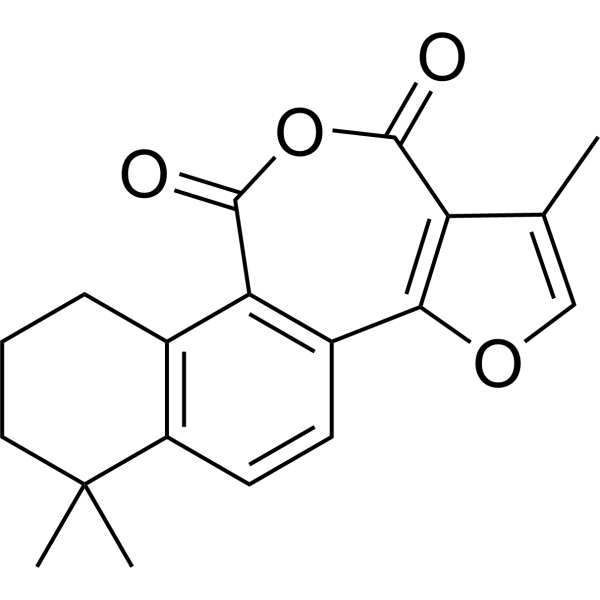
    Tanshinone IIA anhydride, present in root extracts of Salvia miltiorrhiza, acts as an inhibitor of human carboxylesterase (CE). Tanshinone IIA anhydride has a Ki value of 1.9 nM against hCE1 and a Ki value of 1.4 nM against hiCE. Tanshinone IIA anhydride forms a stable covalent complex with serine Ser221 at the active site of hCE1, blocking the catalytic cycle of carboxylesterase, and the activity of the inactivated enzyme cannot recover spontaneously. Tanshinone IIA anhydride is applicable in metabolism-related studies .
    Tanshinone IIA anhydride
  • HY-126031

    DAGL Inflammation/Immunology
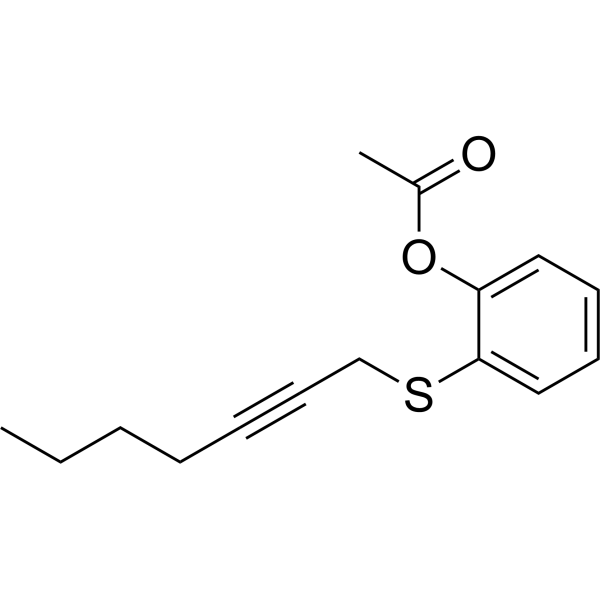
    (R)-KT109 is a peripherally restricted serine hydrolase inhibitor that cannot cross the blood-brain barrier. (R)-KT109 irreversibly inhibits ABHD6, DAGLα and DAGLβ via carbamoylation of the active-site serine. (R)-KT109 exerts selective inhibitory effects on serine hydrolases in mouse brains, with pIC50 values of 8.6, 9.1 and 8.2 against human ABHD6, DAGLα and DAGLβ, respectively. (R)-KT109 effectively reduces the levels of 2-arachidonoylglycerol, arachidonic acid, eicosanoids and TNF-α. (R)-KT109 is widely used in studies of metabolic syndrome-related diseases and neuroinflammation .
    (R)-KT109
  • HY-P5455

    LIM Kinase (LIMK) Others
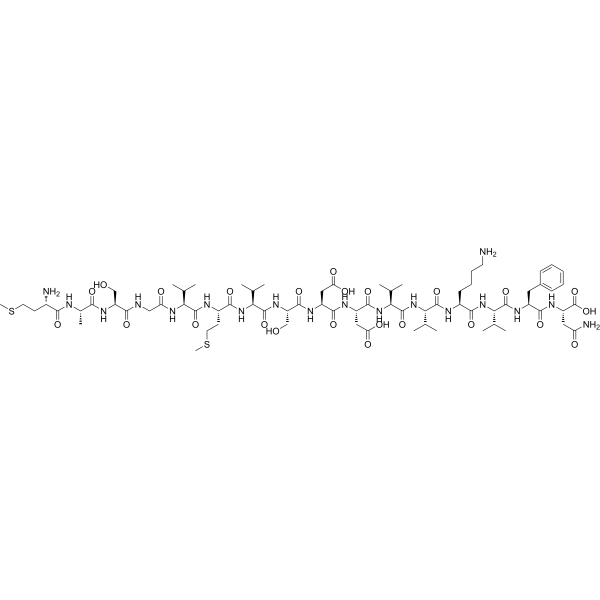
    S3 Fragment is a biological active peptide. (This peptide contains the unique amino-terminal phosphorylation site of Xenopus ADF/cofilin, the LIM kinase (LIMK) phosphorylation site. LIMK1 is a key regulator of the actin cytoskeleton through its phosphorylation of ADF/cofilin at serine-3 for inactivation. This peptide is a fragment of the S3 peptide containing the serine-3 sequence of ADF/cofilin that has been widely used as an effective competitive inhibitor of LIMK1.)
    S3 Fragment
  • HY-B1863

    Environmental Pollutants Cholinesterase (ChE) Fungal Infection
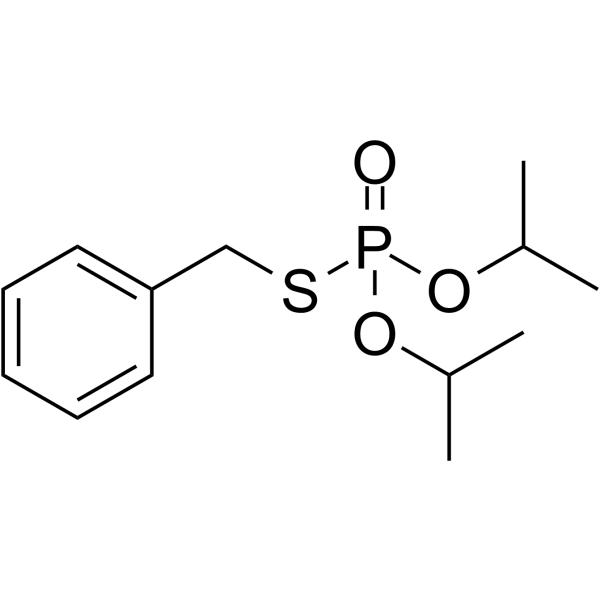
    Iprobenfos is an organophosphorus fungicide and is widely used to control the rice blast fungus. Iprobenfos can phosphorylate the -OH group on the serine residue in the active (esteratic) site of ChEs and so inhibit both AChE and BChE activity .
    Iprobenfos
  • HY-162094

    Acyltransferase Bacterial Infection
    CMX410 is an orally active and selective Mycobacterium tuberculosis Pks13 acyltransferase domain inhibitor and anti-bacterial agent. CMX410 reacts with the catalytic serine of the Pks13-AT domain to form a stable β-lactam ring, disables the enzyme’s active site, reduces trehalose monomycolate and trehalose dimycolate levels, triggers cell lysis, and reduces intracellular bacterial burden. CMX410 can be used for the research of tuberculosis .
    CMX410
  • HY-176001

    Dipeptidyl Peptidase Inflammation/Immunology Cancer
    DPP8/9-IN-1 (Compound 16) is a selective covalent inhibitor of dipeptidyl peptidases 8 and 9 (DPP8/9) with IC50 values of 14 and 298 nM, respectively. DPP8/9-IN-1 binds irreversibly to the active site serine (S730 in DPP9) via a phosphonate warhead and blocks substrate binding to inhibit DPP8/9-mediated protein processing. DPP8/9-IN-1 is promising for research of cancers and inflammatory diseases .
    DPP8/9-IN-1
  • HY-171781

    SARS-CoV Virus Protease Infection
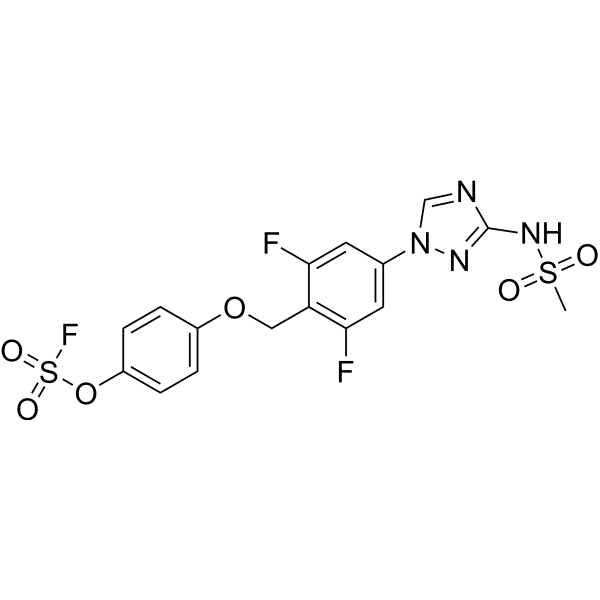
    FL-166 is a SARS coronavirus main protease (Mpro) inhibitor (Ki: 40 nM). FL-166 exerts its inhibitory effect by targeting a cluster of serine residues near the active site of the protease. FL-166 can be used in the study of SARS-CoV .
    FL-166
  • HY-B1863R

    Reference Standards Fungal Cholinesterase (ChE) Infection
    Iprobenfos (Standard) is the analytical standard of Iprobenfos (HY-B1863). This product is intended for research and analytical applications. Iprobenfos is an organophosphorus fungicide and is widely used to control the rice blast fungus. Iprobenfos can phosphorylate the -OH group on the serine residue in the active (esteratic) site of ChEs and so inhibit both AChE and BChE activity .
    Iprobenfos (Standard)
  • HY-W728451

    FAAH Cardiovascular Disease Neurological Disease
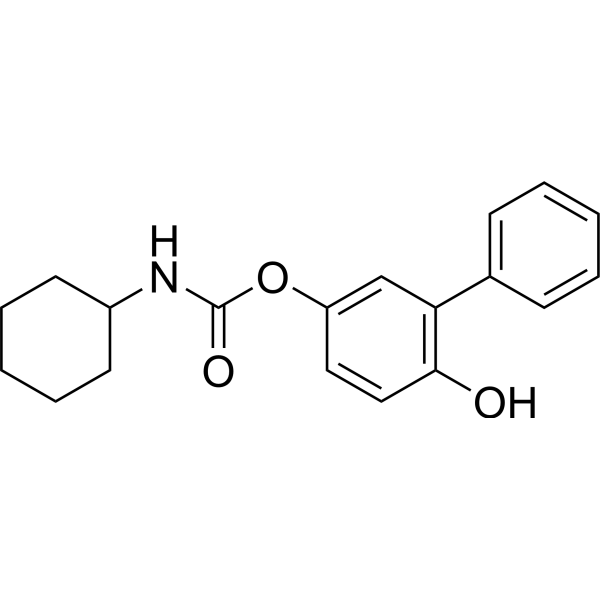
    URB694 is a carbamate FAAH inhibitor that irreversibly carbamoylate the nucleophile catalytic serine in FAAH active site. URB694 exhibits antidepressant-like activity and cardioprotective effects. URB694 can be used to prepare 11C-Carbonyl-URB694 for in vivo positron emission tomography (PET) imaging studies of the brain FAAH .
    URB694
  • HY-129284

    COX Wnt Cancer
    APHS is a specific and covalent COX-2 inhibitor with neuroprotective effects. COX-2 is a prostaglandin (PG) synthetase overexpressed in colorectal cancer (CRC) and has pleiotropic cancer-promoting effects. APHS modifies COX-2 by acetylating the active site (serine 516), thereby inhibiting prostaglandin production. The neuroprotective activity of APHS is inhibited by prostaglandin E2. APHS also co-inhibits the WNT pathway, an anti-tumor mechanism in addition to COX-2 inhibition .
    APHS
  • HY-16183A

    Echothiophate chloride

    Cholinesterase (ChE) Cardiovascular Disease
    Echothiophate (Echothiophate) chloride is a highly effective, long-lasting cholinesterase inhibitor employed as a miotic for managing glaucoma. Echothiopate chloride forms a covalent bond with the serine residue at the active site of cholinesterase through its phosphate group, rendering the enzyme permanently inactive and necessitating the synthesis of new enzymes by the cell. Given its irreversible binding to cholinesterase and the extremely slow rate of hydrolysis, the effects of echothiophate can persist for a week or longer. Echothiopate chloride is utilized as an ocular antihypertensive agent in the treatment of chronic glaucoma and, in certain cases, accommodative esotropia.
    Echothiopate chloride
  • HY-P992451

    KY1066

    Ser/Thr Protease Hepcidin Reactive Oxygen Species (ROS) Apoptosis Cardiovascular Disease
    RLYB331 (KY1066) is a is a monoclonal antibody targeting Matriptase-2 (TMPRSS6) . RLYB331 binds to the serine protease active site of matriptase-2, blocking protease activity to increase hepcidin expression. RLYB331 reduces iron overload, inhibits α-aggregates, reduces ROS, inhibits apoptosis, and enhances erythroid differentiation. RLYB331 ameliorates ineffective erythropoiesis in β-thalassemic mouse models. RLYB331 can be used for the research of β-thalassemia .
    RLYB331
  • HY-E70933

    Endogenous Metabolite Metabolic Disease
    Protease, Streptomyces griseus, exhibits broad substrate specificity. Its active site consists of one aspartic acid residue, one histidine residue, and one serine residue. Protease tends to hydrolyze the peptide bond on the carboxyl side of glutamate or aspartate.
    Protease, Streptomyces griseus
  • HY-P2974A

    Elastase Metabolic Disease
    Elastase, Rat (EC 3.4.21.35) is a form of elastase that is produced in the acinar cells of the pancreas, initially produced as an inactive zymogen and later activated in the duodenum by trypsin. Elastases form a subfamily of serine proteases, characterized by a distinctive structure consisting of two beta-barrel domains converging at the active site that hydrolyze amides and esters amongst many proteins in addition to elastin, a type of connective tissue that holds organs together.
    Elastase, Rat
  • HY-49637

    Biochemical Assay Reagents Others
    Biotin-PEG6-PO (F)-C16 is an activity-based proteomics probe .
    Biotin-PEG6-PO(F)-C16

オンラインお問い合わせ

入力情報は安全に管理されます. 必須入力項目.

タイトル


国或いは地域 *

お名前 *


組纖名 *

デパートメント *


メールアドレス *


製品名 *

製品番号


カスタマ需要量 *

電話番号 *


必ず会社名を記載ください。個人への返信は行いません。

備考

バルクお問い合わせ

Inquiry Information

製品名:
製品番号:
数量:
MCE 日本正規代理店:

