Search Result
Results for "
stearic
" in MedChemExpress (MCE) Product Catalog:
33
Biochemical Assay Reagents
21
Isotope-Labeled Compounds
| Cat. No. |
Product Name |
Target |
Research Areas |
Chemical Structure |
-
- HY-B2219
-
-
-
- HY-B1934
-
-
-
- HY-Y1054
-
|
stearic Acid Magnesium(II) Salt
|
Environmental Pollutants
Biochemical Assay Reagents
|
Others
|
|
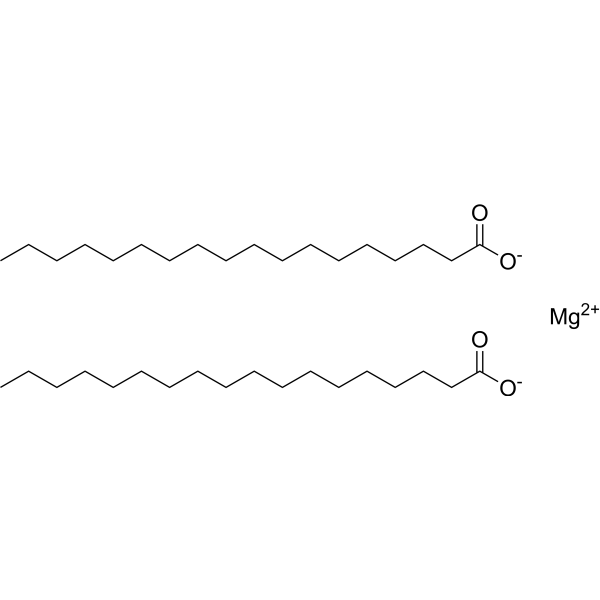
Magnesium stearate is a commonly used pharmaceutical lubricant. But Magnesium stearate leads to an adverse effect on bonding between particles. Magnesium stearate can be used as an excipient, such as lubricant. Pharmaceutical excipients, or pharmaceutical auxiliaries, refer to other chemical substances used in the pharmaceutical process other than pharmaceutical ingredients. Pharmaceutical excipients generally refer to inactive ingredients in pharmaceutical preparations, which can improve the stability, solubility and processability of pharmaceutical preparations. Pharmaceutical excipients also affect the absorption, distribution, metabolism, and elimination (ADME) processes of co-administered drugs .
|
-
-
- HY-101530C
-
|
PEG 100 stearate
|
Environmental Pollutants
Biochemical Assay Reagents
|
Others
|
|
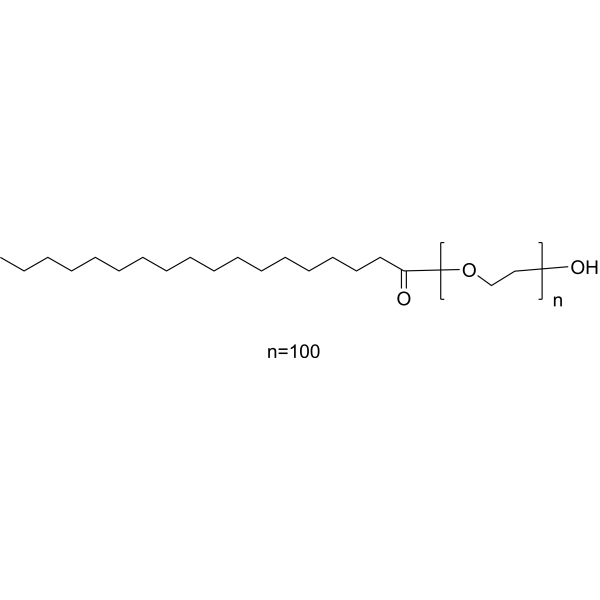
Polyoxyl 100 stearate (PEG-100 stearate) is a non-ionic surfactant formed by polyethylene glycol (PEG) and stearic acid, and it is commonly used in pharmaceutical preparations, nanocarriers, emulsification systems and cosmetic formulations .
|
-
-
- HY-127035
-
-
-
- HY-B2219S4
-
-
-
- HY-B2219S3
-
-
-
- HY-B2219S2
-
-
-
- HY-151692
-
|
|
ADC Linker
|
Others
|
|
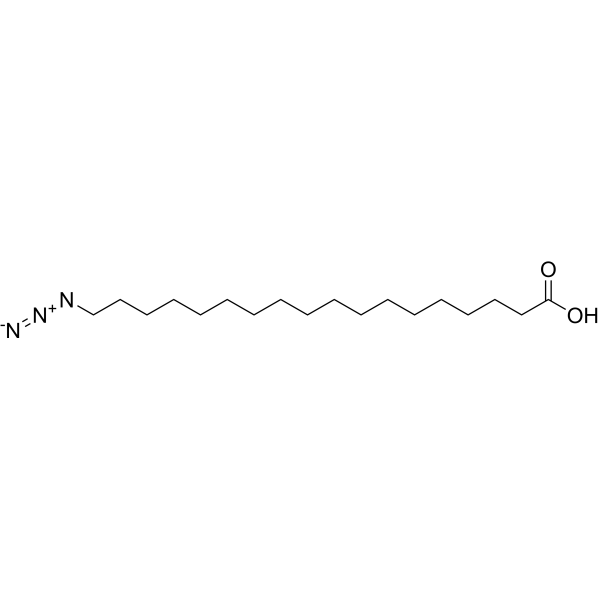
18-Azido-stearic acid is a click chemistry reagent containing an azide group. 18-Azido-stearic acid can be used as a hydrophobic bioconjugation linker (using N-Myristoyltransferase) that can be further modified at the azido-position using Click-chemistry . It contains an azide group and can undergo copper-catalyzed azide-alkyne cycloaddition (CuAAc) with molecules containing alkyne groups. It can also undergo ring strain-promoted alkyne-azide cycloaddition (SPAAC) with molecules containing DBCO or BCN groups.
|
-
-
- HY-W013809
-
|
stearic acid ethyl ester
|
Biochemical Assay Reagents
|
Others
|
|
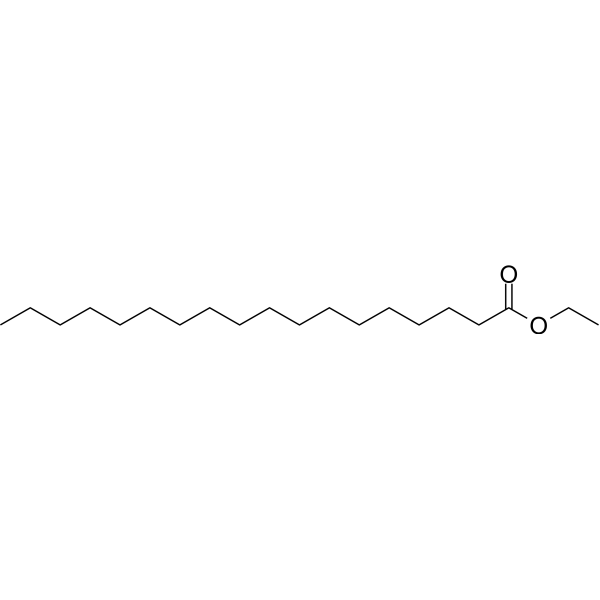
Ethyl stearate is an ester compound produced by the reaction of ethanol and stearic acid. It is commonly used as a flavoring agent in various foods such as baked goods, beverages and desserts. Ethyl stearate is also used as a fragrance ingredient in the manufacture of perfume, cologne and personal care products. Additionally, it has applications in industrial settings such as the production of lubricants and plasticizers.
|
-
-
- HY-W019833
-
|
PC(14:0/18:0); 1-Myristoyl-2-stearoyl-sn-glycero-3-phosphocholine
|
Endogenous Metabolite
|
Metabolic Disease
|
|
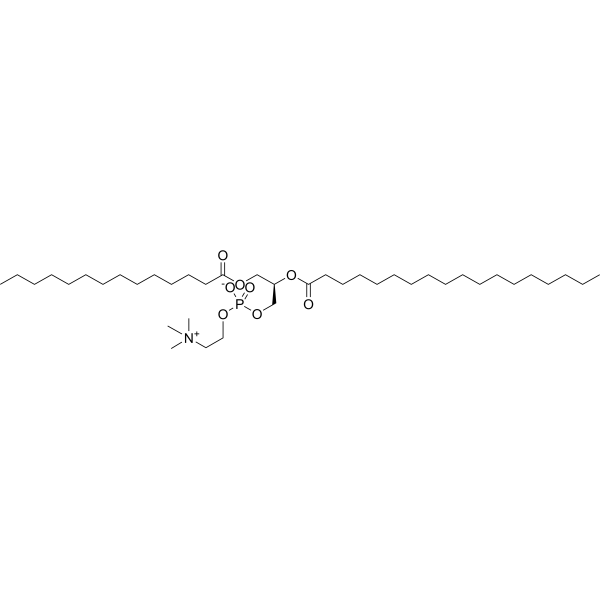
MSPC is an asymmetrical phosphatidylcholine containing a myristic acid (14:0) at the sn-1 position and a stearic acid (18:0) at the sn-2 position. It can self assemble in water to form lipid bilayers. Reagent grade, for research purpose.
|
-
-
- HY-W250971
-
|
16-DSA (Free radical)
|
Biochemical Assay Reagents
|
Others
|
|
16-Doxylstearic acid (16-DSA) (Free radical) is a form of stearic acid containing a 4,4-dimethyl-3-oxazolidinyloxy (DOXYL) group that forms a hydrophobic spin label. 16-Doxylstearic acid is often used to study on membrane fluidity .
|
-

-
- HY-W440986
-
|
DSPS sodium
|
Liposome
|
Others
|
|
Distearoylphosphatidylserine sodium is an anionic phospholipid with stearic acid tails (18:0) and contains a carboxylic acid (COOH) and amine (NH2) in their head group. It has been used in the preparation of lipid-mixing vesicles, liposome, or artificial membrane. Due to the medium size of fatty acid chain, DLPS is used to form thinner membranes/walls.
|
-

-
- HY-B2219R
-
-
-
- HY-B2219S9
-
|
|
Endogenous Metabolite
|
Cancer
|
|
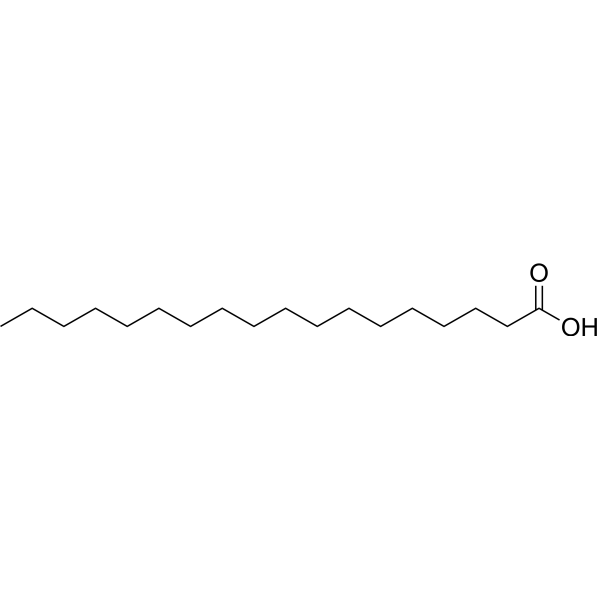
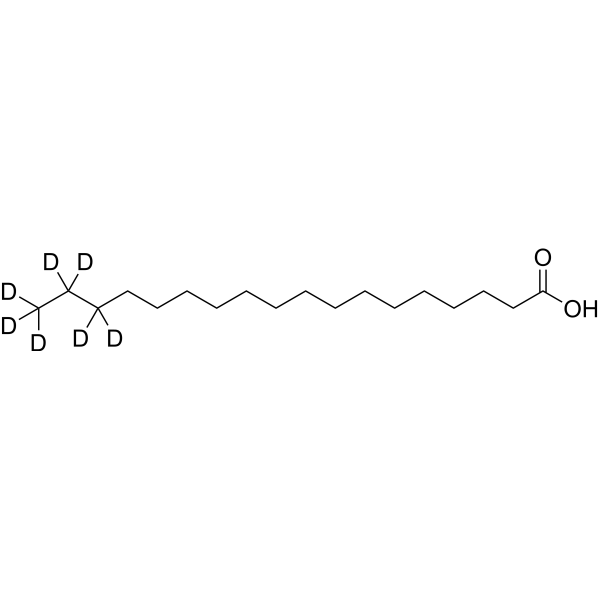
Stearic acid-d7 is the deuterium labeled Stearic acid. Stearic acid is a long chain dietary saturated fatty acid which exists in many animal and vegetable fats and oils.
|
-
-
- HY-W010695
-
|
|
Biochemical Assay Reagents
|
Others
|
|
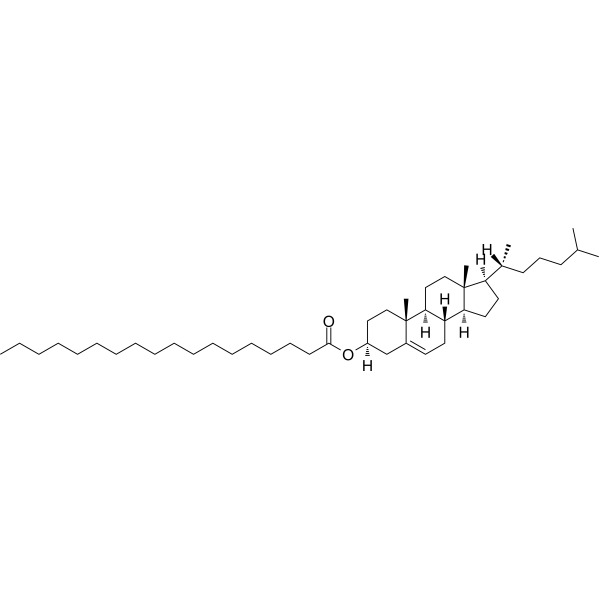
Cholesteryl stearate is a compound belonging to the class of esters. It is a cholesterol ester commonly found in animal and plant sources. Cholesteryl stearate consists of two naturally occurring substances, cholesteryl alcohol and stearic acid. The combination of the two creates a stable compound that is commonly used in a variety of industrial and biomedical applications. Cholesteryl stearate is commonly used as a lubricant, thickener and emollient in cosmetic formulations such as lotions and creams. It is also used to produce certain types of polymers and plastics.
|
-
-
- HY-W011187
-
-

-
- HY-Y1039
-
|
1-Monostearin; 2,3-Dihydroxypropyl stearate
|
Environmental Pollutants
Biochemical Assay Reagents
|
Others
|
|
Stearic acid 1-monoglyceride is an ester composed of stearic acid and glycerin, commonly known as glyceryl monostearate. 1-Monoglyceride stearate has unique chemical properties that make it an important ingredient in a variety of industrial processes, including food production, cosmetics, and pharmaceuticals. It acts as an emulsifier, stabilizer and thickener in these products, enhancing their texture and shelf life.
|
-

-
- HY-127035S
-
-
-
- HY-W440981
-
|
1-Stearoyl-2-palmitoyl-sn-glycero-3-phosphocholine
|
Liposome
|
Cancer
|
|
SPPC is a phospholipid with different length of fatty acid. The sn-1 position contains a stearic acid (18:0) while the sn-2 position is occupied by a palmitic acid (16:0).
|
-

-
- HY-W704966
-
-

-
- HY-W583869
-
|
1-Stearoyl-2-Oleoyl-sn-glycero-3-PE; 18:0-18:1 PE; PE(18:0/18:1)
|
Liposome
|
Metabolic Disease
|
|
1-Stearoyl-2-oleoyl-sn-glycerol-3-phosphoethanolamine is a phospholipids that contains stearic acid and oleic acid at the sn-1 and sn-2 positions, respectively. It has been used in the generation of lipid nanoparticles (LNPs) for in vitro delivery of mRNA or nuclear-targeted plasmid DNA.
|
-

-
- HY-W099570
-
|
|
Environmental Pollutants
Biochemical Assay Reagents
|
Others
|
|
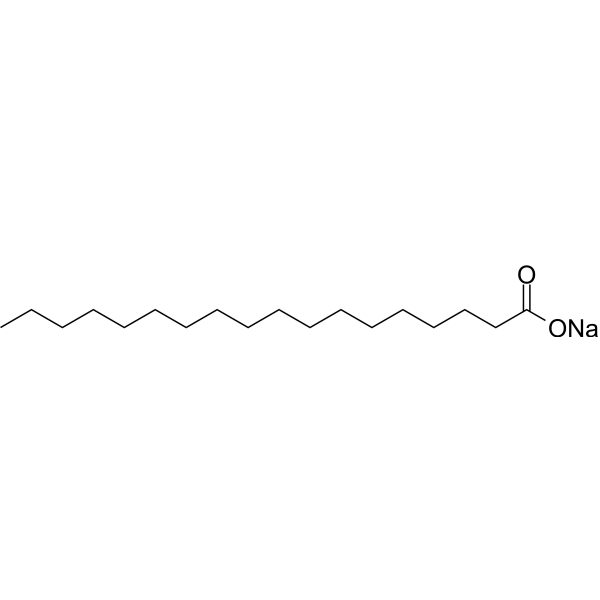
Stearate sodiumIt is an organic compound belonging to fatty acids. It is the sodium salt of stearic acid, a saturated fatty acid commonly found in various animal and vegetable fats. Stearate sodiumCommonly used as surfactants, emulsifiers and detergents, it is widely used in the cosmetics, personal care and detergent industries. It's found in a variety of products, including soaps, shampoos, toothpaste, and laundry detergent. Also, it has applications in the food industry where it is used as a food additive to improve texture and shelf life.
|
-
-
- HY-B2219S6
-
-
-
- HY-B2219S7
-
-
-
- HY-166979
-
|
|
Biochemical Assay Reagents
|
Others
|
|
Stearic acid-mPEG2000 is a PEG lipid that can improve the delivery efficiency and tissue specificity of poorly soluble drugs. Stearic acid-mPEG2000 can be used in drug delivery research .
|
-

-
- HY-W127547
-
|
|
Biochemical Assay Reagents
|
Others
|
|
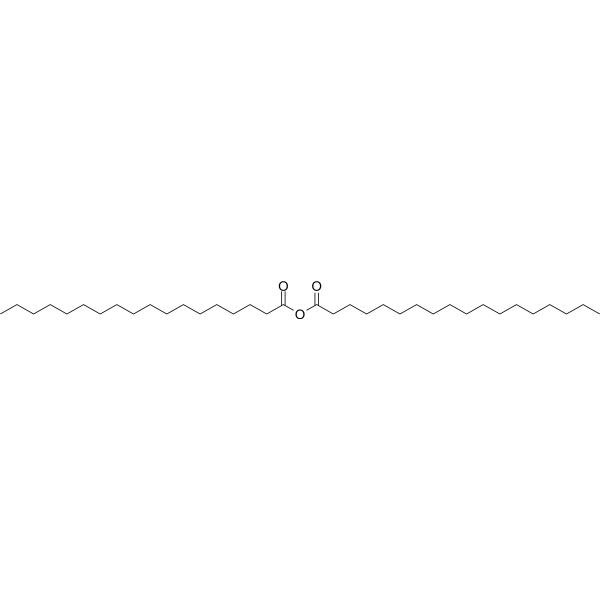
Stearic anhydride is a biochemical reagent that can be used as a biological material or organic compound for life science related research.
|
-
-
- HY-W440939
-
|
|
Liposome
|
Others
|
|
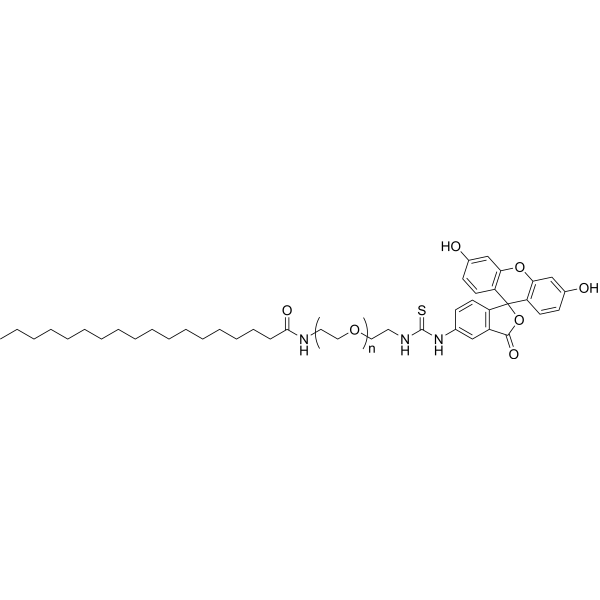
Stearic acid-PEG3400-FITC is a PEG lipid which forms micelles in water and can be used for drug delivery applications. The FITC fluorescent can be easily traced by miscroscopy. FITC is a green dye with peak absorption at 494 nm and maximum emission at 520 nm and can be used for staining biological samples or nanoparticles. FITC can be easily traced by fluorescence microscopy.
|
-
-
- HY-W099571
-
|
stearic acid lithium; Lithium octadecanoate
|
Environmental Pollutants
Biochemical Assay Reagents
|
Others
|
|
Lithium stearate (Stearic acid (lithium)) is a compound that forms vesicles in reaction with silver nitrate, thereby changing the reaction kinetics of the nucleation and self-assembly process of silver stearate. It has the activity that even in the presence of excess silver nitrate, only about 80% can be converted into silver stearate and the residual lithium stearate will inhibit the growth process of silver stearate crystals, thereby producing silver stearate crystals that are much smaller than those obtained from sodium stearate, providing an opportunity to further control the self-assembly and crystal growth of silver stearate.
|
-

-
- HY-W051298
-
|
stearic diglyceride
|
Biochemical Assay Reagents
|
Metabolic Disease
|
|
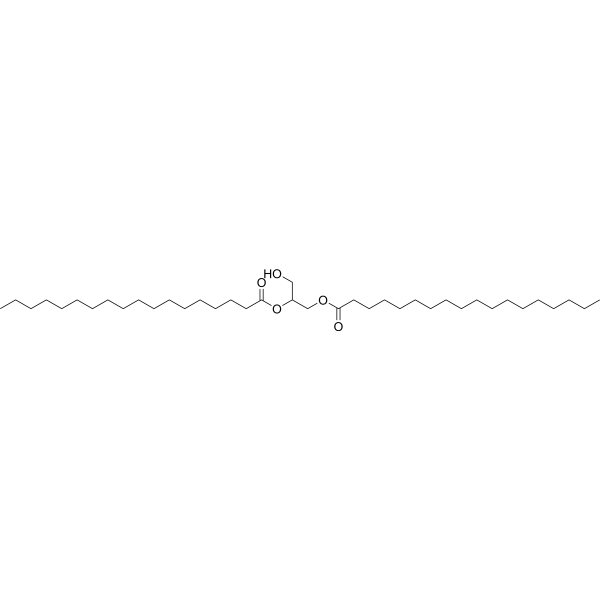
Distearin is a diacylglycerol containing stearic acid at two positions. Stearic acid is a long chain dietary saturated fatty acid which exists in many animal and vegetable fats and oils .
|
-
-
- HY-131309
-
|
12-DSA
|
Endogenous Metabolite
|
Metabolic Disease
|
|
12-Doxyl stearic acid is a form of stearic acid that contains a 4,4-dimethyl-3-oxazolinyloxy (DOXYL) group, creating a hydrophobic spin label. It is commonly used to study molecular aspects of membranes and hydrophobic proteins.
|
-

-
- HY-116133
-
-

-
- HY-W440958
-
|
PSPC; PC(16:0-18:0)
|
Liposome
|
Cancer
|
|
1-Palmitoyl-2-stearoyl-sn-glycero-3-phosphocholine is an assymetrical phospholipid containing saturated palmitic and stearic acid at the sn-1 and sn-2 position respectively. The phosphate group is attached to choline.
|
-

-
- HY-B2219S
-
-
-
- HY-W415007
-
-

-
- HY-W440927
-
|
|
Liposome
|
Others
|
|
Stearic acid-PEG2000-NHS is an amphiphatic PEG polymer which forms micelles in an aqueous solution for drug-loaded nanoparticles. The NHS ester is reactive with amine to form a stable amide bond. Reagent grade, for research purpose.
|
-

-
- HY-W013809R
-
|
stearic acid ethyl ester (Standard)
|
Biochemical Assay Reagents
Reference Standards
|
Others
|
|
Ethyl stearate (Standard) is the analytical standard of Ethyl stearate. This product is intended for research and analytical applications. Ethyl stearate is an ester compound produced by the reaction of ethanol and stearic acid. It is commonly used as a flavoring agent in various foods such as baked goods, beverages and desserts. Ethyl stearate is also used as a fragrance ingredient in the manufacture of perfume, cologne and personal care products. Additionally, it has applications in industrial settings such as the production of lubricants and plasticizers.
|
-

-
- HY-W127503
-
|
stearic Acid Lauryl Ester
|
Biochemical Assay Reagents
|
Others
|
|
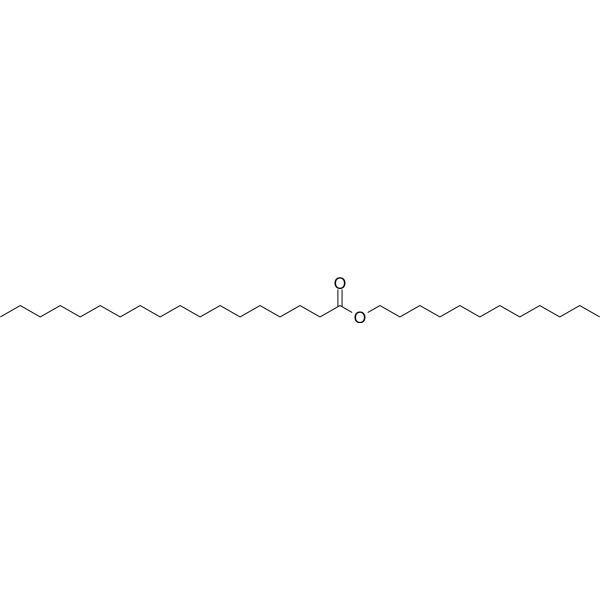
Dodecyl Stearate is a biochemical reagent that can be used as a biological material or organic compound for life science related research.
|
-
-
- HY-W127417
-
|
stearic acid behenyl ester
|
Biochemical Assay Reagents
|
Others
|
|
Behenyl stearate is a biochemical reagent that can be used as a biological material or organic compound for life science related research.
|
-

-
- HY-Y1054R
-
|
stearic Acid Magnesium(II) Salt (Standard)
|
Biochemical Assay Reagents
Reference Standards
|
Others
|
|
Magnesium stearate (Standard) is the analytical standard of Magnesium stearate. This product is intended for research and analytical applications. Magnesium stearate is a commonly used pharmaceutical lubricant. But Magnesium stearate leads to an adverse effect on bonding between particles. Magnesium stearate can be used as an excipient, such as lubricant. Pharmaceutical excipients, or pharmaceutical auxiliaries, refer to other chemical substances used in the pharmaceutical process other than pharmaceutical ingredients. Pharmaceutical excipients generally refer to inactive ingredients in pharmaceutical preparations, which can improve the stability, solubility and processability of pharmaceutical preparations. Pharmaceutical excipients also affect the absorption, distribution, metabolism, and elimination (ADME) processes of co-administered drugs .
|
-

-
- HY-W343736
-
|
1,3-DPPE; 1,3-Dipalmitoyl-sn-glycero-2-PE
|
Liposome
|
Cancer
|
|
1,3-Dipalmitoyl-glycero-2-phosphoethanolamine is a phospholipid containing the saturated long-chain (16:0) stearic acid inserted at the sn-1 and sn-3 positions and PE at the sn-2 site. It can be used in the generation of micelles, liposomes, and other types of artificial membranes.
|
-

-
- HY-B2219S1
-
-
-
- HY-W850170
-
-

-
- HY-W440945
-
|
|
Liposome
|
Others
|
|
Stearic acid-PEG2000-amine is an amphiphilic PEG polymer which forms micelles in an aqueous solution. The terminal amine can react with an NHS ester to form a stable amide linkage. The aliphatic chain of stearic acid can be used to encapsulate or congregate hydrophobic therapeutic agents while the PEG chain enhances overall solubility of the polymer. Reagent grade, for research use only.
|
-

-
- HY-W440926
-
|
|
Liposome
|
Others
|
|
Stearic acid-PEG1000-NHS is a cyclooctyne containing phospholipid PEG polymer. The polymer can self-assemble spontaneously in water to form micelles/lipid bilayer. It can be used to prepare nanoparticles or liposomes as drug carrier in targeted drug delivery system. The DBCO can react with azide molecule via copper free click chemistry to form a stable triazole bond.
|
-

-
- HY-B1934R
-
|
stearic acid methyl ester (Standard)
|
Reference Standards
Parasite
|
Others
|
|
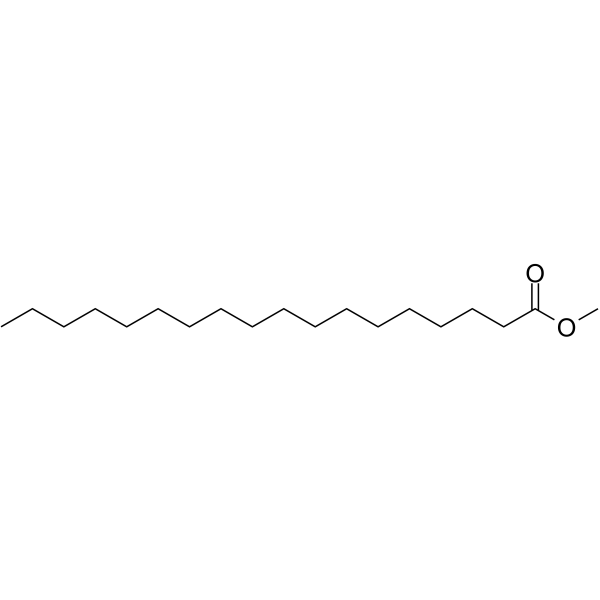
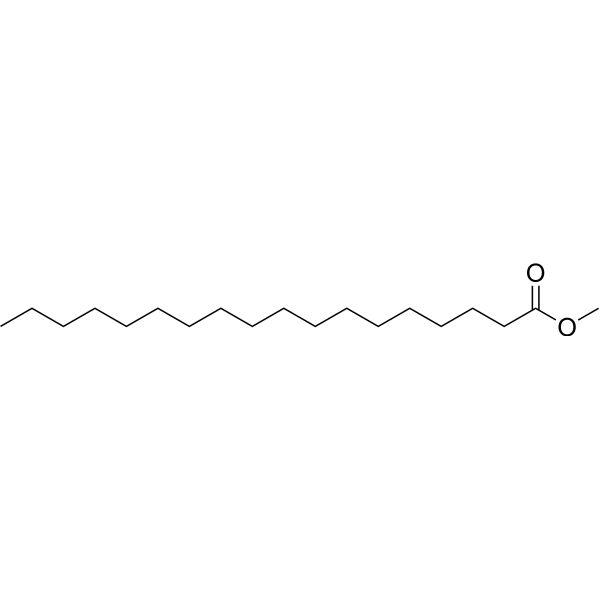
Methyl stearate (Standard) is the analytical standard of Methyl stearate. This product is intended for research and analytical applications. Methyl stearate, isolated from Rheum palmatum L. is a compopent of of soybean and rapeseed biodiesels .
|
-
-
- HY-D2857
-
|
|
Fluorescent Dye
|
Metabolic Disease
|
|
NBD-Stearic acid is a stearic acid labeled with a nitrobenzoxadiazole (NBD) fluorophore. NBD-Stearic acid can be used as a probe for fatty acid uptake or the the ligand binding sites of fatty acid and sterol carrier proteins (FABP)
|
-

-
- HY-W127437
-
|
Octadecanoic acid, octadecyl ester
|
Biochemical Assay Reagents
|
Others
|
|
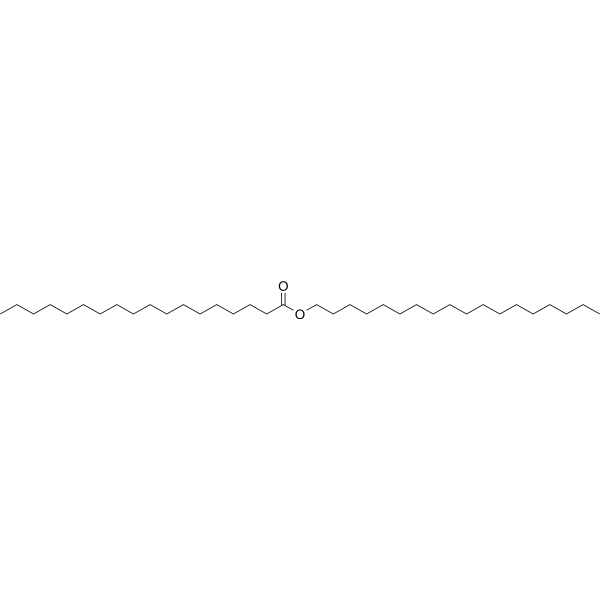
Stearyl StearateIt is an organic compound belonging to esters. It is formed from the reaction between stearyl alcohol and stearic acid and has a mild fatty odor. Stearyl stearate has several applications in the cosmetic and personal care industries, especially as an emollient and conditioning agent in skin and hair care products. Additionally, it is used as a lubricant and surfactant in industrial settings.
|
-
-
- HY-145506
-
|
18:0 Lyso PG sodium
|
Liposome
|
Metabolic Disease
|
|
1-Stearoyl-2-hydroxy-sn-glycero-3-phospho-(1'-rac-glycerol) (18:0 Lyso PE) sodium is a lysophospholipid containing stearic acid (18:0) at the sn-1 position. It can be used in the generation of micelles, liposomes, and other types of artificial membranes, including lipid-based drug carrier systems.
|
-

-
- HY-W710399
-
|
DG(16:0/0:0/18:0); 1-Palmitin-3-Stearin
|
Endogenous Metabolite
|
Metabolic Disease
|
|
1-Palmitoyl-3-stearoyl-rac-glycerol is a diacylglycerol that contains palmitic acid (HY-N0830) at the sn-1 position and stearic acid (HY-B2219) at the sn-3 position. It has been found in palm-based diacylglycerols produced from palm stearin, palm mid fraction, palm oil, and palm olein, as well as in wheat bran and brewer’s spent grain extracts.
|
-

- HY-B2219S8
-
-
- HY-B2219S5
-
|
|
Endogenous Metabolite
|
Metabolic Disease
Cancer
|
|
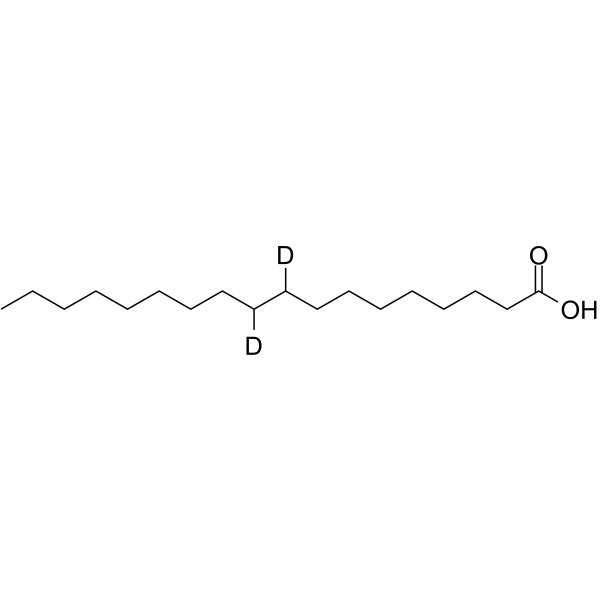
Stearic acid-9,10-d2 is the deuterium labeled Stearic acid. Stearic acid is a long chain dietary saturated fatty acid which exists in many animal and vegetable fats and oils.
|
-
- HY-166058
-
|
stearic acid, heptadecyl ester; 1-Heptadecanol, stearate
|
Drug Derivative
|
Metabolic Disease
|
|
Heptadecanyl stearate (Stearic acid, heptadecyl ester) is an ester product.
|
-

- HY-127052
-
-

- HY-157730
-
-
- HY-127035R
-
|
Glycerol tristearate (Standard)
|
Endogenous Metabolite
Reference Standards
|
Others
|
|
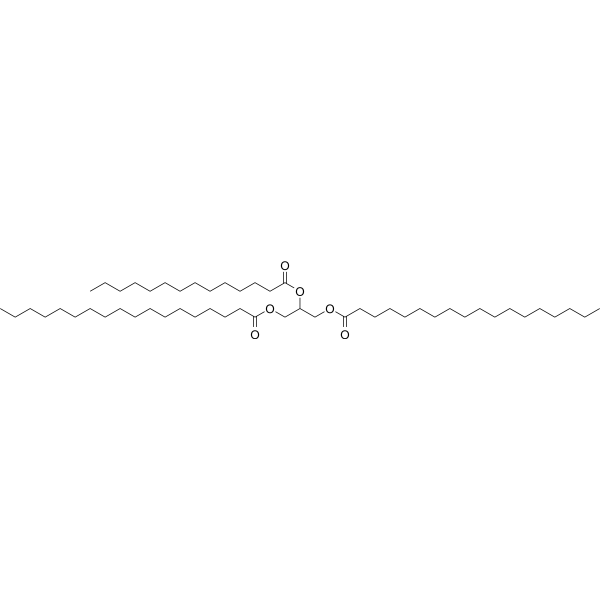
Tristearin (Standard) is the analytical standard of Tristearin. This product is intended for research and analytical applications. Tristearin is a triglyceride derived from three units of stearic acid .
|
-

- HY-W440953
-
|
|
Biochemical Assay Reagents
|
Others
|
|
Stearic acid-PEG1000-CH2CO2H is an amphiphilic PEG polymer which forms micelles in an aqueous solution. The aliphatic chain of stearic acid can be used to encapsulate or congregate hydrophobic therapeutic agents while the PEG chain enhances overall solubility of the polymer.
|
-

- HY-W440952
-
|
|
Biochemical Assay Reagents
|
Others
|
|
Stearic acid-PEG5000-Mal enables surface modification of various substrate through reaction between hydroxyl and ethoxyl silane. The polymer can be used for click chemistry with alkyne containing molecule.
|
-

- HY-W440950
-
|
|
Liposome
|
Others
|
|
Stearic acid-PEG2000-Mal enables surface modification of various substrate through reaction between hydroxyl and ethoxyl silane. The polymer can be used for click chemistry with alkyne containing molecule.
|
-

- HY-W440928
-
|
|
Liposome
|
Others
|
|
Stearic acid-PEG3400-NHS is a phospholipid polyPEG which can self-assemble in water to form lipid bilayer. The polymer can be used to prepare liposomes as drug carrier to deliver nutrients/therpeutic agents, such as mRNA or DNA.
|
-

- HY-W440934
-
|
|
Liposome
|
Others
|
|
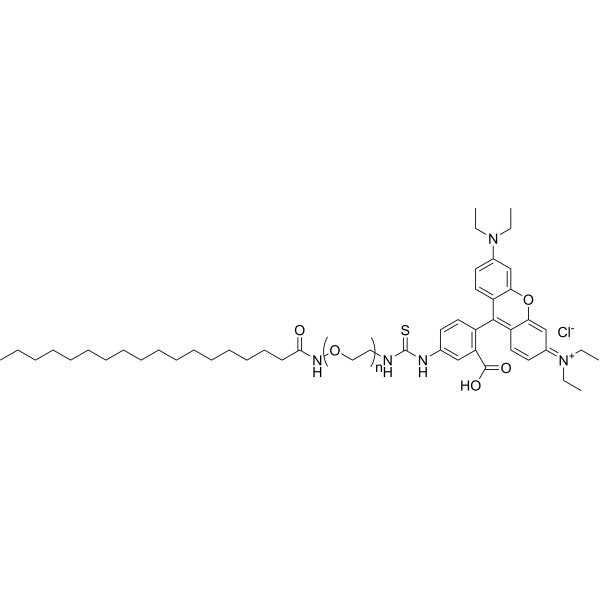
Stearic acid-PEG2000-Rhodamine is an amphiphilic PEG polymer which can form micelles in water. The rhodamine can be used for staining sample and easily traced by fluorescence microscopy. Rhodamine has maximum absorption at 570 nm and emission around 595 nm.
|
-
- HY-W440954
-
|
|
Liposome
|
Others
|
|
Stearic acid-PEG2000-CH2CO2H is a heterobifunctional polyPEG with 18-carbon aliphatic chain and carboxyl. The polymer has stearic acid as the hydrophobic tail and PEG as the hydrophilic chain, therefore it forms micelles in water. Carboxyl can react with amine in the presence of activator, such as HATU/EDC to generate a stable amide bond. Reagent grade, for research use only.
|
-

- HY-W440935
-
|
|
Liposome
|
Others
|
|
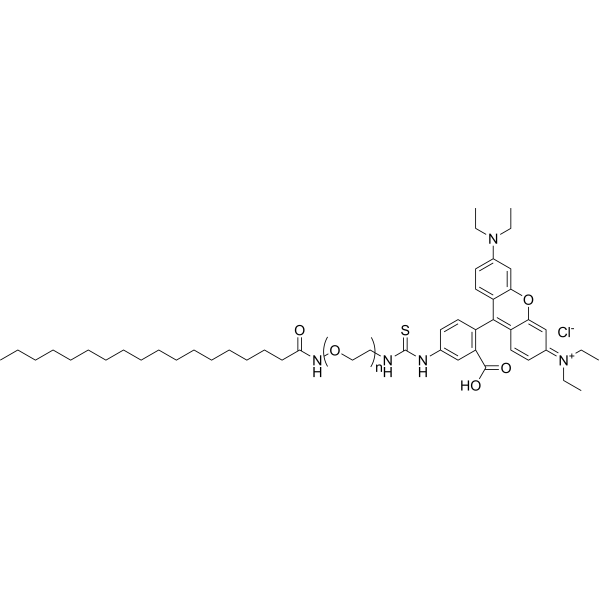
Stearic acid-PEG3400-Rhodamine is a fatty acid containing PEG polymer which can self assemble in an aqueous solution to form micelles. The polymer can be used to prepare nanoparticles for drug encapsulation. The red dye rhodamine can be easily traced by fluorescence microscopy. Rhodamine has maximum absorption at 570 nm and emission around 595 nm.
|
-
- HY-W440936
-
|
|
Liposome
|
Others
|
|
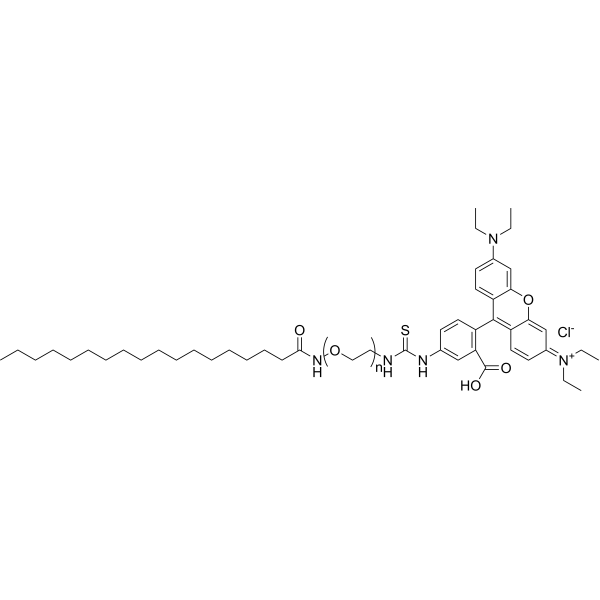
Stearic acid-PEG5000-Rhodamine is a fatty acid containing PEG polymer which can self assemble in an aqueous solution to form micelles. The polymer can be used to prepare nanoparticles for drug encapsulation. The red dye rhodamine can be easily traced by fluorescence microscopy. Rhodamine has maximum absorption at 570 nm and emission around 595 nm.
|
-
- HY-W440938
-
|
|
Liposome
|
Others
|
|
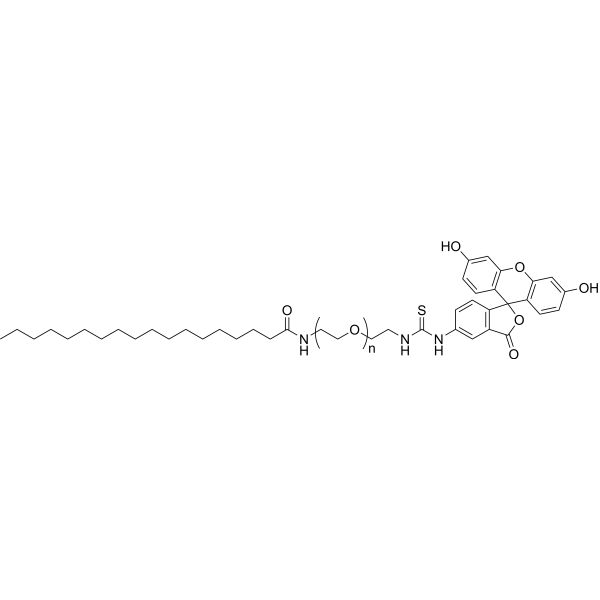
Stearic acid-PEG2000-FITC is an amphiphatic polyPEG which can self assemble to form micelles in water. The polymer can be used to encapsulate therapeutic agent. FITC is a green dye with peak absorption at 494 nm and maximum emission at 520 nm and can be used for staining biological samples or nanoparticles. FITC can be easily traced by fluorescence microscopy.
|
-
- HY-W440940
-
|
|
Liposome
|
Others
|
|
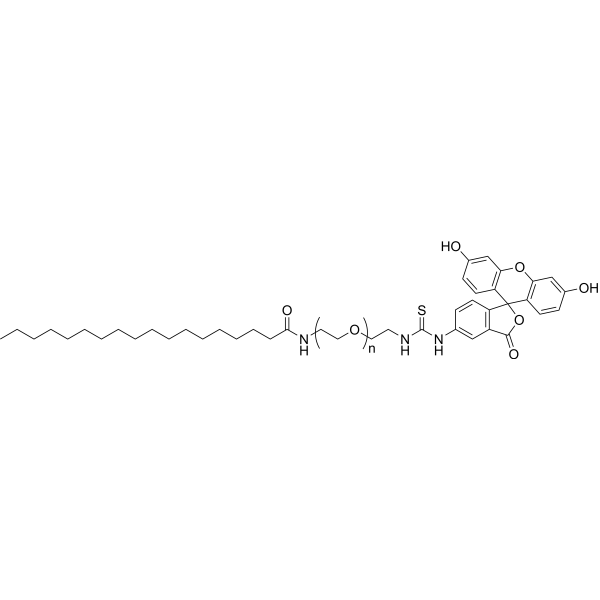
Stearic acid-PEG5000-FITC is a PEG lipid which forms micelles in water and can be used for drug delivery applications. The FITC fluorescent can be easily traced by miscroscopy. FITC is a green dye with peak absorption at 494 nm and maximum emission at 520 nm and can be used for staining biological samples or nanoparticles. FITC can be easily traced by fluorescence microscopy.
|
-
- HY-133621
-
|
|
Biochemical Assay Reagents
|
Cancer
|
|
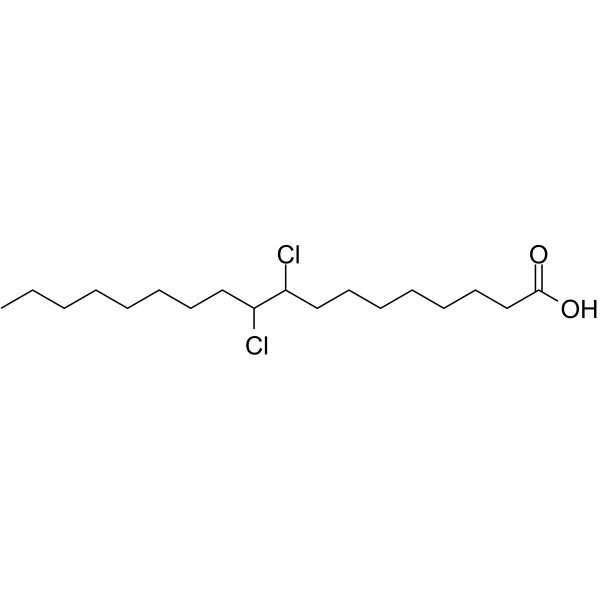
9,10-Dichlorostearic acid is a chlorinated stearic acid with antimutagenic properties. 9,10-Dichlorostearic acid can cause membrane damage by inducing leakage of adenosine triphosphate (ATP) from mammalian tumour cells in vitro .
|
-
- HY-A0241R
-
|
RP54476 (Standard)
|
Reference Standards
Bacterial
Antibiotic
|
Infection
|
|
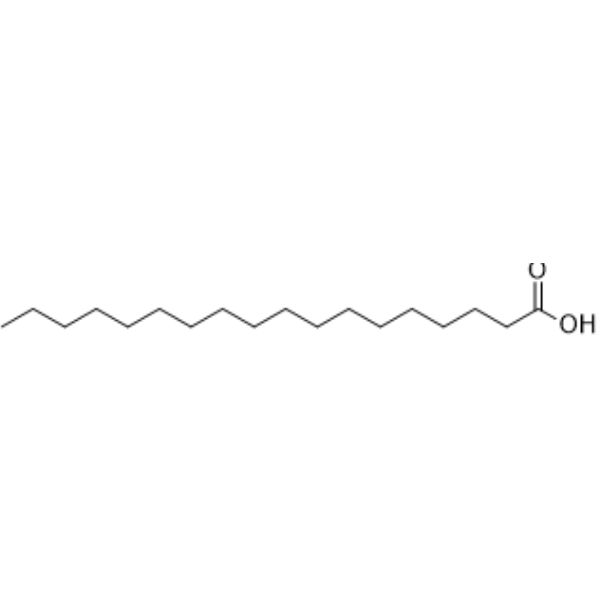
Stearic acid (Standard) is the analytical standard of Stearic acid. This product is intended for research and analytical applications. Stearic acid is a long-chain dietary saturated fatty acid that can significantly reduce visceral fat by inducing apoptosis of preadipocytes. Stearic acid can be used in the study of cardiovascular and metabolic diseases .
|
-

- HY-127035S2
-
-
- HY-127035S4
-
-
- HY-127035S3
-
-
- HY-W099565
-
-

- HY-170622
-
-

- HY-127035S1
-
-

- HY-W777866
-
|
|
Biochemical Assay Reagents
|
Others
|
|
(Rac)-1-Linoleoyl-2-stearoyl-3-chloropropanediol is a diacylglycerol that contains Linoleic acid at the sn-1 position and stearic acid group at the sn-2 position. The chlorine is a good leaving group and can undergo substitution reactions.
|
-

- HY-W710380
-
|
1,2-Stearin-3-Olein; TG(18:0/18:0/18:1)
|
Endogenous Metabolite
|
Metabolic Disease
|
|
1,2-Distearoyl-3-oleoyl-rac-glycerol is a triacylglycerol that contains stearic acid (HY-B2219) at the sn-1 and sn-2 positions and oleic acid (HY-N1446) at the sn-3 position. It has been found in cocoa butter and vegetable oils.
|
-

- HY-170634
-
|
|
Biochemical Assay Reagents
|
Metabolic Disease
|
|
1-Stearoyl-2-linoleoyl-3-oleoyl-rac-glycerol is a triacylglycerol that contains Stearic acid (HY-B2219), Linoleic acid (HY-N0729), and Oleic acid (HY-N1446) at the sn-1, sn-2, and sn--3 positions, respectively.
|
-

- HY-W704603
-
|
1,2-Olein-3-Stearin; TG(18:1/18:1/18:0)
|
Endogenous Metabolite
|
Metabolic Disease
|
|
1,2-Dioleoyl-3-stearoyl-rac-glycerol is a triacylglycerol that contains oleic acid (HY-N1446) at the sn-1 and sn-2 positions and stearic acid (HY-B2219) at the sn-3 position. It has been found in sunflower, corn, and soybean oils, as well as ostrich oil.
|
-

- HY-170458
-
|
1-Stearoyl-2-linoleoyl-sn-glycero-3-phospho-(1'-rac-glycerol) sodium
|
Biochemical Assay Reagents
|
Others
|
|
18:0-18:2 PG (1-Stearoyl-2-linoleoyl-sn-glycero-3-phospho-(1'-rac-glycerol)) sodium is a glycerophospholipid contains Stearic acid (HY-B2219), Linolenic acid (HY-N0728) and phospho-rac-(1-glycerol) .
|
-

- HY-W706672
-
|
Glycerol Tritricosanoate; TG(23:0/23:0/23:0); Tritricosanoin
|
Endogenous Metabolite
|
Metabolic Disease
|
|
1,2,3-Tritricosanoyl glycerol is a triacylglycerol that contains tricosanoic acid (HY-W009081) at the sn-1, sn-2, and sn-3 positions. It has been used as an internal standard for the quantification of fatty acids in the triglyceride component of human aortic endothelial cells (HAECs) grown in media supplemented with stearic and/or oleic acid.
|
-

- HY-180009
-
-

- HY-W440930
-
|
|
Biochemical Assay Reagents
|
Others
|
|
Stearic acid-mPEG1000 is a PEG lipid that can improve the delivery efficiency and tissue specificity of poorly soluble drugs. Stearic acid-mPEG1000 can be used in drug delivery research .
|
-

- HY-W440932
-
|
|
Biochemical Assay Reagents
|
Others
|
|
Stearic acid-mPEG5000 is a PEG lipid that can improve the delivery efficiency and tissue specificity of poorly soluble drugs. Stearic acid-mPEG5000 can be used in drug delivery research .
|
-

- HY-W440956
-
|
|
Biochemical Assay Reagents
|
Others
|
|
Stearic acid-PEG5000-CH2CO2H is an amphiphilic PEG polymer which forms micelles in an aqueous solution. The aliphatic chain of stearic acid can be used to encapsulate or congregate hydrophobic therapeutic agents while the PEG chain enhances overall solubility of the polymer.
|
-

- HY-W440955
-
|
|
Biochemical Assay Reagents
|
Others
|
|
Stearic acid-PEG3400-CH2CO2H is an amphiphilic PEG polymer which forms micelles in an aqueous solution. The aliphatic chain of stearic acid can be used to encapsulate or congregate hydrophobic therapeutic agents while the PEG chain enhances overall solubility of the polymer.
|
-

- HY-W440949
-
|
|
Biochemical Assay Reagents
|
Others
|
|
Stearic acid-PEG1000-Mal enables surface modification of various substrate through reaction between hydroxyl and ethoxyl silane. The polymer can be used for click chemistry with alkyne containing molecule.
|
-

- HY-W440951
-
|
|
Biochemical Assay Reagents
|
Others
|
|
Stearic acid-PEG3400-Mal enables surface modification of various substrate through reaction between hydroxyl and ethoxyl silane. The polymer can be used for click chemistry with alkyne containing molecule.
|
-

- HY-175111
-
|
|
Liposome
|
Others
|
|
1-Stearoyl-2-17(S)-HDoTE-sn-glycero-3-PC is a phospholipid that contains stearic acid (HY-B2219) and the oxidized adrenic acid metabolite 17(S)-HDoTE (HY-168774) at the sn-1 and sn-2 positions, respectively .
|
-

- HY-D3011
-
|
2-(9-Anthroyloxy)stearic acid
|
Fluorescent Dye
|
Others
|
|
2-AS is a fluorescent probe and can monitor the microenvironment and dynamic changes of biofilms .
|
-

- HY-W780175
-
-

- HY-Y1039R
-
|
1-Monostearin (Standard); 2,3-Dihydroxypropyl stearate (Standard)
|
Biochemical Assay Reagents
Reference Standards
|
Others
|
|
1-Stearoyl-rac-glycerol (Standard) is the analytical standard of 1-Stearoyl-rac-glycerol. This product is intended for research and analytical applications. Stearic acid 1-monoglyceride is an ester composed of stearic acid and glycerin, commonly known as glyceryl monostearate. 1-Monoglyceride stearate has unique chemical properties that make it an important ingredient in a variety of industrial processes, including food production, cosmetics, and pharmaceuticals. It acts as an emulsifier, stabilizer and thickener in these products, enhancing their texture and shelf life.
|
-

- HY-170467
-
-

- HY-165107
-
|
1,2-Caprylin-3-stearin; 1,2-Octanoin-3-stearin; TG(8:0/8:0/18:0)
|
Others
|
Others
|
|
1,2-Dioctanoyl-3-stearoyl-rac-glycerol is a triacylglycerol that contains octanoic acid at the sn-1 and sn-2 positions and stearic acid at the sn-3 position. It has been found in French butterfat.
|
-

- HY-170465
-
|
TG(18:0/18:0/4:0); 1,2-Distearoyl-3-butyryl-rac-glycerol
|
Biochemical Assay Reagents
|
Cancer
|
|
1,2-Distearoyl-3-butyryl-glycerol (TG(18:0/18:0/4:0)) is a is a triacylglycerol that contains Stearic acid (HY-B2219) and Butyric acid (HY-B0350) .
|
-

- HY-170633
-
|
|
Biochemical Assay Reagents
|
Metabolic Disease
|
|
1,2-Dielaidoyl-3-stearoyl-rac-glycerol is a triacylglycerol that contains Elaidic acid (HY-113016) at the sn-1 and sn-2 positions and Stearic acid (HY-B2219) at the sn-3 position.
|
-

- HY-170680
-
|
|
Biochemical Assay Reagents
|
Metabolic Disease
|
|
1,2-Dilinoleoyl-3-stearoyl-rac-glycerol is a triacylglycerol that contains Linoleic acid (HY-N0729) at the sn-1 and sn-2 positions and Stearic acid (HY-B2219) at the sn-3 position.
|
-

- HY-168390
-
|
1-Stearin-2,3-linolein
|
Endogenous Metabolite
|
Others
|
|
1,2-Stearin-3-linolein is a triacylglycerol. 1,2-Stearin-3-linolein has Stearic acid (HY-B2219) at sn-1 and sn-2 positions, and contains Linoleic acid (HY-N0729) at sn-3 position.
|
-

- HY-149549
-
|
|
Biochemical Assay Reagents
|
Others
|
|
1-Stearoyl-3-Oleoyl-rac-glycerol (Compound 2) is a diacylglycerol with a stearic acid and an oleic acid at sn-1 and sn-3 position. 1-Stearoyl-3-Oleoyl-rac-glycerol can be used as the food additive, such as the substitute for cocoa butter, the ingredient in shortening, or candy coating .
|
-

- HY-W704597
-
|
1-Palmitin-2-Olein-3-Stearin; TG(16:0/18:1/18:0)
|
Endogenous Metabolite
|
Metabolic Disease
|
|
1-Palmitoyl-2-oleoyl-3-stearoyl-rac-glycerol is a triacylglycerol that contains palmitic acid (HY-N0830) at the sn-1 position, oleic acid (HY-N1446) at the sn-2 position, and stearic acid (HY-B2219) at the sn-3 position. It is one of the primary triacylglycerols found in cocoa butter.
|
-

- HY-170623
-
|
|
Biochemical Assay Reagents
|
Metabolic Disease
|
|
1-Palmitoyl-2-stearoyl-3-butyryl-rac-glycerol is a triacylglycerol containing Palmitic acid (HY-N0830), Stearic acid (HY-B2219), and Butyric acid (HY-B0350) at the sn-1, sn-2, and sn-3 positions, respectively. It has been used to determine the stereospecificity and typoselectivity of lipases.1
|
-

- HY-175115
-
|
|
Liposome
|
Others
|
|
1-Stearoyl-2-17(S)-HDoTE-sn-glycero-3-PE is a phospholipid. 1-Stearoyl-2-17(S)-HDoTE-sn-glycero-3-PE contains Stearic acid (HY-B2219) and the oxidized adrenic acid metabolite 17(S)-HDoTE (HY-168774) at the sn-1 and sn-2 positions, respectively.
|
-

- HY-W710440
-
|
1,2-Stearin-3-palmitin; TG(18:0/18:0/16:0)
|
Endogenous Metabolite
|
Others
|
|
1,2-Distearoyl-3-palmitoyl-rac-glycerol is a triglyceride found in cocoa butter, lard, and cod liver oil. 1,2-Distearoyl-3-palmitoyl-rac-glycerol is formed by combining the glycerol skeleton with Stearic acid (HY-B2219) (sn-1 and sn-2 positions) and Palmitic acid (sn-3 positions) (HY-N0830) .
|
-

- HY-145545
-
|
PE(18:0/22:4); 1-Stearoyl-2-Docosatraenoyl-sn-glycero-3-PE
|
Endogenous Metabolite
|
Metabolic Disease
|
|
1-Stearoyl-2-adrenoyl-sn-glycero-3-PE is a phospholipid that contains stearic acid (HY-B2219) and adrenic acid (HY-W013215) at the sn-1 and sn-2 positions, respectively. 1-Stearoyl-2-adrenoyl-sn-glycero-3-PE levels are inversely correlated with subject age in mitochondria isolated from human post-mortem hippocampus.
|
-

- HY-W099563
-
|
|
Biochemical Assay Reagents
|
Others
|
|
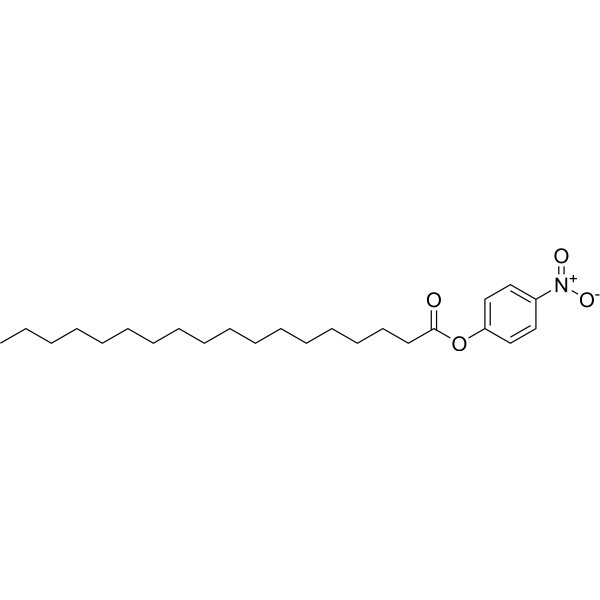
4-Nitrophenyl stearate, which is an ester formed by the condensation of stearic acid and 4-nitrophenol, is commonly used as a substrate for enzymatic assays, where the hydrolysis of ester bonds by esterase and lipase can be measured by absorbance or ratio In addition, 4-Nitrophenyl stearate has been used as a model compound to study the enzymatic activity and selectivity of lipases and esterases from various sources. The long hydrophobic tail of the molecule makes it suitable for use in lipophilic Good solubility in the environment makes it a useful probe for studying lipid metabolism.
|
-
- HY-168393
-
|
1,3-Palmitin-2-stearin
|
Endogenous Metabolite
|
Metabolic Disease
|
|
1,3-Dipalmitoyl-2-stearoyl glycerol (1,3-Palmitin-2-stearin) is a triacylglycerol in which palmitic acid (HY-N0830) is located at the sn-1 and sn-3 positions, and stearic acid (HY-B2219) is at the sn-2 position. The levels of 1,3-Dipalmitoyl-2-stearoyl glycerol are associated with energy depletion caused by reduced food intake in rats .
|
-

- HY-W440982A
-
|
(Rac)-PC(18:0/18:1); (Rac)-2-Oleoyl-1-stearoyl-sn-glycero-3-phosphocholine
|
Liposome
|
Others
|
|
(Rac)-SOPC ((Rac)-PC(18:0/18:1)) ((Rac)-2-Oleoyl-1-stearoyl-sn-glycero-3-phosphocholine) is the racemate of SOPC (HY-W440982). SOPC is an asymmetrical phospholipid with saturated fatty acid (stearic acid/18:0) at sn-1 position and unsaturated fatty acid (oleic acid/18:1) at sn-2 position. SOPC can stabilize the outer segment membrane of frog rods .
|
-

- HY-168394
-
|
1,2-Palmitin-3-stearin
|
Endogenous Metabolite
|
Others
|
|
1,2-Dipalmitoyl-3-stearoyl-rac-glycerol (1,2-Palmitin-3-stearin) is a triacylglycerol found in ostrich and emu oils as well as cow milk fat. The sn-1 and sn-2 positions of 1,2-Dipalmitoyl-3-stearoyl-rac-glycerol contain palmitic acid (HY-N0830), and the sn-3 position contains stearic acid (HY-B2219) .
|
-

- HY-W010695R
-
|
|
Biochemical Assay Reagents
Reference Standards
|
Others
|
|
Cholesteryl stearate (Standard) is the analytical standard of Cholesteryl stearate (HY-W010695). This product is intended for research and analytical applications. Cholesteryl stearate is a compound belonging to the class of esters. It is a cholesterol ester commonly found in animal and plant sources. Cholesteryl stearate consists of two naturally occurring substances, cholesteryl alcohol and stearic acid. The combination of the two creates a stable compound that is commonly used in a variety of industrial and biomedical applications. Cholesteryl stearate is commonly used as a lubricant, thickener and emollient in cosmetic formulations such as lotions and creams. It is also used to produce certain types of polymers and plastics.
|
-

- HY-101530B
-
|
PEG 40 stearate
|
Biochemical Assay Reagents
|
Others
|
|
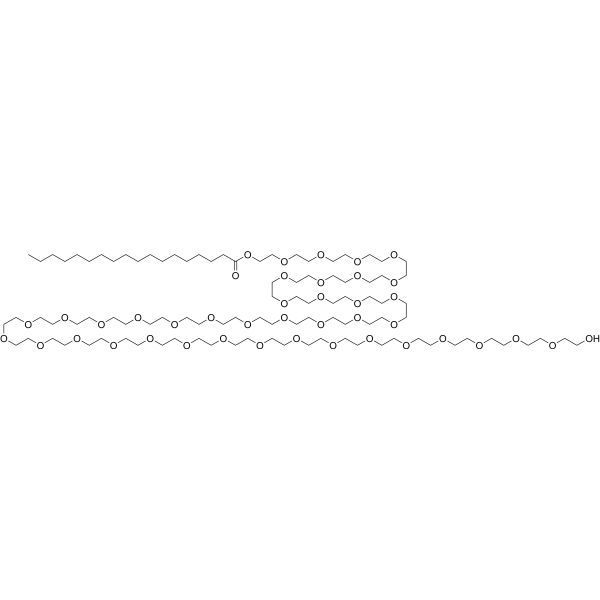
Polyoxyl 40 stearate (PEG 40 stearate) is a nonionic surfactant formed by the esterification of stearic acid with polyethylene glycol (PEG) containing approximately 40 ethoxy units, it is widely used in pharmaceutical preparations, nanodrug carriers, emulsification systems and biomedical materials. Polyoxyl 40 stearate can serve as a matrix component of solid lipid nanoparticles to achieve controlled release of encapsulated antifungal drugs; it can also act as a base material for solid lipid nanoparticles for vaginal administration, and polymerizable groups can be introduced via modification with acryloyl chloride .
|
-
- HY-W010695S1
-
|
|
Isotope-Labeled Compounds
Biochemical Assay Reagents
|
Others
|
|
Cholesteryl octadecanoate-d35 is the deuterium labeled Cholesteryl stearate (HY-W010695). Cholesteryl stearate is a compound belonging to the class of esters. It is a cholesterol ester commonly found in animal and plant sources. Cholesteryl stearate consists of two naturally occurring substances, cholesteryl alcohol and stearic acid. The combination of the two creates a stable compound that is commonly used in a variety of industrial and biomedical applications. Cholesteryl stearate is commonly used as a lubricant, thickener and emollient in cosmetic formulations such as lotions and creams. It is also used to produce certain types of polymers and plastics.
|
-

- HY-W115818
-
|
|
Environmental Pollutants
Biochemical Assay Reagents
|
Others
|
|
Polyoxyethylene Sorbitan Monostearate is an ester of the saturated fatty acid stearic acid (C18:0). Polyoxyethylene Sorbitan Monostearate can be used as an excipient, such as surfactant, emulsifier, solubilizer, wetting agent. Pharmaceutical excipients, or pharmaceutical auxiliaries, refer to other chemical substances used in the pharmaceutical process other than pharmaceutical ingredients. Pharmaceutical excipients generally refer to inactive ingredients in pharmaceutical preparations, which can improve the stability, solubility and processability of pharmaceutical preparations. Pharmaceutical excipients also affect the absorption, distribution, metabolism, and elimination (ADME) processes of co-administered drugs .
|
-
- HY-W011188S
-
|
|
Isotope-Labeled Compounds
Biochemical Assay Reagents
|
Others
|
|
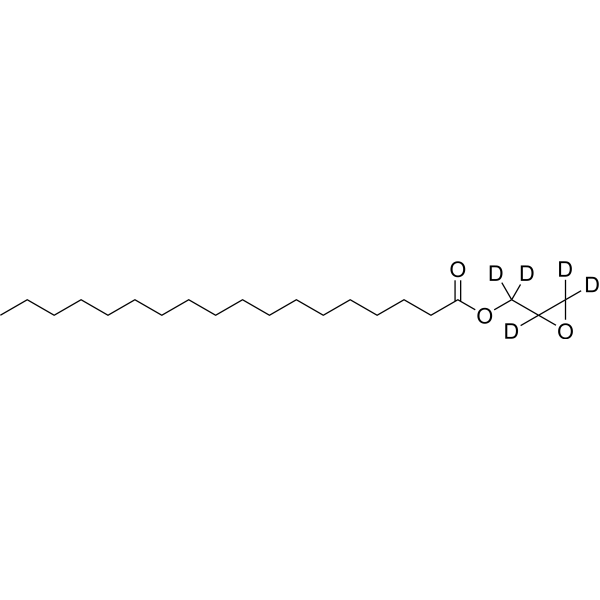
Glycidyl stearate-d5 is a deuterium labeled Glycidyl stearate (HY-W011188). Oxiran-2-ylmethyl stearate is a compound belonging to the class of esters. It contains reactive oxirane or epoxy groups that give the molecule its unique properties. Oxiran-2-ylmethyl stearate is derived from stearic acid and epichlorohydrin, which are naturally occurring substances. Glycidyl stearate is commonly used in various industrial applications such as the production of coatings, adhesives and surfactants. It can also be used as a crosslinking agent in the manufacture of polymers and resins.
|
-
- HY-W747639
-
|
|
Isotope-Labeled Compounds
Biochemical Assay Reagents
|
Others
|
|
Glycidyl Stearate- 13C3 is 13C labeled Glycidyl stearate. Oxiran-2-ylmethyl stearate is a compound belonging to the class of esters. It contains reactive oxirane or epoxy groups that give the molecule its unique properties. Oxiran-2-ylmethyl stearate is derived from stearic acid and epichlorohydrin, which are naturally occurring substances. Glycidyl stearate is commonly used in various industrial applications such as the production of coatings, adhesives and surfactants. It can also be used as a crosslinking agent in the manufacture of polymers and resins .
|
-

- HY-W701446
-
|
|
Isotope-Labeled Compounds
Biochemical Assay Reagents
|
Others
|
|
Oxiran-2-ylmethyl octadecanoate-d35 is the deuterium labeled Glycidyl stearate (HY-W011188). Oxiran-2-ylmethyl stearate is a compound belonging to the class of esters. It contains reactive oxirane or epoxy groups that give the molecule its unique properties. Oxiran-2-ylmethyl stearate is derived from stearic acid and epichlorohydrin, which are naturally occurring substances. Glycidyl stearate is commonly used in various industrial applications such as the production of coatings, adhesives and surfactants. It can also be used as a crosslinking agent in the manufacture of polymers and resins.
|
-

- HY-W706672R
-
|
Glycerol Tritricosanoate (Standard); TG(23:0/23:0/23:0) (Standard); Tritricosanoin (Standard)
|
Endogenous Metabolite
Reference Standards
|
Metabolic Disease
|
|
Propane-1,2,3-triyl tritricosanoate (Standard) is the analytical standard of Propane-1,2,3-triyl tritricosanoate. This product is intended for research and analytical applications. 1,2,3-Tritricosanoyl glycerol is a triacylglycerol that contains tricosanoic acid (HY-W009081) at the sn-1, sn-2, and sn-3 positions. It has been used as an internal standard for the quantification of fatty acids in the triglyceride component of human aortic endothelial cells (HAECs) grown in media supplemented with stearic and/or oleic acid.
|
-

- HY-W710512
-
|
Glycerol Tritricosanoate-d5; TG(23:0/23:0/23:0)-d5; Tritricosanoin-d5
|
Isotope-Labeled Compounds
Endogenous Metabolite
|
Metabolic Disease
|
|
Propane-1,2,3-triyl tritricosanoate-d5 (Glycerol Tritricosanoate-d5) is deuterium labeled Propane-1,2,3-triyl tritricosanoate. 1,2,3-Tritricosanoyl glycerol is a triacylglycerol that contains tricosanoic acid (HY-W009081) at the sn-1, sn-2, and sn-3 positions. It has been used as an internal standard for the quantification of fatty acids in the triglyceride component of human aortic endothelial cells (HAECs) grown in media supplemented with stearic and/or oleic acid.
|
-

- HY-Y1422H
-
|
|
Environmental Pollutants
Biochemical Assay Reagents
Lipase
|
Others
|
Lipase, Candida cylindracea (Immobilized) is an immobilized hydrolase and biocatalyst with relaxed positional and substrate specificity. Lipase, Candida cylindracea (Immobilized) can target primary and secondary ester bonds to completely hydrolyze triglycerides into fatty acids and glycerol, producing only trace amounts of monoglycerides. Lipase, Candida cylindracea (Immobilized) exhibits chain specificity, with a relatively fast hydrolysis rate for oleic acid and lauric acid chains, and the slowest hydrolysis rate for stearic acid chains. Lipase, Candida cylindracea (Immobilized) shows high catalytic activity toward long-chain triglycerides under the conditions of pH 8.0 and 37°C .
|
-

- HY-W339834
-
|
|
Acyltransferase
Endogenous Metabolite
Liposome
|
Others
|
|
1-Stearoyl-sn-glycerol 3-phosphate sodium is a bioactive phospholipid that plays a crucial role in modulating cellular processes such as motility, proliferation, invasion, survival, and growth factor production, primarily through its interaction with G protein-coupled receptors (GPCRs). Typically found at low concentrations in plasma (~100nM), this compound is synthesized during the formation of membrane phospholipids and is derived from various cell types, including activated platelets, epithelial cells, leukocytes, neuronal cells, and tumor cells. Its unique structure includes stearic acid at the sn-1 position alongside a hydroxyl group at the sn-2 position.
|
-

- HY-144013H
-
|
DSPE-mPEG5000 ammonium; 1,2-Distearoyl-sn-glycero-3-phosphoethanolamine-N-[methoxy(polyethylene glycol)-5000] ammonium
|
Liposome
|
Cancer
|
|
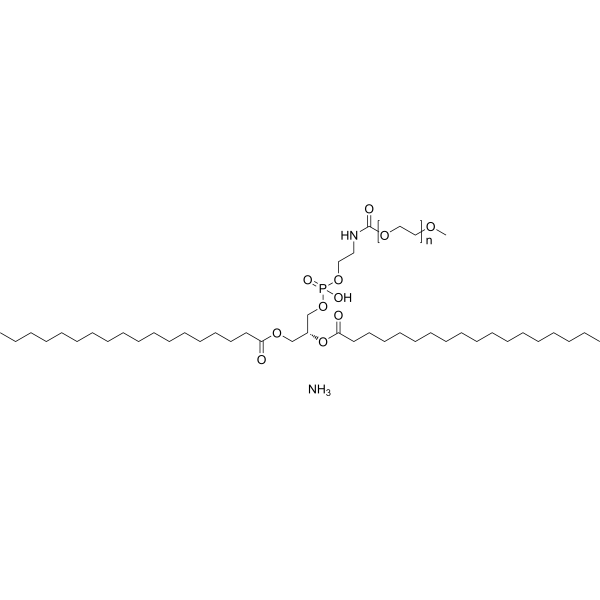
18:0 mPEG5000 PE (DSPE-mPEG5000) ammonium is a kind of amphiphilic polymer material. 18:0 mPEG5000 PE ammonium combines hydrophobic lipids (18:0 stearic acid chain) with hydrophilic polyethylene glycol (5 kDa) chains to form amphiphilic molecules, which are used to construct stable liposomes/nanoparticles, thereby enhancing drug delivery, prolonging circulation time, and achieving targeted effects through its functional terminal groups (usually biotin or carboxyl groups). 18:0 mPEG5000 PE ammonium can be used for the research of nanoprobes and drug delivery .
|
-
- HY-142978
-
|
DSPE-mPEG2000; 1,2-Distearoyl-sn-glycero-3-phosphoethanolamine-N-[methoxy(polyethylene glycol)-2000]
|
Liposome
|
Others
|
|
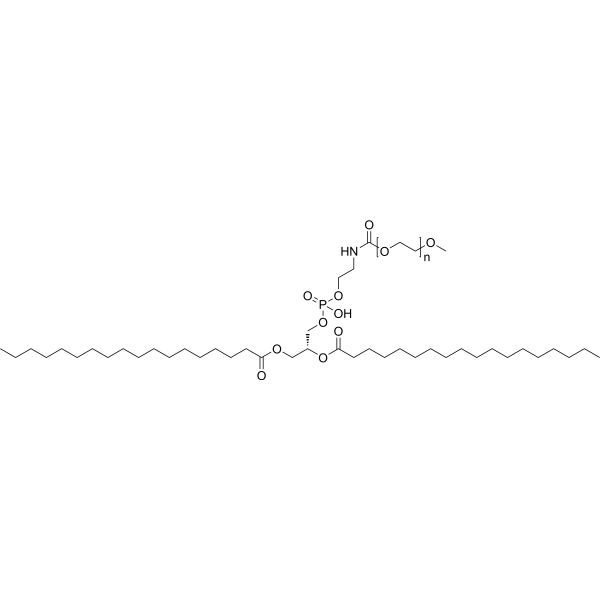
18:0 mPEG2000 PE (DSPE-mPEG2000) ammonium is a kind of amphiphilic polymer material. 18:0 mPEG2000 PE ammonium combines hydrophobic lipids (18:0 stearic acid chain) with hydrophilic polyethylene glycol (2 kDa) chains to form amphiphilic molecules, which are used to construct stable liposomes/nanoparticles, thereby enhancing drug delivery, prolonging circulation time, and achieving targeted effects through its functional terminal groups (usually biotin or carboxyl groups). 18:0 mPEG2000 PE ammonium can be used for the research of nanoprobes and drug delivery .
|
-
- HY-108750
-
|
VT 18 (oil); Vegetoil; Wesson
|
Environmental Pollutants
|
Cardiovascular Disease
|
|
Soybean oil (VT 18 (oil); Vegetoil; Wesson) is an edible vegetable oil. Soybean oil reduces circulating blood cholesterol levels when it replaces dietary saturated fats. Soybean oil does not affect inflammatory biomarkers or increase oxidative stress. Soybean oil contains γ-tocopherol and δ-tocopherol, which possess antioxidant properties. Soybean oil can be used in research related to coronary heart disease .
|
-
- HY-145473
-
|
15(S)-HETE-SAPE; 15(S)-Hydroxyeicosatetraenoic acid-SAPE; 1-Stearoyl-2-15(S)-HETE-sn-glycero-3-Phosphatidylethanolamine
|
Endogenous Metabolite
|
Metabolic Disease
|
|
1-Stearoyl-2-15(S)-HETE-sn-glycero-3-PE (15(S)-HETE-SAPE) is a phospholipid containing stearic acid (HY-B2219) at the sn-1 position and 15(S)-HETE (HY-113336) at the sn-2 position. 1-Stearoyl-2-15(S)-HETE-sn-glycero-3-PE is formed by direct oxidation of 1-stearoyl-2-arachidonoyl-sn-glycero-3-PE (SAPE) by 15-LOX in human peripheral mononuclear cells activated with the calcium ionophore A23187 (HY-N6687).
|
-

- HY-115701
-
|
1-Stearoyl-2-15(S)-HpETE-sn-glycero-3-phosphoethanolamine; 15(S)-HpETE-SAPE; 15(S)-hydroperoxyeicostetraenoic acid-SAPE
|
Ferroptosis
|
Inflammation/Immunology
|
|
1-Stearoyl-2-15(S)-HpETE-sn-glycero-3-Pe is a phospholipid that contains stearic acid (HY-B2219) at the sn-1 position and 15(S)-HpETE at the sn-2 position. It is produced via oxidation of 1-stearoyl-2-arachidonoyl-sn-glycero-3-Pe (SAPE) by 15-lipoxygenase (15-LO). 1-Stearoyl-2-15(S)-HpETE-sn-glycero-3-Pe (0.6 and 0.9 μM) increases ferroptotic cell death in wild-type and Acsl4 knockout Pfa1 mouse embryonic fibroblasts (MEFs) treated with the GPX4 inhibitor RSL3.
|
-

- HY-W399297
-
|
7α,12α-Dihydroxycholanoic acid
|
Endogenous Metabolite
|
Metabolic Disease
|
|
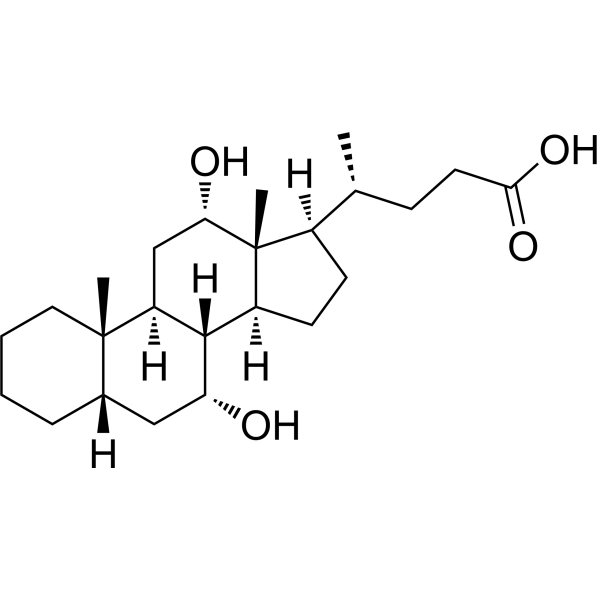
Isodeoxycholic acid (7α,12α-Dihydroxycholanoic acid) is a 3β-hydroxylated secondary bile acid. Isodeoxycholic acid is produced by epimerization of deoxycholic acid by intestinal bacteria. Isodeoxycholic acid is detectable in feces, mainly existing as saponifiable conjugates with long-chain fatty acids. Isodeoxycholic acid participates in the regulation of intestinal physiology .
|
-
- HY-145473S
-
|
15(S)-HETE-SAPE; 15(S)-Hydroxyeicosatetraenoic acid-SAPE-d11; 1-Stearoyl-2-15(S)-HETE-sn-glycero-3-Phosphatidylethanolamine-d11
|
Isotope-Labeled Compounds
Others
|
Metabolic Disease
|
|
1-Stearoyl-2-15(S)-HETE-sn-glycero-3-PE-d11 (15(S)-HETE-SAPE-d11) is deuterium labeled 1-Stearoyl-2-15(S)-HETE-sn-glycero-3-PE. 1-Stearoyl-2-15(S)-HETE-sn-glycero-3-PE is a phospholipid that contains stearic acid (HY-B2219) at the sn-1 position and 15(S)-HETE at the sn-2 position. It is formed in human peripheral monocytes activated by the calcium ionophore A23187 (HY-N6687) by direct oxidation of 1-stearoyl-2-arachidonoyl-sn-glycero-3-PE (SAPE) by 15-LO. Phosphoethanolamine (PE) HETEs (PE-HETEs), including 1-stearoyl-2-15(S)-HETE-sn-glycero-3-PE, are the main source of esterified HETE in ionophore-activated monocytes .
|
-

| Cat. No. |
Product Name |
Type |
-
- HY-D2857
-
|
|
Fluorescent Dye
|
|
NBD-Stearic acid is a stearic acid labeled with a nitrobenzoxadiazole (NBD) fluorophore. NBD-Stearic acid can be used as a probe for fatty acid uptake or the the ligand binding sites of fatty acid and sterol carrier proteins (FABP)
|
-
- HY-D3011
-
|
2-(9-Anthroyloxy)stearic acid
|
Fluorescent Dye
|
|
2-AS is a fluorescent probe and can monitor the microenvironment and dynamic changes of biofilms .
|
| Cat. No. |
Product Name |
Type |
-
- HY-142978
-
|
DSPE-mPEG2000; 1,2-Distearoyl-sn-glycero-3-phosphoethanolamine-N-[methoxy(polyethylene glycol)-2000]
|
Biochemical Assay Reagents
|
|
18:0 mPEG2000 PE (DSPE-mPEG2000) ammonium is a kind of amphiphilic polymer material. 18:0 mPEG2000 PE ammonium combines hydrophobic lipids (18:0 stearic acid chain) with hydrophilic polyethylene glycol (2 kDa) chains to form amphiphilic molecules, which are used to construct stable liposomes/nanoparticles, thereby enhancing drug delivery, prolonging circulation time, and achieving targeted effects through its functional terminal groups (usually biotin or carboxyl groups). 18:0 mPEG2000 PE ammonium can be used for the research of nanoprobes and drug delivery .
|
-
- HY-108750
-
|
VT 18 (oil); Vegetoil; Wesson
|
Biochemical Assay Reagents
|
|
Soybean oil (VT 18 (oil); Vegetoil; Wesson) is an edible vegetable oil. Soybean oil reduces circulating blood cholesterol levels when it replaces dietary saturated fats. Soybean oil does not affect inflammatory biomarkers or increase oxidative stress. Soybean oil contains γ-tocopherol and δ-tocopherol, which possess antioxidant properties. Soybean oil can be used in research related to coronary heart disease .
|
-
- HY-W013809
-
|
stearic acid ethyl ester
|
Biochemical Assay Reagents
|
|
Ethyl stearate is an ester compound produced by the reaction of ethanol and stearic acid. It is commonly used as a flavoring agent in various foods such as baked goods, beverages and desserts. Ethyl stearate is also used as a fragrance ingredient in the manufacture of perfume, cologne and personal care products. Additionally, it has applications in industrial settings such as the production of lubricants and plasticizers.
|
-
- HY-144013H
-
|
DSPE-mPEG5000 ammonium; 1,2-Distearoyl-sn-glycero-3-phosphoethanolamine-N-[methoxy(polyethylene glycol)-5000] ammonium
|
Biochemical Assay Reagents
|
|
18:0 mPEG5000 PE (DSPE-mPEG5000) ammonium is a kind of amphiphilic polymer material. 18:0 mPEG5000 PE ammonium combines hydrophobic lipids (18:0 stearic acid chain) with hydrophilic polyethylene glycol (5 kDa) chains to form amphiphilic molecules, which are used to construct stable liposomes/nanoparticles, thereby enhancing drug delivery, prolonging circulation time, and achieving targeted effects through its functional terminal groups (usually biotin or carboxyl groups). 18:0 mPEG5000 PE ammonium can be used for the research of nanoprobes and drug delivery .
|
-
- HY-W010695
-
|
|
Biochemical Assay Reagents
|
|
Cholesteryl stearate is a compound belonging to the class of esters. It is a cholesterol ester commonly found in animal and plant sources. Cholesteryl stearate consists of two naturally occurring substances, cholesteryl alcohol and stearic acid. The combination of the two creates a stable compound that is commonly used in a variety of industrial and biomedical applications. Cholesteryl stearate is commonly used as a lubricant, thickener and emollient in cosmetic formulations such as lotions and creams. It is also used to produce certain types of polymers and plastics.
|
-
- HY-W011187
-
-
- HY-Y1039
-
|
1-Monostearin; 2,3-Dihydroxypropyl stearate
|
Biochemical Assay Reagents
|
|
Stearic acid 1-monoglyceride is an ester composed of stearic acid and glycerin, commonly known as glyceryl monostearate. 1-Monoglyceride stearate has unique chemical properties that make it an important ingredient in a variety of industrial processes, including food production, cosmetics, and pharmaceuticals. It acts as an emulsifier, stabilizer and thickener in these products, enhancing their texture and shelf life.
|
-
- HY-166979
-
|
|
Biochemical Assay Reagents
|
|
Stearic acid-mPEG2000 is a PEG lipid that can improve the delivery efficiency and tissue specificity of poorly soluble drugs. Stearic acid-mPEG2000 can be used in drug delivery research .
|
-
- HY-W127547
-
|
|
Biochemical Assay Reagents
|
|
Stearic anhydride is a biochemical reagent that can be used as a biological material or organic compound for life science related research.
|
-
- HY-W440939
-
|
|
Biochemical Assay Reagents
|
|
Stearic acid-PEG3400-FITC is a PEG lipid which forms micelles in water and can be used for drug delivery applications. The FITC fluorescent can be easily traced by miscroscopy. FITC is a green dye with peak absorption at 494 nm and maximum emission at 520 nm and can be used for staining biological samples or nanoparticles. FITC can be easily traced by fluorescence microscopy.
|
-
- HY-W013809R
-
|
stearic acid ethyl ester (Standard)
|
Biochemical Assay Reagents
|
|
Ethyl stearate (Standard) is the analytical standard of Ethyl stearate. This product is intended for research and analytical applications. Ethyl stearate is an ester compound produced by the reaction of ethanol and stearic acid. It is commonly used as a flavoring agent in various foods such as baked goods, beverages and desserts. Ethyl stearate is also used as a fragrance ingredient in the manufacture of perfume, cologne and personal care products. Additionally, it has applications in industrial settings such as the production of lubricants and plasticizers.
|
-
- HY-W127503
-
|
stearic Acid Lauryl Ester
|
Biochemical Assay Reagents
|
|
Dodecyl Stearate is a biochemical reagent that can be used as a biological material or organic compound for life science related research.
|
-
- HY-W127417
-
|
stearic acid behenyl ester
|
Biochemical Assay Reagents
|
|
Behenyl stearate is a biochemical reagent that can be used as a biological material or organic compound for life science related research.
|
-
- HY-W440926
-
|
|
Biochemical Assay Reagents
|
|
Stearic acid-PEG1000-NHS is a cyclooctyne containing phospholipid PEG polymer. The polymer can self-assemble spontaneously in water to form micelles/lipid bilayer. It can be used to prepare nanoparticles or liposomes as drug carrier in targeted drug delivery system. The DBCO can react with azide molecule via copper free click chemistry to form a stable triazole bond.
|
-
- HY-W127437
-
|
Octadecanoic acid, octadecyl ester
|
Biochemical Assay Reagents
|
|
Stearyl StearateIt is an organic compound belonging to esters. It is formed from the reaction between stearyl alcohol and stearic acid and has a mild fatty odor. Stearyl stearate has several applications in the cosmetic and personal care industries, especially as an emollient and conditioning agent in skin and hair care products. Additionally, it is used as a lubricant and surfactant in industrial settings.
|
-
- HY-W099563
-
|
|
Biochemical Assay Reagents
|
|
4-Nitrophenyl stearate, which is an ester formed by the condensation of stearic acid and 4-nitrophenol, is commonly used as a substrate for enzymatic assays, where the hydrolysis of ester bonds by esterase and lipase can be measured by absorbance or ratio In addition, 4-Nitrophenyl stearate has been used as a model compound to study the enzymatic activity and selectivity of lipases and esterases from various sources. The long hydrophobic tail of the molecule makes it suitable for use in lipophilic Good solubility in the environment makes it a useful probe for studying lipid metabolism.
|
-
- HY-W440953
-
|
|
Biochemical Assay Reagents
|
|
Stearic acid-PEG1000-CH2CO2H is an amphiphilic PEG polymer which forms micelles in an aqueous solution. The aliphatic chain of stearic acid can be used to encapsulate or congregate hydrophobic therapeutic agents while the PEG chain enhances overall solubility of the polymer.
|
-
- HY-W440952
-
|
|
Biochemical Assay Reagents
|
|
Stearic acid-PEG5000-Mal enables surface modification of various substrate through reaction between hydroxyl and ethoxyl silane. The polymer can be used for click chemistry with alkyne containing molecule.
|
-
- HY-W440928
-
|
|
Biochemical Assay Reagents
|
|
Stearic acid-PEG3400-NHS is a phospholipid polyPEG which can self-assemble in water to form lipid bilayer. The polymer can be used to prepare liposomes as drug carrier to deliver nutrients/therpeutic agents, such as mRNA or DNA.
|
-
- HY-W440934
-
|
|
Biochemical Assay Reagents
|
|
Stearic acid-PEG2000-Rhodamine is an amphiphilic PEG polymer which can form micelles in water. The rhodamine can be used for staining sample and easily traced by fluorescence microscopy. Rhodamine has maximum absorption at 570 nm and emission around 595 nm.
|
-
- HY-W440935
-
|
|
Biochemical Assay Reagents
|
|
Stearic acid-PEG3400-Rhodamine is a fatty acid containing PEG polymer which can self assemble in an aqueous solution to form micelles. The polymer can be used to prepare nanoparticles for drug encapsulation. The red dye rhodamine can be easily traced by fluorescence microscopy. Rhodamine has maximum absorption at 570 nm and emission around 595 nm.
|
-
- HY-W440936
-
|
|
Biochemical Assay Reagents
|
|
Stearic acid-PEG5000-Rhodamine is a fatty acid containing PEG polymer which can self assemble in an aqueous solution to form micelles. The polymer can be used to prepare nanoparticles for drug encapsulation. The red dye rhodamine can be easily traced by fluorescence microscopy. Rhodamine has maximum absorption at 570 nm and emission around 595 nm.
|
-
- HY-W440938
-
|
|
Biochemical Assay Reagents
|
|
Stearic acid-PEG2000-FITC is an amphiphatic polyPEG which can self assemble to form micelles in water. The polymer can be used to encapsulate therapeutic agent. FITC is a green dye with peak absorption at 494 nm and maximum emission at 520 nm and can be used for staining biological samples or nanoparticles. FITC can be easily traced by fluorescence microscopy.
|
-
- HY-W440940
-
|
|
Biochemical Assay Reagents
|
|
Stearic acid-PEG5000-FITC is a PEG lipid which forms micelles in water and can be used for drug delivery applications. The FITC fluorescent can be easily traced by miscroscopy. FITC is a green dye with peak absorption at 494 nm and maximum emission at 520 nm and can be used for staining biological samples or nanoparticles. FITC can be easily traced by fluorescence microscopy.
|
-
- HY-170458
-
|
1-Stearoyl-2-linoleoyl-sn-glycero-3-phospho-(1'-rac-glycerol) sodium
|
Biochemical Assay Reagents
|
|
18:0-18:2 PG (1-Stearoyl-2-linoleoyl-sn-glycero-3-phospho-(1'-rac-glycerol)) sodium is a glycerophospholipid contains Stearic acid (HY-B2219), Linolenic acid (HY-N0728) and phospho-rac-(1-glycerol) .
|
-
- HY-W440930
-
|
|
Biochemical Assay Reagents
|
|
Stearic acid-mPEG1000 is a PEG lipid that can improve the delivery efficiency and tissue specificity of poorly soluble drugs. Stearic acid-mPEG1000 can be used in drug delivery research .
|
-
- HY-W440932
-
|
|
Biochemical Assay Reagents
|
|
Stearic acid-mPEG5000 is a PEG lipid that can improve the delivery efficiency and tissue specificity of poorly soluble drugs. Stearic acid-mPEG5000 can be used in drug delivery research .
|
-
- HY-W440956
-
|
|
Biochemical Assay Reagents
|
|
Stearic acid-PEG5000-CH2CO2H is an amphiphilic PEG polymer which forms micelles in an aqueous solution. The aliphatic chain of stearic acid can be used to encapsulate or congregate hydrophobic therapeutic agents while the PEG chain enhances overall solubility of the polymer.
|
-
- HY-W440955
-
|
|
Biochemical Assay Reagents
|
|
Stearic acid-PEG3400-CH2CO2H is an amphiphilic PEG polymer which forms micelles in an aqueous solution. The aliphatic chain of stearic acid can be used to encapsulate or congregate hydrophobic therapeutic agents while the PEG chain enhances overall solubility of the polymer.
|
-
- HY-W440949
-
|
|
Biochemical Assay Reagents
|
|
Stearic acid-PEG1000-Mal enables surface modification of various substrate through reaction between hydroxyl and ethoxyl silane. The polymer can be used for click chemistry with alkyne containing molecule.
|
-
- HY-W440951
-
|
|
Biochemical Assay Reagents
|
|
Stearic acid-PEG3400-Mal enables surface modification of various substrate through reaction between hydroxyl and ethoxyl silane. The polymer can be used for click chemistry with alkyne containing molecule.
|
-
- HY-Y1039R
-
|
1-Monostearin (Standard); 2,3-Dihydroxypropyl stearate (Standard)
|
Biochemical Assay Reagents
|
|
1-Stearoyl-rac-glycerol (Standard) is the analytical standard of 1-Stearoyl-rac-glycerol. This product is intended for research and analytical applications. Stearic acid 1-monoglyceride is an ester composed of stearic acid and glycerin, commonly known as glyceryl monostearate. 1-Monoglyceride stearate has unique chemical properties that make it an important ingredient in a variety of industrial processes, including food production, cosmetics, and pharmaceuticals. It acts as an emulsifier, stabilizer and thickener in these products, enhancing their texture and shelf life.
|
-
- HY-W010695R
-
|
|
Biochemical Assay Reagents
|
|
Cholesteryl stearate (Standard) is the analytical standard of Cholesteryl stearate (HY-W010695). This product is intended for research and analytical applications. Cholesteryl stearate is a compound belonging to the class of esters. It is a cholesterol ester commonly found in animal and plant sources. Cholesteryl stearate consists of two naturally occurring substances, cholesteryl alcohol and stearic acid. The combination of the two creates a stable compound that is commonly used in a variety of industrial and biomedical applications. Cholesteryl stearate is commonly used as a lubricant, thickener and emollient in cosmetic formulations such as lotions and creams. It is also used to produce certain types of polymers and plastics.
|
| Cat. No. |
Product Name |
Category |
Target |
Chemical Structure |
| Cat. No. |
Product Name |
Chemical Structure |
-
- HY-B2219S4
-
|
|
|
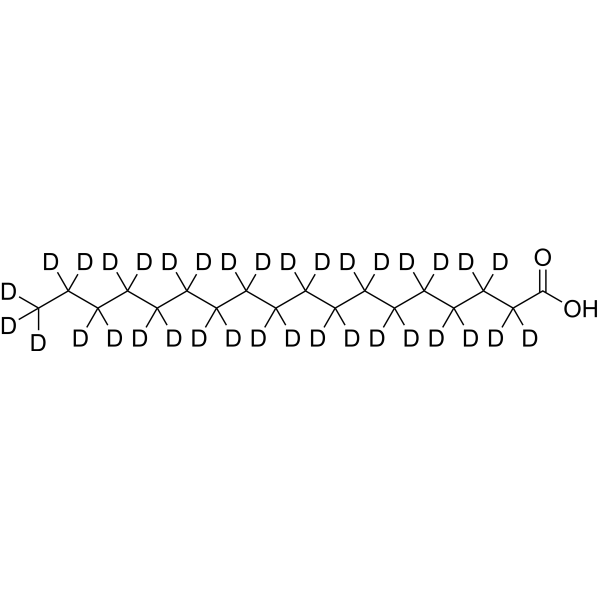
Stearic Acid-d35 is the deuterium labeled Stearic acid. Stearic acid is a long chain dietary saturated fatty acid which exists in many animal and vegetable fats and oils.
|
-
-
- HY-B2219S3
-
|
|
|
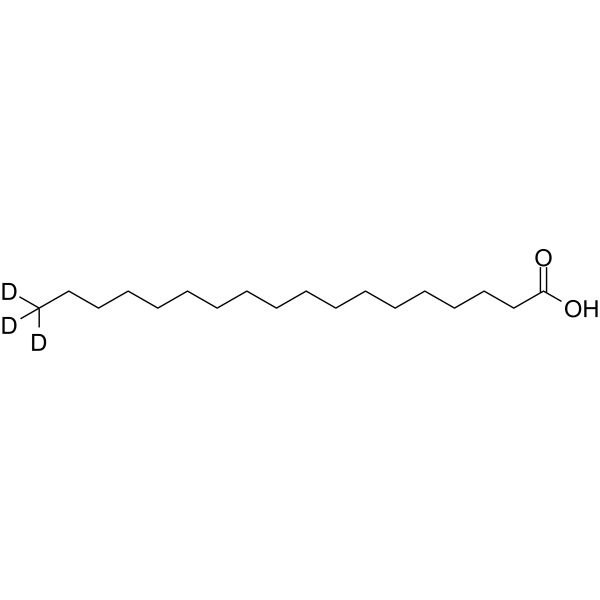
Stearic acid-d3 is the deuterium labeled Stearic acid. Stearic acid is a long chain dietary saturated fatty acid which exists in many animal and vegetable fats and oils.
|
-
-
- HY-B2219S2
-
1 Publications Verification
|
|
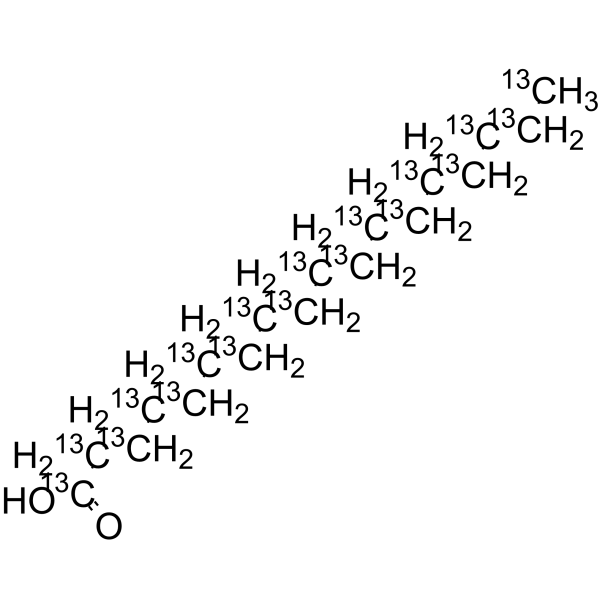
Stearic acid- 13C18is the 13C-labeled Stearic acid. Stearic acid is a long chain dietary saturated fatty acid which exists in many animal and vegetable fats and oils.
|
-
-
- HY-B2219S9
-
|
|
|
Stearic acid-d7 is the deuterium labeled Stearic acid. Stearic acid is a long chain dietary saturated fatty acid which exists in many animal and vegetable fats and oils.
|
-
-
- HY-127035S
-
|
|
|
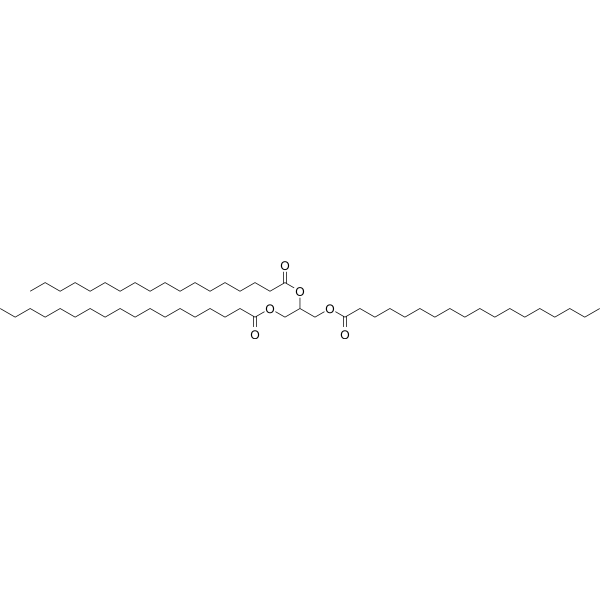
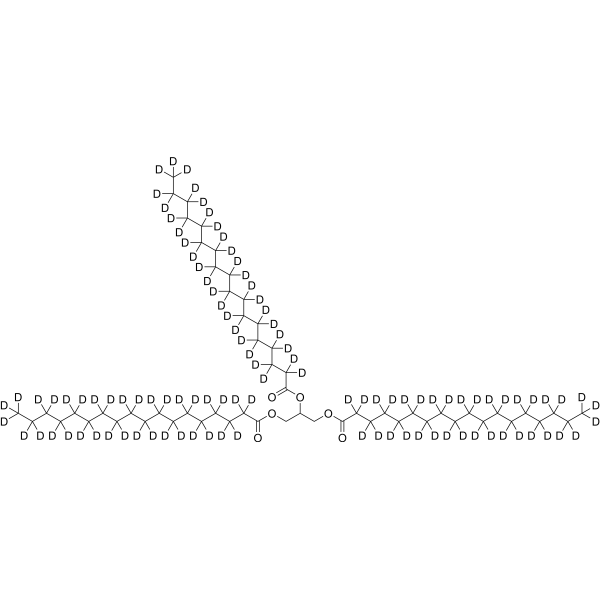
Tristearin-d105 is the deuterium labeled Tristearin (HY-127035). Tristearin is a triglyceride derived from three units of stearic acid .
|
-
-
- HY-B2219S6
-
|
|
|
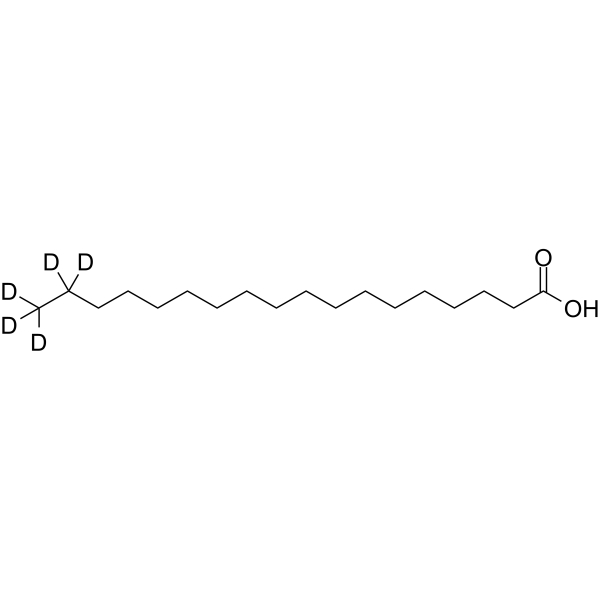
Stearic acid-d55 is the deuterium labeled Stearic acid. Stearic acid is a long chain dietary saturated fatty acid which exists in many animal and vegetable fats and oils.
|
-
-
- HY-B2219S7
-
|
|
|
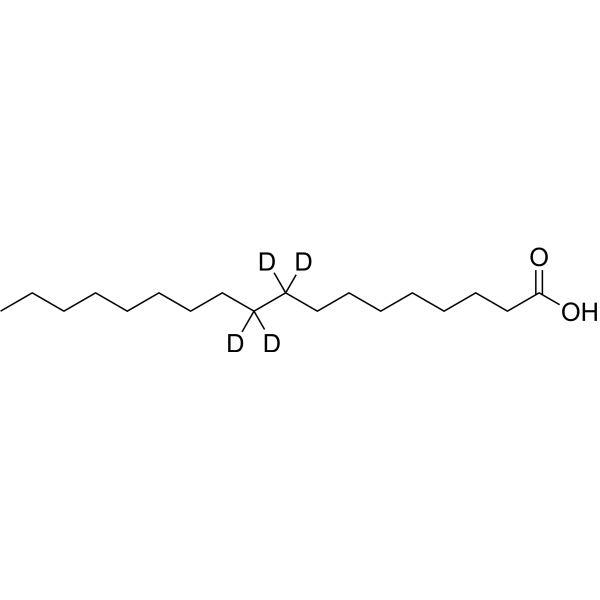
Stearic acid-d4 is the deuterium labeled Stearic acid. Stearic acid is a long chain dietary saturated fatty acid which exists in many animal and vegetable fats and oils .
|
-
-
- HY-B2219S
-
|
|
|
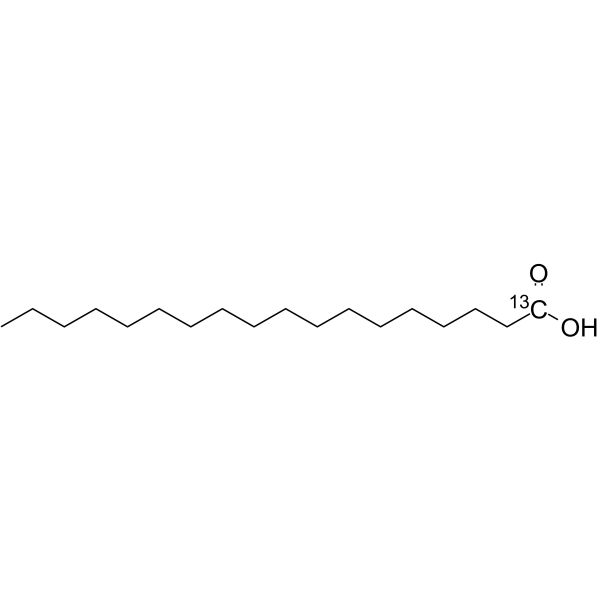
Stearic acid-1- 13C is the 13C labeled Stearic acid. Stearic acid is a long chain dietary saturated fatty acid which exists in many animal and vegetable fats and oils.
|
-
-
- HY-B2219S1
-
|
|
|
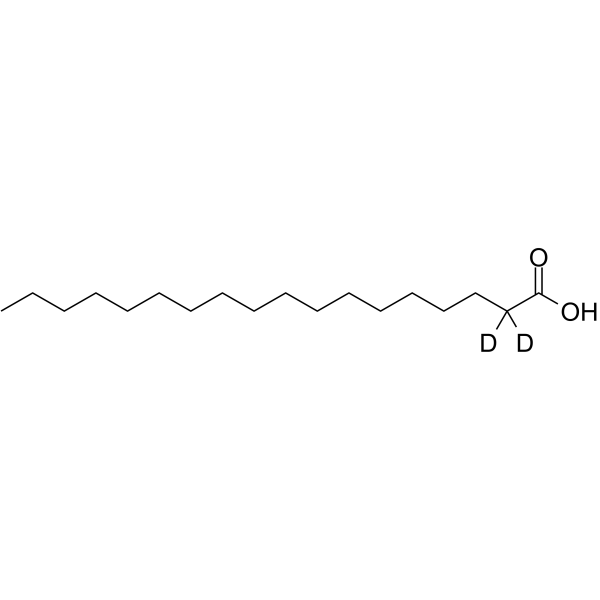
Stearic acid-d2 is the deuterium labeled Stearic acid. Stearic acid is a long chain dietary saturated fatty acid which exists in many animal and vegetable fats and oils.
|
-
-
- HY-B2219S8
-
|
|
|
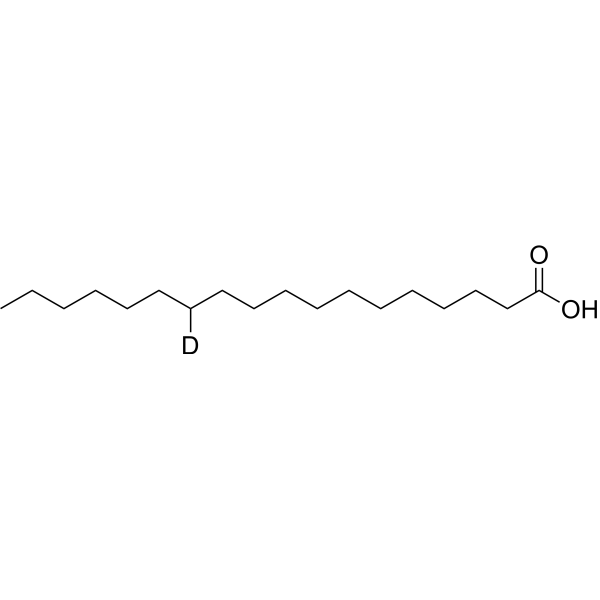
Stearic acid-d is the deuterium labeled Stearic acid. Stearic acid is a long chain dietary saturated fatty acid which exists in many animal and vegetable fats and oils.
|
-
-
- HY-B2219S5
-
|
|
|
Stearic acid-9,10-d2 is the deuterium labeled Stearic acid. Stearic acid is a long chain dietary saturated fatty acid which exists in many animal and vegetable fats and oils.
|
-
-
- HY-127035S2
-
|
|
|
Tristearin-d40 is the deuterium labeled Tristearin (HY-127035). Tristearin is a triglyceride derived from three units of stearic acid .
|
-
-
- HY-127035S4
-
|
|
|
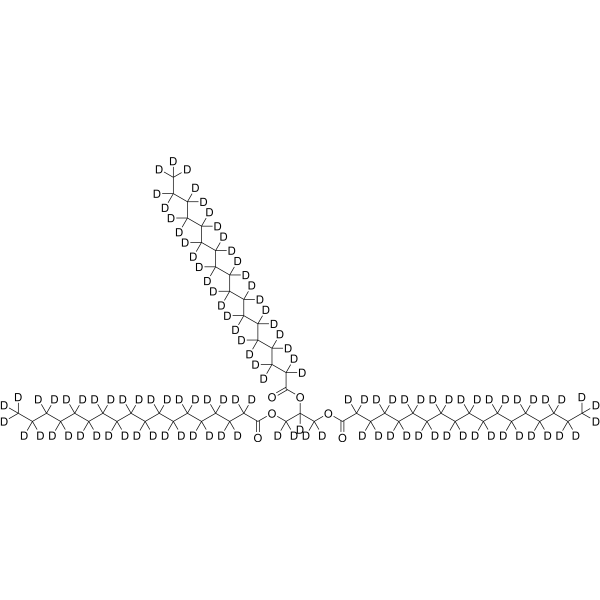
Tristearin-d9 is the deuterium labeled Tristearin (HY-127035). Tristearin is a triglyceride derived from three units of stearic acid .
|
-
-
- HY-127035S3
-
|
|
|
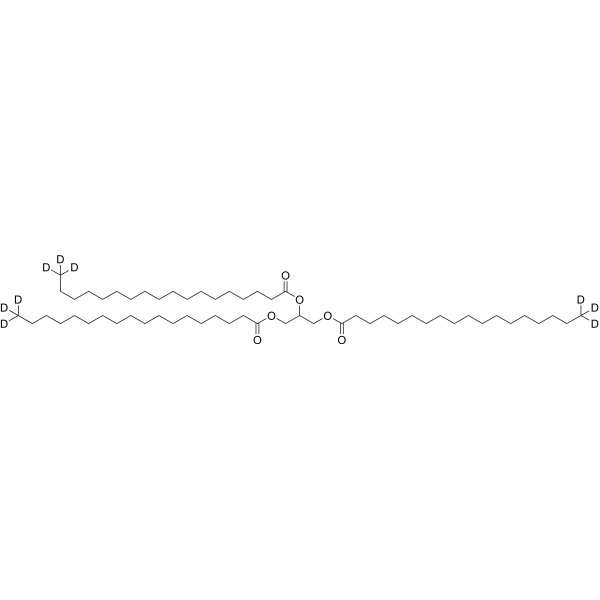
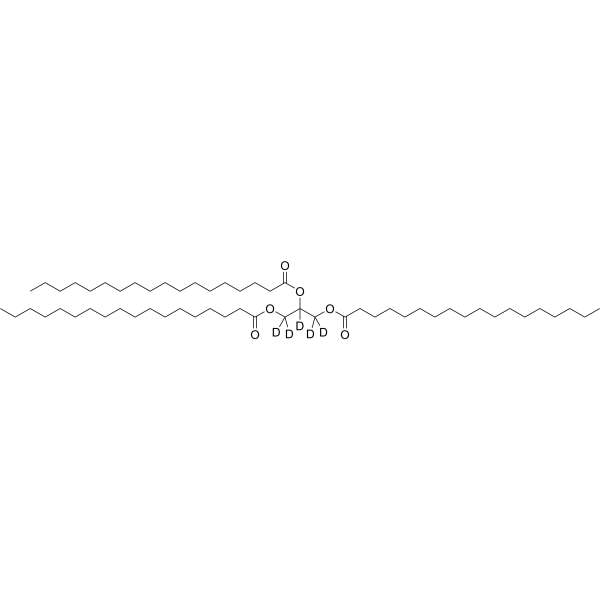
Tristearin-d5 is the deuterium labeled Tristearin (HY-127035). Tristearin is a triglyceride derived from three units of stearic acid .
|
-
-
- HY-127035S1
-
|
|
|
Tristearin- 13C3 (Glycerol tristearate- 13C3) is 13C labeled Tristearin. Tristearin is a triglyceride derived from three units of stearic acid .
|
-
-
- HY-W011188S
-
|
|
|
Glycidyl stearate-d5 is a deuterium labeled Glycidyl stearate (HY-W011188). Oxiran-2-ylmethyl stearate is a compound belonging to the class of esters. It contains reactive oxirane or epoxy groups that give the molecule its unique properties. Oxiran-2-ylmethyl stearate is derived from stearic acid and epichlorohydrin, which are naturally occurring substances. Glycidyl stearate is commonly used in various industrial applications such as the production of coatings, adhesives and surfactants. It can also be used as a crosslinking agent in the manufacture of polymers and resins.
|
-
-
- HY-W747639
-
|
|
|
Glycidyl Stearate- 13C3 is 13C labeled Glycidyl stearate. Oxiran-2-ylmethyl stearate is a compound belonging to the class of esters. It contains reactive oxirane or epoxy groups that give the molecule its unique properties. Oxiran-2-ylmethyl stearate is derived from stearic acid and epichlorohydrin, which are naturally occurring substances. Glycidyl stearate is commonly used in various industrial applications such as the production of coatings, adhesives and surfactants. It can also be used as a crosslinking agent in the manufacture of polymers and resins .
|
-
-
- HY-W701446
-
|
|
|
Oxiran-2-ylmethyl octadecanoate-d35 is the deuterium labeled Glycidyl stearate (HY-W011188). Oxiran-2-ylmethyl stearate is a compound belonging to the class of esters. It contains reactive oxirane or epoxy groups that give the molecule its unique properties. Oxiran-2-ylmethyl stearate is derived from stearic acid and epichlorohydrin, which are naturally occurring substances. Glycidyl stearate is commonly used in various industrial applications such as the production of coatings, adhesives and surfactants. It can also be used as a crosslinking agent in the manufacture of polymers and resins.
|
-
-
- HY-W010695S1
-
|
|
|
Cholesteryl octadecanoate-d35 is the deuterium labeled Cholesteryl stearate (HY-W010695). Cholesteryl stearate is a compound belonging to the class of esters. It is a cholesterol ester commonly found in animal and plant sources. Cholesteryl stearate consists of two naturally occurring substances, cholesteryl alcohol and stearic acid. The combination of the two creates a stable compound that is commonly used in a variety of industrial and biomedical applications. Cholesteryl stearate is commonly used as a lubricant, thickener and emollient in cosmetic formulations such as lotions and creams. It is also used to produce certain types of polymers and plastics.
|
-
-
- HY-W710512
-
|
|
|
Propane-1,2,3-triyl tritricosanoate-d5 (Glycerol Tritricosanoate-d5) is deuterium labeled Propane-1,2,3-triyl tritricosanoate. 1,2,3-Tritricosanoyl glycerol is a triacylglycerol that contains tricosanoic acid (HY-W009081) at the sn-1, sn-2, and sn-3 positions. It has been used as an internal standard for the quantification of fatty acids in the triglyceride component of human aortic endothelial cells (HAECs) grown in media supplemented with stearic and/or oleic acid.
|
-
-
- HY-145473S
-
|
|
|
1-Stearoyl-2-15(S)-HETE-sn-glycero-3-PE-d11 (15(S)-HETE-SAPE-d11) is deuterium labeled 1-Stearoyl-2-15(S)-HETE-sn-glycero-3-PE. 1-Stearoyl-2-15(S)-HETE-sn-glycero-3-PE is a phospholipid that contains stearic acid (HY-B2219) at the sn-1 position and 15(S)-HETE at the sn-2 position. It is formed in human peripheral monocytes activated by the calcium ionophore A23187 (HY-N6687) by direct oxidation of 1-stearoyl-2-arachidonoyl-sn-glycero-3-PE (SAPE) by 15-LO. Phosphoethanolamine (PE) HETEs (PE-HETEs), including 1-stearoyl-2-15(S)-HETE-sn-glycero-3-PE, are the main source of esterified HETE in ionophore-activated monocytes .
|
-
| Cat. No. |
Product Name |
|
Classification |
-
- HY-151692
-
|
|
|
Azide
|
|
18-Azido-stearic acid is a click chemistry reagent containing an azide group. 18-Azido-stearic acid can be used as a hydrophobic bioconjugation linker (using N-Myristoyltransferase) that can be further modified at the azido-position using Click-chemistry . It contains an azide group and can undergo copper-catalyzed azide-alkyne cycloaddition (CuAAc) with molecules containing alkyne groups. It can also undergo ring strain-promoted alkyne-azide cycloaddition (SPAAC) with molecules containing DBCO or BCN groups.
|
| Cat. No. |
Product Name |
|
Classification |
-
- HY-142978
-
|
DSPE-mPEG2000; 1,2-Distearoyl-sn-glycero-3-phosphoethanolamine-N-[methoxy(polyethylene glycol)-2000]
|
|
Pegylated Lipids
|
|
18:0 mPEG2000 PE (DSPE-mPEG2000) ammonium is a kind of amphiphilic polymer material. 18:0 mPEG2000 PE ammonium combines hydrophobic lipids (18:0 stearic acid chain) with hydrophilic polyethylene glycol (2 kDa) chains to form amphiphilic molecules, which are used to construct stable liposomes/nanoparticles, thereby enhancing drug delivery, prolonging circulation time, and achieving targeted effects through its functional terminal groups (usually biotin or carboxyl groups). 18:0 mPEG2000 PE ammonium can be used for the research of nanoprobes and drug delivery .
|
-
- HY-Y1054
-
|
stearic Acid Magnesium(II) Salt
|
|
Others
|
|
Magnesium stearate is a commonly used pharmaceutical lubricant. But Magnesium stearate leads to an adverse effect on bonding between particles. Magnesium stearate can be used as an excipient, such as lubricant. Pharmaceutical excipients, or pharmaceutical auxiliaries, refer to other chemical substances used in the pharmaceutical process other than pharmaceutical ingredients. Pharmaceutical excipients generally refer to inactive ingredients in pharmaceutical preparations, which can improve the stability, solubility and processability of pharmaceutical preparations. Pharmaceutical excipients also affect the absorption, distribution, metabolism, and elimination (ADME) processes of co-administered drugs .
|
-
- HY-101530C
-
|
PEG 100 stearate
|
|
Emulsifiers
Bases
Solubilizing Agents
|
|
Polyoxyl 100 stearate (PEG-100 stearate) is a non-ionic surfactant formed by polyethylene glycol (PEG) and stearic acid, and it is commonly used in pharmaceutical preparations, nanocarriers, emulsification systems and cosmetic formulations .
|
-
- HY-108750
-
|
VT 18 (oil); Vegetoil; Wesson
|
|
Solvents
|
|
Soybean oil (VT 18 (oil); Vegetoil; Wesson) is an edible vegetable oil. Soybean oil reduces circulating blood cholesterol levels when it replaces dietary saturated fats. Soybean oil does not affect inflammatory biomarkers or increase oxidative stress. Soybean oil contains γ-tocopherol and δ-tocopherol, which possess antioxidant properties. Soybean oil can be used in research related to coronary heart disease .
|
-
- HY-101530B
-
|
PEG 40 stearate
|
|
Emulsifiers
Bases
Solubilizing Agents
|
|
Polyoxyl 40 stearate (PEG 40 stearate) is a nonionic surfactant formed by the esterification of stearic acid with polyethylene glycol (PEG) containing approximately 40 ethoxy units, it is widely used in pharmaceutical preparations, nanodrug carriers, emulsification systems and biomedical materials. Polyoxyl 40 stearate can serve as a matrix component of solid lipid nanoparticles to achieve controlled release of encapsulated antifungal drugs; it can also act as a base material for solid lipid nanoparticles for vaginal administration, and polymerizable groups can be introduced via modification with acryloyl chloride .
|
-
- HY-W019833
-
|
PC(14:0/18:0); 1-Myristoyl-2-stearoyl-sn-glycero-3-phosphocholine
|
|
Phospholipids
|
|
MSPC is an asymmetrical phosphatidylcholine containing a myristic acid (14:0) at the sn-1 position and a stearic acid (18:0) at the sn-2 position. It can self assemble in water to form lipid bilayers. Reagent grade, for research purpose.
|
-
- HY-W440986
-
|
DSPS sodium
|
|
Phospholipids
|
|
Distearoylphosphatidylserine sodium is an anionic phospholipid with stearic acid tails (18:0) and contains a carboxylic acid (COOH) and amine (NH2) in their head group. It has been used in the preparation of lipid-mixing vesicles, liposome, or artificial membrane. Due to the medium size of fatty acid chain, DLPS is used to form thinner membranes/walls.
|
-
- HY-144013H
-
|
DSPE-mPEG5000 ammonium; 1,2-Distearoyl-sn-glycero-3-phosphoethanolamine-N-[methoxy(polyethylene glycol)-5000] ammonium
|
|
Pegylated Lipids
|
|
18:0 mPEG5000 PE (DSPE-mPEG5000) ammonium is a kind of amphiphilic polymer material. 18:0 mPEG5000 PE ammonium combines hydrophobic lipids (18:0 stearic acid chain) with hydrophilic polyethylene glycol (5 kDa) chains to form amphiphilic molecules, which are used to construct stable liposomes/nanoparticles, thereby enhancing drug delivery, prolonging circulation time, and achieving targeted effects through its functional terminal groups (usually biotin or carboxyl groups). 18:0 mPEG5000 PE ammonium can be used for the research of nanoprobes and drug delivery .
|
-
- HY-W010695
-
|
|
|
Cholesterol
|
|
Cholesteryl stearate is a compound belonging to the class of esters. It is a cholesterol ester commonly found in animal and plant sources. Cholesteryl stearate consists of two naturally occurring substances, cholesteryl alcohol and stearic acid. The combination of the two creates a stable compound that is commonly used in a variety of industrial and biomedical applications. Cholesteryl stearate is commonly used as a lubricant, thickener and emollient in cosmetic formulations such as lotions and creams. It is also used to produce certain types of polymers and plastics.
|
-
- HY-W440981
-
|
1-Stearoyl-2-palmitoyl-sn-glycero-3-phosphocholine
|
|
Phospholipids
|
|
SPPC is a phospholipid with different length of fatty acid. The sn-1 position contains a stearic acid (18:0) while the sn-2 position is occupied by a palmitic acid (16:0).
|
-
- HY-W704966
-
|
|
|
Phospholipids
|
|
2-Stearoyl-sn-glycero-3-PC is a lysophospholipid that contains stearic acid (HY-B2219) at the sn-2 position. It has been found in rabbit myocardium.
|
-
- HY-W583869
-
|
1-Stearoyl-2-Oleoyl-sn-glycero-3-PE; 18:0-18:1 PE; PE(18:0/18:1)
|
|
Phospholipids
|
|
1-Stearoyl-2-oleoyl-sn-glycerol-3-phosphoethanolamine is a phospholipids that contains stearic acid and oleic acid at the sn-1 and sn-2 positions, respectively. It has been used in the generation of lipid nanoparticles (LNPs) for in vitro delivery of mRNA or nuclear-targeted plasmid DNA.
|
-
- HY-W440939
-
|
|
|
Pegylated Lipids
Fluorescent Lipids
|
|
Stearic acid-PEG3400-FITC is a PEG lipid which forms micelles in water and can be used for drug delivery applications. The FITC fluorescent can be easily traced by miscroscopy. FITC is a green dye with peak absorption at 494 nm and maximum emission at 520 nm and can be used for staining biological samples or nanoparticles. FITC can be easily traced by fluorescence microscopy.
|
-
- HY-W440958
-
|
PSPC; PC(16:0-18:0)
|
|
Phospholipids
|
|
1-Palmitoyl-2-stearoyl-sn-glycero-3-phosphocholine is an assymetrical phospholipid containing saturated palmitic and stearic acid at the sn-1 and sn-2 position respectively. The phosphate group is attached to choline.
|
-
- HY-W440927
-
|
|
|
Pegylated Lipids
|
|
Stearic acid-PEG2000-NHS is an amphiphatic PEG polymer which forms micelles in an aqueous solution for drug-loaded nanoparticles. The NHS ester is reactive with amine to form a stable amide bond. Reagent grade, for research purpose.
|
-
- HY-W343736
-
|
1,3-DPPE; 1,3-Dipalmitoyl-sn-glycero-2-PE
|
|
Phospholipids
|
|
1,3-Dipalmitoyl-glycero-2-phosphoethanolamine is a phospholipid containing the saturated long-chain (16:0) stearic acid inserted at the sn-1 and sn-3 positions and PE at the sn-2 site. It can be used in the generation of micelles, liposomes, and other types of artificial membranes.
|
-
- HY-W440982A
-
|
(Rac)-PC(18:0/18:1); (Rac)-2-Oleoyl-1-stearoyl-sn-glycero-3-phosphocholine
|
|
Phospholipids
|
|
(Rac)-SOPC ((Rac)-PC(18:0/18:1)) ((Rac)-2-Oleoyl-1-stearoyl-sn-glycero-3-phosphocholine) is the racemate of SOPC (HY-W440982). SOPC is an asymmetrical phospholipid with saturated fatty acid (stearic acid/18:0) at sn-1 position and unsaturated fatty acid (oleic acid/18:1) at sn-2 position. SOPC can stabilize the outer segment membrane of frog rods .
|
-
- HY-W115818
-
|
|
|
Emulsifiers
Solubilizing Agents
Surfactants
|
|
Polyoxyethylene Sorbitan Monostearate is an ester of the saturated fatty acid stearic acid (C18:0). Polyoxyethylene Sorbitan Monostearate can be used as an excipient, such as surfactant, emulsifier, solubilizer, wetting agent. Pharmaceutical excipients, or pharmaceutical auxiliaries, refer to other chemical substances used in the pharmaceutical process other than pharmaceutical ingredients. Pharmaceutical excipients generally refer to inactive ingredients in pharmaceutical preparations, which can improve the stability, solubility and processability of pharmaceutical preparations. Pharmaceutical excipients also affect the absorption, distribution, metabolism, and elimination (ADME) processes of co-administered drugs .
|
-
- HY-W440945
-
|
|
|
Pegylated Lipids
|
|
Stearic acid-PEG2000-amine is an amphiphilic PEG polymer which forms micelles in an aqueous solution. The terminal amine can react with an NHS ester to form a stable amide linkage. The aliphatic chain of stearic acid can be used to encapsulate or congregate hydrophobic therapeutic agents while the PEG chain enhances overall solubility of the polymer. Reagent grade, for research use only.
|
-
- HY-W440926
-
|
|
|
Pegylated Lipids
|
|
Stearic acid-PEG1000-NHS is a cyclooctyne containing phospholipid PEG polymer. The polymer can self-assemble spontaneously in water to form micelles/lipid bilayer. It can be used to prepare nanoparticles or liposomes as drug carrier in targeted drug delivery system. The DBCO can react with azide molecule via copper free click chemistry to form a stable triazole bond.
|
-
- HY-145506
-
|
18:0 Lyso PG sodium
|
|
Phospholipids
|
|
1-Stearoyl-2-hydroxy-sn-glycero-3-phospho-(1'-rac-glycerol) (18:0 Lyso PE) sodium is a lysophospholipid containing stearic acid (18:0) at the sn-1 position. It can be used in the generation of micelles, liposomes, and other types of artificial membranes, including lipid-based drug carrier systems.
|
-
- HY-W440953
-
|
|
|
Pegylated Lipids
|
|
Stearic acid-PEG1000-CH2CO2H is an amphiphilic PEG polymer which forms micelles in an aqueous solution. The aliphatic chain of stearic acid can be used to encapsulate or congregate hydrophobic therapeutic agents while the PEG chain enhances overall solubility of the polymer.
|
-
- HY-W440952
-
|
|
|
Pegylated Lipids
|
|
Stearic acid-PEG5000-Mal enables surface modification of various substrate through reaction between hydroxyl and ethoxyl silane. The polymer can be used for click chemistry with alkyne containing molecule.
|
-
- HY-W440950
-
|
|
|
Pegylated Lipids
|
|
Stearic acid-PEG2000-Mal enables surface modification of various substrate through reaction between hydroxyl and ethoxyl silane. The polymer can be used for click chemistry with alkyne containing molecule.
|
-
- HY-W440928
-
|
|
|
Pegylated Lipids
|
|
Stearic acid-PEG3400-NHS is a phospholipid polyPEG which can self-assemble in water to form lipid bilayer. The polymer can be used to prepare liposomes as drug carrier to deliver nutrients/therpeutic agents, such as mRNA or DNA.
|
-
- HY-W440934
-
|
|
|
Pegylated Lipids
Fluorescent Lipids
|
|
Stearic acid-PEG2000-Rhodamine is an amphiphilic PEG polymer which can form micelles in water. The rhodamine can be used for staining sample and easily traced by fluorescence microscopy. Rhodamine has maximum absorption at 570 nm and emission around 595 nm.
|
-
- HY-W440954
-
|
|
|
Pegylated Lipids
|
|
Stearic acid-PEG2000-CH2CO2H is a heterobifunctional polyPEG with 18-carbon aliphatic chain and carboxyl. The polymer has stearic acid as the hydrophobic tail and PEG as the hydrophilic chain, therefore it forms micelles in water. Carboxyl can react with amine in the presence of activator, such as HATU/EDC to generate a stable amide bond. Reagent grade, for research use only.
|
-
- HY-W440935
-
|
|
|
Pegylated Lipids
Fluorescent Lipids
|
|
Stearic acid-PEG3400-Rhodamine is a fatty acid containing PEG polymer which can self assemble in an aqueous solution to form micelles. The polymer can be used to prepare nanoparticles for drug encapsulation. The red dye rhodamine can be easily traced by fluorescence microscopy. Rhodamine has maximum absorption at 570 nm and emission around 595 nm.
|
-
- HY-W440936
-
|
|
|
Pegylated Lipids
Fluorescent Lipids
|
|
Stearic acid-PEG5000-Rhodamine is a fatty acid containing PEG polymer which can self assemble in an aqueous solution to form micelles. The polymer can be used to prepare nanoparticles for drug encapsulation. The red dye rhodamine can be easily traced by fluorescence microscopy. Rhodamine has maximum absorption at 570 nm and emission around 595 nm.
|
-
- HY-W440938
-
|
|
|
Pegylated Lipids
Fluorescent Lipids
|
|
Stearic acid-PEG2000-FITC is an amphiphatic polyPEG which can self assemble to form micelles in water. The polymer can be used to encapsulate therapeutic agent. FITC is a green dye with peak absorption at 494 nm and maximum emission at 520 nm and can be used for staining biological samples or nanoparticles. FITC can be easily traced by fluorescence microscopy.
|
-
- HY-W440940
-
|
|
|
Pegylated Lipids
Fluorescent Lipids
|
|
Stearic acid-PEG5000-FITC is a PEG lipid which forms micelles in water and can be used for drug delivery applications. The FITC fluorescent can be easily traced by miscroscopy. FITC is a green dye with peak absorption at 494 nm and maximum emission at 520 nm and can be used for staining biological samples or nanoparticles. FITC can be easily traced by fluorescence microscopy.
|
-
- HY-145545
-
|
PE(18:0/22:4); 1-Stearoyl-2-Docosatraenoyl-sn-glycero-3-PE
|
|
Phospholipids
|
|
1-Stearoyl-2-adrenoyl-sn-glycero-3-PE is a phospholipid that contains stearic acid (HY-B2219) and adrenic acid (HY-W013215) at the sn-1 and sn-2 positions, respectively. 1-Stearoyl-2-adrenoyl-sn-glycero-3-PE levels are inversely correlated with subject age in mitochondria isolated from human post-mortem hippocampus.
|
-
- HY-W440956
-
|
|
|
Pegylated Lipids
|
|
Stearic acid-PEG5000-CH2CO2H is an amphiphilic PEG polymer which forms micelles in an aqueous solution. The aliphatic chain of stearic acid can be used to encapsulate or congregate hydrophobic therapeutic agents while the PEG chain enhances overall solubility of the polymer.
|
-
- HY-W440955
-
|
|
|
Pegylated Lipids
|
|
Stearic acid-PEG3400-CH2CO2H is an amphiphilic PEG polymer which forms micelles in an aqueous solution. The aliphatic chain of stearic acid can be used to encapsulate or congregate hydrophobic therapeutic agents while the PEG chain enhances overall solubility of the polymer.
|
-
- HY-W440949
-
|
|
|
Pegylated Lipids
|
|
Stearic acid-PEG1000-Mal enables surface modification of various substrate through reaction between hydroxyl and ethoxyl silane. The polymer can be used for click chemistry with alkyne containing molecule.
|
-
- HY-W440951
-
|
|
|
Pegylated Lipids
|
|
Stearic acid-PEG3400-Mal enables surface modification of various substrate through reaction between hydroxyl and ethoxyl silane. The polymer can be used for click chemistry with alkyne containing molecule.
|
-
- HY-175111
-
|
|
|
Phospholipids
|
|
1-Stearoyl-2-17(S)-HDoTE-sn-glycero-3-PC is a phospholipid that contains stearic acid (HY-B2219) and the oxidized adrenic acid metabolite 17(S)-HDoTE (HY-168774) at the sn-1 and sn-2 positions, respectively .
|
-
- HY-175115
-
|
|
|
Phospholipids
|
|
1-Stearoyl-2-17(S)-HDoTE-sn-glycero-3-PE is a phospholipid. 1-Stearoyl-2-17(S)-HDoTE-sn-glycero-3-PE contains Stearic acid (HY-B2219) and the oxidized adrenic acid metabolite 17(S)-HDoTE (HY-168774) at the sn-1 and sn-2 positions, respectively.
|
Your information is safe with us. * Required Fields.
Inquiry Information
- Product Name:
- Cat. No.:
- Quantity:
- MCE Japan Authorized Agent:








