1. Search Result
Search Result
Results for "

type 2 inflammatory responses

" in MedChemExpress (MCE) Product Catalog:

13

Inhibitors & Agonists

2

Inhibitory Antibodies

6

Natural
Products

Cat. No. Product Name Target Research Areas Chemical Structure
  • HY-13687
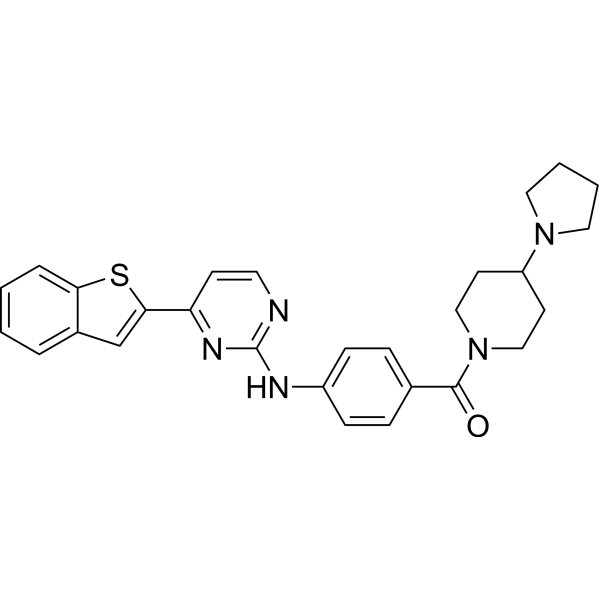
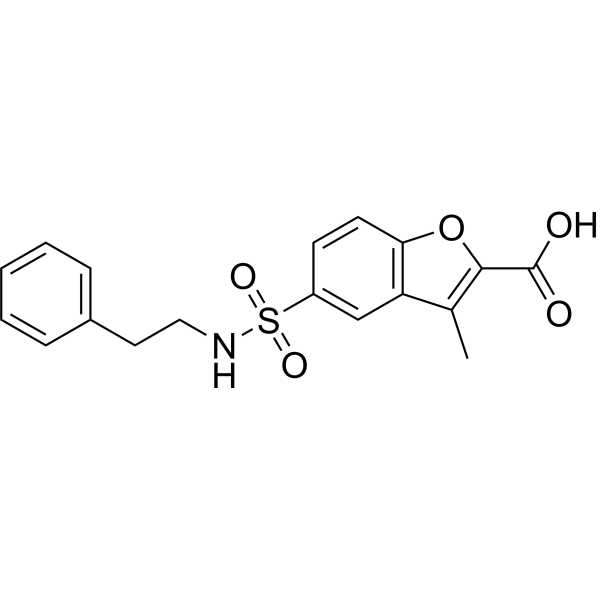
    IKK 16
    Maximum Cited Publications
    29 Publications Verification

    IKK LRRK2 P-glycoprotein PKD NF-κB TNF Receptor Interleukin Related Cardiovascular Disease Inflammation/Immunology
    IKK 16 is an orally active IKK inhibitor. IKK 16 shows IC50s of 40 nM, 70 nM, 200 nM, and 50 nM for IKK2, IKK complex, IKK1, and LRRK 2, respectively. IKK 16 is also a pan-PKD inhibitor, inhibiting PKD1, PKD2, and PKD3 with IC50s of 153.9, 115, and 99.7 nM, respectively. IKK 16 is also an ABCB1 inhibitor, interfering with the binding of ABCB1 to its substrates. IKK 16 protects against LPS (HY-D1056)-induced multiple organ dysfunction by reducing the acute inflammatory response induced by endotoxin exposure. IKK 16 can restore renal function and alleviate fibrosis in acute kidney injury. IKK 16 attenuates cardiac dysfunction associated with polymicrobial sepsis in mice with type 2 diabetes mellitus (T2DM) by inhibiting the NF-κB pathway .
    IKK 16
  • HY-N2468

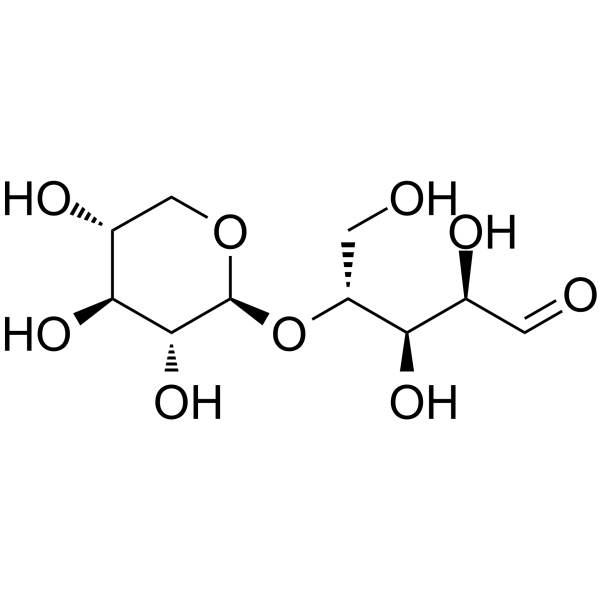
    1,4-β-D-Xylobiose; 1,4-D-Xylobiose

    TNF Receptor Claudin HSP Metabolic Disease Inflammation/Immunology
    Xylobiose (1,4-β-D-Xylobiose; 1,4-D-Xylobiose) is an orally active Claudin 2/CLDN2 inhibitor and HSP27 inducer. Xylobiose works by regulating intestinal barrier function and glucose and lipid metabolism-related signaling pathways. Xylobiose inhibits CLDN2 expression to reduce intestinal permeability, induces HSP27 to enhance cell protection, and regulates the miR-122a/miR-33a axis to inhibit liver lipid synthesis and improve insulin resistance. Xylobiose can strengthen intestinal barrier integrity, reduce blood sugar and blood lipid levels, and reduce oxidative stress and inflammatory response. Xylobiose can be used in the study of type 2 diabetes and metabolic syndrome .
    Xylobiose
  • HY-W010516

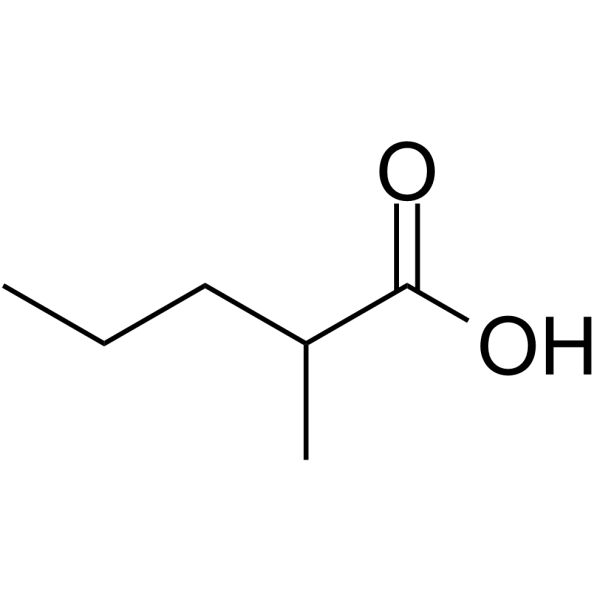
    2-Methylpentanoic acid

    Endogenous Metabolite Metabolic Disease
    2-Methylvaleric acid is a branched short-chain fatty acid (SCFA) produced by the metabolism of branched-chain amino acids by gut microbes. 2-Methylvaleric acid can be used as a potential biomarker for metabolic diseases such as type 2 diabetes, and its content is significantly reduced in the feces of diabetic mice. 2-Methylvaleric acid may regulate host energy metabolism and inflammatory response through G protein-coupled receptors (GPCRs) or histone deacetylase (HDAC) inhibition. 2-Methylvaleric acid can be used to study gut microbe-host interactions and metabolic diseases as a fecal biomarker[1][2].
    2-Methylvaleric acid
  • HY-13687A
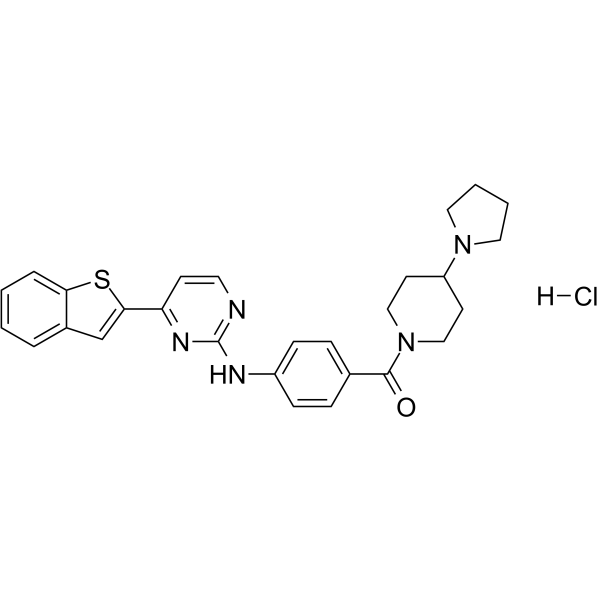
    IKK 16 hydrochloride
    Maximum Cited Publications
    29 Publications Verification

    IKK LRRK2 P-glycoprotein PKD NF-κB TNF Receptor Interleukin Related Cardiovascular Disease Inflammation/Immunology
    IKK 16 hydrochloride is an orally active IKK inhibitor. IKK 16 hydrochloride shows IC50s of 40 nM, 70 nM, 200 nM, and 50 nM for IKK2, IKK complex, IKK1, and LRRK 2, respectively. IKK 16 hydrochloride is also a pan-PKD inhibitor, inhibiting PKD1, PKD2, and PKD3 with IC50s of 153.9, 115, and 99.7 nM, respectively. IKK 16 hydrochloride is also an ABCB1 inhibitor, interfering with the binding of ABCB1 to its substrates. IKK 16 hydrochloride protects against LPS (HY-D1056)-induced multiple organ dysfunction by reducing the acute inflammatory response induced by endotoxin exposure. IKK 16 hydrochloride can restore renal function and alleviate fibrosis in acute kidney injury. IKK 16 hydrochloride attenuates cardiac dysfunction associated with polymicrobial sepsis in mice with type 2 diabetes mellitus (T2DM) by inhibiting the NF-κB pathway .
    IKK 16 hydrochloride
  • HY-N5027
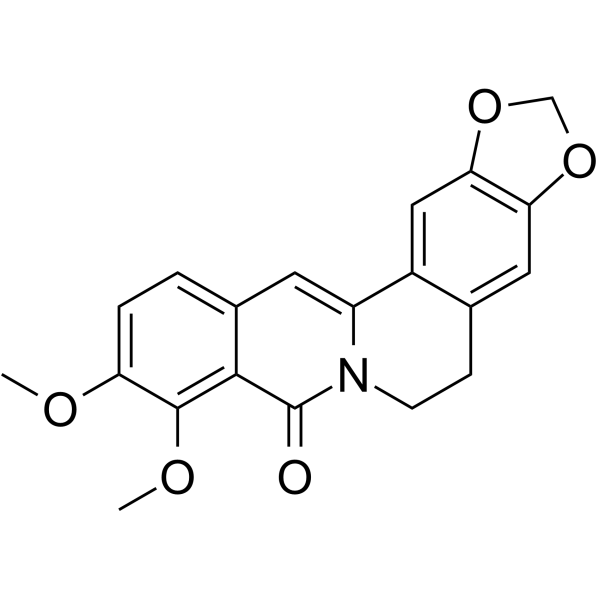
    Oxyberberine
    2 Publications Verification

    Oxyberberin; Berlambine; 8-Oxoberberine

    Others Infection Neurological Disease Inflammation/Immunology
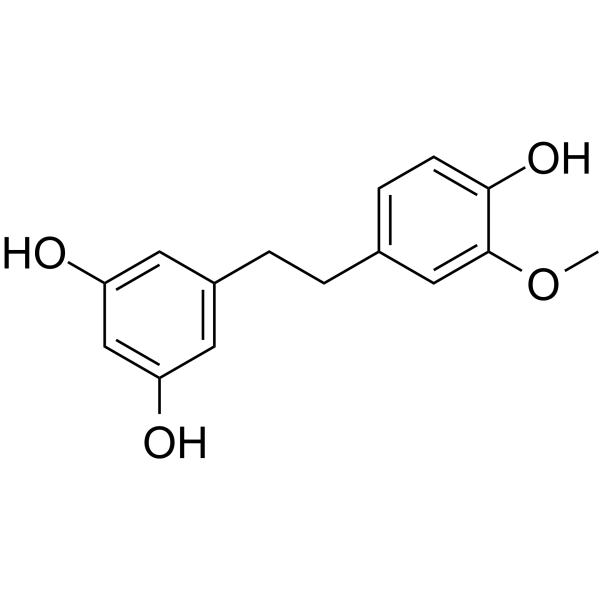
    Oxyberberine (Oxyberberin; Berlambine) is an orally effective heme oxygenase HO-1 agonist that can activate antioxidant mechanisms by regulating the PI3K/Akt/AMPK signaling pathway. Oxyberberine induces HO-1 expression, increases SOD and GSH-Px activity, inhibits NF-κB-mediated inflammatory responses, and improves insulin sensitivity and glucose metabolism. Oxyberberine has anti-diabetic, neuroprotective, anti-inflammatory and antioxidant effects, and can be used to study type 2 diabetes, traumatic brain injury (TBI) and inflammatory bowel disease .
    Oxyberberine
  • HY-119684

    NOD-like Receptor (NLR) Interleukin Related Neurological Disease Inflammation/Immunology
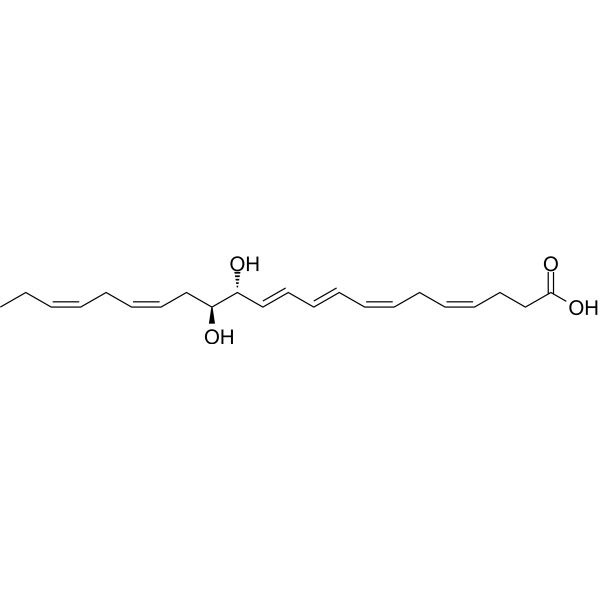
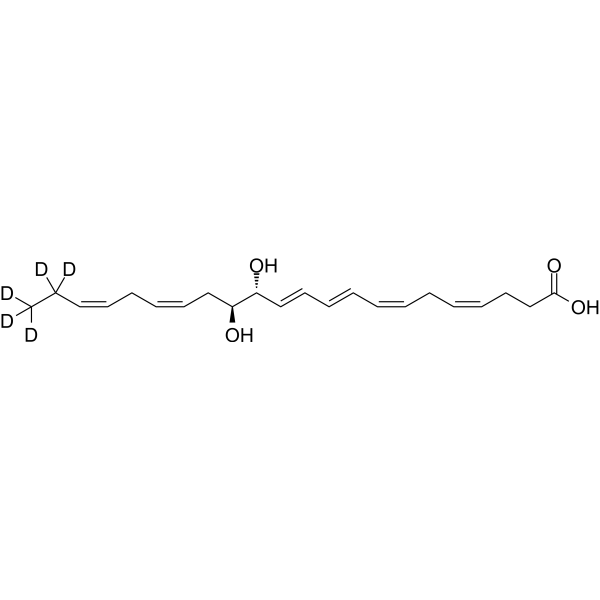
    Maresin 2 is an anti-inflammatory and pro-resolving mediator. Maresin 2 drives intestinal epithelial cell migration by activating the focal cell-matrix adhesion signaling pathway in primary human intestinal epithelial cells, thereby promoting mucosal wound repair. Maresin 2 alleviates nociceptive and anxiety-like behaviors in rats with type 1 diabetes by inhibiting IL-1β in the spinal cord and prefrontal cortex. Maresin 2 attenuates allergic airway inflammation in mice by inhibiting the activation of the NLRP3 inflammasome, Th2-type immune responses, and oxidative stress. Maresin 2 inhibits inflammatory and neuropathic trigeminal neuralgia and reduces neuronal activation in the trigeminal ganglion. Maresin 2 promotes inflammation resolution and mucosal repair after DSS-induced colitis or biopsy-induced colonic mucosal injury .
    Maresin 2
  • HY-P991278

    Interleukin Related Inflammation/Immunology
    ABM-125 is a IL-25 neutralizer and immune response modulator. ABM-125 neutralizes human and mouse IL-25 and blocks type 2 immune activation function. ABM-125 regulates virus-induced inflammatory cytokine expression and increases the expression level of antiviral interferons in rhinovirus-infected asthmatic bronchial epithelial cells. For the isotype control of ABM-125, refer to Human IgG1 kappa, Isotype Control (HY-P99001). ABM-125 is applicable to research related to virus-induced acute asthma exacerbations .
    ABM-125
  • HY-N2468R

    1,4-β-D-Xylobiose (Standard); 1,4-D-Xylobiose (Standard)

    Reference Standards TNF Receptor Claudin HSP Metabolic Disease Inflammation/Immunology
    Xylobiose (1,4-β-D-Xylobiose; 1,4-D-Xylobiose) is an orally active Claudin 2/CLDN2 inhibitor and HSP27 inducer. Xylobiose works by regulating intestinal barrier function and glucose and lipid metabolism-related signaling pathways. Xylobiose inhibits CLDN2 expression to reduce intestinal permeability, induces HSP27 to enhance cell protection, and regulates the miR-122a/miR-33a axis to inhibit liver lipid synthesis and improve insulin resistance. Xylobiose can strengthen intestinal barrier integrity, reduce blood sugar and blood lipid levels, and reduce oxidative stress and inflammatory response. Xylobiose can be used in the study of type 2 diabetes and metabolic syndrome .
    Xylobiose (Standard)
  • HY-13687R

    IKK LRRK2 Reference Standards P-glycoprotein PKD NF-κB TNF Receptor Interleukin Related Inflammation/Immunology
    IKK 16 (Standard) is the analytical standard of IKK 16. This product is intended for research and analytical applications. IKK 16 hydrochloride is an orally active IKK inhibitor. IKK 16 hydrochloride shows IC50s of 40 nM, 70 nM, 200 nM, and 50 nM for IKK2, IKK complex, IKK1, and LRRK 2, respectively. IKK 16 hydrochloride is also a pan-PKD inhibitor, inhibiting PKD1, PKD2, and PKD3 with IC50s of 153.9, 115, and 99.7 nM, respectively. IKK 16 hydrochloride is also an ABCB1 inhibitor, interfering with the binding of ABCB1 to its substrates. IKK 16 hydrochloride protects against LPS (HY-D1056)-induced multiple organ dysfunction by reducing the acute inflammatory response induced by endotoxin exposure. IKK 16 hydrochloride can restore renal function and alleviate fibrosis in acute kidney injury. IKK 16 hydrochloride attenuates cardiac dysfunction associated with polymicrobial sepsis in mice with type 2 diabetes mellitus (T2DM) by inhibiting the NF-κB pathway.
    IKK 16 (Standard)
  • HY-N1117

    Phosphatase NO Synthase Infection Metabolic Disease Cancer
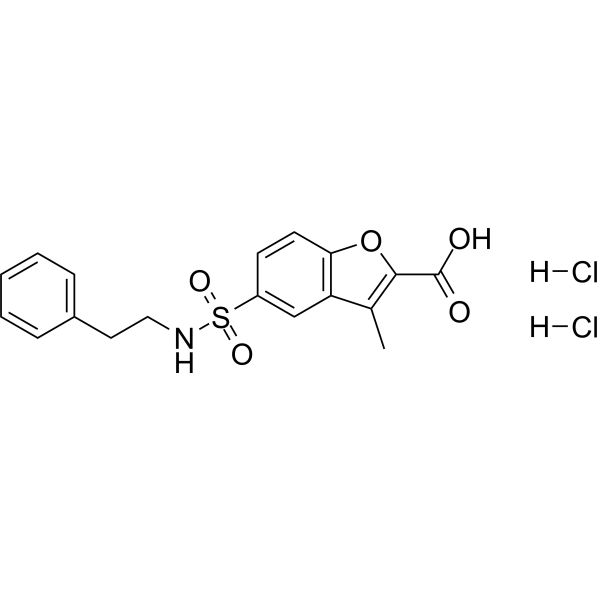
    Tristin is a PTP1B inhibitor (IC50=21.2 μM) with antioxidant and antifungal activities. Tristin inhibits lipid peroxidation and NO production in LPS-stimulated macrophages, and also exhibits activity against a variety of phytopathogenic fungi. Tristin is also able to inhibit cancer cell proliferation. Tristin can be used in the research of diseases associated with phytopathogenic fungal infection, leukemia, type 2 diabetes and inflammatory responses .
    Tristin
  • HY-W010516R

    2-Methylpentanoic acid (Standard)

    Reference Standards Endogenous Metabolite Metabolic Disease
    2-Methylvaleric acid (Standard) is the analytical standard of 2-Methylvaleric acid. This product is intended for research and analytical applications. 2-Methylvaleric acid is a branched short-chain fatty acid (SCFA) produced by the metabolism of branched-chain amino acids by gut microbes. 2-Methylvaleric acid can be used as a potential biomarker for metabolic diseases such as type 2 diabetes, and its content is significantly reduced in the feces of diabetic mice. 2-Methylvaleric acid may regulate host energy metabolism and inflammatory response through G protein-coupled receptors (GPCRs) or histone deacetylase (HDAC) inhibition. 2-Methylvaleric acid can be used to study gut microbe-host interactions and metabolic diseases as a fecal biomarker[1][2].
    2-Methylvaleric acid (Standard)
  • HY-P992440

    Interleukin Related Inflammation/Immunology
    PF-06817024 is a high affinity, humanized antibody that binds IL-33. PF-06817024 binds to IL-33, prevents IL-33 from binding to receptor ST2, and inhibits downstream type 2 inflammatory responses. PF-06817024 can be used for the research of allergic diseases .
    PF-06817024
  • HY-184265

    Mito-Esc

    Drug Derivative STAT Sirtuin AMPK PAI-1 MicroRNA Akt Mitochondrial Metabolism Cardiovascular Disease Metabolic Disease Inflammation/Immunology
    Mito-Esculetin (Mito-Esc) is an orally active mitochondria-targeted derivative of Esculetin (HY-N0284). Mito-Esculetin inhibits LPS-induced phosphorylation of STAT3 Tyr-705, partially reverses LPS-mediated depletion of SIRT3, and enhances the AMPK-SIRT1 signaling axis. Mito-Esculetin inhibits PAI-1 activity, regulates miRNA, and induces phosphorylation of IRS and AKT. Mito-Esculetin suppresses oxidant-induced endothelial dysfunction, Ang-II (HY-13948)- and high glucose-induced atherosclerotic plaque formation, Palmitate (HY-N0830)-induced insulin resistance, as well as high glucose-mediated endothelial cell senescence and inflammatory responses. Mito-Esculetin reduces body weight and non-esterified fatty acid (NEFA) levels. Mito-Esculetin can be used in research related to acute coronary syndrome, type 2 diabetes, and hyperglycemia-induced atherosclerosis .
    Mito-Esculetin

Inquiry Online

Your information is safe with us. * Required Fields.

Salutation


Country or Region *

Applicant Name *


Organization Name *

Department *


Email Address *


Product Name *

Cat. No.


Requested quantity *

Phone Number *


Remarks

Inquiry Online

Inquiry Information

Product Name:
Cat. No.:
Quantity:
MCE Japan Authorized Agent:

