
1. Search Result
Search Result
Results for "

yeast α-glucosidase

" in MedChemExpress (MCE) Product Catalog:

28

Inhibitors & Agonists

1

Biochemical Assay Reagents

18

Natural
Products

3

Isotope-Labeled Compounds

1

Oligonucleotides

Cat. No. Product Name Target Research Areas Chemical Structure
  • HY-P2802
    α-Glucosidase, Yeast
    1 Publications Verification

    α-D-glucosidase, yeast

    Glycosidase Metabolic Disease
    α-Glucosidase, Yeast (α-D-Glucosidase, Yeast), a carbohydrate hydrolyzing enzyme, catalyzes the liberation of α-glucose from the non-reducing end of the substrate. α-Glucosidase can facilitate the absorption of glucose by the small intestine. Inhibition of α-Glucosidase is an effective management of non-insulin-dependent diabetes mellitus (NIDDM) .
    α-Glucosidase, Yeast
  • HY-N2024
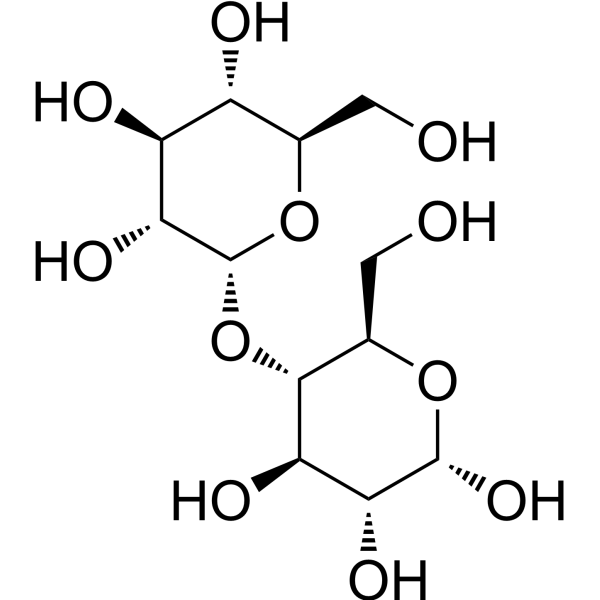
    Maltose
    1 Publications Verification

    Endogenous Metabolite Glycosidase Metabolic Disease
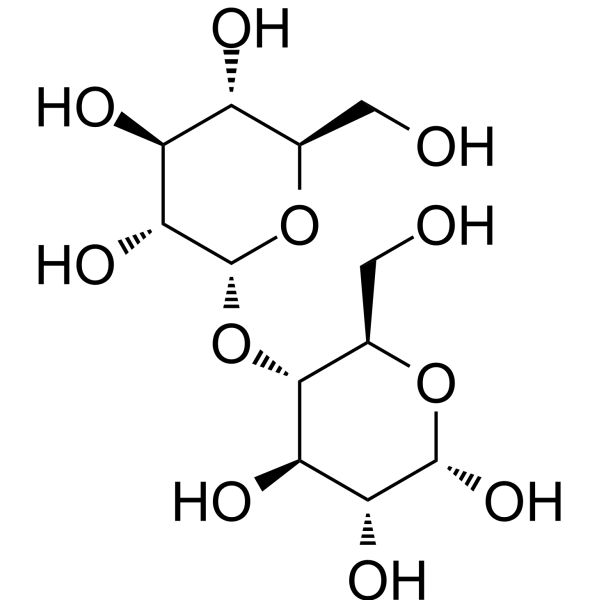
    Maltose is a disaccharide composed of two glucose molecules linked together. Maltose is an endogenous metabolic product in plants, yeast, or bacteria, and it participates in carbon source storage and metabolism. Maltose is a key core metabolite and main transport form in the temporary starch degradation, carbon output, and subsequent sucrose synthesis metabolism of the night chloroplast. In X. dendrorhous, maltose can act as a sugar donor and is converted into isomaltulose by α-glucosidase). Maltose can act as a osmotic agent, supporting continuous capillary ultrafiltration and preventing severe metabolic disorders .
    Maltose
  • HY-N0058
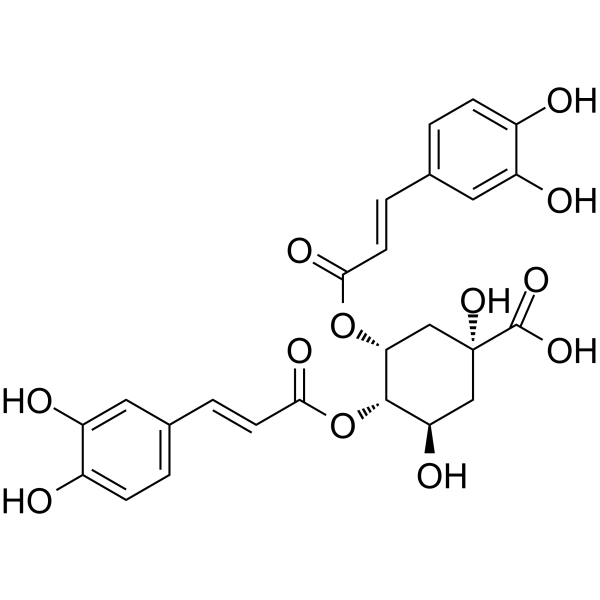
    4,5-Dicaffeoylquinic acid
    Maximum Cited Publications
    11 Publications Verification

    Isochlorogenic acid C

    HBV Endogenous Metabolite Apoptosis Glycosidase Infection
    4,5-Dicaffeoylquinic acid (Isochlorogenic acid C) is an antioxidant, can be isolated from Gynura divaricata and Laggera alata. 4,5-Dicaffeoylquinic acid reduces islet cell apoptosis and improves pancreatic function in type 2 diabetic mice, and has obvious inhibitory activities against yeast α-glucosidase. 4,5-Dicaffeoylquinic acid inhibits prostate cancer cells through cell cycle arrest. 4,5-Dicaffeoylquinic acid also has anti-apoptotic, anti-injury and anti-hepatitis B virus effects .
    4,5-Dicaffeoylquinic acid
  • HY-N2024A
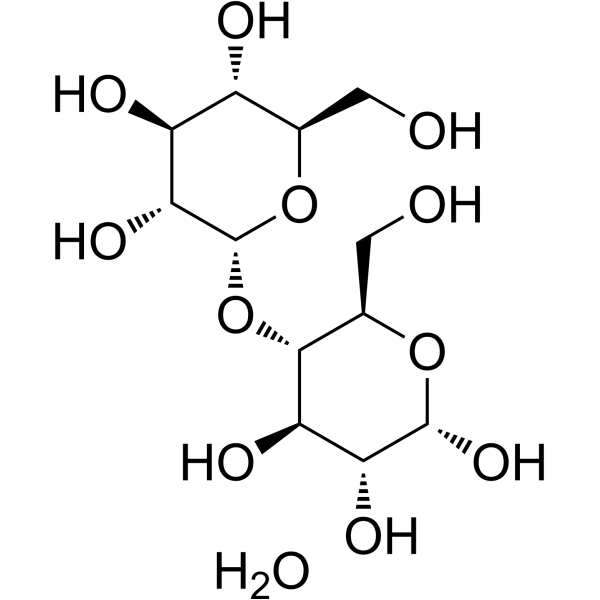
    Maltose monohydrate
    1 Publications Verification

    Endogenous Metabolite Glycosidase Metabolic Disease
    Maltose monohydrate is a disaccharide composed of two glucose molecules linked together. Maltose monohydrate is an endogenous metabolic product in plants, yeast, or bacteria, and it participates in carbon source storage and metabolism. Maltose monohydrate is a key core metabolite and main transport form in the temporary starch degradation, carbon output, and subsequent sucrose synthesis metabolism of the night chloroplast. In X. dendrorhous, maltose can act as a sugar donor and is converted into isomaltulose by α-glucosidase. Maltose monohydrate can act as a osmotic agent, supporting continuous capillary ultrafiltration and preventing severe metabolic disorders .
    Maltose monohydrate
  • HY-N2024AS1

    Isotope-Labeled Compounds Endogenous Metabolite Glycosidase Metabolic Disease
    Maltose monohydrate- 13C12 is the 13C labeled isotope of Maltose monohydrate. Maltose monohydrate is a disaccharide composed of two glucose molecules linked together. Maltose monohydrate is an endogenous metabolic product in plants, yeast, or bacteria, and it participates in carbon source storage and metabolism. Maltose monohydrate is a key core metabolite and main transport form in the temporary starch degradation, carbon output, and subsequent sucrose synthesis metabolism of the night chloroplast. In X. dendrorhous, maltose can act as a sugar donor and is converted into isomaltulose by α-glucosidase. Maltose monohydrate can act as a osmotic agent, supporting continuous capillary ultrafiltration and preventing severe metabolic disorders.
    Maltose-13C12 monohydrate
  • HY-125713

    Glycosidase Enterovirus Infection
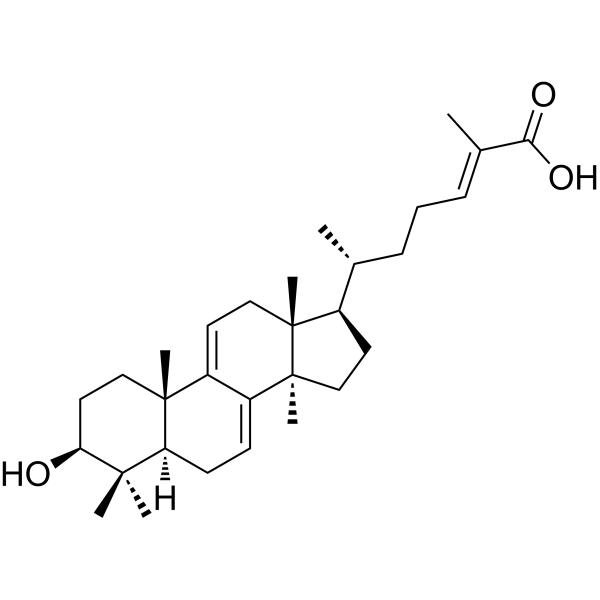
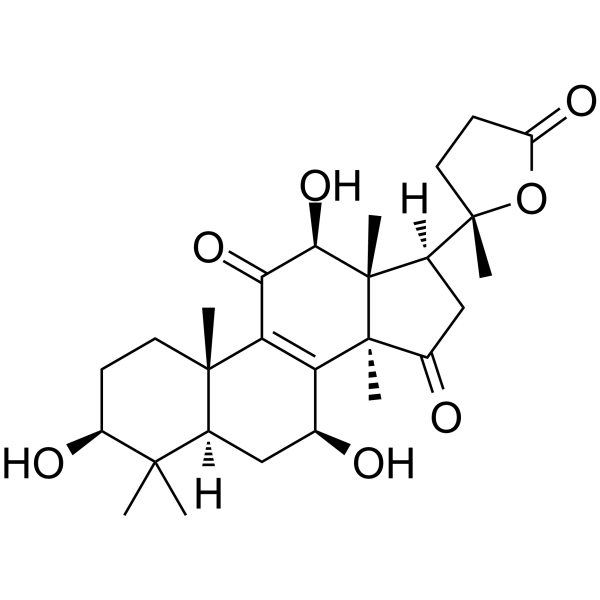
    Ganoderic acid Y is a α-glucosidase inhibitor with an IC50 of 170 μM for yeast α-glucosidase. Ganoderic acid Y inhibits enterovirus 71 (EV71) replication through blocking EV71 uncoating .
    Ganoderic acid Y
  • HY-W009417

    Environmental Pollutants Glycosidase Metabolic Disease
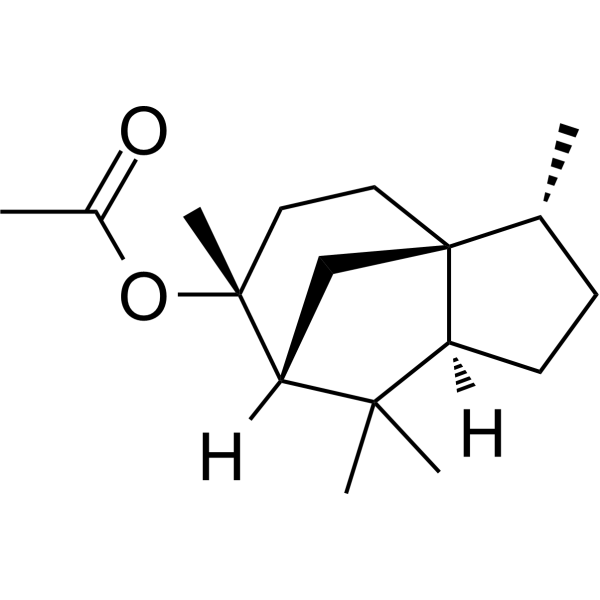
    Cedryl acetate is an orally active α-glucosidase inhibitor with an IC50 of 94 μM against yeast α-glucosidase. Cedryl acetate reduces high-fat diet-induced body weight gain, visceral fat pad weight, adipocyte hypertrophy, hepatic lipid accumulation, glucose intolerance, insulin resistance and gluconeogenesis. Cedryl acetate can be used in the research of obesity and obesity-related metabolic syndrome .
    Cedryl acetate
  • HY-N1510

    Glycosidase Notch Toll-like Receptor (TLR) NF-κB Mucin Reactive Oxygen Species (ROS) Bacterial TGF-beta/Smad Anaplastic lymphoma kinase (ALK) Infection Inflammation/Immunology Cancer
    Kaempferol 3-O-gentiobioside is an orally active flavonoid, with a Ka value of 57 µM against human NOTCH1 and an IC50 value of 50 μM against α-glucosidase. Kaempferol 3-O-gentiobioside inhibits the NOTCH signaling pathway. It downregulates the expression of TLR4 and NLRP3, and suppresses the activation and nuclear translocation of NF-κB. Kaempferol 3-O-gentiobioside inhibits the expression of MUC5AC, reduces nitrite and ROS levels, and attenuates excessive mucus secretion. It exhibits antibacterial activity, reducing the formation and growth of MRSA biofilms. Kaempferol 3-O-gentiobioside blocks the TGF-β/ALK5/Smad signaling pathway and inhibits epithelial-mesenchymal transition. It suppresses the proliferation, migration, invasion and metastatic growth of tumor cells. Kaempferol 3-O-gentiobioside alleviates airway inflammation and mucus hypersecretion in mice with allergic asthma . It reduces the volume of ovarian cancer xenografts in mice. Kaempferol 3-O-gentiobioside can be used in research related to allergic asthma, diabetes, MRSA infection, breast cancer, gastric cancer and ovarian cancer .
    Kaempferol 3-O-gentiobioside
  • HY-N7626

    Fungal Glycosidase Infection
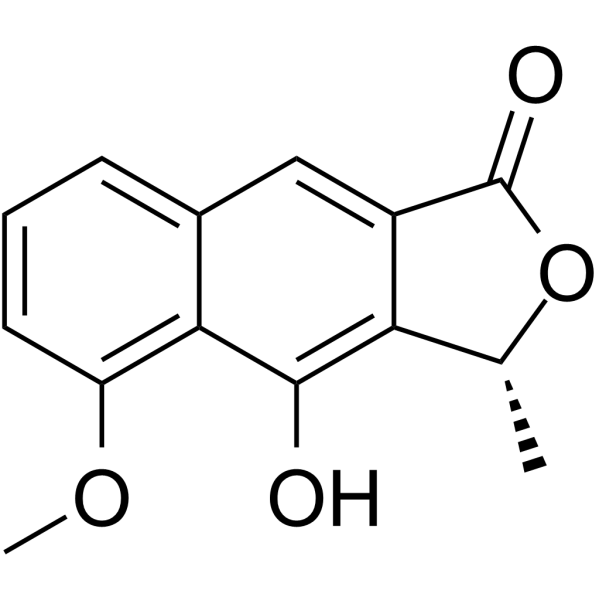
    Eleutherol is a naphthalene isolated from E. americana with antifungal activities . Eleutherol is against yeasts Candida albicans, C. tropicalis, Saccharomyces cerevisiae and Cryptococcus neoformans with MIC values between 7.8 µg/mL and 250 µg/mL . Eleutherol inhibits α-glucosidase function with an IC50>1.00 mM .
    Eleutherol
  • HY-N2024R

    Reference Standards Endogenous Metabolite Glycosidase Metabolic Disease
    Maltose (Standard) is the analytical standard of Maltose. This product is intended for research and analytical applications. Maltose is a disaccharide composed of two glucose molecules linked together. Maltose is an endogenous metabolic product in plants, yeast, or bacteria, and it participates in carbon source storage and metabolism. Maltose is a key core metabolite and main transport form in the temporary starch degradation, carbon output, and subsequent sucrose synthesis metabolism of the night chloroplast. In X. dendrorhous, maltose can act as a sugar donor and is converted into isomaltulose by α-glucosidase (α-Glucosidase). Maltose can act as a osmotic agent, supporting continuous capillary ultrafiltration and preventing severe metabolic disorders.
    Maltose (Standard)
  • HY-N2024AS

    Isotope-Labeled Compounds Endogenous Metabolite Glycosidase Metabolic Disease
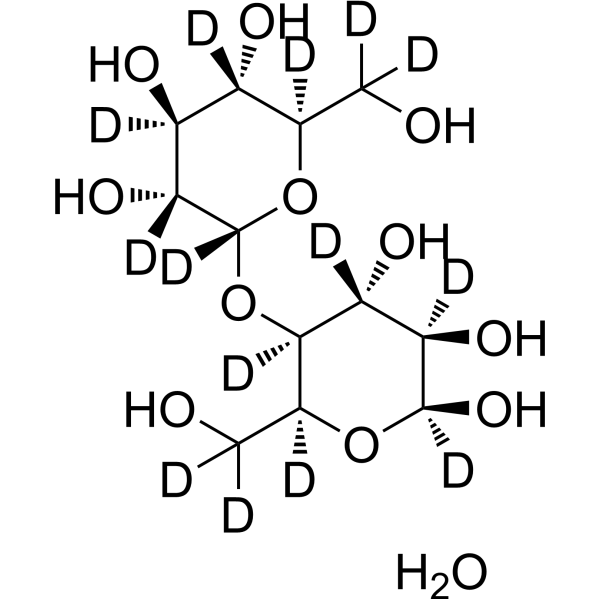
    Maltose monohydrate-d14 is the deuterium labeled Maltose monohydrate. Maltose monohydrate is a disaccharide composed of two glucose molecules linked together. Maltose monohydrate is an endogenous metabolic product in plants, yeast, or bacteria, and it participates in carbon source storage and metabolism. Maltose monohydrate is a key core metabolite and main transport form in the temporary starch degradation, carbon output, and subsequent sucrose synthesis metabolism of the night chloroplast. In X. dendrorhous, maltose can act as a sugar donor and is converted into isomaltulose by α-glucosidase. Maltose monohydrate can act as a osmotic agent, supporting continuous capillary ultrafiltration and preventing severe metabolic disorders.
    Maltose monohydrate-d14
  • HY-N2024B

    Endogenous Metabolite Glycosidase Metabolic Disease
    Maltose solution, 20% in H2O is a 20% aqueous maltose solution. Maltose is a disaccharide composed of two glucose molecules linked together. Maltose is an endogenous metabolic product in plants, yeast, or bacteria, and it participates in carbon source storage and metabolism. Maltose is a key core metabolite and main transport form in the temporary starch degradation, carbon output, and subsequent sucrose synthesis metabolism of the night chloroplast. In X. dendrorhous, maltose can act as a sugar donor and is converted into isomaltulose by α-glucosidase. Maltose can act as a osmotic agent, supporting continuous capillary ultrafiltration and preventing severe metabolic disorders .
    Maltose solution, 20% in H2O
  • HY-N0058R

    Isochlorogenic acid C (Standard)

    Reference Standards HBV Endogenous Metabolite Apoptosis Glycosidase Infection
    4,5-Dicaffeoylquinic acid (Standard) is the analytical standard of 4,5-Dicaffeoylquinic acid. This product is intended for research and analytical applications. 4,5-Dicaffeoylquinic acid (Isochlorogenic acid C) is an antioxidant, can be isolated from Gynura divaricata and Laggera alata. 4,5-Dicaffeoylquinic acid reduces islet cell apoptosis and improves pancreatic function in type 2 diabetic mice, and has obvious inhibitory activities against yeast α-glucosidase. 4,5-Dicaffeoylquinic acid inhibits prostate cancer cells through cell cycle arrest. 4,5-Dicaffeoylquinic acid also has anti-apoptotic, anti-injury and anti-hepatitis B virus effects .
    4,5-Dicaffeoylquinic acid (Standard)
  • HY-N3503

    Glycosidase Endocrinology
    Ganoderlactone D shows inhibitory effects of yeast α-Glucosidase with IC50 values of 41.7 μM .
    Ganoderlactone D
  • HY-N3078

    Glycosidase Endocrinology Cancer
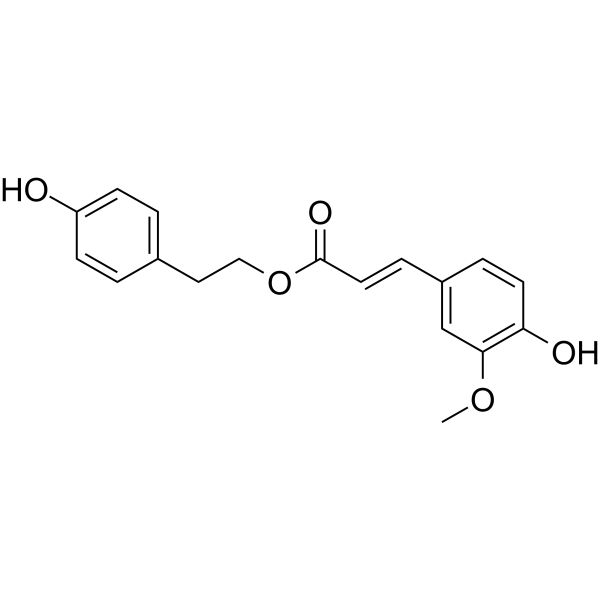
    p-Hydroxyphenethyl trans-ferulate has anti-hyperglycemic (yeast α-glucosidase, IC50=19.24 ± 1.73 µM), antioxidant, and anti-inflammatory activities . p-Hydroxyphenethyl trans-ferulate shows inhibiting anticancer and serotonergic activity .
    p-Hydroxyphenethyl trans-ferulate
  • HY-129149

    HMG-CoA Reductase (HMGCR) Metabolic Disease
    Ganoderic acid SZ is a natural product with 3-hydroxy-3-methylglutaryl-CoA reductase inhibitory activity. Ganoderic acid SZ shows stronger activity than the positive control atorvastatin in inhibiting HMG-CoA reductase. Ganoderic acid SZ exhibits significant inhibition of yeast-derived α-glucosidase with IC50 values achieved at very low concentrations. Ganoderic acid SZ also exhibits cytotoxicity against K562 cells with IC?? values in the range of 10-20 μM .
    Ganoderic acid SZ
  • HY-N2024AR

    Reference Standards Endogenous Metabolite Glycosidase Metabolic Disease
    Maltose monohydrate (Standard) is the analytical standard of Maltose monohydrate. This product is intended for research and analytical applications. Maltose monohydrate is a disaccharide composed of two glucose molecules linked together. Maltose monohydrate is an endogenous metabolic product in plants, yeast, or bacteria, and it participates in carbon source storage and metabolism. Maltose monohydrate is a key core metabolite and main transport form in the temporary starch degradation, carbon output, and subsequent sucrose synthesis metabolism of the night chloroplast. In X. dendrorhous, maltose can act as a sugar donor and is converted into isomaltulose by α-glucosidase. Maltose monohydrate can act as a osmotic agent, supporting continuous capillary ultrafiltration and preventing severe metabolic disorders.
    Maltose monohydrate (Standard)
  • HY-W009417R

    Reference Standards Glycosidase Environmental Pollutants Metabolic Disease
    Cedryl acetate (Standard) is the analytical standard of Cedryl acetate. This product is intended for research and analytical applications. Cedryl acetate is an orally active α-glucosidase inhibitor with an IC50 of 94 μM against yeast α-glucosidase. Cedryl acetate reduces high-fat diet-induced body weight gain, visceral fat pad weight, adipocyte hypertrophy, hepatic lipid accumulation, glucose intolerance, insulin resistance and gluconeogenesis. Cedryl acetate can be used in the research of obesity and obesity-related metabolic syndrome .
    Cedryl acetate (Standard)
  • HY-N17553

    Glycosidase Metabolic Disease
    N-Formyldehydroanonaine is a potent α-glucosidase inhibitor with an IC50 of 104.6 μM against yeast α-glucosidase. N-Formyldehydroanonaine can be used for the research of diabetes mellitus .
    N-Formyldehydroanonaine
  • HY-N10440

    Glycosidase Infection Inflammation/Immunology
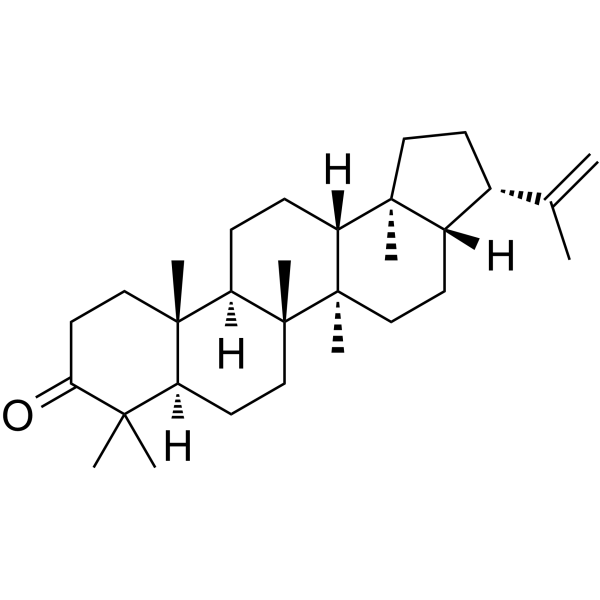
    3-Oxo-hop-22(29)-ene is a yeast α-glucosidase inhibitor. 3-Oxo-hop-22(29)-ene shows a moderate effect on the viability of T. cruzi and L. mexicana. 3-Oxo-hop-22(29)-ene shows marginal activity of anti-inflammatory .
    3-Oxo-hop-22(29)-ene
  • HY-168495

    Amylases Glycosidase Metabolic Disease
    α-Amylase-IN-12 (Compound 5e) is an α-amylase inhibitor (IC50: 0.15 mM) with a mixed inhibition. α-Amylase-IN-12 has an IC50 of 9.40 mM against α-glucosidase. α-Amylase-IN-12 promotes glucose uptake in yeast cells and exhibits significant antiglycation activity at high concentrations. α-Amylase-IN-12 can be used for the research of diabetes .
    α-Amylase-IN-12
  • HY-N2024AS2

    Isotope-Labeled Compounds Endogenous Metabolite Glycosidase Metabolic Disease
    Maltose monohydrate- 13C is the 13C labeled isotope of Maltose monohydrate. Maltose monohydrate is a disaccharide composed of two glucose molecules linked together. Maltose monohydrate is an endogenous metabolic product in plants, yeast, or bacteria, and it participates in carbon source storage and metabolism. Maltose monohydrate is a key core metabolite and main transport form in the temporary starch degradation, carbon output, and subsequent sucrose synthesis metabolism of the night chloroplast. In X. dendrorhous, maltose can act as a sugar donor and is converted into isomaltulose by α-glucosidase. Maltose monohydrate can act as a osmotic agent, supporting continuous capillary ultrafiltration and preventing severe metabolic disorders.
    Maltose monohydrate-13C
  • HY-N17215

    3,4,6-Trigalloylglucose

    Amylases Glycosidase Metabolic Disease Inflammation/Immunology
    3,4,6-Tri-O-galloyl-D-glucose (3,4,6-Trigalloylglucose) is an α-amylase (porcine α-amylase IC50 = 334.6 μM; Ki = 307.5 μM) and α-glucosidase (yeast α-glucosidase IC50 = 46.5 μM; Ki = 39.9 μM) mixed type inhibitor. 3,4,6-Tri-O-galloyl-D-glucose exhibits free radical scavenging ability, ferric-reducing power, and antioxidant activity. 3,4,6-Tri-O-galloyl-D-glucose can be used for the research of diabetes .
    3,4,6-Tri-O-galloyl-D-glucose
  • HY-N19933

    Glycosidase Others
    cis-3-O-Hydroxycinnamoyl-ursolic acid is a cis-cinnamic acid ester derivative. cis-3-O-Hydroxycinnamoyl-ursolic acid exhibits no α-glucosidase inhibitory activity .
    cis-3-O-Hydroxycinnamoyl-ursolic acid
  • HY-182776

    Glycosidase Metabolic Disease
    α-Glucosidase-IN-115 (compound 3m) is a non-competitive α-Glucosidase inhibitor with an IC50 value of 45.07 μM. α-Glucosidase-IN-115 is applicable to the research of type 2 diabetes .
    α-Glucosidase-IN-115
  • HY-118434

    Glycosidase Metabolic Disease
    3,4-Methylenedioxychalcone (Compound 40) is an α-glucosidase inhibitor with an IC50 of 1870 μM. 3,4-Methylenedioxychalcone is applicable to the research of type 2 diabetes .
    3,4-Methylenedioxychalcone
  • HY-182289

    Glycosidase Metabolic Disease
    LY-23 is an orally active α-glucosidase inhibitor (Ki = 0.05 μM), with IC50 values of 0.18 μM, 0.14 μM and 0.51 μM against maltase, sucrase and isomaltase, respectively. LY-23 reduces the level of postprandial blood glucose elevation. LY-23 is applicable to research related to postprandial hyperglycemia .
    LY-23
  • HY-181253

    Glycosidase Metabolic Disease
    α-Glucosidase-IN-111 (Compound 5d) is an α-glucosidase (α-Glucosidase) inhibitor with a IC50 of 34.99 μg/mL. α-Glucosidase-IN-111 effectively scavenges DPPH free radicals and ABTS free radicals, with IC50 values of 5.33 and 5.84 μg/mL, respectively. α-Glucosidase-IN-111 can be used in the research of type 2 diabetes .
    α-Glucosidase-IN-111

Inquiry Online

Your information is safe with us. * Required Fields.

Salutation


Country or Region *

Applicant Name *


Organization Name *

Department *


Email Address *


Product Name *

Cat. No.


Requested quantity *

Phone Number *


Remarks

Inquiry Online

Inquiry Information

Product Name:
Cat. No.:
Quantity:
MCE Japan Authorized Agent:

