Delivery of temperature sensitive items including proteins and kits will be paused on 6/19 for the Juneteenth holiday. For urgent orders please contact customer service.
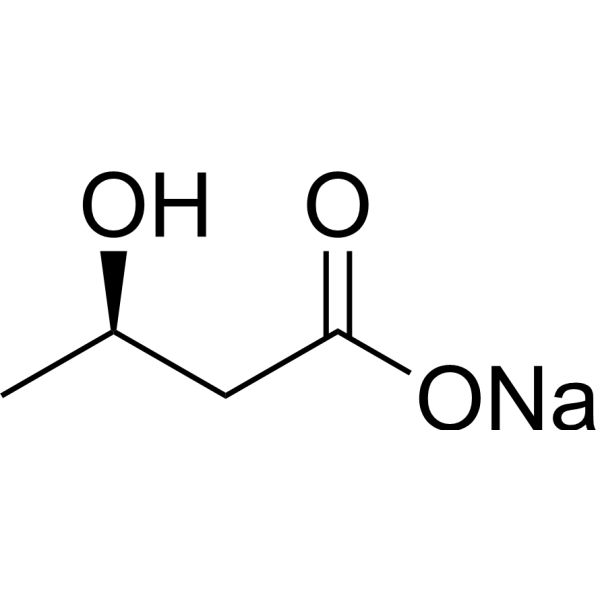
(R)-3-Hydroxybutanoic acid ((R)-3-Hydroxybutyric acid) sodium is a metabolite converted from acetoacetic acid catalyzed by 3-hydroxybutyrate dehydrogenase. (R)-3-Hydroxybutanoic acid sodium can function as a nutrition source, and as a precursor for vitamins, antibiotics and pheromones .
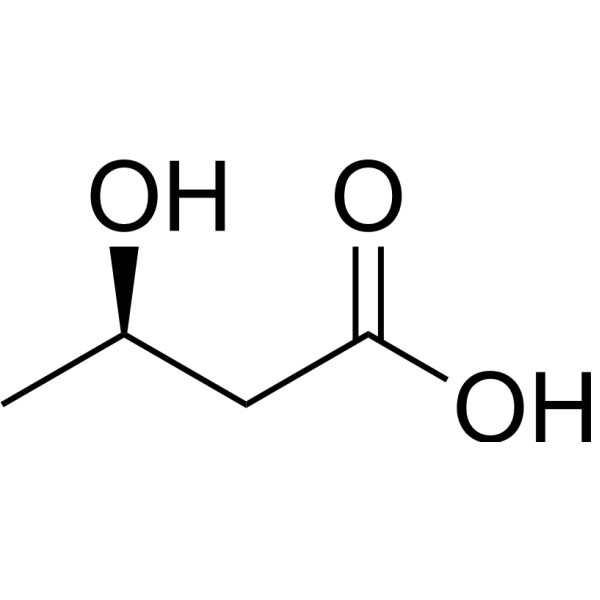
(R)-3-Hydroxybutanoic acid is a metabolite, and converted from acetoacetic acid catalyzed by 3-hydroxybutyrate dehydrogenase. (R)-3-Hydroxybutanoic acid has applications as a nutrition source and as a precursor for vitamins, antibiotics and pheromones .
Lipopolysaccharides, from E. coli O111:B4 (LPS, from Escherichia coli (O111:B4)) are endotoxins and TLR4 activators extracted from Escherichia coli (E. coli O111:B4) and are classified as S (smooth) type LPS. Lipopolysaccharides (LPS), from E. coli O111:B4 possess the typical three-part structure: O-antigen, R3-type core oligosaccharide, and lipid A. Lipopolysaccharides (LPS), from E. coli O111:B4 activate TLR-4 in immune cells and can cause significant gastric diseases. Lipopolysaccharides (LPS), from E. coli O111:B4 can be used to induce cellular inflammation and establish animal models related to inflammation .
It is recommended to prepare a solution with concentration ≥2 mg/mL. Vortex thoroughly for more than 10 minutes. Due to the adsorption characteristics of LPS, silanized container or low adsorption centrifuge tubes should be used for aliquoting and storage, and mix thoroughly before use.
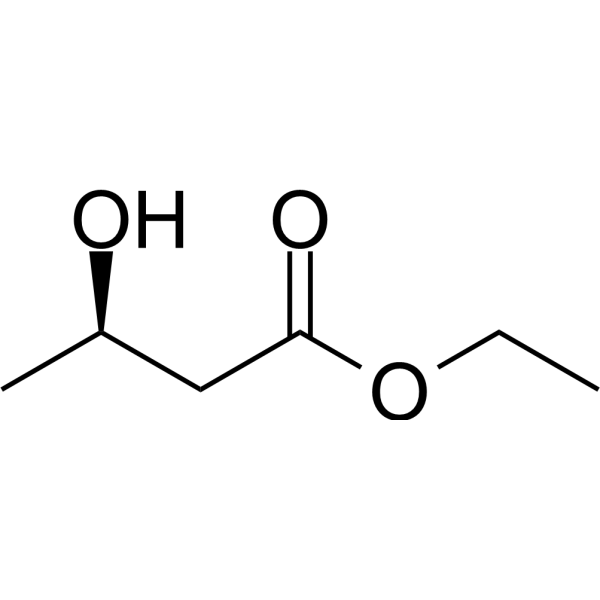
Ethyl (R)-3-hydroxybutyrate is an organic compound commonly used as a starting material for chiral chemical synthesis. It can be used in the preparation of medicines, spices, fine chemicals and food additives, etc., and is widely used in medicine, cosmetics and food industries. In addition, this compound is also used as a substrate or intermediate in some biochemical reactions
Lipopolysaccharides, from E. coli O127:B8 (LPS, from Escherichia coli (O127:B8)) are endotoxins and TLR4 activators extracted from Escherichia coli (E. coli O127:B8) and are classified as S (smooth) type LPS. Lipopolysaccharides, from E. coli O127:B8 possess the typical three-part structure: O-antigen, R3-type core oligosaccharide, and lipid A. Lipopolysaccharides, from E. coli O127:B8 activate TLR-4 in immune cells, can induce inflammatory responses and ileal contractility, and can be used to construct intestinal inflammation models .
It is recommended to prepare a solution with concentration ≥2 mg/mL. Vortex thoroughly for more than 10 minutes. Due to the adsorption characteristics of LPS, silanized container or low adsorption centrifuge tubes should be used for aliquoting and storage, and mix thoroughly before use.
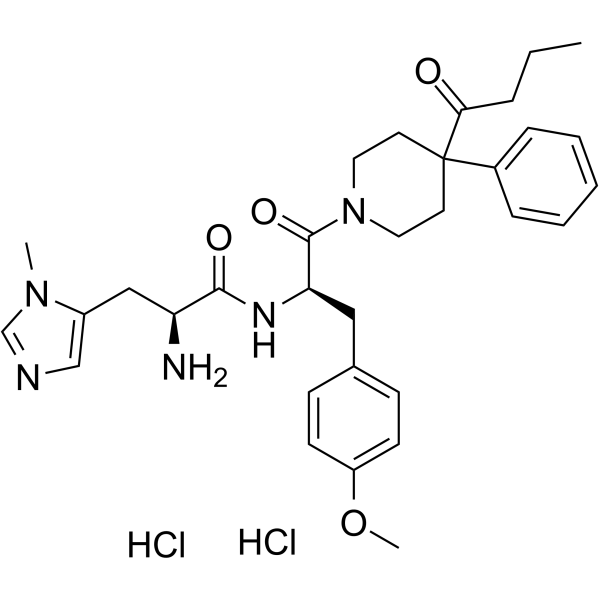
BMS-470539 dihydrochloride is a highly potent and selective melanocortin-1 receptor (MC-1R) agonist with an IC50 of 120 nM, an EC50 of 28 nM. BMS-470539 dihydrochloride does not activate MC-3R and is a very weak partial agonist at MC-4R and MC-5R. BMS-470539 dihydrochloride has potently anti-inflammatory properties .
IP3RPEP6 is an IP3R competitive inhibitor. IP3RPEP6 has the IC50 values of 9.0 μM, 3.9 μM and 4.3 μM for IP3R1, IP3R2 and IP3R3, respectively. IP3RPEP6 does not affect the Ryanodine receptor and Cx43 hemichannels. IP3RPEP6 regulates calcium signaling within cells .
Lipopolysaccharides, from E. coli O128:B12 (LPS, from Escherichia coli (O128:B12)) are endotoxins and TLR4 activators extracted from Escherichia coli (E. coli O128:B12) and are classified as S (smooth) type LPS. Lipopolysaccharides, from E. coli O128:B12 possess the typical three-part structure: O-antigen, R3-type core oligosaccharide, and lipid A. Lipopolysaccharides, from E. coli O128:B12 activate TLR-4 in immune cells, can be used to construct animal models of neonatal brain inflammation, and may influence preterm birth in neonates .
It is recommended to prepare a solution with concentration ≥2 mg/mL. Vortex thoroughly for more than 10 minutes. Due to the adsorption characteristics of LPS, silanized container or low adsorption centrifuge tubes should be used for aliquoting and storage, and mix thoroughly before use.
Biotin-Lipopolysaccharide, from E.coli O111:B4 (Biotin-LPS, from Escherichia coli (O111:B4)) is a biotin-conjugated Lipopolysaccharide (LPS) (HY-D1056A1) that can be coupled with streptavidin protein. Biotin-Lipopolysaccharide, from E.coli O111:B4 can be used to identify Lipopolysaccharide ligands. Lipopolysaccharides, from E. coli O111:B4 (LPS, from Escherichia coli (O111:B4)) are endotoxins and TLR4 activators extracted from Escherichia coli (E. coli O111:B4) and are classified as S (smooth) type LPS. Lipopolysaccharides, from E. coli O111:B4 possess the typical three-part structure: O-antigen, R3-type core oligosaccharide, and lipid A. Lipopolysaccharides, from E. coli O111:B4 activate TLR-4 in immune cells and can cause significant gastric diseases. Lipopolysaccharides, from E. coli O111:B4 can also induce M1-type polarization in mouse macrophages .
It is recommended to prepare a solution with concentration ≥2 mg/mL. Vortex thoroughly for more than 10 minutes. Due to the adsorption characteristics of LPS, silanized container or low adsorption centrifuge tubes should be used for aliquoting and storage, and mix thoroughly before use.
(3R)-3-Hydroxybutyric acid-1- 13C is 13C labeled (R)-3-Hydroxybutanoic acid. (R)-3-Hydroxybutanoic acid is a metabolite, and converted from acetoacetic acid catalyzed by 3-hydroxybutyrate dehydrogenase. (R)-3-Hydroxybutanoic acid has applications as a nutrition source and as a precursor for vitamins, antibiotics and pheromones .
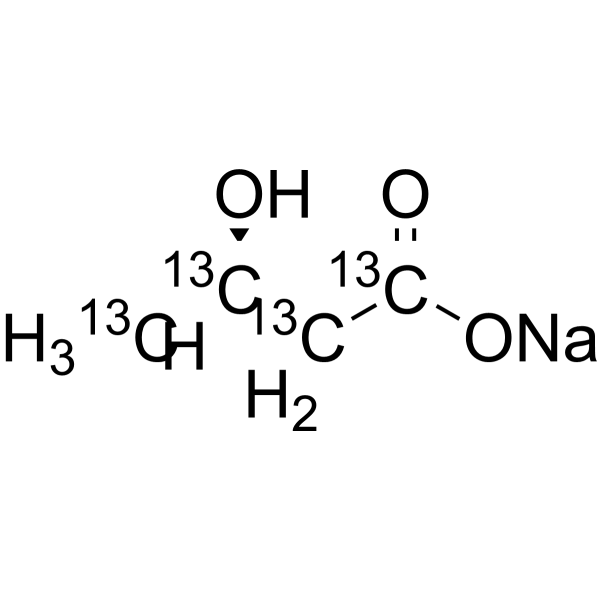
(R)-3-Hydroxybutanoic acid- 13C4 sodium is a 13C labeled (R)-3-Hydroxybutanoic acid (HY-W051723). (R)-3-Hydroxybutanoic acid is a metabolite converted from acetoacetic acid catalyzed by 3-hydroxybutyrate dehydrogenase. (R)-3-Hydroxybutanoic acid can function as a nutrition source, and as a precursor for vitamins, antibiotics and pheromones .
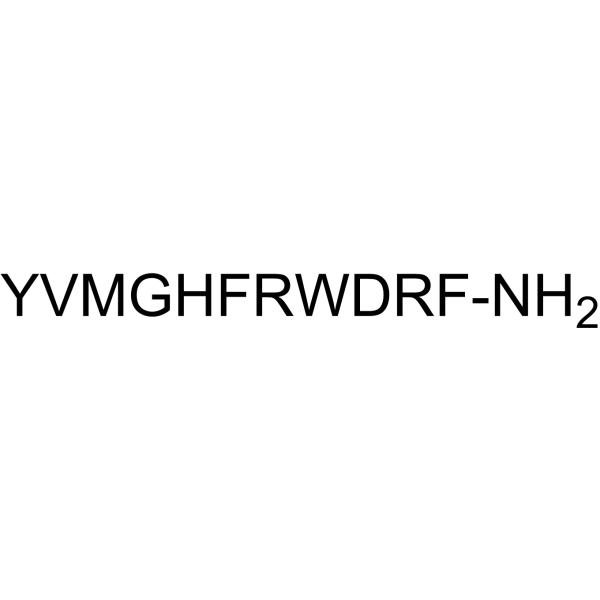
γ-1-Melanocyte Stimulating Hormone (MSH), amide is a 11-amino acid peptide. γ-1-Melanocyte Stimulating Hormone (MSH) regulates sodium (Na +) balance and blood pressure through activation of the melanocortin receptor 3(MC3-R).
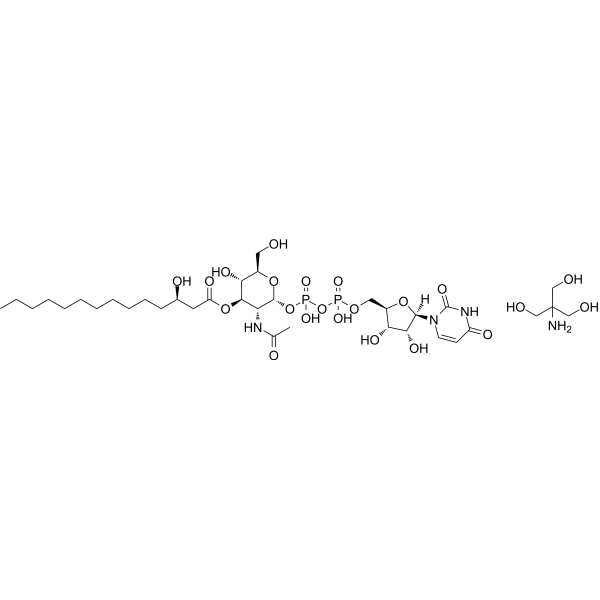
UDP-3-O-acyl-GlcNAc Tris (UDP-3-O-(3-hydroxytetradecanoyl)-N-acetylglucosamine Tris) serves as a deacetylation substrate and biosynthetic intermediate in the biosynthetic pathways of lipid A and Kdo2-lipid A in Escherichia coli. UDP-3-O-acyl-GlcNAc Tris undergoes enzymatic deacetylation via LpxC to produce UDP-3-O-[(R)-3-hydroxymyristoyl]glucosamine and release acetate. UDP-3-O-acyl-GlcNAc Tris accumulates in Escherichia coli extracts in the absence of [(R)-3-hydroxymyristoyl]-acyl carrier protein. UDP-3-O-acyl-GlcNAc Tris can be used in studies related to Gram-negative shock .
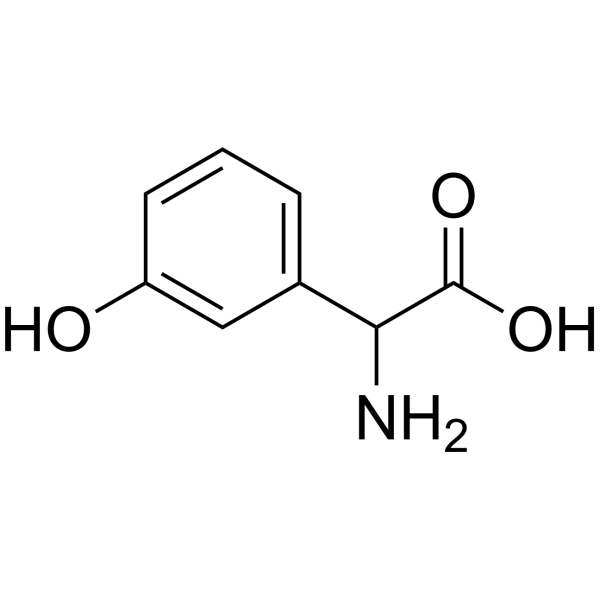
(Rac)-3-Hydroxyphenylglycine (3HPG) is a racemic mixture of (S)-3-hydroxyphenylglycine and (R)-3-hydroxyphenylglycine. (S)-3-Hydroxyphenylglycine is a potent and selective mGluR1 agonist .
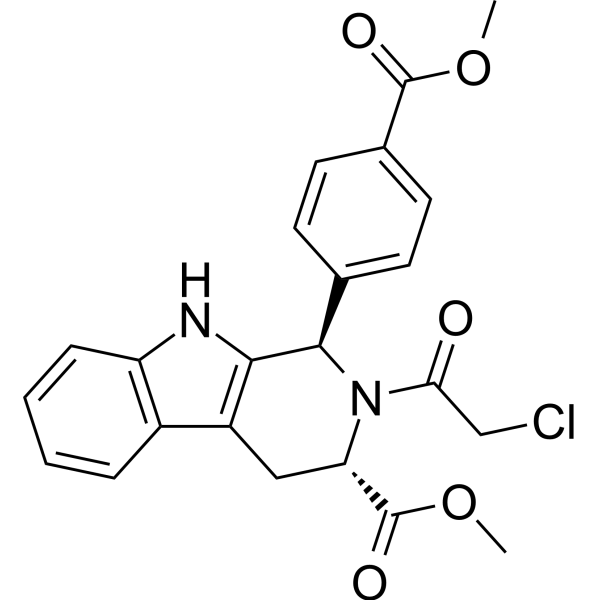
(1R,3R)-RSL3 is an isomer of RSL3 (HY-100218A). RSL3 ((1S,3R)-RSL3) is an inhibitor of glutathione peroxidase 4 (GPX4) (ferroptosis activator), reduces the expression of GPX4 protein, and induces ferroptotic death of head and neck cancer cell. RSL3 increases the expression of p62 and Nrf2 and inactivates Keap1 in HN3-rslR cells .
BOC-(1S,3R)-3-aminocyclopentanecarboxylic acid ((1S,3R)-3-[(tert-Butoxycarbonyl)amino]cyclopentanecarboxylic acid) is a synthetic intermediate useful for pharmaceutical synthesis.
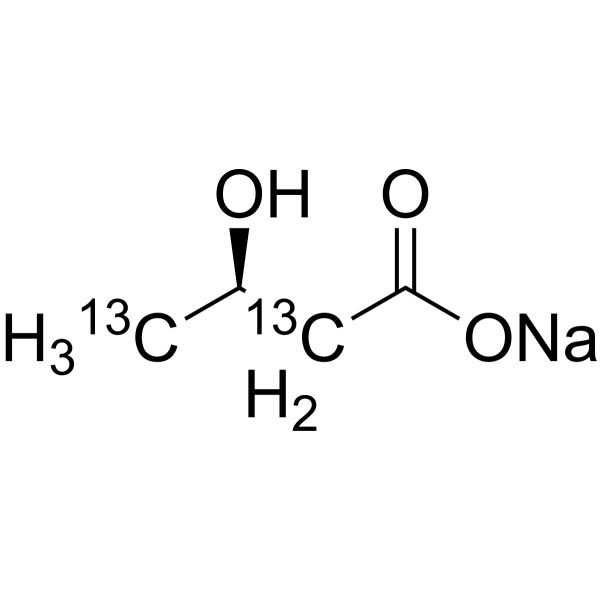
(R)-3-Hydroxybutanoic acid- 13C2 sodium is the 13C labeled (R)-3-Hydroxybutanoic acid sodium (HY-W015851). (R)-3-Hydroxybutanoic acid sodium is a metabolite converted from acetoacetic acid catalyzed by 3-hydroxybutyrate dehydrogenase. (R)-3-Hydroxybutanoic acid sodium can function as a nutrition source, and as a precursor for vitamins, antibiotics and pheromones .
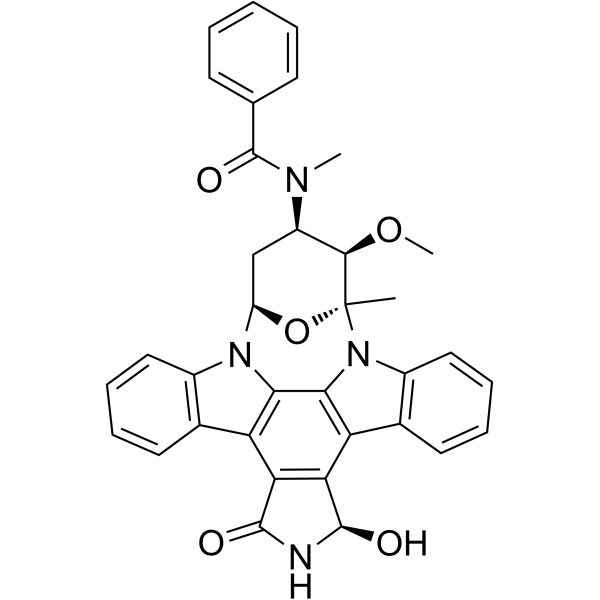
(R)-3-Hydroxy Midostaurin ((R)-CGP52421) is a potent kinases inhibitor. (R)-3-Hydroxy Midostaurin is a major metabolite of midostaurin (PKC412; HY-10230) undergoing by the hepatic CYP3A4 enzyme. (R)-3-Hydroxy Midostaurin has the potential for acute myeloid leukemia (AML) .
(1R,3S)-RSL3 is the less active (1R,3S)-enantiomer of RSL3 ((1S,3R)-RSL3). (1R,3S)-RSL3 and RSL3 induce cell death in HT22 wild-type cells with EC50 values of 5.2 µM and 0.004 µM, rspectively .
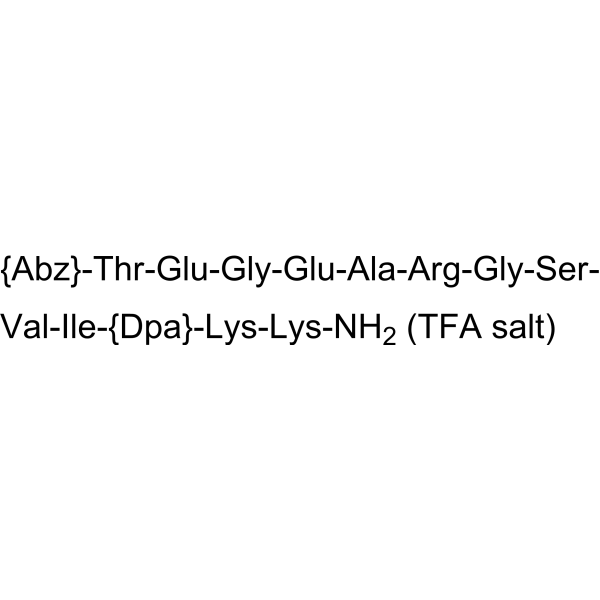
WAAG-3R TFA is a biological active peptide. (Aggrecanases belong to the ADAMTS (A disintegrin and metalloprotease with thrombospondin motif) family of proteases. Aggrecanases cleave aggrecan, the major structural component of cartilage. Aggrecanase-1 (ADAMTS-4) is a major aggrecanase in human osteoarthritic cartilage. This FRET peptide was used in an ADAMTS-4 (Aggrecanase-1) and ADAMTS-5 (Aggrecanase-2) assay . (Ex/Em = 340/420 nm)
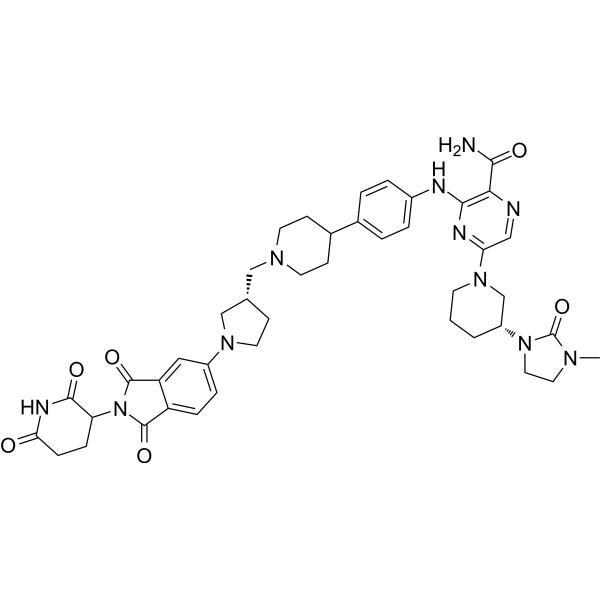
Thalidomide-((3R)-3-pyrrolidinemethanol) is an E3 ligase ligand-linker conjugate containing a CRBN-based ligand and linker, which can be used to synthesize PROTAC.
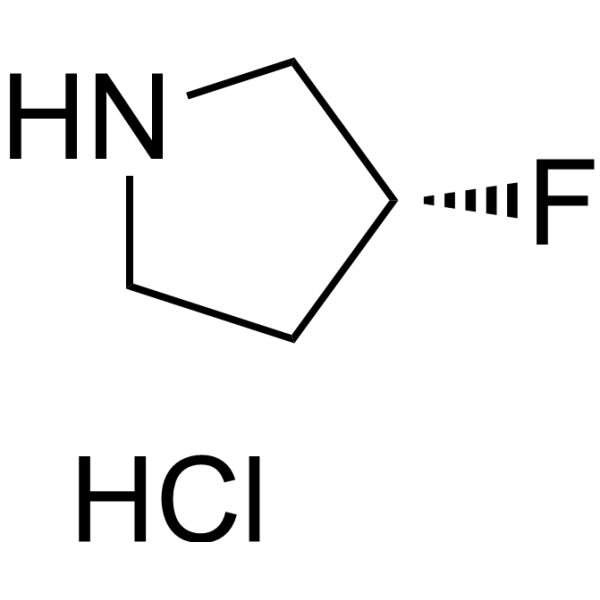
(R)-3-Fluoropyrrolidine hydrochloride is an intermediate. (R)-3-Fluoropyrrolidine hydrochloride can be used in the synthesis of hVanin-1 inhibitor (Compound X20). (R)-3-Fluoropyrrolidine hydrochloride can be used in the research of inflammatory bowel disease .
(S)-3-Hydroxymyristic acid ((3S)-3-Hydroxytetradecanoic acid) is the enantiomer of (R)-3-hydroxytetradecanoic acid (a lipid A component) (HY-W288375), and enhances the inherent immune adjuvant activity of lipid A .
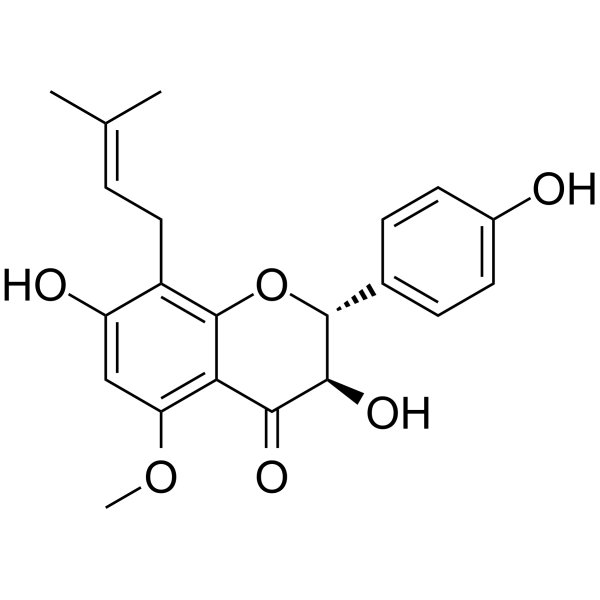
(2R,3R)-3,7,4'-Trihydroxy-5-methoxy-8-prenylflavanone can be used in a flame retardant for transparent polycarbonate products or in elevator illumination devices research .
(R)-3-Hydroxytetradecanoyl-CoA ((R)-3-Hydroxytetradecanoyl-coenzyme A) is a 3-hydroxy fatty acyl-CoA that results from the formal condensation of the thiol group of coenzyme A with the carboxy group of (R)-3-hydroxytetradecanoic acid.
meso-Zeaxanthin accumulates in the central retina and forms macular pigment together with lutein and zeaxanthin, which has the function of light filtering. meso-Zeaxanthin can quench ROS and exert antioxidant function .
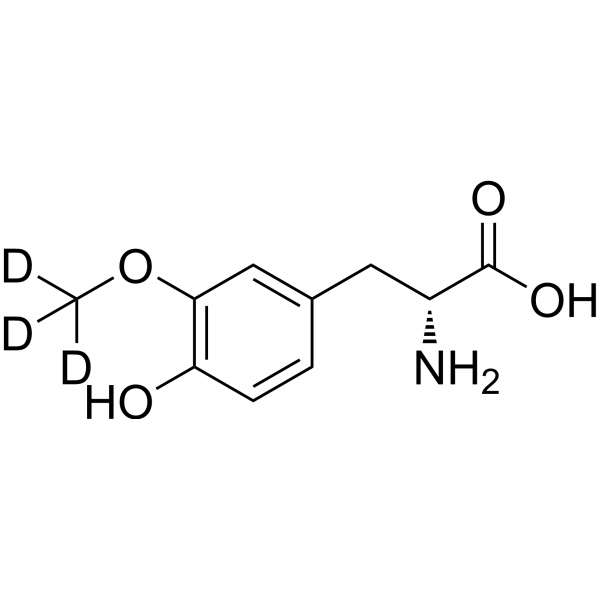
(R)-3-O-Methyldopa-d3 is a deuterium labeled (R)-3-O-Methyldopa, and (R)-3-O-Methyldopa is an R-enantiomer of 3-O-Methyldopa. 3-O-Methyldopa is a metabolite of L-DOPA which is formed by catechol-O-methyltransferase (COMT). 3-O-Methyldopa competitively inhibits the pharmacodynamics of L-DOPA and dopamine .
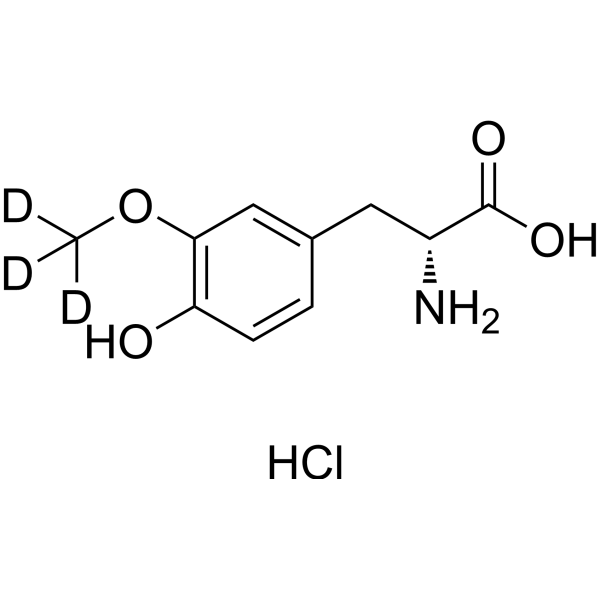
(R)-3-O-Methyldopa-d3 (hydrochloride) is a deuterium labeled (R)-3-O-Methyldopa, and (R)-3-O-Methyldopa is an R-enantiomer of 3-O-Methyldopa. 3-O-Methyldopa is a metabolite of L-DOPA which is formed by catechol-O-methyltransferase (COMT). 3-O-Methyldopa competitively inhibits the pharmacodynamics of L-DOPA and dopamine .
Bexatamig (SAR-443579) is a trifunctional natural killer cell engager targeting IL-3R α/CD123, NKp46/NCR1/CD335 and Fc gamma RIIIA/CD16a. Bexatamig forms a cytolytic synapse between natural killer cells and CD123-positive tumor cells. By activating natural killer cells to induce tumor cell death, Bexatamig effectively reduces the burden of CD123-positive acute myeloid leukemia (AML) blasts. Bexatamig has been granted FDA Fast Track designation, and is primarily investigated for relapsed or refractory acute myeloid leukemia, B-cell acute lymphoblastic leukemia, and high-risk myelodysplastic syndromes .
3-(R)-3-β-Glucopyranosyloxy-4-hydroxybutanoic acid is a butanoic acid glucose. 3-(R)-3-β-Glucopyranosyloxy-4-hydroxybutanoic acid can be isolated from the methanol extract of dried whole plants of Anoectochilus formosanus Hay. 3-(R)-3-β-Glucopyranosyloxy-4-hydroxybutanoic acid can be formed in 3 types of regenerated plantlets in vitro .
PIK3R3 Human Pre-designed siRNA Set A contains three designed siRNAs for PIK3R3 gene (Human), as well as a negative control, a positive control, and a FAM-labeled negative control.
(R)-3-Hydroxybutanoic acid (sodium) (Standard) is the analytical standard of (R)-3-Hydroxybutanoic acid (sodium). This product is intended for research and analytical applications. (R)-3-Hydroxybutanoic acid ((R)-3-Hydroxybutyric acid) sodium is a metabolite converted from acetoacetic acid catalyzed by 3-hydroxybutyrate dehydrogenase. (R)-3-Hydroxybutanoic acid sodium can function as a nutrition source, and as a precursor for vitamins, antibiotics and pheromones[1][2].
(R)-3-Hydroxybutanoic acid (Standard) is the analytical standard of (R)-3-Hydroxybutanoic acid. This product is intended for research and analytical applications. (R)-3-Hydroxybutanoic acid is a metabolite, and converted from acetoacetic acid catalyzed by 3-hydroxybutyrate dehydrogenase. (R)-3-Hydroxybutanoic acid has applications as a nutrition source and as a precursor for vitamins, antibiotics and pheromones[1][2].
R-(3)-Benzyloxymyristic acid methyl ester is a nonpolar solvent with activity for studying lipid-related interactions. R-(3)-Benzyloxymyristic acid methyl ester can be used in scientific research to explore the properties and behavior of cell membranes. R-(3)-Benzyloxymyristic acid methyl ester exhibits excellent solubility and compatibility in biochemical experiments.
Smyrindiol is a compound found in Dorstenia turbinate. Smyrindiol exerts anti-inflammatory and antimicrobial activities by inhibiting the secretion of tumor-associated proteases (MMP-2). Smyrindiol can be used in the study of brain tumors such as glioblastoma .
(R)-3-Hydroxyvaleryl-CoA ((3R)-Hydroxyvaleryl-coenzyme A) is a 3-hydroxy fatty acyl-CoA resulting from the formal condensation of the thiol group of coenzyme A with the carboxy group of (R)-3-hydroxypentanoic acid.
SufS-IN-1, a (2R,3R)-3-ethoxycarbonylaziridine-2-carboxylic acid (EAC), is a selective Cysteine desulfurase type II (SufS) inhibitor. SufS-IN-1 significantly inhibits the SufS activity by covalently binding to the cofactor PLP to form a stable PLP-ligand conjugates. SufS-IN-1 can be used for pathogenic microorganisms research, such as Plasmodium falciparum, Staphylococcus aureus and Mycobacterium tuberculosis .
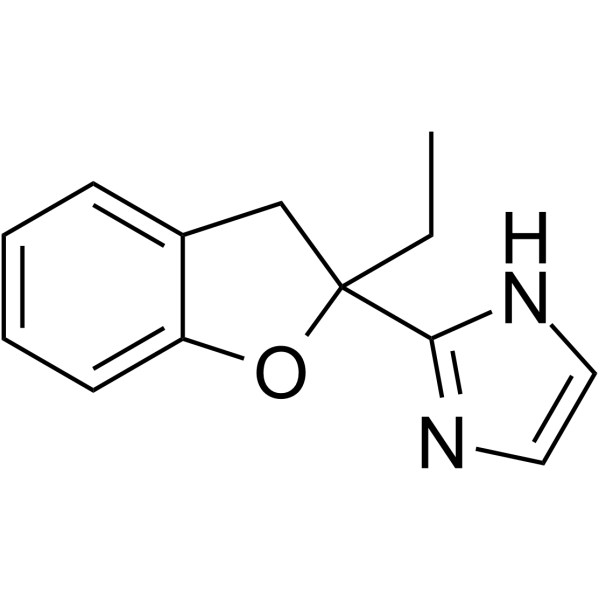
SB 414240 is a selective neurokinin-2 receptor (NK-2R) antagonist with Kis of 1 nM and 193 nM for human NK-3R and human NK-2R, respectively. SB 414240 does not bind the human μ-opioid receptor (hMOR). SB 414240 can be used for the study of neurological disease .
Antimalarial agent 12 (compound R-3b) is a potent antimalarial agent. Antimalarial agent 12 shows growth inhibition on P. falciparum Dd2 Strain (EC50=155 nM), 3D7 strain (EC50=136 nM). Antimalarial agent 12 has CC50 values of 10,000 to 50,000 nM for HEK-293 and hPHep cell lines. Antimalarial agent 12 has a MIC of >250,000 nM for Escherichia coli .
Pik3r3 Mouse Pre-designed siRNA Set A contains three designed siRNAs for Pik3r3 gene (Mouse), as well as a negative control, a positive control, and a FAM-labeled negative control.
Pik3r3 Rat Pre-designed siRNA Set A contains three designed siRNAs for Pik3r3 gene (Rat), as well as a negative control, a positive control, and a FAM-labeled negative control.
cis-3-Aminocyclobutanecarboxylic acid (rel-(1R,3R)-3-aMinocyclobutane-1-carboxylic acid) is a PROTAC linker that can be used in the synthesis of PROTACs.
7-[(1R,2R,3R)-3-Hydroxy-2-[(3S)-3-hydroxyoctyl]-5-oxocyclopentyl]heptanoyl-CoA (7-[(1R,2R,3R)-3-Hydroxy-2-[(3S)-3-hydroxyoctyl]-5-oxocyclopentyl]heptanoyl-coenzyme A) is a coenzyme A derivative .
(R)-3-Hydroxybutanoic acid-d ((R)-(-)-3-Hydroxybutanoic acid-d) is the deuterium labeled (R)-3-Hydroxybutanoic acid (HY-W051723). (R)-3-Hydroxybutanoic acid is a metabolite, and converted from acetoacetic acid catalyzed by 3-hydroxybutyrate dehydrogenase. (R)-3-Hydroxybutanoic acid has applications as a nutrition source and as a precursor for vitamins, antibiotics and pheromones.
(R)-3-Hydroxyisobutyric acid (sodium) serves as a biochemical hallmark for the metabolic disorder known as 3-hydroxyisobutyric aciduria, characterized by elevated urinary concentrations.
(1R,3R)-RSL3 (Standard) is the analytical standard of (1R,3R)-RSL3 (HY-100218C). This product is intended for research and analytical applications. (1R,3R)-RSL3 is an isomer of RSL3 (HY-100218A). RSL3 ((1S,3R)-RSL3) is an inhibitor of glutathione peroxidase 4 (GPX4) (ferroptosis activator), reduces the expression of GPX4 protein, and induces ferroptotic death of head and neck cancer cell. RSL3 increases the expression of p62 and Nrf2 and inactivates Keap1 in HN3-rslR cells .
Lipopolysaccharides, from E. coli O111:B4 (LPS, from Escherichia coli (O111:B4)) are endotoxins and TLR4 activators extracted from Escherichia coli (E. coli O111:B4) and are classified as S (smooth) type LPS. Lipopolysaccharides (LPS), from E. coli O111:B4 possess the typical three-part structure: O-antigen, R3-type core oligosaccharide, and lipid A. Lipopolysaccharides (LPS), from E. coli O111:B4 activate TLR-4 in immune cells and can cause significant gastric diseases. Lipopolysaccharides (LPS), from E. coli O111:B4 can be used to induce cellular inflammation and establish animal models related to inflammation .
It is recommended to prepare a solution with concentration ≥2 mg/mL. Vortex thoroughly for more than 10 minutes. Due to the adsorption characteristics of LPS, silanized container or low adsorption centrifuge tubes should be used for aliquoting and storage, and mix thoroughly before use.
Ethyl (R)-3-hydroxybutyrate is an organic compound commonly used as a starting material for chiral chemical synthesis. It can be used in the preparation of medicines, spices, fine chemicals and food additives, etc., and is widely used in medicine, cosmetics and food industries. In addition, this compound is also used as a substrate or intermediate in some biochemical reactions
Lipopolysaccharides, from E. coli O127:B8 (LPS, from Escherichia coli (O127:B8)) are endotoxins and TLR4 activators extracted from Escherichia coli (E. coli O127:B8) and are classified as S (smooth) type LPS. Lipopolysaccharides, from E. coli O127:B8 possess the typical three-part structure: O-antigen, R3-type core oligosaccharide, and lipid A. Lipopolysaccharides, from E. coli O127:B8 activate TLR-4 in immune cells, can induce inflammatory responses and ileal contractility, and can be used to construct intestinal inflammation models .
It is recommended to prepare a solution with concentration ≥2 mg/mL. Vortex thoroughly for more than 10 minutes. Due to the adsorption characteristics of LPS, silanized container or low adsorption centrifuge tubes should be used for aliquoting and storage, and mix thoroughly before use.
Lipopolysaccharides, from E. coli O128:B12 (LPS, from Escherichia coli (O128:B12)) are endotoxins and TLR4 activators extracted from Escherichia coli (E. coli O128:B12) and are classified as S (smooth) type LPS. Lipopolysaccharides, from E. coli O128:B12 possess the typical three-part structure: O-antigen, R3-type core oligosaccharide, and lipid A. Lipopolysaccharides, from E. coli O128:B12 activate TLR-4 in immune cells, can be used to construct animal models of neonatal brain inflammation, and may influence preterm birth in neonates .
It is recommended to prepare a solution with concentration ≥2 mg/mL. Vortex thoroughly for more than 10 minutes. Due to the adsorption characteristics of LPS, silanized container or low adsorption centrifuge tubes should be used for aliquoting and storage, and mix thoroughly before use.
Biotin-Lipopolysaccharide, from E.coli O111:B4 (Biotin-LPS, from Escherichia coli (O111:B4)) is a biotin-conjugated Lipopolysaccharide (LPS) (HY-D1056A1) that can be coupled with streptavidin protein. Biotin-Lipopolysaccharide, from E.coli O111:B4 can be used to identify Lipopolysaccharide ligands. Lipopolysaccharides, from E. coli O111:B4 (LPS, from Escherichia coli (O111:B4)) are endotoxins and TLR4 activators extracted from Escherichia coli (E. coli O111:B4) and are classified as S (smooth) type LPS. Lipopolysaccharides, from E. coli O111:B4 possess the typical three-part structure: O-antigen, R3-type core oligosaccharide, and lipid A. Lipopolysaccharides, from E. coli O111:B4 activate TLR-4 in immune cells and can cause significant gastric diseases. Lipopolysaccharides, from E. coli O111:B4 can also induce M1-type polarization in mouse macrophages .
It is recommended to prepare a solution with concentration ≥2 mg/mL. Vortex thoroughly for more than 10 minutes. Due to the adsorption characteristics of LPS, silanized container or low adsorption centrifuge tubes should be used for aliquoting and storage, and mix thoroughly before use.
(R)-3-Fluoropyrrolidine hydrochloride is an intermediate. (R)-3-Fluoropyrrolidine hydrochloride can be used in the synthesis of hVanin-1 inhibitor (Compound X20). (R)-3-Fluoropyrrolidine hydrochloride can be used in the research of inflammatory bowel disease .
R-(3)-Benzyloxymyristic acid methyl ester is a nonpolar solvent with activity for studying lipid-related interactions. R-(3)-Benzyloxymyristic acid methyl ester can be used in scientific research to explore the properties and behavior of cell membranes. R-(3)-Benzyloxymyristic acid methyl ester exhibits excellent solubility and compatibility in biochemical experiments.
IP3RPEP6 is an IP3R competitive inhibitor. IP3RPEP6 has the IC50 values of 9.0 μM, 3.9 μM and 4.3 μM for IP3R1, IP3R2 and IP3R3, respectively. IP3RPEP6 does not affect the Ryanodine receptor and Cx43 hemichannels. IP3RPEP6 regulates calcium signaling within cells .
γ-1-Melanocyte Stimulating Hormone (MSH), amide is a 11-amino acid peptide. γ-1-Melanocyte Stimulating Hormone (MSH) regulates sodium (Na +) balance and blood pressure through activation of the melanocortin receptor 3(MC3-R).
WAAG-3R TFA is a biological active peptide. (Aggrecanases belong to the ADAMTS (A disintegrin and metalloprotease with thrombospondin motif) family of proteases. Aggrecanases cleave aggrecan, the major structural component of cartilage. Aggrecanase-1 (ADAMTS-4) is a major aggrecanase in human osteoarthritic cartilage. This FRET peptide was used in an ADAMTS-4 (Aggrecanase-1) and ADAMTS-5 (Aggrecanase-2) assay . (Ex/Em = 340/420 nm)
WAAG-3R is a biological active peptide. (Aggrecanases belong to the ADAMTS (A disintegrin and metalloprotease with thrombospondin motif) family of proteases. Aggrecanases cleave aggrecan, the major structural component of cartilage. Aggrecanase-1 (ADAMTS-4) is a major aggrecanase in human osteoarthritic cartilage. This FRET peptide was used in an ADAMTS-4 (Aggrecanase-1) and ADAMTS-5 (Aggrecanase-2) assay . (Ex/Em = 340/420 nm)
Bexatamig (SAR-443579) is a trifunctional natural killer cell engager targeting IL-3R α/CD123, NKp46/NCR1/CD335 and Fc gamma RIIIA/CD16a. Bexatamig forms a cytolytic synapse between natural killer cells and CD123-positive tumor cells. By activating natural killer cells to induce tumor cell death, Bexatamig effectively reduces the burden of CD123-positive acute myeloid leukemia (AML) blasts. Bexatamig has been granted FDA Fast Track designation, and is primarily investigated for relapsed or refractory acute myeloid leukemia, B-cell acute lymphoblastic leukemia, and high-risk myelodysplastic syndromes .
(R)-3-Hydroxybutanoic acid ((R)-3-Hydroxybutyric acid) sodium is a metabolite converted from acetoacetic acid catalyzed by 3-hydroxybutyrate dehydrogenase. (R)-3-Hydroxybutanoic acid sodium can function as a nutrition source, and as a precursor for vitamins, antibiotics and pheromones .
(R)-3-Hydroxybutanoic acid is a metabolite, and converted from acetoacetic acid catalyzed by 3-hydroxybutyrate dehydrogenase. (R)-3-Hydroxybutanoic acid has applications as a nutrition source and as a precursor for vitamins, antibiotics and pheromones .
UDP-3-O-acyl-GlcNAc Tris (UDP-3-O-(3-hydroxytetradecanoyl)-N-acetylglucosamine Tris) serves as a deacetylation substrate and biosynthetic intermediate in the biosynthetic pathways of lipid A and Kdo2-lipid A in Escherichia coli. UDP-3-O-acyl-GlcNAc Tris undergoes enzymatic deacetylation via LpxC to produce UDP-3-O-[(R)-3-hydroxymyristoyl]glucosamine and release acetate. UDP-3-O-acyl-GlcNAc Tris accumulates in Escherichia coli extracts in the absence of [(R)-3-hydroxymyristoyl]-acyl carrier protein. UDP-3-O-acyl-GlcNAc Tris can be used in studies related to Gram-negative shock .
(2R,3R)-3,7,4'-Trihydroxy-5-methoxy-8-prenylflavanone can be used in a flame retardant for transparent polycarbonate products or in elevator illumination devices research .
3-(R)-3-β-Glucopyranosyloxy-4-hydroxybutanoic acid is a butanoic acid glucose. 3-(R)-3-β-Glucopyranosyloxy-4-hydroxybutanoic acid can be isolated from the methanol extract of dried whole plants of Anoectochilus formosanus Hay. 3-(R)-3-β-Glucopyranosyloxy-4-hydroxybutanoic acid can be formed in 3 types of regenerated plantlets in vitro .
(R)-3-Hydroxybutanoic acid (sodium) (Standard) is the analytical standard of (R)-3-Hydroxybutanoic acid (sodium). This product is intended for research and analytical applications. (R)-3-Hydroxybutanoic acid ((R)-3-Hydroxybutyric acid) sodium is a metabolite converted from acetoacetic acid catalyzed by 3-hydroxybutyrate dehydrogenase. (R)-3-Hydroxybutanoic acid sodium can function as a nutrition source, and as a precursor for vitamins, antibiotics and pheromones[1][2].
(R)-3-Hydroxybutanoic acid (Standard) is the analytical standard of (R)-3-Hydroxybutanoic acid. This product is intended for research and analytical applications. (R)-3-Hydroxybutanoic acid is a metabolite, and converted from acetoacetic acid catalyzed by 3-hydroxybutyrate dehydrogenase. (R)-3-Hydroxybutanoic acid has applications as a nutrition source and as a precursor for vitamins, antibiotics and pheromones[1][2].
Smyrindiol is a compound found in Dorstenia turbinate. Smyrindiol exerts anti-inflammatory and antimicrobial activities by inhibiting the secretion of tumor-associated proteases (MMP-2). Smyrindiol can be used in the study of brain tumors such as glioblastoma .
PIK3R3 protein, through its SH2 domain, interacts with phosphorylated protein-tyrosine kinases, crucially regulating their kinase activity. During insulin stimulation, PIK3R3 binds to IRS-1. Operating as a heterodimer with a p110 catalytic subunit, it interacts with AXL, expanding its functional network. PIK3R3 Protein, Human (sf9, His, GST) is the recombinant human-derived PIK3R3 protein, expressed by sf9 insect cells , with N-8*His, N-GST labeled tag.
The CD1D protein, a key antigen-presenting molecule, binds self and non-self glycolipids, presenting them to T-cell receptors on natural killer T-cells. Partnering with B2M, it centrally orchestrates immune responses, and its interactions with MHC II emphasize its significance in the intricate network of immune system regulation. CD1D Protein, Human (His-SUMO) is the recombinant human-derived CD1D, expressed by E. coli, with N-6*His, N-SUMO labeled tag. The total length of CD1D Protein, Human (His-SUMO) is 282 a.a..
(3R)-3-Hydroxybutyric acid-1- 13C is 13C labeled (R)-3-Hydroxybutanoic acid. (R)-3-Hydroxybutanoic acid is a metabolite, and converted from acetoacetic acid catalyzed by 3-hydroxybutyrate dehydrogenase. (R)-3-Hydroxybutanoic acid has applications as a nutrition source and as a precursor for vitamins, antibiotics and pheromones .
(R)-3-Hydroxybutanoic acid- 13C4 sodium is a 13C labeled (R)-3-Hydroxybutanoic acid (HY-W051723). (R)-3-Hydroxybutanoic acid is a metabolite converted from acetoacetic acid catalyzed by 3-hydroxybutyrate dehydrogenase. (R)-3-Hydroxybutanoic acid can function as a nutrition source, and as a precursor for vitamins, antibiotics and pheromones .
(R)-3-Hydroxybutanoic acid- 13C2 sodium is the 13C labeled (R)-3-Hydroxybutanoic acid sodium (HY-W015851). (R)-3-Hydroxybutanoic acid sodium is a metabolite converted from acetoacetic acid catalyzed by 3-hydroxybutyrate dehydrogenase. (R)-3-Hydroxybutanoic acid sodium can function as a nutrition source, and as a precursor for vitamins, antibiotics and pheromones .
(R)-3-O-Methyldopa-d3 is a deuterium labeled (R)-3-O-Methyldopa, and (R)-3-O-Methyldopa is an R-enantiomer of 3-O-Methyldopa. 3-O-Methyldopa is a metabolite of L-DOPA which is formed by catechol-O-methyltransferase (COMT). 3-O-Methyldopa competitively inhibits the pharmacodynamics of L-DOPA and dopamine .
(R)-3-O-Methyldopa-d3 (hydrochloride) is a deuterium labeled (R)-3-O-Methyldopa, and (R)-3-O-Methyldopa is an R-enantiomer of 3-O-Methyldopa. 3-O-Methyldopa is a metabolite of L-DOPA which is formed by catechol-O-methyltransferase (COMT). 3-O-Methyldopa competitively inhibits the pharmacodynamics of L-DOPA and dopamine .
(R)-3-Hydroxybutanoic acid-d ((R)-(-)-3-Hydroxybutanoic acid-d) is the deuterium labeled (R)-3-Hydroxybutanoic acid (HY-W051723). (R)-3-Hydroxybutanoic acid is a metabolite, and converted from acetoacetic acid catalyzed by 3-hydroxybutyrate dehydrogenase. (R)-3-Hydroxybutanoic acid has applications as a nutrition source and as a precursor for vitamins, antibiotics and pheromones.
PIK3R3 Human Pre-designed siRNA Set A contains three designed siRNAs for PIK3R3 gene (Human), as well as a negative control, a positive control, and a FAM-labeled negative control.
Pik3r3 Mouse Pre-designed siRNA Set A contains three designed siRNAs for Pik3r3 gene (Mouse), as well as a negative control, a positive control, and a FAM-labeled negative control.
Pik3r3 Rat Pre-designed siRNA Set A contains three designed siRNAs for Pik3r3 gene (Rat), as well as a negative control, a positive control, and a FAM-labeled negative control.
Inquiry Online
Your information is safe with us. * Required Fields.
Western blot analysis of extracts from THP-1(lane 2(20μg), Jurkat (lane 3(20μg) and NIH3T3(lane 4(20μg) using FOXO1A (HY-P80132) Rabbit mAb. Proteins were transferred
to a PVDF membrane and blocked with 5% non-fat milk in TBST for 2 hour at room temperature. The primary antibody (1/1000) and Loading control antibody (Beta Actin, HY-P80438, 1/10000) was
used in 5% non-fat milk in TBST at 4°C overnight. Goat Anti-Mouse/Rabbit IgG-HRP Secondary Antibody (1/10000) was used for 1 hour at room temperature.
Western blot analysis of extracts from THP-1(lane 2(20μg), Jurkat (lane 3(20μg) and NIH3T3(lane 4(20μg) using FOXO1A (HY-P80132) Rabbit mAb. Proteins were transferred
to a PVDF membrane and blocked with 5% non-fat milk in TBST for 2 hour at room temperature. The primary antibody (1/1000) and Loading control antibody (Beta Actin, HY-P80438, 1/10000) was
used in 5% non-fat milk in TBST at 4°C overnight. Goat Anti-Mouse/Rabbit IgG-HRP Secondary Antibody (1/10000) was used for 1 hour at room temperature.
Western blot analysis of extracts from THP-1(lane 2(20μg), Jurkat (lane 3(20μg) and NIH3T3(lane 4(20μg) using FOXO1A (HY-P80132) Rabbit mAb. Proteins were transferred
to a PVDF membrane and blocked with 5% non-fat milk in TBST for 2 hour at room temperature. The primary antibody (1/1000) and Loading control antibody (Beta Actin, HY-P80438, 1/10000) was
used in 5% non-fat milk in TBST at 4°C overnight. Goat Anti-Mouse/Rabbit IgG-HRP Secondary Antibody (1/10000) was used for 1 hour at room temperature.
Western blot analysis of extracts from THP-1(lane 2(20μg), Jurkat (lane 3(20μg) and NIH3T3(lane 4(20μg) using FOXO1A (HY-P80132) Rabbit mAb. Proteins were transferred
to a PVDF membrane and blocked with 5% non-fat milk in TBST for 2 hour at room temperature. The primary antibody (1/1000) and Loading control antibody (Beta Actin, HY-P80438, 1/10000) was
MedchemExpress Validation 03
Western blot analysis of extracts from THP-1(lane 2(20μg), Jurkat (lane 3(20μg) and NIH3T3(lane 4(20μg) using FOXO1A (HY-P80132) Rabbit mAb. Proteins were transferred
MedchemExpress Validation 04
Western blot analysis of extracts from THP-1(lane 2(20μg), Jurkat (lane 3(20μg) and NIH3T3(lane 4(20μg) using FOXO1A (HY-P80132) Rabbit mAb. Proteins were transferred
to a PVDF membrane and blocked with 5% non-fat milk in TBST for 2 hour at room temperature. The primary antibody (1/1000) and Loading control antibody (Beta Actin, HY-P80438, 1/10000) was
used in 5% non-fat milk in TBST at 4°C overnight. Goat Anti-Mouse/Rabbit IgG-HRP Secondary Antibody (1/10000) was used for 1 hour at room temperature.
MedchemExpress Validation
Western blot analysis of extracts from THP-1(lane 2(20μg), Jurkat (lane 3(20μg) and NIH3T3(lane 4(20μg) using FOXO1A (HY-P80132) Rabbit mAb. Proteins were transferred
to a PVDF membrane and blocked with 5% non-fat milk in TBST for 2 hour at room temperature. The primary antibody (1/1000) and Loading control antibody (Beta Actin, HY-P80438, 1/10000) was
used in 5% non-fat milk in TBST at 4°C overnight. Goat Anti-Mouse/Rabbit IgG-HRP Secondary Antibody (1/10000) was used for 1 hour at room temperature.
Western blot analysis of extracts from THP-1(lane 2(20μg), Jurkat (lane 3(20μg) and NIH3T3(lane 4(20μg) using FOXO1A (HY-P80132) Rabbit mAb. Proteins were transferred
to a PVDF membrane and blocked with 5% non-fat milk in TBST for 2 hour at room temperature. The primary antibody (1/1000) and Loading control antibody (Beta Actin, HY-P80438, 1/10000) was
used in 5% non-fat milk in TBST at 4°C overnight. Goat Anti-Mouse/Rabbit IgG-HRP Secondary Antibody (1/10000) was used for 1 hour at room temperature.
MedchemExpress Validation
Western blot analysis of extracts from THP-1(lane 2(20μg), Jurkat (lane 3(20μg) and NIH3T3(lane 4(20μg) using FOXO1A (HY-P80132) Rabbit mAb. Proteins were transferred
to a PVDF membrane and blocked with 5% non-fat milk in TBST for 2 hour at room temperature. The primary antibody (1/1000) and Loading control antibody (Beta Actin, HY-P80438, 1/10000) was
used in 5% non-fat milk in TBST at 4°C overnight. Goat Anti-Mouse/Rabbit IgG-HRP Secondary Antibody (1/10000) was used for 1 hour at room temperature.
MedchemExpress Validation
Western blot analysis of extracts from THP-1(lane 2(20μg), Jurkat (lane 3(20μg) and NIH3T3(lane 4(20μg) using FOXO1A (HY-P80132) Rabbit mAb. Proteins were transferred
to a PVDF membrane and blocked with 5% non-fat milk in TBST for 2 hour at room temperature. The primary antibody (1/1000) and Loading control antibody (Beta Actin, HY-P80438, 1/10000) was
used in 5% non-fat milk in TBST at 4°C overnight. Goat Anti-Mouse/Rabbit IgG-HRP Secondary Antibody (1/10000) was used for 1 hour at room temperature.
MedchemExpress Validation
Western blot analysis of extracts from THP-1(lane 2(20μg), Jurkat (lane 3(20μg) and NIH3T3(lane 4(20μg) using FOXO1A (HY-P80132) Rabbit mAb. Proteins were transferred
to a PVDF membrane and blocked with 5% non-fat milk in TBST for 2 hour at room temperature. The primary antibody (1/1000) and Loading control antibody (Beta Actin, HY-P80438, 1/10000) was
used in 5% non-fat milk in TBST at 4°C overnight. Goat Anti-Mouse/Rabbit IgG-HRP Secondary Antibody (1/10000) was used for 1 hour at room temperature.
MedchemExpress Validation
Western blot analysis of extracts from THP-1(lane 2(20μg), Jurkat (lane 3(20μg) and NIH3T3(lane 4(20μg) using FOXO1A (HY-P80132) Rabbit mAb. Proteins were transferred
to a PVDF membrane and blocked with 5% non-fat milk in TBST for 2 hour at room temperature. The primary antibody (1/1000) and Loading control antibody (Beta Actin, HY-P80438, 1/10000) was
used in 5% non-fat milk in TBST at 4°C overnight. Goat Anti-Mouse/Rabbit IgG-HRP Secondary Antibody (1/10000) was used for 1 hour at room temperature.
MedchemExpress Validation
Western blot analysis of extracts from THP-1(lane 2(20μg), Jurkat (lane 3(20μg) and NIH3T3(lane 4(20μg) using FOXO1A (HY-P80132) Rabbit mAb. Proteins were transferred
to a PVDF membrane and blocked with 5% non-fat milk in TBST for 2 hour at room temperature. The primary antibody (1/1000) and Loading control antibody (Beta Actin, HY-P80438, 1/10000) was
used in 5% non-fat milk in TBST at 4°C overnight. Goat Anti-Mouse/Rabbit IgG-HRP Secondary Antibody (1/10000) was used for 1 hour at room temperature.
MedchemExpress Validation
Western blot analysis of extracts from THP-1(lane 2(20μg), Jurkat (lane 3(20μg) and NIH3T3(lane 4(20μg) using FOXO1A (HY-P80132) Rabbit mAb. Proteins were transferred
to a PVDF membrane and blocked with 5% non-fat milk in TBST for 2 hour at room temperature. The primary antibody (1/1000) and Loading control antibody (Beta Actin, HY-P80438, 1/10000) was
used in 5% non-fat milk in TBST at 4°C overnight. Goat Anti-Mouse/Rabbit IgG-HRP Secondary Antibody (1/10000) was used for 1 hour at room temperature.
MedChemExpress values your privacy and your trust is important to us. We use cookies to enhance your website experience. Some cookies are necessary to run the website.
Privacy and Cookie Policy










![[(3R)-3-Hydroxydodecanoyl]-L-carnitine](http://file.medchemexpress.com/product_pic/hy-133872.gif)












![7-[(1R,2R,3R)-3-Hydroxy-2-[(3S)-3-hydroxyoctyl]-5-oxocyclopentyl]heptanoyl-CoA](http://file.medchemexpress.com/product_pic/hy-ce01344.gif)








