



Lipopolysaccharides, from E. coli O111:B4
Based on 6 publication(s) in Google Scholar
Lipopolysaccharides, from E. coli O111:B4 (LPS, from Escherichia coli (O111:B4)) are endotoxins and TLR4 activators extracted from Escherichia coli (E. coli O111:B4) and are classified as S (smooth) type LPS. Lipopolysaccharides (LPS), from E. coli O111:B4 possess the typical three-part structure: O-antigen, R3-type core oligosaccharide, and lipid A. Lipopolysaccharides (LPS), from E. coli O111:B4 activate TLR-4 in immune cells and can cause significant gastric diseases. Lipopolysaccharides (LPS), from E. coli O111:B4 can be used to induce cellular inflammation and establish animal models related to inflammation.
It is recommended to prepare a solution with concentration ≥2 mg/mL. Vortex thoroughly for more than 10 minutes. Due to the adsorption characteristics of LPS, silanized container or low adsorption centrifuge tubes should be used for aliquoting and storage, and mix thoroughly before use.
For research use only. We do not sell to patients.
-
Storage:Powder -20°C, 3 years , 4°C, 2 years ; In solvent -80°C, 6 months , -20°C, 1 month


To place orders, for customer services and technical support, please contact: MedChemExpress USA
Tel: 609-228-6898 E-mail: [email protected] [email protected]


-
 Biological Activity
-
Chemical Information
-
Solvent & Solubility
- Purity & Documentation
- References
-
 Help & FAQs


-
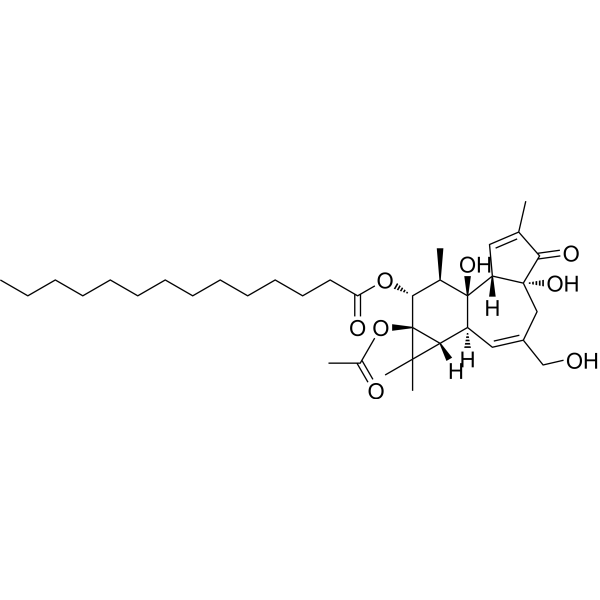
HY-18739
Phorbol 12-myristate 13-acetate -
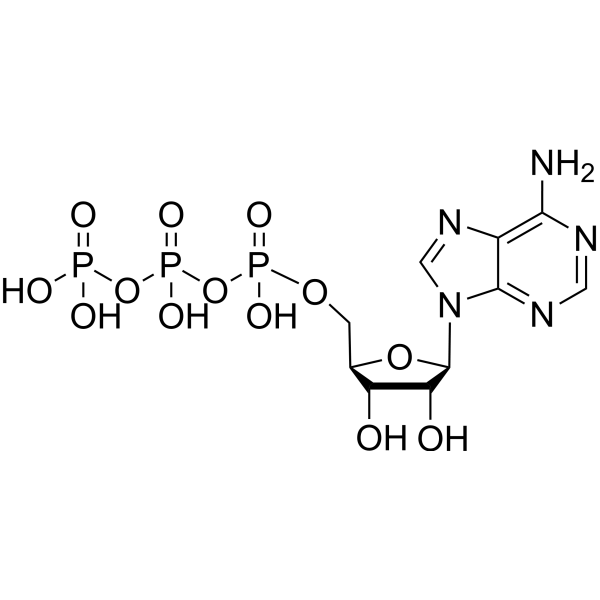
HY-B2176
ATP -
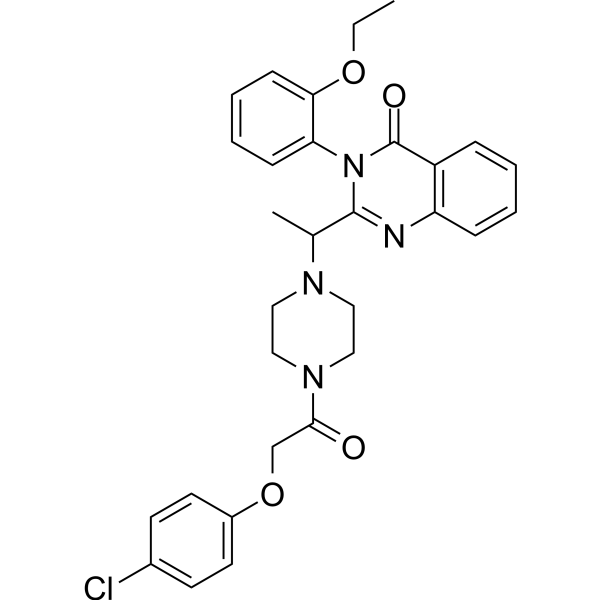
HY-15763
Erastin -
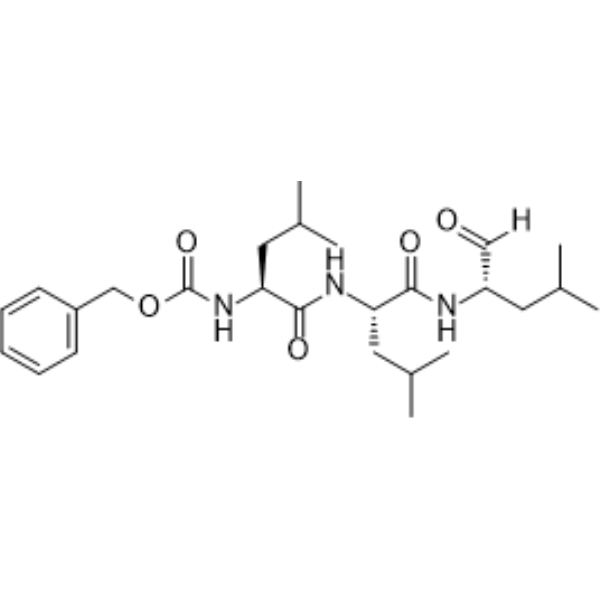
HY-13259
MG-132 -

HY-D1056
Lipopolysaccharides, from E. coli O55:B5 -
HY-100579
Ferrostatin-1 -

HY-P7025
IFN-gamma Protein, Human -
HY-14648
Dexamethasone -
HY-P70445
IL-4 Protein, Human -
HY-P7071
IFN-gamma Protein, Mouse -
HY-P70610
IFN-gamma Protein, Human (HEK293) -
HY-B0215
Acetylcysteine
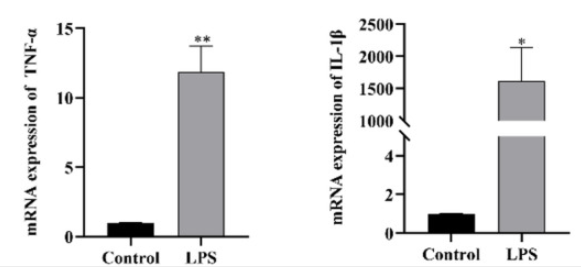
Publications Citing Use of MedChemExpress (MCE) Lipopolysaccharides, from E. coli O111:B4
More Customer Validation & Images

-
RT-PCR
-
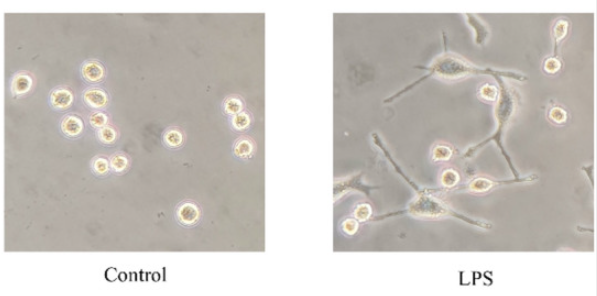
Cell Imaging/Staining
-
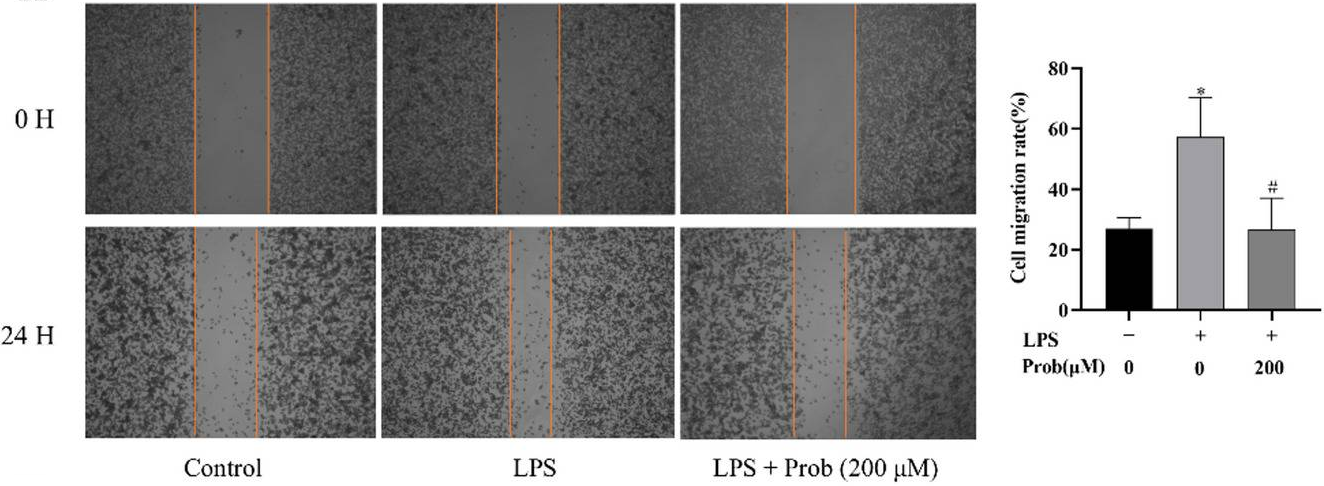
Cell Migration/Invasion Assay
-
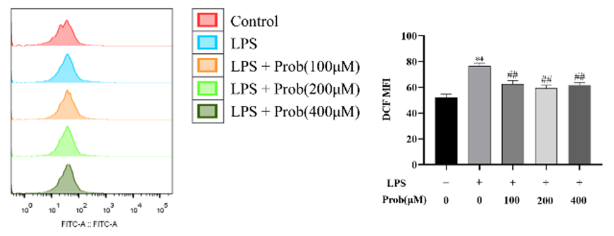
Flow Cytometry
-
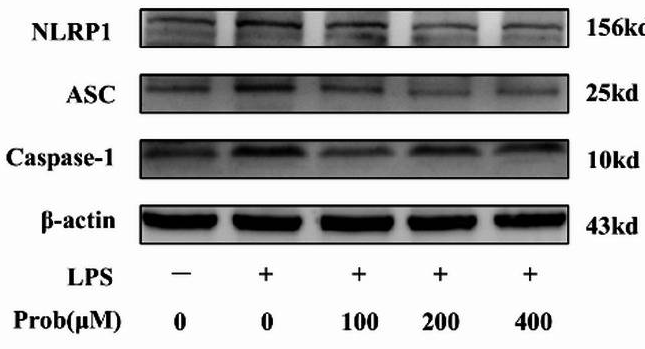
WB


Biological Activity
Description
It is recommended to prepare a solution with concentration ≥2 mg/mL. Vortex thoroughly for more than 10 minutes. Due to the adsorption characteristics of LPS, silanized container or low adsorption centrifuge tubes should be used for aliquoting and storage, and mix thoroughly before use.
IC50 & Target
TLR-4[2]
In Vitro
Note:
1. Concentration and Time: Please do not rely solely on a single article to determine experimental conditions. It is recommended to review relevant literature based on the cell line and type of LPS before formal experiments, as the required induction time or optimal concentration for different inflammatory factors to reach their peak may vary. It is advisable to set concentration and time gradients to identify the optimal experimental scheme.
2. Detection Indicators: LPS does not necessarily induce cell death; therefore, it is not appropriate to determine the LPS modeling concentration and time solely by assessing cell viability. It is recommended to measure the expression or secretion of inflammatory factors.
3. Solvent Selection: Literature indicates that certain concentrations of DMSO can significantly inhibit LPS-induced inflammatory responses. In cellular experiments, it is recommended to prepare stock solutions using sterile water, followed by dilution with culture medium.
4. Container Selection: Due to the adsorption characteristics of LPS, it can bind to plastics and certain types of glass (especially at concentrations <0.1 mg/mL). The adsorption effect is relatively small when LPS concentrations exceed 1 mg/mL. Additionally, LPS tends to form micelles in solution. Therefore, when dissolving the powder, it is recommended to prepare concentrations of ≥2 mg/mL, and to vortex thoroughly for more than 10 minutes. If necessary, ultrasonic assistance may be used. For storage, please use silanized containers or low-adhesion centrifuge tubes. If glass containers are used, ensure to mix thoroughly for at least 30 minutes prior to use to re-dissolve any LPS adsorbed to the wall of the container.
5. Concentration Units: LPS does not have a uniform molecular weight because its molecules exhibit heterogeneity and aggregation. The molecular weight of naturally sourced LPS typically ranges from 10-100 kDa or even higher. Common dosing concentrations for LPS found in the literature are in terms of mass concentration, such as ng/mL and μg/mL, so it is sufficient to prepare solutions directly in mass concentration during experiments.
6. Filtration Sterilization: After dissolving LPS powder in water, saline, or PBS, the solution may appear turbid or colloidal, and in some cases, a microsphere distribution with diameters around 20-30 nm may be observed. When sterilizing by filtration, do not filter the stock solution directly. It is recommended to dilute to working solution first and then filter sterilize through a 0.22 μm filter membrane.
7. Differences Among Different Strain LPS: LPS of different catalog numbers comes from various bacterial strains, corresponding to different structural features such as lipid A, core polysaccharides, and O-antigens, which in turn affect the intensity of inflammation induction and TLR4-mediated signaling bias. Commonly referenced LPS catalog numbers for in vitro or in vivo inflammation model construction include HY-D1056 and HY-D1056A1. Moreover, in specific research contexts, specialized sources of LPS related to the studied bacterial strains may also be used. For example, HY-D1056D (from Porphyromonas gingivalis) is used in periodontal studies, while HY-D1056B3 (from Klebsiella pneumoniae) is relevant in pneumonia-related research. When selecting LPS, considerations should include the purpose of the experiment, sensitivity of the cell line, and other factors.
LPS is the major toxic component of Gram-negative bacteria, capable of activating pathogen-associated molecular patterns (PAMP) of the immune system and inducing cellular secretion of migrasomes. LPS can be recognized by TLR4, activating the innate immune system, followed by promoting NF-κB activation and the production of pro-inflammatory cytokines, commonly used in experiments for the stimulation, activation, and differentiation of immune cells.
Different types of bacteria express LPS with varying structures and biological activities. LPS generally comes in two configurations: R (rough) type and S (smooth) type. S-type LPS contains a typical three-part structure: O-antigen (O-antigen) (serum-specific polysaccharides composed of repeating oligosaccharide units), core oligosaccharide (core) (C9-type non-repeating oligosaccharides), and lipid A (Lipid A) (the toxic component of LPS). The R type does not contain an O-antigen and expresses rough-type LPS. The lack of O-antigen can affect how immune cells recognize LPS.
E. coli expresses four LPS serotypes: O111:B4, O55:B5, O127:B8, O128:B12. The LPS expressed by the E. coli O111:B4 strain is known to cause significant gastrointestinal diseases and is the most cited LPS strain in literature. LPS derived from E. coli O111:B4 can induce polarization of human macrophages (M1)[5].
Administration: 0.1-10 μg/mL • 1-24 h
(2) Stimulating cells with LPS does not necessarily lead to cell death. Therefore, it is not appropriate to determine the concentration and time of LPS for establishing the model merely by detecting cell viability. It is recommended to detect the expression and secretion of multiple inflammatory factors.
(3) During the process of stimulating cells with LPS, the morphological changes of cells should be observed regularly. An excessively high concentration may cause cytotoxicity, while an excessively low concentration may fail to effectively damage the cells.
(4) A certain concentration of DMSO can significantly inhibit the inflammatory response induced by LPS. It is recommended to dissolve LPS in PBS or ddH2O.
(5) In the research on the construction of in vitro inflammatory models, Lipopolysaccharides, from E. coli O55:B5 (HY-D1056) and Lipopolysaccharides, from E. coli O111:B4 (HY-D1056A1) are the most widely used LPS, and they are highly recommended!
MedChemExpress (MCE) has not independently confirmed the accuracy of these methods. They are for reference only.
Induced Disease Models
Please do not refer to only one article to determine the experimental conditions. It is recommended to determine the optimal experimental conditions (animal strain, age, dosage, frequency and cycle, detection time and indicators, etc.) through preliminary experiments before the formal experiment.
Guidelines for Establishing In Vivo Animal Models with LPS
| Animal Models | Recommended LPS Types | Reference Doses and Management Methods (Taking Mice as an Example) | Recommended Detection Indicators |
| Sepsis (Shock) Model [PMID: 26440998; 27127234; 19529910] | LPS, from E. coli O111:B4 (HY-D1056A1) LPS, from E. coli O55:B5 (HY-D1056) LPS, from E. coli O127:B8 (HY-D1056A2) |
2.5-10 mg/kg; Intraperitoneal injection |
Assessment of Inflammatory Mediators: TNF-α, IL-6, IL-1β, etc. (ELISA detection of Serum/Plasma). Histopathological Evaluation: HE staining of the kidney, glomerular cell proliferation, epithelial cell degeneration and necrosis, interstitial inflammatory cell infiltration, etc. Others: Serum Scr, BUN (markers of renal filtration function). |
| Cardiac Dysfunction/Myocarditis Model [PMID: 32896106; 36593471] | LPS, from E. coli O111:B4 (HY-D1056A1) LPS, from E. coli O55:B5 (HY-D1056) |
10 mg/kg; Intraperitoneal injection |
Assessment of Inflammatory Mediators: TNF-α, IL-6, IL-1β, etc. (ELISA detection of Serum/Plasma). Histopathological Evaluation: HE staining of the heart, disordered arrangement of myocardial fibers, destruction of myocardial tissue, unclear contour, myocardial dissolution, interstitial edema, congestion, inflammatory cell infiltration, etc. Others: Echocardiographic detection of dysfunction. |
| Acute Lung Injury Model [PMID: 31595149; 26888116; 20975550] | LPS, from E. coli O111:B4 (HY-D1056A1) LPS, from E. coli O55:B5 (HY-D1056) LPS, from Klebsiella pneumonia (HY-D1056B3) |
0.2-15 mg/kg; Intratracheal administration |
Assessment of Inflammatory Mediators: TNF-α, IL-6, IL-1β, etc. (ELISA/qPCR detection of BALF/lung tissue). Histopathological Evaluation: HE staining of the Lung, leukocyte infiltration in alveoli, thickening of alveolar walls, plaque hemorrhage and interstitial edema, etc. Others: Lung dry/wet ratio (D/W ratio). |
| Acute Liver Injury Model [PMID: 27127234; 36849063] | LPS, from E. coli O111:B4 (HY-D1056A1) LPS, from E. coli O55:B5 (HY-D1056) |
5-50 μg/kg + D-GalN (200-400 mg/kg); Intraperitoneal injection |
Assessment of Inflammatory Mediators: TNF-α, IL-6, IL-1β, etc. (ELISA/qPCR detection of serum/liver tissue). Histopathological Evaluation: HE staining of the liver, liver structural disorder, hemorrhagic plaques, inflammatory cell infiltration, etc. Others: Serum ALT, AST (markers of liver injury). |
| Periodontitis Model [PMID: 23167849; 27987467] | LPS, from P. gingivalis (HY-D1056D) LPS, from E. coli O55:B5 (HY-D1056) |
4-10 μg; 2-4 times; Oral periodontal tissue injection |
Assessment of Inflammatory Mediators: iNOS, COX-2, TNF-α, IL-6, etc. (qPCR detection of gingival tissue). Histopathological Evaluation: HE staining of gingival/alveolar bone tissue, Inflammatory cells infiltrate, and collagen fiber bundles are loosely distributed near the tissue-root interface. Others: The number of immune cells in gingival tissue (flow cytometry). |
| Encephalitis Model [PMID: 35858866; PMID: 36240654] | LPS, from E. coli O111:B4 (HY-D1056A1) LPS, from P. gingivalis (HY-D1056D) |
3-5 mg/kg; Intraperitoneal injection |
Assessment of Inflammatory Mediators: IL-1β, IL-6, TNF-α, etc. (qPCR/WB detection of brain/hippocampus tissue). Immunofluorescence Detection: IBA-1 (Microglia marker); GFAP (Astrocyte marker); Siglec-E, etc. |
| Depression Model [PMID: 31327964; 38677623] | LPS, from E. coli O111:B4 (HY-D1056A1) LPS, from E. coli O55:B5 (HY-D1056) |
5-10 mg/kg; Intraperitoneal injection |
Assessment of Inflammatory Mediators: IL-1β, NLRP3, Caspase-1, etc. (qPCR/WB detection of hippocampus/cortex); IL-6, IL-1β, TNF-α, etc. (ELISA detection of hippocampus/cortex/serum). Immunofluorescence Detection: IBA-1, GFAP, etc. Behavioral Tests/Detection: Tail suspension experiments and forced swimming experiments, etc., has a longer time of immobility and a shortened latency period of immobility. |
| Parkinson's Model [PMID: 35065246; 30455692] | LPS, from E. coli O111:B4 (HY-D1056A1) LPS, from P. gingivalis (HY-D1056D) |
2-5 μg; Black matter injection |
Assessment of Inflammatory Mediators: iNOS, COX-2, etc. ( WB detection of substantia nigra); TNF-α, IL-1β, IL-6, etc. (ELISA/qPCR detection of substantia nigra). Immunofluorescence Assay/Detection: IBA-1, GFAP, etc. Behavioral Tests/Detection: Rotational behavior test, significantly increased number of rotations; Open field test, bradykinesia, reduced exploratory drive in novel environment, preference for peripheral zone activity; Rotarod test, shortened retention time, premature fall latency. Others: Cx43, Tyrosine hydroxylase (WB detection of substantia nigra). |