Infection
-
Infection Related Products (18904)
Related Products (18904)

-
Antibodies (22)
-
Monobehenin
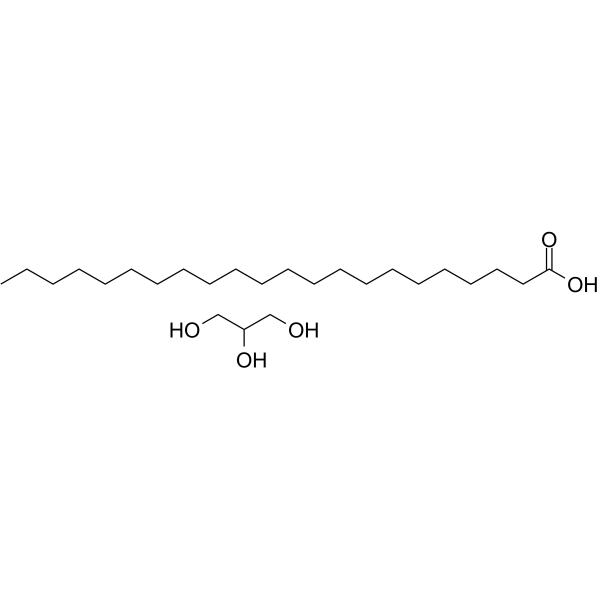 0 ImagesCat. No.: HY-20349CAS No.: 30233-64-8
-
Poacic acid
 0 ImagesCat. No.: HY-163462CAS No.: 160097-32-5
Poacic Acid is a plant-derived stilbenoid with an antifungal activity. Poacic Acid localizes to the yeast cell wall and disrupts the production and assembly of β-1,3-glucan in the fungal cell walls. Poacic Acid exhibits fungicidal activity to Saccharomyces cerevisiae and plasma membrane-compromised Candida albicans mutants.
-
Cefuroxime axetil
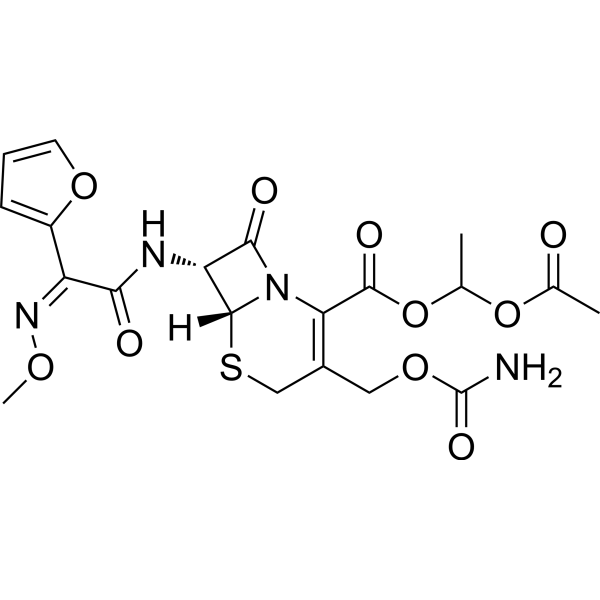 0 Images
Cefuroxime axetil is an orally effective broad-spectrum β-lactam antibiotic that targets bacterial penicillin-binding proteins (PBPs, such as PBP3 and PBP1). Cefuroxime axetil inhibits cell wall synthesis, leading to bacterial lysis and death, with a minimum inhibitory concentration (MIC) of 0.12-4 mg/L for non-typeable Haemophilus influenzae (NTHi). Cefuroxime axetil is hydrolyzed by esterase to the active ingredient Cefuroxime (HY-B1256A) after oral absorption. Topical administration of Cefuroxime via bioadhesive nanoparticles (BNPs) can prolong the drug's retention time in the middle ear (≥7 days). Cefuroxime axetil can be used in the study of otitis media (especially NTHi infection). Cefuroxime axetil can achieve precise antibacterial effects through oral or topical nano-delivery systems, reducing systemic exposure and the risk of antibiotic resistance.
-
RKH acetate
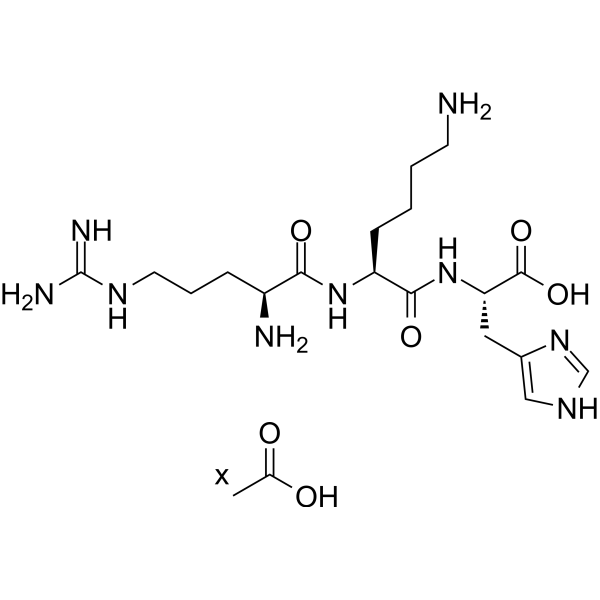 0 ImagesCat. No.: HY-P10208APurity: 99.79%
RKH acetate exerts protective effects against sepsis-induced death and organ damage. RKH acetate can directly bind to Toll-like receptor 4 (TLR4) and block TLR4 signal transduction in immune cells.
-
Trifloxystrobin
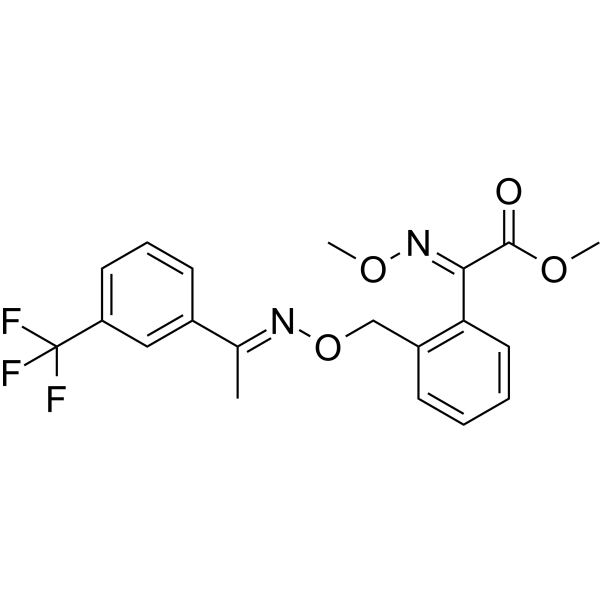 0 ImagesSynonyms: CGA 279202
-
Dalbavancin
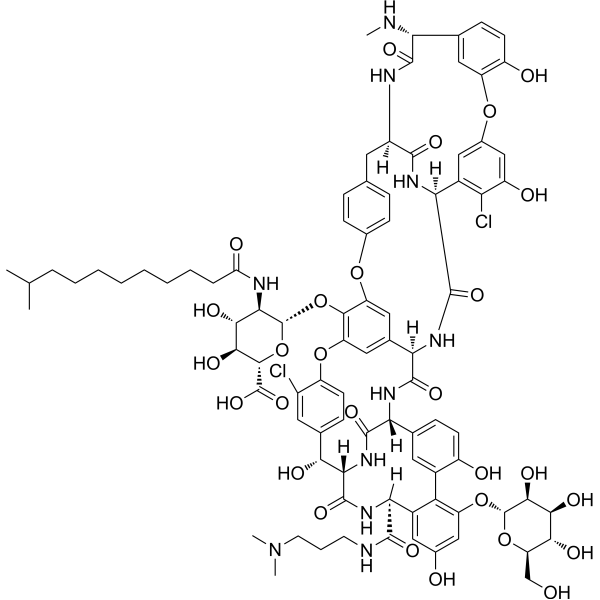 0 ImagesSynonyms: MDL-63397; BI-397
Dalbavancin (MDL-63397) is a semisynthetic lipoglycopeptide antibiotic with potent bactericidal activity against Gram-positive bacteria. Dalbavancin inhibits Staphylococcus aureus and Bacillus anthracis with MIC90s of 0.06 μg/mL and 0.25 μg/mL, respectively.
-
C-Reactive Protein (CRP) (174-185)
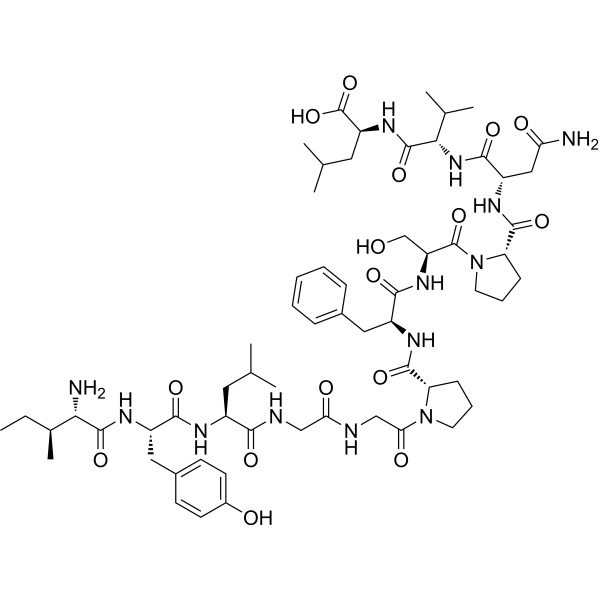 0 Images
C-Reactive Protein (CRP) is an anti-pneumococcal plasma protein that can serve as an inflammatory marker. C-Reactive protein can protect mice from pneumococcal infection by activating complement. C-Reactive protein can inhibit the activation of caspase-3/9 through the CD64/AKT/mTOR pathway, thereby promoting chemotherapy resistance in mice with tongue squamous cell carcinoma.
-
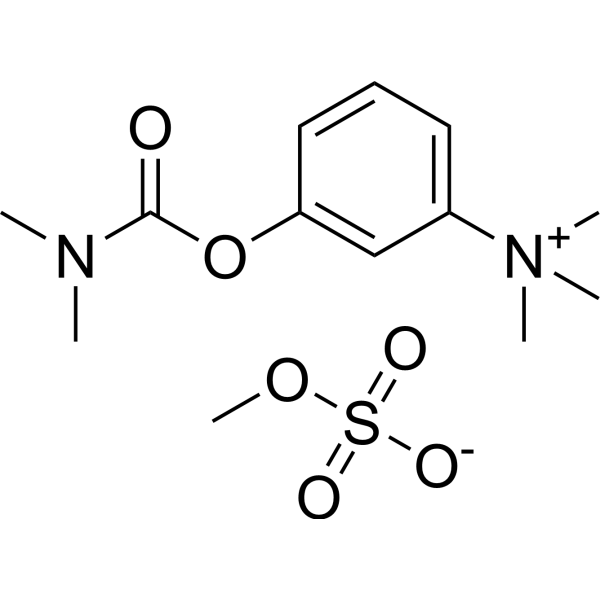
Neostigmine (methyl sulfate)
 0 Images
Neostigmine methyl sulfate is an AchE inhibitor. Neostigmine methyl sulfate increases endogenous acetylcholine levels, mediates antinociceptive effects, and alleviates heat-induced pain. Neostigmine methyl sulfate can be used in studies related to postoperative pain and sepsis.
-
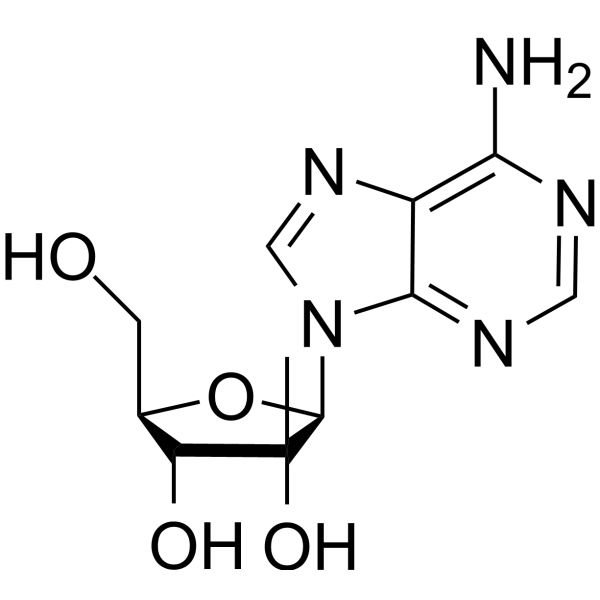
2'-C-Methyladenosine
 0 Images
2'-C-Methyladenosine is an inhibitor of hepatitis C virus (HCV) replication. 2'-C-Methyladenosine inhibits HCV replicon and NS5B-catalyzed RNA synthesis with IC50 values of 0.3μM and 1.9 μM, respectively. 2'-C-Methyladenosine also potently inhibits LRV1 in Leishmania guyanensis (Lgy) and Leishmania braziliensis.
-
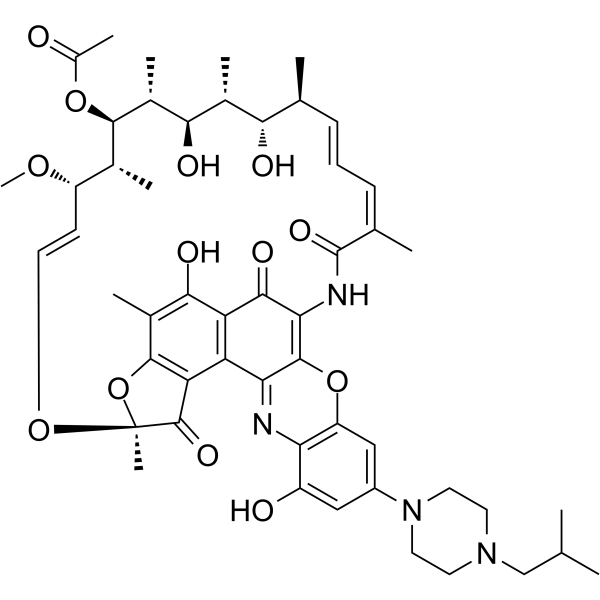
Rifalazil
 0 ImagesSynonyms: KRM-1648; ABI-1648
Rifalazil (KRM-1648; ABI-1648), a rifamycin derivative, inhibits the bacterial DNA-dependent RNA polymerase and kills bacterial cells by blocking off the β-subunit in RNA polymerase. Rifalazil (KRM-1648; ABI-1648) is an antibiotic, exhibits high potency against mycobacteria, gram-positive bacteria, Helicobacter pylori, C. pneumoniae and C. trachomatis with MIC values from 0.00025 to 0.0025 μg/ml. Rifalazil (KRM-1648; ABI-1648) has the potential for the treatment of Chlamydia infection, Clostridium difficile associated diarrhea (CDAD), and tuberculosis (TB).
-
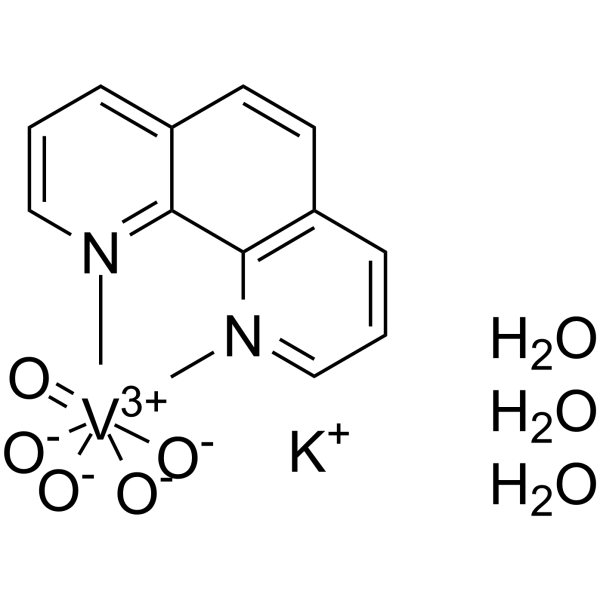
BpV(phen) trihydrate
 0 ImagesSynonyms: Bisperoxovanadium(phen) trihydrate
BpV(phen) trihydrate, a insulin-mimetic agent, is a potent protein tyrosine phosphatase (PTP) and PTEN inhibitor with IC50s of 38 nM, 343 nM and 920 nM for PTEN, PTP-β and PTP-1B, respectively. BpV(phen) trihydrate inhibits proliferation of the protozoan parasite Leishmania in vitro. bpV(phen) trihydrate strongly induces the secretion of a large number of chemokines and pro-inflammatory cytokines, and it activates a Th1-type pathway (IL-12, IFNγ). BpV(phen) trihydrate can also induce cell apoptosis, and has anti-angiogenic and anti-tumor activity.
-
Hesperetin 7-O-glucoside
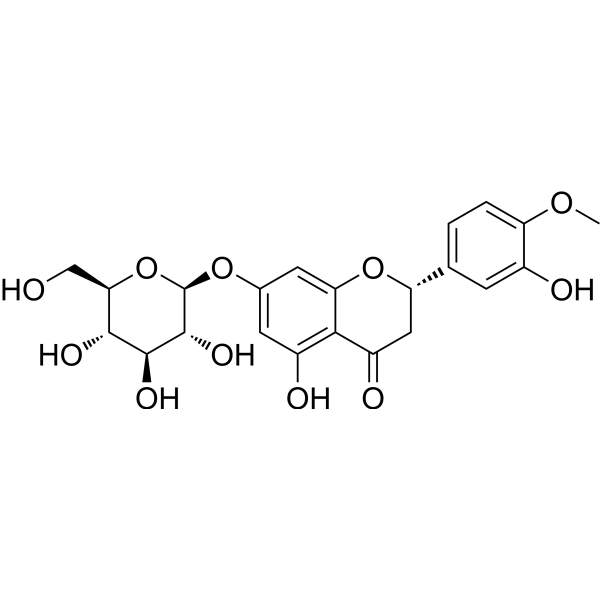 0 ImagesSynonyms: Hes-7-G
Hesperetin 7-O-glucoside is a typical flavonoid monoglucoside, which is an anti-inflammatory agent and an antihypertensive with orally active. Hesperetin 7-O-glucoside is a commonly used food adjuvant. Hesperetin 7-O-glucoside inhibits human intestinal maltase and human HMG-CoA reductase with Ki of 1.8 mM and 9.8 μM, respectively. Hesperetin 7-O-glucoside has antibacterial activity and can regulate intestinal flora and metabolic homeostasis in mice.
-
Menthone
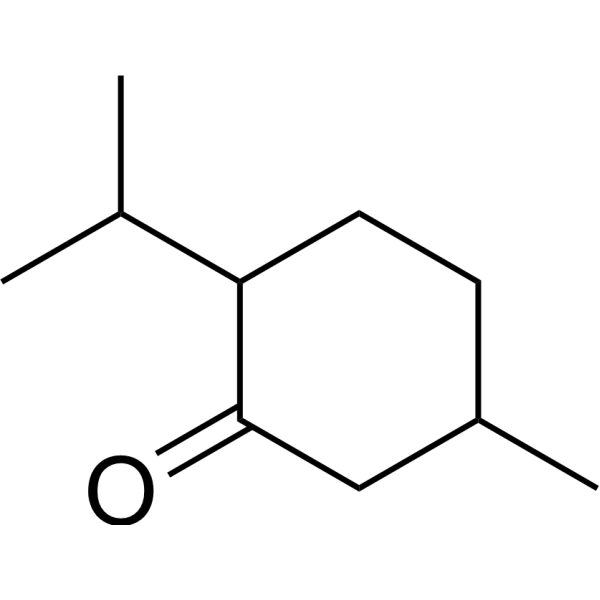 0 Images
Menthone, an orally active monoterpene that can be isolated from plants and Mentha oil with antibacterial, antitumor, antioxidation, and antivirus properties. Menthone is a main volatile component of the essential oil, and has anti-Inflammatory properties in Schistosoma mansoni infection and rheumatoid arthritis.
-
Oxyphenbutazone
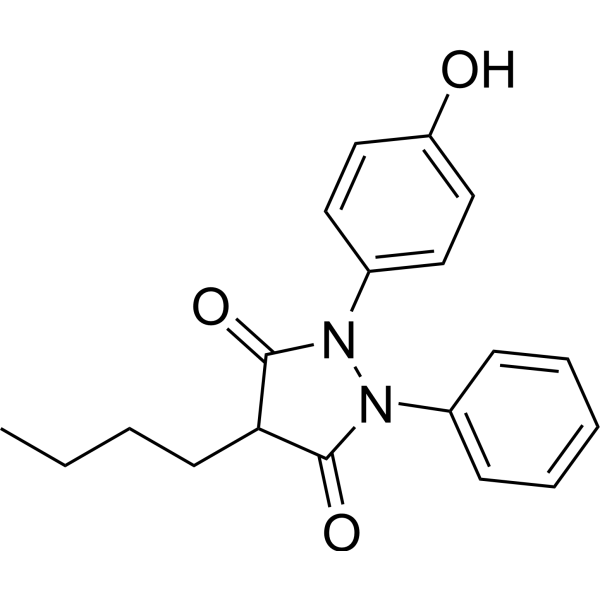 0 Images
Oxyphenbutazone is a Phenylbutazone (HY-B0230) metabolite, with anti-inflammatory effect. Oxyphenbutazone is an orally active non-selective COX inhibitor. Oxyphenbutazone selectively kills non-replicating Mycobaterium tuberculosis.
-
Bifonazole
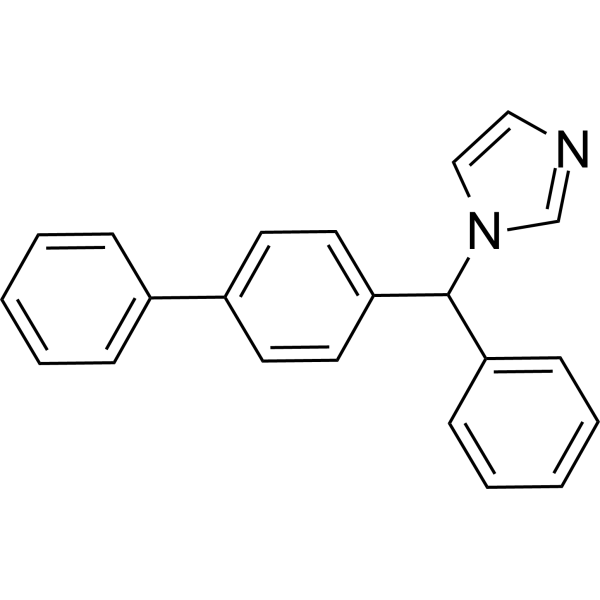 0 ImagesSynonyms: Bay H-4502
Bifonazole (Bay H-4502) is an imidazole antifungal agent.
-
Dehydroabietic acid
 0 Images
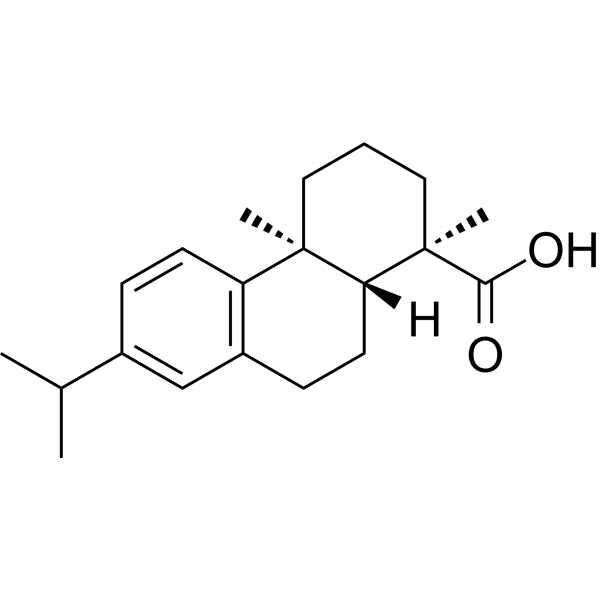
Dehydroabietic acid is a diterpene resin acid that can be isolated from Pinus and Picea. Dehydroabietic acid has anti-bacterial, anti-fungal, anti-inflammatory, and anticancer activities. Dehydroabietic acid is a dual PPAR-α/γ agonist and PPAR-γ partial agonist, which can attenuate insulin resistance (IR) and hepatic steatosis induced by HFD-consumption in mice.
-
Megestrol
 0 Images
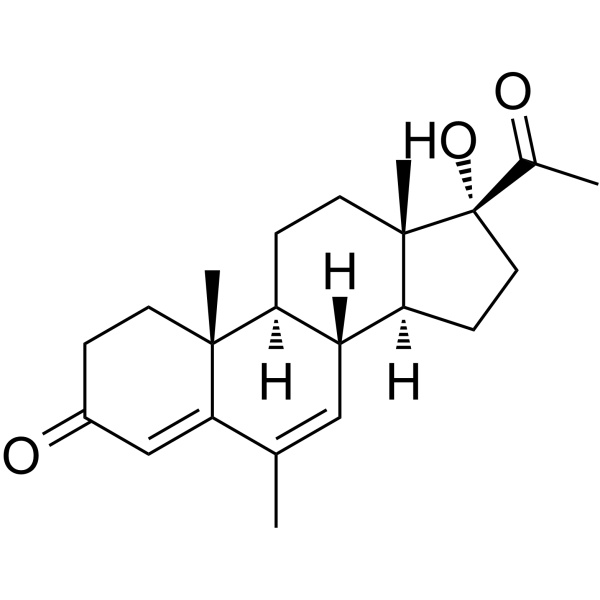
Megestrol is an orally active glucocorticoid and progesterone receptor agonist. Megestrol can alleviate anorexia, cachexia or unexplained significant weight loss associated with acquired immunodeficiency syndrome (AIDS). Megestrol may cause manifestations similar to those of glucocorticoids and increase the risk of mental disorders.
-
Delavirdine
 0 ImagesSynonyms: U 90152; BHAP-U 90152
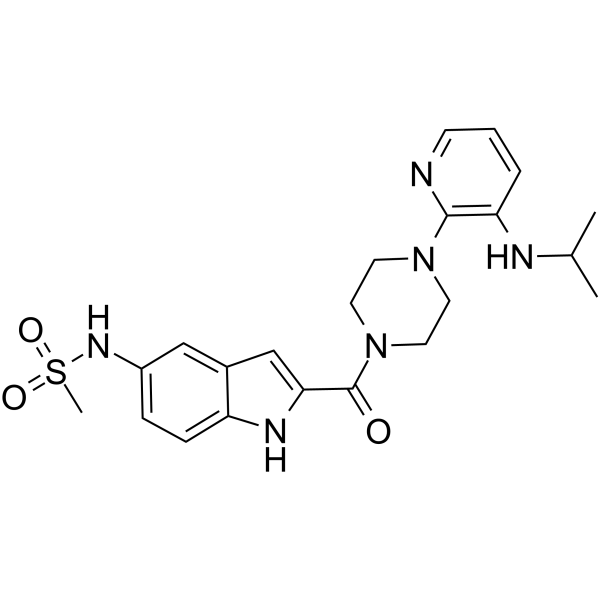
Delavirdine (U 90152) is a potent, highly specific and orally active non-nucleoside reverse transcriptase inhibitor (NNRTI). Delavirdine selectively inhibits HIV-1 reverse transcriptase (RT) (IC50=0.26 μM) over DNA polymerase α (IC50=440 μM) and polymerase δ (IC50>550 μM). Delavirdine is an inhibitor of HIV-1 replication and can can be used for the study of AIDs.