



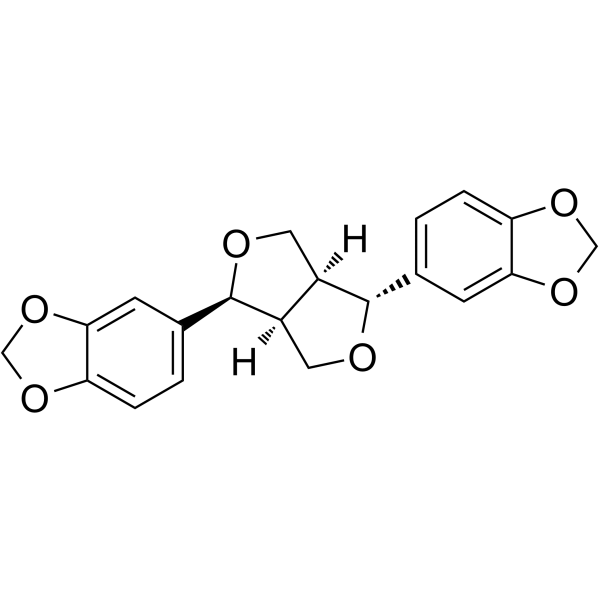
(-)-Asarinin
Based on 1 publication(s) in Google Scholar
(-)-Asarinin is a tetrahydrofurofurano lignan with various biological activities. (-)-Asarinin induces apoptosis in cancer cells. (-)-Asarinin promotes mitochondrial ROS accumulation, inhibits the STAT3 signaling pathway and induces apoptosis in precancerous cells. (-)-Asarinin is a Src family kinase inhibitor that suppresses mast cell activation. (-)-Asarinin is a non-competitive Δ5-desaturase inhibitor with a Ki of 0.28 mM. (-)-Asarinin possesses pain relief, anti-viral, anti-allergic and anti-tuberculous bacilli, and anti-tumor effects.
For research use only. We do not sell to patients.
- Purity : 99.97%
- CAS No.: 133-04-0
- Formula: C20H18O6
- Molecular Weight:354.35
-
Storage:
4°C, protect from light
* In solvent : -80°C, 6 months; -20°C, 1 month (protect from light)

To place orders, for customer services and technical support, please contact: MedChemExpress USA
Tel: 609-228-6898 E-mail: [email protected] [email protected]


-
 Biological Activity
-
Chemical Information
-
Solvent & Solubility
- Protocols
- Purity & Documentation
- References
-
 Help & FAQs


-
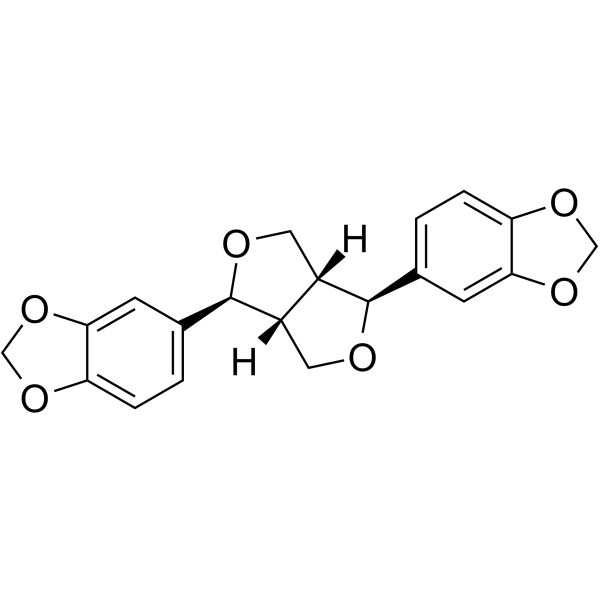
HY-N0121
SesaminDelta 5 Desaturase Inhibitor -
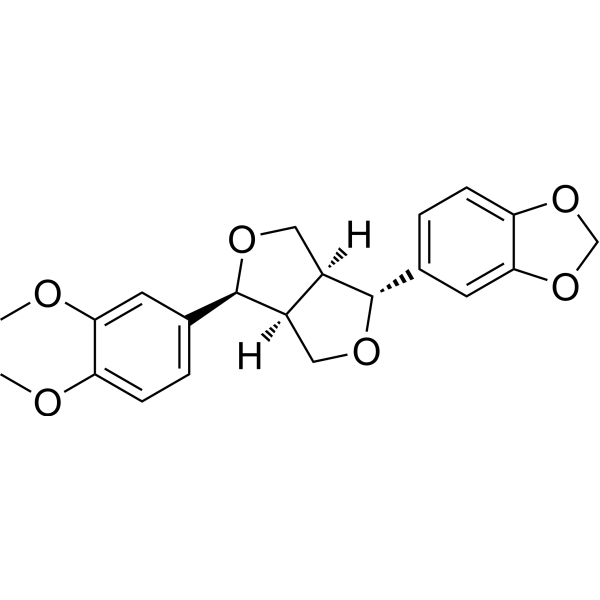
HY-N0719
FargesinAnti-Inflammatory Agent -

HY-N0701R
(-)-Asarinin (Standard)Standard of (-)-Asarinin -
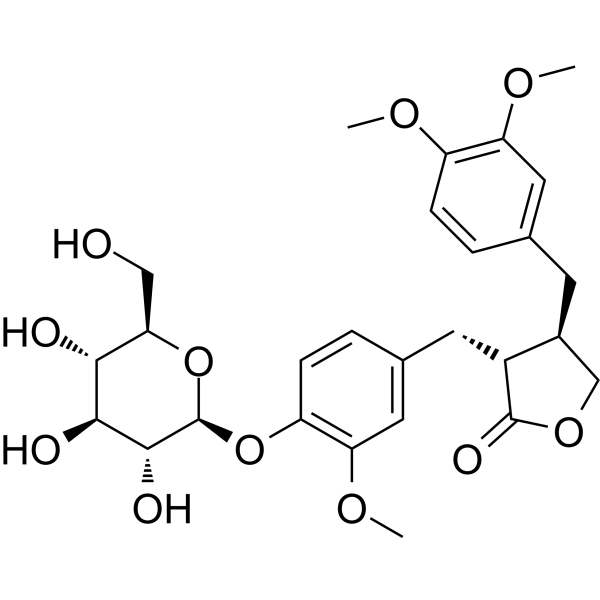
HY-N0034
ArctiinNF-κB Inhibitor -
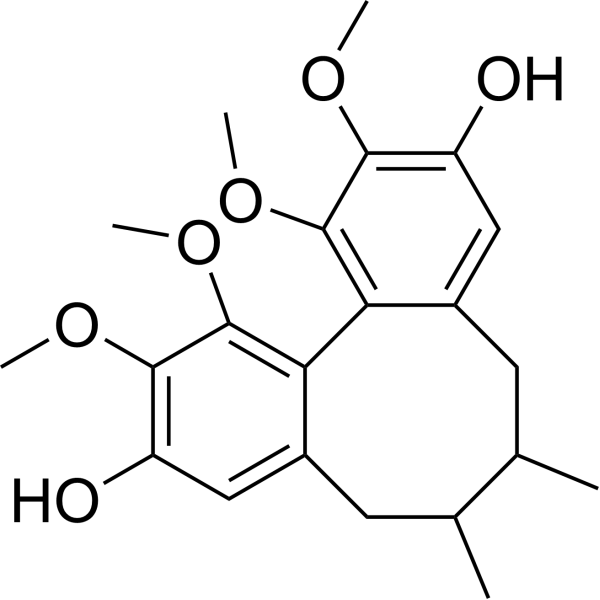
HY-N0385
Gomisin JCalcium Channel Activator -
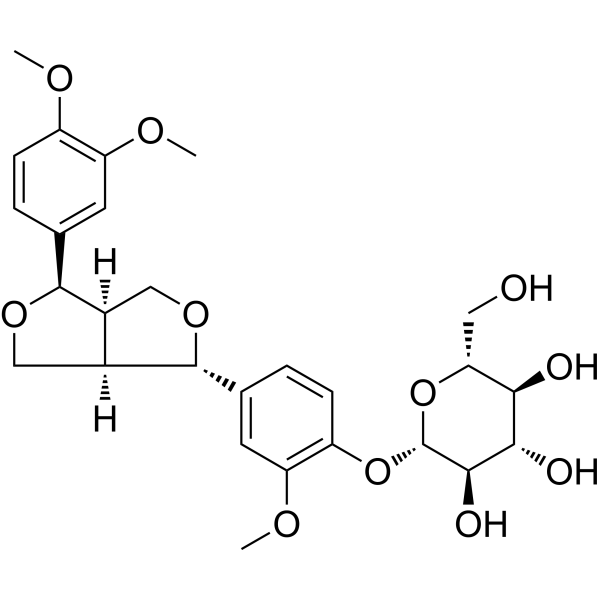
HY-N0482
PhillyrinCytochrome P450 Activator -
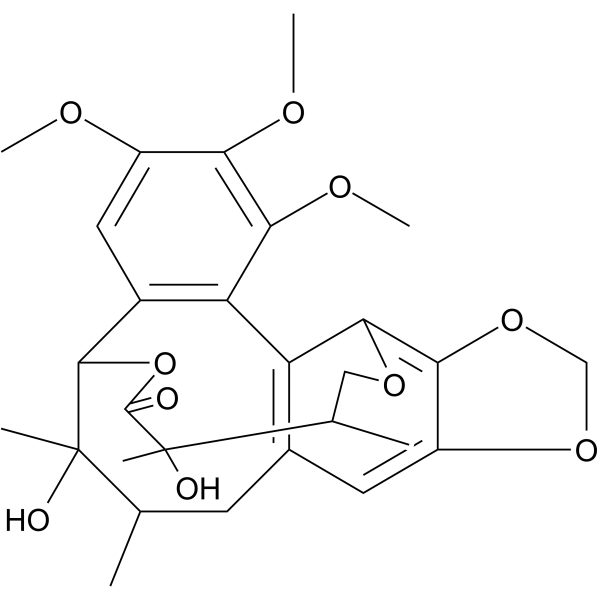
HY-N2413
Gomisin DLignan -
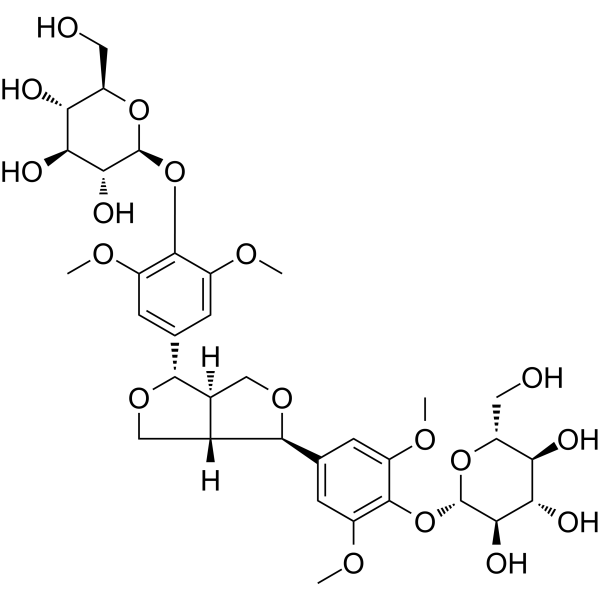
HY-N0272
Eleutheroside EAnti-Inflammatory Agent -
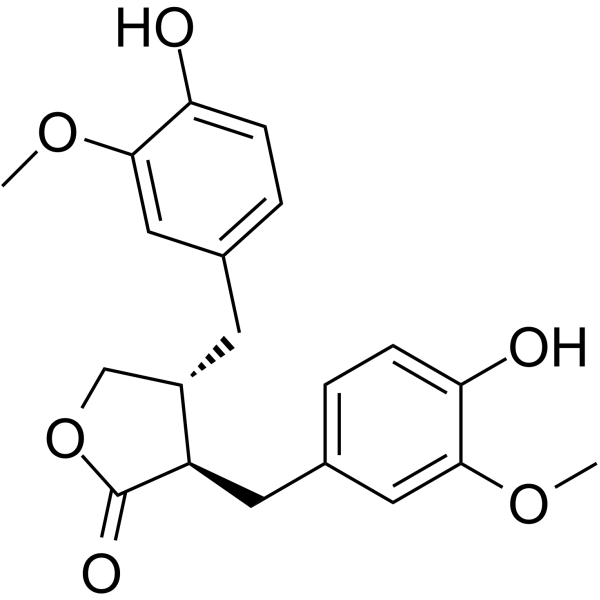
HY-N3312
MatairesinolInflammatory Pathway Inhibitor, Oxidative Stress Inhibitor, Cancer Pathway Inhibitor -
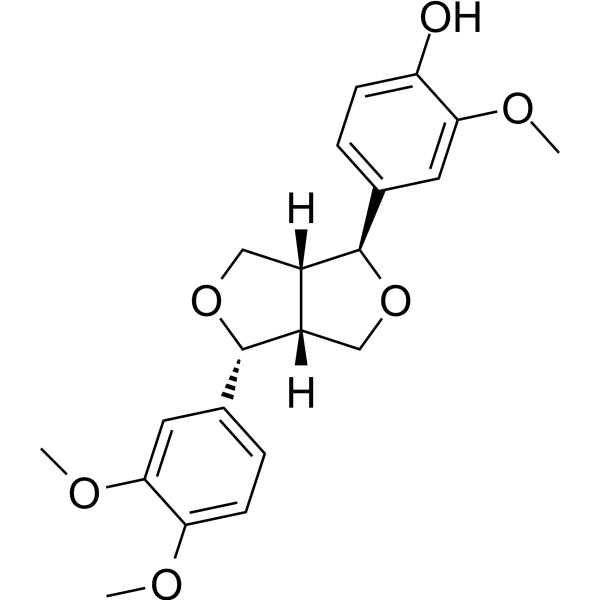
HY-N0483
PhillygeninAntioxidant -
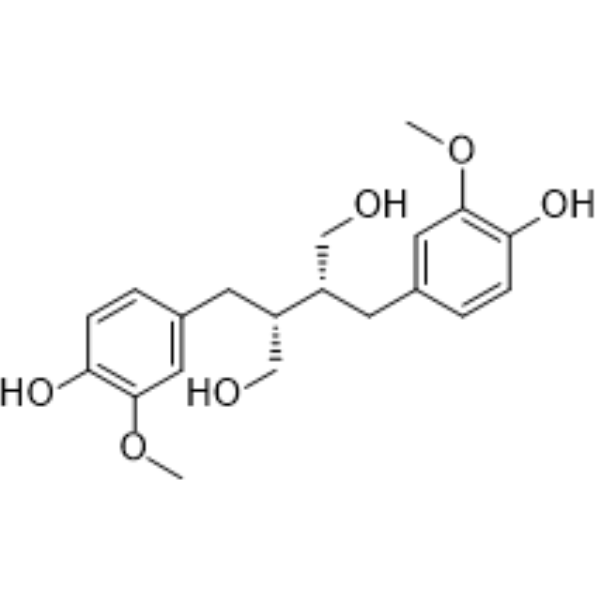
HY-N6071
SecoisolariciresinolNatural Product -
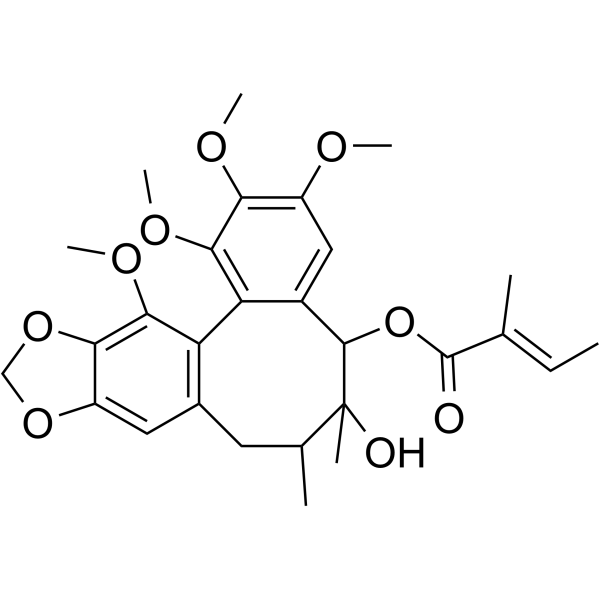
HY-N0695
Schisantherin BPI3K/AKT Activator
Publications Citing Use of MedChemExpress (MCE) (-)-Asarinin
More

Biological Activity
Description
In Vitro
(-)-Asarinin (20-140 μM; 24-48 h) significantly inhibits the viability of MC cells, a human gastric precancerous lesion cell line, in a dose-dependent manner with an IC50 value of 140 μM, while having no significant inhibitory effect on the viability of normal gastric epithelial cells GES-1[1].
(-)-Asarinin (80-140 μM; 24-48 h) inhibits the clonogenic ability of MC cells. (-)-Asarinin significantly reduces the migration and invasion abilities of MC cells[1].
(-)-Asarinin (80-140 μM; 24 h) significantly induces apoptosis and induces G0/G1 phase arrest in MC cells. (-)-Asarinin downregulates the expression of cell cycle-related proteins cyclin E1 and cyclin E2 and upregulates the expression of apoptosis - related proteins cleaved caspase 3 and cleaved PARP in MC cells[1].
(-)-Asarinin (80-140 μM; 24 h) causes mitochondrial damage, reduces mitochondrial membrane potential, decreases ATP production, and increases mitochondrial ROS accumulation in MC cells[1].
(-)-Asarinin (80-140 μM;) inhibits the expression of STAT3-pathway-related proteins p-STAT3, Bcl-2, and cyclin D1 in MC cells in the STAT3 pathway-related experiments[1].
(-)-Asarinin (0-90 μM; 48h) induces apoptotic cell death and activates caspase-3, caspase-8, and caspase-9 in human ovarian cancer cells (A2780 and SKOV3)[2].
(-)-Asarinin (25 μM; for 30 min) significantly reduces the calcium flux in sensitized LAD2 cells in the calcium mobilization assay[3].
(-)-Asarinin (50 μM; for 20 min) significantly inhibits the release of β - hexosaminidase in sensitized LAD2 cells in the β-hexosaminidase release assay, with an IC50 value of 35.26 μM[3].
(-)-Asarinin (50 μM; for 20 min) significantly inhibits the release of histamine in sensitized LAD2 cells in the histamine release assay[3].
(-)-Asarinin significantly reduces the concentrations of TNF- α, MCP-1, IL-4, and IL-5 in sensitized LAD2 cells in the cytokine release assay[3].
(-)-Asarinin (100 μM; 6 h) inhibits the phosphorylation of Src family kinases such as Lyn and Fyn and downregulates the phosphorylation levels of downstream signals such as PLC-γ1, p38α, and Akt in LAD2 cells in the phosphorylated kinase analysis experiment[3].
MedChemExpress (MCE) has not independently confirmed the accuracy of these methods. They are for reference only. Further protocols information, click here.
-
Cell Line:Methylnitronitrosoguanidine-induced malignant transformation of human gastric epithelial cell strain, MC cells
-
Concentration:20 μM, 140 μM, 60 μM, 80 μM, 100 μM, 120 μM, 140 μM
-
Incubation Time:24 h, 48 h
-
Result:Significantly inhibited the viability of MC cells in a dose-dependent manner.
-
Cell Line:MC cells
-
Concentration:80 μM, 140 μM
-
Incubation Time:24 h, 48 h
-
Result:At 80 μM, significantly inhibited the migration and invasion of MC cells. At 140 μM, not only significantly inhibited the migration and invasion but also induced apoptosis.
-
Cell Line:MC cells
-
Concentration:80 μM, 140 μM
-
Incubation Time:24 h
-
Result:Induced G0/G1 phase arrest, downregulated the expression of cyclin E1 and cyclin E2, and upregulated the expression of cleaved caspase 3 and cleaved PARP.
-
Cell Line:A2780, SKOV3 cells
-
Concentration:20 μM, 30 μM, 40 μM, 60 μM, 80 μM, 90 μM
-
Incubation Time:48 h
-
Result:Increased the fractionation of nuclei accumulated at Sub G1 in A2780 and SKOV3 cells, but did not induce cell cycle arrest.
Induced apoptotic cell death.
Activated caspase-3, caspase-8, and caspase-9.
-
Cell Line:LAD2 cells
-
Concentration:100 μM
-
Incubation Time:6 h
-
Result:Inhibited the phosphorylation of Lyn, Fyn and other Src family kinases, and downregulated the phosphorylation levels of PLC-γ1, p38α, Akt, and other downstream signals.
In Vivo
(-)-Asarinin (5.0 mg/kg; oral administration; before intranasal OVA challenge) significantly inhibits the allergic reaction, reduces paw swelling and Evans blue exudation in mice, and decreases the degree of mast cell degranulation in the skin in the OVA-induced passive cutaneous anaphylaxis mouse model[3].
(-)-Asarinin (2.50 mg/kg; oral administration) reduces the concentrations of histamine, TNF-α, MCP-1, IL-4, and IL-5 in the serum of mice in the OVA - induced systemic anaphylaxis mouse model<[3].
(-)-Asarinin (5.0 mg/kg; oral administration; once daily; from day 21-28) significantly inhibits the scratching and sneezing responses of mice, reduces the concentrations of histamine, total IgE, and IL-4 in the serum of mice, and alleviates the inflammatory infiltration and thickening of the nasal mucosa in the OVA-induced allergic rhinitis mouse model[3].
(-)-Asarinin (2.5 mg/kg, 5.0 mg/kg, 10 mg/kg; oral administration) inhibits paw swelling and Evans blue exudation in mice and reduces the concentrations of histamine, TNF-α, MCP-1, and IL-8 in the serum in the C48/80-induced allergic reaction mouse model[3].
C57BL/6 mice (male, 18-22 g), OVA-induced passive cutaneous anaphylaxis model3 5.0 mg/kg Oral administration Significantly suppressed passive cutaneous anaphylaxis (PCA) in mice, reduced the degree of swelling and Evens blue exudation of mice paw, and decreased the degree of degranulation of MCs in skin. C57BL/6 mice (male, 18-22 g), OVA-induced passive cutaneous anaphylaxis model3 2.50 mg/kg Oral administration Significantly reduced the concentration of histamine, TNF-α, MCP-1, IL-4 and IL-5 in mice serum. C57BL/6 mice (male, 18-22 g), OVA-induced passive cutaneous anaphylaxis model3 5.0 mg/kg Oral administration, once daily, from day 21 - 28 Significantly inhibited the scratching and sneezing response of mice, reduced the concentration of histamine, total IgE, and IL - 4 in mice serum, and attenuated the inflammatory infiltrates and nasal mucosa incrassation in the AR mice. C57BL/6 mice (male, 18-22 g), C48/80-induced allergic reaction model3 2.5 mg/kg, 5.0 mg/kg, 10 mg/kg Oral administration Reduced C48/80-induced paw swelling and Evens blue exudation, and decreased the concentration of histamine, TNF-α, MCP-1 and IL-8 in mice serum.
MedChemExpress (MCE) has not independently confirmed the accuracy of these methods. They are for reference only.
-
Animal Model:Animal Model: SPF-grade BALB/c mice (male and female, 18-20 g, 4-week-old), established by administration of carcinogenic agent MNU[1]
-
Dosage:20 mg/kg, 5 mg/kg
-
Administration:Gavage, once daily, 16 weeks
-
Result:Reversed the deterioration of the gastric mucosal glands' morphology, reduced the severity of intestinal metaplasia, promoted ROS accumulation, inhibited the STAT3 pathway, and induced apoptosis in the gastric mucosa of GPL mice.
-
Animal Model:C57BL/6 mice (male, 18-22 g), OVA-induced passive cutaneous anaphylaxis model[3]
-
Dosage:5.0 mg/kg
-
Administration:Oral administration
-
Result:Significantly suppressed passive cutaneous anaphylaxis (PCA) in mice, reduced the degree of swelling and Evens blue exudation of mice paw, and decreased the degree of degranulation of MCs in skin.
-
Animal Model:C57BL/6 mice (male, 18-22 g), OVA-induced passive cutaneous anaphylaxis model[3]
-
Dosage:5 mg/kg
-
Administration:Oral administration, once daily, from day 21-28
-
Result:Significantly inhibited the scratching and sneezing response of mice, reduced the concentration of histamine, total IgE, and IL - 4 in mice serum, and attenuated the inflammatory infiltrates and nasal mucosa incrassation in the AR mice.
-
Animal Model:C57BL/6 mice (male, 18-22 g), OVA-induced passive cutaneous anaphylaxis model3
-
Dosage:2.50 mg/kg
-
Administration:Oral administration
-
Result:Significantly reduced the concentration of histamine, TNF-α, MCP-1, IL-4 and IL-5 in mice serum.
-
Animal Model:C57BL/6 mice (male, 18-22 g), C48/80-induced allergic reaction model3
-
Dosage:2.5 mg/kg, 5.0 mg/kg, 10 mg/kg
-
Administration:Oral administration
-
Result:Reduced C48/80-induced paw swelling and Evens blue exudation, and decreased the concentration of histamine, TNF-α, MCP-1 and IL-8 in mice serum.


Chemical Information
-
CAS No. 133-04-0
-
Appearance Solid
-
Molecular Weight 354.35
-
Formula C20H18O6
-
Color White to off-white
-
SMILES
[H][C@]12[C@](CO[C@@H]2C3=CC=C(OCO4)C4=C3)([H])[C@H](C5=CC=C(OCO6)C6=C5)OC1
-
Structure Classification
-
Initial Source
-
Shipping
Room temperature in continental US; may vary elsewhere.
-
Storage
4°C, protect from light
* In solvent : -80°C, 6 months; -20°C, 1 month (protect from light)


Publications (1)
-
Journal Impact Factor
-
Most Recent


Solvent & Solubility
In Vitro:
DMSO : 100 mg/mL (282.21 mM; Need ultrasonic; Hygroscopic DMSO has a significant impact on the solubility of product, please use newly opened DMSO)
Please refer to the solubility information to select the appropriate solvent. Once prepared, please aliquot and store the solution to prevent product inactivation from repeated freeze-thaw cycles.
Storage method and period of stock solution: -80°C, 6 months; -20°C, 1 month (protect from light). When stored at -80°C, please use it within 6 months. When stored at -20°C, please use it within 1 month.
Please refer to the solubility information to select the appropriate solvent. Once prepared, please aliquot and store the solution to prevent product inactivation from repeated freeze-thaw cycles.
Storage method and period of stock solution: -80°C, 6 months; -20°C, 1 month (protect from light). When stored at -80°C, please use it within 6 months. When stored at -20°C, please use it within 1 month.
Concentration (start) × Volume (start) = Concentration (final) × Volume (final)
In Vivo:
Select the appropriate dissolution method based on your experimental animal and administration route.
- For the following dissolution methods, please ensure to first prepare a clear stock solution using an In Vitro approach and then sequentially add co-solvents:
- To ensure reliable experimental results, the clarified stock solution can be appropriately stored based on storage conditions. As for the working solution for In Vivo experiments, it is recommended to prepare freshly and use it on the same day.
- The percentages shown for the solvents indicate their volumetric ratio in the final prepared solution. If precipitation or phase separation occurs during preparation, heat and/or sonication can be used to aid dissolution.
Add each solvent one by one: 10% DMSO 90% (20% SBE-β-CD in Saline)
Solubility: 2.5 mg/mL (7.06 mM); Clear solution; Need ultrasonic
This protocol yields a clear solution of 2.5 mg/mL.
Taking 1 mL working solution as an example, add 100 μL DMSO stock solution (25.0 mg/mL) to 900 μL 20% SBE-β-CD in Saline, and mix evenly.
Preparation of 20% SBE-β-CD in Saline (4°C, storage for one week): 2 g SBE-β-CD powder is dissolved in 10 mL Saline, completely dissolve until clear.
In Vivo Dissolution Calculator
Please enter the basic information of animal experiments:
-
-
-
-
Recommended: Prepare an additional quantity of animals to account for potential losses during experiments.
Please enter your animal formula composition:
-
%DMSO +
Recommended: Keep the proportion of DMSO in working solution below 2% if your animal is weak.
-
%+
-
+%Tween-80 + +
-
%Saline +
The co-solvents required include: DMSO, . All of co-solvents are available by MedChemExpress (MCE). , Tween 80. All of co-solvents are available by MedChemExpress (MCE).
Working solution concentration: 0.22 mg/mL
Method for preparing stock solution: mg drug dissolved in μL DMSO. Stock solution concentration: mg/mL. * In solvent : -80°C, 6 months; -20°C, 1 month (protect from light)
1. Take μL DMSO stock solution;
2. Add μL .
μL , mix evenly;
3. Then add μL Tween 80, mix evenly;
4. Then add μL
Please ensure that the stock solution in the first step is dissolved to a clear state, and add co-solvents in sequence. You can use ultrasonic heating (ultrasonic cleaner, recommended frequency 20-40 kHz), vortexing, etc. to assist dissolution.

Protocols
-
Apoptosis
Apoptosis, also called programmed cell death, is generally characterized by distinct morphological characteristics.
-
TUNEL staining for apoptotic DNA fragmentation
TUNEL staining detects DNA strand breaks by using terminal deoxynucleotidyl transferase to add labeled nucleotides to exposed 3′-OH DNA termini, generating either microscopic staining in fixed cells or tissue sections, or fluorescence/cytometric signal in cell suspensions. TUNEL positivity reflects DNA fragmentation but should not be interpreted alone as definitive apoptosis, because TUNEL can also label necrotic, autolytic, mechanically damaged, or DNA-repair-associated DNA breaks.
-
Annexin V plus membrane-impermeant dye apoptosis staining
Annexin V-based apoptosis assays rely on the detection of phosphatidylserine (PS) externalization from the inner leaflet of the plasma membrane to the outer leaflet, an early biochemical hallmark of apoptosis. Fluorescently labeled Annexin V binds PS in a calcium-dependent manner, enabling identification of early apoptotic cells by flow cytometry or fluorescence microscopy. When combined with a membrane-impermeant DNA-binding dye (e. g. , propidium iodide), this approach allows discrimination between viable (Annexin V−/dye−), early apoptotic (Annexin V+/dye−), and late apoptotic or necrotic (Annexin V+/dye+) cell populations by assessing membrane integrity and PS exposure.
-
ROS/oxidative-stress fluorescent staining
ROS/oxidative-stress fluorescent staining uses cell-permeant fluorogenic probes that become fluorescent after oxidation inside cells or tissues; commonly used examples include DCFH-DA/DCFDA for broad cellular oxidant detection, DHE for superoxide-related signal detection, MitoSOX for mitochondrial superoxide-related signal detection, and CellROX probes for oxidative-stress-associated fluorescence readouts. The assay detects probe oxidation rather than a single ROS species unless the probe and analysis method have been chemically validated for that species. DCFH-DA enters cells, is deacetylated by intracellular esterases to DCFH, and produces fluorescent DCF after oxidation, so the readout is used as an operational measure of total cellular oxidative stress rather than a species-specific ROS measurement. DHE and MitoSOX can report superoxide-related oxidation, but red fluorescence alone can include non-specific ethidium-like oxidation products; HPLC or optimized spectral approaches are
-
Apoptosis Solutions
Apoptosis is a regulated, generally non-lytic cell-death pathway that removes unwanted, damaged, infected, or abnormal cells through coordinated morphological changes, caspase activation, DNA fragmentation, and membrane remodeling. The intrinsic apoptosis pathway is controlled mainly by mitochondrial outer membrane permeabilization, BCL-2 family proteins, cytochrome c release, apoptosome formation, caspase-9 activation, and downstream executioner caspase-3/7 activation. The extrinsic apoptosis pathway is initiated by death receptors such as Fas, TNFR, and TRAIL receptors, which recruit adaptor proteins and activate caspase-8 before engaging executioner caspases or mitochondrial amplification through BID cleavage. Apoptosis is linked to many phenotypes, including cancer cell killing, tissue homeostasis, immune regulation, neurodegeneration, infection response, and treatment-induced cytotoxicity; unresolved questions include how apoptosis interacts with necroptosis, pyroptosis, ferroptos


Purity & Documentation
-
Data Sheet (291 KB)
-
SDS (396 KB)
- English - EN (396 KB)
- Français - FR (396 KB)
- Deutsch - DE (396 KB)
- Norwegian - NO (396 KB)
- Español - ES (396 KB)
- Swedish - SV (396 KB)
- Italian - IT (396 KB)
- Korean - KR (396 KB)
- Portuguese - PT (396 KB)
-
Handling Instructions (2659 KB)
References
[1]. Zhao M, et al. (-)-Asarinin alleviates gastric precancerous lesions by promoting mitochondrial ROS accumulation and inhibiting the STAT3 signaling pathway. Phytomedicine. 2024 Apr;126:155348. [Content Brief]
[2]. Jeong M, et al. (-)-Asarinin from the Roots of Asarum sieboldii Induces Apoptotic Cell Death via Caspase Activation in Human Ovarian Cancer Cells. Molecules. 2018 Jul 25;23(8):1849. [Content Brief]
[3]. Hou Y, et al. (-)-Asarinin inhibits mast cells activation as a Src family kinase inhibitor. Int J Biochem Cell Biol. 2020 Apr;121:105701. [Content Brief]


Complete Stock Solution Preparation Table
Please refer to the solubility information to select the appropriate solvent. Once prepared, please aliquot and store the solution to prevent product inactivation from repeated freeze-thaw cycles.
Storage method and period of stock solution: -80°C, 6 months; -20°C, 1 month (protect from light). When stored at -80°C, please use it within 6 months. When stored at -20°C, please use it within 1 month.
| Optional Solvent | Concentration Solvent Mass | 1 mg | 5 mg | 10 mg | 25 mg |
|---|---|---|---|---|---|
| DMSO | 1 mM | 2.8221 mL | 14.1103 mL | 28.2207 mL | 70.5517 mL |
| 5 mM | 0.5644 mL | 2.8221 mL | 5.6441 mL | 14.1103 mL | |
| 10 mM | 0.2822 mL | 1.4110 mL | 2.8221 mL | 7.0552 mL | |
| 15 mM | 0.1881 mL | 0.9407 mL | 1.8814 mL | 4.7034 mL | |
| 20 mM | 0.1411 mL | 0.7055 mL | 1.4110 mL | 3.5276 mL | |
| 25 mM | 0.1129 mL | 0.5644 mL | 1.1288 mL | 2.8221 mL | |
| 30 mM | 0.0941 mL | 0.4703 mL | 0.9407 mL | 2.3517 mL | |
| 40 mM | 0.0706 mL | 0.3528 mL | 0.7055 mL | 1.7638 mL | |
| 50 mM | 0.0564 mL | 0.2822 mL | 0.5644 mL | 1.4110 mL | |
| 60 mM | 0.0470 mL | 0.2352 mL | 0.4703 mL | 1.1759 mL | |
| 80 mM | 0.0353 mL | 0.1764 mL | 0.3528 mL | 0.8819 mL | |
| 100 mM | 0.0282 mL | 0.1411 mL | 0.2822 mL | 0.7055 mL |


(-)-Asarinin Related Classifications
HY-N0701 Related Classifications
 Powered by Bioz