Infection
-
Infection Related Products (18788)
Related Products (18788)

-
Antibodies (22)

-
PNU-183792
 0 Images
PNU-183792, a 4-oxo-dihydroquinoline, is an orally active HSV polymerases inhibitor. PNU-183792 shows a broad-spectrum antiviral activity, with IC50 values of 0.69 μM, 0.37 μM and 0.58 μM for human cytomegalovirus (HCM), varicella zoster virus and HSV polymerases, respectively. PNU-183792 is inactive against human α, γ and δ polymerases. PNU-183792 also inhibits simian varicella virus (SVV), murine cytomegalovirus (MCMV) and rat cytomegalovirus (RCMV).
-
VSV-G tag Peptide
 0 Images
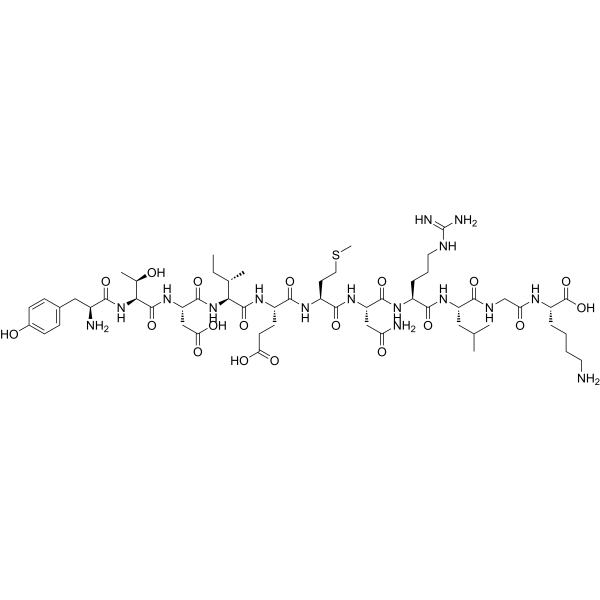
VSV-G tag Peptide is a 11 amino acid peptide derived from the Vesicular Stomatitis viral glycoprotein. VSV-G tag Peptide can integrate into the cell membranes of animal cells, induce cell fusion, and significantly enhance the efficiency of DNA transfection into animal cells. VSV-G tag Peptide can be used for research on drug delivery.
-
Chloroquine-d5
 0 Images
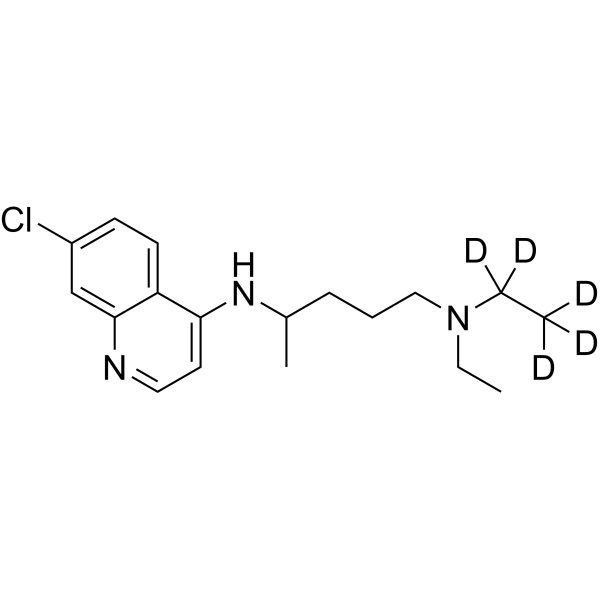
Chloroquine-d5 is deuterium labeled Chloroquine (HY-17589A). Chloroquine is an antimalarial and anti-inflammatory agent widely used to treat malaria and rheumatoid arthritis. Chloroquine is an autophagy and toll-like receptors (TLRs) inhibitor. Chloroquine is highly effective in the control of SARS-CoV-2 (COVID-19) infection in vitro (EC50=1.13 μM).
-
(+)-SJ733
 0 ImagesSynonyms: SJ000557733
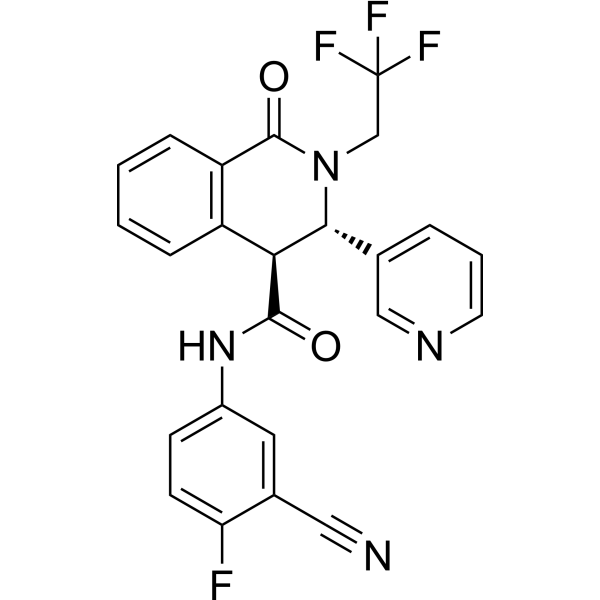
(+)-SJ733 is an anti-malaria agent which can also inhibit Na+-ATPase PfATP4.
-
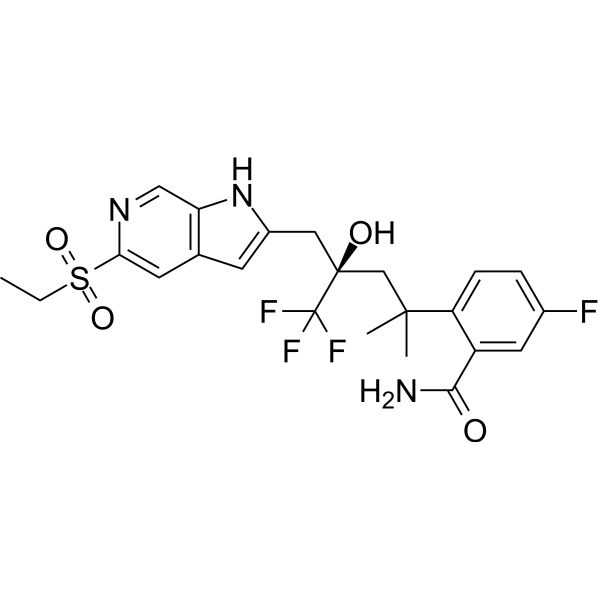
BI 653048
 0 Images
BI 653048, a chemical probe, is a selective and orally active nonsteroidal glucocorticoid (GC) agonist with an IC50 value of 55 nM. BI 653048 inhibits CP1A2, CYP2D6, CYP2C9, CYP2C19 and CYP3A4 isoforms’ activity and reduces affinity for the hERG ion channel (IC50>30 μM). BI 653048 (Compound 103) is also a HCV NS3 protease inhibitor that can reduce viral loads infected with the hepatitis C virus.
-
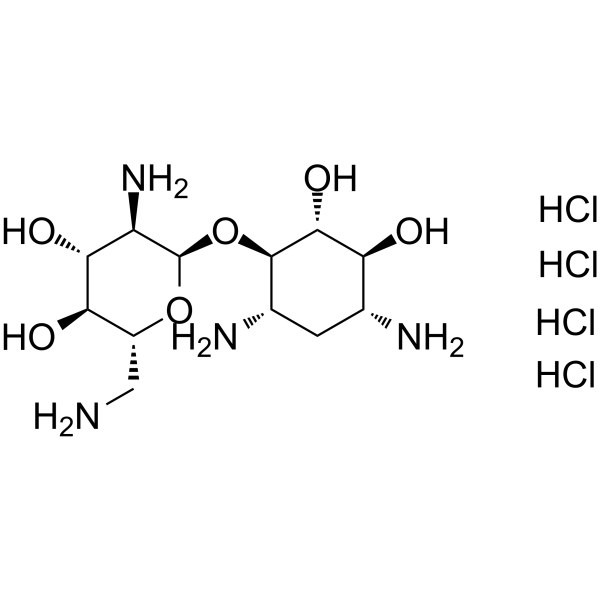
Neamine tetrahydrochloride
 0 Images
Neamine tetrahydrochloride, a degradation product of Neomycin, is a broad-spectrum aminoglycoside antibiotic. Neamine tetrahydrochloride is an anti-angiogenesis agent targeting angiogenin. Neamine tetrahydrochloride has potent antibacterial, antitumor and neuroprotective activities.
-
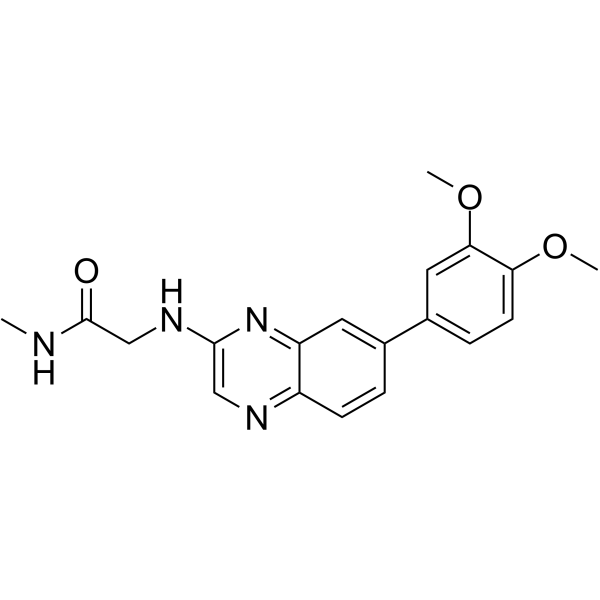
BQR-695
 0 ImagesSynonyms: NVP-BQR695
BQR-695 is a PI4KIIIβ inhibitor with IC50s of 80 and 3.5 nM for human PI4KIIIβ and Plasmodium variant of PI4KIIIβ, respectively.
-
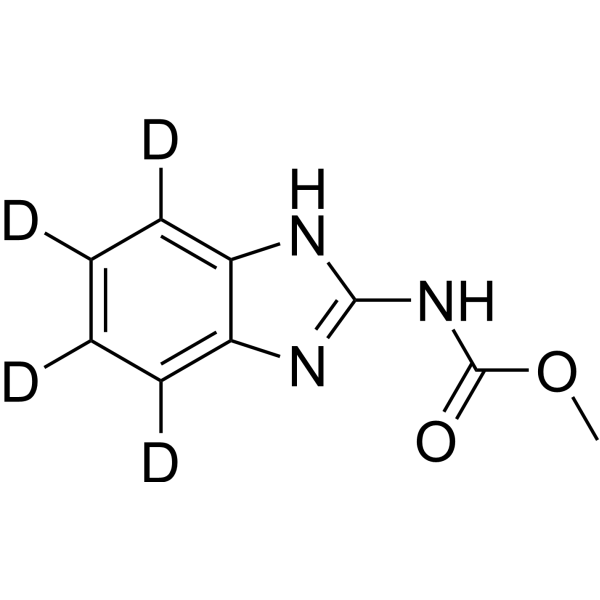
Carbendazim-d4
 0 Images
Carbendazim-d4 is the deuterium labeled Carbendazim. Carbendazim is a potent and orally active broad-spectrum?benzimidazole fungicide and can be acts as a pesticide for fungal diseases research, such as Seproria,?Fusarium?and?Sclerotina. Carbendazim is a benzimidazole (HY-Y1825) derivative with antitumor activity and used for cancer research, especially advanced solid tumors and lymphoma.
-
Tenofovir amibufenamide
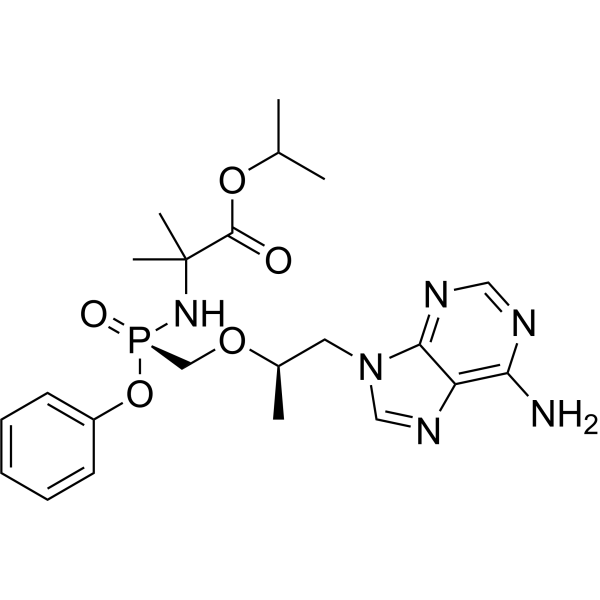 0 ImagesSynonyms: HS-10234
-
DS86760016
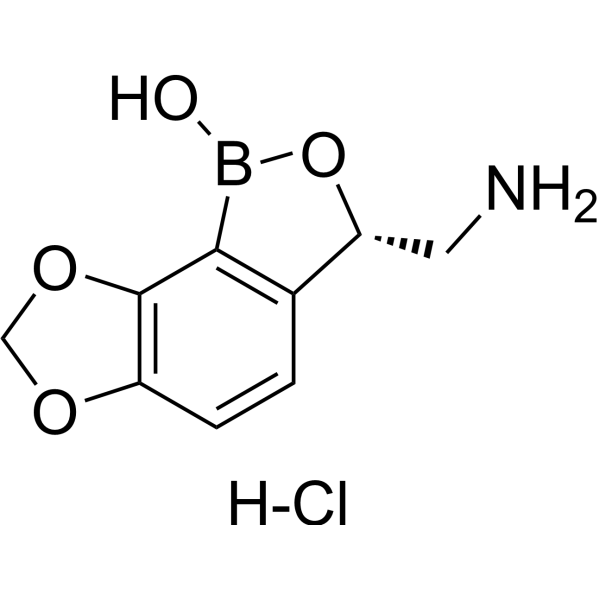 0 Images
DS86760016 is a potent leucyl-tRNA synthetase (LeuRS) inhibitor with activity against multidrug-resistant (MDR) Gram-negative bacteria, such as Escherichia coli, Klebsiella pneumoniae, and Pseudomonas aeruginosa. DS86760016 inhibits LeuRS enzymes from Escherichia coli, Pseudomonas aeruginosa, and Acinetobacter baumannii, with IC50s of 0.38, 0.62, and 0.16 μM, respectively.
-
TCMDC-135051 hydrochloride
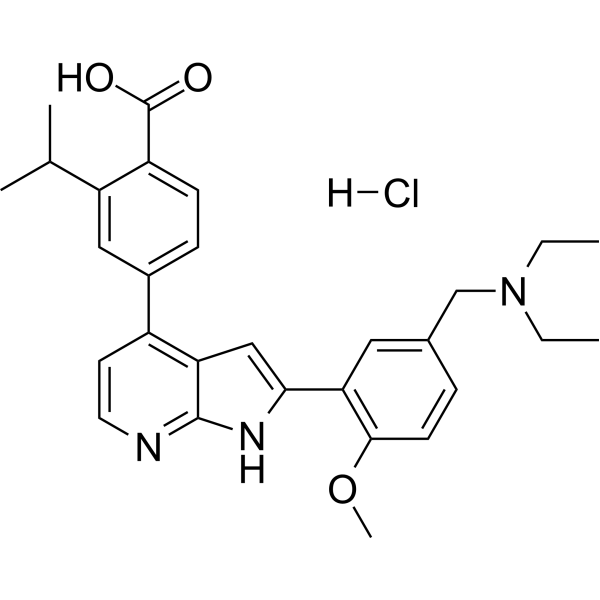 0 Images
TCMDC-135051 hydrochloride is a highly selective and potent protein kinase PfCLK3 inhibitor with low off-target toxicity. TCMDC-135051 hydrochloride prevents trophozoite-to-schizont transition, disrupts transcription and reduces transmission to the mosquito vector. TCMDC-135051 hydrochloride has antiparasiticidal activity (EC50=320 nM).
-
Nitroxoline-d4
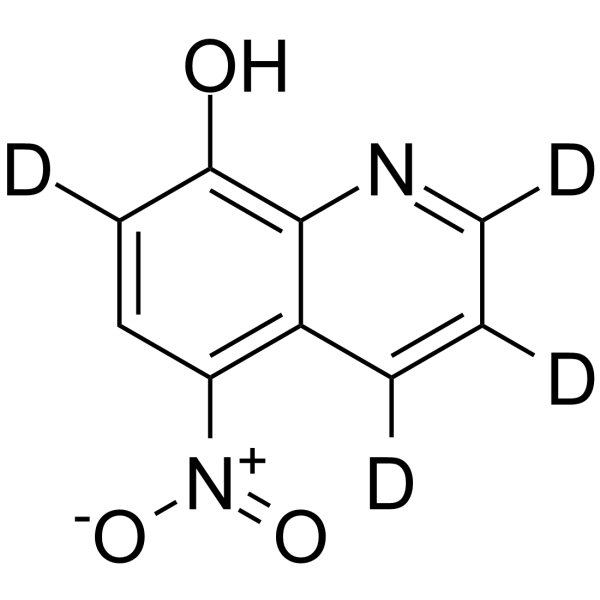 0 ImagesCat. No.: HY-B1159SPurity: 99.7%Synonyms: 8-Hydroxy-5-nitroquinoline-d4; 5-Nitro-8-quinolinol-d4
Nitroxoline-d4 is the deuterium labeled Nitroxoline. Nitroxoline is an antibiotic that has proven to be very effective at combating biofilm infections. Nitroxoline functions by chelating Fe2+ and Zn2+ ions from the biofilm matrix.
-
AN11251
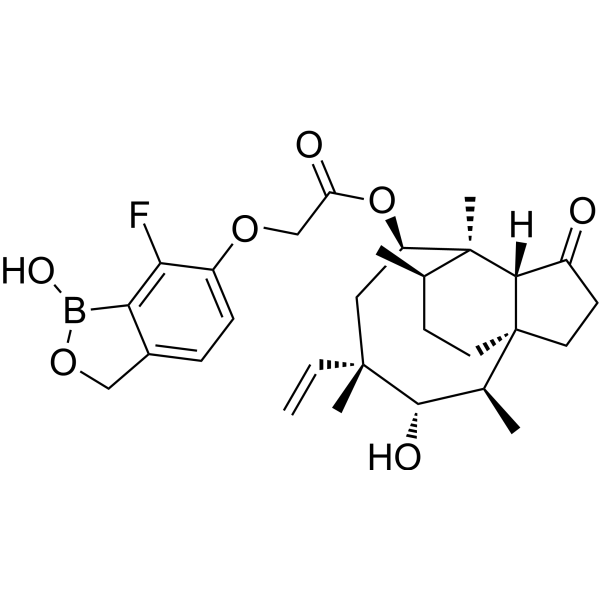 0 Images
AN11251 is a potent and oral active anti-Wolbachia agent with potential for treatment of onchocerciasis and lymphatic filariasis, with EC50 values of 1.5 nM in LDW1 cell lines and 15 nM in C6/36 cell lines.
-
Avacincaptad pegol
 0 ImagesCat. No.: HY-148457CAS No.: 1613641-69-2Synonyms: Izervay
Avacincaptad pegol (Izervay) is a selective inhibitor targeting complement component C5, and is a pegylated ribonucleic acid aptamer. Avacincaptad pegol inhibits the cleavage of C5 into pro-inflammatory C5a and C5b, which forms the membrane attack complex (C5b-9), thereby reducing inflammatory cell recruitment and retinal cell damage. Avacincaptad pegol can slow the growth of geographic atrophy (GA) lesions and reduce the risk of persistent vision loss. Avacincaptad pegol can be used in research of geographic atrophy associated with age-related macular degeneration (AMD) and has been approved by the FDA.
-
FGI-106 tetrahydrochloride
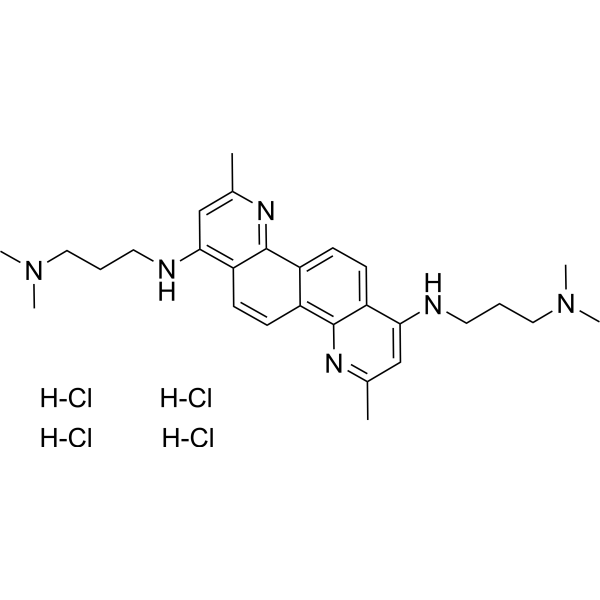 0 Images
FGI-106 tetrahydrochloride is a potent and broad-spectrum inhibitor with inhibitory activity against multiple viruses. FGI-106 tetrahydrochloride is active against Ebola, Rift Valley and Dengue Fever viruses with EC50s of 100 nM, 800 nM and 400-900 nM, respectively. FGI-106 tetrahydrochloride also inhibits non-hemorrhagic fever viruses HCV and HIV-1 with EC50s of 200 nM and 150 nM, respectively.
-
Yimitasvir diphosphate
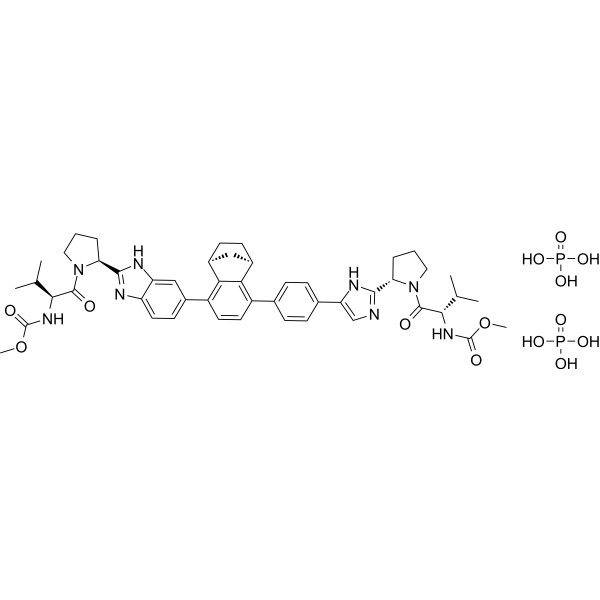 0 ImagesSynonyms: Emitasvir diphosphate; DAG-181 diphosphate
-
Voxvoganan trihydrochloride
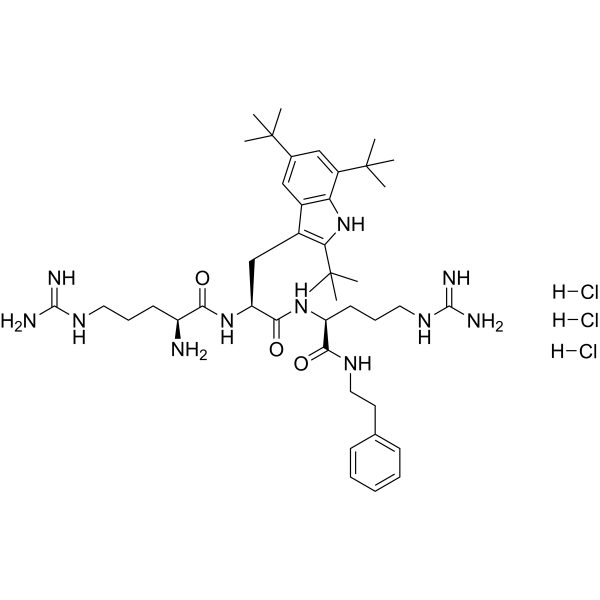 0 ImagesCat. No.: HY-119123APurity: 99.75%Synonyms: LTX-109 trihydrochloride

-
Faldaprevir
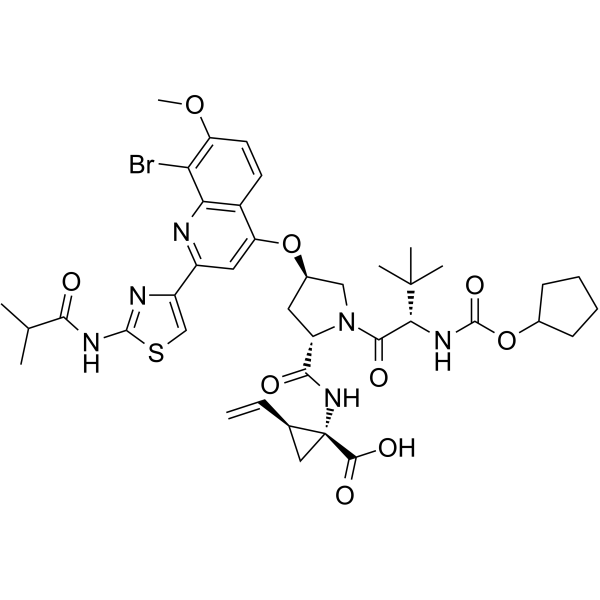 0 ImagesSynonyms: BI 201335
Faldaprevir (BI 201335) is a potent, orally active and selective noncovalent inhibitor of NS3/4A protease of HCV (hepatitis C virus) genotypes 1a and 1b, with Ki values of 2.6 and 2.0 nM, respectively. Faldaprevir inhibits HCV RNA replication, with EC50 values of 6.5 and 3.1 nM, respectively. Faldaprevir has potent antiviral activity against chronic HCV infection.