



COX
Cyclooxygenase
Cyclooxygenase (COX), officially known as prostaglandin-endoperoxide synthase (PTGS), is an enzyme that is responsible for formation of important biological mediators called prostanoids, including prostaglandins, prostacyclin and thromboxane. Pharmacological inhibition of COX can provide relief from the symptoms of inflammation and pain. Drugs, like Aspirin, that inhibit cyclooxygenase activity have been available to the public for about 100 years. Two cyclooxygenase isoforms have been identified and are referred to as COX-1 and COX-2. Under many circumstances the COX-1 enzyme is produced constitutively (i.e., gastric mucosa) whereas COX-2 is inducible (i.e., sites of inflammation). Non-steroidal anti-inflammatory drugs (NSAID), such as aspirin and ibuprofen, exert their effects through inhibition of COX. The main COX inhibitors are the non-steroidal anti-inflammatory drugs (NSAIDs).
COX Isoform Specific Products
All Product Categories
-
COX Related Products (1308)
Related Products (1308)

-
Antibodies (6)
-
COX Isoform Comparison
-
Methyl Salicylate
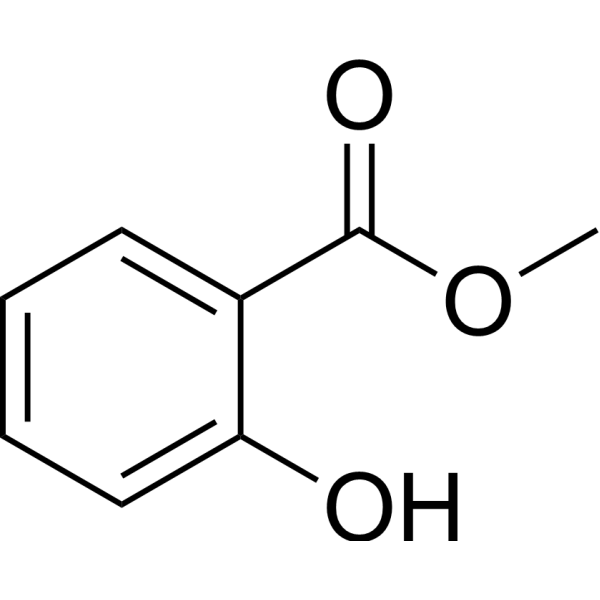 0 ImagesMethyl Salicylate (Wintergreen oil) is a topical analgesic and anti-inflammatory agent. Also used as a pesticide, a denaturant, a fragrance ingredient, and a flavoring agent in food and tobacco products. A systemic acquired resistance (SAR) signal in tobacco. A topical nonsteroidal anti-inflammatory agent (NSAID). Methyl salicylate lactoside is a COX inhibitor.
-
Roburic acid
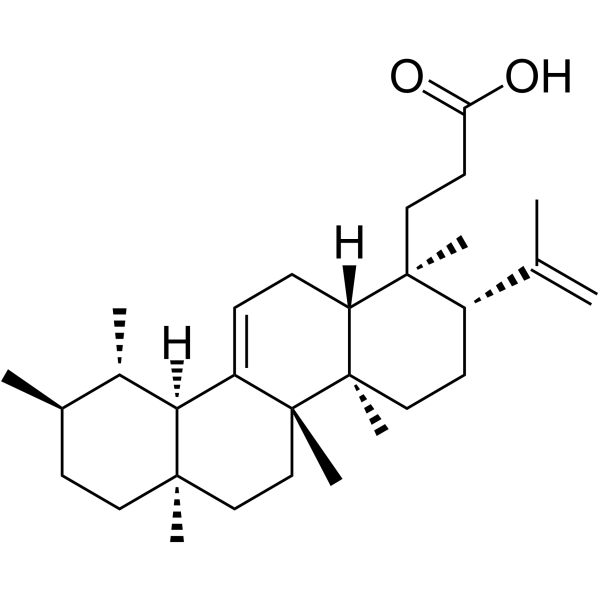 0 ImagesRoburic acid acts as an anti-inflammatory, anti-tumor and osteoclastogenesis inhibitor, with a Ki of 7.066 μM against human TNF, an IC50 of 9 μM against human COX-2, and an IC50 of 5 μM against ovine COX-1. Roburic acid reduces the production of inflammatory mediators such as NO and IL-6 in macrophages by inhibiting the NF-κB and MAPK (p38/JNK) pathways. By competitively inhibiting the TNF-TNF-R1 interaction, Roburic acid blocks the downstream NF-κB signaling pathway, thereby inducing cell cycle arrest and apoptosis in cancer cells. Roburic acid specifically inhibits osteoclastogenesis and bone resorption by suppressing the RANKL/TRAF6/NF-κB/NFATc1 axis. Roburic acid can be used in research related to osteolytic diseases such as osteoporosis, colorectal cancer and inflammatory diseases.
-
Guluronic acid sodium
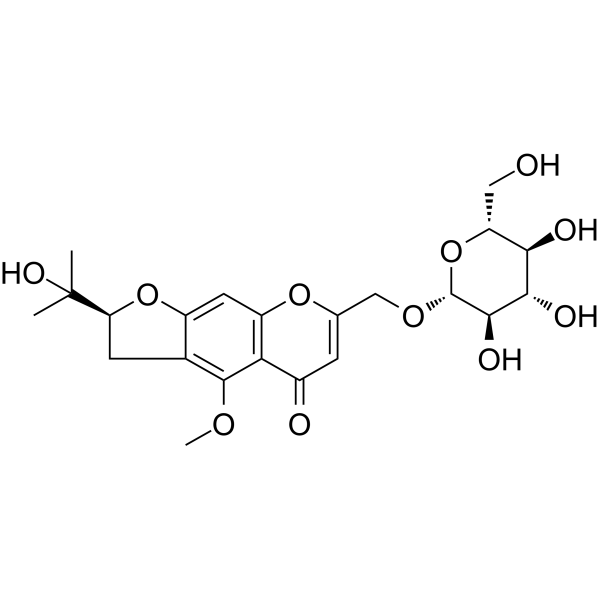
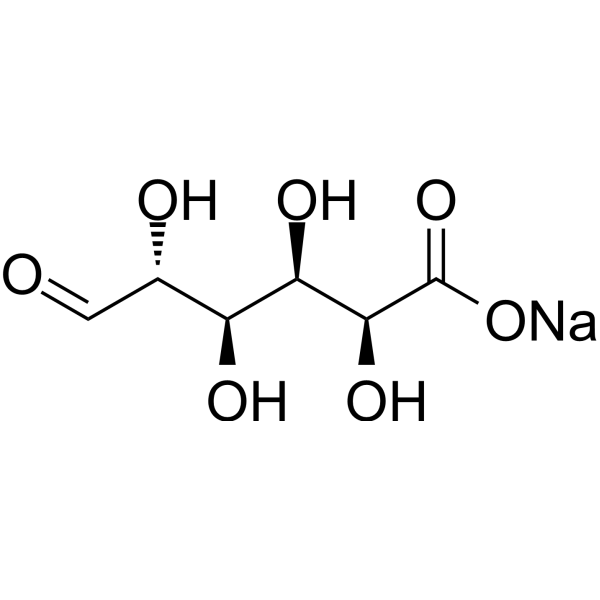 0 ImagesCat. No.: HY-N7700APurity: 98.0%Synonyms: G2013 sodiumGuluronic acid (G2013) sodium is an orally active oxidative stress regulator and anti-inflammatory agent that exerts pharmacological effects by down-regulating various pro-inflammatory and oxidative stress-related genes (such as TLR4, NF-κB, iNOS, etc.) and inhibiting the activities of COX-2, MMPs and VEGF. Low-dose Guluronic acid sodium up-regulates the expression of immunoregulatory genes SHIP1 and SOCS1, thereby effectively inhibiting cancer-related inflammation, tumor angiogenesis, cell adhesion and metastasis, while reducing the accumulation of immunosuppressive cells. Guluronic acid sodium significantly prolongs the survival time of tumor-bearing hosts within a concentration range without direct cytotoxicity, demonstrating favorable safety. Guluronic acid sodium has involved in the research of multiple sclerosis, ankylosing spondylitis, breast cancer and other inflammatory diseases.
-
Protegrin-1
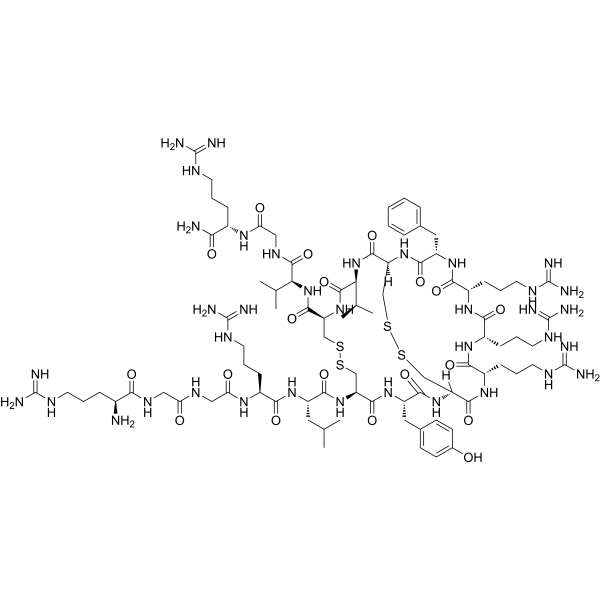 0 ImagesSynonyms: PG1Protegrin-1 is an orally active antibacterial peptide. Protegrin-1 activates ERK, COX2, NFκB, inhibits Apoptosis, and NO production. Protegrin-1 has antibacterial activity against S. aureus, E. faecium, E. coli, P. aeruginosa and K. Pneumoniae, with MBC values between 10 and 20 µM. Protegrin-1 has antiviral activity against dengue NS2B-NS3. Protegrin-1 has anti-inflammatory activity. Protegrin-1 is used in the study of inflammatory diseases and infections.
-
Isobavachin
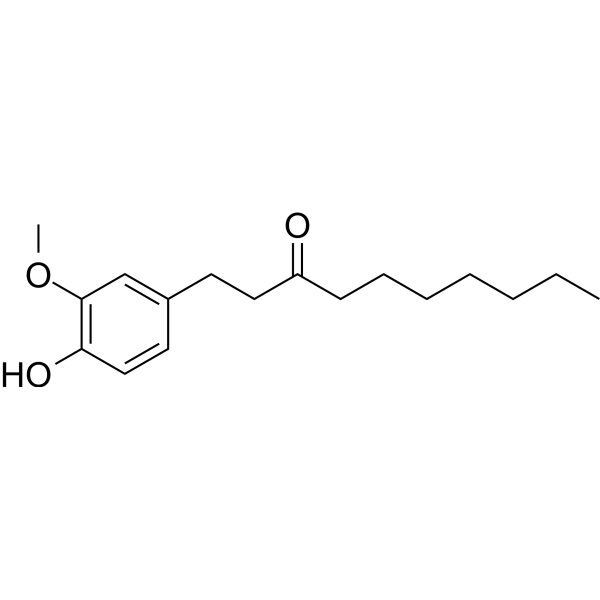
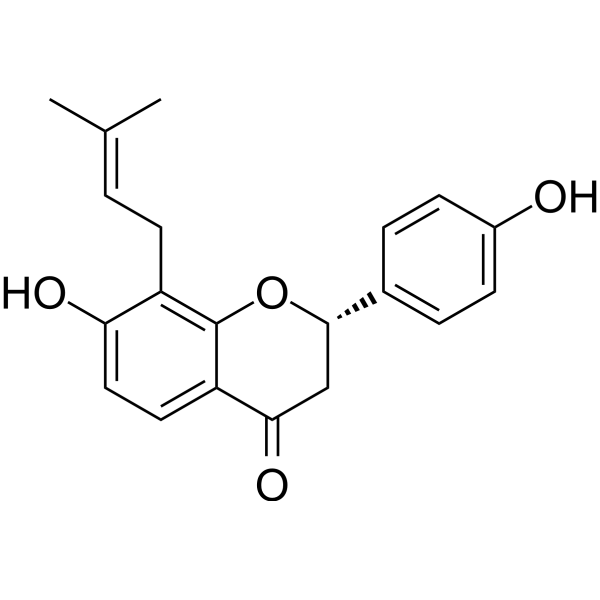 0 ImagesIsobavachin is an orally active, blood-brain barrier-penetrating prenylated flavonoid present in Psoralea corylifolia. Isobavachin inhibits human CYP2B6, CYP2C9, CYP2C19, UGT1A1, UGT1A9, and UGT2B7. Isobavachin suppresses MAPK activation, NF-κB nuclear translocation, overexpression of iNOS/COX-2, FcεRI-mediated signaling pathways, and RANKL-induced osteoclastogenesis. Isobavachin induces autophagy, cytotoxicity, neuronal differentiation, and NRF2 activation; it alleviates oxidative damage, inflammatory responses, apoptosis, iron accumulation, mitochondrial biogenesis, and mast cell degranulation. Isobavachin is applicable to research related to liver injury, inflammatory diseases, osteoporosis, liver cancer, prostate cancer, glioma, periodontitis-induced bone loss, and Alzheimer's disease.
-
Acetaminophen-d4
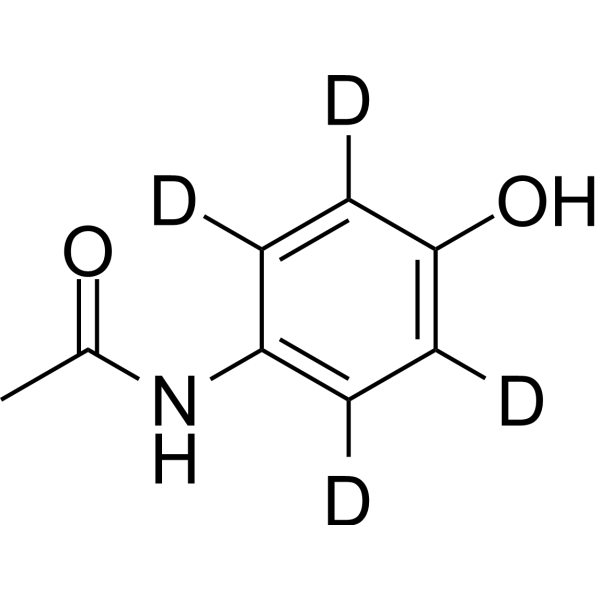 0 ImagesSynonyms: Paracetamol-d4; 4-Acetamidophenol-d4; 4'-Hydroxyacetanilide-d4Acetaminophen-d4 is the deuterium labeled Acetaminophen. Acetaminophen (Paracetamol) is a selective cyclooxygenase-2 (COX-2) inhibitor with an IC50 of 25.8 μM; is a widely used antipyretic and analgesic agent. Acetaminophen is a potent hepatic N-acetyltransferase 2 (NAT2) inhibitor.
-
Fosfructose
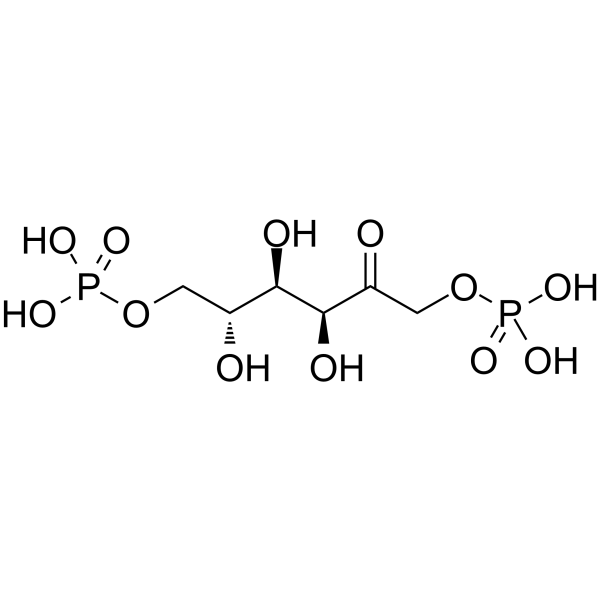 0 ImagesFosfructose is an orally active cyclooxygenase-2 inhibitor and Toll-like receptor 4 modulator. Fosfructose reduces the expression of cyclooxygenase-2, thereby decreasing prostaglandin production. By inhibiting the Toll-like receptor 4 signaling pathway, Fosfructose downregulates LPS-induced adhesion molecule expression. Fosfructose is applicable to research related to ischemic stroke, epilepsy, sepsis, myocardial injury, osteoporosis, and ultraviolet B-induced skin damage.
-
Acetaminophen (Standard)
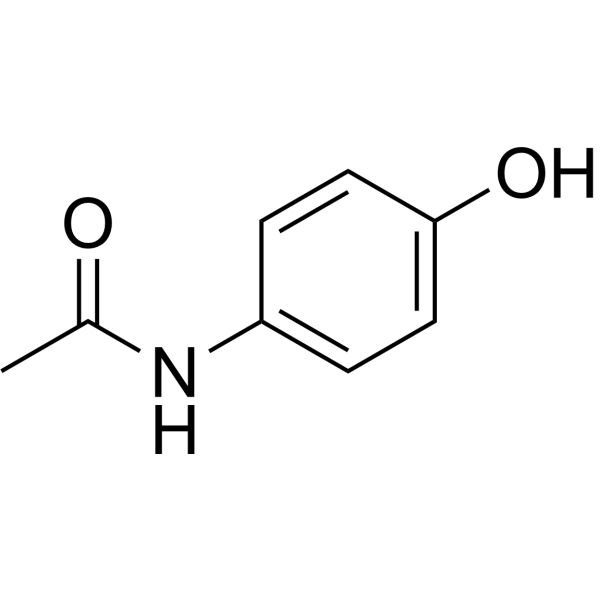 0 ImagesSynonyms: Paracetamol (Standard); 4-Acetamidophenol (Standard); 4'-Hydroxyacetanilide (Standard)Acetaminophen (Standard) is the analytical standard of Acetaminophen. This product is intended for research and analytical applications. Acetaminophen (Paracetamol) is a selective cyclooxygenase-2 (COX-2) inhibitor with an IC50 of 25.8 μM; is a widely used antipyretic and analgesic agent. Acetaminophen is a potent hepatic N-acetyltransferase 2 (NAT2) inhibitor.
-
Licofelone
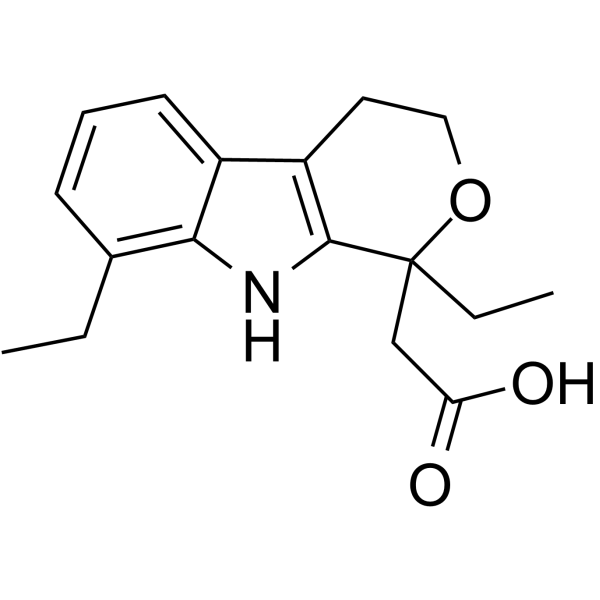
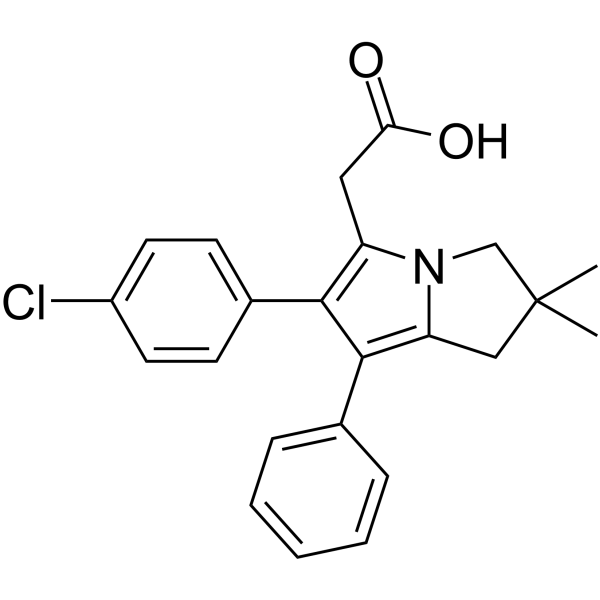 0 ImagesSynonyms: ML-3000Licofelone (ML-3000) is a dual COX/5-lipoxygenase (5-LOX) inhibitor (IC50=0.21/0.18 μM, respectively) for the treatment of osteoarthritis. Licofelone exerts anti-inflammatory and anti-proliferative effects. Licofelone induces apoptosis, and decreases the production of proinflammatory leukotrienes and prostaglandins.
-
Docosahexaenoic acid ethyl ester
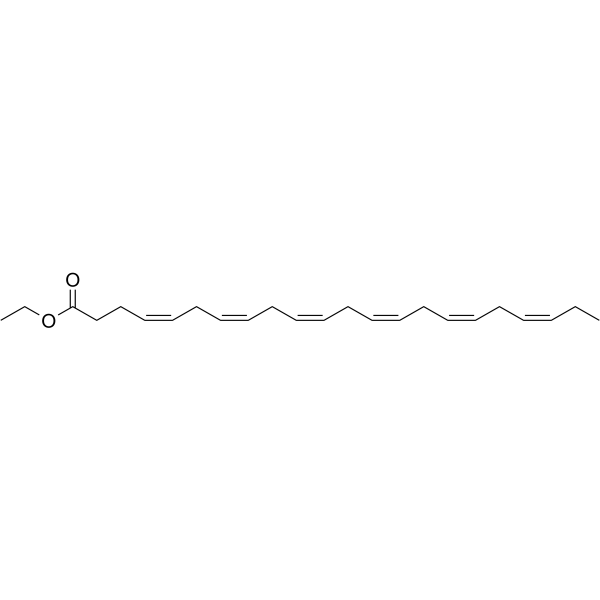 0 ImagesCat. No.: HY-107343CAS No.: 81926-94-5Synonyms: Ethyl docosahexaenoateDocosahexaenoic acid ethyl ester (Ethyl docosahexaenoate) is a 90% concentrated ethyl ester of docosahexaenoic acid manufactured from the microalgal oil. Docosahexaenoic acid ethyl ester enhances 6-hydroxydopamine-induced neuronal damage by induction of lipid peroxidation in mouse striatum. Docosahexaenoic acid (DHA) is a key component of the cell membrane, and its peroxidation is inducible due to the double-bond chemical structure. Docosahexaenoic acid has neuroprotective effects.
-
Ketorolac
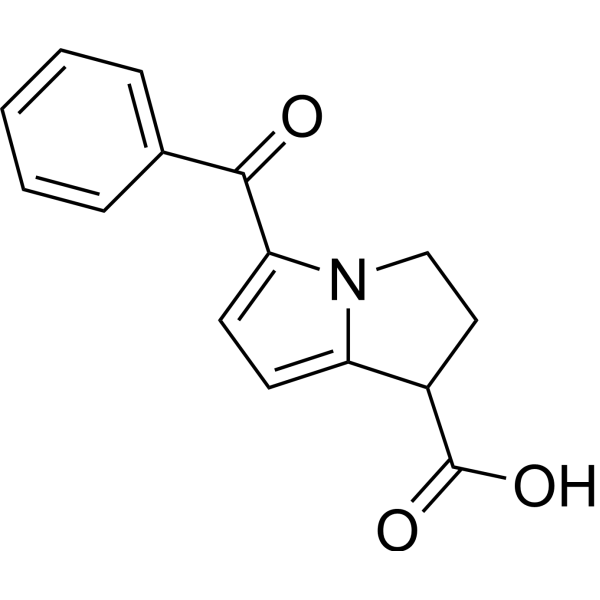 0 ImagesSynonyms: RS37619Ketorolac (RS37619) is a non-steroidal anti-inflammatory drug (NSAID), acting as a nonselective COX inhibitor, with IC50s of 20 nM for COX-1 and 120 nM for COX-2. Ketorolac tromethamine is used as 0.5% ophthalmic solution for the research of allergic conjunctivitis, cystoid macular edema, intraoperative miosis, and postoperative ocular inflammation and pain. Ketorolac tromethamine is also a DDX3 inhibitor that can be used for cancer research.
-
Sinapyl alcohol
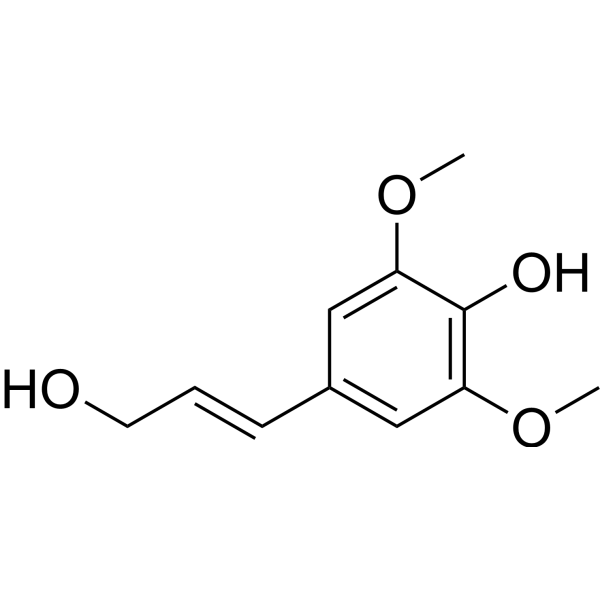 0 ImagesSinapyl alcohol is an orally active anti-inflammatory and antinociceptive agent. Sinapyl alcohol reduces the expression level of inducible NO synthase and COX-2.
-
Ginsenoside Rg5
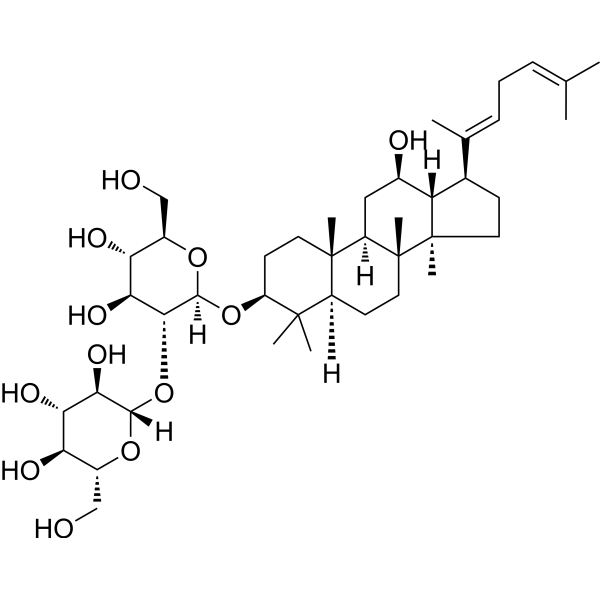 0 ImagesGinsenoside Rg5 is the main component of Red ginseng and IGF-1R agonist. Ginsenoside Rg5 compets for the binding site of IGF-1R and blocks the binding of IGF-1 to IGF-1R (IC50 about 90 nM). Ginsenoside Rg5 also inhibits the mRNA expression of COX-2 via suppression of the DNA binding activities of NF-κB p65.
-
Tolfenamic Acid
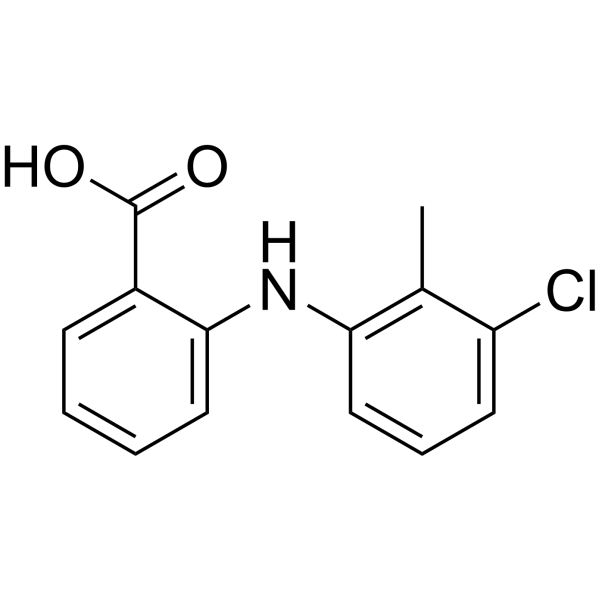 0 ImagesSynonyms: GEA 6414
-
Phenylbutazone
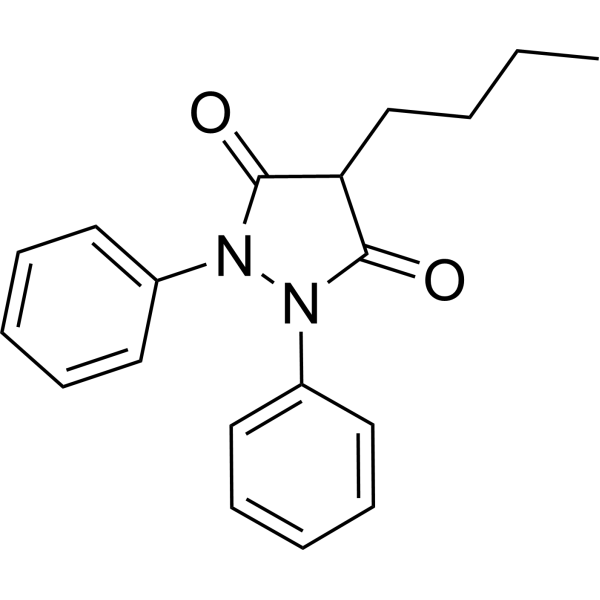 0 ImagesPhenylbutazone is an efficient reducing cofactor for the peroxidase activity of prostaglandin H synthase (PHS). Phenylbutazone, a hepatotoxin, is a nonsteroidal anti-inflammatory agent (NSAID). Phenylbutazone induces muscle blind-like protein 1 (MBNL1) expression and has the potential for ankylosing spondylitis research.
-
Ginsenoside Rb3
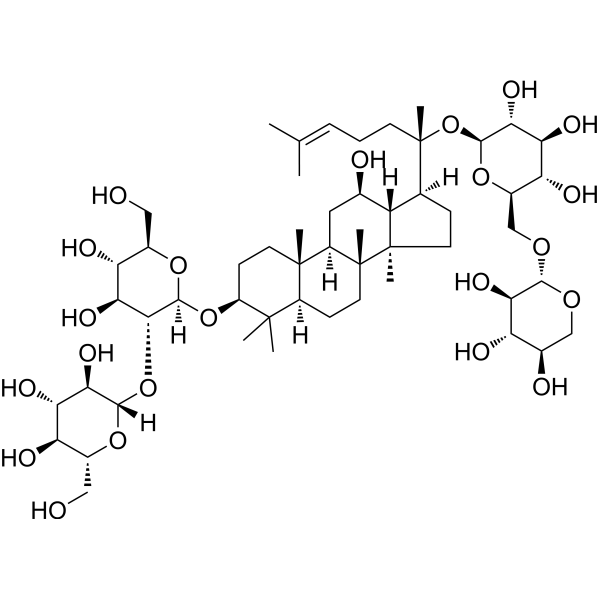 0 ImagesSynonyms: Gypenoside IV




