CXCR
CXC chemokine receptors; C-X-C motif chemokine receptors
CXCRs (CXC chemokine receptors) are integral membrane proteins that specifically bind and respond to cytokines of the CXC chemokine family. They represent one subfamily of chemokine receptors, a large family of G protein-linked receptors that are known as seven transmembrane (7-TM) proteins, since they span thecell membrane seven times. There are currently seven known CXC chemokine receptors in mammals, named CXCR1 through CXCR7. CXCR1 and CXCR2 are closely related receptors that recognize CXC chemokines that possess an E-L-R amino acid motif immediately adjacent to their CXC motif. CXCR3 is expressed predominantly on T lymphocytes. CXCR4 is the receptor for a chemokine known as CXCL12 (or SDF-1) and, as with CCR5, is utilized by HIV-1 to gain entry into target cells. The chemokine receptor CXCR5 is selectively expressed on B cells and is involved in lymphocyte homing and the development of normal lymphoid tissue. CXCR6 was formerly called three different names (STRL33, BONZO, and TYMSTR) before being assigned CXCR6 based on its chromosomal location and its similarity to other chemokine receptors in its gene sequence. CXCR7 was originally called RDC-1 (an orphan receptor) but has since been shown to cause chemotaxis in T lymphocytes in response to CXCL12 (the ligand for CXCR4) prompting the renaming of this molecule as CXCR7.
CXCR Isoform Specific Products
All Product Categories
-
CXCR Inhibitors
(107)
View all products
-
CXCR Agonists
(25)
View all products
-
CXCR Antagonists
(128)
View all products
-
CXCR Activators
(12)
View all products
-
CXCR Modulators
(19)
View all products
-
CXCR Inducer
(1)
View all products
-
CXCR Degrader
(1)
View all products
-
CXCR Controls
(2)
View all products
-
CXCR Ligand
(1)
View all products
-
CXC Chemokines Proteins
(140)
View all products
-
CXC Chemokine Receptor Proteins
(13)
View all products
-
CXCR2 Proteins
(3)
View all products
-
CXCR3 Proteins
(3)
View all products
-
CXCR4 Proteins
(6)
View all products
-
CXCR Related Products (355)
Related Products (355)

-
Recombinant Proteins (153)
-
Antibodies (9)
-
Related Compound Screening Libraries (1)
-
CXCR Isoform Comparison
-
Olaptesed pegol sodium
 0 ImagesCat. No.: HY-160041ASynonyms: NOX-A12 sodiumOlaptesed pegol (NOX-A12) sodium is a pegylated L-oligoribonucleotide aptamer targeting CXCL12 based on a pegylated structure. Olaptesed pegol sodium neutralizes CXCL12, and CXCL12 inhibition mobilizes chronic lymphocytic leukemia cells into the circulation and prevents their homing into the protective microenvironment. Olaptesed pegol sodium can enhances the infiltration of human primary T cells and NK cells and inhibit tumor growth companied with anti-PD-1 antibody. Olaptesed pegol sodium can be used for researches of colon cancer and lymphocytic leukemia.
-
AMD 3465 hexahydrobromide
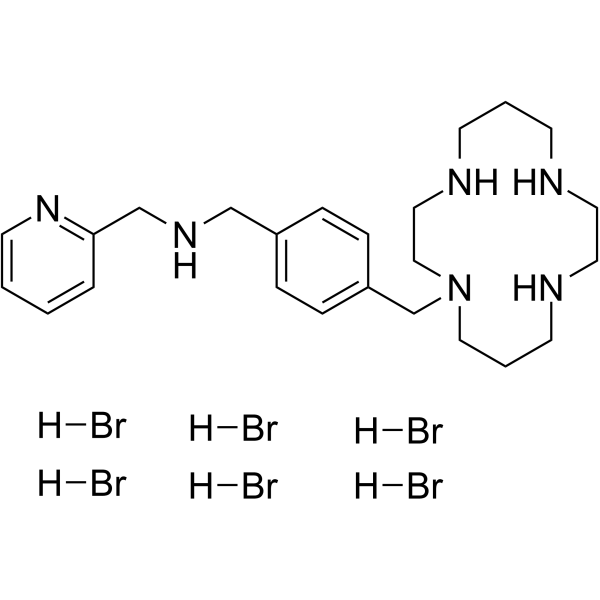 0 ImagesSynonyms: GENZ-644494 hexahydrobromideAMD 3465 hexahydrobromide (GENZ-644494 hexahydrobromide) is a potent antagonist of CXCR4, inhibits binding of 12G5 mAb and CXCL12AF647 to CXCR4, with IC50s of 0.75 nM and 18 nM in SupT1 cells; AMD 3465 also potently inhibits the replication of X4 HIV strains (IC50: 1-10 nM), but has no effect on CCR5-using (R5) viruses.
-
AMG 487 (S-enantiomer)
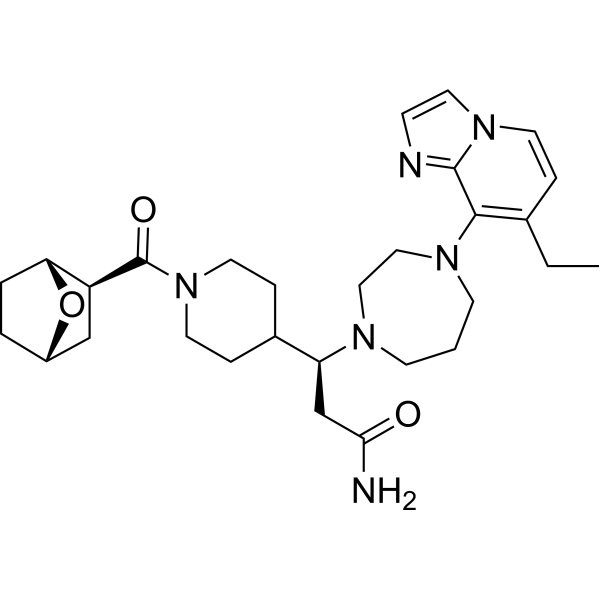
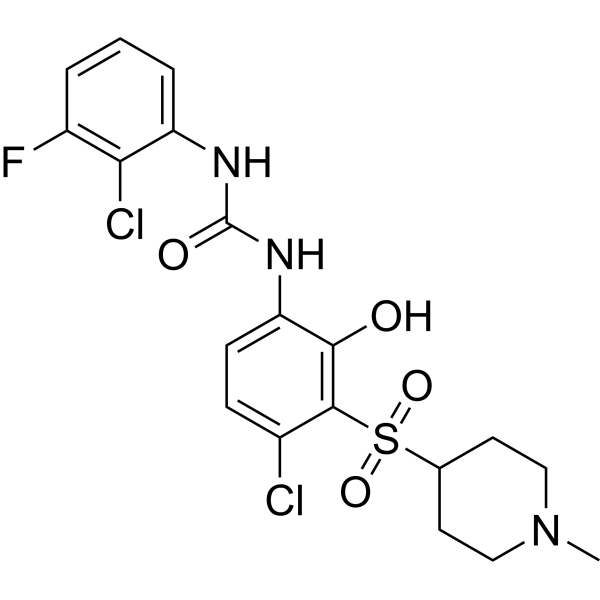
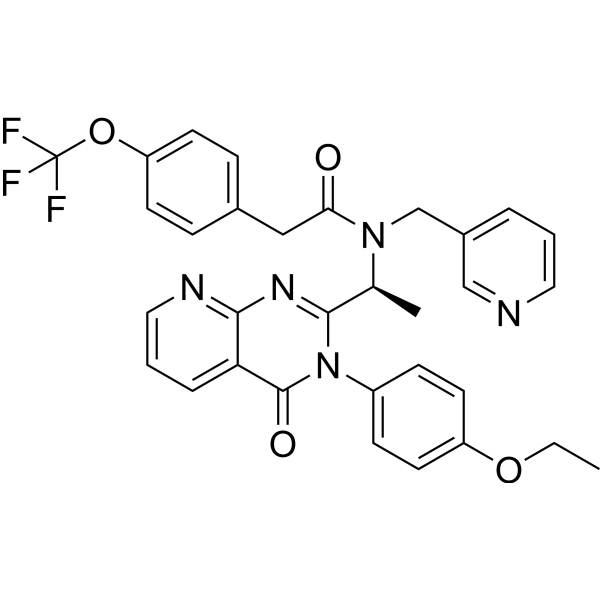 0 ImagesAMG 487 S-enantiomer is the S enantiomer of AMG 487. AMG 487 is an antagonist of the chemokine receptor CXCR3.
-
CXCR3 antagonist 1
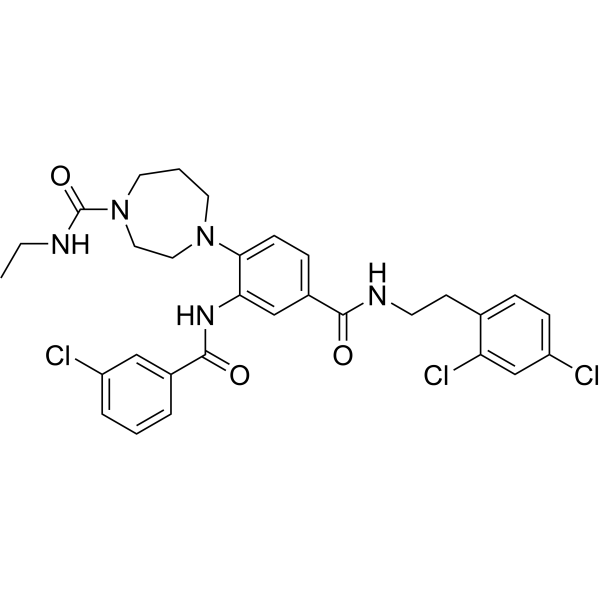 0 ImagesCXCR3 antagonist 1 (compound 6c) is a selective and non-cytotoxic CXCR3 antagonist (IC50=0.06 µM). CXCR3 antagonist 1 has potential in researching inflammatory diseases (including inflammatory bowel disease, multiple sclerosis, rheumatoid arthritis, and diabetes).
-
CXCR7 antagonist-1 hydrochloride
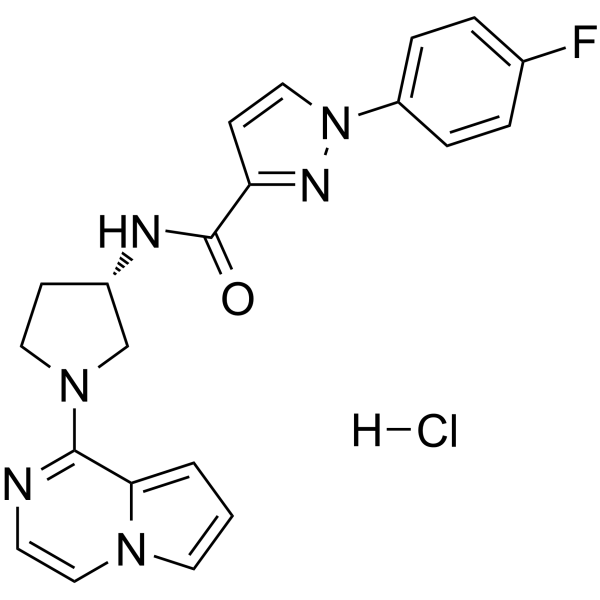 0 ImagesCXCR7 antagonist-1 hydrochloride is a CXCR7 antagonist that inhibits the binding of the SDF-1 chemokine (also known as the CXCL12 chemokine) or I-TAC (also known as CXCL11) to the chemokine receptor CXCR7. CXCR7 antagonist-1 hydrochloride is useful in preventing tumor cell proliferation, tumor formation, inflammatory diseases, and many other diseases.
-
SCH-900875
 0 ImagesSCH-900875 is an orally active, brain-penetrant and selective CXCR3 receptor inhibitor, which also shows high selectivity over CXCR1 and CXCR2 receptors. SCH-900875 binds to CXCR3, blocking the binding of ligands CXCL9, CXCL10, and CXCL11, inhibiting downstream G protein and β-arrestin signaling pathways to suppress inflammatory cell migration. SCH-900875 is promising for research of autoimmune diseases (rheumatoid arthritis, multiple sclerosis) and inflammatory disorders (psoriasis, inflammatory bowel disease).
-
ABX-IL8
 0 ImagesCat. No.: HY-P990313Purity: 98.70%
-
Eltrekibart
 0 ImagesSynonyms: LY-3041658
-
Olaptesed pegol
 0 ImagesCat. No.: HY-160041CAS No.: 1390628-22-4Synonyms: NOX-A12Olaptesed pegol (NOX-A12) is a L-oligoribonucleotide aptamer targeting CXCL12 based on a pegylated structure. Olaptesed pegol neutralizes CXCL12, and CXCL12 inhibition mobilizes chronic lymphocytic leukemia cells into the circulation and prevents their homing into the protective microenvironment. Olaptesed pegol can enhances the infiltration of human primary T cells and NK cells and inhibit tumor growth companied with anti-PD-1 antibody. Olaptesed pegol can be used for researches of colon cancer and lymphocytic leukemia.
-
ACT-660602
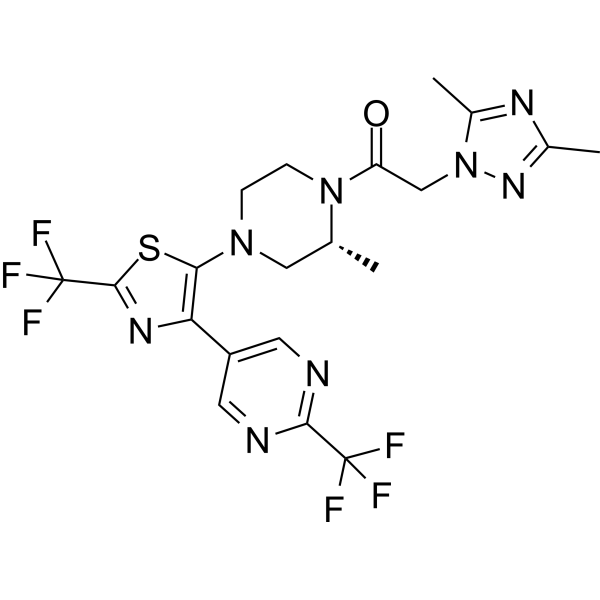 0 ImagesACT-660602 is an orally active antagonist of chemokine receptor (CXCR3) with an IC50 value of 204 nM. ACT-660602 inhibits T-cell migration and shows efficacy in acute lung ingury model. ACT-660602 can be used for autoimmune diseases research.
-
CXCR7 modulator 1
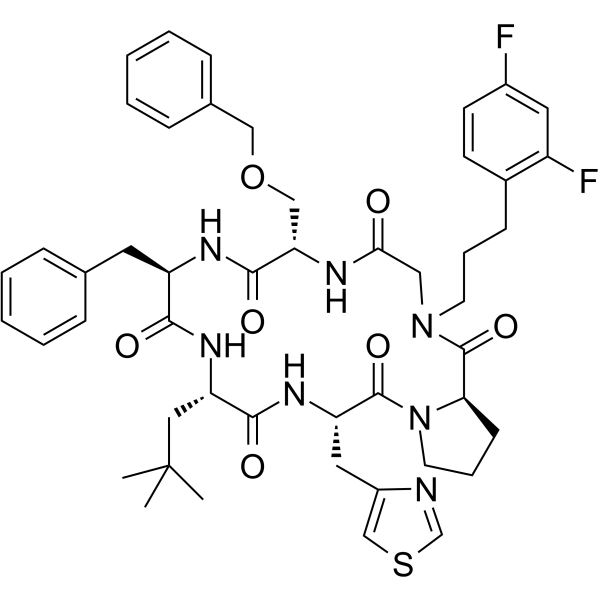 0 ImagesCXCR7 modulator 1 (compound 25) is a potent and orally bioavailable peptoid hybrid CXCR7 modulator, with a Ki of 9 nM.
-
Rosnilimab (Mouse IgG2a)
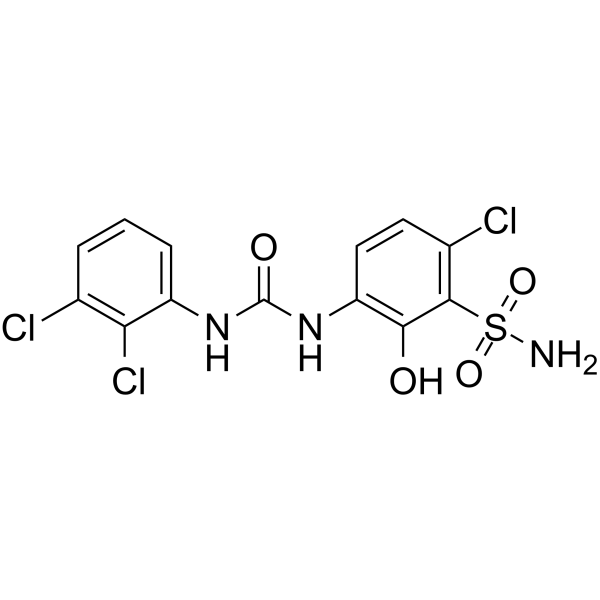
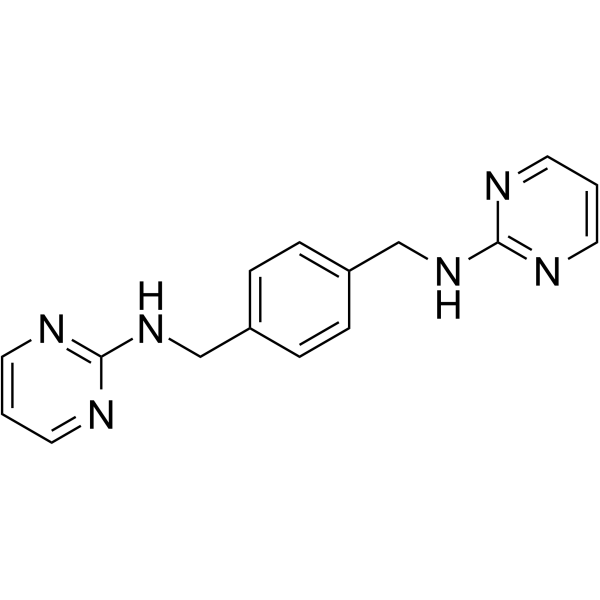
 0 ImagesCat. No.: HY-P9S0062Purity: 98.00%Rosnilimab (Mouse IgG2a) is a mouse-derived IgG2a antibody, Rosnilimab. Rosnilimab is a PD-1 agonistic monoclonal antibody. Rosnilimab (Mouse IgG2a) optimizes the inhibitory PD-1 signaling pathway without blocking PD-L1 binding; it also activates moderately activated PD-1+ T cells and eliminates PD-1high cells, Tfh/Tph cells and Teff cells. Rosnilimab (Mouse IgG2a) reduces the secretion and gene expression of IFN-γ, CXCL13, IL-6 and TNF, decreases macrophage infiltration, and downregulates the gene expression of inflammatory myeloid cells. Rosnilimab (Mouse IgG2a) can be used in studies related to ulcerative colitis.
-
CTCE-9908
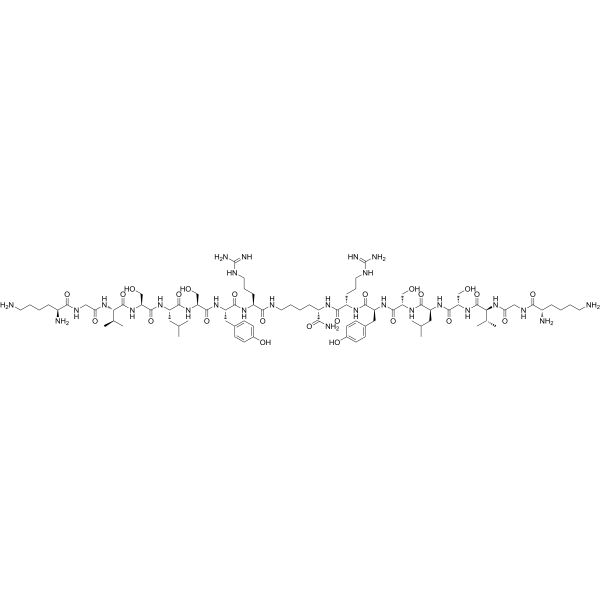 0 ImagesCTCE-9908 is a potent and selective CXCR4 antagonist. CTCE-9908 induces mitotic catastrophe, cytotoxicity and inhibits migration in CXCR4-expressing ovarian cancer cells.