



CXCR Agonist
- 1
- 2
-
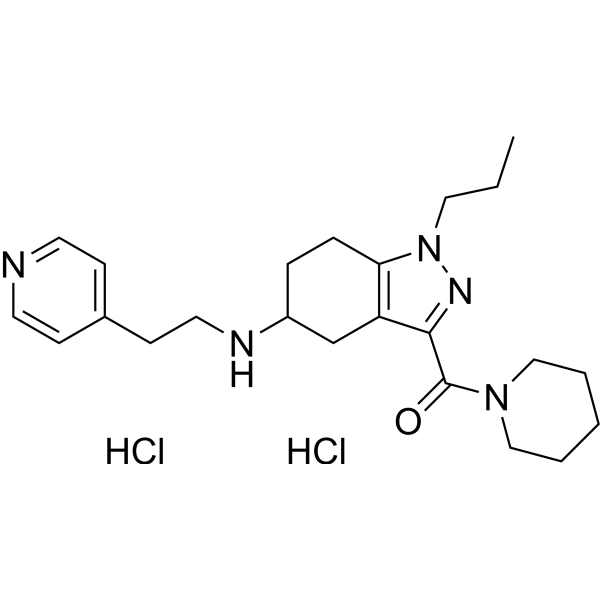
NUCC-390 dihydrochloride
 0 Images
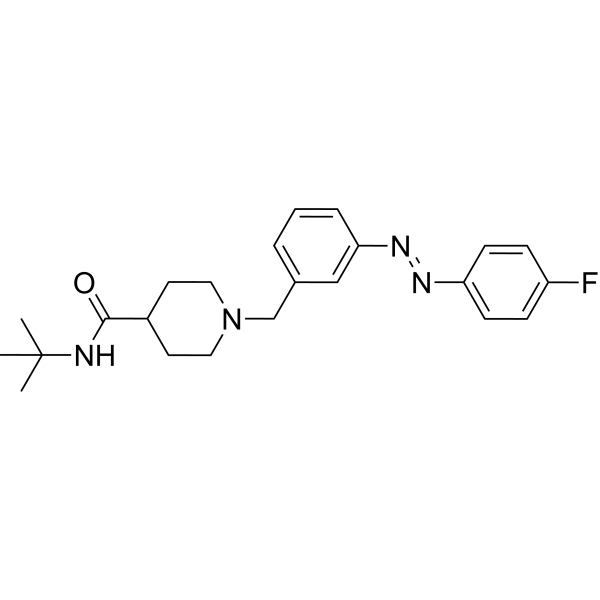
NUCC-390 dihydrochloride is a novel and selective small-molecule CXCR4 receptor agonist. NUCC-390 dihydrochloride induces internalization of CXCR4 receptors and acts in an opposite way of AMD3100 (HY-10046). NUCC-390 dihydrochloride promotes nerve recovery of function after neurodegeneration in vivo.
-
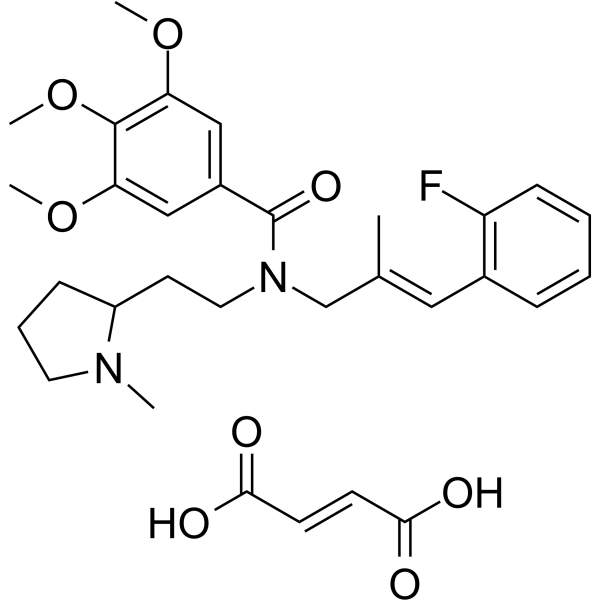
VUF11207 fumarate
 0 Images
VUF11207 fumarate is a potent, selective, and orally active CXCR7/ACKR3 agonist (pKi = 8.1). VUF11207 fumarate specifically activates CXCR7/ACKR3, recruits β-arrestin, and induces receptor internalization, while downregulating the pro-inflammatory, pro-osteoclastogenic, and tumor immunosuppressive signaling mediated by the CXCL12-CXCR4 axis. VUF11207 fumarate can be used for research on glioblastoma, hypertension, and venous thrombosis.
-
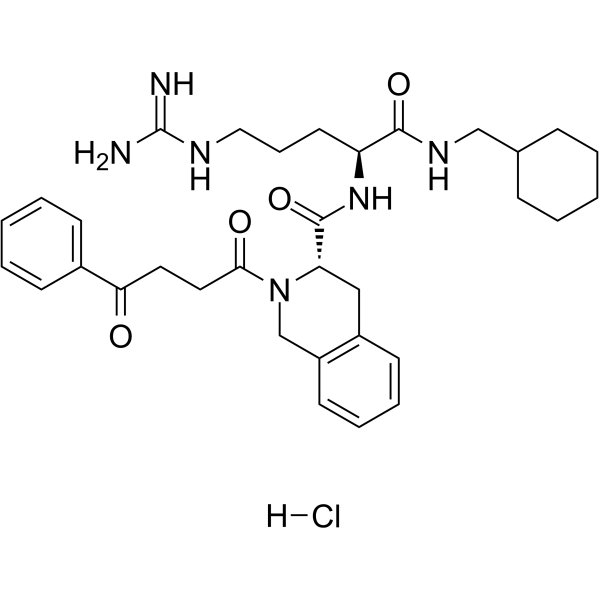
PS372424 hydrochloride
 0 ImagesArt. -Nr.: HY-111149ACAS. Nr.: 1596362-29-6
PS372424 hydrochloride, a three amino-acid fragment of CXCL10, is a specific human CXCR3 agonist with anti-inflammatory activity. PS372424 hydrochloride prevents human T-cell migration in a humanized model of arthritic inflammation.
-
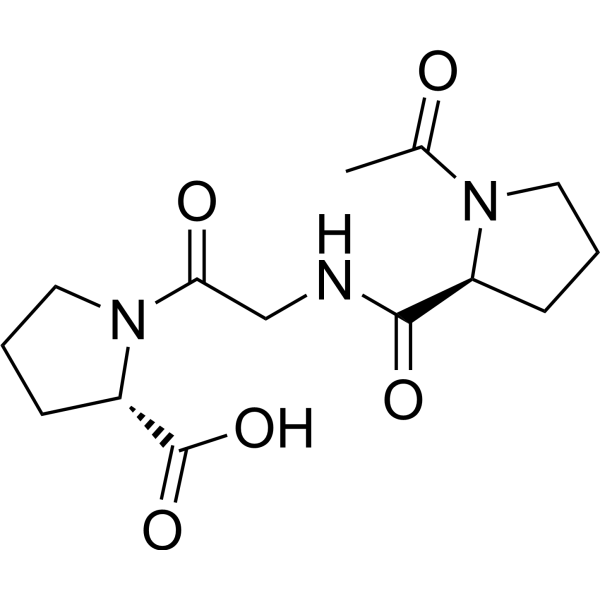
Ac-Pro-Gly-Pro-OH
 0 Images
Ac-Pro-Gly-Pro-OH is an endogenous degradation product of extracellular collagen and acts as a CXCR2 agonist. Ac-Pro-Gly-Pro-OH exerts bactericidal activity by generating hydrogen peroxide, inhibits pulmonary inflammation, and reduces immune cell apoptosis (apoptosis). Ac-Pro-Gly-Pro-OH promotes the production of IFN-γ and inhibits the production of TNF-α and IL-6 in leukocytes. Ac-Pro-Gly-Pro-OH increases the survival rate of mice in sepsis models, enhances the bactericidal activity of neutrophils, acts as a neutrophil chemoattractant, induces neutrophil polarization, and regulates inflammatory and repair processes. Ac-Pro-Gly-Pro-OH induces chronic inflammation and tissue remodeling through sustained action. Ac-Pro-Gly-Pro-OH is released via alkaline hydrolysis of corneal proteins in alkali-injured eyes, thereby driving the early infiltration of neutrophils into the cornea. Ac-Pro-Gly-Pro-OH is applicable to research related to sepsis, chronic obstructive pulmonary disease, cystic fibrosis, bronchiolitis obliterans syndrome, severe asthma, idiopathic pulmonary fibrosis, and corneal ulcer.
-
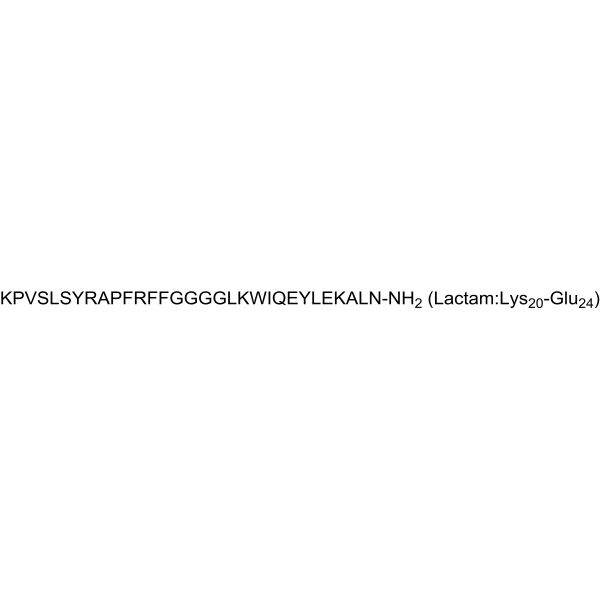
ATI-2341 TFA
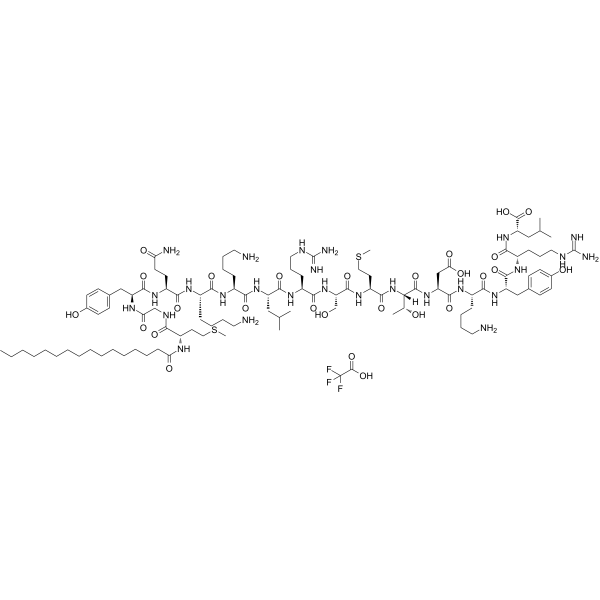 0 ImagesArt. -Nr.: HY-P0172AReinheit: 98.08%
ATI-2341 is a potent and functionally selective allosteric agonist of C-X-C chemokine receptor type 4 (CXCR4), which functions as a biased ligand, favoring Gαi activation over Gα13. ATI-2341 activates the inhibitory heterotrimeric G protein (Gi) to promote inhibition of cAMP production and induce calcium mobilization. ATI-2341 is a potent and efficacious mobilizer of bone marrow polymorphonuclear neutrophils (PMNs) and hematopoietic stem and progenitor cells (HSPCs).
-
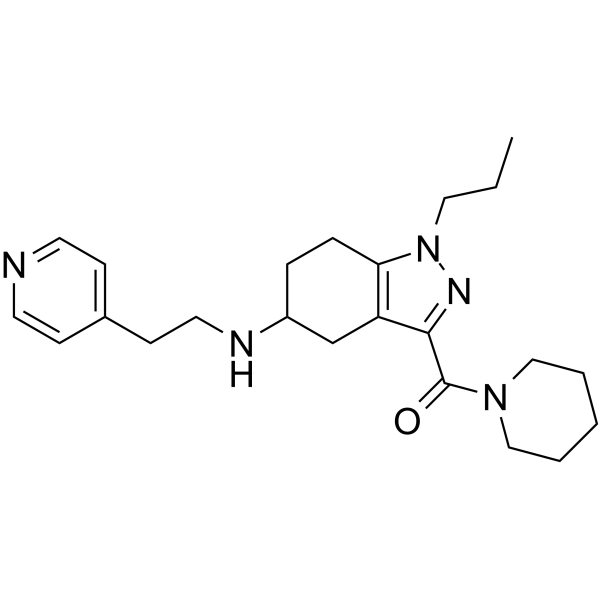
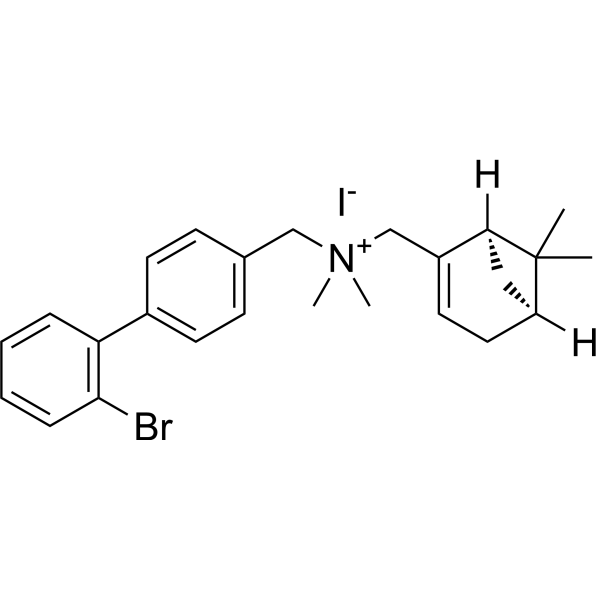
VUF11207
 0 ImagesArt. -Nr.: HY-100677CAS. Nr.: 1378524-41-4
VUF11207 is a potent, selective, and orally active CXCR7/ACKR3 agonist (pKi = 8.1). VUF11207 specifically activates CXCR7/ACKR3, recruits β-arrestin, and induces receptor internalization, while downregulating the pro-inflammatory, pro-osteoclastogenic, and tumor immunosuppressive signaling mediated by the CXCL12-CXCR4 axis. VUF11207 can be used for research on glioblastoma, hypertension, and venous thrombosis.
-
LIH383 TFA
 0 ImagesArt. -Nr.: HY-P10333AReinheit: 98.70%
LIH383 TFA is an agonist of ACKR3 (CXCR7) (EC50=0.61 nM). LIH383 TFA efficiently induces the recruitment of β-arrestin to ACKR3 but does not trigger typical G protein signaling.
-
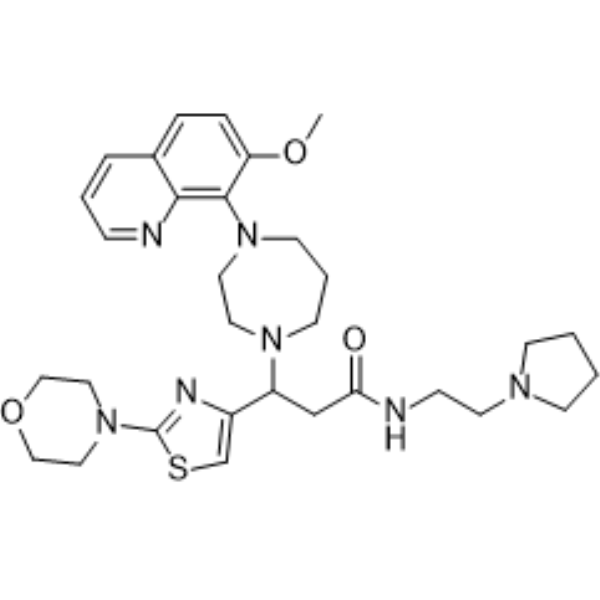
CCX-777
 0 Images
CCX-777 is an orthosteric binder and partial agonist of CXCR7/ACKR3. CCX-777 induces the recruitment of β-arrestin 2 and affects the rebinding of chemokines to ACKR3. CCX-777 functions to stabilize the ACKR3 receptor and promotes the formation of a monodisperse, stable complex of the receptor in DDM/CHS micelles. CCX-777 is widely used in cancer-related research.
-
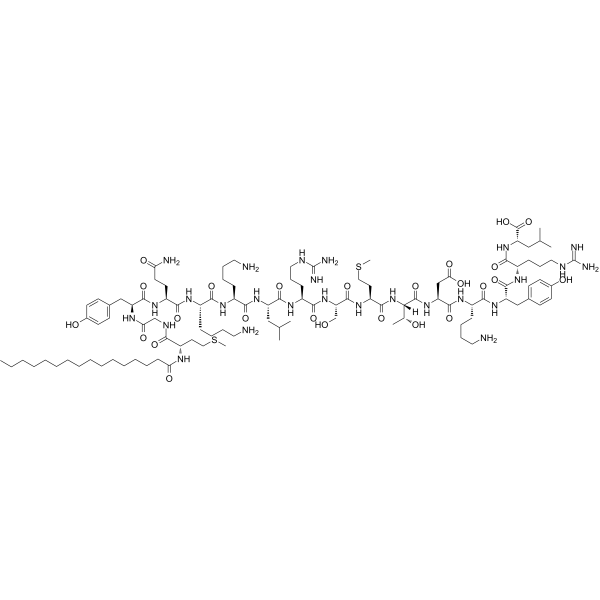
ATI-2341
 0 Images
ATI-2341 is a potent and functionally selective allosteric agonist of C-X-C chemokine receptor type 4 (CXCR4), which functions as a biased ligand, favoring Gαi activation over Gα13. ATI-2341 activates the inhibitory heterotrimeric G protein (Gi) to promote inhibition of cAMP production and induce calcium mobilization. ATI-2341 is a potent and efficacious mobilizer of bone marrow polymorphonuclear neutrophils (PMNs) and hematopoietic stem and progenitor cells (HSPCs).
-
CCX-777 formic
 0 ImagesArt. -Nr.: HY-123813AReinheit: 98.01%
CCX-777 formic is an orthosteric binder and partial agonist of CXCR7/ACKR3. CCX-777 formic induces the recruitment of β-arrestin 2 and affects the rebinding of chemokines to ACKR3. CCX-777 formic functions to stabilize the ACKR3 receptor and promotes the formation of a monodisperse, stable complex of the receptor in DDM/CHS micelles. CCX-777 formic is widely used in cancer-related research.
-
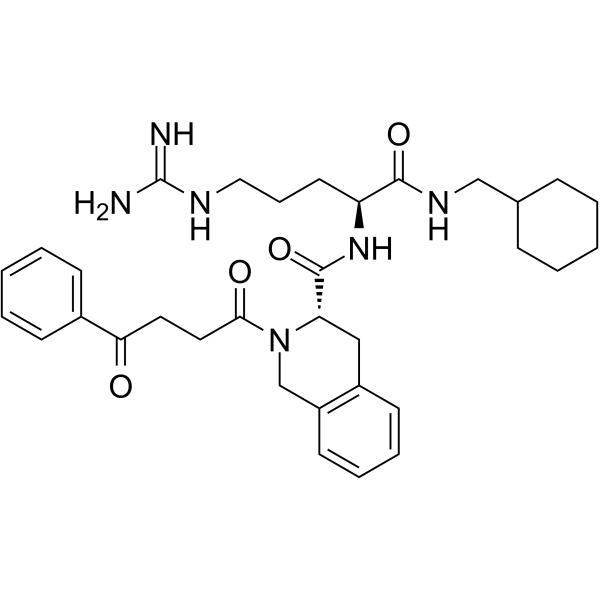
PS372424
 0 ImagesArt. -Nr.: HY-111149CAS. Nr.: 914291-61-5
PS372424, a three amino-acid fragment of CXCL10, is a specific human CXCR3 agonist with anti-inflammatory activity. PS372424 prevents human T-cell migration in a humanized model of arthritic inflammation.

-
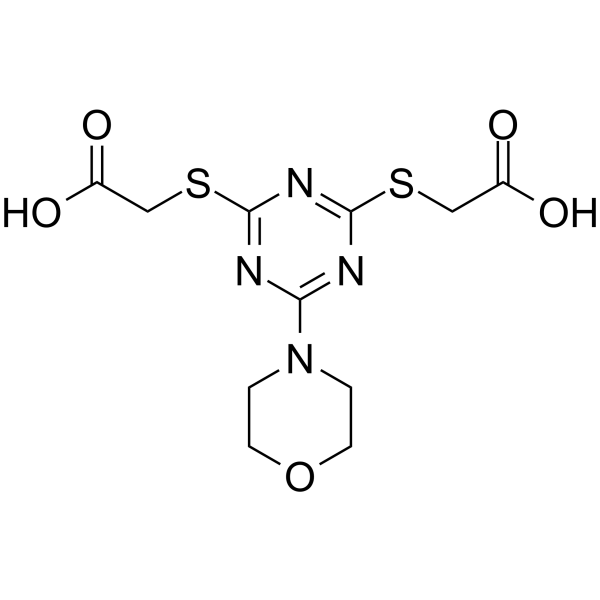
CXCL12 ligand 1
 0 ImagesArt. -Nr.: HY-139906CAS. Nr.: 2045891-59-4
CXCL12 ligand 1 is the first ligand of the sY12-binding pocket on chemokine CXCL12.

-
VUF11207 TFA
 0 ImagesArt. -Nr.: HY-115615CAS. Nr.: 1492153-74-8
VUF11207 TFA is a potent, selective, and orally active CXCR7/ACKR3 agonist (pKi = 8.1). VUF11207 TFA specifically activates CXCR7/ACKR3, recruits β-arrestin, and induces receptor internalization, while downregulating the pro-inflammatory, pro-osteoclastogenic, and tumor immunosuppressive signaling mediated by the CXCL12-CXCR4 axis. VUF11207 TFA can be used for research on glioblastoma, hypertension, and venous thrombosis.
-
VUF11418
 0 ImagesArt. -Nr.: HY-117823CAS. Nr.: 1414376-85-4
VUF11418 is a CXCR3 activator. VUF11418 can be used in inflammation research.
- 1
- 2



