



JNK
c-Jun N-terminal kinase
JNK (c-Jun N-terminal kinase), a kinase subfamily belonging to the MAPK, is activated in response to various stress stimuli and possesses a wide variety of regulatory functions. The JNK family of serine/threonine protein kinases comprises three isoforms (JNK1, JNK2 and JNK3). JNKs are involved in the emergence and progression of diverse pathologies such as neurodegenerative, cardiovascular and metabolic disorders as well as inflammation and cancer.
Similar to the other MAP kinases, JNKs are activated by a phosphorylation cascade generally involving two types of upstream kinases, the so-called MAP kinase kinase kinases (MAP3K, MKKK) and the MAP kinase kinases (MAP2K; MKK). At the MAP2K level, JNKs are activated by MKK4 and MKK7, the former is a common activator of the JNK and the p38 MAP kinase signaling pathway. The JNK cascade shares various intersection points with other pathways making it a part of a complex signaling network.
JNK Isoform Specific Products
All Product Categories
-
JNK Related Products (562)
Related Products (562)

-
Antibodies (16)
-
JNK Isoform Comparison
-
Esculentoside H
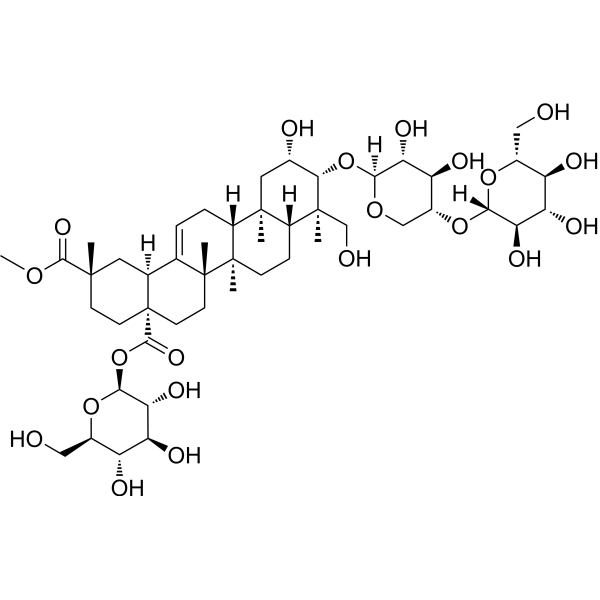 0 ImagesEsculentoside H (EsH) is a saponin isolated from the root extract of perennial plant Phytolacca esculenta. Esculentoside H (EH) has anti-tumor activity, the mechanism is related to the capacity for TNFrelease. Esculentoside H (EsH) suppresses colon cancer cell migration through blockage of the JNK1/2 and NF-κB signaling-mediated matrix metalloproteinases-9 (MMP-9) expression.
-
Liensinine perchlorate
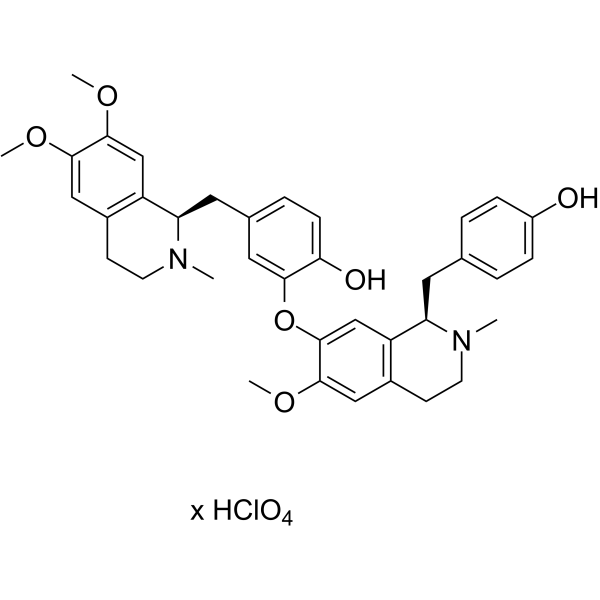 0 ImagesLiensinine perchlorate is a bisbenzylisoquinoline alkaloid. By inhibiting the PI3K/AKT and JNK/p38-MAPK signaling pathways, Liensinine perchlorate suppresses autophagy and apoptosis, clears Aβ, and exerts anti-inflammatory, antioxidant and neuroprotective effects. Liensinine perchlorate activates AMPK and inhibits the expression of HIF-1α and VEGF, thereby suppressing angiogenesis. Liensinine perchlorate exerts anti-tumor effects through ROS-mediated inhibition of the JAK2/STAT3 signaling pathway. Liensinine perchlorate can be used for the research of diseases such as Alzheimer's disease, hepatocellular carcinoma, osteosarcoma, sepsis-induced organ injury and stroke.

-
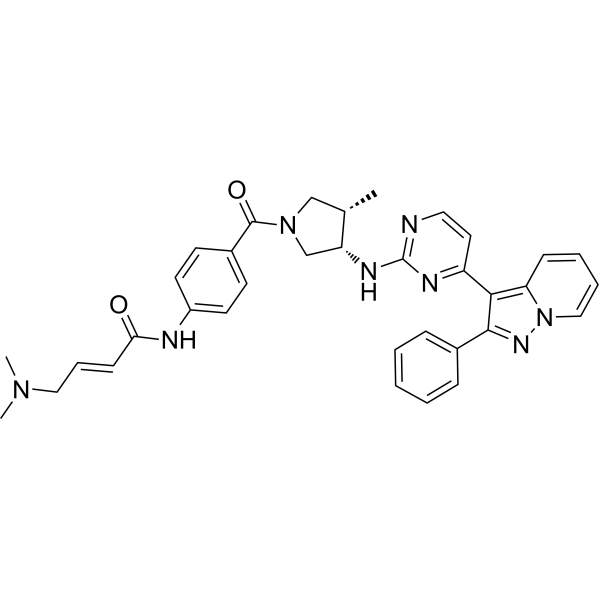
Oncrasin-60
 0 ImagesSynonyms: NSC-741909
-
CMIT/MIT (2.0-2.5% in water)
 0 ImagesCat. No.: HY-W017982ACAS No.: 55965-84-9Synonyms: CMI/MI (2.0-2.5% in water)CMIT/MIT (2.0-2.5% in water) (CMI/MI (2.0-2.5% in water)) is a mixture of CMIT and MIT, and is also a preservative and skin sensitizer. CMIT/MIT (2.0-2.5% in water) increases the levels of phosphorylated ERK1/2, p38, JNK1/2, p53, p21 and Bax, decreases the level of Bcl-2, and activates the Nrf-2/HO-1 signaling pathway. CMIT/MIT (2.0-2.5% in water) increases LDH release and lipid peroxidation levels, impairs antioxidant defense capacity, promotes pro-inflammatory cytokine release, induces apoptosis, triggers cell cycle arrest, exhibits neurotoxicity in neuroblastoma cells, and causes dysregulation of Th2/Th17 immune responses. CMIT/MIT (2.0-2.5% in water) can be used in studies related to allergy, atopic dermatitis and lung injury.
-
IDB-001
 0 ImagesIDB-001 is a human ribosomal peptidyl transferase center (PTC) inhibitor that induces conformational changes and blocks translational elongation in specific sequence contexts through complementary interactions with Asp/Glu residues in nascent polypeptides. IDB-001 preferentially stalls ribosomes at positions containing acidic peptide motifs, thereby inhibiting cancer cell proliferation, and activates the integrated stress response via eIF2α phosphorylation at high concentrations. In addition, IDB-001 mildly triggers ribotoxic stress responses through phosphorylation of JNK and p38. IDB-001 has been applied to mechanistic studies of triple-negative breast cancer.
-
Caudatin (Standard)
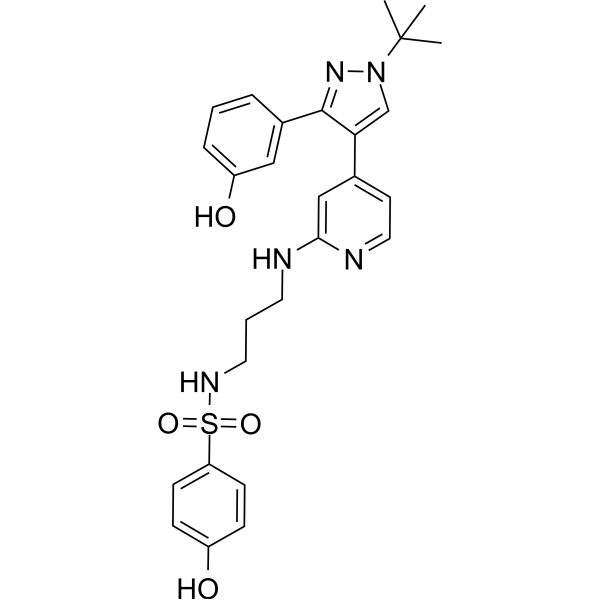
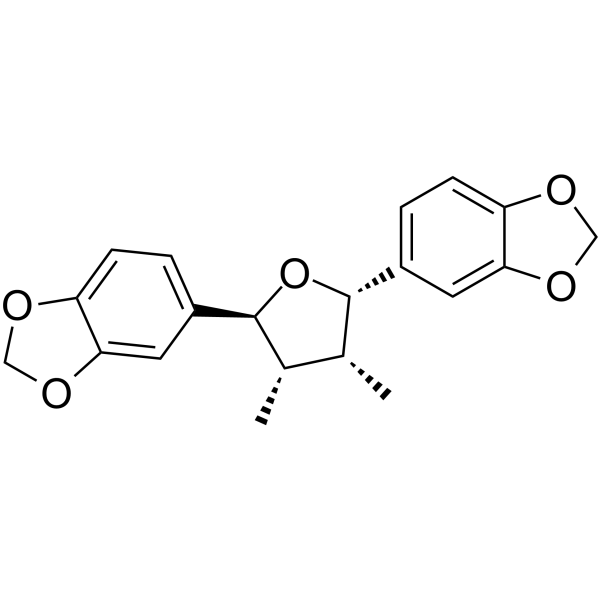
 0 ImagesCaudatin (Standard) is the analytical standard of Caudatin (HY-N1983). This product is intended for research and analytical applications. Caudatin is an orally active and brain-penetrant C-21 steroidal found in Cynanchum bungei decne with a variety of biological activities. Caudatin can inhibit cell proliferation, migration, invasion, cause cell phase arrest, induce apoptosis, autophagy, ROS prodution and loss of mitochondrial membrane potential. Caudatin activates PARP, caspase-3, -7, -9, upregulates pro-apoptotic Bad and Bax and downregulates anti-apoptotic Bcl-2 and Bcl-XL. Caudatin suppresses VEGF, FAK phosphorylation, upregulates p21, p27, DR5 protein expression, activates the p38 MAPK, JNK and PPARα/TFEB-mediated autophagy-lysosomal signaling pathways. Caudatin can be used for the research of cancer, inflammation and neurological disease, such as glioma and Alzheimer's disease.
-
(E/Z)-OSM-SMI-8
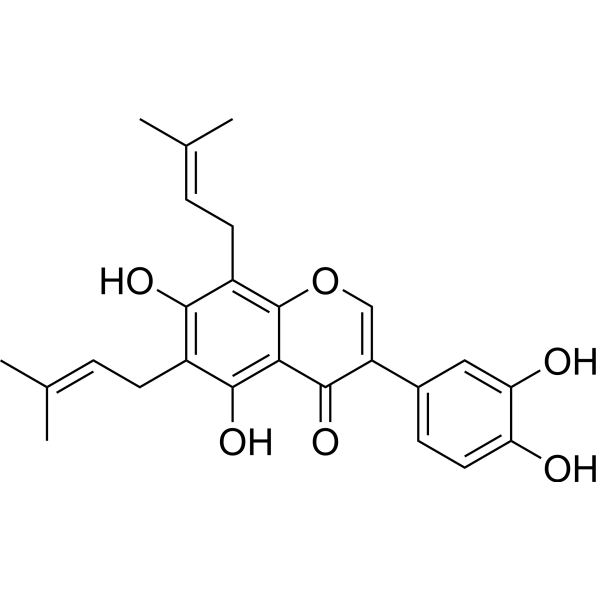
 0 ImagesCat. No.: HY-148693ASynonyms: (E/Z)-NSC642624(E/Z)-OSM-SMI-8 ((E/Z)-NSC642624) is the racemate of OSM-SMI-8 (HY-148693). OSM-SMI-8 is an oncostatin M (OSM) inhibitor with a pKi of 44.82 nM against human targets. OSM-SMI-8 inhibits the activation of STAT3, JNK, ERK 42/44 and AKT signaling pathways induced by OSM. OSM-SMI-8 is applicable to research related to cancer metastasis and Crohn's disease.
-
SF5
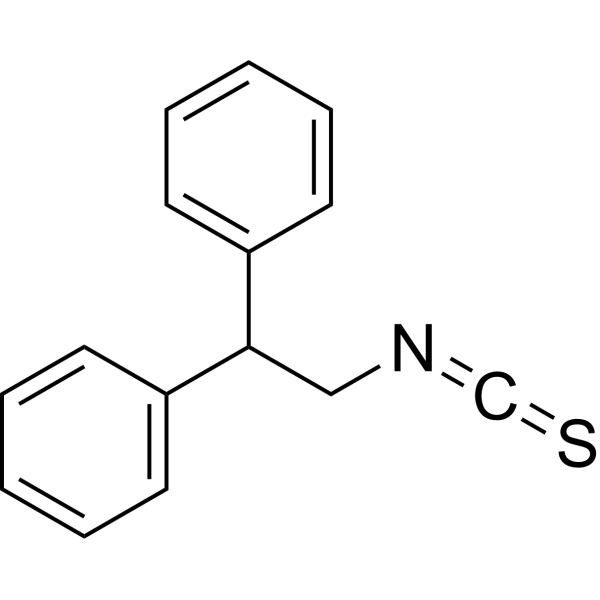 0 ImagesSynonyms: 2,2-Diphenylethyl isothiocyanateSF5 (2,2-Diphenylethyl isothiocyanate) is a sulforaphane analog. SF5 inhibits apoptosis by the JNK-p53-caspase pathway. SF5 can be used as a new renal protective agent for drug-resistant acute renal disease.
-
Withaphysalin A
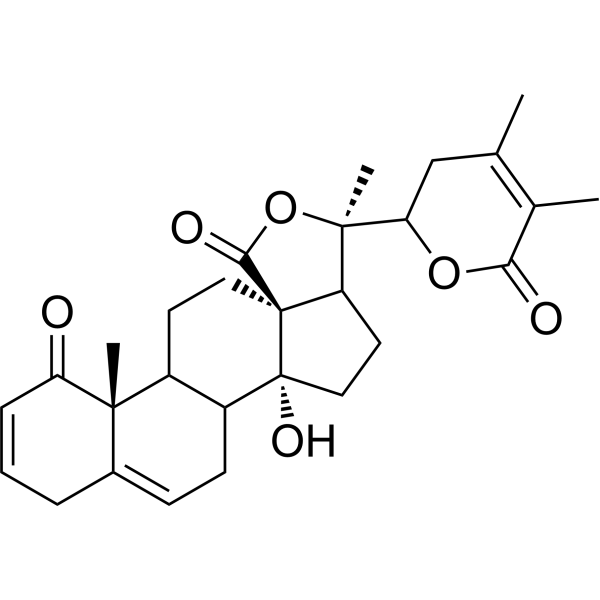 0 ImagesWithaphysalin A is a withanolide compound with anti-inflammatory and antioxidant activities. Withaphysalin A inhibits LPS (HY-D1056)-induced nuclear translocation of NF-κB p65, as well as phosphorylation of STAT3, ERK, JNK and p38 MAPK. Withaphysalin A upregulates the expression of HO-1. Withaphysalin A inhibits LPS-induced production of NO, PGE2, IL-1β, IL-6 and TNF-α. Withaphysalin A downregulates LPS-induced expression of iNOS and COX-2. Withaphysalin A interacts with B-cell activating factor protein (BAFF) to exert inhibitory effects. Withaphysalin A exhibits ELOVL6 inhibitory activity. Withaphysalin A can be used in the research of inflammatory diseases, nephrotic syndrome and chronic myeloid leukemia.
-
Propylparaben (Standard)
 0 ImagesSynonyms: Propyl parahydroxybenzoate (Standard); Propyl 4-hydroxybenzoate (Standard)Propylparaben (Propyl parahydroxybenzoate) (Standard) is the analytical standard of Propylparaben (HY-N2026). Propylparaben (Propyl parahydroxybenzoate) is an antibacterial preservative that can be produced by plants and bacteria. Propylparaben is an orally active weak estrogen receptor agonist. Propylparaben regulates the PI3K-AKT and JNK signaling pathways, and induces oxidative stress. Propylparaben is commonly used in cosmetics, pharmaceuticals and foods, and can be used in studies related to ovarian aging and myocardial ischemia-reperfusion injury.
-
Gamma-glutamylcysteine TFA (Standard)
 0 ImagesCat. No.: HY-113402ARCAS No.: 283159-88-6Synonyms: γ-Glu-Cys TFA (Standard)Gamma-glutamylcysteine (TFA) (Standard) is the analytical standard of Gamma-glutamylcysteine (TFA). This product is intended for research and analytical applications. Gamma-glutamylcysteine TFA (γ-Glu-Cys TFA) is an orally active, blood-brain barrier permeable dipeptide. Gamma-glutamylcysteine TFA activates AMPK, SIRT1, IL-4/STAT6, AC/cAMP/PI3K, IGF-1R/IRS1/PI3K, and Nrf2 signaling pathways; it inhibits NF-κB, JAK1/STAT1/3, MAPKs, cadmium-induced p38 MAPK, JNK, and PI3K/Akt signaling pathways. Gamma-glutamylcysteine TFA regulates macrophage polarization, modulates the trafficking of CD36 and GLUT4, induces glutathione synthesis, improves metabolic dysfunction, reduces lipid deposition, ameliorates glucose homeostasis, inhibits apoptosis (Apoptosis), stabilizes mitochondria, suppresses lipid peroxidation, iron accumulation and ferroptosis (Ferroptosis), reduces ds-HMGB1 levels, reverses mechanical hyperalgesia, and alleviates hepatic lipid droplet formation. Gamma-glutamylcysteine TFA is applicable to research related to inflammatory bowel disease, type 2 diabetes, cadmium-induced neurotoxicity, Alzheimer's disease, cerebral ischemia/reperfusion injury, neuropathy, and alcoholic liver disease.
-
Desipramine hydrochloride (Standard)
 0 ImagesDesipramine hydrochloride (Standard) is the analytical standard of Desipramine hydrochloride (HY-B1272). This product is intended for research and analytical applications. Desipramine hydrochloride is a first-generation tricyclic antidepressant. Desipramine hydrochloride selectively binds to norepinephrine transporter and blocks neuronal norepinephrine reuptake. Desipramine hydrochloride activates MAPK signaling via ERK1/2, JNK, and p38, represses NF-κB and AP-1 activity, and induces apoptosis via ROS elevation, mitochondrial membrane potential reduction, and intracellular calcium increase. Desipramine hydrochloride also shows anyi-inflammatory activity, inhibiting TNF-α production. Desipramine hydrochloride can be used for the research of hepatocellular cancer, inflammation, and neurological diseases.
-
Procyanidin C2
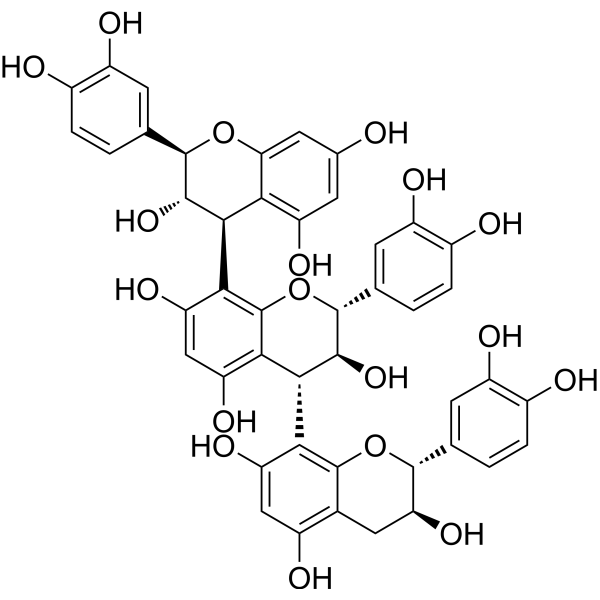 0 ImagesCat. No.: HY-N7521CAS No.: 37064-31-6Synonyms: Procyanidine C2Procyanidin C2 (Procyanidine C2) is a lipid metabolism regulator and antioxidant with free radical scavenging activity. Procyanidin C2 down-regulates ACC, SREBP-1c, FAS, SCD-1 and PPARγ. Procyanidin C2 increases the level of phosphorylated AMPKα and inhibits the level of phosphorylated mTOR. Procyanidin C2 reduces lipid accumulation, alleviates oxidative stress, enhances fatty acid oxidation and improves mitochondrial function. Procyanidin C2 can be used in the research of non-alcoholic fatty liver disease.
-
Ceramide 3-d3
 0 ImagesSynonyms: N-Stearoyl phytosphingosine-d3Ceramide 3-d3 (N-Stearoyl phytosphingosine-d3) is deuterium labeled Ceramide 3. Ceramide 3 is an orally active major component of intercellular lipids in the stratum corneum of the skin, and belongs to the ceramide family. Ceramide 3 inhibits c-jun and NF-κB activation induced by Histamine (HY-B1204), and suppresses the expression of IL-4 and TNF-α. Ceramide 3 inhibits scratching behavior and vascular permeability in mice, and exhibits antihistamine effects in guinea pig ileum. Ceramide 3 improves skin barrier function, reduces transepidermal water loss, erythema and the number of circulating epidermal cells, and accelerates barrier repair of irritated or dysfunctional skin.




