1. Signaling Pathways
  2. NF-κB
  3. NF-κB

NF-κB

Nuclear factor-κB; Nuclear factor-kappaB

NF-κB (Nuclear factor kappa-light-chain-enhancer of activated B cells) is a protein complex that controls transcription of DNA. NF-κB is found in almost all animal cell types and is involved in cellular responses to stimuli such as stress, cytokines, free radicals, ultraviolet irradiation, oxidized LDL, and bacterial or viral antigens. NF-κB plays a key role in regulating the immune response to infection. Incorrect regulation of NF-κB has been linked to cancer, inflammatory, and autoimmune diseases, septic shock, viral infection, and improper immune development. NF-κB has also been implicated in processes of synaptic plasticity and memory. There are five proteins in the mammalian NF-κB family: NF-κB1, NF-κB2, RelA, RelB, c-Rel.

Cat. No. Product Name Effect Purity Chemical Structure
  • HY-N6949R
    Juglone (Standard)
    Inhibitor
    Juglone (Standard) is the analytical standard of Juglone. This product is intended for research and analytical applications. Juglone (5-hydroxy-1,4-naphthalenedione) is a yellow dye that can be extracted from Juglans regia. Juglone induces apoptosis through the mitochondrial pathway. Juglone has antibacterial and antitumor activity .
    Juglone (Standard)
  • HY-148475
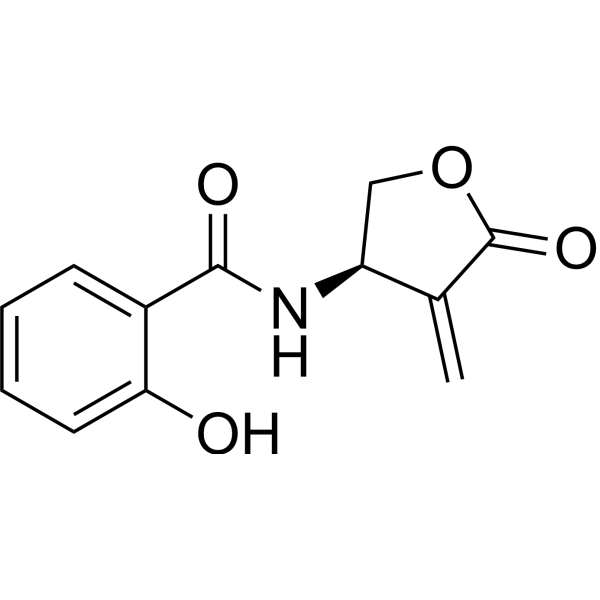
    (R)-SEMBL
    Inhibitor
    (R)-SEMBL (compound 1B) is a potent NF-κB inhibitor. (R)-SEMBL can be used for the research of cancer, inflammation, autoimmune diseases, diabetes and diabetes complications, infections, cardiovascular disease and defective reperfusion injury.
    (R)-SEMBL
  • HY-N0106R
    (Rac)-Salvianic acid A sodium (Standard)
    Inhibitor
    (Rac)-Salvianic acid A (sodium) (Standard) is the analytical standard of (Rac)-Salvianic acid A (sodium). This product is intended for research and analytical applications. (Rac)-Salvianic acid A sodium is the racemic form of Salvianic acid A (HY-N1913). Salvianic acid A is an orally active phenolic compound that induces Nrf2/HO-1 activation and inhibits the NF-κB pathway, and it also activates the mitochondrial antioxidant defense system (Mitochondrial Metabolism). Salvianic acid A exhibits anti-inflammatory, antioxidant, and anti-apoptotic properties (Apoptosis), demonstrating potential for research into inflammation and cardiovascular diseases.
    (Rac)-Salvianic acid A sodium (Standard)
  • HY-B0185BR
    Lidocaine hydrochloride hydrate (Standard)
    Inhibitor
    Lidocaine (hydrochloride hydrate) (Standard) is the analytical standard of Lidocaine (hydrochloride hydrate). This product is intended for research and analytical applications. Lidocaine (Lignocaine) hydrochloride hydrate inhibits sodium channels involving complex voltage and using dependence. Lidocaine hydrochloride hydrate decreases growth, migration and invasion of gastric carcinoma cells via up-regulating miR-145 expression and further inactivation of MEK/ERK and NF-κB signaling pathways. Lidocaine hydrochloride hydrate is an amide derivative and has potential for the research of ventricular arrhythmia.
    Lidocaine hydrochloride hydrate (Standard)
  • HY-N2593R
    Isorhapontigenin (Standard)
    Inhibitor
    Isorhapontigenin (Standard) is the analytical standard of Isorhapontigenin (HY-N2593). This product is intended for research and analytical applications. Isorhapontigenin is an orally active dietary polyphenol. Isorhapontigenin acts as a potent antioxidant that reduces the production of reactive oxygen species (ROS). Isorhapontigenin promotes the binding of JUN to the AP-1 site on the SESN2 promoter, induces SESN2 transcription, triggers MAPK8-dependent JUN activation, and upregulates the expression of PPAR-α, PGC-1α and CPT-1A to facilitate fatty acid oxidation. Isorhapontigenin induces autophagy, apoptosis and preadipocyte differentiation; it inhibits tumor growth, cell invasion, NF-κB transcriptional activity, the PI3K/Akt signaling pathway, STAT1 phosphorylation and MMP-2 expression. Isorhapontigenin alleviates oxidative stress, inflammatory cytokine release and triglyceride accumulation; it increases intracellular ATP levels and promotes Nrf2 nuclear translocation. Isorhapontigenin improves insulin sensitivity in adipose tissue and glucose tolerance, and reduces postprandial blood glucose, insulin and free fatty acid levels. Isorhapontigenin is applicable to research on bladder cancer, liver injury, chronic obstructive pulmonary disease, acute lung injury and type 2 diabetes.
    Isorhapontigenin (Standard)
  • HY-N13817
    (8R,12R,13R)-8,12-Epoxylabd-14-en-13-ol
    Inhibitor
    (8R,12R,13R)-8,12-Epoxylabd-14-en-13-ol is a diterpene found in Abies georgei. (8R,12R,13R)-8,12-Epoxylabd-14-en-13-ol is a nuclear factor kappa B (NF-κB) inhibitor that inhibits TNFα-triggered NF-κB activity (IC50 = 8.7 μg/mL). (8R,12R,13R)-8,12-Epoxylabd-14-en-13-ol exhibits anti-inflammatory activity and can inhibit NO production. (8R,12R,13R)-8,12-Epoxylabd-14-en-13-ol shows significant cytotoxicity against tumor cells.
    (8R,12R,13R)-8,12-Epoxylabd-14-en-13-ol
  • HY-134000
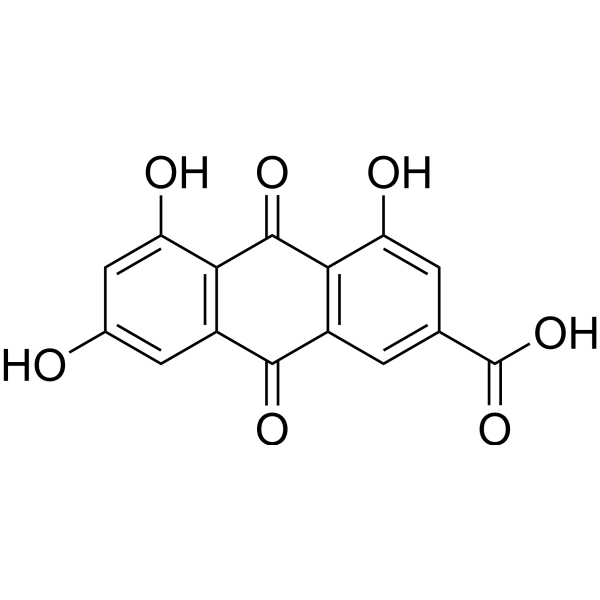
    Emodic acid
    Inhibitor 98.00%
    Emodic acid (NSC624610) is an anthraquinone compound isolated from A. microcarpus, which can inhibit the proliferation of cancer cells by inhibiting the activity of NF-κB. Emodic acid can also inhibit the phosphorylation of p38, ERK and JNK, the secretion of tumor-promoting cytokines IL-1β and IL-6, and the expression of VEGF and MMP, thereby inhibiting the invasion and migration potential of cancer cells.
    Emodic acid
  • HY-123461
    Sul-121 hydrochloride
    Inhibitor
    Sul-121 hydrochloride is a novel compound with anti-oxidative capacity that effectively inhibits airway inflammation and hyperresponsiveness (AHR) in experimental models of chronic obstructive pulmonary disease (COPD). Sul-121 hydrochloride prevents lipopolysaccharide-induced airway neutrophilia and AHR in a dose-dependent manner. Sul-121 hydrochloride also demonstrates the ability to reduce oxidative stress markers in human airway smooth muscle cells. Sul-121 hydrochloride inhibits nuclear translocation of the NF-κB subunit, p65, thereby diminishing pro-inflammatory cytokine release.
    Sul-121 hydrochloride
  • HY-N6189
    MBL-1
    Inhibitor
    MBL-1 is an orally active anti-inflammatory agent. MBL-1 can be isolated from the fermentation broth of Aspergillus sp. derived from gorgonians. MBL-1 inhibits the activity of the hCOX-2 protein with an IC50 of 5.77 μM. MBL-1 reduces the production of key pro-inflammatory mediators such as NO, ROS, IL-1β and IL-18 by inhibiting the MAPK/NF-κB and NLRP3 signaling pathways. MBL-1 exerts a protective effect against DSS-induced colitis. MBL-1 can be used for the research of ulcerative colitis.
    MBL-1
  • HY-170218
    NLRP3-IN-76
    Inhibitor
    NLRP3-IN-76 is an orally active NLRP3 inhibitor. NLRP3-IN-76 inhibits the production of NO, and the mRNA levels of proinflammatory cytokines (iNOS, IL-6, IL-1β and TNFα). NLRP3-IN-76 shows anti-inflammatory effects by inhibiting the activation of the NLRP3 inflammasome and NF-κB signaling pathway. NLRP3-IN-76 ameliorates DSS (HY-116282C)-induced colitis and can be used for research of inflammatory bowel diseases (IBD).
    NLRP3-IN-76
  • HY-176251
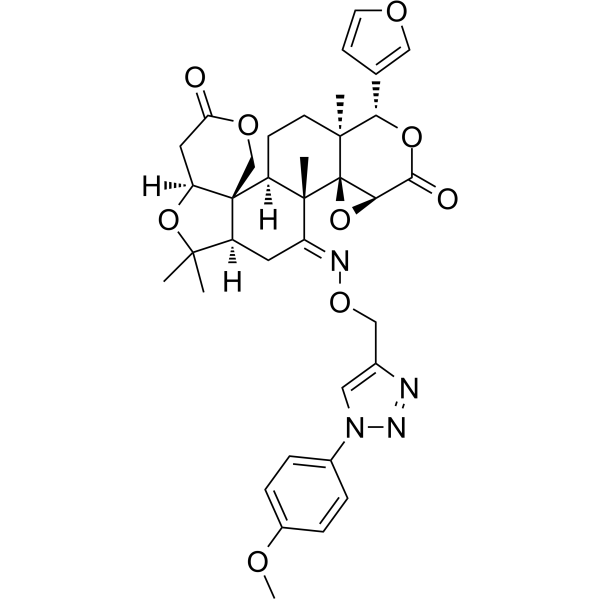
    CBP/p300-IN-22
    Inhibitor
    CBP/p300-IN-22 is a selective CBP/EP300-BRD inhibitor with an IC50 of 4 nM. CBP/p300-IN-22 is highly selective over BRD4(1). CBP/p300-IN-22 reduces TNF-α-induced cytokine expression and subsequent immune cell recruitment by inhibiting NF-κB signaling, and has anticancer activity. CBP/p300-IN-22 can be used for the research of rheumatoid arthritis (RA) and other TNF-α-mediated inflammatory conditions.
    CBP/p300-IN-22
  • HY-N3602A
    rel-Cleroindicin F
    Inhibitor
    rel-Cleroindicin F (Rengyolone) is a cyclohexyl acetyl compound that can be isolated from the fruit of forsythia and has anti-inflammatory activity. It strongly inhibits the production of nitric oxide (NO) and tumor necrosis factor-alpha (TNF-α). rel-Cleroindicin F does this by downregulating the activity of NF-κB and NF-κB kinases in RAW 264.7 cells stimulated by LPS (HY-D1056), thus inhibiting the expression of inducible nitric oxide synthase (NO Synthase) and nitric oxide production.
    rel-Cleroindicin F
  • HY-139844
    Anti-inflammatory agent 7
    Inhibitor
    Anti-inflammatory agent 7 inhibits proinflammatory cytokines by blocking the NF-κB/MAPK signaling pathway in LPS-treated RAW 264.7 cells as well as mice.
    Anti-inflammatory agent 7
  • HY-N0387R
    Rhynchophylline (Standard)
    Inhibitor
    Rhynchophylline (Standard) is the analytical standard of Rhynchophylline. This product is intended for research and analytical applications. Rhyncholphylline is an alkaloid compound isolated from Uncaria rhynchophyllum. Rhyncholphylline is an EphA4 inhibitor. It has high biological activity and is widely used in anti-inflammatory, neuroprotective and other research..
    Rhynchophylline (Standard)
  • HY-N1500S1
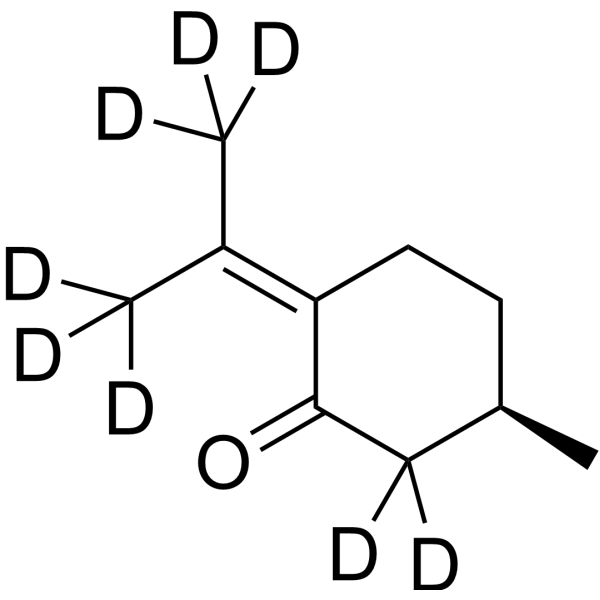
    Pulegone-d8
    Inhibitor
    Pulegone-d8 is deuterated labeled Pulegone (HY-N1500). Pulegone is a monoterpene ketone compound widely present in the essential oils of many plants. Pulegone can also be used as a bird repellent. Pulegone has multiple activities such as anti-inflammatory, antibacterial, antifungal, and anti-hyperalgesic effects. Pulegone is particularly effective against bacteria of the Salmonella species.
    Pulegone-d<sub>8</sub>
  • HY-N2117R
    Isoginkgetin (Standard)
    Inhibitor
    Isoginkgetin (Standard) is the analytical standard of Isoginkgetin. This product is intended for research and analytical applications. Isoginkgetin is a pre-mRNA splicing inhibitor inhibitor. Isoginkgetin also inhibits activities of both Akt, NF-κB and MMP-9. Isoginkgetin inhibits the activity of the 20S proteasome, induces apoptosis and activates autophagy.
    Isoginkgetin (Standard)
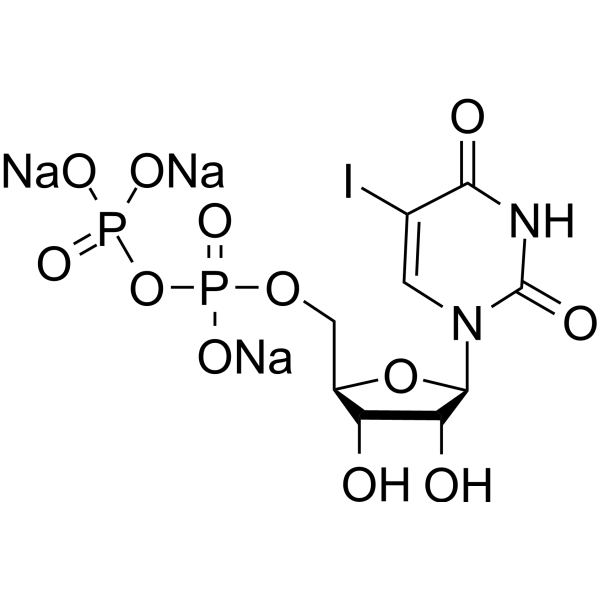
  • HY-117356B
    MRS2693 trisodium
    Inhibitor
    MRS2693 trisodium is a selective P2Y6 agonist with an EC50 value of 0.015 μM. MRS2693 trisodium can reduce the activation of NF-kappaB and activate the ERK1/2 pathway, and has a cytoprotective effect on mouse hindlimb skeletal muscle ischemia-reperfusion injury model.
    MRS2693 trisodium
  • HY-P11617
    CLP-d2
    Inhibitor
    CLP-d2 is a multi-target anti-inflammatory agent, osteoclastogenesis inhibitor and immunomodulator with superior pharmacokinetic properties to Daptomycin (HY-B0108) and good safety profiles. CLP-d2 inhibits the NF-κB and MAPK signaling pathways by reducing the expression levels of c-Fos and NFATc1, and decreasing the phosphorylation levels of IκBα, p65, ERK and JNK, thereby reducing the secretion of pro-inflammatory cytokines such as IL-6, TNF-α and IL-1β to exert anti-inflammatory activity. CLP-d2 inhibits intra-articular osteoclastogenesis in mice, alleviates bone erosion and joint swelling, reduces synovial hyperplasia and inflammatory cell infiltration, and decreases serum rheumatoid factor (RF) levels. CLP-d2 is applicable to related research on rheumatoid arthritis.
    CLP-d2
  • HY-170233
    NLRP3-IN-75
    Inhibitor
    NLRP3-IN-75 is an orally active NLRP3 inhibitor. NLRP3-IN-75 suppresses IL-1β secretion (IC50 = 23 nM). NLRP3-IN-75 selectively inhibits NLRP3 activation by disrupting inflammasome assembly without affecting NLRC4 or AIM2 inflammasomes. NLRP3-IN-75 exhibits superior efficacy in acute peritonitis, diabetic kidney disease and IBD models.
    NLRP3-IN-75
  • HY-N0034R
    Arctiin (Standard)
    Inhibitor
    Arctiin (Standard) is the analytical standard of Arctiin. This product is intended for research and analytical applications. Arctiin is an orally active inhibitor of NF-κB. Arctiin suppresses cyclin D1 protein expression in human tumor cells. Arctiin also reduces malondialdehyde and pro-in?ammatory cytokines levels. Arctiin can used in study glomerulonephritis.
    Arctiin (Standard)
Cat. No. Product Name / Synonyms Application Reactivity

NF-κB transcription factors are critical regulators of immunity, stress responses, apoptosis and differentiation. In mammals, there are five members of the transcription factor NF-κB family: RELA (p65), RELB and c-REL, and the precursor proteins NF-κB1 (p105) and NF-κB2 (p100), which are processed into p50 and p52, respectively. NF-κB transcription factors bind as dimers to κB sites in promoters and enhancers of a variety of genes and induce or repress transcription. NF-κB activation occurs via two major signaling pathways: the canonical and the non-canonical NF-κB signaling pathways[1]


The canonical NF-κB pathway is triggered by signals from a large variety of immune receptors, such as TNFR, TLR, and IL-1R, which activate TAK1. TAK1 then activates IκB kinase (IKK) complex, composed of catalytic (IKKα and IKKβ) and regulatory (NEMO) subunits, via phosphorylation of IKKβ. Upon stimulation, the IKK complex, largely through IKKβ, phosphorylates members of the inhibitor of κB (IκB) family, such as IκBα and the IκB-like molecule p105, which sequester NF-κB members in the cytoplasm. IκBα associates with dimers of p50 and members of the REL family (RELA or c-REL), whereas p105 associates with p50 or REL (RELA or c-REL). Upon phosphorylation by IKK, IκBα and p105 are degradated in the proteasome, resulting in the nuclear translocation of canonical NF-κB family members, which bind to specific DNA elements, in the form of various dimeric complexes, including RELA-p50, c-REL-p50, and p50-p50. Atypical, IKK-independent pathways of NF-κB induction also provide mechanisms to integrate parallel signaling pathways to increase NF-κB activity, such as hypoxia, UV and genotoxic stress.


The non-canonical NF-κB pathway is induced by certain TNF superfamily members, such as CD40L, BAFF and lymphotoxin-β (LT-β), which stimulates the recruitment of TRAF2, TRAF3, cIAP1/2 to the receptor complex. Activated cIAP mediates K48 ubiquitylation and proteasomal degradation of TRAF3, resulting in stabilization and accumulation of the NFκB-inducing kinase (NIK). NIK phosphorylates and activates IKKα, which in turn phosphorylates p100, triggering p100 processing, and leading to the generation of p52 and the nuclear translocation of p52 and RELB[2][3].


Reference:

[1]. Oeckinghaus A, et al. The NF-kappaB family of transcription factors and its regulation.Cold Spring Harb Perspect Biol. 2009 Oct;1(4):a000034. 
[2]. Taniguchi K, et al. NF-κB, inflammation, immunity and cancer: coming of age. Nat Rev Immunol. 2018 May;18(5):309-324.
[3]. Perkins ND,et al. Integrating cell-signalling pathways with NF-kappaB and IKK function. Nat Rev Mol Cell Biol. 2007 Jan;8(1):49-62.

Your Search Returned No Results.

Sorry. There is currently no product that acts on isoform together.

Please try each isoform separately.