



Isoginkgetin (Standard)
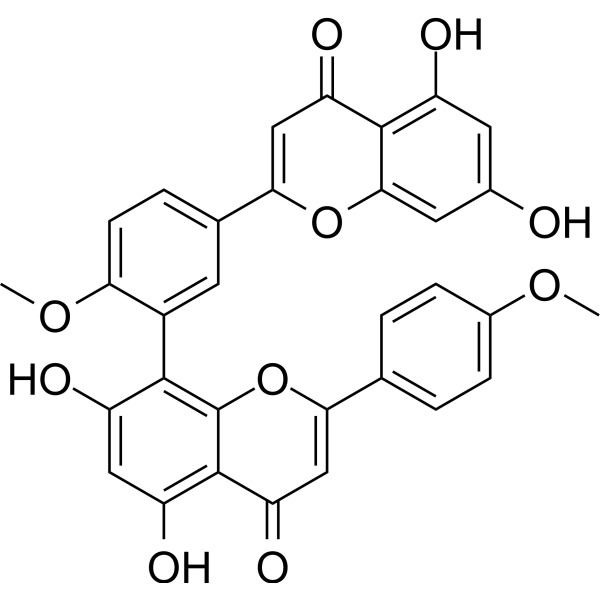
Isoginkgetin (Standard) is the analytical standard of Isoginkgetin. This product is intended for research and analytical applications. Isoginkgetin is a pre-mRNA splicing inhibitor inhibitor. Isoginkgetin also inhibits activities of both Akt, NF-κB and MMP-9. Isoginkgetin inhibits the activity of the 20S proteasome, induces apoptosis and activates autophagy.
Para uso exclusivo en investigación. No vendemos a pacientes.
- Pureza : 98%
- No. CAS: 548-19-6
- Fòrmula: C32H22O10
- Peso molecular:566.51
-
Almacenamiento:
Please store the product under the recommended conditions in the Certificate of Analysis.


To place orders, for customer services and technical support, please contact: MedChemExpress USA
Tel: 609-228-6898 E-mail: [email protected] [email protected]


-
 Product Information
-
Chemical Information
- Pureza y Documentación
-
 Help & FAQs


-
HY-N2117
Isoginkgetinpre-mRNA Splicing Inhibitor -
HY-13259C
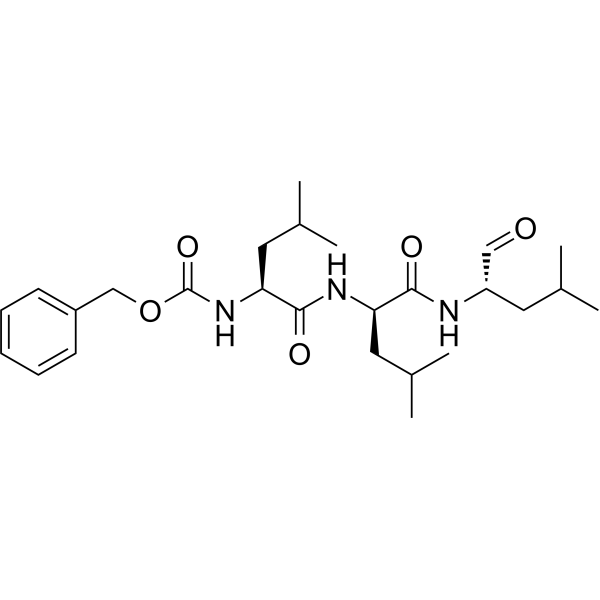
(R)-MG-132Proteasome Inhibitor -
HY-10227
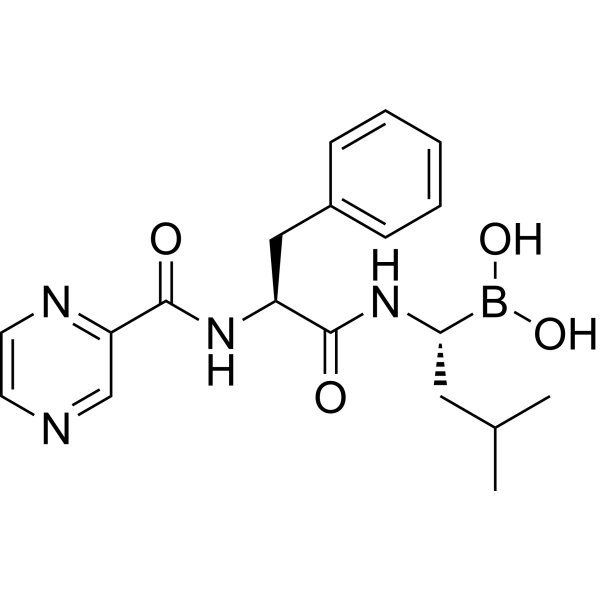
BortezomibProteasome Inhibitor -
HY-N0431
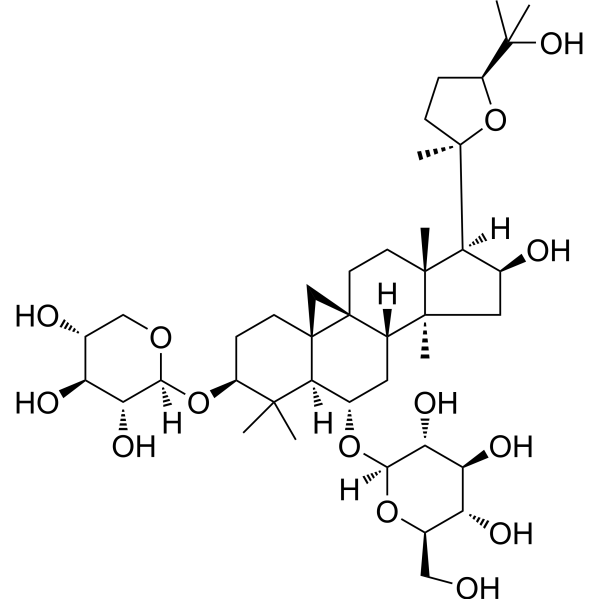
Astragaloside IVMMP Inhibitor -
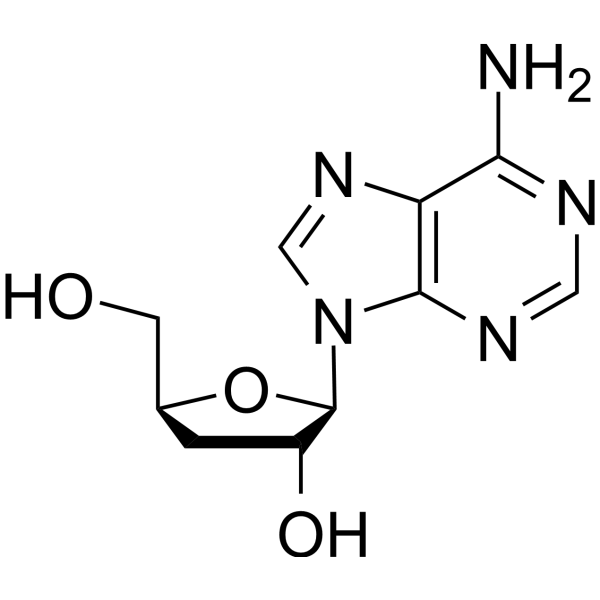
HY-N0262
CordycepinBacterial Inhibitor -
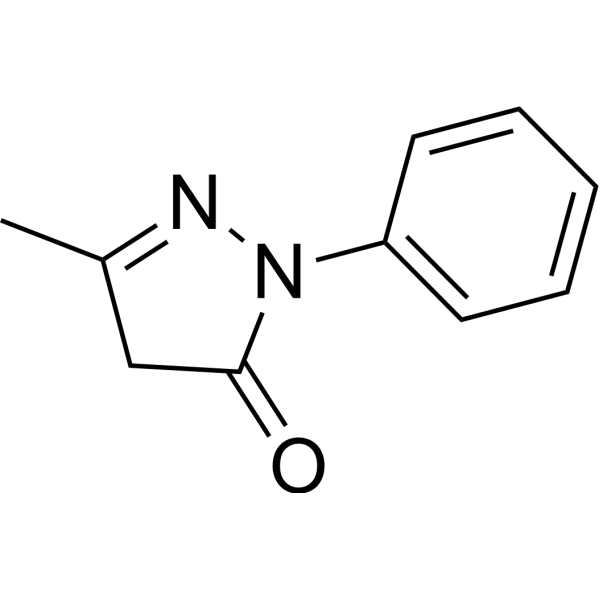
HY-B0099
EdaravoneApoptosis Inducer -
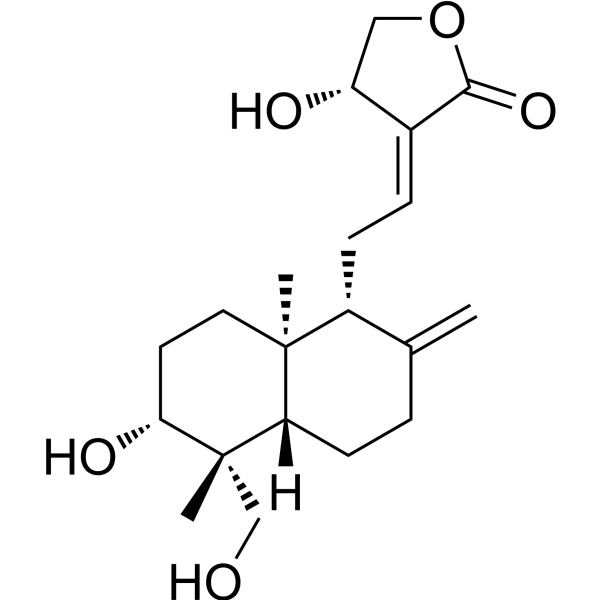
HY-N0191
AndrographolideNF-κB Inhibitor -
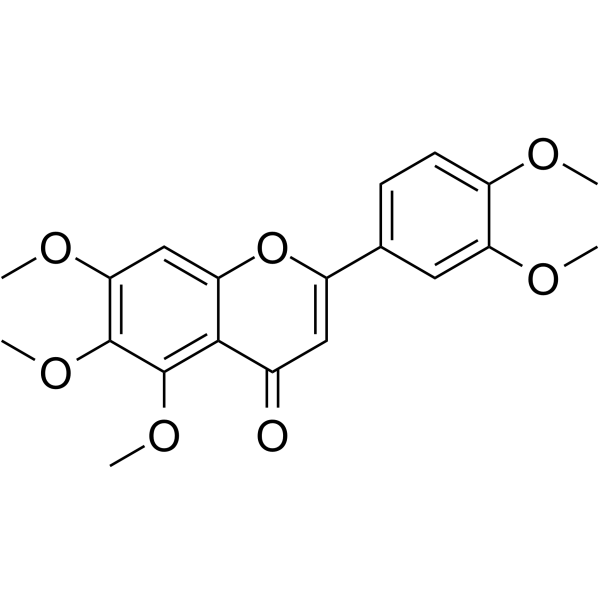
HY-N0297
SinensetinTNF Receptor Inhibitor -
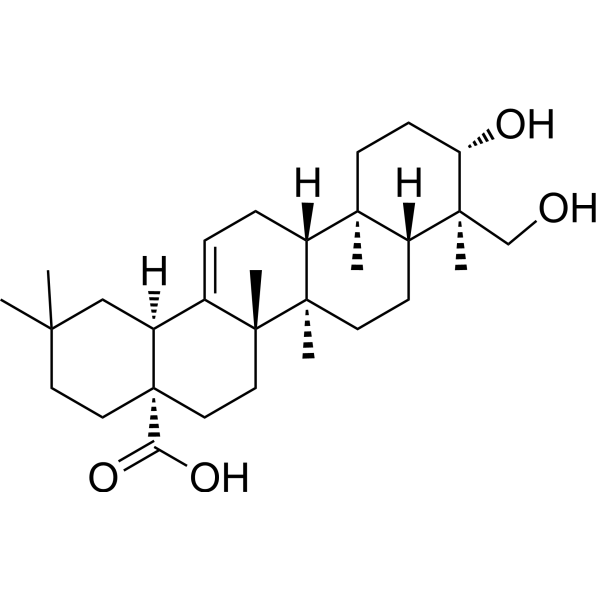
HY-N0256
HederageninCOX Inhibitor -
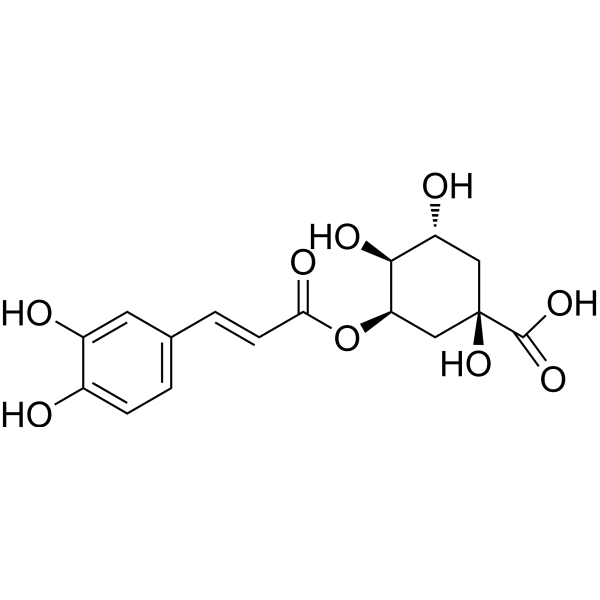
HY-N0722
Neochlorogenic acidCOX Inhibitor -
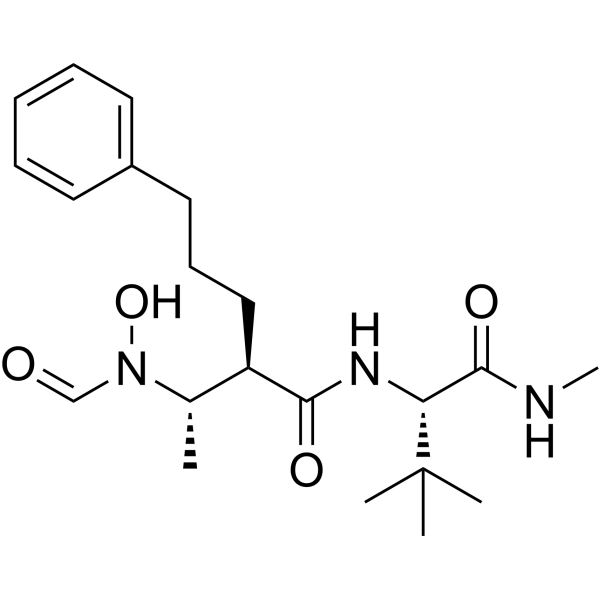
HY-19956
GI254023XADAM10/MMP9 Inhibitor -
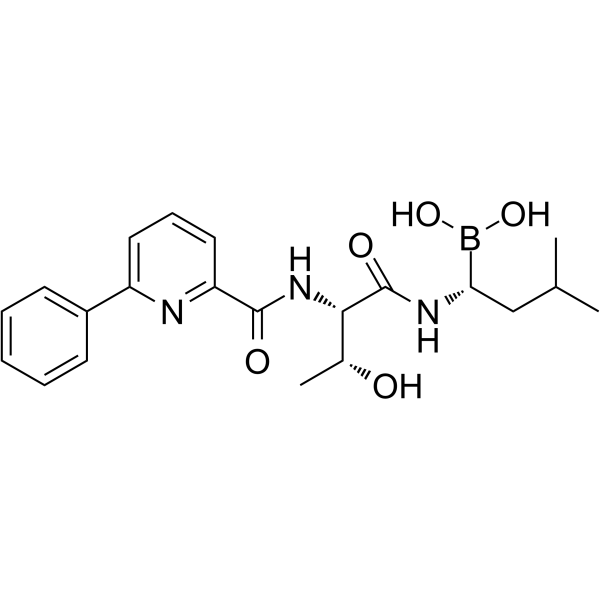
HY-10454
DelanzomibProteasome Inhibitor


Product Information
Information
Aplicación
The compound is the grade of analytical standard, which is the reference standard supplied assay. It is commonly used in qualitative, quantitative and methodological research experiments in HPLC, GC and MS.


Chemical Information
-
No. CAS 548-19-6
-
Peso molecular 566.51
-
Fòrmula C32H22O10
-
SMILES
O=C1C=C(C2=CC=C(OC)C=C2)OC3=C(C4=CC(C5=CC(C6=C(O)C=C(O)C=C6O5)=O)=CC=C4OC)C(O)=CC(O)=C13
-
Structure Classification
-
Initial Source
-
Envío
Room temperature in continental US; may vary elsewhere.
-
Almacenamiento
Please store the product under the recommended conditions in the Certificate of Analysis.


Pureza y Documentación
Referencias
[1]. Yoon SO, et al. Isoginkgetin inhibits tumor cell invasion by regulating phosphatidylinositol 3-kinase/Akt-dependent matrix metalloproteinase-9 expression. Mol Cancer Ther. 2006 Nov;5(11):2666-75. [Content Brief]
[2]. Tsalikis J, et al. Isoginkgetin, a Natural Biflavonoid Proteasome Inhibitor, Sensitizes Cancer Cells to Apoptosis via Disruption of Lysosomal Homeostasis and Impaired Protein Clearance. Mol Cell Biol. 2019 Apr 30;39(10):e00489-18. [Content Brief]
[3]. Li P, et al. Isoginkgetin treatment attenuated lipopolysaccharide-induced monoamine neurotransmitter deficiency and depression-like behaviors through downregulating p38/NF-κB signaling pathway and suppressing microglia-induced apoptosis. J Psychopharmacol. 2021 Oct;35(10):1285-1299. [Content Brief]

Calculators
Concentration (start) × Volume (start) = Concentration (final) × Volume (final)


Isoginkgetin (Standard) Related Classifications
HY-N2117R Related Classifications
 Powered by Bioz