



Ginkgo biloba L.
-
Ginkgo biloba L. (56)

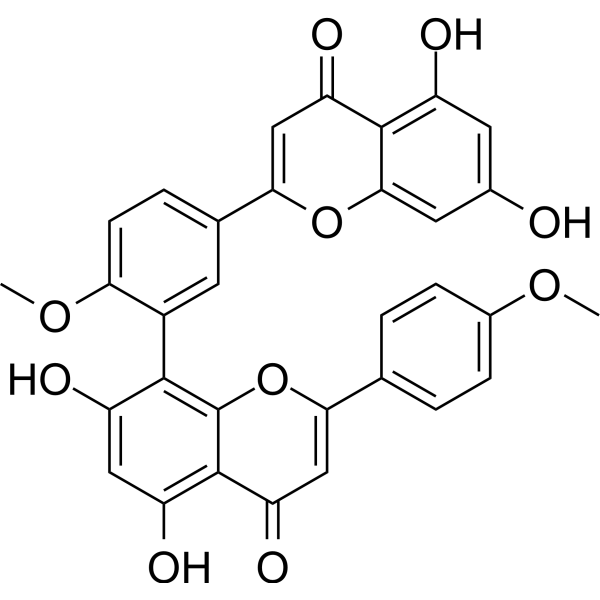
- Formula: C32H22O10
- Molecular Weight: 566.51
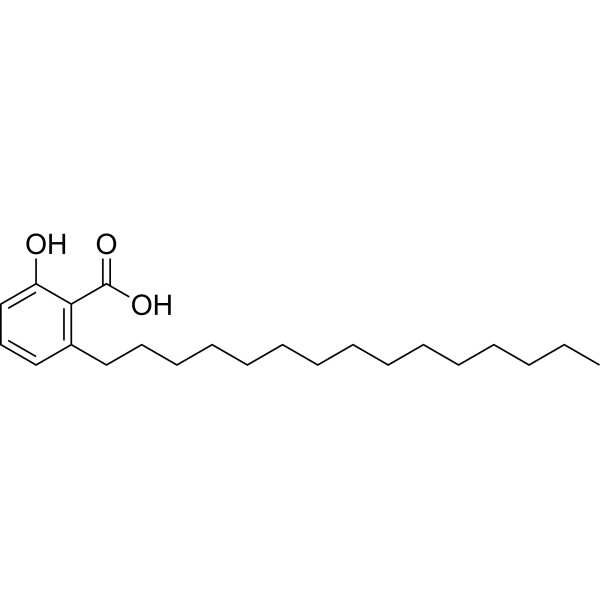
- Formula: C22H36O3
- Molecular Weight: 348.52
Anacardic Acid, extracted from cashew nut shell liquid, is a histone acetyltransferase inhibitor, inhibits HAT activity of p300 and PCAF, with IC50s of ∼8.5 μM and ∼5 μM, respectively.
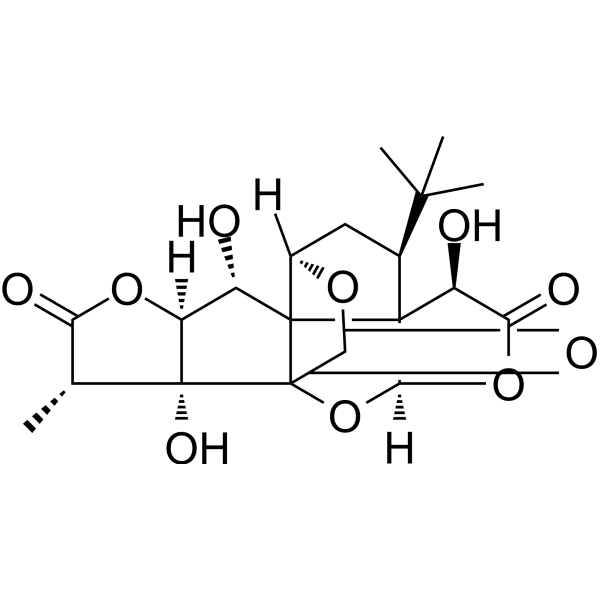
- Formula: C20H24O10
- Molecular Weight: 424.40
Ginkgolide B (BN-52021), a terpene lactone, is a potent platelet activating factor antagonist. Ginkgolide B protects endothelial cells via the activation of PXR from injuries induced by xeno- and endobiotics. Ginkgolide B can pass through the brain-blood barrier. Ginkgolide B has anti-oxidant, anti-inflammatory, anti-tumor, and anti-apoptotic activity. Ginkgolide B has marked neuroprotective effects against ischemia-induced impairments.
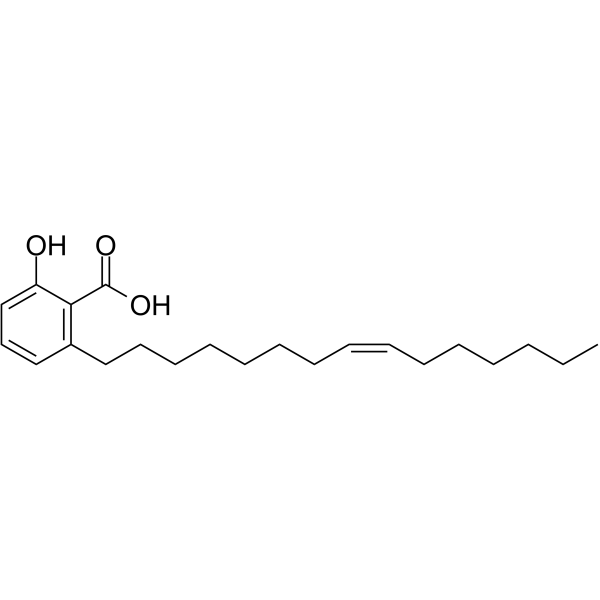
- Formula: C22H34O3
- Molecular Weight: 346.50
Ginkgolic Acid is a natural compound that inhibits SUMOylation with an IC50 of 3.0 μM in in vitro assay.
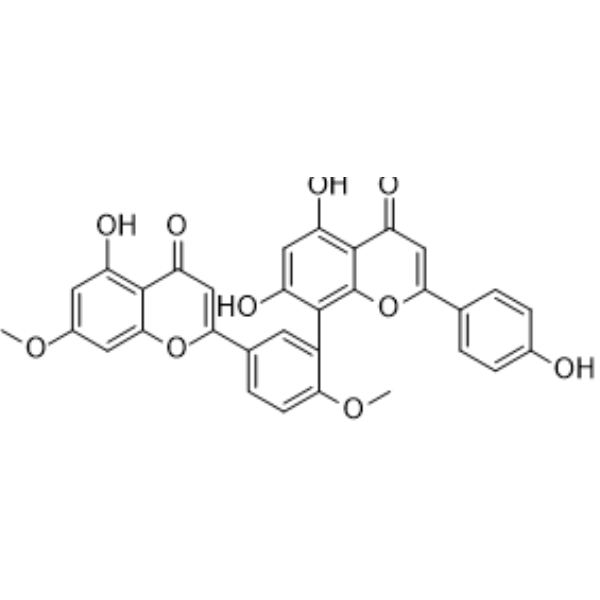

- Formula: C20H24O10
- Molecular Weight: 424.40
Ginkgolide B (Standard) is the analytical standard of Ginkgolide B. This product is intended for research and analytical applications. Ginkgolide B (BN-52021), a terpene lactone, is a potent platelet activating factor antagonist. Ginkgolide B protects endothelial cells via the activation of PXR from injuries induced by xeno- and endobiotics. Ginkgolide B can pass through the brain-blood barrier. Ginkgolide B has anti-oxidant, anti-inflammatory, anti-tumor, and anti-apoptotic activity. Ginkgolide B has marked neuroprotective effects against ischemia-induced impairments.
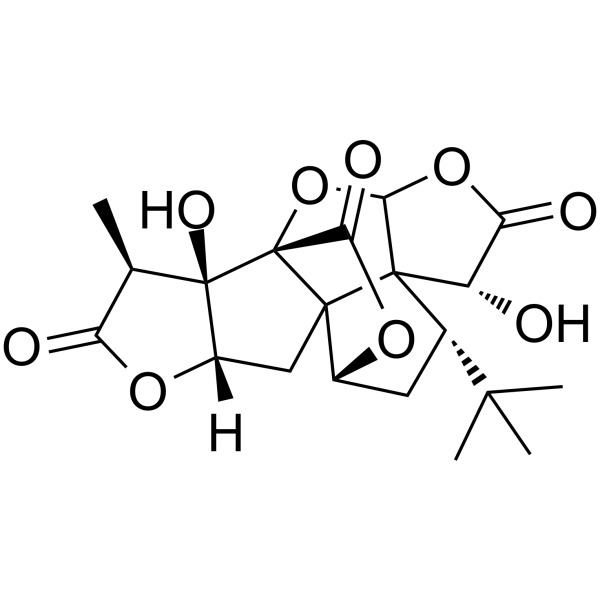
- Formula: C20H24O9
- Molecular Weight: 408.40
Ginkgolide A (BN-52020) is an extract from in Ginkgo biloba and a g-aminobutyric acid (GABA) antagonist.
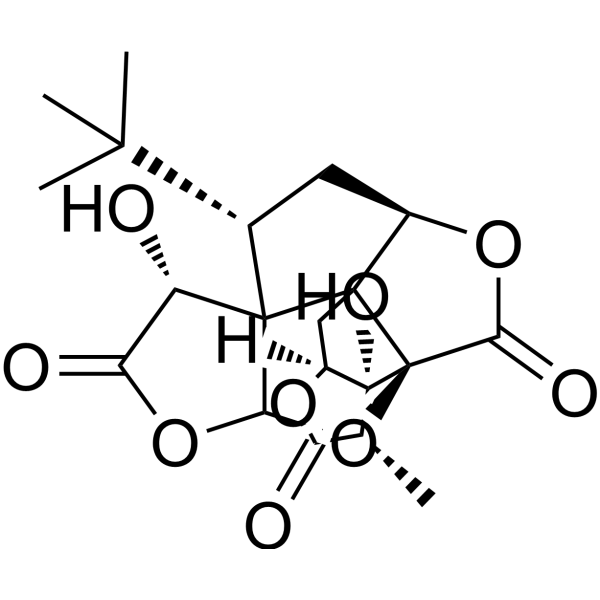
- Formula: C20H24O9
- Molecular Weight: 408.40
Ginkgolide A (Standard) is the analytical standard of Ginkgolide A. This product is intended for research and analytical applications. Ginkgolide A (BN-52020) is an extract from in Ginkgo biloba and a g-aminobutyric acid (GABA) antagonist.

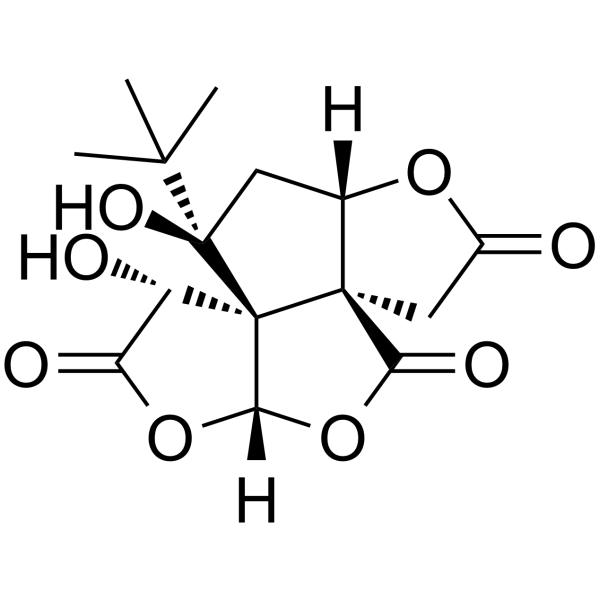
- Formula: C15H18O8
- Molecular Weight: 326.30
Bilobalide, a sesquiterpene trilactone constituent of Ginkgo biloba, inhibits the NMDA-induced efflux of choline with an IC50 value of 2.3 μM. Bilobalide prevents apoptosis through activation of the PI3K/Akt pathway in SH-SY5Y cells. Exerts protective and trophic effects on neurons.
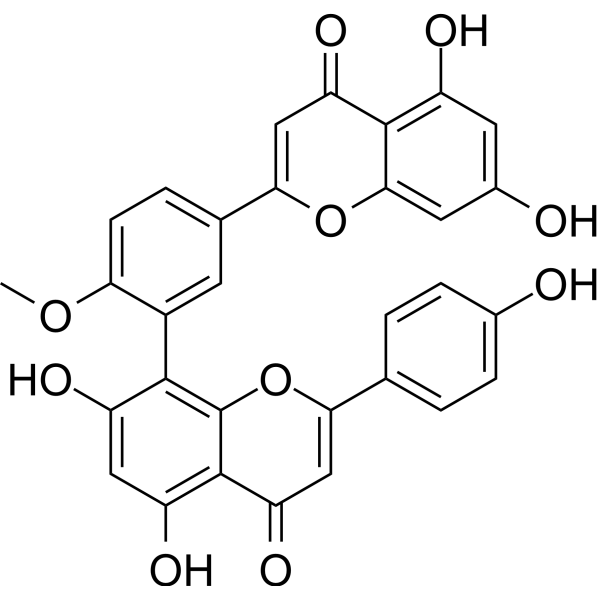
- Formula: C31H20O10
- Molecular Weight: 552.48
Bilobetin, an active component of Ginkgo biloba, can reduce blood lipids and improve the effects of insulin. Bilobetin ameliorated insulin resistance, increased the hepatic uptake and oxidation of lipids, reduced very-low-density lipoprotein triglyceride secretion and blood triglyceride levels, enhanced the expression and activity of enzymes involved in β-oxidation and attenuated the accumulation of triglycerides and their metabolites in tissues. Bilobetin also increased the phosphorylation, nuclear translocation and activity of PPARα accompanied by elevated cAMP level and PKA activity.
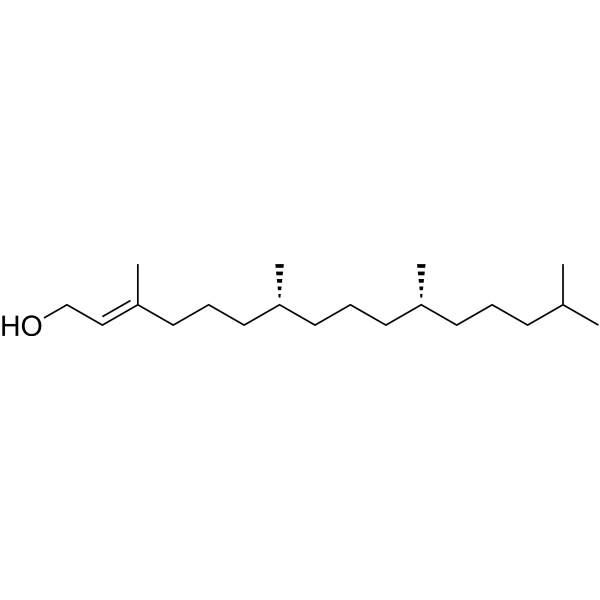
- Formula: C20H40O
- Molecular Weight: 296.53
Phytol ((E)-Phytol) is an orally active diterpenoid alcohol that can be extracted from chlorophyll. Phytol has antioxidant, anti-inflammatory, anti-schistosomiasis and antibacterial activities.
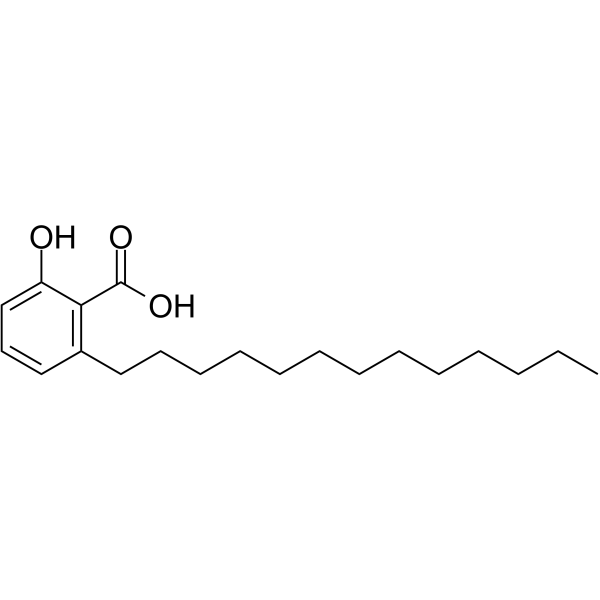
- Formula: C20H32O3
- Molecular Weight: 320.47
Ginkgolic Acid (C13:0) (Ginkgoneolic Acid) is an anti-cariogenic agent and a PI3Kδ inhibitor (IC50: 2.49 μM). Ginkgolic Acid (C13:0) exhibits antibacterial and anti-parasitic activities. Ginkgolic Acid (C13:0) can also inhibit mast cell degranulation (IC50: 2.40 μM).
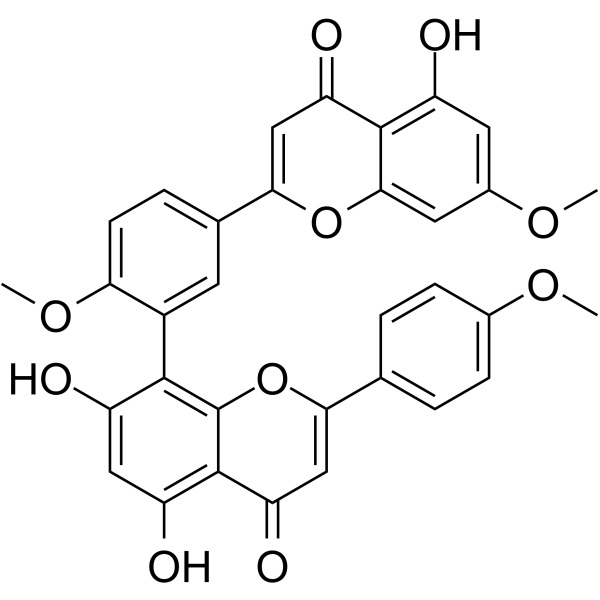
- Formula: C33H24O10
- Molecular Weight: 580.54
Ginkgo biloba extract is a natural product that can be isolated from Ginkgo biloba leaves. Ginkgo biloba extract alleviates oxidative stress-induced neuronal apoptosis (Apoptosis) by stabilizing mitochondrial function, regulating Bcl-2 family proteins and inhibiting caspase activation. Ginkgo biloba extract alleviates testicular injury by upregulating SKP2 and inhibiting Beclin1-independent autophagy (Autophagy). Ginkgo biloba extract alleviates various types of neuronal damage in animal models. Ginkgo biloba extract reduces behavioral sensitization in rats. Ginkgo biloba extract counteracts Aβ-induced neurotoxicity by blocking a series of Aβ-triggered events, including glucose uptake, ROS accumulation, AKT activation, mitochondrial dysfunction, JNK and ERK 1/2 pathways, and apoptosis, and also interferes with the formation of Aβ oligomers. Ginkgo biloba extract is applicable to research related to cerebral hypoperfusion, testicular injury, Alzheimer's disease, Parkinson's disease, multi-infarct dementia, stroke, traumatic brain injury and amyotrophic lateral sclerosis.
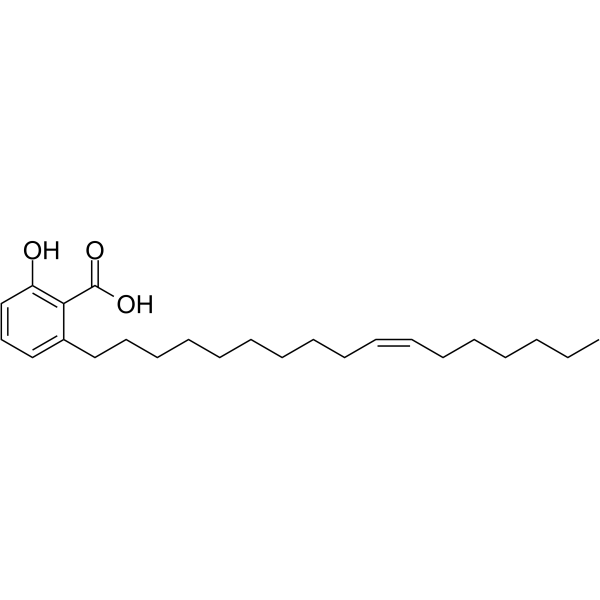
- Formula: C24H38O3
- Molecular Weight: 374.56
Ginkgolic acid C17:1 is a fatty acid synthase (FAS) inhibitor with an IC50 of 10.5 µM. Ginkgolic acid C17:1 shows anti-tumor activity by inhibiting the phosphorylation of STAT3 and inducing apoptosis. Ginkgolic acid C17:1 can block the interaction between S-RBD and ACE2, and has anti-SARS-CoV-2-S pseudovirus activity. Ginkgolic acid C17:1 inhibits the biofilm formation of enterohemorrhagic Escherichia coli and Staphylococcus aureus.
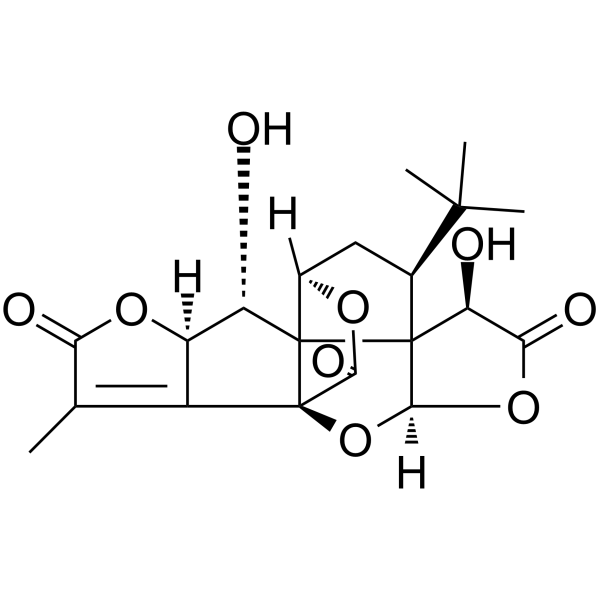
- Formula: C20H22O9
- Molecular Weight: 406.38
Ginkgolide K, isolated from Ginkgo biloba, induces protective autophagy through the AMPK/mTOR/ULK1 signaling pathway. Ginkgolide K possesses neuroprotective activity.
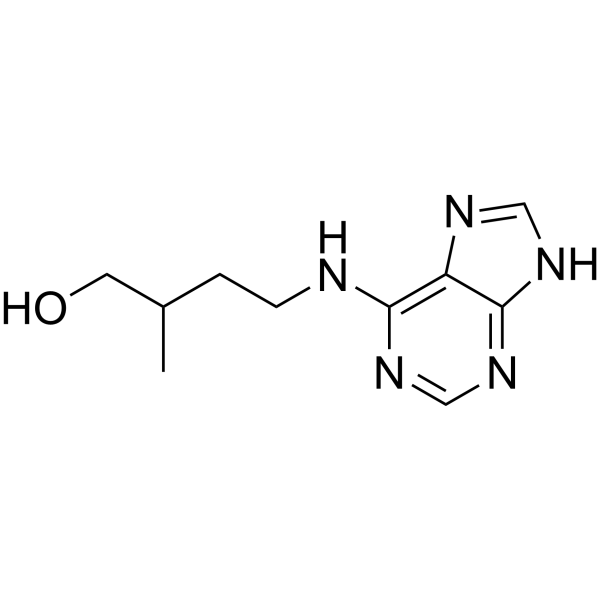
- Formula: C10H15N5O
- Molecular Weight: 221.26
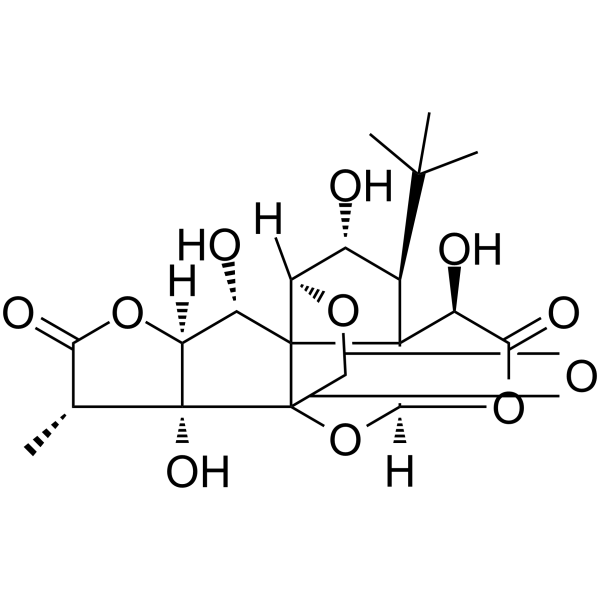
- Formula: C20H24O11
- Molecular Weight: 440.40
Ginkgolide C is a flavone isolated from Ginkgo biloba leaves, possessing multiple biological functions, such as decreasing platelet aggregation and ameliorating Alzheimer disease.
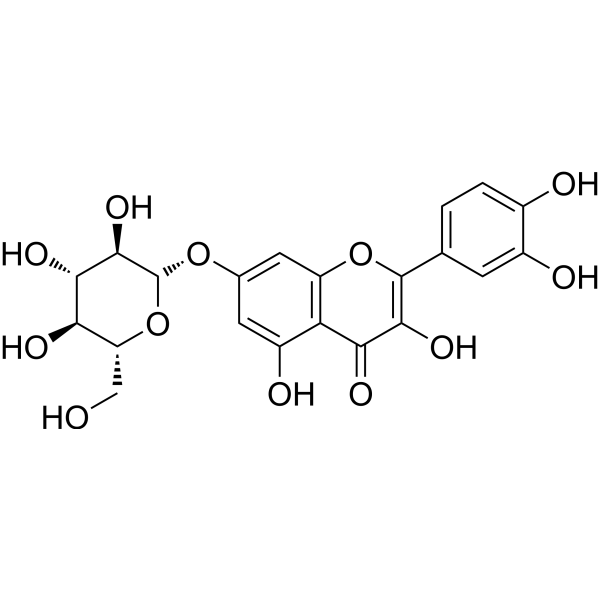
- Formula: C21H20O12
- Molecular Weight: 464.38
Quercimeritrin (Quercetin-7-O-β-D-glucopyranoside) is an orally active α-glucosidase inhibitor (with an IC50 of 79.88 μM against the Saccharomyces cerevisiae enzyme) and a P-gp substrate, with anti-angiogenic and antioxidant activities. Quercimeritrin does not cross the blood-brain barrier and does not inhibit cytochrome P450 enzymes. Quercimeritrin precisely binds to and inhibits the active sites of c-Kit, MMP-2, Aurora-A kinases and α-glucosidase, thereby disrupting target functions. Quercimeritrin effectively regulates postprandial blood glucose and also exhibits significant anti-angiogenic activity, which inhibits endothelial cell proliferation and microvascular growth. Quercimeritrin can be used in the research of diabetes and breast cancer.



