1. Signaling Pathways
  2. NF-κB
  3. NF-κB

NF-κB

Nuclear factor-κB; Nuclear factor-kappaB

NF-κB (Nuclear factor kappa-light-chain-enhancer of activated B cells) is a protein complex that controls transcription of DNA. NF-κB is found in almost all animal cell types and is involved in cellular responses to stimuli such as stress, cytokines, free radicals, ultraviolet irradiation, oxidized LDL, and bacterial or viral antigens. NF-κB plays a key role in regulating the immune response to infection. Incorrect regulation of NF-κB has been linked to cancer, inflammatory, and autoimmune diseases, septic shock, viral infection, and improper immune development. NF-κB has also been implicated in processes of synaptic plasticity and memory. There are five proteins in the mammalian NF-κB family: NF-κB1, NF-κB2, RelA, RelB, c-Rel.

Cat. No. Product Name Effect Purity Chemical Structure
  • HY-N9454
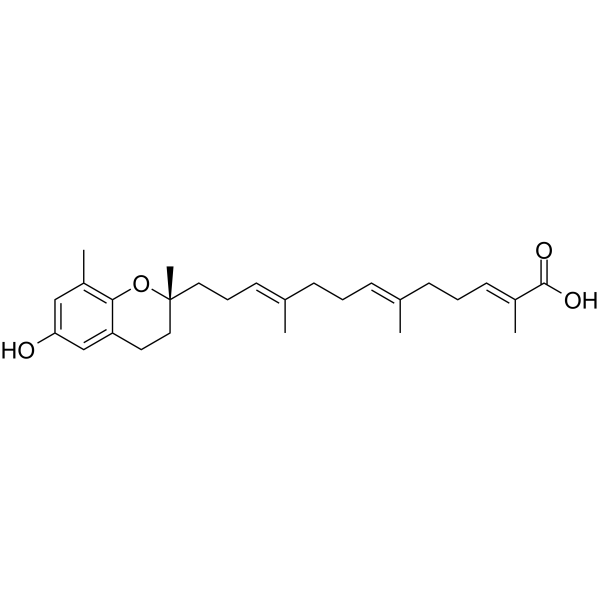
    Garcinoic acid
    Inhibitor
    Garcinoic acid is an orally active anti-inflammatory agent that crosses the blood-brain barrier. Garcinoic acid also enhances efferocytosis and enzyme/receptor regulation, and selectively inhibits human COX-2, porcine α-amylase, Saccharomyces cerevisiae α-glucosidase and human DNA polymerase β (IC50=11 μM), as well as activates human PXR. Garcinoic acid enhances macrophage efferocytosis via receptors such as MerTK and LRP-1, and promotes the production of pro-resolving lipid mediators. Garcinoic acid inhibits NF-κB activation and pro-inflammatory cytokine secretion, interferes with aggregation, downregulates NLRP3 inflammasome activity, and binds to targets including CD44 and EGFR to inhibit leukemia cell proliferation. The pharmacological activities of Garcinoic acid, such as antioxidant, anti-inflammatory and lipid metabolism-regulating effects, are widely used in studies related to various diseases including atherosclerosis, Alzheimer's disease, type 2 diabetes, inflammatory bowel disease and viral pneumonia.
    Garcinoic acid
  • HY-N0274R
    Caffeic acid phenethyl ester (Standard)
    Inhibitor
    Caffeic acid phenethyl ester (Standard) is the analytical standard of Caffeic acid phenethyl ester. This product is intended for research and analytical applications. Caffeic acid phenethyl ester is a NF-κB inhibitor.
    Caffeic acid phenethyl ester (Standard)
  • HY-W478741
    Pyrraline
    Inhibitor 99.61%
    Pyrraline is an Nrf2 pathway activator with antioxidant and anti-inflammatory effects. Pyrraline upregulates antioxidant enzymes such as NAD(P)H dehydrogenase (NQO1) and heme oxygenase-1 (HO-1) via antioxidant response element (ARE) activation, while inhibiting NFκB-mediated inflammation. Pyrraline is promising for research of metabolic disorders (such as diabetic nephropathy) and cancers.
    Pyrraline
  • HY-N12087
    8-Deoxylactucin
    Inhibitor
    8-Deoxylactucin is an orally active sesquiterpene lactone. 8-Deoxylactucin inhibits LPS (HY-D1056)-induced NO production in RAW264.7 macrophages with an IC50 value of 4.35 μM. 8-Deoxylactucin exerts anti-inflammatory effects by blocking the NF-κB pathway. 8-Deoxylactucin demonstrates hepatoprotective efficacy in LPS/D-galactosamine-induced acute hepatitis model of mice. 8-Deoxylactucin can be used for the study of inflammatory diseases and inflammatory liver injuries.
    8-Deoxylactucin
  • HY-N2543R
    Damascenone (Standard)
    Inhibitor
    Damascenone (Standard) is the analytical standard of Damascenone. This product is intended for research and analytical applications. Damascenone ((E/Z)-Damascenone) is an active compound of Epipremnum pinnatum with anti-inflammatory activity. Damascenone is a mixture complex of E-isomer-Damascenone and Z-isomer Damascenone.
    Damascenone (Standard)
  • HY-N0334
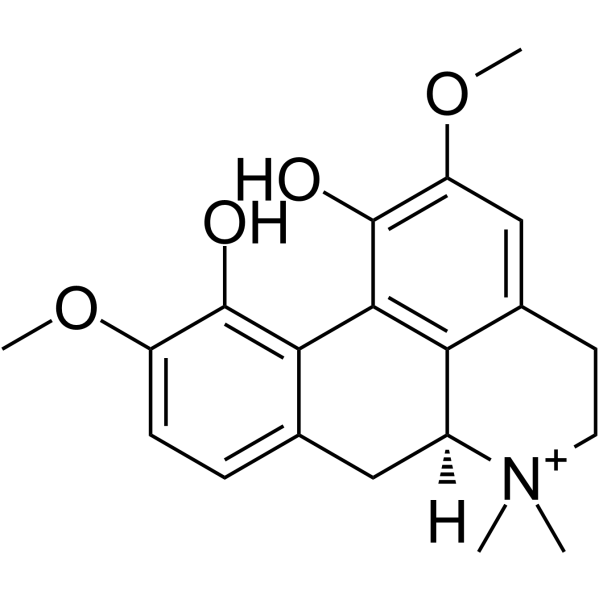
    (+)-Magnoflorine
    Inhibitor
    (+)-Magnoflorine (α-Magnoflorine) is an orally active aporphine alkaloid with multiple biological activities. (+)-Magnoflorine promotes Parkin/PINK1 -mediated mitochondrial autophagy, inhibits the activation of NLRP3/Caspase-1 pathway, regulates the intestinal microbiota, and exhibits significant anti-inflammatory and immunomodulatory activities. (+)-Magnoflorine inhibits JNK and TLR4/NF-κB signaling pathways, activates Sirt1/AMPK pathway, alleviates neuronal oxidative stress and apoptosis. Magnoflorine upregulates miR-410-3p, inhibits HMGB1/NF-κB pathway, and has anti-tumor activity. (+)-Magnoflorine also has significant antifungal activity.
    (+)-Magnoflorine
  • HY-B0190AR
    Nafamostat mesylate (Standard)
    Nafamostat (mesylate) (Standard) is the analytical standard of Nafamostat (mesylate). This product is intended for research and analytical applications. Nafamostat mesylate (FUT-175), an anticoagulant, is a synthetic serine protease inhibitor. Nafamostat mesylate has anticancer and antivirus effect. Nafamostat mesylate induce apoptosis by up-regulating the expression of tumor necrosis factor receptor-1 (TNFR1). Nafamostat mesylate can be used in the development of the pathological thickening of the arterial wall.
    Nafamostat mesylate (Standard)
  • HY-119459R
    Fluopyram (Standard)
    Activator
    Fluopyram (Standard) is the analytical standard of Fluopyram (HY-119459). This product is intended for research and analytical applications. Fluopyram is an orally active succinate dehydrogenase inhibitor, antifungal and nematicide. Fluopyram inhibits succinate dehydrogenase activity, activates CAR/PXR nuclear receptors, and increases caspase-3, TNF-α and NF-κB. Fluopyram inhibits the growth of F. virguliforme, Botrytis cinerea and Alternaria solani with EC50 values of 3.35, 5.389 and 0.244 µg/mL, respectively. Fluopyram induces liver and thyroid tumor formation. Fluopyram is nephrotoxic and embryotoxic.
    Fluopyram (Standard)
  • HY-152169
    BIHC
    Inhibitor ≥98.0%
    BIHC is a TNF blocker with anti-inflammatory activity. BIHC can significantly inhibit the proliferation of hepatocellular carcinoma (HCC) cells and exhibits potent cytotoxicity against the HepG2 cell line, capable of inducing cell apoptosis , while demonstrating relatively low toxicity towards normal hepatocytes. Additionally, BIHC can be used for research on inflammatory bowel disease (IBD).
    BIHC
  • HY-W770410
    9-PAHSA-13C4
    Inhibitor 99.9%
    9-PAHSA-13C4 is 13C-labeled 9-PAHSA. 9-PAHSAis an orally active endogenous GPR120 agonist (EC50=18 μM). 9-PAHSAsignificantly inhibits LPS-induced inflammatory responses by blocking the NF-κB pathway. 9-PAHSAinduces adipocyte browning, enhances glucose uptake and reduces lipid accumulation, while improving mitochondrial function and the survival rate of steatotic hepatocytes. In terms of neuroprotection, 9-PAHSAregulates the expression of REST and BDNF in the prefrontal cortex of diabetic mice, and effectively prevents spatial working memory deficits and abnormal social behaviors. 9-PAHSAdoes not directly regulate insulin secretion or improve systemic insulin sensitivity, and possesses specific anti-inflammatory, metabolic regulatory and neuroprotective properties. 9-PAHSAcan be used in the research of diabetes-related cognitive impairment, obesity and non-alcoholic fatty liver disease.
    9-PAHSA-<sup>13</sup>C<sub>4</sub>
  • HY-B1773AS4
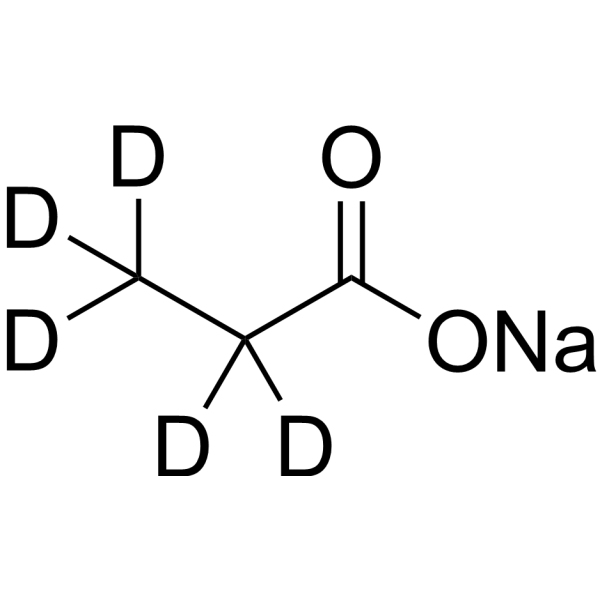
    Sodium propionate-d5
    Inhibitor 99.91%
    Sodium propionate-d5 is the deuterium labeled Propionate sodium (HY-B1773A). Sodium propionate is an orally active short-chain fatty acid. Sodium propionate can be produced by intestinal bacteria from the metabolism of dietary fiber. Sodium propionate increases PPAR-γ, inhibits NF-κB activation, and reduces COX-2 expression and NO production. Sodium propionate also induces Apoptosis and Autophagy. Sodium propionate reduces HSV-1-induced keratitis. Sodium propionate has anticancer effects against glioblastoma. Sodium propionate exhibits neuroprotective, antioxidant, and anti-inflammatory activities. Sodium propionate can be used in the research of spinal cord injury and Alzheimer's disease.
    Sodium propionate-d<sub>5</sub>
  • HY-154825
    20-Hydroxyvitamin D3
    Inhibitor ≥98.0%
    20-Hydroxyvitamin D3 (20(OH)D3), a product of vitamin D3 hydroxylation, is a noncalcemic immunomodulator. 20-Hydroxyvitamin D3 binds to vitamin D receptor (VDR), activates VDR and aryl hydrocarbon receptor (AhR) signaling, stimulates CYP24A1 expression, and drives VDR nuclear translocation. 20-Hydroxyvitamin D3 inhibits NF-κB activity via IκBα upregulation. 20-Hydroxyvitamin D3 acts as a substrate for CYP27B1 and rat CYP24A1, undergoing hydroxylation to form dihydroxy-derivatives. 20-Hydroxyvitamin D3 inhibits cell proliferation, colony formation, migration, and tumor growth, and induces cell differentiation in cancer cells. 20-Hydroxyvitamin D3 can be used for the research of inflammatory and autoimmune diseases, melanoma, breast carcinomas, and hepatocarcinoma.
    20-Hydroxyvitamin D3
  • HY-N0344R
    Farrerol (Standard)
    Inhibitor
    Farrerol (Standard) is the analytical standard of Farrerol. This product is intended for research and analytical applications. Farrerol is a bioactive constituent of Rhododendron, with broad activities such as anti-oxidative, anti-inflammatory, anti-tumor, neuroprotective and hepatoprotective effects.
    Farrerol (Standard)
  • HY-B0190B
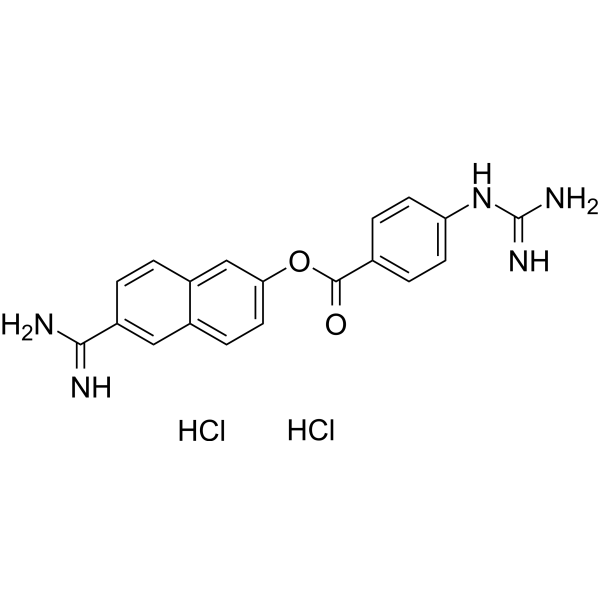
    Nafamostat hydrochloride
    Nafamostat hydrochloride, an anticoagulant, is a synthetic serine protease inhibitor. Nafamostat hydrochloride has anticancer and antivirus effect. Nafamostat hydrochloride induces apoptosis by up-regulating the expression of tumor necrosis factor receptor-1 (TNFR1). Nafamostat hydrochloride can be used in the development of the pathological thickening of the arterial wall.
    Nafamostat hydrochloride
  • HY-143704S
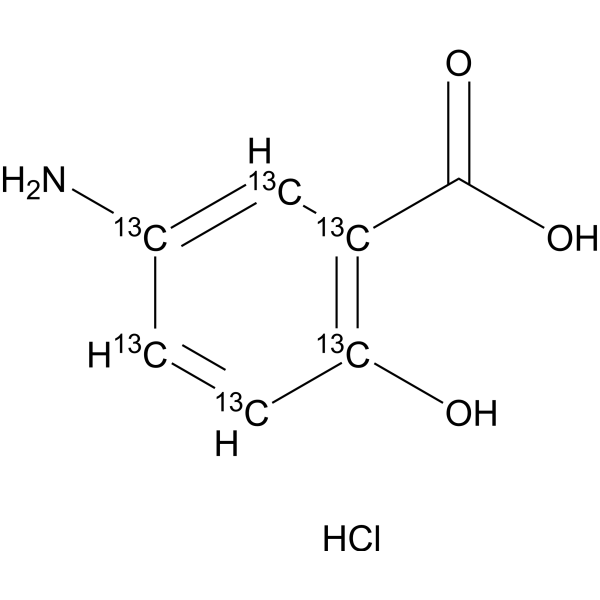
    5-Aminosalicylic acid-13C6 hydrochloride
    Inhibitor 99.53%
    5-Aminosalicylic acid-13C6 hydrochloride?(Mesalamine-13C6 hydrochloride; 5-ASA-13C6 hydrochloride; Mesalazine-13C6 hydrochloride) is the 13C labeled 5-Aminosalicylic Acidhydrochloride. 5-Aminosalicylic acid-13C6 hydrochloride?acts as a PPARγ agonist, and also inhibits p21-activated kinase 1 (PAK1) and NF-κB.
    5-Aminosalicylic acid-<sup>13</sup>C<sub>6</sub> hydrochloride
  • HY-N19791
    6-Methoxymellein
    Inhibitor
    6-Methoxymellein, a phytoalexin, is a NF-κB inhibitor. 6-Methoxymellein reduces nuclear localization and DNA binding activity of NF-κB p65 and p50 subunits. 6-Methoxymellein decreases mRNA transcription and secretion of IL-6 and IL-8. 6-Methoxymellein reduces the proportion of CD44+/CD24 breast cancer cells, decreases expression of c-Myc, Sox-2 and Oct4, inhibits proliferation and migration of breast cancer cells, and reduces mammosphere growth. 6-Methoxymellein inhibits fungal growth of Trichophyton rubrum and Botrytis cinerea, and inhibits Trichophyton rubrum biofilm formation via hyphal disintegration. 6-Methoxymellein can be used for the research of breast cancer, tinea corporis, and carrot post-harvest storage rot.
    6-Methoxymellein
  • HY-W265314
    Arvelexin
    Inhibitor
    Arvelexin is a biologically active compound. Arvelexin can be found in Brassica rapa L. (Brassicaceae). Arvelexin inhibits NF-κB activation and the expressions of IL-8. Arvelexin inhibits colonic inflammation.
    Arvelexin
  • HY-N8407R
    Carminic acid (Standard)
    Inhibitor
    Carminic acid (Standard) is the analytical standard of Carminic acid (HY-N8407). This product is intended for research and analytical applications. Carminic acid is a widely used and orally active natural red pigment that can be used in industries such as food, cosmetics, and pharmaceuticals. In addition, carminic acid has anti-inflammatory and antioxidant activities.
    Carminic acid (Standard)
  • HY-N8707
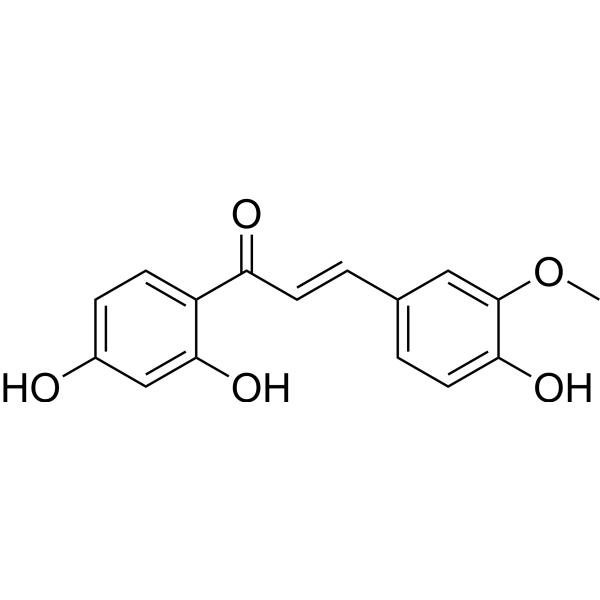
    Homobutein
    Inhibitor 98.35%
    Homobutein a natural chalcones (can be found in many medicinal plants, fruits, vegetables, spices and nuts), is a potent HDACs/NF-κB dual inhibitor with IC50s of 190 and 38 μM, respectively. Homobutein also a chelator of iron (II and III) cations, shows various activities, including anticancer, anti-inflammatory, antiparasite and antioxidation.
    Homobutein
  • HY-W010253
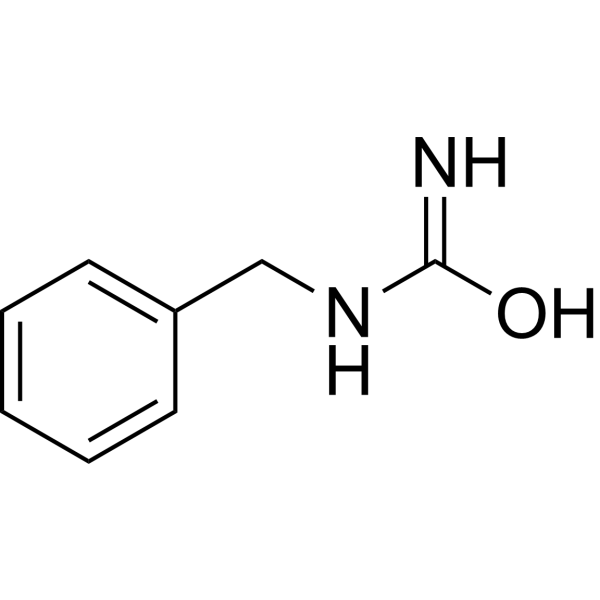
    Benzylurea
    Modulator 99.94%
    Benzylurea is an anti-inflammatory agent. Benzylurea inhibits LPS (HY-D1056)-induced upregulation of MTCH2 expression and regulates pathways associated with mitochondrial function, inflammation and cell survival. Benzylurea alleviates LPS-induced proliferation inhibition and apoptosis of periodontal ligament fibroblasts, as well as the release of proinflammatory cytokines. Benzylurea can be used in studies related to periodontitis.
    Benzylurea
Cat. No. Product Name / Synonyms Application Reactivity

NF-κB transcription factors are critical regulators of immunity, stress responses, apoptosis and differentiation. In mammals, there are five members of the transcription factor NF-κB family: RELA (p65), RELB and c-REL, and the precursor proteins NF-κB1 (p105) and NF-κB2 (p100), which are processed into p50 and p52, respectively. NF-κB transcription factors bind as dimers to κB sites in promoters and enhancers of a variety of genes and induce or repress transcription. NF-κB activation occurs via two major signaling pathways: the canonical and the non-canonical NF-κB signaling pathways[1]


The canonical NF-κB pathway is triggered by signals from a large variety of immune receptors, such as TNFR, TLR, and IL-1R, which activate TAK1. TAK1 then activates IκB kinase (IKK) complex, composed of catalytic (IKKα and IKKβ) and regulatory (NEMO) subunits, via phosphorylation of IKKβ. Upon stimulation, the IKK complex, largely through IKKβ, phosphorylates members of the inhibitor of κB (IκB) family, such as IκBα and the IκB-like molecule p105, which sequester NF-κB members in the cytoplasm. IκBα associates with dimers of p50 and members of the REL family (RELA or c-REL), whereas p105 associates with p50 or REL (RELA or c-REL). Upon phosphorylation by IKK, IκBα and p105 are degradated in the proteasome, resulting in the nuclear translocation of canonical NF-κB family members, which bind to specific DNA elements, in the form of various dimeric complexes, including RELA-p50, c-REL-p50, and p50-p50. Atypical, IKK-independent pathways of NF-κB induction also provide mechanisms to integrate parallel signaling pathways to increase NF-κB activity, such as hypoxia, UV and genotoxic stress.


The non-canonical NF-κB pathway is induced by certain TNF superfamily members, such as CD40L, BAFF and lymphotoxin-β (LT-β), which stimulates the recruitment of TRAF2, TRAF3, cIAP1/2 to the receptor complex. Activated cIAP mediates K48 ubiquitylation and proteasomal degradation of TRAF3, resulting in stabilization and accumulation of the NFκB-inducing kinase (NIK). NIK phosphorylates and activates IKKα, which in turn phosphorylates p100, triggering p100 processing, and leading to the generation of p52 and the nuclear translocation of p52 and RELB[2][3].


Reference:

[1]. Oeckinghaus A, et al. The NF-kappaB family of transcription factors and its regulation.Cold Spring Harb Perspect Biol. 2009 Oct;1(4):a000034. 
[2]. Taniguchi K, et al. NF-κB, inflammation, immunity and cancer: coming of age. Nat Rev Immunol. 2018 May;18(5):309-324.
[3]. Perkins ND,et al. Integrating cell-signalling pathways with NF-kappaB and IKK function. Nat Rev Mol Cell Biol. 2007 Jan;8(1):49-62.

Your Search Returned No Results.

Sorry. There is currently no product that acts on isoform together.

Please try each isoform separately.