



Sirtuin
Sirtuin (Sir2 proteins) are a class of proteins that possess either mono-ADP-ribosyltransferase, or deacylase activity, including deacetylase, desuccinylase, demalonylase, demyristoylase and depalmitoylase activity. Sirtuins regulate important biological pathways in bacteria, archaeaand eukaryotes. Sirtuins have been implicated in influencing a wide range of cellular processes like aging, transcription, apoptosis, inflammation and stress resistance, as well as energy efficiency and alertness during low-calorie situations. Sirtuins can also control circadian clocks and mitochondrial biogenesis.
Sirtuin Isoform Specific Products
All Product Categories
-
Sirtuin Inhibitors
(171)
View all products
-
Sirtuin Agonists
(11)
View all products
-
Sirtuin Activators
(102)
View all products
-
Sirtuin Modulators
(12)
View all products
-
Sirtuin Inducer
(1)
View all products
-
Sirtuin Degraders
(3)
View all products
-
Sirtuin Control
(1)
View all products
-
Sirtuin Substrates
(4)
View all products
-
Sirtuin Ligand
(1)
View all products
-
Sirtuin Related Products (326)
Related Products (326)

-
Antibodies (9)
-
Sirtuin Isoform Comparison
-
2'/3'-O-Acetyl-ADP-ribose sodium
 0 ImagesCat. No.: HY-150119CAS No.: 1312013-29-82'/3'-O-Acetyl-ADP-ribose sodium is an inhibitor of cell division and oocyte maturation. 2'/3'-O-Acetyl-ADP-ribose sodium causes delay or arrest of oocyte maturation and blastomere division in embryos. 2'/3'-O-Acetyl-ADP-ribose sodium is produced by Sir2 family deacetylases during the coupling of histone/protein deacetylation with β-NAD+ cleavage. In neutral or weakly alkaline aqueous solutions, the direct enzymatic product forms of 2'/3'-O-Acetyl-ADP-ribose sodium, namely the 2'-O-acetyl form and the 3'-O-acetyl form, undergo intramolecular lactone exchange reaction and interconvert with each other.
-
OXPHOS-IN-3
 0 ImagesCat. No.: HY-184173OXPHOS-IN-3 is a mitochondria-targeted dual OXPHOS/glycolysis inhibitor. OXPHOS-IN-3 exhibits potent antiproliferative activity against pancreatic cancer cells. OXPHOS-IN-3 induces mitochondrial dysfunction, ferroptosis, and immunogenic cell death (ICD). OXPHOS-IN-3 shows potent antitumor activity in pancreatic ductal adenocarcinoma (PDAC) models.
-
δ-Viniferin
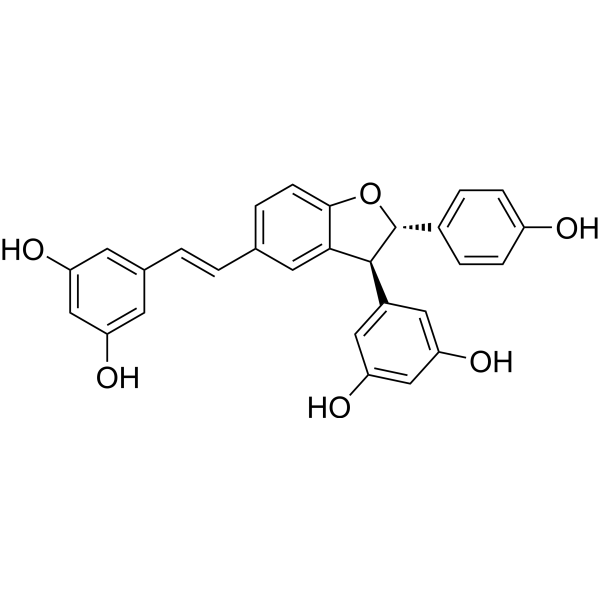 0 ImagesCat. No.: HY-N3841ACAS No.: 681293-15-2δ-Viniferin is a COX-1/COX-2 inhibitor (with an IC50 of 5 µM for both enzymes). δ-Viniferin induces the expression of SIRT1, catalase and HO-1, promotes the phosphorylation of eNOS, and stimulates nitric oxide (NO) production. δ-Viniferin is applicable to research related to atherosclerosis, downy mildew, Gram-positive bacterial infections, inflammation, infections, cardiovascular diseases and diabetes.
-
SIRT1 activator 1
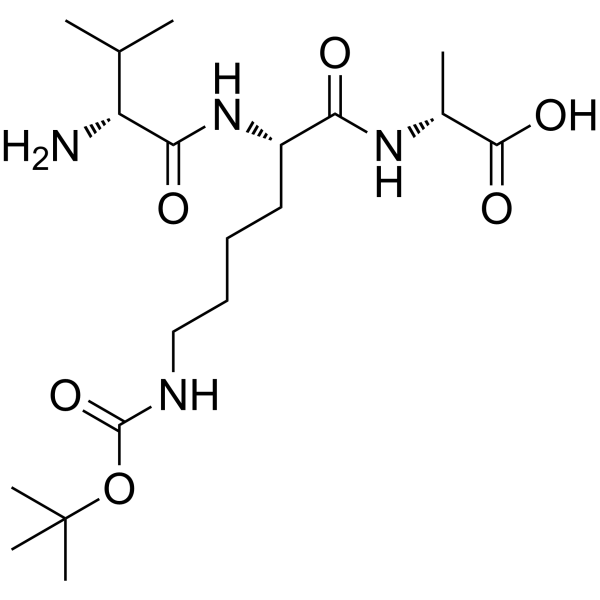 0 ImagesCat. No.: HY-N12386SIRT1 activator 1(compound 3) is a derivative of marine compound xyloallenoide A isolated from the mangrove fungus Xylaria sp.SIRT1 activator 1 shows angiogenic activities in zebrafish. SIRT1 activator 1 protects hEPC against AngII-induced senescence by increasing SIRT1 expression levels and balancing the AMPK/Akt signaling pathway.
-
Sirt1/2-IN-5
 0 ImagesCat. No.: HY-136713CAS No.: 143034-06-4
-
Epigenetic factor-IN-1
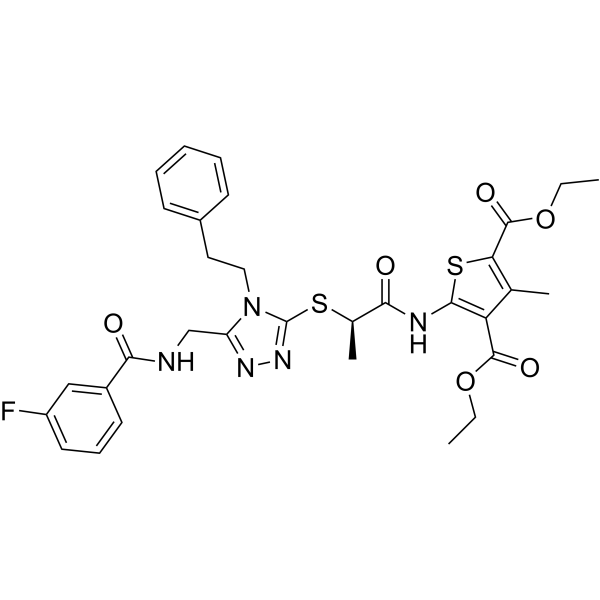 0 ImagesCat. No.: HY-156489CAS No.: 2640673-56-7Epigenetic factor-IN-1 (40569Z) is a epigenetic factor inhibitor. Epigenetic factor-IN-1 has strong binding effect on SIRT7. Epigenetic factor-IN-1 can be used for liver cancer research.


-
Tenovin-D3 hydrochloride
 0 ImagesCat. No.: HY-123994CAS No.: 1258283-70-3Tenovin-D3 hydrochloride is a sirtuin SirT2 inhibitor that increases p21 (CDKN1A) expression in a p53 independent manner.
-
NCO-141
 0 ImagesCat. No.: HY-185682CAS No.: 1382354-26-8NCO-141 is a selective SIRT2 inhibitor with an IC50 of 0.5 μM. NCO-141 induces cell apoptosis via caspase activation and mitochondrial superoxide anion production. NCO-141 induces cell autophagy by increasing LC3-II levels and autophagosome accumulation. NCO-141 is applicable to relevant research on leukemia.
-
Resveratrol-13C6
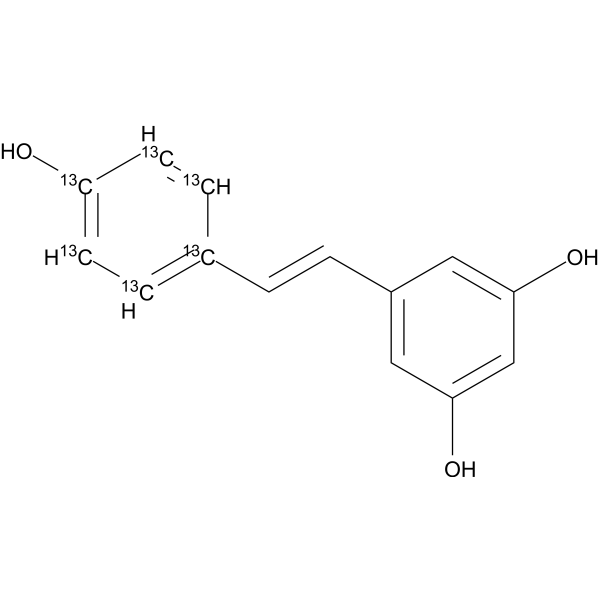 0 ImagesCat. No.: HY-16561S1Synonyms: trans-Resveratrol-13C6; SRT501-13C6Resveratrol-13C6 is the 13C-labeled Resveratrol. Resveratrol (trans-Resveratrol; SRT501), a natural polyphenolic phytoalexin that possesses anti-oxidant, anti-inflammatory, cardioprotective, and anti-cancer properties. Resveratrol (SRT 501) has a wide spectrum of targets including mTOR, JAK, β-amyloid, Adenylyl cyclase, IKKβ, DNA polymerase. Resveratrol also is a specific SIRT1 activator. Resveratrol is a potent pregnane X receptor (PXR) inhibitor. Resveratrol is an Nrf2 activator, ameliorates aging-related progressive renal injury in mice model. Resveratrol increases production of NO in endothelial cells.
-
Schisanhenol (Standard)
 0 ImagesCat. No.: HY-N0859RCAS No.: 69363-14-0Synonyms: Schizanhenol (Standard); Gomisin-K3 (Standard)Schisanhenol (Standard) (Schizanhenol (Standard)) is the analytical standard of Schisanhenol (HY-N0859). This product is intended for research and analytical applications. Schisanhenol, a lignan, is an orally active antioxidant. Schisanhenol reduces AChE activity, increases SIRT1 and PGC-1α expression, and decreases phosphorylated Tau (Ser 396) levels. Schisanhenol increases SOD and glutathione peroxidase activity, decreases malondialdehyde (MDA) content, and inhibits UGT2B7 activitY. Schisanhenol attenuates ox-LDL-induced apoptosis, intracellular reactive oxygen species generation, and cytotoxicity in endothelial cells. Schisanhenol inhibits LDL oxidation, brain mitochondrial and membrane peroxidative damage, and brain mitochondrial swelling and disintegration. Schisanhenol can be used for the research of Alzheimer’s disease, atherosclerosis, brain ischemia, and age-related brain deterioration.
-
Sirt2-IN-6
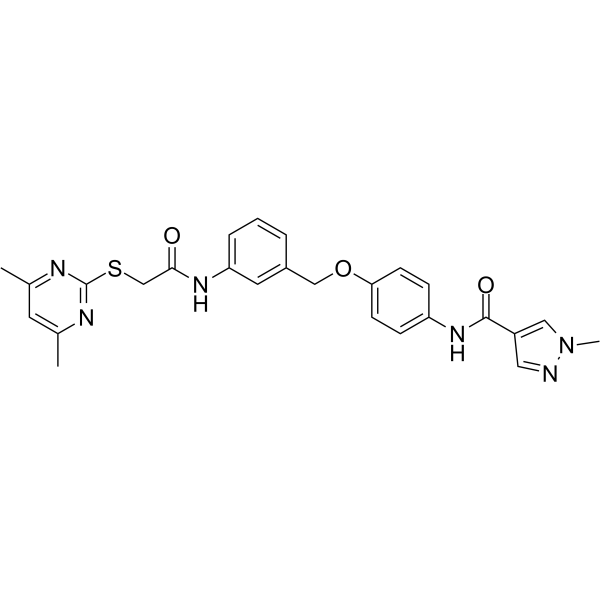 0 ImagesCat. No.: HY-145958CAS No.: 2243151-81-5
-
Nicotinamide hydrochloride
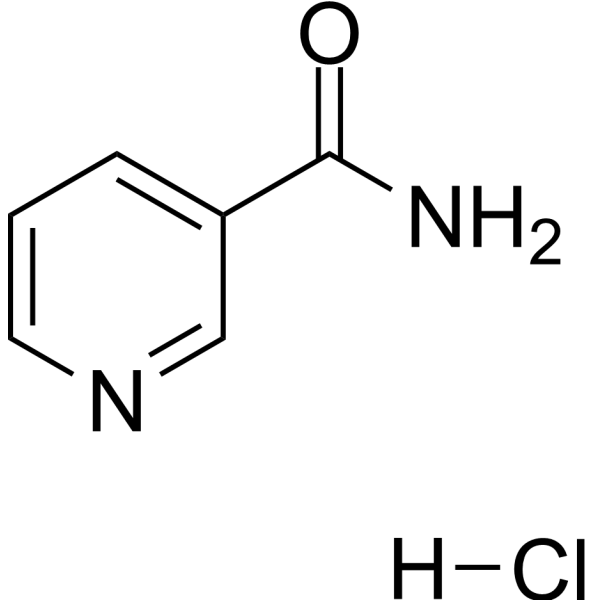 0 ImagesCat. No.: HY-B0150ACAS No.: 25334-23-0Synonyms: Niacinamide hydrochloride; Nicotinic acid amide hydrochlorideNicotinamide hydrochloride is a form of vitamin B3 or niacin. Nicotinamide hydrochloride inhibits SIRT2 activity (IC50: 2 μM). Nicotinamide hydrochloride also inhibits SIRT1. Nicotinamide hydrochloride increases cellular NAD+, ATP, ROS levels. Nicotinamide hydrochloride inhibits tumor growth and improves survival. Nicotinamide hydrochloride also has anti-HBV activity.
-
hsa62
 0 ImagesCat. No.: HY-160944CAS No.: 780822-35-7
-
DCHC
 0 ImagesCat. No.: HY-139125CAS No.: 302953-06-6
-
SIRT5 inhibitor 8
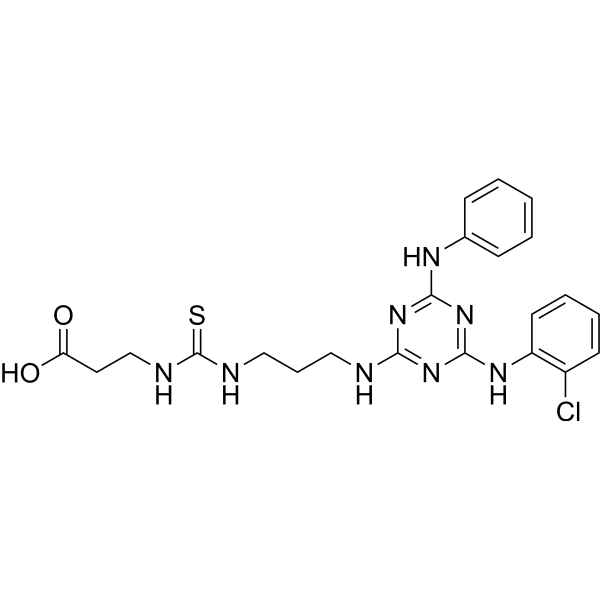 0 ImagesCat. No.: HY-149524CAS No.: 3054055-22-7SIRT5 inhibitor 8 (compound 10) is a competitive inhibitor (IC50: 5.38 μM) of sirtuin SIRT5 with anticancer potential.
-
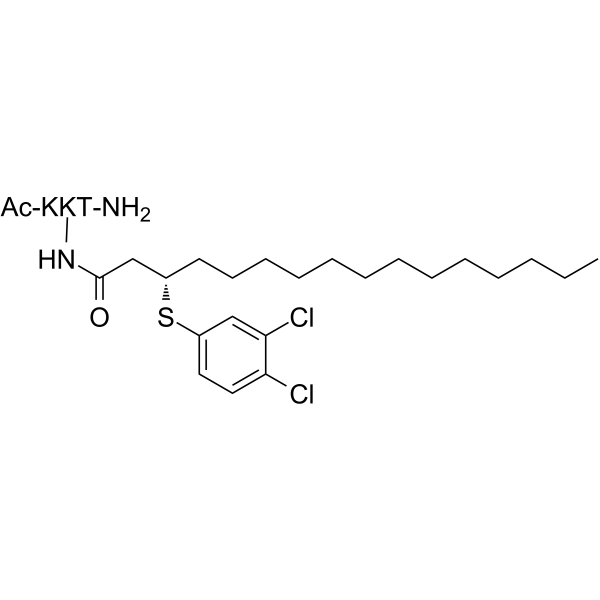
SIRT5 inhibitor 6
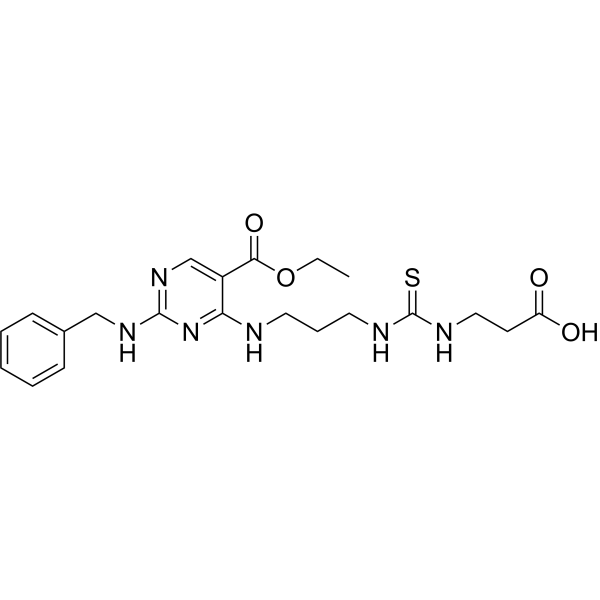 0 ImagesCat. No.: HY-149425CAS No.: 2834736-82-0SIRT5 Inhibitor 6 is a potent, substrate-competitive and selective SIRT5 inhibitor with an IC50 of 3.0 μM. SIRT5 Inhibitor6 has a therapeutic potential against septic AKI in vivo.




