1. Signaling Pathways
  2. Apoptosis
  3. TNF Receptor

TNF Receptor

Tumor Necrosis Factor Receptor; TNFR

Tumor necrosis factor (TNF) is a major mediator of apoptosis as well as inflammation and immunity, and it has been implicated in the pathogenesis of a wide spectrum of human diseases, including sepsis, diabetes, cancer, osteoporosis, multiple sclerosis, rheumatoid arthritis, and inflammatory bowel diseases.

TNF-α is a 17-kDa protein consisting of 157 amino acids that is a homotrimer in solution. In humans, the gene is mapped to chromosome 6. Its bioactivity is mainly regulated by soluble TNF-α–binding receptors. TNF-α is mainly produced by activated macrophages, T lymphocytes, and natural killer cells. Lower expression is known for a variety of other cells, including fibroblasts, smooth muscle cells, and tumor cells. In cells, TNF-α is synthesized as pro-TNF (26 kDa), which is membrane-bound and is released upon cleavage of its pro domain by TNF-converting enzyme (TACE).

Many of the TNF-induced cellular responses are mediated by either one of the two TNF receptors, TNF-R1 and TNF-R2, both of which belong to the TNF receptor super-family. In response to TNF treatment, the transcription factor NF-κB and MAP kinases, including ERK, p38 and JNK, are activated in most types of cells and, in some cases, apoptosis or necrosis could also be induced. However, induction of apoptosis or necrosis is mainly achieved through TNFR1, which is also known as a death receptor. Activation of the NF-κB and MAPKs plays an important role in the induction of many cytokines and immune-regulatory proteins and is pivotal for many inflammatory responses.

Cat. No. Product Name Effect Purity Chemical Structure
  • HY-138793R
    2-(2,6-Dioxopiperidin-3-yl)phthalimidine (Standard)
    Inhibitor
    2-(2,6-Dioxopiperidin-3-yl)phthalimidine (Standard) is the analytical standard of 2-(2,6-Dioxopiperidin-3-yl)phthalimidine. This product is intended for research and analytical applications. 2-(2,6-Dioxopiperidin-3-yl)phthalimidine (EM-12), a teratogenic Thalidomide analogue, is more active than Thalidomide and is much more stable for hydrolysis. 2-(2,6-Dioxopiperidin-3-yl)phthalimidine enhances 1,2-dimethylhydrazine-induction of rat colon adenocarcinomas.
    2-(2,6-Dioxopiperidin-3-yl)phthalimidine (Standard)
  • HY-N1125
    Triptobenzene H
    Inhibitor
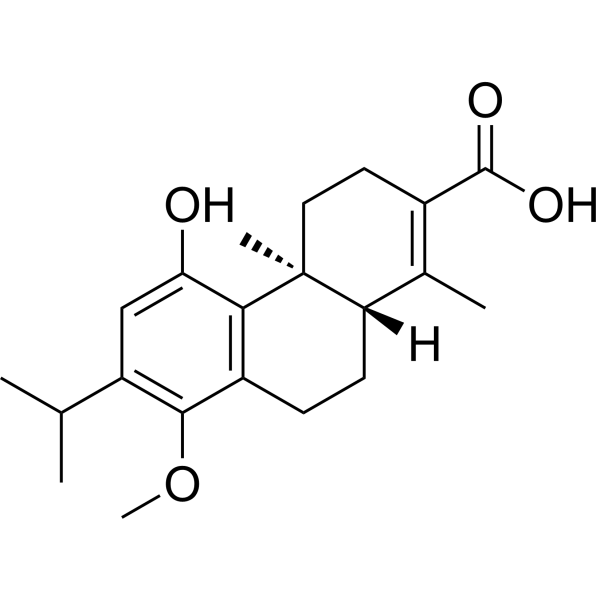
    Triptobenzene H (Hypoglic acid) significantly increases TNF-α and IL-1β mRNA levels in macrophages, causing indirect liver damage.
    Triptobenzene H
  • HY-N11994
    Aloeresin G
    Inhibitor
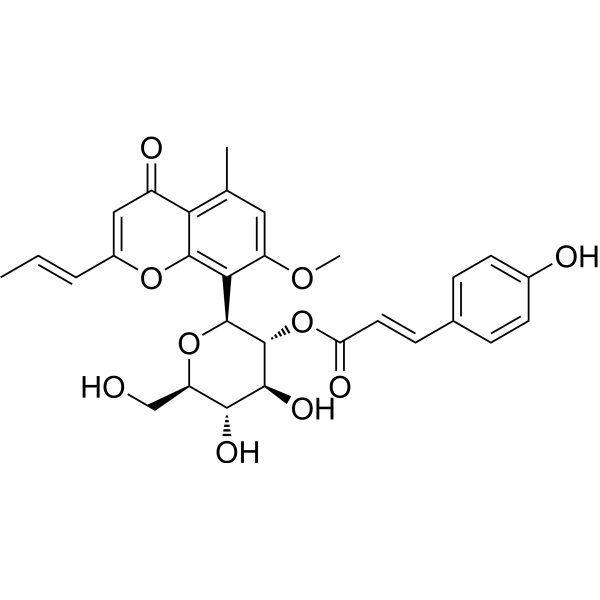
    Aloeresin G is a chromone glycoside that can be isolated from Aloe. Aloeresin G has a weak inhibitory effect on TNFα-induced NF-κB transcriptional activity, with an IC 50 value of 40.02 μM.
    Aloeresin G
  • HY-177406
    VR11 aptamer
    Inhibitor
    VR11 aptamer is a DNA-based TNF-α inhibitor with a KD of 7.0 nM. VR11 aptamer prevents TNFα-induced apoptosis and NO production. VR11 aptamer has non-immunogenicity and does not raise immune responses when injected intraperitoneally into C57BL/6 mice model. VR11 aptamer can be used for inflammatory diseases research.
    VR11 aptamer
  • HY-N9164
    Hecubine
    Inhibitor
    Hecubine is a monoterpene indole alkaloid found in Ervatamia ocinalis. Hecubine activates TREM2 expression, reduces LPS (HY-D1056)-stimulated inammatory cytokines (TNF-αIL-6IL-1β) overexpression, as well as suppresses the levels of TLR4-, MyD88-, MAPK/PI3K/AKT- and NF-κB-related proteins. Hecubin also exhibits antioxidative effect, reduces ROS production and activates of the Nrf2/HO-1 pathway. Hecubine rescues LPS-induced behavioral deficits in zebrash larvae. Hecubine can be used for the research of neural inflammation-associated central nervous system diseases.
    Hecubine
  • HY-N7102R
    Ceftiofur (Standard)
    Inhibitor
    Ceftiofur (Standard) is the analytical standard of Ceftiofur (HY-N7102). This product is intended for research and analytical applications. Ceftiofur is a cell wall synthesis inhibitor that targets bacterial penicillin-binding proteins (PBPs) and has anti-inflammatory effects in endotoxemia. Ceftiofur exerts bactericidal effects by inhibiting the synthesis of bacterial cell wall peptidoglycan, leading to bacterial cell lysis. Ceftiofur also inhibits the activation of NF-κB and MAPKs, thereby reducing the secretion of pro-inflammatory cytokines such as TNF-α, IL-1β, and IL-6.
    Ceftiofur (Standard)
  • HY-101481R
    Flurbiprofen axetil (Standard)
    Inhibitor
    Flurbiprofen axetil (Standard) is the analytical standard of Flurbiprofen axetil. This product is intended for research and analytical applications. Flurbiprofen axetil is a non-selective COX inhibitor and a nonsteroidal anti-inflammatory agent with anti-inflammatory and analgesic effects. Flurbiprofen axetil inhibits basal-like breast cancer metastasis by inhibiting the MEK/ERK signaling pathway. Flurbiprofen axetil can promote neuroprotection after focal cerebral ischemia in rats by partially activating PPAR-γ. Flurbiprofen axetil alleviates cerebral ischemia/reperfusion injury by reducing inflammation in a transient global cerebral ischemia/reperfusion rat model. Flurbiprofen axetil can alleviate inflammatory responses and cognitive function in a mild cognitive impairment (MCI) SD rat model through the AMPKα/NF-κB signaling pathway.
    Flurbiprofen axetil (Standard)
  • HY-W745349
    rel-(1S,2R)-Dihydro bupropion-d9 hydrochloride
    Inhibitor
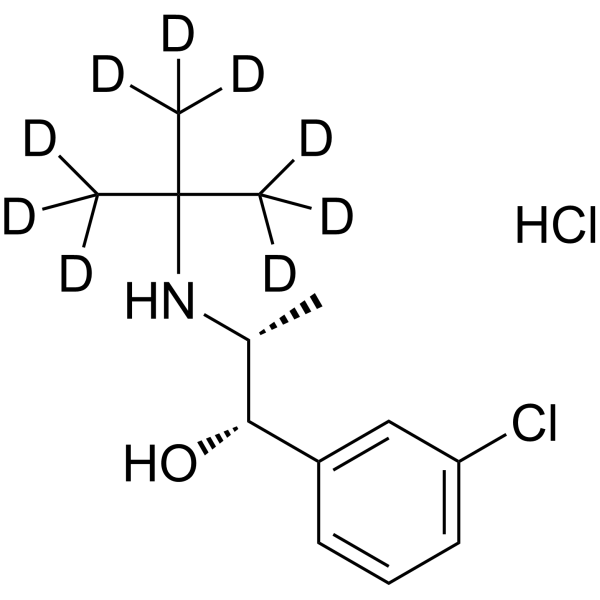
    rel-(1S,2R)-Dihydro bupropion-d9 hydrochloride is the deuterium labeled rel-(1S,2R)-Dihydro bupropion hydrochloride (HY-178240). rel-(1S,2R)-Dihydro bupropion is a metabolite of bupropion. rel-(1S,2R)-Dihydro bupropion can promote endogenous IL-10 production and inhibit Th1 cytokines (IL-12 and TNF-α). rel-(1S,2R)-Dihydro bupropion can induce immune response transition from Th1 to Th2. rel-(1S,2R)-Dihydro bupropion can be used for research on inflammatory conditions.
    rel-(1S,2R)-Dihydro bupropion-d<sub>9</sub> hydrochloride
  • HY-B0898S
    Ceftiofur-d3 sodium
    Inhibitor
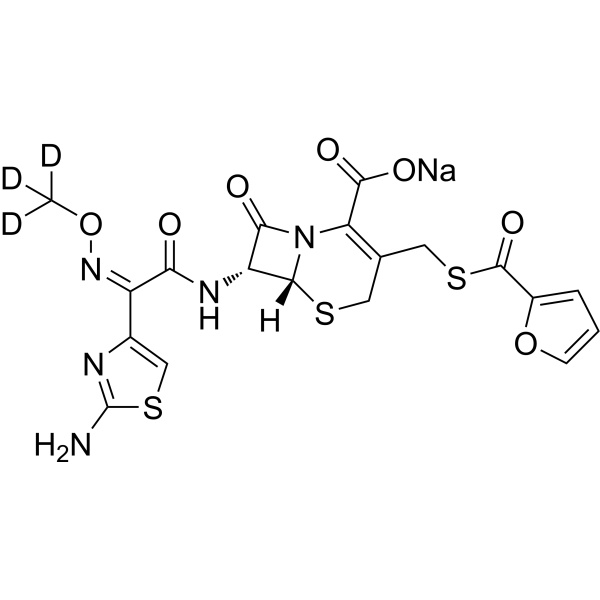
    Ceftiofur-d3 sodium is deuterium labeled Ceftiofur sodium (HY-B0898). Ceftiofur sodium is a cell wall synthesis inhibitor that targets bacterial penicillin-binding proteins (PBPs) and has anti-inflammatory effects in endotoxemia. Ceftiofur sodium exerts bactericidal effects by inhibiting the synthesis of bacterial cell wall peptidoglycan, leading to bacterial cell lysis. Ceftiofur sodium also inhibits the activation of NF-κB and MAPKs, thereby reducing the secretion of pro-inflammatory cytokines such as TNF-α, IL-1β, and IL-6.
    Ceftiofur-d<sub>3</sub> sodium
  • HY-N0619R
    Mulberroside A (Standard)
    Inhibitor
    Mulberroside A (Standard) is the analytical standard of Mulberroside A. This product is intended for research and analytical applications. Mulberroside A is one of the main bioactive constituent in mulberry (Morus alba L.). Mulberroside A decreases the expressions of TNF-α, IL-1β, and IL-6 and inhibits the activation of NALP3, caspase-1, and NF-κB and the phosphorylation of ERK, JNK, and p38, exhibiting anti-inflammatory antiapoptotic effects. Mulberroside A shows inhibitory activity against mushroom tyrosinase with an IC50 of 53.6 μM.
    Mulberroside A (Standard)
  • HY-101448R
    TMI-1 (Standard)
    Inhibitor
    TMI-1 (Standard) is the analytical standard of TMI-1 (HY-101448). This product is intended for research and analytical applications. TMI-1 (WAY-171318) inhibits TNF converting enzyme (TACE) (IC50 of 8.4 nM), ADAM-TS-4, ADAM-17 and various MMPs with oral activity. TMI-1 significantly suppresses the secretion of TNF-α , alleviating collagen-induced arthritis in mice. TMI-1 inhibits cancer cell proliferation, induces apoptosis through a caspase-dependent pathway. TMI-1 also reverses TRPV1 upregulation and lowers the levels of inflammatory factors (TNF-α、IL-1β、IL-6) in nerve cells, protecting against paclitaxel-induced neurotoxicity. TMI-1 leads to changes in pro-atherogenic lipoprotein profiles, but does not affect the progression of early lesions.
    TMI-1 (Standard)
  • HY-N7773
    Hibiscetin
    Inhibitor
    Hibiscetin is an orally active anti-inflammatory, antioxidant, antihyperglycemic, hypolipidemic, hepatoprotective and neuroprotective agent. Hibiscetin reduces the levels of TNF-α, IL-1β and IL-6. Hibiscetin inhibits lipid peroxidation, reduces MDA levels, and induces the activities of antioxidant enzymes CAT, GSH and SOD. Hibiscetin lowers blood glucose, reverses reduced insulin levels, regulates adipokine levels, and reduces elevated AST and ALT levels. Hibiscetin alleviates Rotenone (HY-B1756)-induced akinesia and catalepsy, normalizes neurotransmitter levels, and modulates the activities of activated caspase 3 and BDNF. Hibiscetin can be used in the research of type 2 diabetes, Parkinson's disease and Huntington's disease.
    Hibiscetin
  • HY-N0442R
    5-O-Methylvisammioside (Standard)
    Inhibitor
    5-O-Methylvisammioside (4'-O-β-D-Glucosyl-5-O-methylvisamminol) (Standard) is the analytical standard of 5-O-Methylvisammioside. This product is intended for research and analytical applications. 5-O-Methylvisammioside is an orally active natural chromone glycoside and multiple biological activities. 5-O-Methylvisammioside inhibits ferroptosis by activating the Nrf2/HO-1 signaling axis. 5-O-Methylvisammioside alleviates intestinal barrier damage by inhibiting the ROS/NF-κB/NLRP3 pathway. 5-O-Methylvisammioside exerts a protective effect against acute liver injury by reducing ALT/AST, decreasing inflammatory infiltration, and inhibiting IκB-α phosphorylation and NF-κB nuclear translocation. 5-O-Methylvisammioside blocks the HMGB1/RAGE/MEK/ERK signaling axis to exert anti-tumor and anti-angiogenic effects. 5-O-Methylvisammioside improves depression-like behaviors by inhibiting Src kinase and the NF-κB pathway.
    5-O-Methylvisammioside (Standard)
  • HY-13687R
    IKK 16 (Standard)
    Inhibitor
    IKK 16 (Standard) is the analytical standard of IKK 16. This product is intended for research and analytical applications. IKK 16 hydrochloride is an orally active IKK inhibitor. IKK 16 hydrochloride shows IC50s of 40 nM, 70 nM, 200 nM, and 50 nM for IKK2, IKK complex, IKK1, and LRRK 2, respectively. IKK 16 hydrochloride is also a pan-PKD inhibitor, inhibiting PKD1, PKD2, and PKD3 with IC50s of 153.9, 115, and 99.7 nM, respectively. IKK 16 hydrochloride is also an ABCB1 inhibitor, interfering with the binding of ABCB1 to its substrates. IKK 16 hydrochloride protects against LPS (HY-D1056)-induced multiple organ dysfunction by reducing the acute inflammatory response induced by endotoxin exposure. IKK 16 hydrochloride can restore renal function and alleviate fibrosis in acute kidney injury. IKK 16 hydrochloride attenuates cardiac dysfunction associated with polymicrobial sepsis in mice with type 2 diabetes mellitus (T2DM) by inhibiting the NF-κB pathway.
    IKK 16 (Standard)
  • HY-N0631R
    Cornuside (Standard)
    Inhibitor
    Cornuside (Standard) is the analytical standard of Cornuside (HY-N0631). This product is intended for research and analytical applications. Cornuside is an iridoid glycoside with anti-allergic, anti-inflammatory, and neuroprotective activities. Cornuside exerts anti-allergic activity by downregulating the p38 MAPK, JNK, and NF-κB signaling pathways, and inhibits IgE-mediated histamine release from mast cells. Cornuside improves cognitive impairment in mice by inhibiting BACE1 activity (IC50 = 55.84 μg/mL) and enhancing ChAT activity. Cornuside inhibits LPS (HY-D1056)-induced inflammatory mediators, including iNOS, COX-2, PGE2, TNF-α, IL-6, and IL-1β, by suppressing NF-κB activation.
    Cornuside (Standard)
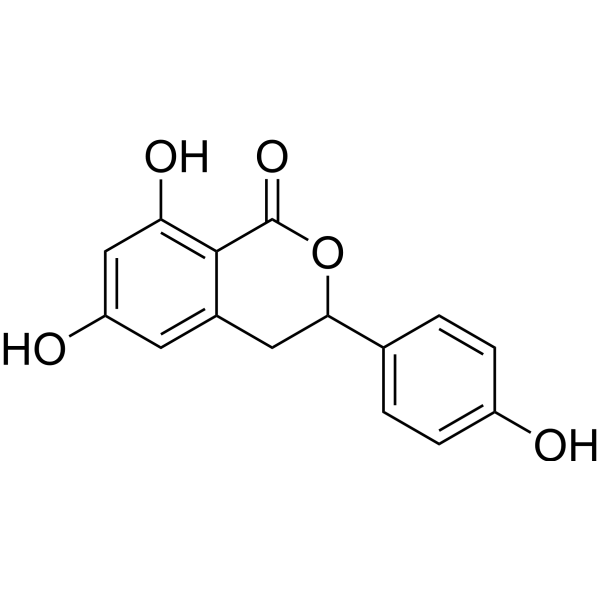
  • HY-N1151
    Thunberginol C
    Inhibitor
    Thunberginol C is an orally active, selective, and non-competitive inhibitor of AChE and BChE, with IC50 values of 41.96 and 42.36 μM, respectively. Thunberginol C exerts cytoprotective, pro-collagen type I restorative, MMP-1 inhibitory, hyaluronic acid restorative, anti-photoaging effects in skin cells. Thunberginol C exerts neuroprotective, anxiolytic, TNF-α inhibitory, neuroinflammation inhibitory, and oxidative stress inhibitory effects. Thunberginol C can be used for the research of Alzheimer’s disease, UVB-induced skin photoaging, allergic reactions, oral bacterial infections, and stress-induced anxiety.
    Thunberginol C
  • HY-W777138
    rel-(1S,2R)-Dihydro bupropion-d9
    Inhibitor
    rel-(1S,2R)-Dihydro bupropion-d9 is the deuterium labeled rel-(1S,2R)-Dihydro bupropion (HY-178240). rel-(1S,2R)-Dihydro bupropion is a metabolite of bupropion. rel-(1S,2R)-Dihydro bupropion can promote endogenous IL-10 production and inhibit Th1 cytokines (IL-12 and TNF-α). rel-(1S,2R)-Dihydro bupropion can induce immune response transition from Th1 to Th2. rel-(1S,2R)-Dihydro bupropion can be used for research on inflammatory conditions.
    rel-(1S,2R)-Dihydro bupropion-d<sub>9</sub>
  • HY-168782
    Resolvin D2 n-3 DPA
    Inhibitor
    Resolvin D2 n-3 DPA is a specialized proresolving mediator (SPM). Resolvin D2 n-3 DPA (1 nM) can reduce the chemotaxis and adhesion of human neutrophils induced by TNF-α. Resolvin D2 n-3 DPA (100 ng/mouse; intravenous injection) can reduce neutrophil infiltration in the peritoneum and the levels of IL-6 and the chemokine (C-C motif) ligand 2 (CCL2) in a mouse model of inflammation induced by zinc oxide.
    Resolvin D2 n-3 DPA
  • HY-163915
    8-(4-(Trifluoromethyl)anilino)quercetin
    Inhibitor
    8-(4-(Trifluoromethyl)anilino)quercetin is a potent ErmA inhibitor. 8-(4-(Trifluoromethyl)anilino)quercetin has antioxidant and anti-inflammatory activity.
    8-(4-(Trifluoromethyl)anilino)quercetin
  • HY-P990529
    Anti-TNFSF2/TNFa Antibody
    Inhibitor
    The Anti-TNFSF2/TNFa Antibody is a CHO-expressed human antibody that targets TNFSF2/TNFa. The Anti-TNFSF2/TNFa Antibody contains huIgG1 heavy chain and huκ light chain, with a predicted molecular weight (MW) of 145 kDa. The isotype control for the Anti-TNFSF2/TNFa Antibody can refer to Human IgG1 kappa, Isotype Control (HY-P99001).
    Anti-TNFSF2/TNFa Antibody
Cat. No. Product Name / Synonyms Species Source
Cat. No. Product Name / Synonyms Application Reactivity

Following the binding of TNF to TNF receptors, TNFR1 binds to TRADD, which recruits RIPK1, TRAF2/5 and cIAP1/2 to form TNFR1 signaling complex I; TNFR2 binds to TRAF1/2 directly to recruit cIAP1/2. Both cIAP1 and cIAP2 are E3 ubiquitin ligases that add K63 linked polyubiquitin chains to RIPK1 and other components of the signaling complex. The ubiquitin ligase activity of the cIAPs is needed to recruit the LUBAC, which adds M1 linked linear polyubiquitin chains to RIPK1. K63 polyubiquitylated RIPK1 recruits TAB2, TAB3 and TAK1, which activate signaling mediated by JNK and p38, as well as the IκB kinase complex. The IKK complex then activates NF-κB signaling, which leads to the transcription of anti-apoptotic factors-such as FLIP and Bcl-XL-that promote cell survival. 


The formation of TNFR1 complex IIa and complex IIb depends on non-ubiquitylated RIPK1. For the formation of complex IIa, ubiquitylated RIPK1 in complex I is deubiquitylated by CYLD. This deubiquitylated RIPK1 dissociates from the membrane-bound complex and moves into the cytosol, where it interacts with TRADD, FADD, Pro-caspase 8 and FLIPL to form complex IIa. By contrast, complex IIb is formed when the RIPK1 in complex I is not ubiquitylated owing to conditions that have resulted in the depletion of cIAPs, which normally ubiquitylate RIPK1. This non-ubiquitylated RIPK1 dissociates from complex I, moves into the cytosol, and assembles with FADD, Pro-caspase 8, FLIPL and RIPK3 (but not TRADD) to form complex IIb. For either complex IIa or complex IIb to prevent necroptosis, both RIPK1 and RIPK3 must be inactivated by the cleavage activity of the Pro-caspase 8-FLIPL heterodimer or fully activated caspase 8. The Pro-caspase 8 homodimer generates active Caspase 8, which is released from complex IIa and complex IIb. This active Caspase 8 then carries out cleavage reactions to activate downstream executioner caspases and thus induce classical apoptosis. 


Formation of the complex IIc (necrosome) is initiated either by RIPK1 deubiquitylation mediated by CYLD or by RIPK1 non-ubiquitylation due to depletion of cIAPs, similar to complex IIa and complex IIb formation. RIPK1 recruits numerous RIPK3 molecules. They come together to form amyloid microfilaments called necrosomes. Activated RIPK3 phosphorylates and recruits MLKL, eventually leading to the formation of a supramolecular protein complex at the plasma membrane and necroptosis [1][2].


Reference:
[1]. Brenner D, et al. Regulation of tumour necrosis factor signalling: live or let die.Nat Rev Immunol. 2015 Jun;15(6):362-74. 
[2]. Conrad M, et al. Regulated necrosis: disease relevance and therapeutic opportunities.Nat Rev Drug Discov. 2016 May;15(5):348-66. 
 

Your Search Returned No Results.

Sorry. There is currently no product that acts on isoform together.

Please try each isoform separately.