



mTOR
Mammalian target of Rapamycin
mTOR (mammalian target of Rapamycin) is a protein that in humans is encoded by the mTOR gene. mTOR is a serine/threonine protein kinase that regulates cell growth, cell proliferation, cell motility, cell survival, protein synthesis, and transcription. mTOR belongs to the phosphatidylinositol 3-kinase-related kinase protein family. mTOR integrates the input from upstream pathways, including growth factors and amino acids. mTOR also senses cellular nutrient, oxygen, and energy levels. The mTOR pathway is dysregulated in human diseases, such as diabetes, obesity, depression, and certain cancers. Rapamycin inhibits mTOR by associating with its intracellular receptor FKBP12. The FKBP12-rapamycin complex binds directly to the FKBP12-Rapamycin Binding (FRB) domain of mTOR, inhibiting its activity.
mTOR Isoform Specific Products
All Product Categories
-
mTOR Inhibitors
(563)
View all products
-
mTOR Agonists
(8)
View all products
-
mTOR Antagonist
(1)
View all products
-
mTOR Activators
(82)
View all products
-
mTOR Modulators
(16)
View all products
-
mTOR p53 Inhibitor
(1)
View all products
-
mTOR Degraders
(2)
View all products
-
mTOR Control
(1)
View all products
-
mTOR Substrate
(1)
View all products
-
mTOR Ligands
(2)
View all products
-
mTOR Related Products (717)
Related Products (717)

-
Antibodies (14)
-
mTOR Signaling Pathway
-
mTOR Isoform Comparison
-
Sulindac sulfone
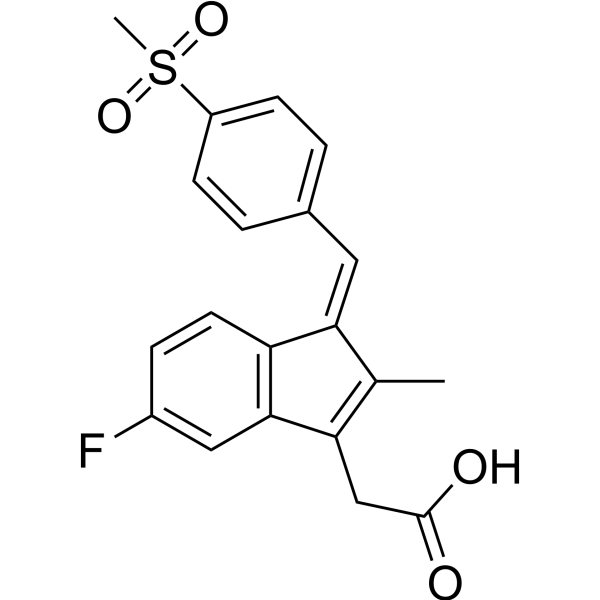 0 ImagesSulindac sulfone is an orally active metabolite of Sulindac (HY-B0008). Sulindac sulfone activates PPARγ and drives transcriptional induction of SSAT by binding to the PPRE-2 element. Sulindac sulfone induces Apoptosis. Sulindac sulfone negatively regulates the function of VDAC1/2 to inhibit the mTORC1 pathway, reduces Cyclin D1 levels, and induces G1 cell cycle arrest in colon cancer cells. Sulindac sulfone exerts colon cancer preventive effects through a COX-independent mechanism. Sulindac sulfone can be used in research related to colon cancer.
-
L-Glutamine-5-13C
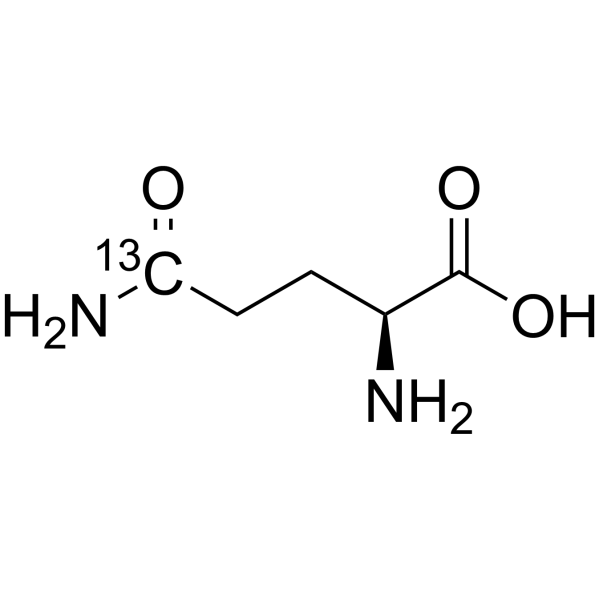 0 ImagesSynonyms: L-Glutamic acid 5-amide-5-13CL-Glutamine-5-13C is the 13C-labeled L-Glutamine (HY-N0390). L-Glutamine is an orally active nutritional agent and cellular metabolism regulator. L-Glutamine is taken up in a Na+-dependent manner and targets multiple key molecules including glutaminase, mTORC1, NF-κB, STAT-3 and HIF-1α. L-Glutamine enhances glutaminolytic catabolism, drives the conversion of glutamate to α-ketoglutarate, thereby regulating gene expression, integrating metabolic signals, mediating glutamine flux and maintaining redox homeostasis. L-Glutamine also promotes cell proliferation, osteogenic differentiation and fracture healing, exerts neuroprotective and cardioprotective effects, and inhibits osteoarthritis. L-Glutamine can be applied to research related to osteoporosis, osteoarthritis, ischemic stroke and acute cantharidin-induced cardiotoxicity.
-
Eriocalyxin B
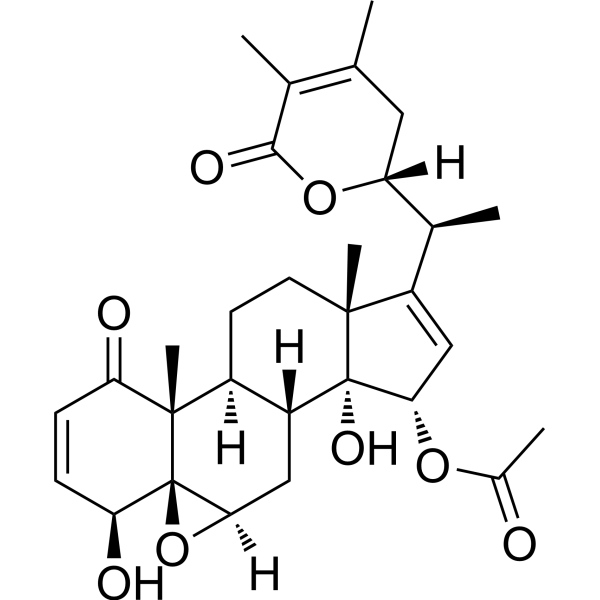
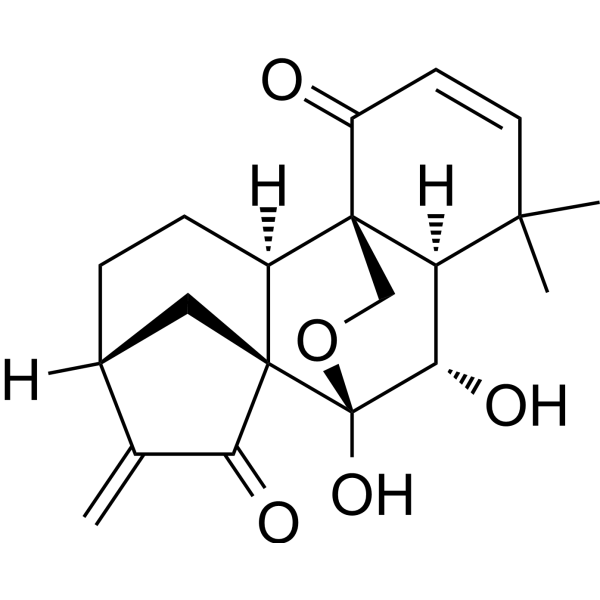 0 ImagesEriocalyxin B is a diterpenoid compound that can be isolated from Chinese herb Isodon eriocalyx. Eriocalyxin B exhibits multiple activities, such as anti-cancer, anti-inflammatory, and inhibition of adipogenesis. Eriocalyxin B is capable of inducing apoptosis and autophagy in tumor cells. Eriocalyxin B can be used in the research of cancers, autoimmune diseases, and other conditions.
-
mTOR inhibitor WYE-28
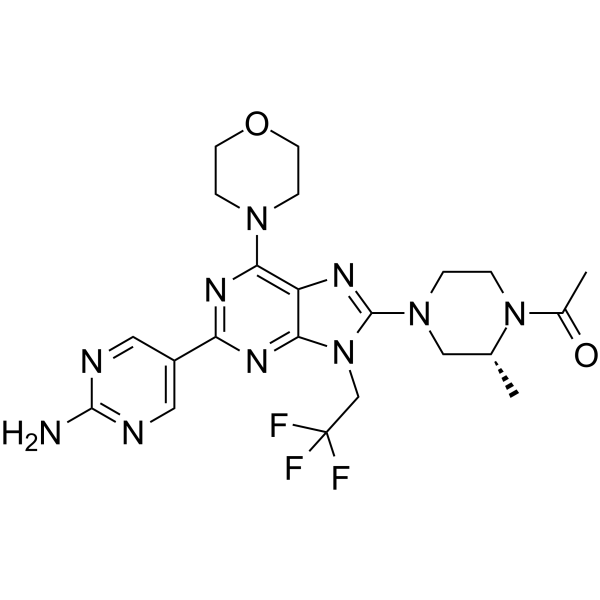
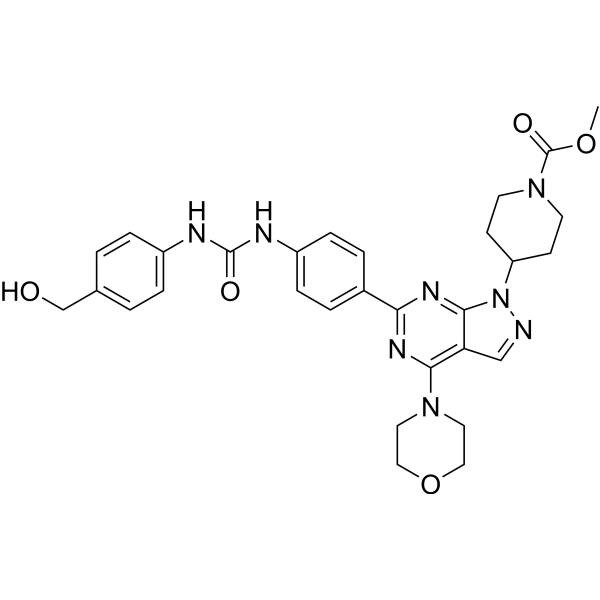 0 ImagesmTOR inhibitor WYE-28 (compound 28) is a selective inhibitor of mTOR (IC50 = 0.08 nM). mTOR inhibitor WYE-28 inhibits PI3Kα with an IC50 value of 6 nM. mTOR inhibitor WYE-28 shows a metabolic time (T1/2) in nude mouse microsomes of 13 min.
-
GNE-490
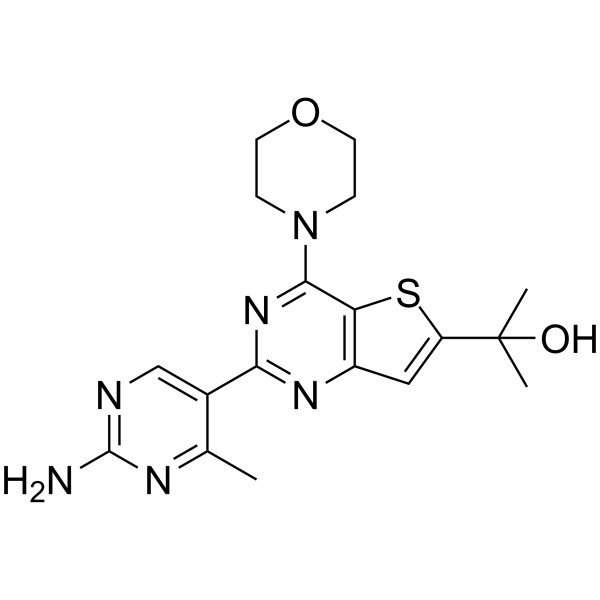 0 ImagesCat. No.: HY-10812CAS No.: 1033739-92-2GNE-490, a (thienopyrimidin-2-yl)aminopyrimidine, is a potent pan-PI3K inhibitor with IC50s of 3.5 nM, 25 nM, 5.2 nM, 15 nM for PI3Kα, PI3Kβ, PI3Kδ and PI3Kγ, respectively. GNE-490 has >200 fold selectivity for mTOR (IC50=750 nM). GNE-490 shows potent suppression efficacy profile against MCF7.1 breast cancer xenograft model.
-
Auriculasin
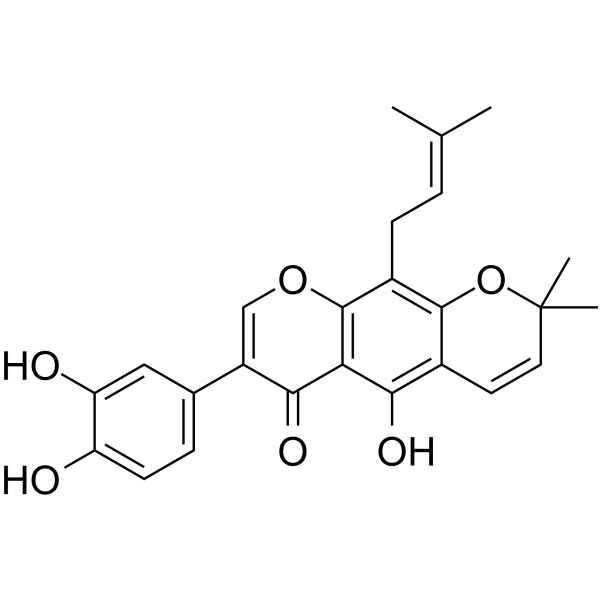 0 ImagesAuriculasin is an anticancer agent that inhibits VEGFR2, PI3K/AKT/mTOR, MAPK. Auriculasin can inhibit cell proliferation, induce cell apoptosis, and inhibit angiogenesis, and promotes mitochondrial oxidative stress and ferroptosis. Auriculasin is also active at the cannabinoid receptor CB1 with an IC50 of 8.92 μM. Auriculasin can be used in cancer research, especially related diseases such as prostate cancer and non-small cell lung cancer, as well as research on the development of anti-angiogenic drugs.
-
Theasaponin E1
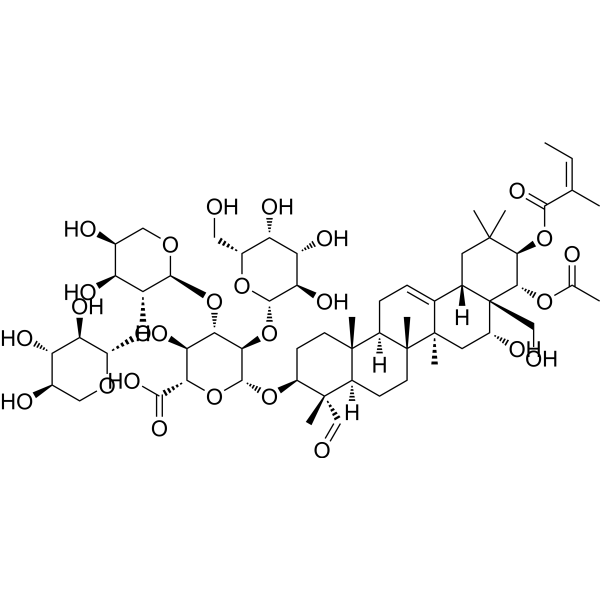 0 ImagesTheasaponin E1 is an orally effective tea saponin. Theasaponin E1 inhibits the proliferation of cancer cells by activating apoptosis. Theasaponin E1 inhibits angiogenesis in ovarian cancer cells and HUVECs by reducing the expression of VEGF. Theasaponin E1 upregulates the phosphorylation level of ATM protein and the expression level of PTEN protein in cancer cells, decreases the phosphorylation levels of Akt, mTOR, p70S6K and 4E-BP1 proteins, downregulates the expression of HIF-1α and NF-κB, and reduces the protein expression of Notch ligands Dll4 and Jagged1. Theasaponin E1 exerts neuroprotective effects by inhibiting the activity of acetylcholinesterase, activating α-secretase and neprilysin, reducing the concentration of Aβ, and inhibiting the activities of β-secretase and γ-secretase. Theasaponin E1 exhibits toxic effects on cancer cells and quinone reductase-inducing activity, and inhibits tumor growth in vivo. Theasaponin E1 induces ferroptosis in Pomacea canaliculata by synergistically disrupting cholesterol homeostasis and sphingolipid metabolism. Theasaponin E1 possesses anti-biofilm activity against Candida albicans. Theasaponin E1 can be used in the research of ovarian cancer, obesity, Alzheimer's disease and fungal infections.
-
Dehydrovomifoliol
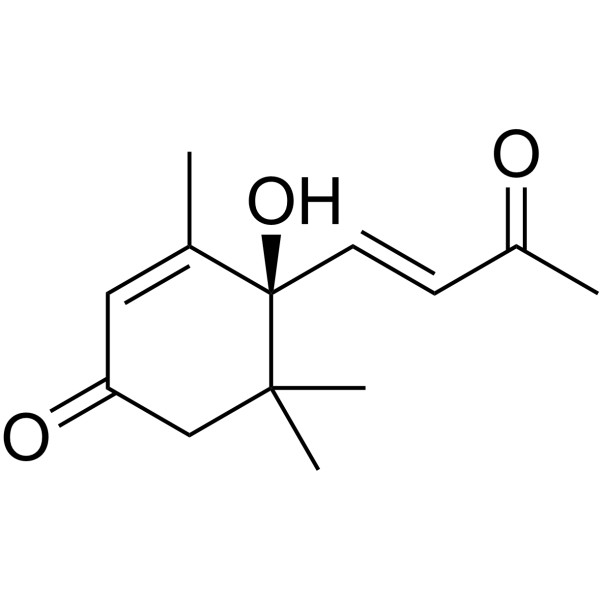 0 ImagesDehydrovomifoliol is a AKT/mTOR dual inhibitor. Dehydrovomifoliol reduces lipid accumulation and lipogenesis by inhibiting the AKT/mTOR signaling pathway. Dehydrovomifoliol is used in nonalcoholic fatty liver disease research (NAFLD) .
-
Phlorizin dihydrate
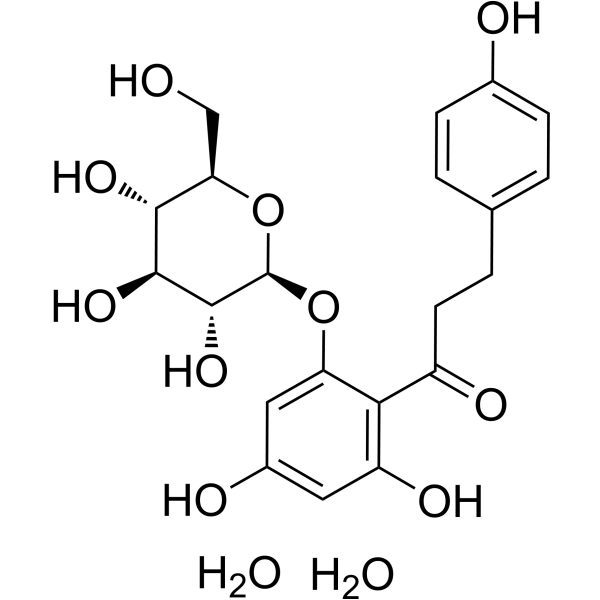 0 ImagesPhlorizin (Floridzin) dihydrate is an orally active non-selective sodium-glucose cotransporter (SGLT) inhibitor, with an IC50 of 0.04 μM and a Ki of 39 nM against hSGLT2, and an IC50 of 0.17 μM and a Ki of 0.31 μM against hSGLT1. Phlorizin dihydrate promotes GLUT4 translocation, inhibits gluconeogenesis and promotes glycogen synthesis by activating the PI3K/Akt/mTOR pathway. Phlorizin dihydrate reduces DNA damage and apoptosis (apoptosis) by inhibiting the NF-κB inflammatory pathway. Phlorizin dihydrate induces apoptosis via activating the Caspase pathway by antagonizing the JAK/STAT3 and PCK pathways. Phlorizin dihydrate also exhibits antibacterial, anti-inflammatory and neuroprotective activities.
-
L-Glutamine-13C5,15N2,d5
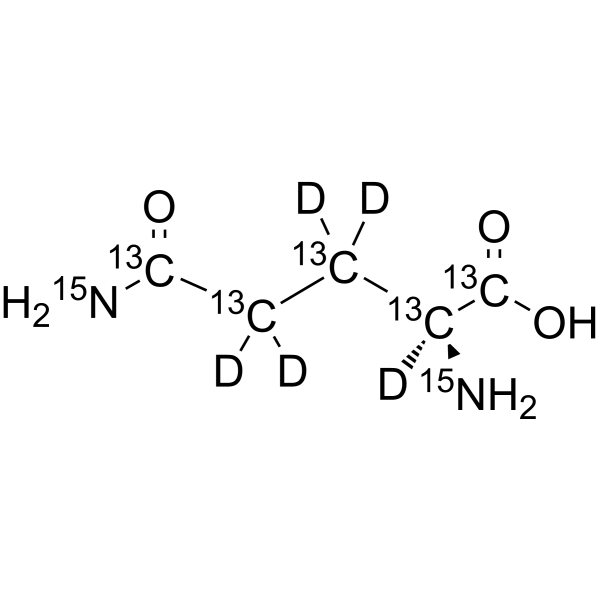 0 ImagesSynonyms: L-Glutamic acid 5-amide-13C5,15N2,d5L-Glutamine-13C5,15N2,d5 is the deuterium, 13C-, and 15N-labeled L-Glutamine (HY-N0390). L-Glutamine is an orally active nutritional agent and cellular metabolism regulator. L-Glutamine is taken up in a Na+-dependent manner and targets multiple key molecules including glutaminase, mTORC1, NF-κB, STAT-3 and HIF-1α. L-Glutamine enhances glutaminolytic catabolism, drives the conversion of glutamate to α-ketoglutarate, thereby regulating gene expression, integrating metabolic signals, mediating glutamine flux and maintaining redox homeostasis. L-Glutamine also promotes cell proliferation, osteogenic differentiation and fracture healing, exerts neuroprotective and cardioprotective effects, and inhibits osteoarthritis. L-Glutamine can be applied to research related to osteoporosis, osteoarthritis, ischemic stroke and acute cantharidin-induced cardiotoxicity.
-
T7 Peptide TFA
 0 ImagesCat. No.: HY-P10323APurity: 98.20%Synonyms: Tumstatin (74-98), human TFAT7 Peptide TFA is a protein synthesis inhibitor and anti-angiogenic agent, with a Kd of 10 nM for human transferrin receptor. T7 Peptide TFA inhibits the phosphorylation of focal adhesion kinase, the activation of phosphatidylinositol 3-kinase and Akt, the kinase activity of mTOR, as well as the phosphorylation of 4E-BP1 in endothelial cells. T7 Peptide TFA induces G0/G1 cell cycle arrest, apoptosis and protective autophagy in hepatocellular carcinoma cells, and suppresses tumor growth in mouse models. T7 Peptide TFA is applicable to research related to cancer, glioblastoma, hepatocellular carcinoma and glioma.
-
Pongamol
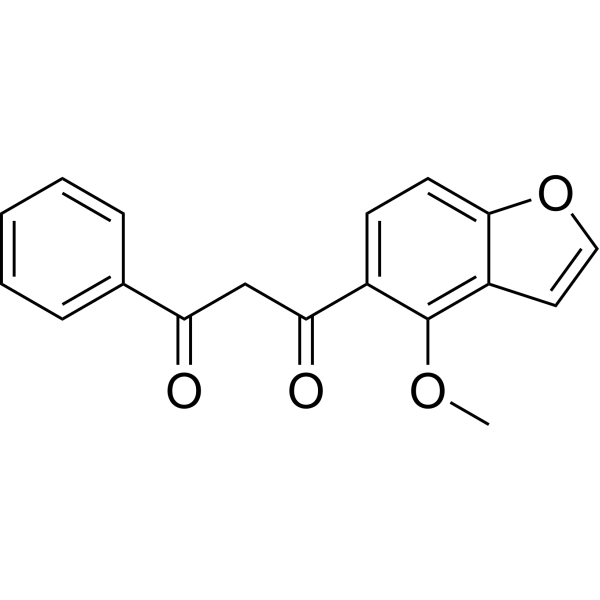 0 ImagesPongamol (Lanceolatin C) is an orally active flavonoid with an IC50 of 75 μM and a Ki of 58 μM against PTPase-1B, and an IC50 of 103.5 μM against intestinal α-Glycosidase. Pongamol reduces the release of IL‑1β, TNF‑α, COX‑2 and iNOS in cells, reverses the nuclear translocation of NF‑κB, and upregulates the levels of Beclin 1 and LC3 Ⅱ/LC3 Ⅰ. Pongamol promotes glucose uptake by increasing the level of GLUT4 on the surface of skeletal muscle cells. Pongamol inhibits epithelial-mesenchymal transition by suppressing the FAK/Akt-mTOR signaling pathway. Pongamol inhibits neuronal cytotoxicity, suppresses cell apoptosis and extends the lifespan of Caenorhabditis elegans by activating the MAPKs/Nrf2 signaling pathway. Pongamol exerts hypoglycemic effects in diabetic mouse models. Pongamol exhibits antibacterial activity. Pongamol alleviates oxidative stress, neuroinflammation, Aβ deposition and excessive phosphorylation of Tau Protein, and restores autophagy function in Alzheimer's disease mouse models by inhibiting the Akt/mTOR signaling pathway. Pongamol is applicable to research related to Alzheimer's disease, type 2 diabetes, non-small cell lung cancer and postprandial hyperglycemia.
-
L 741742
 0 ImagesL 741742 is a highly selective and brain-penetrant D4 dopamine receptor antagonist, with Ki values of 3.5 nM, 770 nM and >1700 nM for human D4, D3 and D2 receptors, respectively. L 741742 suppresses PDGFRβ, ERK1/2, and mTOR signaling pathways, and impairs autophagic flux while disrupting lysosomal function.L 741742 induces G0/G1 cell-cycle arrest and apoptosis, promotes neuronal differentiation of normal human neural stem cells, selectively inhibits growth and clonogenic potential of glioblastoma neural stem cells and primary glioblastoma tumor cells, exerts synergistic effects with Temozolomide (TMZ) (HY-17364) against glioblastoma neural stem cells in vitro, and inhibits glioblastoma neural stem cell xenograft growth in immunocompromised mice. L 741742 can be used for the research of schizophrenia and glioblastoma.
-
Anti-IL11 Antibody (X203, Mouse IgG)
 0 ImagesCat. No.: HY-P991736Purity: 99.45%Anti-IL11 Antibody (X203, Mouse IgG) is an antibody targeting IL-11. Anti-IL11 Antibody (X203, Mouse IgG) inhibits IL-11-mediated activation of the ERK-mTORC1 axis, inactivation of LKB1-AMPK, and pro-senescence pathways. Anti-IL11 Antibody (X203, Mouse IgG) alleviates age-related metabolic decline, improves muscle function, reduces tissue fibrosis, decreases the expression of senescence markers, and maintains telomere length and mtDNA copy number. Anti-IL11 Antibody (X203, Mouse IgG) restores browning of white adipose tissue, upregulates thermogenic and mitochondrial biogenesis gene programs, reduces lipid droplet size, and decreases immune cell infiltration in visceral white adipose tissue. Anti-IL11 Antibody (X203, Mouse IgG) extends the median lifespan of mice and reduces the incidence of age-related tumors. Anti-IL11 Antibody (X203, Mouse IgG) can be used in the research of age-related metabolic decline, sarcopenia and age-related cancers.
-
2,6-Dihydroxyacetophenone
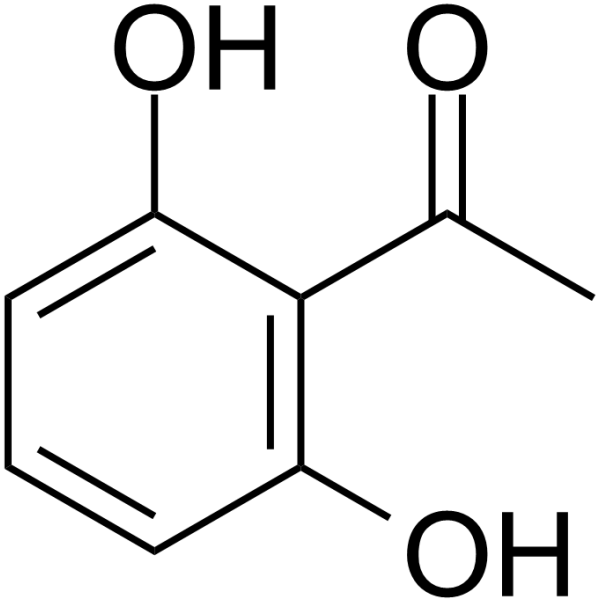 0 Images2,6-Dihydroxyacetophenone, a polyphenolic derivative of Acetophenone (HY-Y0989), is an orally active mTOR inhibitor. 2,6-Dihydroxyacetophenone shows antioxidant activity. 2,6-Dihydroxyacetophenone inhibits cell growth and proliferation in CRC cells. 2,6-Dihydroxyacetophenone arrests at G0/G1 phase of cell cycle, induces apoptosis and suppresses cell migration in CRC cells. 2,6-Dihydroxyacetophenone inhibits xanthine oxidase (XOD) with an IC50 of 1.24 mM. 2,6-dihydroxyacetophenone improves uric acid metabolism in hyperuricemia mice, reduces plasma cholesterol in hypercholesterolemic rats, and inhibits lipid accumulation in HFD-induced obese mice. 2,6-Dihydroxyacetophenone can be used for the study of colorectal cancer (CRC), hyperuricemia and hypercholesterolemia.
-
Autophagy inducer 7
 0 ImagesAutophagy inducer 7 (Compound SSA) is an Autophagy and Apoptosis inducer. Autophagy inducer 7 activates autophagy by inhibiting Akt/mTOR signaling and the expression of downstream proteins. Autophagy inducer 7 suppresses DNA synthesis and causes a G0-G1 cell-cycle arrest. Autophagy inducer 7 inhibits tumor cell growth.




