



Reactive Oxygen Species (ROS)
Reactive oxygen species (ROS), such as superoxide anion (O2-), hydrogen peroxide (H2O2), and hydroxyl radical (HO•), consist of radical and non-radical oxygen species formed by the partial reduction of oxygen. Cellular ROS are generated endogenously during mitochondrial oxidative metabolism as well as in cellular response to xenobiotics, cytokines, and bacterial invasion.
ROS also activates MAPK pathways by the direct inhibition of MAPK phosphatases. Through PTEN, the PI3K pathway is subject to reversible redox regulation by ROS generated by growth factor stimulation. The activation of autophagy may be a cellular defense mechanism in response to ROS.
All Product Categories
-
Reactive Oxygen Species (ROS) Inhibitors
(1091)
View all products
-
Reactive Oxygen Species (ROS) Agonists
(37)
View all products
-
Reactive Oxygen Species (ROS) Antagonists
(2)
View all products
-
Reactive Oxygen Species (ROS) Activators
(525)
View all products
-
Reactive Oxygen Species (ROS) Modulators
(22)
View all products
-
Reactive Oxygen Species (ROS) MDM2 Inhibitor
(1)
View all products
-
Reactive Oxygen Species (ROS) Inducers
(645)
View all products
-
Reactive Oxygen Species (ROS) Controls
(5)
View all products
-
Reactive Oxygen Species (ROS) Substrates
(3)
View all products
-
Reactive Oxygen Species (ROS) Related Products (2859)
Related Products (2859)

-
Antibodies (8)
-
Hydroxytyrosol acetate
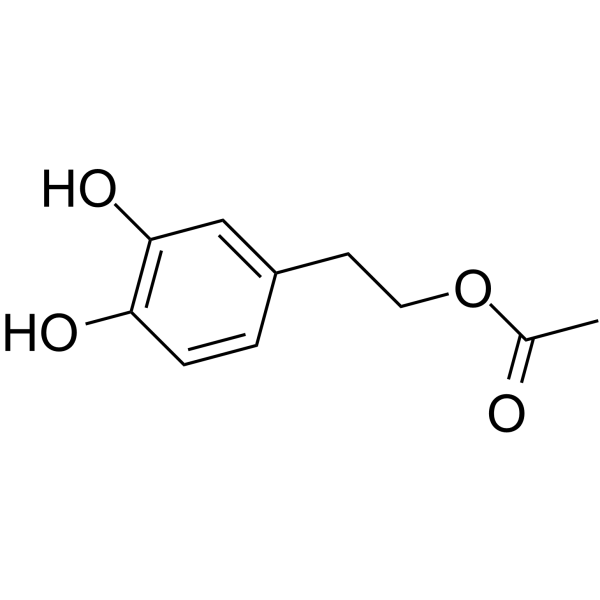 0 ImagesHydroxytyrosol acetate is an orally active, blood-brain barrier-permeable multi-active compound with multiple effects including antibacterial, antioxidant, anti-platelet aggregation, and neuroprotective activities. Hydroxytyrosol acetate not only inhibits the growth of Vibrio by increasing bacterial membrane permeability, but also interacts with DNA and mediates supercoiled DNA relaxation. Meanwhile, Hydroxytyrosol acetate effectively reduces thrombosis and inhibits lipid oxidation by inhibiting COX activity and promoting vascular nitric oxide production. In terms of neuroprotection, Hydroxytyrosol acetate significantly alleviates neuronal apoptosis and inflammatory responses by up-regulating the expression level of ERβ, thereby improving cognitive function in Alzheimer's disease models. Hydroxytyrosol acetate has been widely used in scientific research related to Vibrio infection, arterial thrombosis, Alzheimer's disease and other related fields.
-
Trabectedin-d3
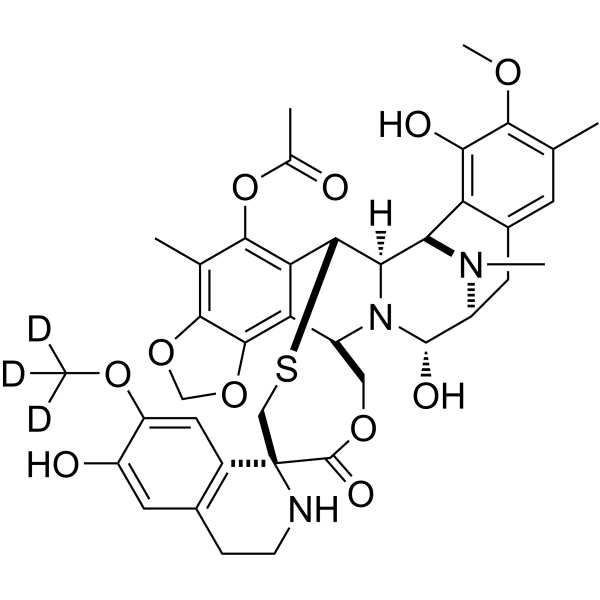 0 ImagesCat. No.: HY-50936SPurity: 98.04%Synonyms: Ecteinascidin 743-d3; ET-743-d3Trabectedin D3 (Ecteinascidin 743 D3) is deuterium labeled Trabectedin. Trabectedin is a tetrahydroisoquinoline alkaloid with potent antitumor activity. Trabectedin binds to the minor groove of DNA, blocks transcription of stress-induced proteins, induces DNA backbone cleavage and cancer cells apoptosis, and increases the generation of ROS in MCF-7 and MDA-MB-453 cells. Trabectedin has tje potential for soft tissue sarcoma and ovarian cancer treatment.
-
Satratoxin H
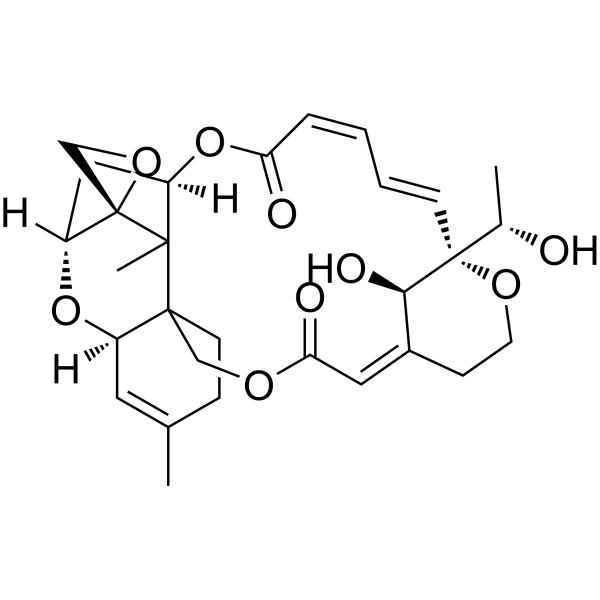 0 ImagesSatratoxin H is a toxic metabolite of Stachybotrys atra. Satratoxin H induces caspase-3 and PARP cleavage via p38 MAPK and JNK pathways, stimulates JNK, ERK, and p38 MAPK phosphorylation, and activates JNK and p38 MAPK in a glutathione-sensitive manner. Satratoxin H induces DNA double-stranded breaks, apoptotic body formation, intracellular reactive oxygen species generation, and endoplasmic reticulum stress via ATF6, PERK, and IRE1 pathways. Satratoxin H can be used for the research of central nervous system disorders and melanoma.
-
M464
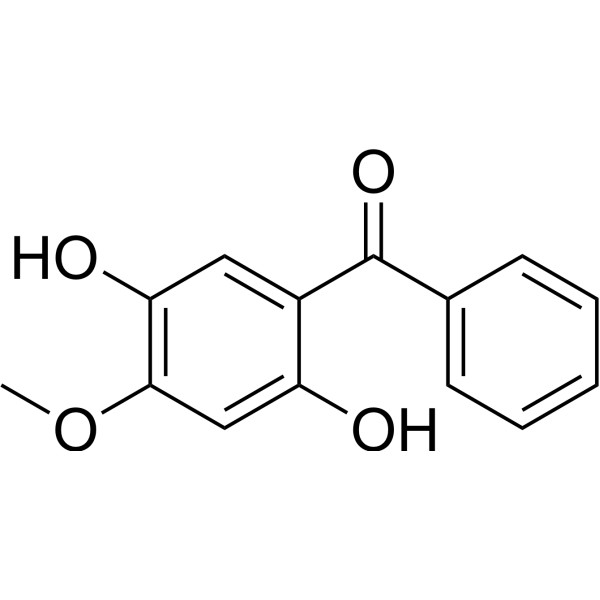
 0 ImagesCat. No.: HY-179494Purity: 99.58%M464, a non-steroidal anti-inflammatory compound, is a potent and orally active NLRP3 inflammasome inhibitor. M464 inhibits pyroptosis and hinders the activation of downstream Caspase-1 expression and the release of IL-1β by impeding ASC oligomerisation and curtailing ROS production. M464 exhibits protective effects against acute lung and liver injury in mice. M464 can be used for the research of NLRP3-related inflammatory diseases.
-
Histamine dihydrochloride (Standard)
 0 ImagesHistamine dihydrochloride (Standard) is the analytical standard of Histamine dihydrochloride (HY-B0722). This product is intended for research and analytical applications. Histamine dihydrochloride is the agonist for histamine receptor and a vasodilator. Histamine dihydrochloride is an organic nitrogen compound that participates in local immune responses, regulates intestinal physiological functions, and acts as a neurotransmitter. Histamine dihydrochloride affects p38 MAPK/Akt signaling pathway, exhibits antitumor, antioxidant and anti-inflammatory activities. Histamine dihydrochloride can be used in the research of acute myeloid leukemia, malignant melanoma, and renal cell carcinoma.
-
Isomangiferin
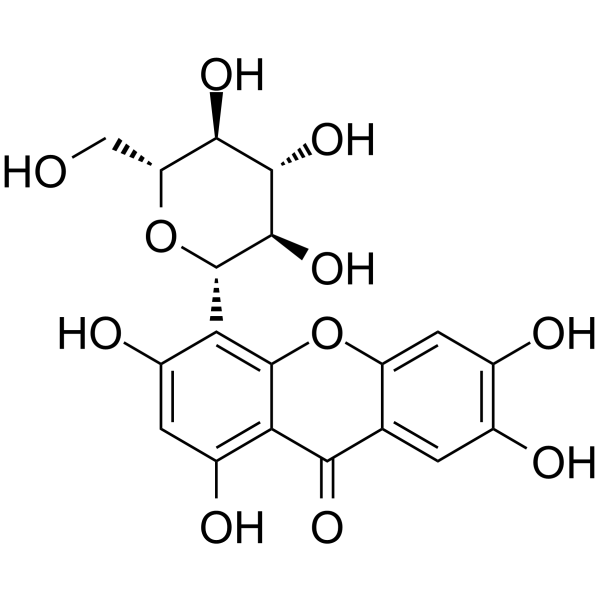 0 ImagesIsomangiferin is an orally active xanthone C-glucoside, and its chemical structure is similar to Mangiferin (HY-N0290). Isomangiferin is an effective VEGFR-2 kinase inhibitor, which can induces cell apoptosis, inhibit the growth, metastasis and angiogenesis of breast cancer. Isomangiferin exerts anti-inflammatory effects by inhibiting the HMGB1/NLRP3/NF-κB signaling pathway, thereby improving the renal function indicators of diabetic mice. Isomangiferin exhibits inhibitory effects on various bacteria and herpes simplex virus type 1 (HSV-1). Isomangiferin promotes the migration and osteogenic differentiation of bone marrow mesenchymal stem cells (BMSCs) and reduces cell apoptosis and the production of ROS by activating the AMPK/ACC pathway, thereby facilitating fracture healing.
-
Spiraeoside
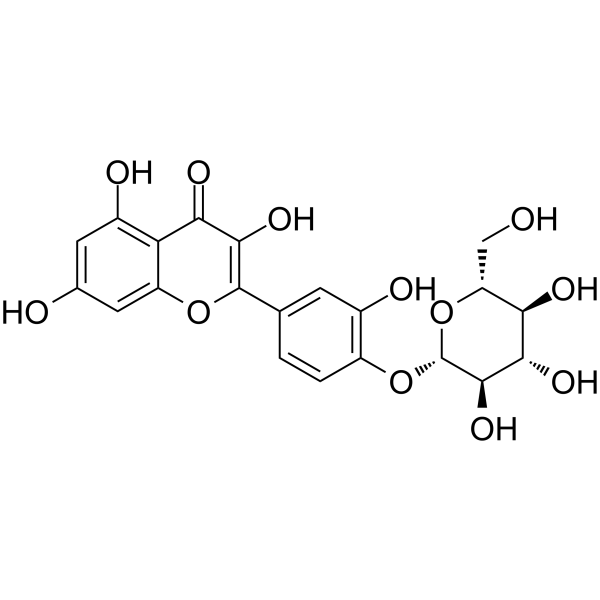 0 ImagesSynonyms: Quercetin 4′-O-glucosideSpiraeoside, an orally active natural compound, exerts antioxidant activity, inhibits reactive oxygen species (ROS) and malondialdehyde production. Spiraeoside possesses antiallergic, anti-inflammatory and antitumor activities.
-
Nrf2-ARE/hMAO-B/QR2 modulator 1
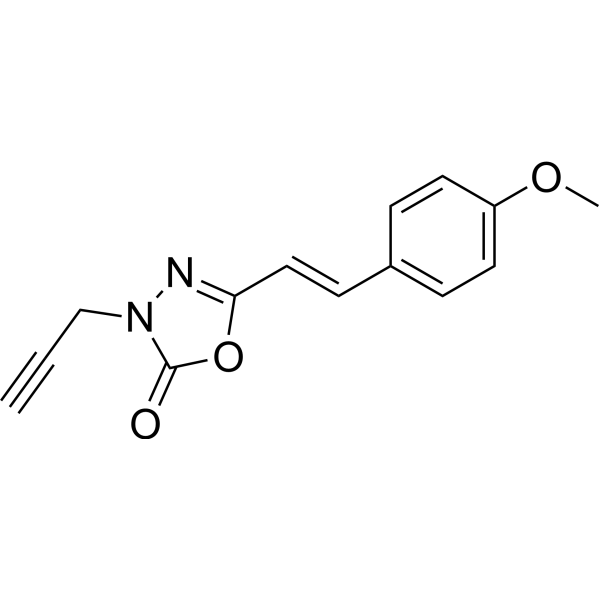 0 ImagesNrf2-ARE/hMAO-B/QR2 modulator 1 is a Resveratrol-based multitarget-directed ligands with IC50s of 8.05, 9.83 and 0.57 μM for hMAO-B, NRF2 and QR2. Nrf2-ARE/hMAO-B/QR2 modulator 1 has neuroprotection, decreasing ROS production in okadaic acid-treated mice hippocampal slices. Nrf2-ARE/hMAO-B/QR2 modulator 1 is a click chemistry reagent, it contains an Alkyne group and can undergo copper-catalyzed azide-alkyne cycloaddition (CuAAc) with molecules containing Azide groups.
-
Kaempferol-3-O-glucorhamnoside
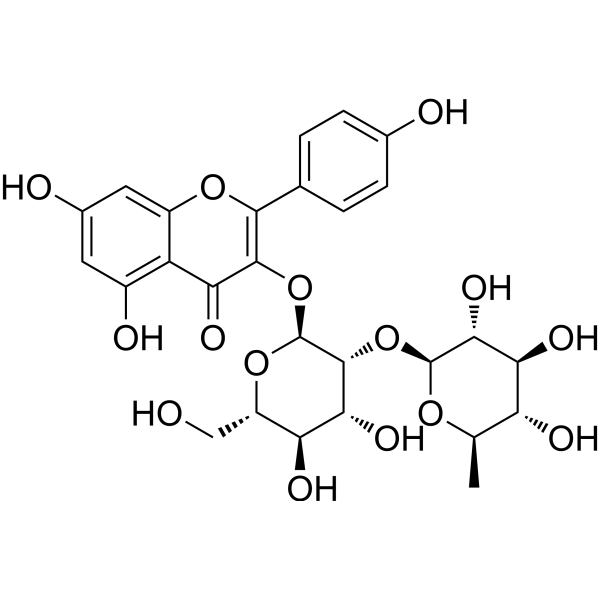 0 ImagesKaempferol-3-O-glucorhamnoside is a flavonoid compound. Kaempferol-3-O-glucorhamnoside can be extracted from T. chinense Turcz. Kaempferol-3-O-glucorhamnoside inhibits the phosphorylation of NF-κB and MAPK kinases. Kaempferol-3-O-glucorhamnoside suppresses the expression of cytokines (TNF-α, IL-6, IL-1β and PGE2) and reduces ROS levels. Kaempferol-3-O-glucorhamnoside ameliorates pulmonary edema and alleviates oxidative stress in the lungs and cells of mice exposed to Klebsiella pneumoniae. Kaempferol-3-O-glucorhamnoside possesses anti-inflammatory properties. Kaempferol-3-O-glucorhamnoside can be used in studies related to Klebsiella pneumoniae infection (pneumonia).
-
3-Indoleacrylic acid-d4
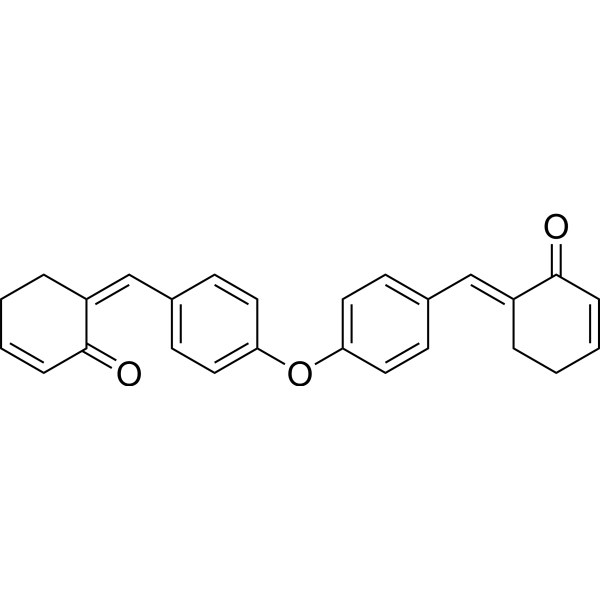
 0 ImagesCat. No.: HY-W015273SPurity: 99.38%3-Indoleacrylic acid-d4 is deuterium labeled 3-Indoleacrylic acid (HY-W015273). 3-Indoleacrylic acid is a high-efficient antialgal agent. 3-Indoleacrylic acid increases reactive oxygen species (ROS) production, and inhibits the functions of all the nutrient assimilating genes, down-regulated ribulose-1,5-bisphosphate carboxylase/oxygenase II, and cytochrome f genes in P. donghaiense.
-
Karacoline
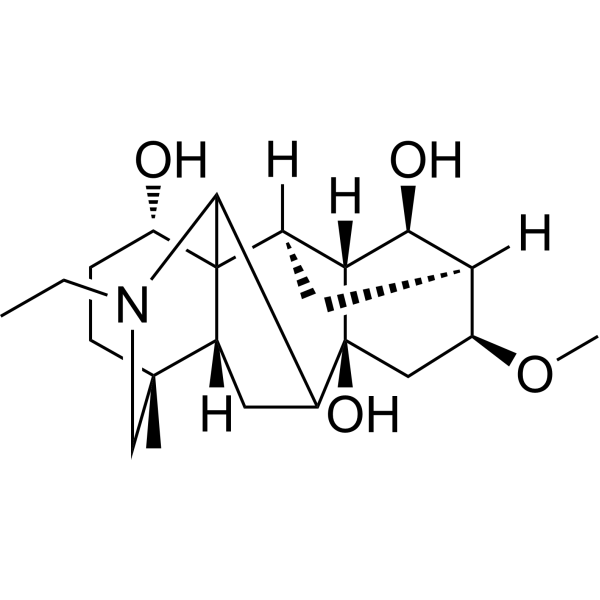 0 ImagesKaracoline is an orally active PPARγ activator and ERK/JNK MAPK inhibitor. Karacoline restricts ROS production, maintains mitochondrial membrane potential, and inhibits pulmonary cell apoptosis. Karacoline inhibits NF-κB pathway activation, reduces acetylation levels of p65 and the expression of MMP14 and MMP9, enhances the expression of type II collagen (collagen II) and aggrecan (aggrecan), and suppresses extracellular matrix degradation. In a mouse model of sepsis-induced acute lung injury, Karacoline alleviates lung injury, inhibits the release of IL-1β, IL-6 and TNF-α, increases the Bcl-2/BAX ratio, and reduces caspase 3 expression. Karacoline can be used in research related to acute lung injury and intervertebral disc degeneration.
-
Orellanine
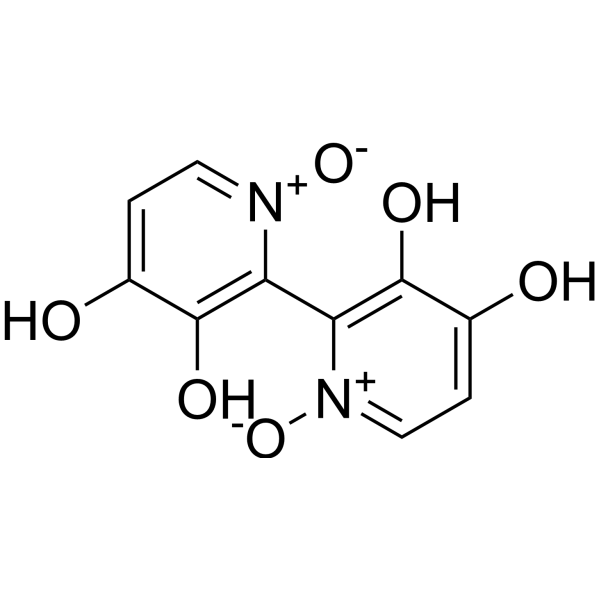 0 ImagesCat. No.: HY-W661499CAS No.: 37338-80-0Orellanine, a nephrotoxic alkaloid found in Cortinarius orellanus, is an orally active and selective non-competitive inhibitor of alkaline phosphatase. Orellanine chelates iron, generates reactive oxygen species (ROS), induces DNA scission, forms ortho-semiquinone radicals, downregulates antioxidant defenses, and inhibits mitochondrial function. Orellanine induces caspase 8/9-mediated apoptosis. Orellanine inhibits synthesis of proteins, RNA, DNA, and mitochondrial protein synthesis, with metabolic activation required for cell-free protein synthesis inhibition. Orellanine can be used for the research of metastatic clear cell renal cell carcinoma, acute renal failure, chronic renal insufficiency, and kidney damage.
-
Glabridin (Standard)
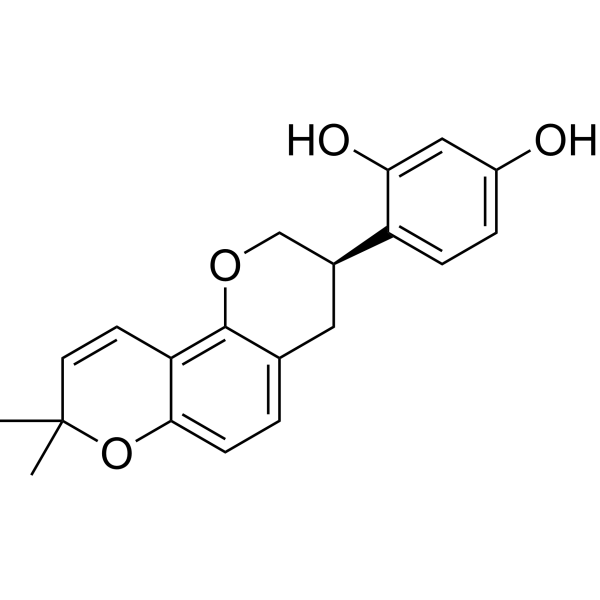 0 ImagesGlabridin (Standard) is the analytical standard of Glabridin. This product is intended for research and analytical applications. Glabridin is a natural isoflavan from Glycyrrhiza uralensis, binds to and activates PPARγ, with an EC50 of 6115 nM. Glabridin exhibits antioxidant, anti-bacterial, anti-nephritic, anti-diabetic, anti-fungal, antitumor, anti-inflammatory, antiosteoporotic, cardiovascular protective, neuroprotective and radical scavenging activities.
-
Eriocalyxin B
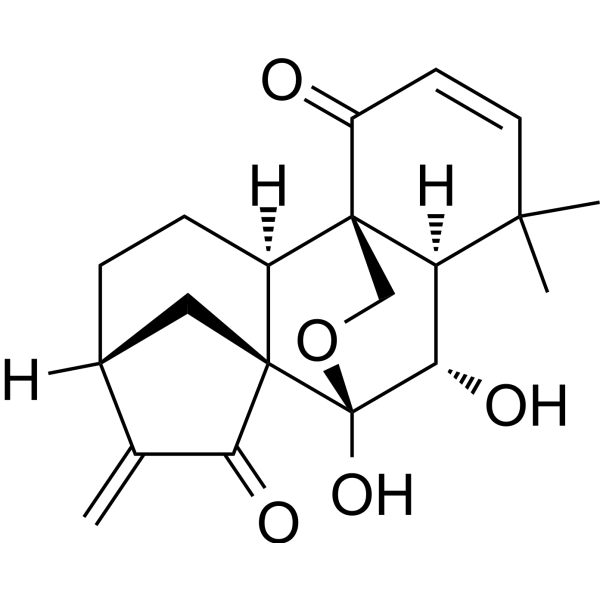 0 ImagesEriocalyxin B is a diterpenoid compound that can be isolated from Chinese herb Isodon eriocalyx. Eriocalyxin B exhibits multiple activities, such as anti-cancer, anti-inflammatory, and inhibition of adipogenesis. Eriocalyxin B is capable of inducing apoptosis and autophagy in tumor cells. Eriocalyxin B can be used in the research of cancers, autoimmune diseases, and other conditions.
-
Citicoline-d9 sodium
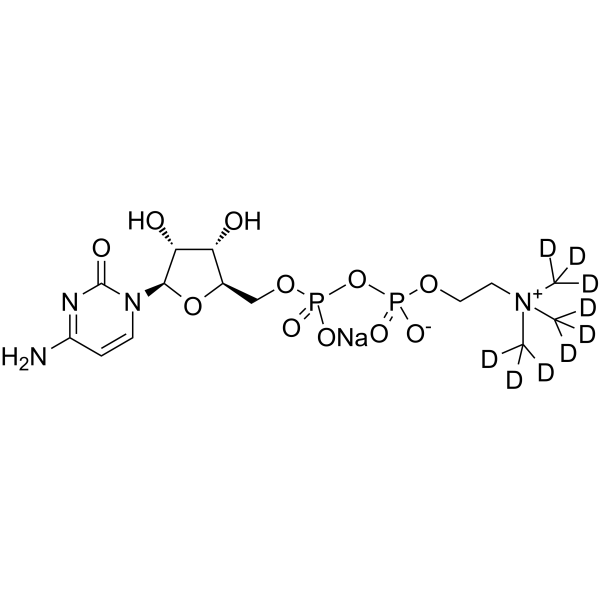 0 ImagesCat. No.: HY-B0739ASSynonyms: Cytidine diphosphate-choline-d9 sodium; CDP-Choline-d9 sodium; Cytidine 5'-diphosphocholine-d9 sodiumCiticoline-d9 (Cytidine diphosphate-choline-d9) sodium is the deuterium labeled Citicoline sodium (HY-B0739A). Citicoline sodium is an endogenous intermediate in the synthesis of phosphatidylcholine which is a component of cell membranes. Citicoline sodium inhibits reactive oxygen species (ROS) and apoptosis. Citicoline sodium can be used for neurological disease and hearing loss study.
-
Procyanidin B5
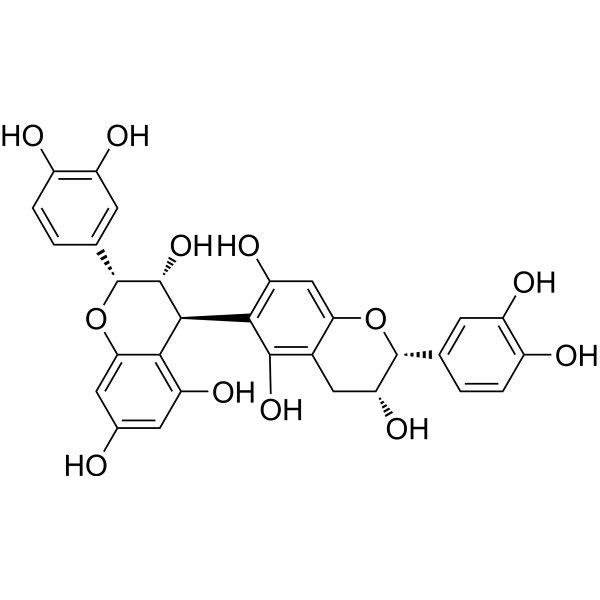 0 ImagesCat. No.: HY-N7935CAS No.: 12798-57-1Procyanidin B5 is an antioxidant with a IC50 of 0.1 mM in lipid peroxidation assays using mouse liver homogenates. Procyanidin B5 scavenges superoxide anions and hydroxyl radicals, and inhibits lipid peroxidation. Procyanidin B5 can be used in research related to cardiovascular diseases, cancer, and malaria.
-
Tetrahydroxyquinone
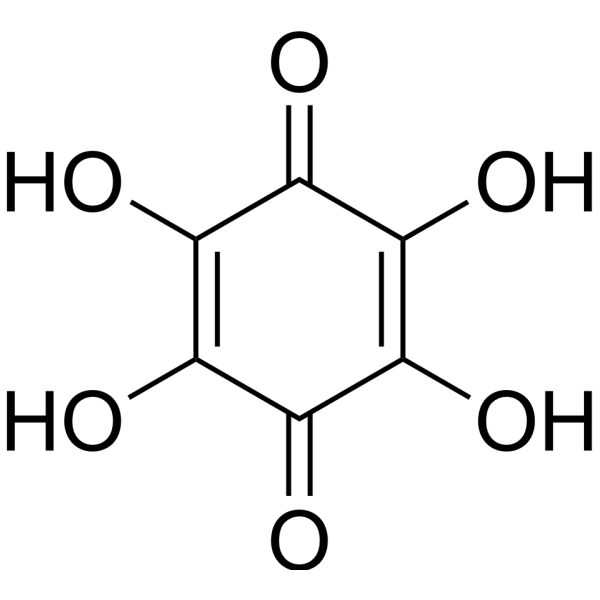 0 ImagesSynonyms: Tetrahydroxy-1,4-benzoquinone; TetrahydroxybenzoquinoneTetrahydroxyquinone (Tetrahydroxy-1,4-benzoquinone), a primitive anticataract agent, is a redox active benzoquinone. Tetrahydroxyquinone can take part in a redox cycle with semiquinone radicals, leading to the formation of reactive oxygen species (ROS).




