



Reactive Oxygen Species (ROS) Agonist
- 1
- 2
-
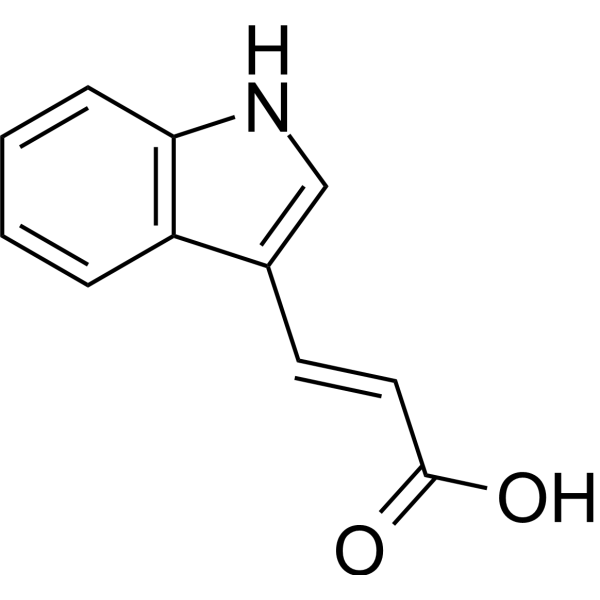
3-Indoleacrylic acid
 0 Images
3-Indoleacrylic acid is a high-efficient antialgal agent. 3-Indoleacrylic acid increases reactive oxygen species (ROS) production, and inhibits the functions of all the nutrient assimilating genes, down-regulated ribulose-1,5-bisphosphate carboxylase/oxygenase II, and cytochrome f genes in P. donghaiense.
-
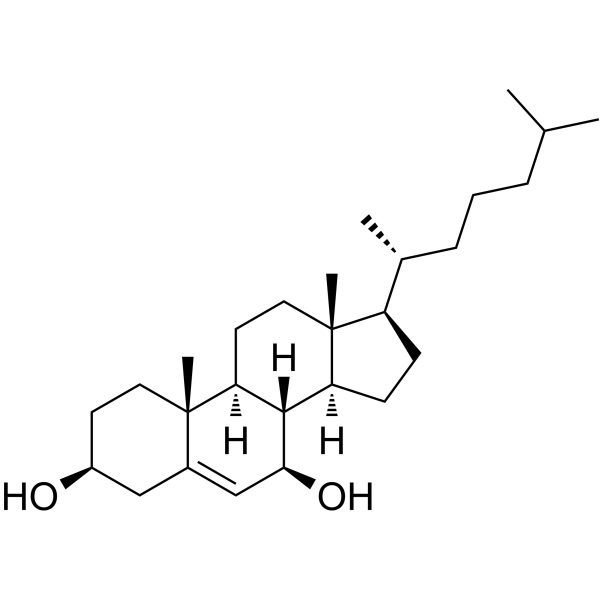
7β-Hydroxycholesterol
 0 Images
7β-Hydroxycholesterol is an oxysterol that derived by the oxidation of cholesterol. 7β-hydroxycholesterol can induce cellular oxidative stress, apoptosis, and necrosis, resulting in cytotoxicity. 7β-hydroxycholesterol has antitumor activity.
-
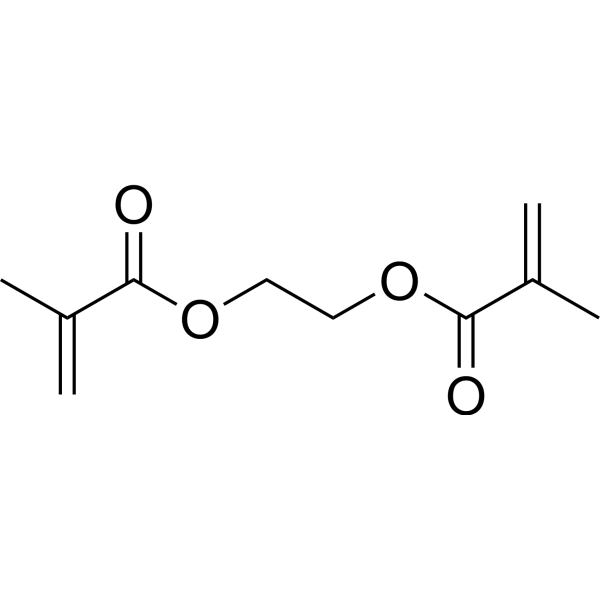
Ethylene glycol dimethacrylate
 0 Images
Ethylene glycol dimethacrylate is a diester formed by the condensation of Ethylene glycol (HY-Y0338) and Methacrylic acid. Ethylene glycol dimethacrylate is a cross-linking agent for polymers. Ethylene glycol dimethacrylate increases Apoptosis, GPx4, SOD2, ROS. Ethylene glycol dimethacrylate is cytotoxic and genotoxic. Ethylene glycol dimethacrylate exhibits cross-linking activity, enhancing the mechanical properties and stability of materials.
-
Icariside I
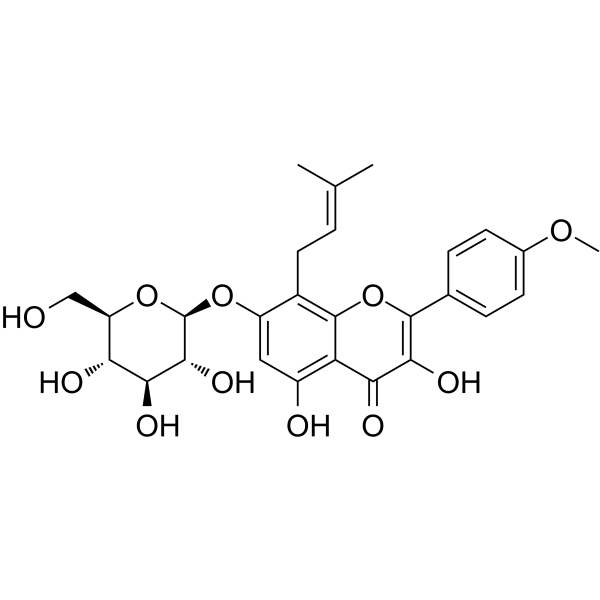 0 ImagesSynonyms: Icarisid I
Icariside I (GH01) is an orally active metabolite of icalin. Icariside I improves estrogen deficiency-induced osteoporosis by simultaneously regulating osteoblast and osteoclast differentiation. Icariside I promotes ATP (HY-B2176) or Nigericin (HY-127019)-induced mtROS production and NLRP3 inflammasome activation and causes idiosyncratic hepatotoxicity. Icariside I does not alter the activation of NLRC4 and AIM2 inflammasomes. Icariside I inhibits breast cancer proliferation, apoptosis, invasion, and metastasis by targeting the IL-6/STAT3 pathway. Icariside I is a kynurenine-AhR pathway inhibitor that alleviates cancer by blocking tumor immune escape.
-
PPA24
 0 Images
PPA24 is a PP2A activator with a KD of 8.465 μM for PP2ACα. PPA24 induces cancer cell death via apoptosis. PP2ACα induces ROS generation and decreases the level of c-Myc expression. PPA24 can be used to study colorectal cancer (CRC), Folinic acid (HY-17556), 5-Fluorouracil (HY-90006), and Oxaliplatin (HY-17371) (FOLFOX)-resistant CRC, and melanoma cancer.
-
Homoeriodictyol
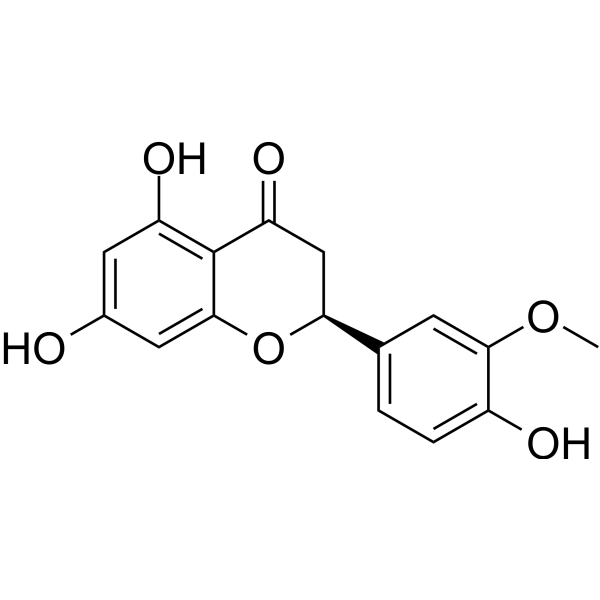 0 Images
Homoeriodictyol is an orally active, bitter-tasting flavanone that can penetrate the blood-brain barrier. Homoeriodictyol enhances synaptic-related protein expression through NCOA4-mediated ferritin autophagy. Homoeriodictyol improves memory impairment in mice by inhibiting the NLRP3 inflammasome. Homoeriodictyol protects human endothelial cells from oxidative damage by activating Nrf2 and inhibiting mitochondrial dysfunction. Homoeriodictyol enhances ROS activity and induces apoptosis, exhibiting anticancer effects. Homoeriodictyol inhibits the survival and migration of androgen-resistant prostate cancer cells in vitro. Homoeriodictyol exerts antinociceptive activity in mice in vivo.
-
Gigantol
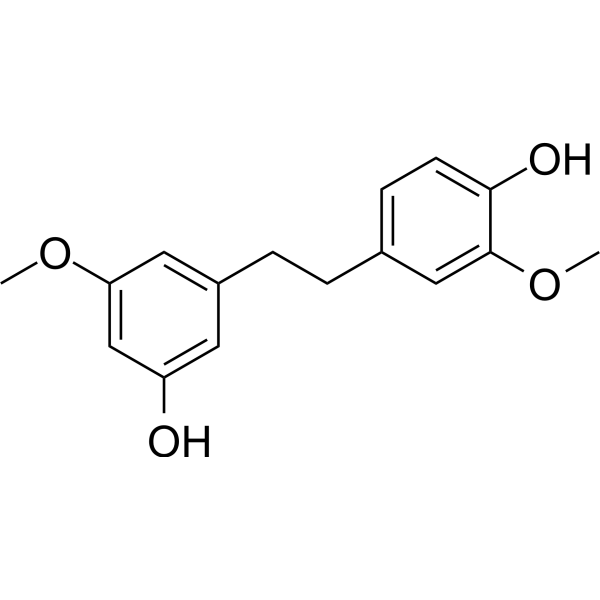 0 Images
Gigantol is an orally active bibenzyl compound. Gigantol targets MYC to promote its ubiquitin-proteasomal degradation and inhibit the growth of lung cancer cells. Gigantol exerts anti-lung cancer activity by inducing ferroptosis (Ferroptosis) via the SLC7A11-GPX4 axis. Gigantol restores the sensitivity of mcr-harboring multidrug-resistant bacteria to colistin. Gigantol ameliorates carbon tetrachloride-induced liver injury by inhibiting the activation of the JNK/cPLA2/12-LOX inflammatory pathway. Gigantol promotes cholesterol metabolism and progesterone biosynthesis in Leydig cells. Gigantol can be used in studies related to diseases such as lung cancer, multidrug-resistant Gram-negative bacterial infections, and acute liver injury.
-
Quinocetone
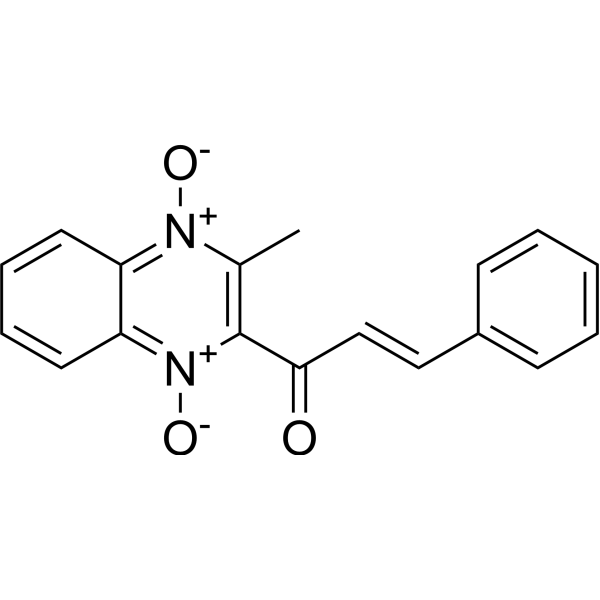 0 Images
Quinocetone is an orally active animal feed additive used to increase the meat production of livestock and poultry. Quinocetone exhibits antibacterial activity against a variety of pathogenic microorganisms. Quinocetone exhibits tissue-specific (liver, lymphocyte) toxicity. Quinocetone induces autophagy in cells through the ATF6/DAPK1 pathway. Quinocetone activates the NF-κB and iNOS pathways, leading to cell apoptosis, hepatocyte vacuolar degeneration and fibrosis. Quinocetone can inhibit Nrf2/HO-1 and induce the generation of reactive oxygen species (ROS), leading to oxidative stress and DNA damage.
-
3-Indoleacrylic acid-d4
 0 ImagesCat. No.: HY-W015273SPurity: 99.38%
3-Indoleacrylic acid-d4 is deuterium labeled 3-Indoleacrylic acid (HY-W015273). 3-Indoleacrylic acid is a high-efficient antialgal agent. 3-Indoleacrylic acid increases reactive oxygen species (ROS) production, and inhibits the functions of all the nutrient assimilating genes, down-regulated ribulose-1,5-bisphosphate carboxylase/oxygenase II, and cytochrome f genes in P. donghaiense.
-
JST-TfR09
 0 ImagesCat. No.: HY-P991381Purity: 99.59%Synonyms: PPMX-T003; TSP-A18
JST‑TfR09 (PPMX‑T003) is a human monoclonal antibody (mAb) targeting transferrin receptor 1 (TfR1/CD71). JST‑TfR09 blocks the binding of transferrin to TfR1, inhibits TfR1 internalization, and suppresses cellular iron uptake. JST‑TfR09 triggers ferritin degradation via activating the autolysosomal system, promotes ROS production and lipid peroxidation, and ultimately induces ferroptosis. JST‑TfR09 exhibits cytotoxicity toward human erythroblasts differentiated from hematopoietic stem cells. JST-TfR09 can be used in leukemia research. Recommended isotype control: Human IgG1 lambda, Isotype Control (HY-P99992).
-
Momordicine I
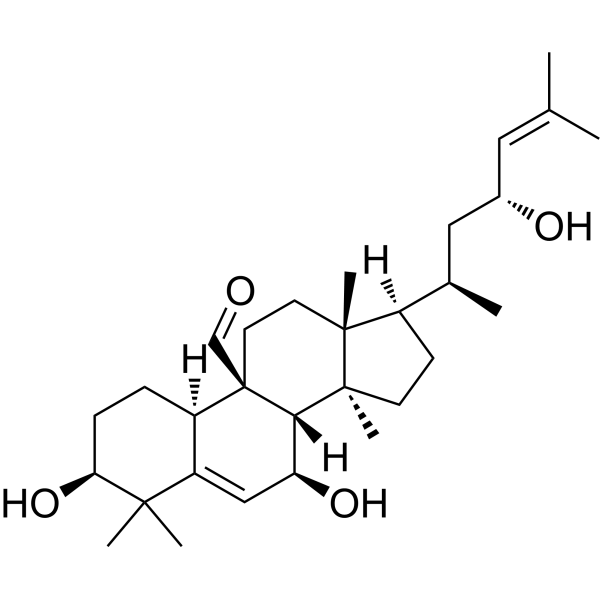 0 ImagesCat. No.: HY-122949CAS No.: 91590-76-0
Momordicine I is a cucurbitane-type triterpenoids. Momordicine I suppresses glioma growth by promoting apoptosis and impairing mitochondrial oxidative phosphorylation. Momordicine I inhibits glycolysis, lipid metabolism, induces autophagy in HNC cells to suppress head and neck cancer growth. Momordicine I alleviates isoproterenol-induced cardiomyocyte hypertrophy through suppression of PLA2G6 and DGK-ζ. Momordicine I exerts its cardiovascular benefits by upregulating nitric oxide, inhibiting the activity of angiotensin-converting enzyme (ACE), activating the PI3K/Akt pathway, reducing oxidative stress and inflammation. Momordicine I inhibits AKT1, IL-6, and SRC, suggesting its potential application in type 2 diabetes.
-
DeFer-2
 0 Images
DeFer-2 is a Ferritin PROTAC degrader with a Kd value of 17.1 μM. DeFer-2 recruits the VHL E3 ligase to induce targeted degradation of ferritin via the ubiquitin-proteasome system, triggers iron overload stress in cancer cells, and further activates caspase 3-GSDME-mediated pyroptosis through massive ROS production. DeFer-2 can be used for research related to melanoma.
-
NCI677397
 0 Images
NCI677397 is a USP24 inhibitor. NCI677397 increases lipid ROS, activates cholesterol and fatty acid biosynthesis, degrades ABC transporters, GPX4 and DHFR through the autophagy pathway, decreases the level of P-gp and ultimately leads to ferroptosis in drug-resistant cancer cells. NCI677397 can be used for the study of lung caner and brain cancer.
-
NCI-006
 0 Images
NCI-006 is an orally active lactate dehydrogenase (LDH) inhibitor (LDHA IC50 = 0.06 μM; LDHB IC50 = 0.03 μM). NCI-006 inhibits intratumoral LDH activity, lactate production, and tumor growth in a mouse pancreatic cancer model. NCI-006 inhibits glycolysis and induces apoptosis in vitro. NCI-006 enhances the radiosensitivity of glycolytic tumor cell lines while sparing non-glycolytic/normal cells (1522, skin fibroblasts) in combination with ionizing radiation (IR). NCI-006 exhibits synergistic antitumor effects in combination with IACS-010759 (HY-112037) against colorectal and gastric cancers. NCI-006 targets glycolysis by inhibiting lactate dehydrogenase impairs tumor growth in an Ewing sarcoma model.
-
4-Methoxyestradiol
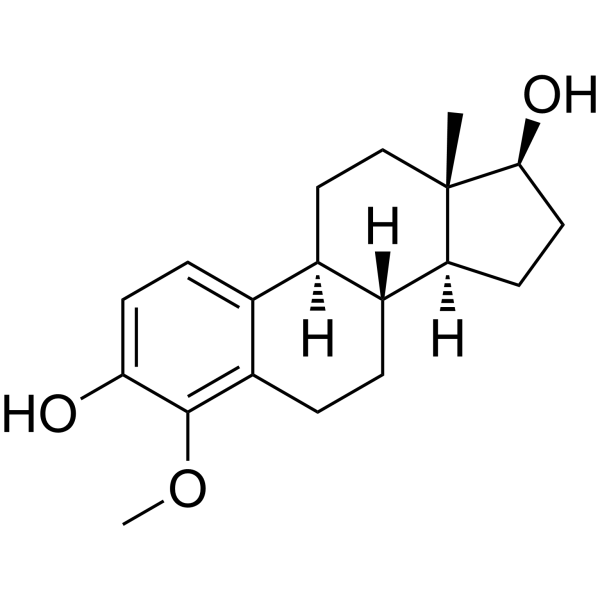 0 ImagesCat. No.: HY-148296CAS No.: 26788-23-8
4-Methoxyestradiol is methoxylestradiol that induces oxidative DNA damage in human lung epithelial cells. 4-Methoxyestradiol also elevates ROS and SOD activities in H1355 cells.
-
Tubulin-IN-53
 0 ImagesCat. No.: HY-175512
Tubulin-IN-53 is a potent Tubulin inhibitor with an IC50 of 6.06 μM. Tubulin-IN-53 inhibits the polymerization of tubulin by targeting the colchicine binding site of tubulin and destroys the microtubule network. Tubulin-IN-53 induces MCF-7 cell cycle arrest in the G2/M phase and apoptosis, and inhibits cell migration accompanied by the decrease of mitochondrial membrane potential and increase the accumulation of ROS. Tubulin-IN-53 destroys the angiogenesis of human umbilical vein endothelial cells.Tubulin-IN-53 can used for the study of cancers such as breast cancer and lung cancer.
-
Pt(II)-NHC complex 2C
 0 ImagesCat. No.: HY-175048CAS No.: 3035433-94-1Synonyms: Platinum(II)-N-heterocyclic carbene complex 2C
Pt(II)-NHC Complex 2C (Platinum(II)-N-Heterocyclic Carbene complex 2C) (Compound 2C) is a platinum(II) complex based on N-heterocyclic carbene (NHC). Pt(II)-NHC Complex 2C is an immunogenic cell death (ICD) inducer that can induce endoplasmic reticulum stress (ERS) in liver cancer cells and produce reactive oxygen species (ROS), ultimately leading to the release of damage-associated molecular patterns (DAMP). Pt(II)-NHC Complex 2C blocks the cell cycle at the S phase and significantly induces cell apoptosis. Pt(II)-NHC Complex 2C shows anti-liver cancer potential in mouse models and activates immune cells in liver injury models.
-
R24
 0 ImagesCat. No.: HY-116135CAS No.: 151417-66-2
R24 is a type of flavonoid derivative. R24 exhibits strong anti-angiogenic and anti-proliferative effects. R24 induces cell apoptosis and promotes the production of reactive oxygen species (ROS). R24 can be used for the study of cancers such as lung cancer and colorectal cancer.
-
PARP1-IN-46
 0 ImagesCat. No.: HY-178178CAS No.: 2505146-00-7
PARP1-IN-46 is a potent PARP-1 inhibitor with an IC50 of 2.4 nM. PARP1-IN-46 demonstrates remarkable anti-proliferative activity in both rat (C6) and human (U87MG) glioma cells. PARP1-IN-46 promotes PARP cleavage, triggers DNA damage, and increases ROS. PARP1-IN-46 effectively inhibits the migration, invasion and colony formation of glioma cells, and ultimately induces cell apoptosis. PARP1-IN-46 can be used to the study of glioma.
- 1
- 2



