



Reactive Oxygen Species (ROS) Activator
-
Y-27632
 0 Images
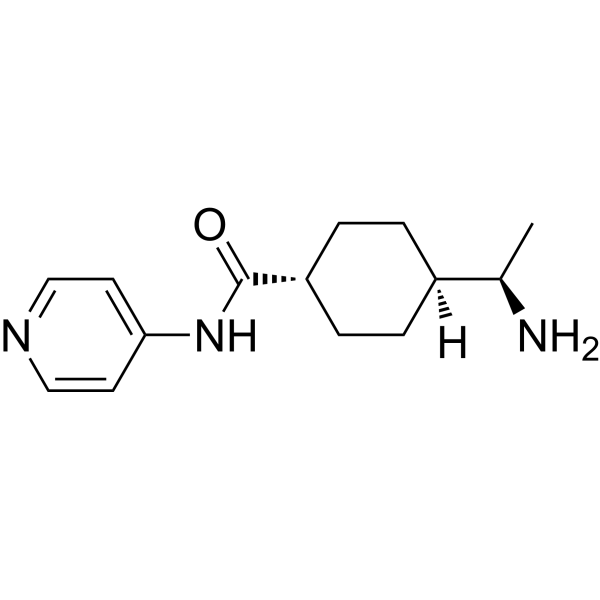
Y-27632 is a ROCK inhibitor with Ki values of 220 nM and 300 nM for ROCK1 and ROCK2, respectively. Y-27632 exerts anti-inflammatory and immunomodulatory effects in systemic lupus erythematosus models by inhibiting the ROCK/NF-κB pathway. Y-27632 enhances autophagy by inhibiting the AKT/mTOR pathway, thereby inducing apoptosis apoptosis in oral squamous cell carcinoma. Y-27632 induces the formation of tunneling nanotubes in ARPE-19 cells and significantly enhances mitochondrial transfer through these channels. Y-27632 promotes neurite outgrowth in PC12 cells by activating the Rac1/NOX1/ROS/AKT/PAK1 signaling cascade.
-
Z-VAD-FMK
 0 ImagesSynonyms: Z-VAD(OH)-FMK
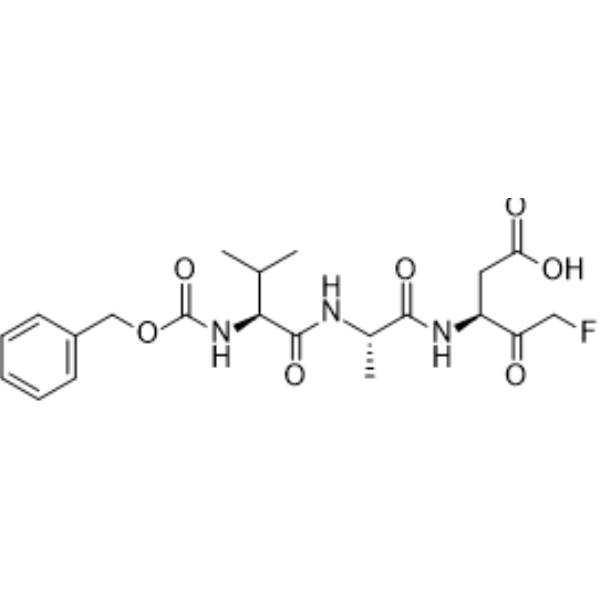
Z-VAD-FMK is a pan-caspase inhibitor and also an ICE-like protease inhibitor, which inhibits apoptosis by preventing the processing of CPP32 to its active form. Z-VAD-FMK sensitivity varies primarily due to differential expression of receptor-interacting protein 1 (RIP1). Z-VAD-FMK limits the cryopreservation-induced apoptosis by reducing caspase-3 activity of in vitro produced bovine embryos. Z-VAD-FMK is immunosuppressive in vitro and inhibits T cell proliferation without blocking the processing of caspase-8 and caspase-3. Z-VAD-FMK leads to a decrease in intracellular glutathione (GSH) with a concomitant increase in reactive oxygen species (ROS) levels in activated T cells. Z-VAD-FMK is due to oxidative stress via the depletion of GSH. Z-VAD-FMK can be used for the study of acute pancreatitis.
-
Elesclomol
 0 ImagesSynonyms: STA-4783
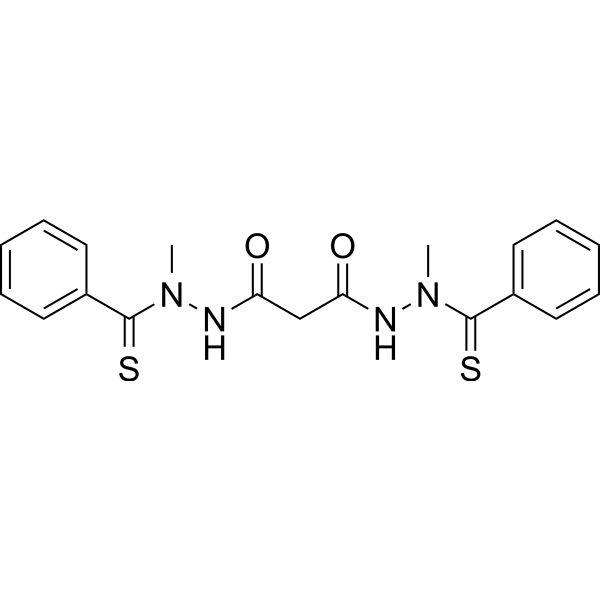
Elesclomol (STA-4783) is a potent copper ionophore and promotes copper-dependent cell death (cuproptosis). Elesclomol specifically binds ferredoxin 1 (FDX1) α2/α3 helices and β5 strand. Elesclomol inhibits FDX1-mediated Fe-S cluster biosynthesis. Elesclomol is an oxidative stress inducer that induces cancer cell apoptosis. Elesclomol is a reactive oxygen species (ROS) inducer. Elesclomol can be used for Menkes and associated disorders of hereditary copper deficiency research.
-
Sodium dichloroacetate
 0 Images
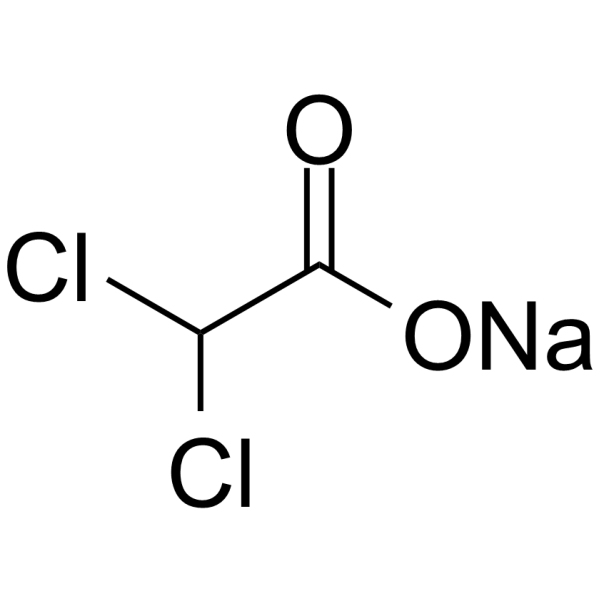
Sodium dichloroacetate is an orally active pyruvate dehydrogenase kinase (PDK) inhibitor. Sodium dichloroacetate also stimulates pyruvate dehydrogenase (PDH) activity and works as a Na+-K+-2Cl− cotransporter (NKCC) inhibitor. Sodium dichloroacetate prevents the phosphorylation of the E1α subunit of PDC, promoting the entry of pyruvate into the mitochondria for oxidative metabolism, reducing lactate production, and simultaneously increasing the production of reactive oxygen species (ROS). Sodium dichloroacetate inhibits tumor cell proliferation and induces apoptosis. Sodium dichloroacetate is promising for research of cancers.
-
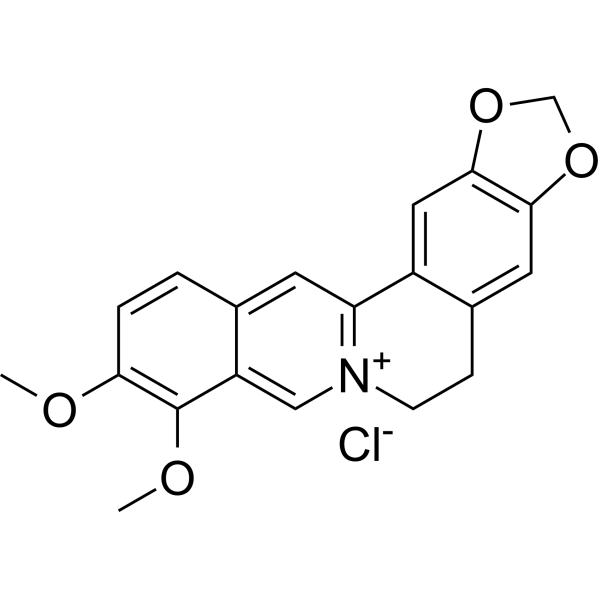
Berberine chloride
 0 Images
Berberine chloride is an alkaloid that acts as an antibiotic. Berberine chloride induces reactive oxygen species (ROS) generation and inhibits DNA topoisomerase. Antineoplastic properties.
-
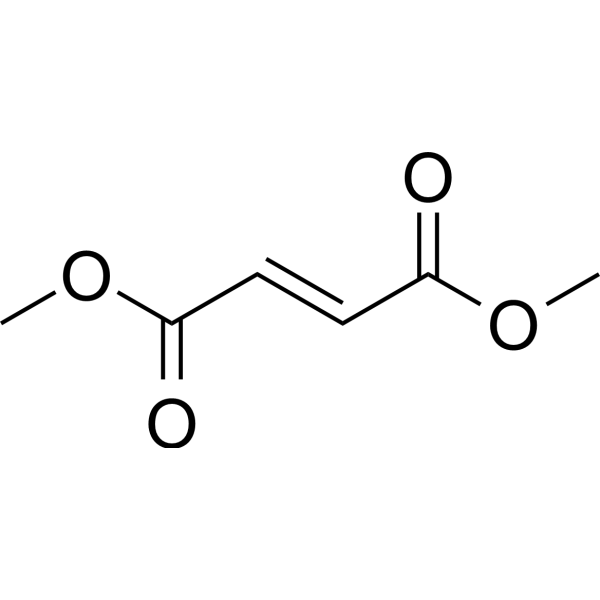
Dimethyl fumarate
 0 Images
Dimethyl fumarate (DMF) is an orally active and brain-penetrant Nrf2 activator and induces upregulation of antioxidant gene expression. Dimethyl fumarate induces necroptosis in colon cancer cells through GSH depletion/ROS increase/MAPKs activation pathway, and also induces cell autophagy. Dimethyl fumarate can be used for multiple sclerosis research.
-
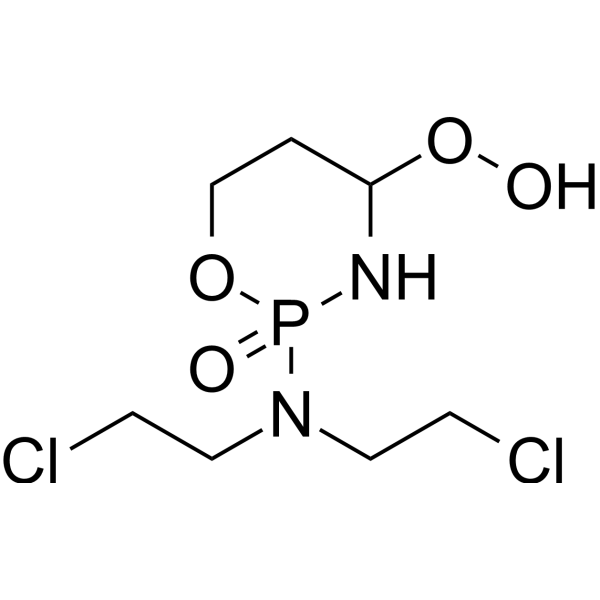
4-Hydroperoxy cyclophosphamide
 0 Images
4-Hydroperoxy cyclophosphamide is the active metabolite form of the precursor Cyclophosphamide. 4-Hydroperoxy cyclophosphamide cross-links DNA to induce T cell apoptosis independent of caspase receptor activation, and can activate the mitochondrial death pathway by producing reactive oxygen species (ROS). 4-Hydroperoxy cyclophosphamide can be used in the study of rheumatoid arthritis and autoimmune diseases.
-
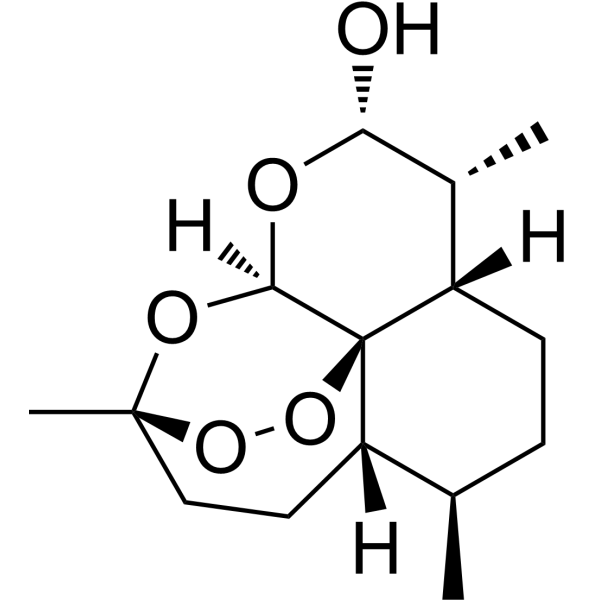
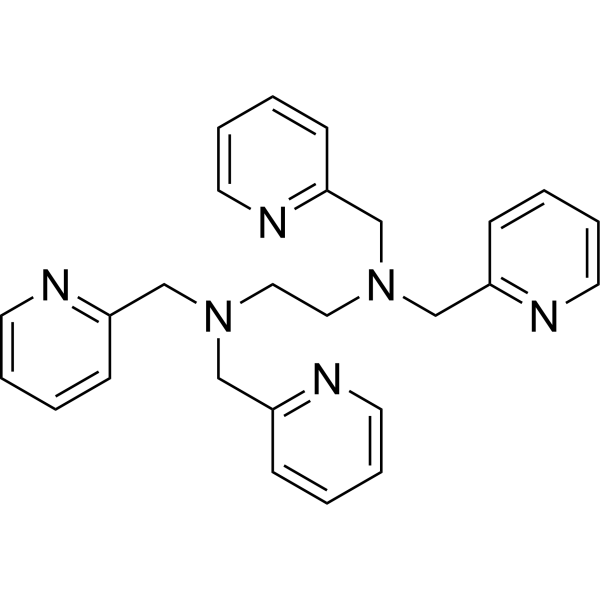
Dihydroartemisinin
 0 ImagesSynonyms: Dihydroqinghaosu; β-Dihydroartemisinin; Artenimol
Dihydroartemisinin is an orally active metabolite of rtemisinin (HY-B0094) and antimalarial agent. Dihydroartemisinin induces Autophagy by inhibiting NF-κB activation. Dihydroartemisinin promotes ROS accumulation. Dihydroartemisinin exhibits anticancer activity in esophageal cancer cells. Dihydroartemisinin shows schistosomicidal activity against juvenile and adult worms of Schistosoma japonicum, reduces worm burden, and displays antiparasitic activity. Dihydroartemisinin can be used in research related to multiple myeloma, promyelocytic leukemia, esophageal cancer, and Schistosoma japonicum infection.
-
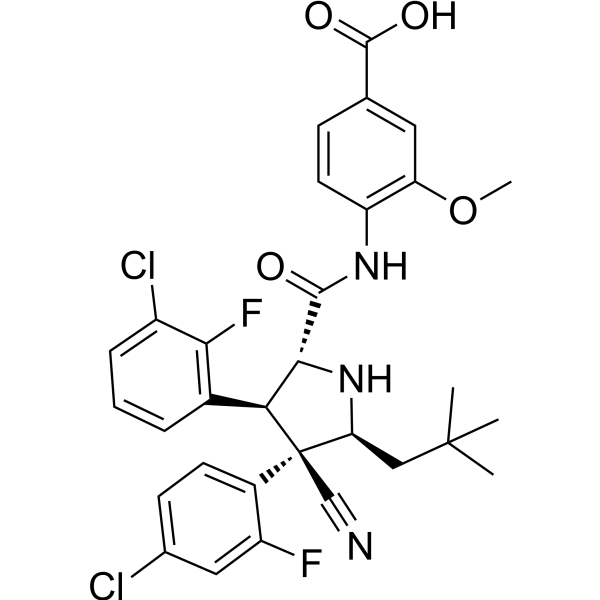
Idasanutlin
 0 ImagesSynonyms: RG7388
Idasanutlin (RG7388) is an orally bioavailable MDM2 inhibitor with an IC50 of 6 nM. Idasanutlin disrupts MDM2-p53 binding, stabilizes and activates p53, triggering cell cycle arrest, apoptosis, and reduced cancer cell viability. Idasanutlin reduces EGFR protein expression and phosphorylation, suppresses downstream SHP2, MEK1/2, ERK1/2, AKT, mTOR, p70(S6K1), and S6 signaling. Idasanutlin induces mitochondrial ROS production, drives p38 MAPK phosphorylation, upregulates NOXA, and mediates caspase-3-dependent apoptosis and gasdermin E-mediated pyroptosis. Idasanutlin can be used for the research of TP53-mutant non-small cell lung cancer, T-cell acute lymphoblastic leukemia, colorectal carcinoma, melanoma, diffuse large B-cell lymphoma, mantle cell lymphoma, non-Hodgkin lymphoma, severe fever with thrombocytopenia syndrome, neuroblastoma, acute lymphoblastic leukemia, relapsed or refractory acute myeloid leukemia, osteosarcoma, solid tumors, and hematological tumors.
-
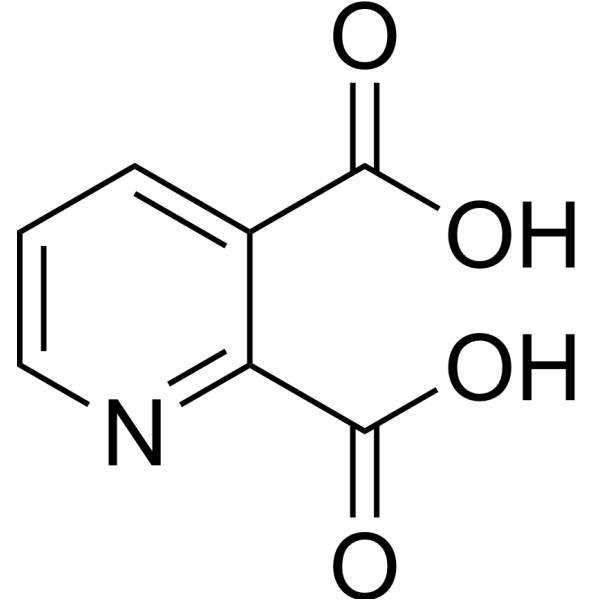
Quinolinic acid
 0 Images
Quinolinic acid, an endogenous metabolite of tryptophan, is a N-methyl-D-aspartate receptor (NMDA receptor) agonist. Quinolinic acid increases glutamate efflux, induces the generation of ROS, activates nitric oxide synthase, produces excessive NO, leading to calcium ion influx and neuronal apoptosis.
-
Trimethylamine N-oxide
 0 Images
Trimethylamine N-oxide is a gut microbe-dependent metabolite of dietary choline and other trimethylamine-containing nutrients. Trimethylamine N-oxide induces inflammation by activating the ROS/NLRP3 inflammasome. Trimethylamine N-oxide also accelerates fibroblast-myofibroblast differentiation and induces cardiac fibrosis by activating the TGF-β/smad2 signaling pathway.
-
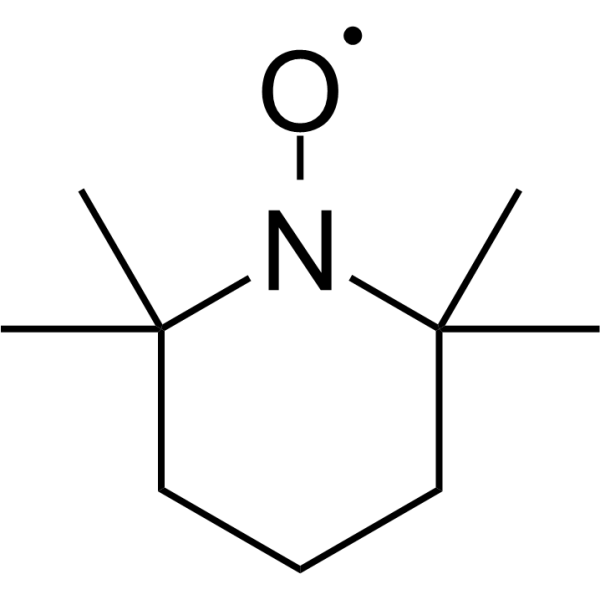
Tempo
 0 Images
Tempo is a nitric oxide radical and a selective scavenger of ROS in mitochondria. Tempo is also an organocatalyst that disproportionates superoxide and oxidizes primary alcohols to aldehydes in a catalytic cycle. Tempo has mutagenic and antioxidant effects and can induceDNA strand breaks. Tempo also exerts cytotoxic and mutagenic properties in mouse lymphoma cells.
-
2-Methoxyestradiol
 0 Images
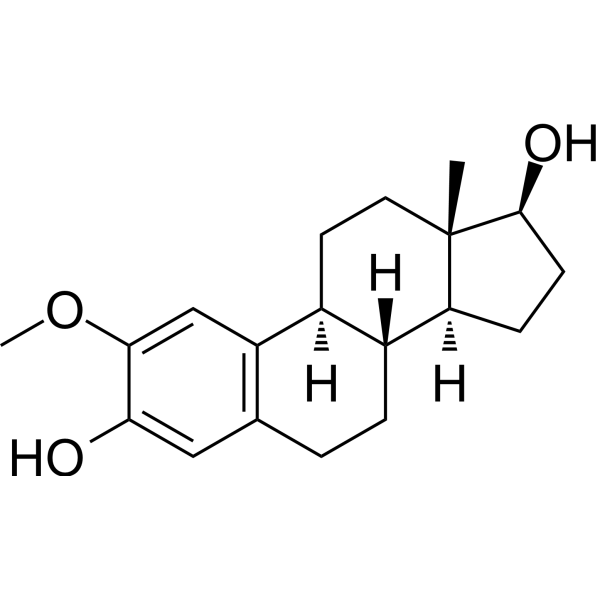
2-Methoxyestradiol (2-ME2), an orally active endogenous metabolite of 17β-estradiol (E2), is an apoptosis inducer and an angiogenesis inhibitor with potent antineoplastic activity. 2-Methoxyestradiol also destablize microtubules. 2-Methoxyestradio, also a potent superoxide dismutase (SOD) inhibitor and a ROS-generating agent, induces autophagy in the transformed cell line HEK293 and the cancer cell lines U87 and HeLa.
-
Berberine sulfate
 0 Images
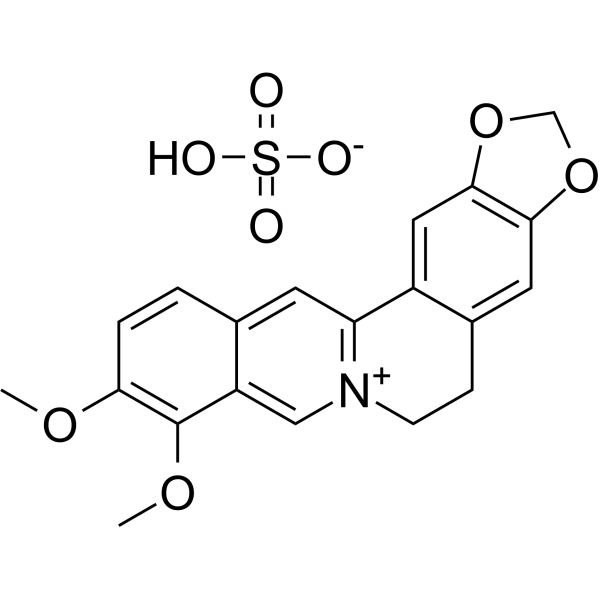
Berberine sulfate is an alkaloid isolated from the Chinese herbal medicine Huanglian, as an antibiotic. Berberine sulfate induces reactive oxygen species (ROS) generation and inhibits DNA topoisomerase. Berberine sulfate has antineoplastic properties. The sulfate form improves bioavailability.
-
IR-780
 0 Images
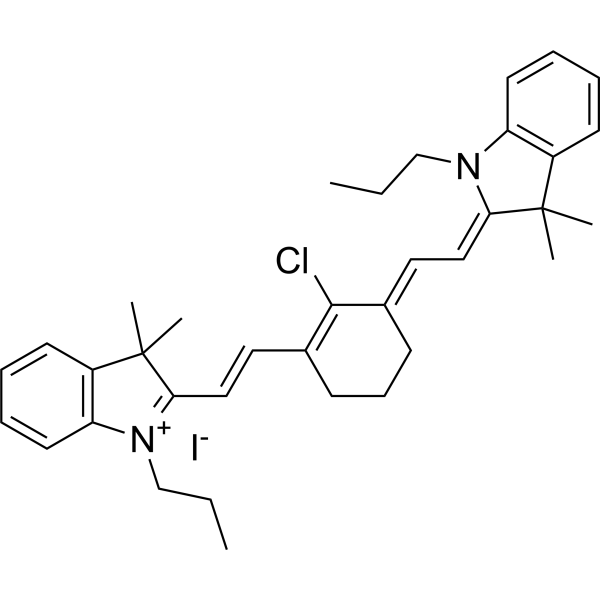
IR-780 is a near-infrared fluorescent probe for in vivo imaging of tumor cells. IR-780 is transported into tumor cells via OATPs and ABCB10, with uptake dependent on glycolytic activity and plasma membrane potential. IR-780 preferentially accumulates in tumor cell mitochondria, including those of drug-resistant cancer cells, without chemical conjugation. IR-780 generates reactive oxygen species (ROS), induces hyperthermia and apoptosis, inhibits tumor growth and recurrence, and modulates HSP70 expression upon ultrasound or 808 nm laser exposure. IR-780 acts as a sonosensitizer, photodynamic and photothermal agent, and drug delivery carrier, with low acute imaging-dose toxicity and rapid vital organ clearance. IR-780 can be used for the research of cancer, such as breast cancer, lung cancer, and non-small cell lung cancer (NSCLC).
-
Hippuric acid
 0 ImagesSynonyms: Benzoylglycine
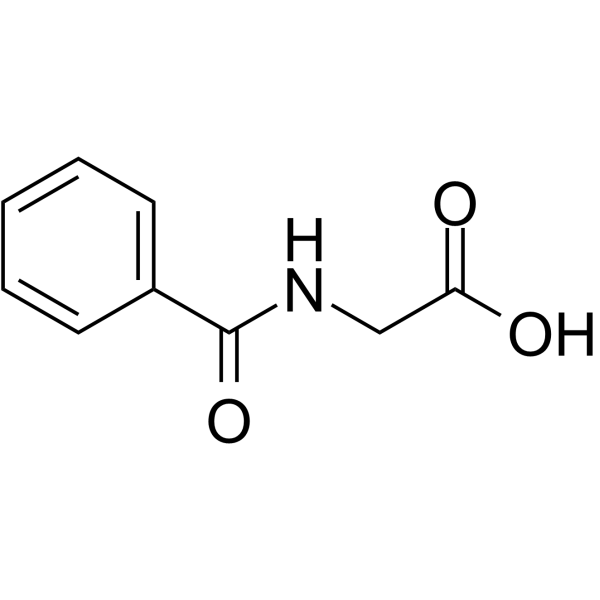
Hippuric Acid is an orally active metabolite. Hippuric Acid can be produced by intestinal microorganisms from the metabolism of polyphenols, benzoic acid. Hippuric Acid decreases NRF2, MMP9 and leads to ROS accumulation. Hippuric Acid activates TGFβ/SMAD signaling. Hippuric Acid improves hyperuricemia and colitis. Hippuric Acid can also be used in cardiovascular disease research. .
-
D-α-Hydroxyglutaric acid disodium
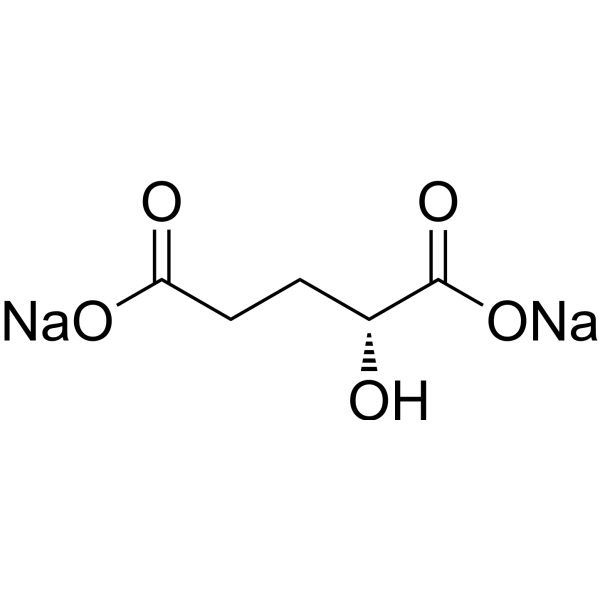 0 ImagesSynonyms: Disodium (R)-2-hydroxyglutarate
D-α-Hydroxyglutaric acid disodium (Disodium (R)-2-hydroxyglutarate) is the principal metabolite accumulating in neurometabolic disease D-2-hydroxyglutaric aciduria. D-α-Hydroxyglutaric acid disodium is a weak competitive antagonist of α-ketoglutarate (α-KG) and inhibits multiple α-KG-dependent dioxygenases with a Ki of 10.87 mM. D-α-Hydroxyglutaric acid disodium increases reactive oxygen species (ROS) production. D-α-Hydroxyglutaric acid disodium binds and inhibits ATP synthase and inhibits mTOR signaling.
-
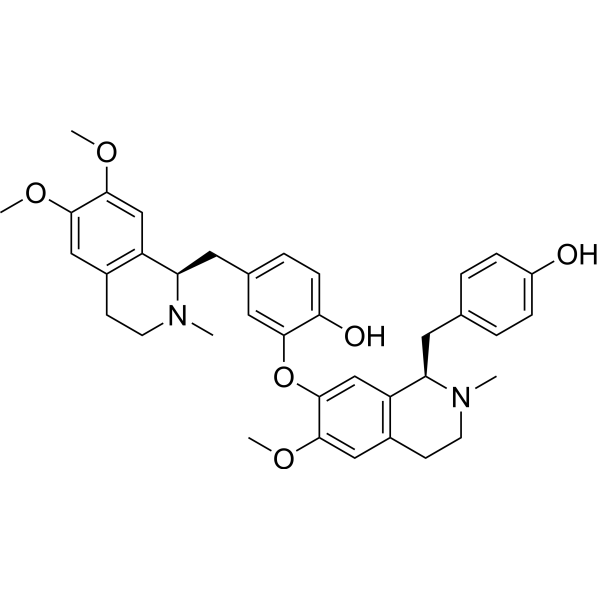
Liensinine
 0 Images
Liensinine is a bisbenzylisoquinoline alkaloid. By inhibiting the PI3K/AKT and JNK/p38-MAPK signaling pathways, Liensinine suppresses autophagy and apoptosis, clears Aβ, and exerts anti-inflammatory, antioxidant and neuroprotective effects. Liensinine activates AMPK and inhibits the expression of HIF-1α and VEGF, thereby suppressing angiogenesis. Liensinine exerts anti-tumor effects through ROS-mediated inhibition of the JAK2/STAT3 signaling pathway. Liensinine can be used for the research of diseases such as Alzheimer's disease, hepatocellular carcinoma, osteosarcoma, sepsis-induced organ injury and stroke.
-
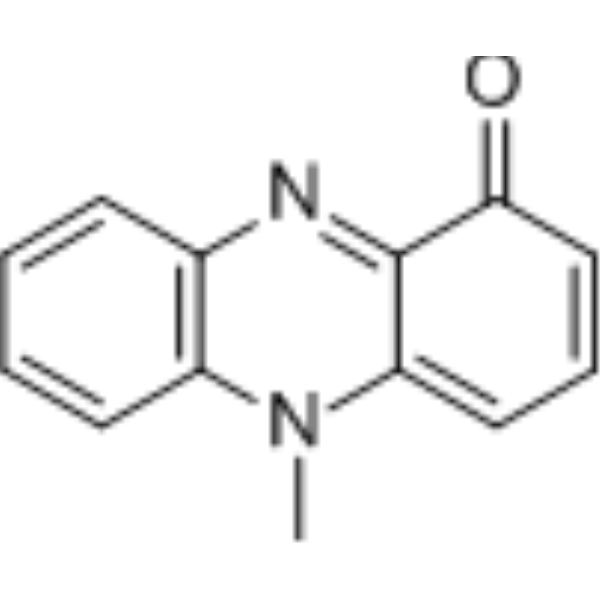
Pyocyanin
 0 Images
Pyocyanin (Pyocyanine) is a toxic, quorum sensing (QS) controlled metabolite produced by Pseudomonas aeruginosa. Pyocyanin is a REDOX active compound that promotes the production of reactive oxygen species (ROS). Pyocyanin has antibacterial and anti-inflammatory activity.



