



Reactive Oxygen Species (ROS) Activator
-
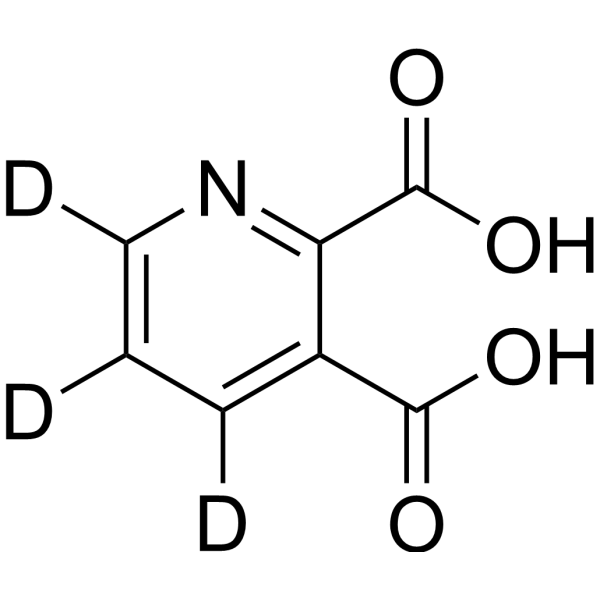
Quinolinic acid-d3
 0 Images
Quinolinic acid-d3 is the deuterium labeled Quinolinic acid. Quinolinic acid, an endogenous metabolite of tryptophan, is a N-methyl-D-aspartate receptor (NMDA receptor) agonist. Quinolinic acid increases glutamate efflux, induces the generation of ROS, activates nitric oxide synthase, produces excessive NO, leading to calcium ion influx and neuronal apoptosis.
-
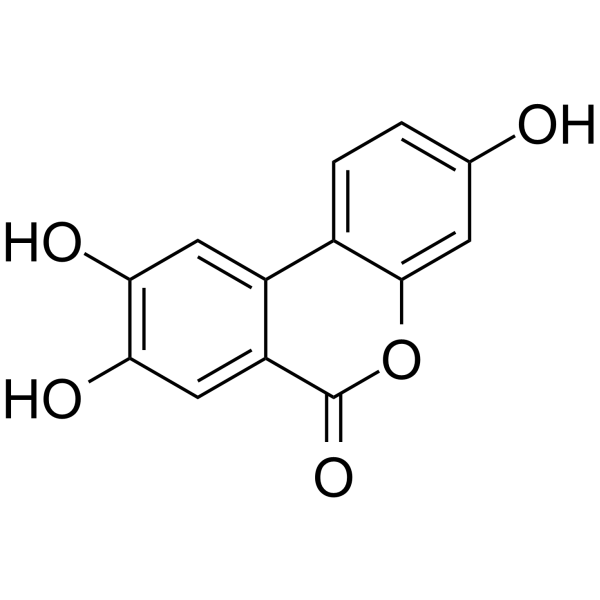
Urolithin C
 0 Images
Urolithin C, a gut-microbial metabolite of Ellagic acid, is a glucose-dependent activator of insulin secretion. Urolithin C is a L-type Ca2+ channel opener and enhances Ca2+ influx. Urolithin C induces cell apoptosis through a mitochondria-mediated pathway and also stimulates reactive oxygen species (ROS) formation.
-
D-α-Hydroxyglutaric acid
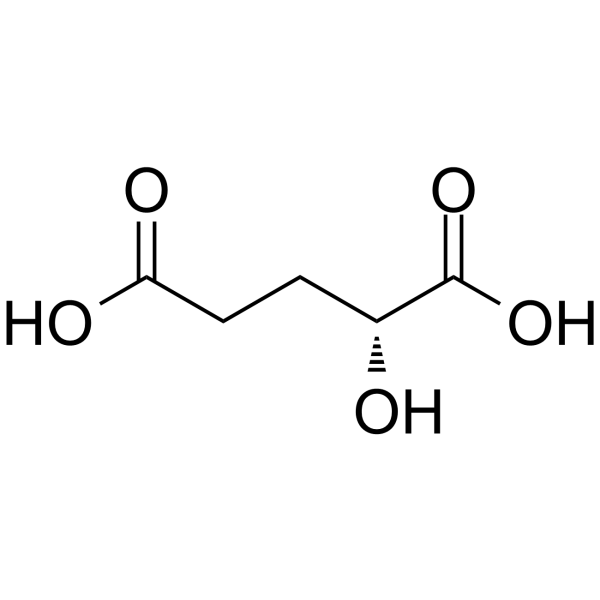 0 ImagesSynonyms: (R)-2-Hydroxyglutarate; (R)-2-Hydroxyglutaric acid; (R)-2-Hydroxypentanedioic acid
D-α-Hydroxyglutaric acid ((R)-2-Hydroxyglutarate) is the principal metabolite accumulating in neurometabolic disease D-2-hydroxyglutaric aciduria. D-α-Hydroxyglutaric acid is a weak competitive antagonist of α-ketoglutarate (α-KG) and inhibits multiple α-KG-dependent dioxygenases with a Ki of 10.87 mM. D-α-Hydroxyglutaric acid increases reactive oxygen species (ROS) production. D-α-Hydroxyglutaric acid binds and inhibits ATP synthase and inhibits mTOR signaling.
-
ssRNA40 sodium
 0 ImagesCat. No.: HY-160229Purity: 98.34%Synonyms: R-1075 sodium
ssRNA40 sodium (R-1075 sodium) is a single-stranded RNA40 derived from HIV-1. ssRNA40 sodium activates the TLR7, TLR8, TLR2, RIG-I, MDA5, MyD88, Caspase-3, IRE1α, NLRP3 inflammasome and IRF7 signaling pathways. ssRNA40 sodium alters mRNA expression in neutrophils, induces pro-inflammatory cytokines, ROS, autophagy (autophagy), pyroptosis (pyroptosis), neuronal death, neurodegeneration, aggregate formation and NK cell activation. ssRNA40 sodium activates the expression of CD62L, CD11b, CD69, MX1, OAS1, ATG7, LC3B and XBP1 in immune cell and neuronal populations. ssRNA40 sodium causes cortical neuron loss and axonal damage in mice in a TLR7-dependent manner. ssRNA40 sodium can be used in research on HIV-1 infection, neurodegeneration, COVID-19 and HIV-associated neurological disorders.
-
L67
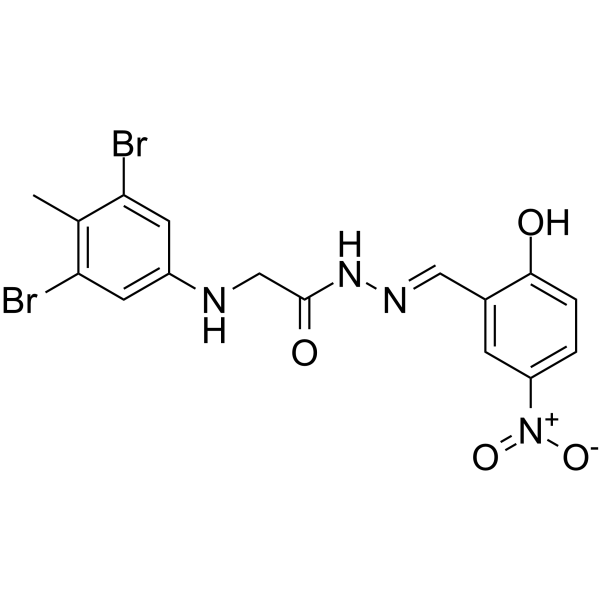 0 ImagesSynonyms: DNA Ligase Inhibitor
L67 (DNA Ligase Inhibitor) is a competitive DNA ligase inhibitor that effectively inhibits DNA ligases I/III (both IC50 are 10 μM). L67 can cause nuclear DNA damage by reducing levels of mitochondrial DNA and increasing levels of mitochondrially-generated ROS. L67 also activates the Caspase 1-dependent apoptosis pathway in cancer cells, can be used in cancer research.
-
Ophthalmic acid
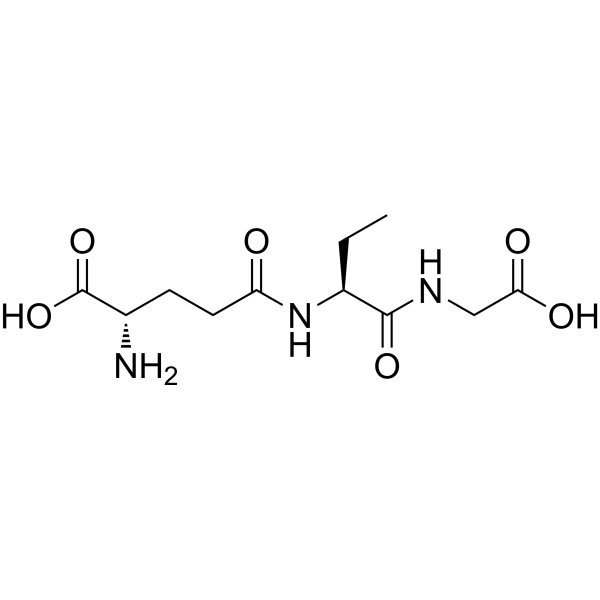 0 Images
Ophthalmic acid is a ubiquitous metabolite and glutathione modulator, with a Ki of 0.95 mM for glyoxalase I. Ophthalmic acid competitively inhibits glyoxalase I, glutathione S-transferase, glutaredoxin, glutamate-cysteine ligase, protein disulfide reductase (glutathione), as well as non-selective cation channels. Ophthalmic acid is applicable in diabetes-related research.
-
Eupalinolide B
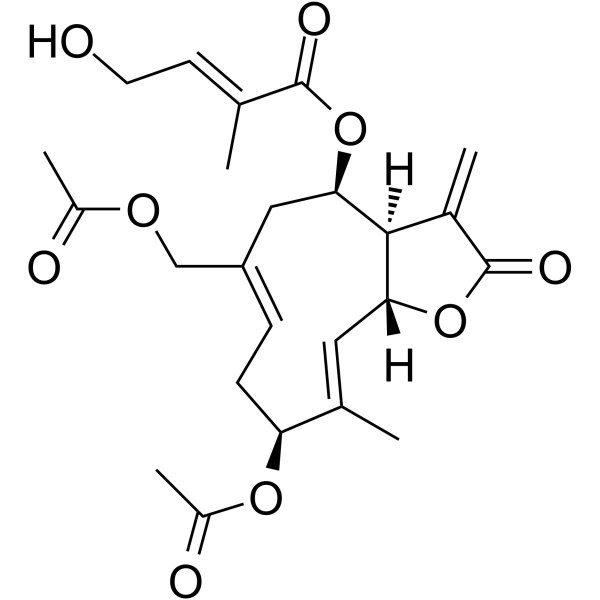 0 Images
Eupalinolide B is a germ sesquiterpene. Eupalinolide B can be isolated from Eupatorium lindleyanum. Eupalinolide B induces Apoptosis, elevates ROS, promotes Autophagy. regulates GSK-3β/β-catenin, targets UBE2D3 and TAK1, activates ROS-ER-JNK, inhibits NF-κB and MAPKs. Eupalinolide B has anticancer activity against pancreatic cancer and liver cancer. Eupalinolide B relieves rheumatoid arthritis, acute lung injury, periodontitis, depression.
-
Carboxyatractyloside dipotassium
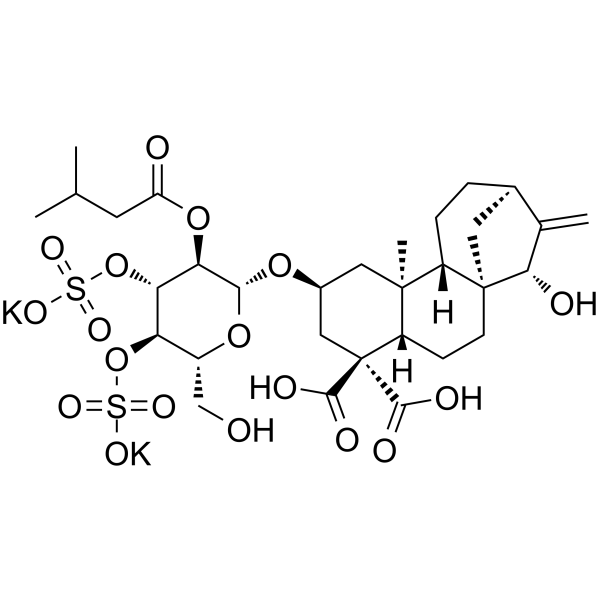 0 ImagesSynonyms: Gummiferin dipotassium
Carboxyatractyloside dipotassium is a diterpenoid. Carboxyatractyloside dipotassium can be isolated from plants of the genus Xanthium. Carboxyatractyloside dipotassium is an ADP/ATP carrier inhibitor, inhibiting mitochondrial ADP/ATP transport. Carboxyatractyloside dipotassium promotes ROS production, induces Ca2+ release, and leads to mitochondrial dysfunction. Carboxyatractyloside dipotassium induces lethargy, weakness, and epileptic seizures in rats.
-
TASIN-1
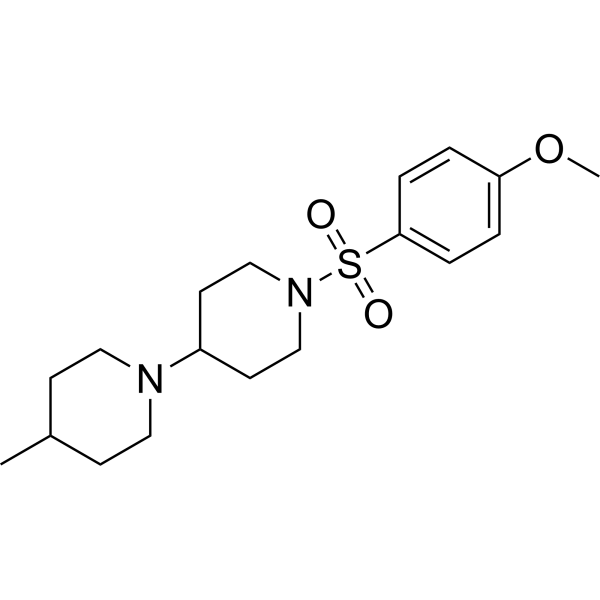 0 Images
TASIN-1 is a selective inhibitor of truncated APCTR (adenomatous polyposis coli gene) that exerts cytotoxic effects by inhibiting cholesterol biosynthesis. TASIN-1 specifically targets colorectal cancer (CRC) cells carrying APC truncated mutations, while having no significant toxicity to wild-type APC cells. TASIN-1 exerts cytotoxic effects by targeting Emopamil binding protein (EBP) to inhibit cholesterol biosynthesis, triggering endoplasmic reticulum (ER) stress, reactive oxygen species (ROS) generation, and JNK-mediated apoptosis, and inhibiting Akt survival signaling. TASIN-1 can be used to prevent and intervene in APC mutant colorectal cancer.
-
Citronellol
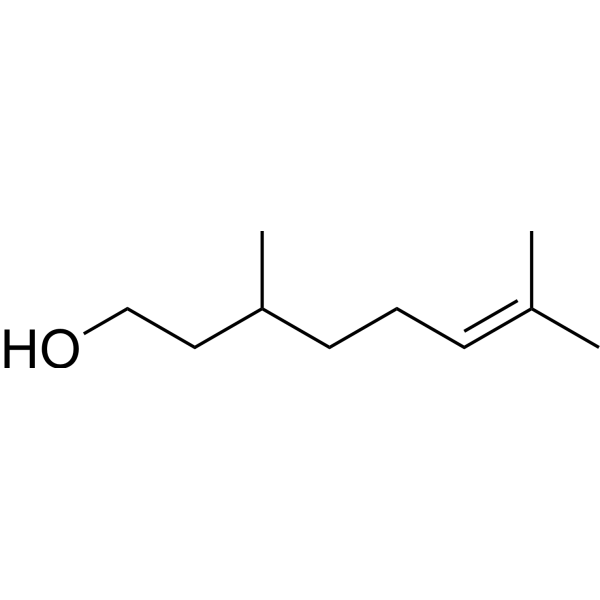 0 ImagesSynonyms: (±)-Citronellol; (±)-β-Citronellol
Citronellol ((±)-Citronellol) is an orally active inducer of apoptosis. Citronellol can prevent oxidative stress, mitochondrial dysfunction, and apoptosis in the SH-SY5Y cell Parkinson's disease model induced by 6-OHDA by regulating the ROS-NO, MAPK/ERK, and PI3K/Akt signaling pathways. Citronellol can induce necroptosis in human lung cancer cells through the TNF-α pathway and accumulation of ROS. Citronellol can reduce the levels of LC-3 and p62 to regulate the autophagy pathway, inhibit oxidative stress and neuroinflammation, and thus have neuroprotective effects on Parkinson's rats. Citronellol exhibits anti-fungal activity against Trichophyton rubrum by inhibiting ergosterol synthesis.
-
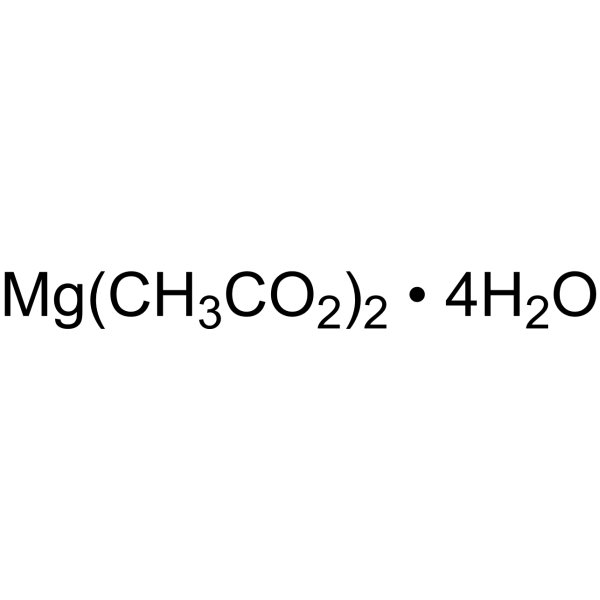
Magnesium acetate tetrahydrate
 0 Images
Magnesium acetate tetrahydrate is a carboxylic acid and short-chain fatty acid (SCFAs). Magnesium acetate tetrahydrate activates AMPK, increases ROS, cleaved caspase 9, PPARα, downregulates SREBP-1c, ChREBP expression. Magnesium acetate tetrahydrate exhibits antifungal activity against Saccharomyces cerevisiae W303-1A. Magnesium acetate tetrahydrate regulates energy metabolism. Magnesium acetate tetrahydrate has anticancer activity against gastric cancer. Magnesium acetate tetrahydrate induces writhing reaction and ulcerative colitis. Magnesium acetate tetrahydrate can be used in the researches for gastric cancer, ulcerative colitis, hepatic steatosis, and pain.
-
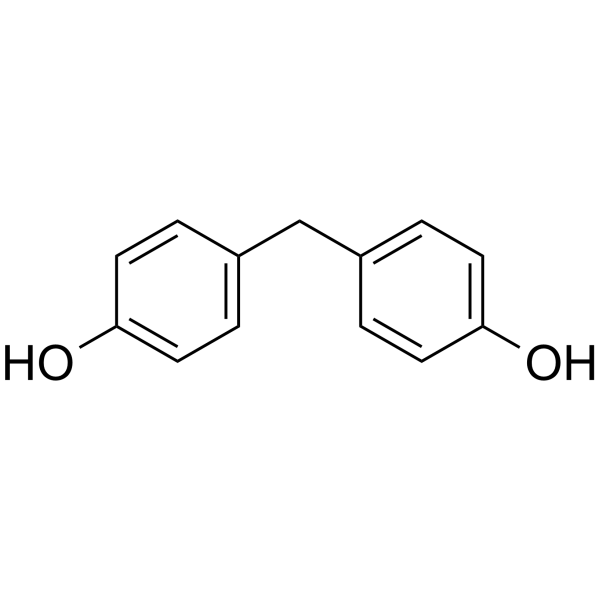
Bisphenol F
 0 ImagesSynonyms: BPF; 4,4'-Dihydroxydiphenylmethane
Bisphenol F is an orally active endocrine disruptor. Bisphenol F promotes ROS generation, upregulates p-AKT/p-GSK3β, and induces Apoptosis. Bisphenol F interferes with glucose metabolism, affects neurodevelopment and reproductive function. Bisphenol F reduces social novelty preference in mouse offspring. Bisphenol F can be used in bone, blood, and fat-related studies. Bisphenol F is used as a substitute for Bisphenol A (HY-18260).
-
Anti-Mouse IL-1b Antibody (B122)
 0 ImagesCat. No.: HY-P99139Purity: 99%
Anti-Mouse IL-1b Antibody (B122) is an anti-mouse IL-1b IgG monoclonal antibody. Anti-Mouse IL-1b Antibody (B122) enhances ferroptosis and increases levels of reactive oxygen species (ROS) combined with Sulfasalazine (SAS) (HY-14655). Anti-Mouse IL-1b Antibody (B122) can reduce monocyte infiltration and alleviate T cell exhaustion by blocking IL-1β signaling. Anti-Mouse IL-1b Antibody (B122) can be used for researches on cancer and cardiovascular conditions such as oral squamous cell carcinoma (OSCC), glioblastoma (GBM) and heart failure.
-
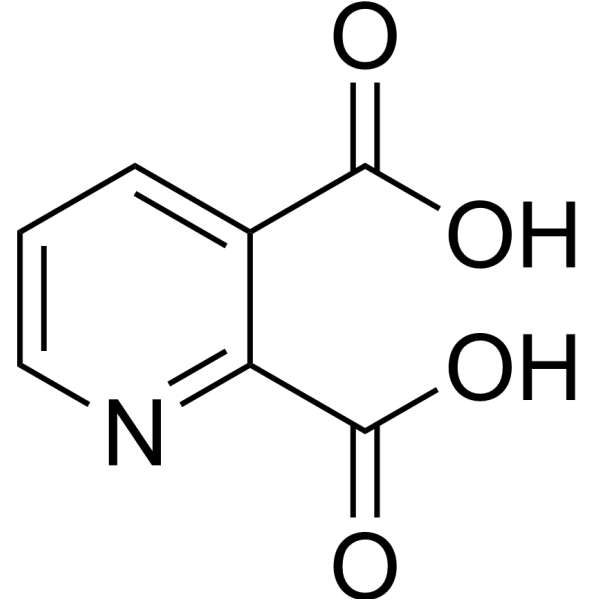
Quinolinic acid (Standard)
 0 Images
Quinolinic acid (Standard) is the analytical standard of Quinolinic acid. This product is intended for research and analytical applications. Quinolinic acid, an endogenous metabolite of tryptophan, is a N-methyl-D-aspartate receptor (NMDA receptor) agonist. Quinolinic acid increases glutamate efflux, induces the generation of ROS, activates nitric oxide synthase, produces excessive NO, leading to calcium ion influx and neuronal apoptosis.
-
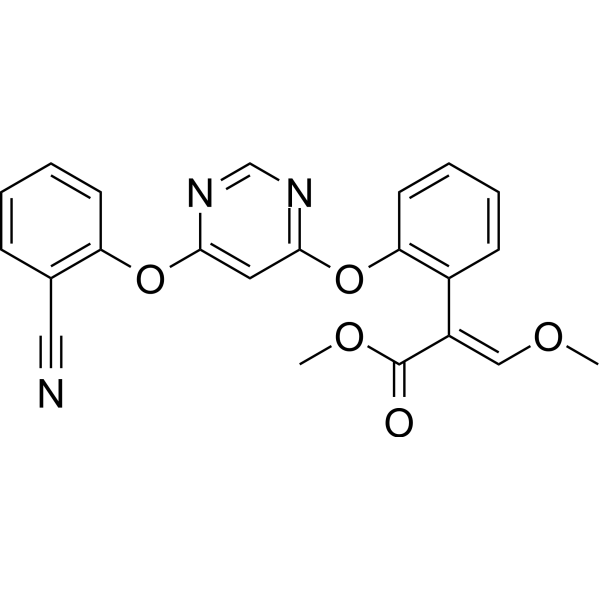
Azoxystrobin
 0 Images
Azoxystrobin is an orally active, broad-spectrum β-methoxyacrylate fungicide. Azoxystrobin inhibits mitochondrial respiration by binding to the Qo site of the cytochrome bc1 complex and inhibiting electron transfer. Azoxystrobin induces the production of reactive oxygen species (ROS) and induces cell apoptosis.
-
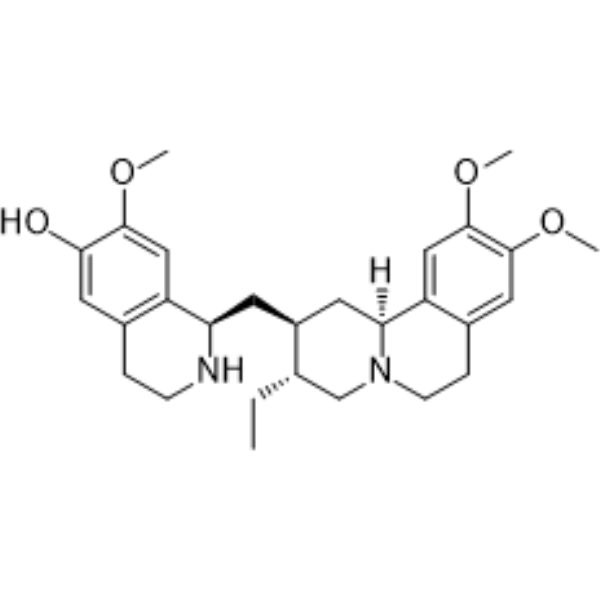
Cephaeline
 0 Images
Cephaeline ((-)-Cephaeline; NSC 32944) is a ferroptosis inducer, with broad-spectrum anticancer and antiviral activities. Cephaeline induces ferroptosis (Ferroptosis) by upregulating p53, inhibiting NRF2, activating ULK3, downregulating the expressions of SLC7A11 and GPX4 in a p53-dependent manner, reducing GSH and mitochondrial membrane potential, and increasing lipid peroxidation and iron accumulation. Cephaeline inhibits cancer cell proliferation, migration and tumor growth. Cephaeline inhibits Ebola virus (EBOV) VLP entry and infection, with IC50 values of 3.27 μM and 22.18 μM respectively; it also inhibits Zika virus (ZIKV) NS5 RdRp activity (IC50 = 976 nM), and binds to severe acute respiratory syndrome coronavirus 2 (SARS-CoV-2) RdRp and N protein, with Kd values of 8.9 μM and 53.8 μM respectively. Cephaeline can be used in studies related to breast cancer, lung cancer, COVID-19, EBOV and ZIKV infections.
-
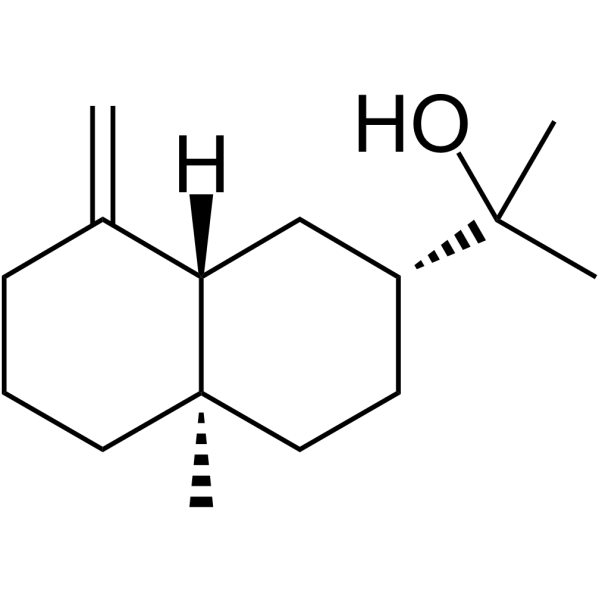
β-Eudesmol
 0 Images
β-Eudesmol has anticancer and anti-inflammatory activities. Beta-Eudesmol can induce apoptosis. β-Eudesmol is a neostigmine antagonist. β-Eudesmol can antagonize neostigmine-induced neuromuscular failure. β-Eudesmoll can be used in the study of sepsis diseases. β-Eudesmol is a sesquiterpene-like compound that can be extracted from the rhizome of Atractylodes lancea.



