Search Result
Results for "
methyl-7
" in MedChemExpress (MCE) Product Catalog:
2
Biochemical Assay Reagents
7
Isotope-Labeled Compounds
| Cat. No. |
Product Name |
Target |
Research Areas |
Chemical Structure |
-
- HY-134124
-
|
|
Reactive Oxygen Species (ROS)
|
Metabolic Disease
|
|
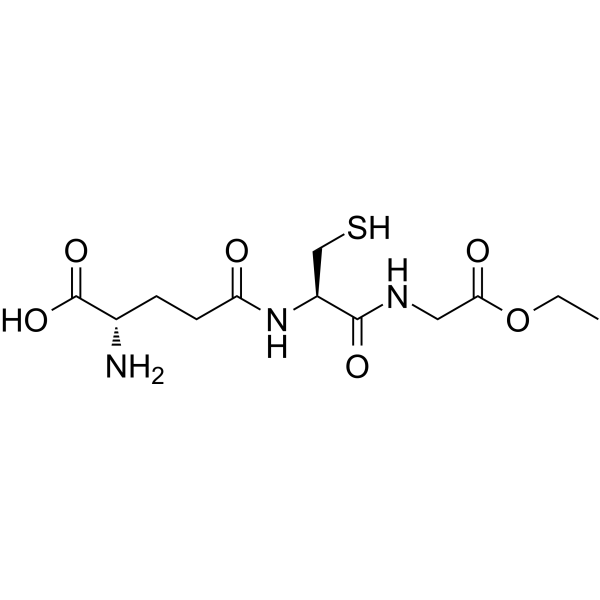
Glutathione ethyl ester is a cell-permeable GSH donor and provides an efficient supply of GSH to the oocyte. Glutathione ethyl ester shows positive effect on the in vitro production of embryos by enhancement of the antioxidative defense .
|
-
-
- HY-P10272
-
|
PTG-300
|
Ferroportin
|
Others
|
|
Rusfertide is a peptide mimetic of natural hepcidin, which targets and degrades ferroportin, reduces serum iron and transferrin-saturation, and thus regulates the production of red blood cells. Rusfertide ameliorates the polycythemia vera, β-thalassemia and hereditary hemochromatosis .
|
-

-
- HY-A0248A
-
|
|
Bacterial
|
Infection
|
|
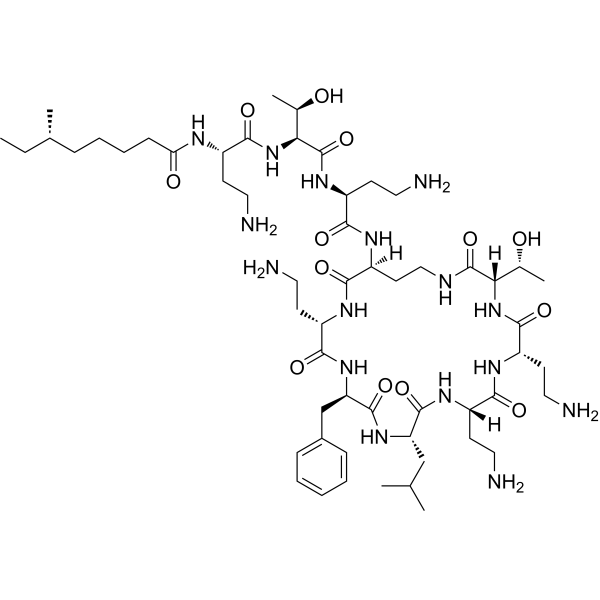
Polymyxin B1 is a potent antimicrobial lipopeptide first derived from Bacilus polymyxa. Polymyxin B1 is the major component in Polymyxin B (HY-A0248). Polymyxin B1 can induce lysis of bacterial cells through interaction with their membranes. Polymyxin B1 has the potential for multidrug-resistant Gram-negative bacterial infections treatment .
|
-
-
- HY-N1993
-
|
|
Cytochrome P450
NF-κB
|
Metabolic Disease
Cancer
|
|
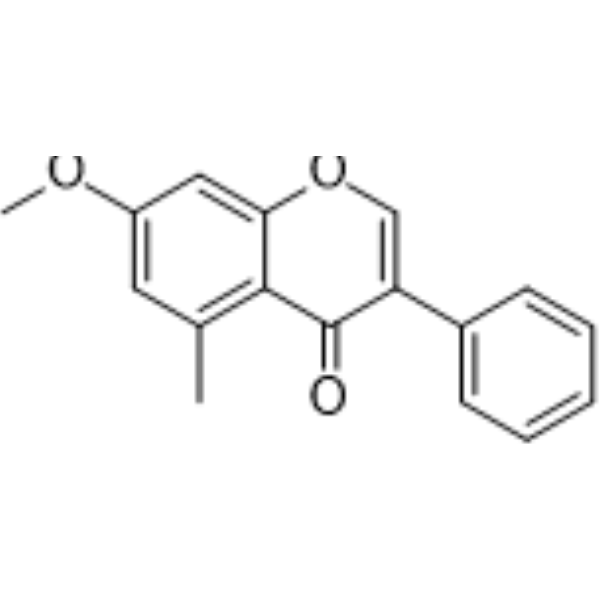
5-Methyl-7-methoxyisoflavone is an orally active anti-oxidant with remyelinating activity. 5-Methyl-7-methoxyisoflavone inhibits the enzyme aromatase, interfering with the normal metabolic pathways of testosterone. 5-Methyl-7-methoxyisoflavone is a non-steroidal anabolic isoflavone, used as a anabolic agent. 5-Methyl-7-methoxyisoflavone shows better potency increasing muscle mass and endurance than Ipriflavone (HY-N0094). 5-Methyl-7-methoxyisoflavone can be used for fat loss besides the maintenance of low cholesterol level and strengthen bones. 5-Methyl-7-methoxyisoflavone is the inhibitor for NF-κB .
|
-
-
- HY-D0913
-
|
1M7
|
Fluorescent Dye
|
Others
|
|
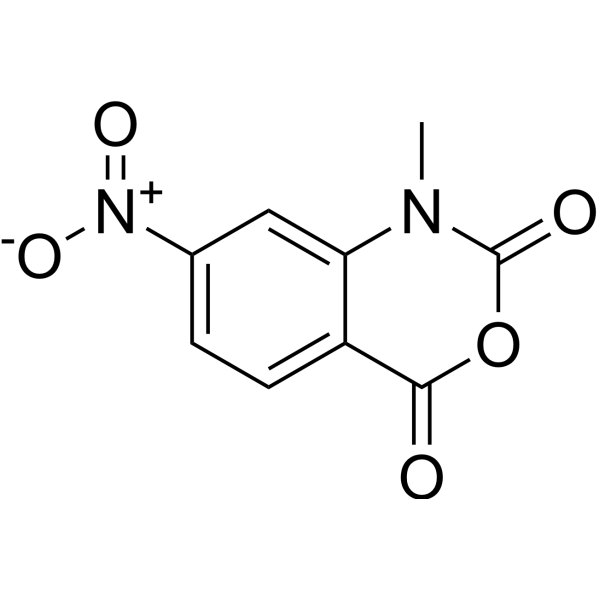
1-Methyl-7-nitroisatoic anhydride (1M7) is a reagent that detects local nucleotide flexibility, for probing 2'-hydroxyl reactivity, can be used for RNA structure analysis .
|
-
-
- HY-137841
-
|
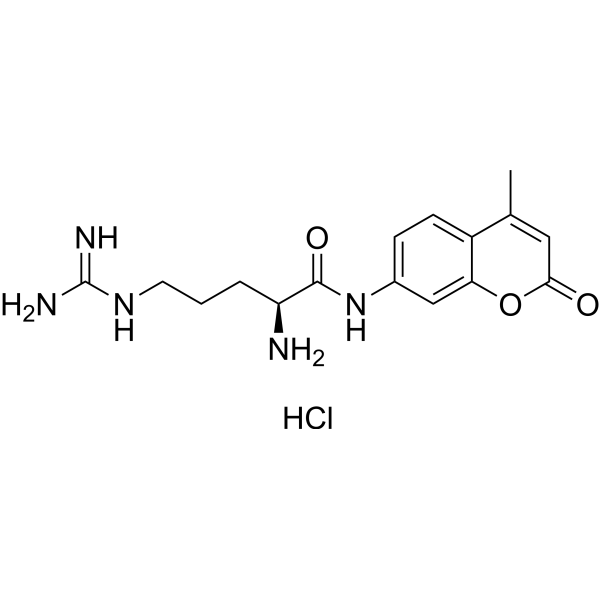
Arginine 4-methyl-7-coumarylamide hydrochloride
|
Cathepsin
|
Others
|
|
L-Arginine-7-amido-4-methylcoumarin (Arginine 4-methyl-7-coumarylamide) hydrochloride is a specific substrate of cathepsin H but not for cathepsins L and B .
|
-
-
- HY-P1108A
-
|
|
CRFR
|
Neurological Disease
Inflammation/Immunology
|
Astressin 2B TFA is a blood-brain barrier-impermeable, highly selective CRFR2 antagonist (rCRFR2, IC50=0.57 nM). Astressin 2B TFA blocks the protective effects mediated by CRFR2, thereby exacerbating indomethacin (HY-14397)-induced hemorrhagic intestinal injury in rats. Astressin 2B TFA reverses the protective effects of Urocortin 1 against intestinal hypermotility, bacterial invasion and upregulation of inflammatory mediators. Astressin 2B TFA also blocks the anxiogenic effect of Urocortin 2 and attenuates stress-induced anxiety-related behaviors. In the Clostridioides difficile toxin A (C. difficile toxin A)-mediated enteritis model, Astressin 2B TFA mimics the phenotype of CRFR2-deficient mice, significantly exacerbating intestinal epithelial damage, edema, neutrophil migration and the expression of multiple proinflammatory cytokines. Astressin 2B TFA is an important tool molecule for investigating the intestinal protective mechanisms of CRFR2 [7].
|
-

-
- HY-P1108
-
|
|
CRFR
|
Neurological Disease
Inflammation/Immunology
|
Astressin 2B is a blood-brain barrier-impermeable, highly selective CRFR2 antagonist (rCRFR2, IC50=0.57 nM). Astressin 2B blocks the protective effects mediated by CRFR2, thereby exacerbating indomethacin (HY-14397)-induced hemorrhagic intestinal injury in rats. Astressin 2B reverses the protective effects of Urocortin 1 against intestinal hypermotility, bacterial invasion and upregulation of inflammatory mediators. Astressin 2B also blocks the anxiogenic effect of Urocortin 2 and attenuates stress-induced anxiety-related behaviors. In the Clostridioides difficile toxin A (C. difficile toxin A)-mediated enteritis model, Astressin 2B mimics the phenotype of CRFR2-deficient mice, significantly exacerbating intestinal epithelial damage, edema, neutrophil migration and the expression of multiple proinflammatory cytokines. Astressin 2B is an important tool molecule for investigating the intestinal protective mechanisms of CRFR2 [7].
|
-

-
- HY-128407
-
|
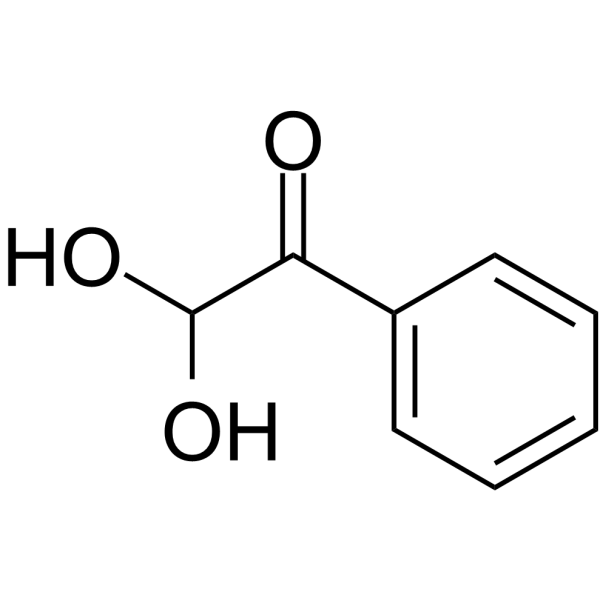
Phenylglyoxal hydrate
|
Drug Intermediate
|
Others
|
|
2,2-Dihydroxy-1-phenylethan-1-one (Phenylglyoxal hydrate) is a phenylglyoxal-based, antioxidant drug synthesis intermediate. 2,2-Dihydroxy-1-phenylethan-1-one serves as a starting material for the synthesis of aromatic amines or aliphatic amines. It can be used to synthesize polysubstituted pyrrolo[3,2-c]pyridin-4-one derivatives, and also acts as a key structural unit in the microwave-assisted cascade synthesis of substituted 2-methyl-7-aryl-6H-thiazoloindole compounds .
|
-
-
- HY-P10143
-
|
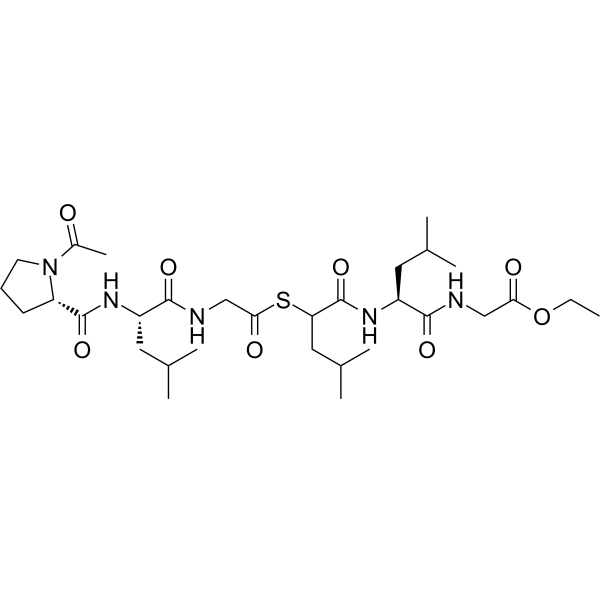
Ac-Pro-Leu-Gly-[(S)-2-mercapto-4-methyl-pentanoyl]-Leu-Gly-OEt
|
MMP
|
Others
|
|
MMP-2/MMP-9 Substrate (Ac-Pro-Leu-Gly-[(S)-2-mercapto-4-methyl-pentanoyl]-Leu-Gly-OEt) is a synthetic chromogenic polypeptide substrate whose core structure mimics the cleavage sites of MMP-2 and MMP-9 (gelatinase A and B) in collagen. After being hydrolyzed by collagenase, MMP-2/MMP-9 Substrate reacts with 4,4'-dithiodipyridine or Ellman's Reagent via its thiol fragment to produce a product with ultraviolet absorption properties .
|
-
-
- HY-A0248AS
-
|
|
Isotope-Labeled Compounds
Bacterial
|
Infection
|
|
Polymyxin B1-d7 TFA is the deuterium labeled Polymyxin B1 TFA (HY-A0248A). Polymyxin B1 is a potent antimicrobial lipopeptide first derived from Bacilus polymyxa. Polymyxin B1 is the major component in Polymyxin B (HY-A0248). Polymyxin B1 can induce lysis of bacterial cells through interaction with their membranes. Polymyxin B1 has the potential for multidrug-resistant Gram-negative bacterial infections treatment .
|
-

-
- HY-42225
-
-

-
- HY-75951
-
|
|
Drug Intermediate
|
Others
|
|
tert-Butyl 4-(6-(8-cyclopentyl-5-Methyl-7-oxo-6-(1-propoxyvinyl)-7,8-dihydropyrido[2,3-d]pyriMidin-2-ylaMino)pyridin-3-yl)piperazine-1-carboxylate is a drug intermediate for synthesis of various active compounds.
|
-
![tert-Butyl 4-(6-(8-cyclopentyl-5-Methyl-7-oxo-6-(1-propoxyvinyl)-7,8-dihydropyrido[2,3-d]pyriMidin-2-ylaMino)pyridin-3-yl)piperazine-1-carboxylate](//file.medchemexpress.com/product_pic/hy-75951.gif)
-
- HY-P10563
-
|
BHV-1100
|
CD38
|
Cancer
|
|
Noraramtide (BHV-1100) is an antibody recruitment molecule. Noraramtide can specifically bind to CD38 molecules to recruit natural killer (NK) cells. Noraramtide enhances the ability of NK cells to kill tumor cells through antibody-dependent cellular cytotoxicity (ADCC). This mechanism allows NK cells to more effectively recognize and eliminate tumor cells while avoiding mutual killing between NK cells. Noraramtide can be used for the study of autologous cancer immunity .
|
-

-
- HY-W004807
-
|
|
PROTAC Linkers
|
Cancer
|
|
Methyl 7-aminoheptanoate hydrochloride is a PROTAC linker that can be used in the synthesis of PROTACs.
|
-

-
- HY-W004688
-
|
|
PROTAC Linkers
|
Cancer
|
|
Methyl 7-bromoheptanoate is a PROTAC linker that can be used in the synthesis of PROTACs.
|
-

-
- HY-P3066
-
|
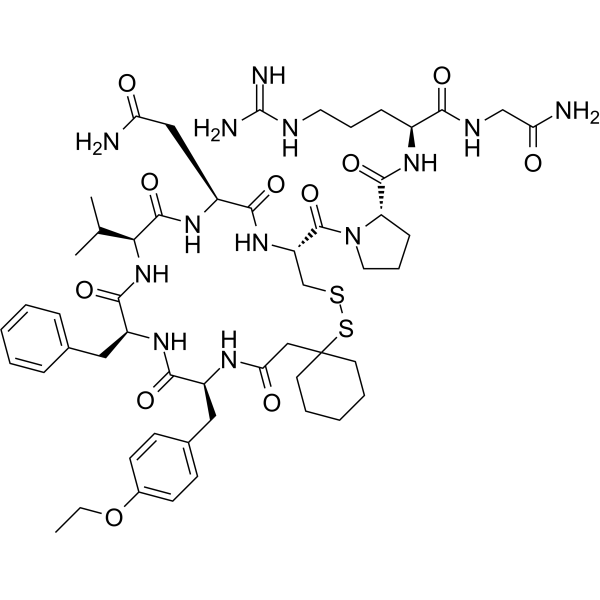
d(CH2)5Tyr(Et)VAVP
|
Vasopressin Receptor
|
Metabolic Disease
|
|
SKF 100398 (d(CH2)5Tyr(Et)VAVP), an arginine vasopressin (AVP) analogue, is a specific antagonist of the antidiuretic effect of exogenous and endogenous AVP .
|
-
-
- HY-78248
-
|
|
Biochemical Assay Reagents
|
Others
|
|
4-(1H-Pyrazol-4-yl)-7-[[2-(trimethylsilyl)ethoxy]methyl]-7H-pyrrolo[2,3-d]pyrimidine is a biochemical reagent that can be used as a biological material or organic compound for life science related research.
|
-
![4-(1H-Pyrazol-4-yl)-7-[[2-(trimethylsilyl)ethoxy]methyl]-7H-pyrrolo[2,3-d]pyrimidine](//file.medchemexpress.com/product_pic/hy-78248.gif)
-
- HY-P10828
-
|
|
Virus Protease
|
Infection
Inflammation/Immunology
|
|
MAPI is a polypeptide irreversible 3C cysteine protease (SV3CP) inhibitor. MAPI inhibits SV3CP by covalently binding its C-terminal Michael-acceptor extension to the active site thiol of SV3CP Cys 139. MAPI is promising for research of noroviruses infection .
|
-

-
- HY-120989
-
|
|
Endogenous Metabolite
|
Metabolic Disease
|
|
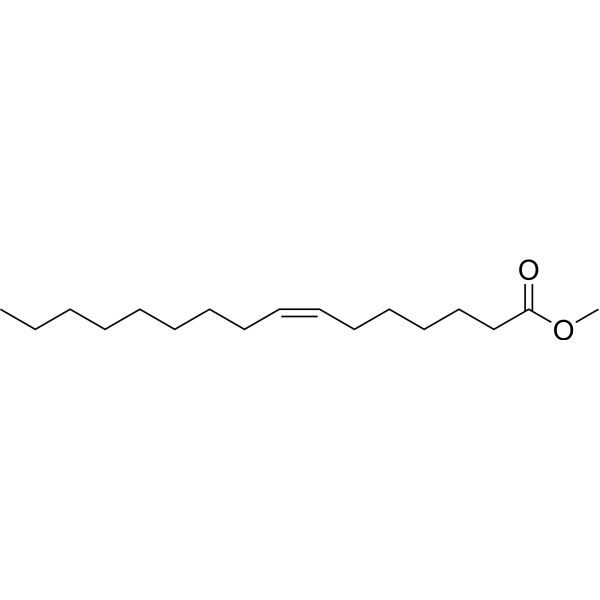
Methyl 7(Z)-hexadecenoate is a sex pheromone produced by Trogoderma glabrum. Methyl 7(Z)-hexadecenoate can elicit attractive and sexually excitatory responses in Trogoderma glabrum males .
|
-
-
- HY-166165
-
-

-
- HY-W354114
-
|
|
PROTAC Linkers
|
Cancer
|
|
Methyl 7-aminoheptanoate is a PROTAC linker that can be used in the synthesis of PROTACs.
|
-

-
- HY-W654269
-
|
|
Isotope-Labeled Compounds
|
Others
|
|
1-(4-Methyl-7-oxooctyl) 1,2-cyclohexanedicarboxylate-d8 is deuterium labeled 1-(4-Methyl-7-oxooctyl) 1,2-cyclohexanedicarboxylate .
|
-

-
- HY-119581
-
|
9-methyl-7-bromoeudistomin D
|
Fluorescent Dye
|
Neurological Disease
|
|
MBED (9-Methyl-7-bromoeudistomin D) is a RyR agonist. MBED is a high-affinity caffeine-like probe, helps identify the caffeine-binding site in RyRs .
|
-

-
- HY-N15728
-
|
|
Others
|
Metabolic Disease
Inflammation/Immunology
|
|
2-(2'-Hydroxypropyl)-5-methyl-7-hydroxychromone-7-O-β-D-glucopyranoside (Compound 5) is an orally active chromone glycoside found in the roots of Rumex patientia. 2-(2'-Hydroxypropyl)-5-methyl-7-hydroxychromone-7-O-β-D-glucopyranoside is promising for research of oxidative stress-related fields such as inflammation and metabolic diseases .
|
-

-
- HY-78558R
-
|
3-((3R,4R)-4-methyl-3-(methyl(7H-pyrrolo[2,3-d]pyrimidin-4-yl)amino)piperidin-1-yl)-3-oxopropanamide (Standard)
|
Reference Standards
|
|
|
3-((3R,4R)-4-methyl-3-(methyl(7H-pyrrolo[2,3-d]pyrimidin-4-yl)amino)piperidin-1-yl)-3-oxopropanamide (Standard) is the analytical standard of 3-((3R,4R)-4-methyl-3-(methyl(7H-pyrrolo[2,3-d]pyrimidin-4-yl)amino)piperidin-1-yl)-3-oxopropanamide. This product is intended for research and analytical applications.
|
-

-
- HY-152491
-
|
|
Nucleoside Antimetabolite/Analog
|
Others
|
|
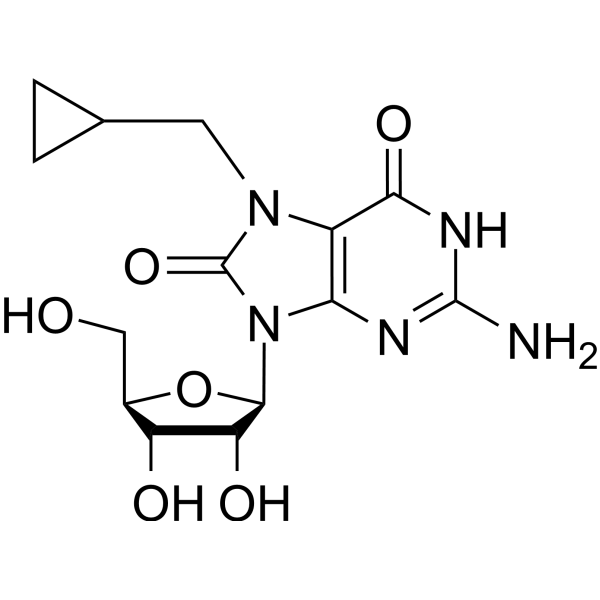
7-Cyclopropyl methyl-7,8-dihydro-8-oxo-9-(β-D-ribofuranosyl)guanine is a purine nucleoside analogue. Purine nucleoside analogs have broad antitumor activity targeting indolent lymphoid malignancies. Anticancer mechanisms in this process rely on inhibition of DNA synthesis, induction of apoptosis, etc .
|
-
-
- HY-78558
-
|
3-((3R,4R)-4-methyl-3-(methyl(7H-pyrrolo[2,3-d]pyrimidin-4-yl)amino)piperidin-1-yl)-3-oxopropanamide
|
Drug Intermediate
|
Others
|
|
Tofacitinib Impurity T (3-((3R,4R)-4-Methyl-3-(methyl(7H-pyrrolo[2,3-d]pyrimidin-4-yl)amino)piperidin-1-yl)-3-oxopropanamide) is a drug intermediate for synthesis of various active compounds.
|
-

-
- HY-152432
-
|
|
Nucleoside Antimetabolite/Analog
|
Others
|
|
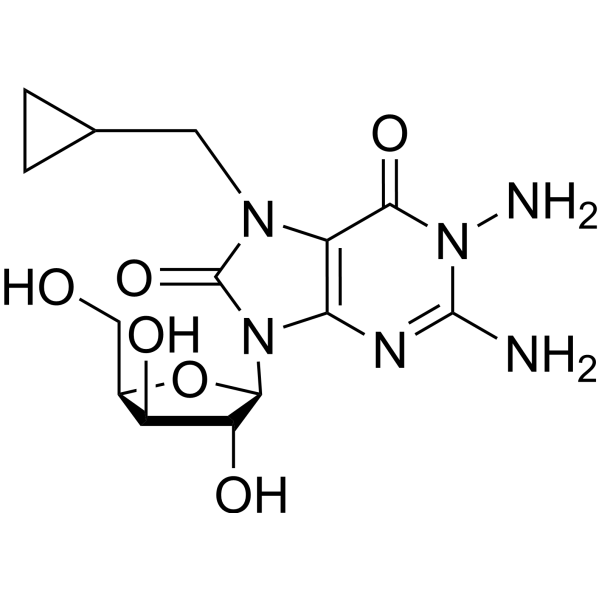
1-Amino-7-cyclopropyl methyl-7,8-dihydro-8-oxo-9-(β-D-xylofuranosyl)guanine is a purine nucleoside analogue. Purine nucleoside analogs have broad antitumor activity targeting indolent lymphoid malignancies. Anticancer mechanisms in this process rely on inhibition of DNA synthesis, induction of apoptosis, etc .
|
-
-
- HY-152703
-
|
|
Nucleoside Antimetabolite/Analog
|
Others
|
|
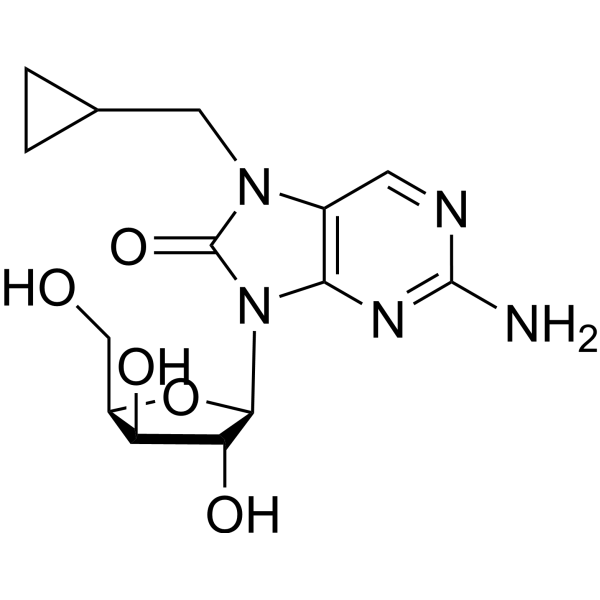
2-Amino-7-cyclopropyl methyl-7,8-dihydro-8-oxo-9-(beta-D-xylo furanosyl)purine (G159-82) PTPD-2 Confidential is a purine nucleoside analogue. Purine nucleoside analogs have broad antitumor activity targeting indolent lymphoid malignancies. Anticancer mechanisms in this process rely on inhibition of DNA synthesis, induction of apoptosis, etc .
|
-
-
- HY-N9071
-
|
|
Others
|
Others
|
|
5-Allyl-3-methoxy-6-methyl-7-(3,4,5-trimethoxyphenyl)bicyclo[3.2.1]oct-3-ene-2,8-dione is a Lignans product that can be isolated from the herbs of Cassia fistula .
|
-
![5-Allyl-3-methoxy-6-methyl-7-(3,4,5-trimethoxyphenyl)bicyclo[3.2.1]oct-3-ene-2,8-dione](//file.medchemexpress.com/product_pic/hy-n9071.gif)
-
- HY-Z3685R
-
|
|
Reference Standards
|
|
|
4-((4-ethoxy-3-(1-methyl-7-oxo-3-propyl-6,7-dihydro-1H-pyrazolo[4,3-d]pyrimidin-5-yl)phenyl)sulfonyl)-1-methylpiperazine 1-oxide (Sildenafil Impurity) (Standard) is the analytical standard of 4-((4-ethoxy-3-(1-methyl-7-oxo-3-propyl-6,7-dihydro-1H-pyrazolo[4,3-d]pyrimidin-5-yl)phenyl)sulfonyl)-1-methylpiperazine 1-oxide (Sildenafil Impurity). This product is intended for research and analytical applications.
|
-

-
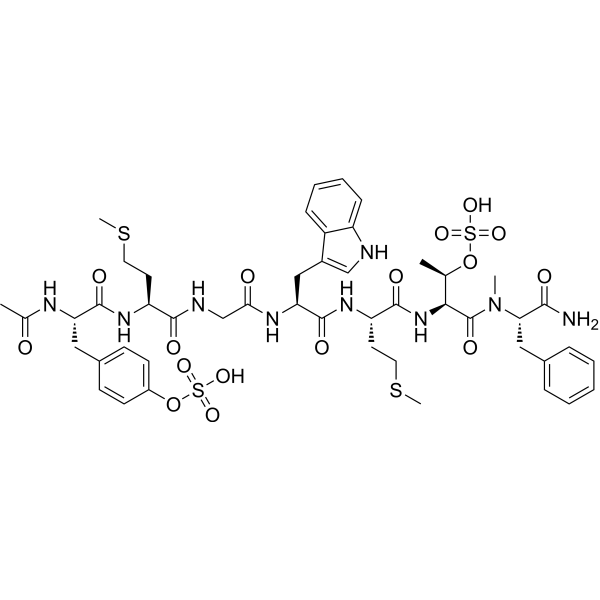
- HY-P2592
-
-
-
- HY-125628
-
|
|
Endogenous Metabolite
|
Infection
|
|
Kahalalide A is an anti-mycobacterial compound with antimicrobial activity. Kahalalide A is derived from the marine mollusk Elysia rufescens. Kahalalide A has attracted extensive attention in natural product research due to its potential medicinal value .
|
-

-
- HY-N13335
-
|
|
Others
|
Others
|
|
6-Methyl-7-O-methylaromadendrin is a natural product .
|
-

-
- HY-N16356
-
|
|
Others
|
Others
|
|
Methyl 7(Z)-octadecenoate is an unsaturated fatty acid methyl ester (FAME)。
|
-

-
- HY-179972
-
-

-
- HY-N16087
-
-

-
- HY-W738568
-
|
OH-MINP
|
Others
|
Endocrinology
|
|
Mono (4-methyl-7-hydroxyoctyl) phthalate (OH-MINP) is an endocrine disrupting chemical.
|
-

-
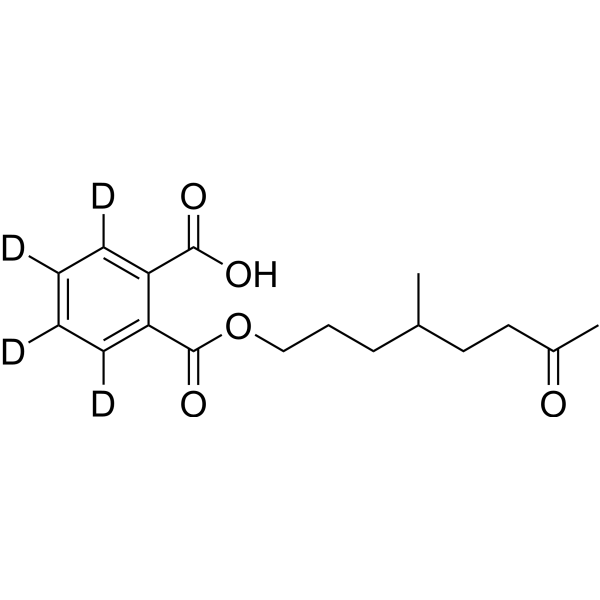
- HY-141745S
-
|
|
Isotope-Labeled Compounds
|
Others
|
|
2-(((4-Methyl-7-oxooctyl)oxy)carbonyl)benzoic acid-d4 is the deuterium labeled 2-(((4-Methyl-7-oxooctyl)oxy)carbonyl)benzoic acid .
|
-
-
- HY-N16996
-
-

-
- HY-180610
-
-

-
- HY-N16354
-
|
|
Others
|
Others
|
|
Methyl 7(Z),10(Z)-hexadecadienoate is an unsaturated fatty acid methyl ester (FAME)。
|
-

-
- HY-W588198
-
|
|
Drug Metabolite
|
Metabolic Disease
|
|
1,2-Cyclohexanedicarboxylic Acid Mono 4-Methyl-7-carboxy-heptyl Ester is a secondary oxidized metabolite of di(isononyl) cyclohexane-1,2-dicarboxylate (DINCH) , an alternative for phthalate plasticizer.
|
-

-
- HY-N16353
-
|
|
Others
|
Others
|
|
Methyl 7(Z),10(Z),13(Z)-nonadecatrienoate is an unsaturated fatty acid methyl ester (FAME)。
|
-

-
- HY-N16355
-
|
|
Others
|
Others
|
|
Methyl 7(Z),11(Z),14(Z)-eicosatrienoate is an unsaturated fatty acid methyl ester (FAME)。
|
-

-
- HY-W654123
-
|
|
Isotope-Labeled Compounds
|
Others
|
|
1,2-Cyclohexanedicarboxylic acid mono 4-methyl-7-carboxy-heptyl ester-d8 is deuterium labeled 1-(7-Carboxy-4-methylheptyl) 1,2-cyclohexanedicarboxylate .
|
-

-
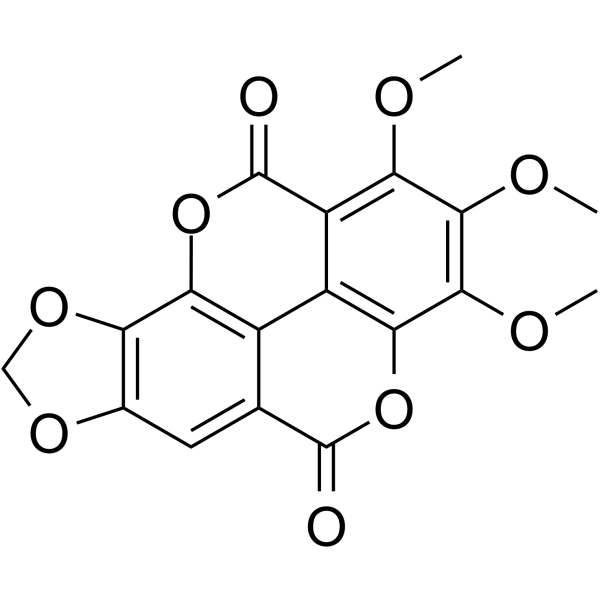
- HY-N9210
-
|
|
Others
|
Cancer
|
|
1,2,3-Tri-O-methyl-7,8-methyleneflavellagic acid, a ellagic acid derivative of Agrostistachys hookeri, exhibits activity against cultured P-388 lymphocytic leukemia cells .
|
-
-
- HY-158617
-
|
|
Fluorescent Dye
|
Others
|
|
4-Methyl-7-(4-nitrophenoxy)-2H-chromen-2-onee is a fluorescent Coumarin (HY-N0709) derivative (Ex/Em=323/445 nm) .
|
-

-
- HY-181631S
-
|
|
Isotope-Labeled Compounds
|
Others
|
|
4-[[[(2-((tert-Butoxycarbonyl)amino)ethyl)amino]carbonyl]methyl]-7-hydroxy-2H-chromen-2-one-d9 is the deuterium labeled 4-[[[(2-((tert-Butoxycarbonyl)amino)ethyl)amino]carbonyl]methyl]-7-hydroxy-2H-chromen-2-one.
|
-
![4-[[[(2-((tert-Butoxycarbonyl)amino)ethyl)amino]carbonyl]methyl]-7-hydroxy-2H-chromen-2-one-d9](//file.medchemexpress.com/product_pic/hy-181631s.gif)
- HY-158616
-
|
|
Fluorescent Dye
|
Others
|
|
4-Methyl-7-(2-nitrophenoxy)-2H-chromen-2-one (compound 2f) is a selenol fluorescent probe designed based on a nucleophilic aromatic substitution mechanism. It can selectively recognize selenols in neutral aqueous solution without significant interference from biological thiols, amines or alcohols. It can be used to quantify the selenium content in selenoenzymes and to image the activity of endogenous selenols in living cells.
|
-

- HY-N13401
-
|
|
Others
|
Others
|
|
Methyl 7,15-dihydroxydehydroabietate is a natural product .
|
-

- HY-I0278R
-
|
|
Reference Standards
|
|
|
1-((3R,4R)-4-methyl-3-(methyl(7H-pyrrolo[2,3-d]pyrimidin-4-yl)amino)piperidin-1-yl)ethanone (Standard) is the analytical standard of 1-((3R,4R)-4-methyl-3-(methyl(7H-pyrrolo[2,3-d]pyrimidin-4-yl)amino)piperidin-1-yl)ethanone. This product is intended for research and analytical applications.
|
-

- HY-W013775S
-
|
|
Isotope-Labeled Compounds
|
Others
|
|
9-Fluoro-3-methyl-7-oxo-10-(piperazin-1-yl)-3,7-dihydro-2H-[1,4]oxazino[2,3,4-ij]quinoline-6-carboxylic acid-d8 hydrochloride is the deuterium labeled 9-Fluoro-3-methyl-7-oxo-10-(piperazin-1-yl)-3,7-dihydro-2H-[1,4]oxazino[2,3,4-ij]quinoline-6-carboxylic acid hydrochloride .
|
-

- HY-A0248AS1
-
|
|
Isotope-Labeled Compounds
Bacterial
|
Infection
|
|
Polymyxin B1-D-Leu-d7 TFA is the deuterium labeled Polymyxin B1 (HY-A0248A). Polymyxin B1 is a potent antimicrobial lipopeptide first derived from Bacilus polymyxa. Polymyxin B1 is the major component in Polymyxin B (HY-A0248). Polymyxin B1 can induce lysis of bacterial cells through interaction with their membranes. Polymyxin B1 has the potential for multidrug-resistant Gram-negative bacterial infections treatment .
|
-

| Cat. No. |
Product Name |
Type |
-
- HY-D0913
-
|
1M7
|
Fluorescent Dyes
|
|
1-Methyl-7-nitroisatoic anhydride (1M7) is a reagent that detects local nucleotide flexibility, for probing 2'-hydroxyl reactivity, can be used for RNA structure analysis .
|
-
- HY-158616
-
|
|
Fluorescent Dyes
|
|
4-Methyl-7-(2-nitrophenoxy)-2H-chromen-2-one (compound 2f) is a selenol fluorescent probe designed based on a nucleophilic aromatic substitution mechanism. It can selectively recognize selenols in neutral aqueous solution without significant interference from biological thiols, amines or alcohols. It can be used to quantify the selenium content in selenoenzymes and to image the activity of endogenous selenols in living cells.
|
| Cat. No. |
Product Name |
Type |
-
- HY-137841
-
|
Arginine 4-methyl-7-coumarylamide hydrochloride
|
Biochemical Assay Reagents
|
|
L-Arginine-7-amido-4-methylcoumarin (Arginine 4-methyl-7-coumarylamide) hydrochloride is a specific substrate of cathepsin H but not for cathepsins L and B .
|
-
- HY-78248
-
|
|
Biochemical Assay Reagents
|
|
4-(1H-Pyrazol-4-yl)-7-[[2-(trimethylsilyl)ethoxy]methyl]-7H-pyrrolo[2,3-d]pyrimidine is a biochemical reagent that can be used as a biological material or organic compound for life science related research.
|
| Cat. No. |
Product Name |
Target |
Research Area |
-
- HY-134124
-
|
|
Reactive Oxygen Species (ROS)
|
Metabolic Disease
|
|
Glutathione ethyl ester is a cell-permeable GSH donor and provides an efficient supply of GSH to the oocyte. Glutathione ethyl ester shows positive effect on the in vitro production of embryos by enhancement of the antioxidative defense .
|
-
- HY-P10272
-
|
PTG-300
|
Ferroportin
|
Others
|
|
Rusfertide is a peptide mimetic of natural hepcidin, which targets and degrades ferroportin, reduces serum iron and transferrin-saturation, and thus regulates the production of red blood cells. Rusfertide ameliorates the polycythemia vera, β-thalassemia and hereditary hemochromatosis .
|
-
- HY-A0248A
-
|
|
Bacterial
|
Infection
|
|
Polymyxin B1 is a potent antimicrobial lipopeptide first derived from Bacilus polymyxa. Polymyxin B1 is the major component in Polymyxin B (HY-A0248). Polymyxin B1 can induce lysis of bacterial cells through interaction with their membranes. Polymyxin B1 has the potential for multidrug-resistant Gram-negative bacterial infections treatment .
|
-
- HY-P1108A
-
|
|
CRFR
|
Neurological Disease
Inflammation/Immunology
|
Astressin 2B TFA is a blood-brain barrier-impermeable, highly selective CRFR2 antagonist (rCRFR2, IC50=0.57 nM). Astressin 2B TFA blocks the protective effects mediated by CRFR2, thereby exacerbating indomethacin (HY-14397)-induced hemorrhagic intestinal injury in rats. Astressin 2B TFA reverses the protective effects of Urocortin 1 against intestinal hypermotility, bacterial invasion and upregulation of inflammatory mediators. Astressin 2B TFA also blocks the anxiogenic effect of Urocortin 2 and attenuates stress-induced anxiety-related behaviors. In the Clostridioides difficile toxin A (C. difficile toxin A)-mediated enteritis model, Astressin 2B TFA mimics the phenotype of CRFR2-deficient mice, significantly exacerbating intestinal epithelial damage, edema, neutrophil migration and the expression of multiple proinflammatory cytokines. Astressin 2B TFA is an important tool molecule for investigating the intestinal protective mechanisms of CRFR2 [7].
|
-
- HY-P1108
-
|
|
CRFR
|
Neurological Disease
Inflammation/Immunology
|
Astressin 2B is a blood-brain barrier-impermeable, highly selective CRFR2 antagonist (rCRFR2, IC50=0.57 nM). Astressin 2B blocks the protective effects mediated by CRFR2, thereby exacerbating indomethacin (HY-14397)-induced hemorrhagic intestinal injury in rats. Astressin 2B reverses the protective effects of Urocortin 1 against intestinal hypermotility, bacterial invasion and upregulation of inflammatory mediators. Astressin 2B also blocks the anxiogenic effect of Urocortin 2 and attenuates stress-induced anxiety-related behaviors. In the Clostridioides difficile toxin A (C. difficile toxin A)-mediated enteritis model, Astressin 2B mimics the phenotype of CRFR2-deficient mice, significantly exacerbating intestinal epithelial damage, edema, neutrophil migration and the expression of multiple proinflammatory cytokines. Astressin 2B is an important tool molecule for investigating the intestinal protective mechanisms of CRFR2 [7].
|
-
- HY-P10143
-
|
Ac-Pro-Leu-Gly-[(S)-2-mercapto-4-methyl-pentanoyl]-Leu-Gly-OEt
|
MMP
|
Others
|
|
MMP-2/MMP-9 Substrate (Ac-Pro-Leu-Gly-[(S)-2-mercapto-4-methyl-pentanoyl]-Leu-Gly-OEt) is a synthetic chromogenic polypeptide substrate whose core structure mimics the cleavage sites of MMP-2 and MMP-9 (gelatinase A and B) in collagen. After being hydrolyzed by collagenase, MMP-2/MMP-9 Substrate reacts with 4,4'-dithiodipyridine or Ellman's Reagent via its thiol fragment to produce a product with ultraviolet absorption properties .
|
-
- HY-A0248AS
-
|
|
Isotope-Labeled Compounds
Bacterial
|
Infection
|
|
Polymyxin B1-d7 TFA is the deuterium labeled Polymyxin B1 TFA (HY-A0248A). Polymyxin B1 is a potent antimicrobial lipopeptide first derived from Bacilus polymyxa. Polymyxin B1 is the major component in Polymyxin B (HY-A0248). Polymyxin B1 can induce lysis of bacterial cells through interaction with their membranes. Polymyxin B1 has the potential for multidrug-resistant Gram-negative bacterial infections treatment .
|
-
- HY-P10563
-
|
BHV-1100
|
CD38
|
Cancer
|
|
Noraramtide (BHV-1100) is an antibody recruitment molecule. Noraramtide can specifically bind to CD38 molecules to recruit natural killer (NK) cells. Noraramtide enhances the ability of NK cells to kill tumor cells through antibody-dependent cellular cytotoxicity (ADCC). This mechanism allows NK cells to more effectively recognize and eliminate tumor cells while avoiding mutual killing between NK cells. Noraramtide can be used for the study of autologous cancer immunity .
|
-
- HY-P3066
-
|
d(CH2)5Tyr(Et)VAVP
|
Vasopressin Receptor
|
Metabolic Disease
|
|
SKF 100398 (d(CH2)5Tyr(Et)VAVP), an arginine vasopressin (AVP) analogue, is a specific antagonist of the antidiuretic effect of exogenous and endogenous AVP .
|
-
- HY-P10828
-
|
|
Virus Protease
|
Infection
Inflammation/Immunology
|
|
MAPI is a polypeptide irreversible 3C cysteine protease (SV3CP) inhibitor. MAPI inhibits SV3CP by covalently binding its C-terminal Michael-acceptor extension to the active site thiol of SV3CP Cys 139. MAPI is promising for research of noroviruses infection .
|
-
- HY-P4756
-
|
|
Peptides
|
Others
|
|
N-(2-Carbamoyl-ethyl)-Val-Leu-anilide is a polypeptide that can be found by peptide screening. Peptide screening is a research tool that pools active peptides primarily by immunoassay. Peptide screening can be used for protein interaction, functional analysis, epitope screening, especially in the field of agent research and development .
|
-
- HY-P2592
-
-
- HY-125628
-
|
|
Endogenous Metabolite
|
Infection
|
|
Kahalalide A is an anti-mycobacterial compound with antimicrobial activity. Kahalalide A is derived from the marine mollusk Elysia rufescens. Kahalalide A has attracted extensive attention in natural product research due to its potential medicinal value .
|
-
- HY-A0248AS1
-
|
|
Isotope-Labeled Compounds
Bacterial
|
Infection
|
|
Polymyxin B1-D-Leu-d7 TFA is the deuterium labeled Polymyxin B1 (HY-A0248A). Polymyxin B1 is a potent antimicrobial lipopeptide first derived from Bacilus polymyxa. Polymyxin B1 is the major component in Polymyxin B (HY-A0248). Polymyxin B1 can induce lysis of bacterial cells through interaction with their membranes. Polymyxin B1 has the potential for multidrug-resistant Gram-negative bacterial infections treatment .
|
| Cat. No. |
Product Name |
Category |
Target |
Chemical Structure |
| Cat. No. |
Product Name |
Chemical Structure |
-
- HY-A0248AS
-
|
|
|
Polymyxin B1-d7 TFA is the deuterium labeled Polymyxin B1 TFA (HY-A0248A). Polymyxin B1 is a potent antimicrobial lipopeptide first derived from Bacilus polymyxa. Polymyxin B1 is the major component in Polymyxin B (HY-A0248). Polymyxin B1 can induce lysis of bacterial cells through interaction with their membranes. Polymyxin B1 has the potential for multidrug-resistant Gram-negative bacterial infections treatment .
|
-
-
- HY-W654269
-
|
|
|
1-(4-Methyl-7-oxooctyl) 1,2-cyclohexanedicarboxylate-d8 is deuterium labeled 1-(4-Methyl-7-oxooctyl) 1,2-cyclohexanedicarboxylate .
|
-
-
- HY-141745S
-
|
|
|
2-(((4-Methyl-7-oxooctyl)oxy)carbonyl)benzoic acid-d4 is the deuterium labeled 2-(((4-Methyl-7-oxooctyl)oxy)carbonyl)benzoic acid .
|
-
-
- HY-W654123
-
|
|
|
1,2-Cyclohexanedicarboxylic acid mono 4-methyl-7-carboxy-heptyl ester-d8 is deuterium labeled 1-(7-Carboxy-4-methylheptyl) 1,2-cyclohexanedicarboxylate .
|
-
-
- HY-181631S
-
|
|
|
4-[[[(2-((tert-Butoxycarbonyl)amino)ethyl)amino]carbonyl]methyl]-7-hydroxy-2H-chromen-2-one-d9 is the deuterium labeled 4-[[[(2-((tert-Butoxycarbonyl)amino)ethyl)amino]carbonyl]methyl]-7-hydroxy-2H-chromen-2-one.
|
-
-
- HY-W013775S
-
|
|
|
9-Fluoro-3-methyl-7-oxo-10-(piperazin-1-yl)-3,7-dihydro-2H-[1,4]oxazino[2,3,4-ij]quinoline-6-carboxylic acid-d8 hydrochloride is the deuterium labeled 9-Fluoro-3-methyl-7-oxo-10-(piperazin-1-yl)-3,7-dihydro-2H-[1,4]oxazino[2,3,4-ij]quinoline-6-carboxylic acid hydrochloride .
|
-
-
- HY-A0248AS1
-
|
|
|
Polymyxin B1-D-Leu-d7 TFA is the deuterium labeled Polymyxin B1 (HY-A0248A). Polymyxin B1 is a potent antimicrobial lipopeptide first derived from Bacilus polymyxa. Polymyxin B1 is the major component in Polymyxin B (HY-A0248). Polymyxin B1 can induce lysis of bacterial cells through interaction with their membranes. Polymyxin B1 has the potential for multidrug-resistant Gram-negative bacterial infections treatment .
|
-
| Cat. No. |
Product Name |
|
Classification |
-
- HY-152491
-
|
|
|
Nucleoside Analogs
Guanosine
|
|
7-Cyclopropyl methyl-7,8-dihydro-8-oxo-9-(β-D-ribofuranosyl)guanine is a purine nucleoside analogue. Purine nucleoside analogs have broad antitumor activity targeting indolent lymphoid malignancies. Anticancer mechanisms in this process rely on inhibition of DNA synthesis, induction of apoptosis, etc .
|
-
- HY-152432
-
|
|
|
Nucleoside Analogs
Guanosine
|
|
1-Amino-7-cyclopropyl methyl-7,8-dihydro-8-oxo-9-(β-D-xylofuranosyl)guanine is a purine nucleoside analogue. Purine nucleoside analogs have broad antitumor activity targeting indolent lymphoid malignancies. Anticancer mechanisms in this process rely on inhibition of DNA synthesis, induction of apoptosis, etc .
|
-
- HY-152703
-
|
|
|
Nucleoside Analogs
|
|
2-Amino-7-cyclopropyl methyl-7,8-dihydro-8-oxo-9-(beta-D-xylo furanosyl)purine (G159-82) PTPD-2 Confidential is a purine nucleoside analogue. Purine nucleoside analogs have broad antitumor activity targeting indolent lymphoid malignancies. Anticancer mechanisms in this process rely on inhibition of DNA synthesis, induction of apoptosis, etc .
|
Your information is safe with us. * Required Fields.
Inquiry Information
- Product Name:
- Cat. No.:
- Quantity:
- MCE Japan Authorized Agent:





![tert-Butyl 4-(6-(8-cyclopentyl-5-Methyl-7-oxo-6-(1-propoxyvinyl)-7,8-dihydropyrido[2,3-d]pyriMidin-2-ylaMino)pyridin-3-yl)piperazine-1-carboxylate](http://file.medchemexpress.com/product_pic/hy-75951.gif)


![4-(1H-Pyrazol-4-yl)-7-[[2-(trimethylsilyl)ethoxy]methyl]-7H-pyrrolo[2,3-d]pyrimidine](http://file.medchemexpress.com/product_pic/hy-78248.gif)


![5-Allyl-3-methoxy-6-methyl-7-(3,4,5-trimethoxyphenyl)bicyclo[3.2.1]oct-3-ene-2,8-dione](http://file.medchemexpress.com/product_pic/hy-n9071.gif)


![4-[[[(2-((tert-Butoxycarbonyl)amino)ethyl)amino]carbonyl]methyl]-7-hydroxy-2H-chromen-2-one-d9](http://file.medchemexpress.com/product_pic/hy-181631s.gif)





