Search Result
Results for "
(S)-( )-Arginine
" in MedChemExpress (MCE) Product Catalog:
-
- HY-N0455
-
-
-
- HY-129047
-
|
|
Ser/Thr Protease
Protease Activated Receptor (PAR)
|
Infection
Inflammation/Immunology
|
|
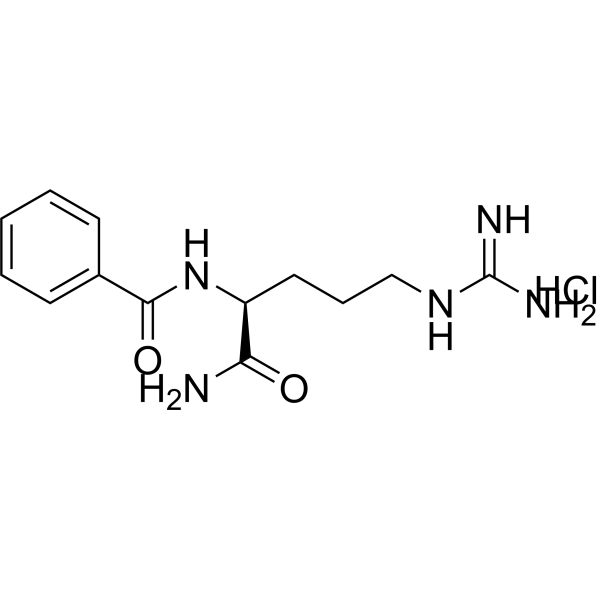
Trypsin is a serine protease enzyme, and hydrolyzes proteins at the carboxyl side of the Lysine or Arginine. Trypsin activates PAR2 and PAR4. Trypsin induces cell-to-cell membrane fusion in PDCoV infection by the interaction of S glycoprotein of PDCoV and pAPN. Trypsin also promotes cell proliferation and differentiation. Trypsin can be used in the research of wound healing and neurogenic inflammation .
|
-
-
- HY-N0455A
-
|
(S)-(+)-Arginine hydrochloride
|
NO Synthase
Endogenous Metabolite
|
Cardiovascular Disease
Inflammation/Immunology
|
|
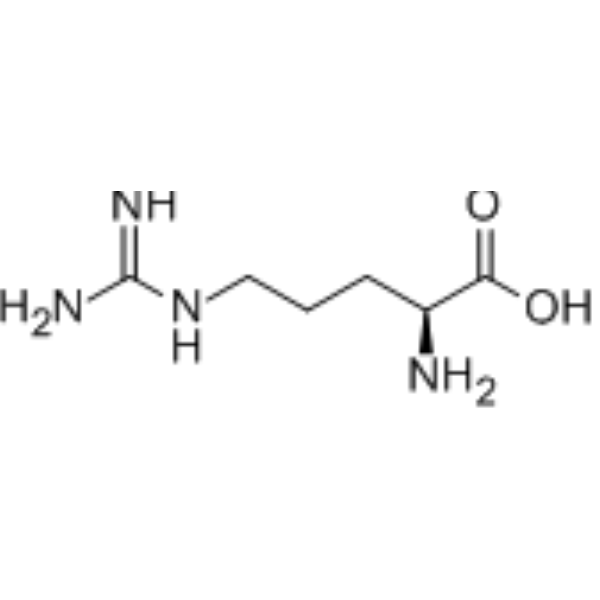
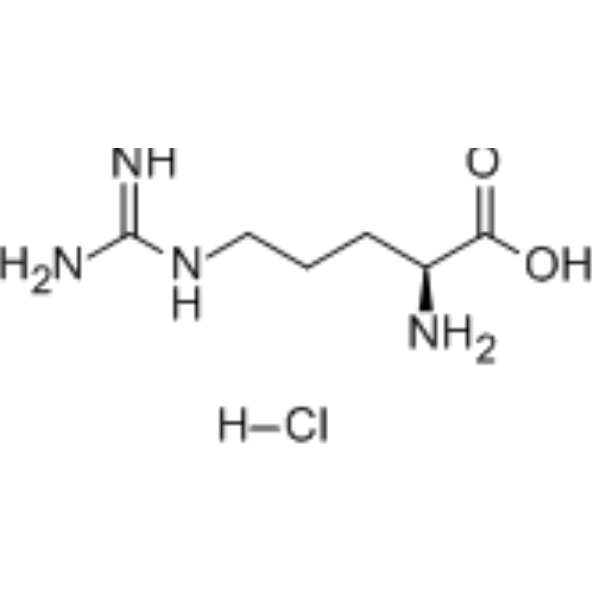
L-Arginine ((S)-(+)-Arginine) is the substrate for the endothelial nitric oxide synthase (eNOS) to generate NO. L-Arginine is transported into vascular smooth muscle cells by the cationic amino acid transporter family of proteins where it is metabolized to nitric oxide (NO), polyamines, or L-proline. L-Arginine is a potent vasodilator, and can be used to induce experimental acute pancreatitis .
|
-
-
- HY-19615
-
|
|
Histone Methyltransferase
|
Cancer
|
|
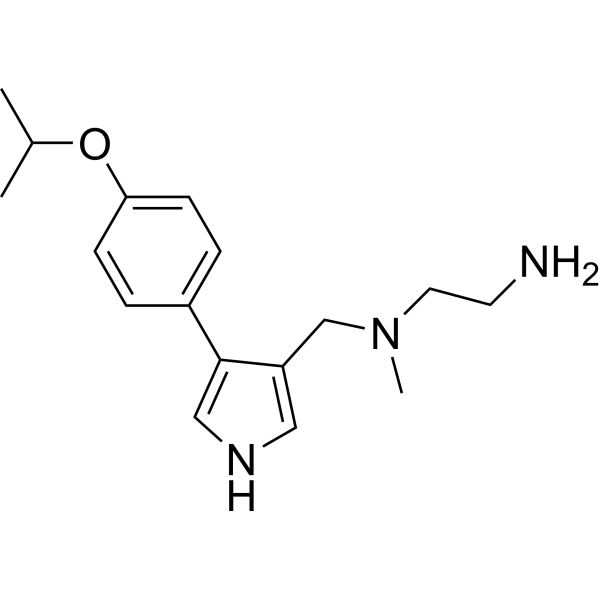
MS023, a chemical probe, is a potent, selective, and cell-active inhibitor of human type I protein arginine methyltransferases (PRMTs) inhibitor, with IC50s of 30, 119, 83, 4 and 5 nM for PRMT1, PRMT3, PRMT4, PRMT6, and PRMT8, respectively .
|
-
-
- HY-129047A
-
|
|
Ser/Thr Protease
Protease Activated Receptor (PAR)
|
Infection
Inflammation/Immunology
|
|
Trypsin MS grade is a serine protease enzyme, and hydrolyzes proteins at the carboxyl side of the Lysine or Arginine. Trypsin MS grade activates PAR2 and PAR4. Trypsin MS grade induces cell-to-cell membrane fusion in PDCoV infection by the interaction of S glycoprotein of PDCoV and pAPN. Trypsin MS grade also promotes cell proliferation and differentiation. Trypsin MS grade can be used in the research of wound healing and neurogenic inflammation .
|
-
-
- HY-N0455AS8
-
|
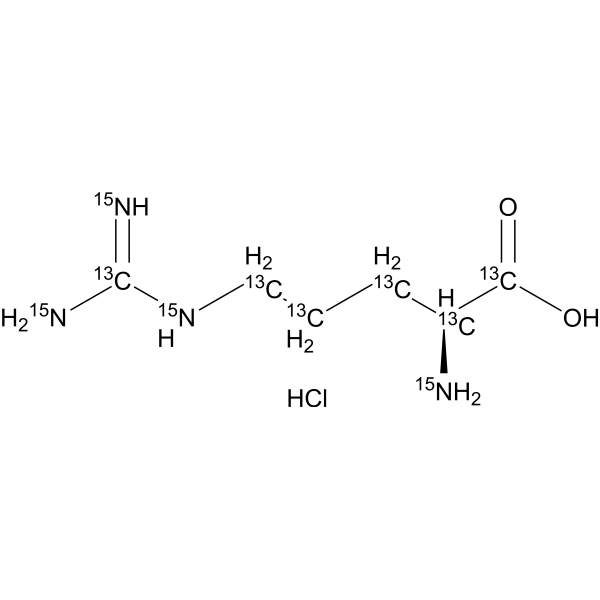
(S)-(+)-Arginine-13C6,15N4 hydrochloride
|
NO Synthase
Endogenous Metabolite
|
Others
|
|
L-Arginine- 13C6, 15N4 (hydrochloride) is the 13C- and 15N-labeled L-Arginine hydrochloride. L-Arginine hydrochloride ((S)-(+)-Arginine hydrochloride) is the nitrogen donor for synthesis of nitric oxide, a potent vasodilator that is deficient during times of sickle cell crisis.
|
-
-
- HY-128717A
-
|
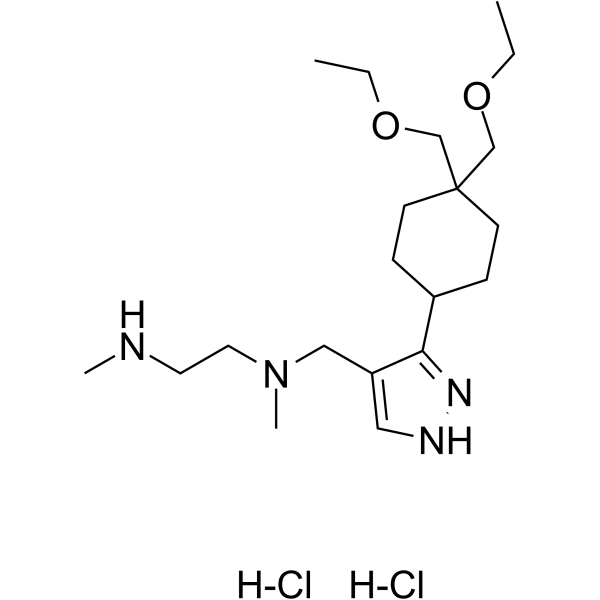
EPZ019997 dihydrochloride
|
Histone Methyltransferase
|
Cancer
|
|
GSK3368715 dihydrochloride (EPZ019997 dihydrochloride) is an orally active, reversible, and S-adenosyl-L-methionine (SAM) uncompetitive type I protein arginine methyltransferases (PRMTs) inhibitor (IC50=3.1 nM (PRMT1), 48 nM (PRMT3), 1148 nM (PRMT4), 5.7 nM (PRMT6), 1.7 nM (PRMT8)). GSK3368715 dihydrochloride (EPZ019997 dihydrochloride) produces a shift in arginine methylation states, alters exon usage, and has strong anti-cancer activity .
|
-
-
- HY-128717
-
|
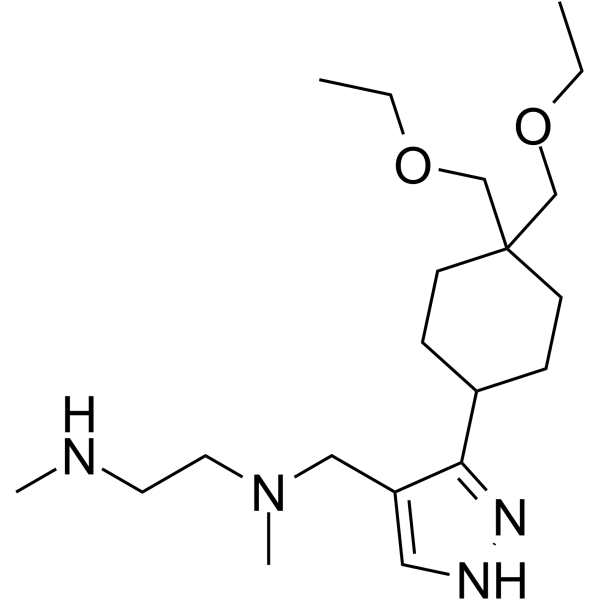
EPZ019997
|
Histone Methyltransferase
|
Cancer
|
|
GSK3368715 (EPZ019997) is an orally active, reversible, and S-adenosyl-L-methionine (SAM) uncompetitive type I protein arginine methyltransferases (PRMTs) inhibitor (IC50=3.1 nM (PRMT1), 48 nM (PRMT3), 1148 nM (PRMT4), 5.7 nM (PRMT6), 1.7 nM (PRMT8)). GSK3368715 (EPZ019997) produces a shift in arginine methylation states, alters exon usage, and has strong anti-cancer activity .
|
-
-
- HY-N0455AS2
-
|
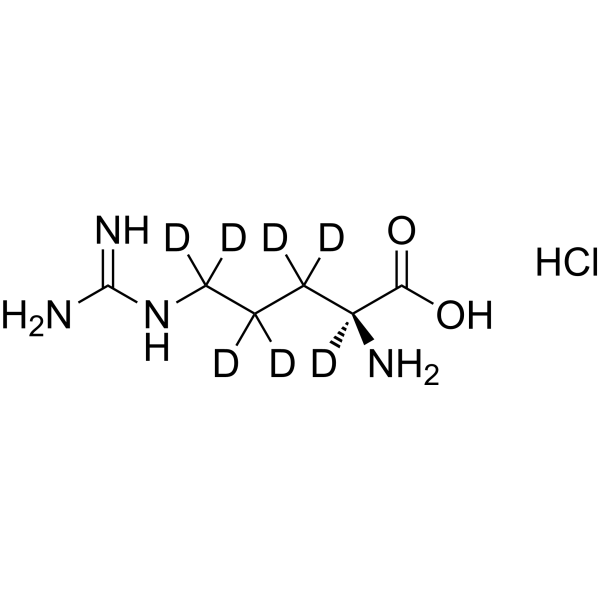
(S)-(+)-Arginine-d7 hydrochloride
|
NO Synthase
Endogenous Metabolite
|
Others
|
|
L-Arginine-d7 (hydrochloride) is the deuterium labeled L-Arginine hydrochloride. L-Arginine hydrochloride ((S)-(+)-Arginine hydrochloride) is the nitrogen donor for synthesis of nitric oxide, a potent vasodilator that is deficient during times of sickle cell crisis.
|
-
-
- HY-N0455AS6
-
|
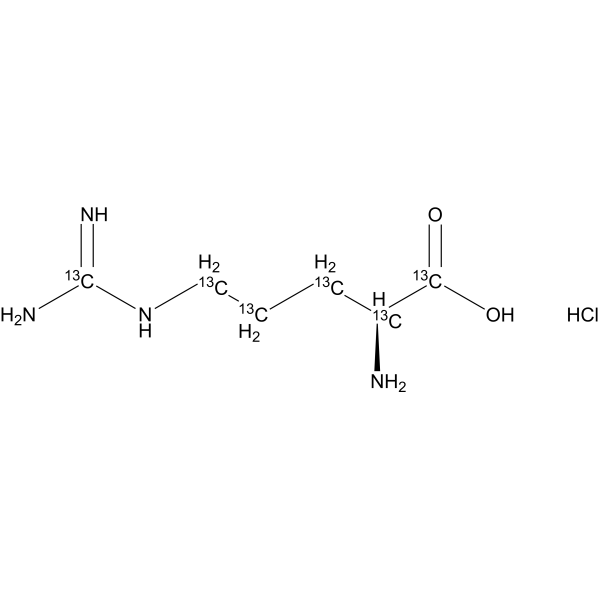
(S)-(+)-Arginine-13C6 hydrochloride
|
Isotope-Labeled Compounds
NO Synthase
Endogenous Metabolite
|
Others
|
|
L-Arginine- 13C6 (hydrochloride) is the 13C-labeled L-Arginine hydrochloride. L-Arginine hydrochloride ((S)-(+)-Arginine hydrochloride) is the nitrogen donor for synthesis of nitric oxide, a potent vasodilator that is deficient during times of sickle cell crisis.
|
-
-
- HY-N0455AS1
-
|
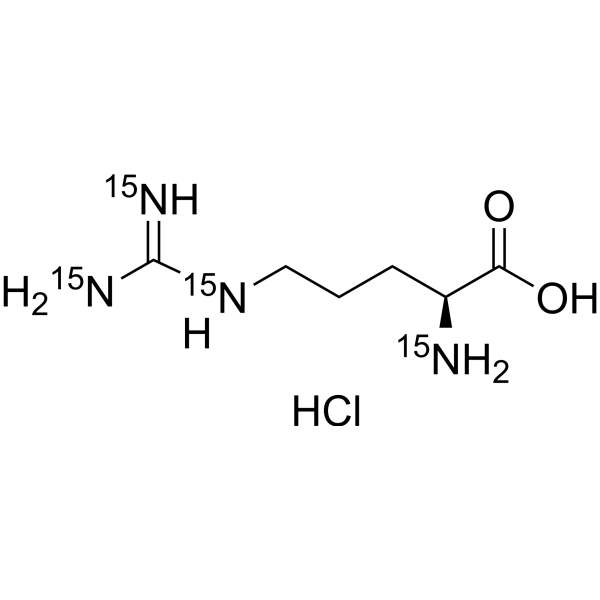
(S)-(+)-Arginine-15N4 hydrochloride
|
Isotope-Labeled Compounds
NO Synthase
Endogenous Metabolite
|
Others
|
|
L-Arginine- 15N4 (hydrochloride) is the 15N-labeled L-Arginine hydrochloride. L-Arginine hydrochloride ((S)-(+)-Arginine hydrochloride) is the nitrogen donor for synthesis of nitric oxide, a potent vasodilator that is deficient during times of sickle cell crisis .
|
-
-
- HY-18962
-
|
|
Histone Methyltransferase
|
Cancer
|
|
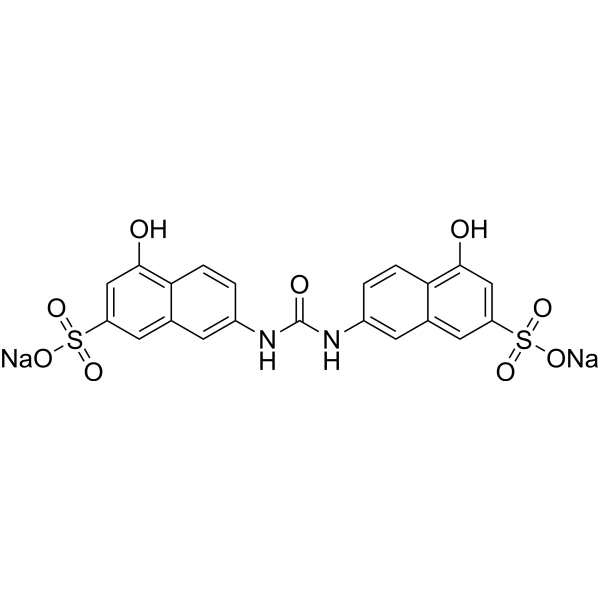
AMI-1 is a potent, cell-permeable and reversible inhibitor of protein arginine N-methyltransferases (PRMTs), with IC50s of 8.8 μM and 3.0 μM for human PRMT1 and yeast-Hmt1p, respectively. AMI-1 exerts PRMTs inhibitory effects by blocking peptide-substrate binding .
|
-
-
- HY-N0455B
-
|
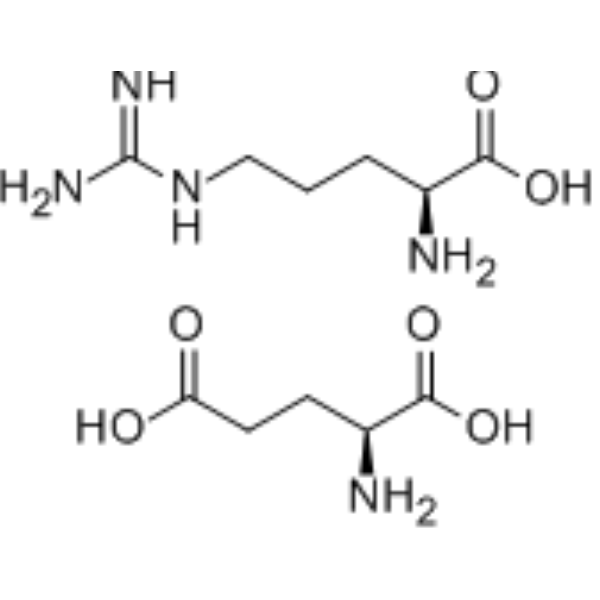
(S)-(+)-Arginine (L-glutamate)
|
Endogenous Metabolite
NO Synthase
|
Metabolic Disease
|
|
L-Arginine L-glutamate ((S)-(+)-Arginine L-glutamate) is the nitrogen donor for synthesis of nitric oxide. L-Arginine L-glutamate can be used for upper gastrointestinal hypofunction or dysfunction like functional dyspepsia research .
|
-
-
- HY-110137
-
|
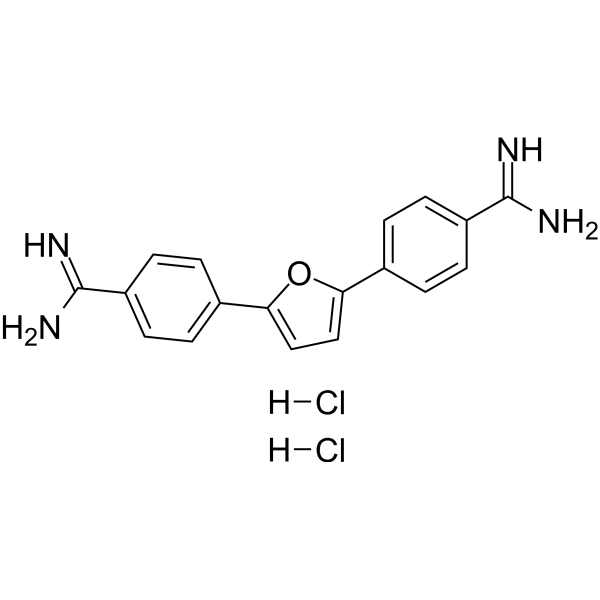
DB75 dihydrochloride; NSC 305831 dihydrochloride
|
Histone Methyltransferase
Phosphodiesterase (PDE)
Parasite
|
Infection
Inflammation/Immunology
Cancer
|
|
Furamidine dihydrochloride (DB75 dihydrochloride) is a selective protein arginine methyltransferase 1 (PRMT1) inhibitor with an IC50 of 9.4 μM. Furamidine dihydrochloride is selective for PRMT1 over PRMT5, PRMT6, and PRMT4 (CARM1) (IC50s of 166 µM, 283 µM, and >400 µM, respectively). Furamidine dihydrochloride is a potent, reversible and competitive tyrosyl-DNA phosphodiesterase 1 (TDP-1) inhibitor. Inhibition of TDP-1 by Furamidine dihydrochloride is effective both with single- and double-stranded DNA substrates but is slightly stronger with the duplex DNA. Furamidine dihydrochloride is also an antiparasite agent .
|
-
-
- HY-N0455R
-
|
|
Reference Standards
NO Synthase
Endogenous Metabolite
|
Cardiovascular Disease
Cancer
|
|
L-Arginine (Standard) is the analytical standard of L-Arginine. This product is intended for research and analytical applications. L-Arginine ((S)-(+)-Arginine) is the substrate for the endothelial nitric oxide synthase (eNOS) to generate NO. L-Arginine is transported into vascular smooth muscle cells by the cationic amino acid transporter family of proteins where it is metabolized to nitric oxide (NO), polyamines, or L-proline. L-Arginine is a potent vasodilator, and can be used to induce experimental acute pancreatitis .
|
-

-
- HY-19615B
-
|
|
Histone Methyltransferase
|
Cancer
|
|
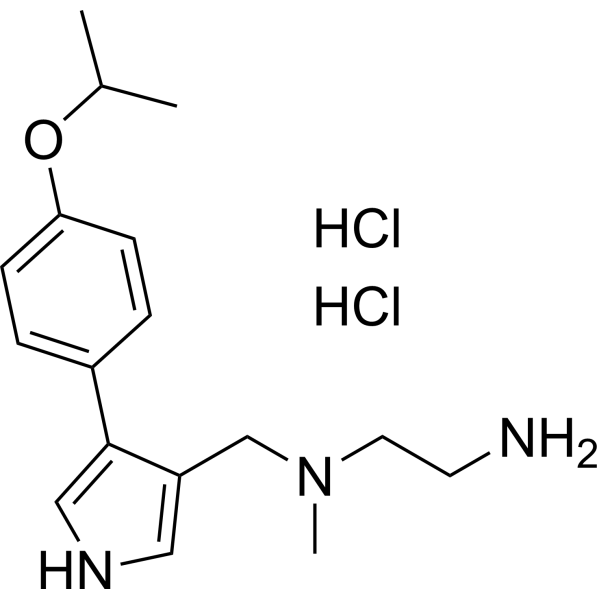
MS023 dihydrochloride is a potent, selective, and cell-active inhibitor of human type I protein arginine methyltransferases (PRMTs) inhibitor, with IC50s of 30, 119, 83, 4 and 5 nM for PRMT1, PRMT3, PRMT4, PRMT6, and PRMT8, respectively .
|
-
-
- HY-N0455AS7
-
|
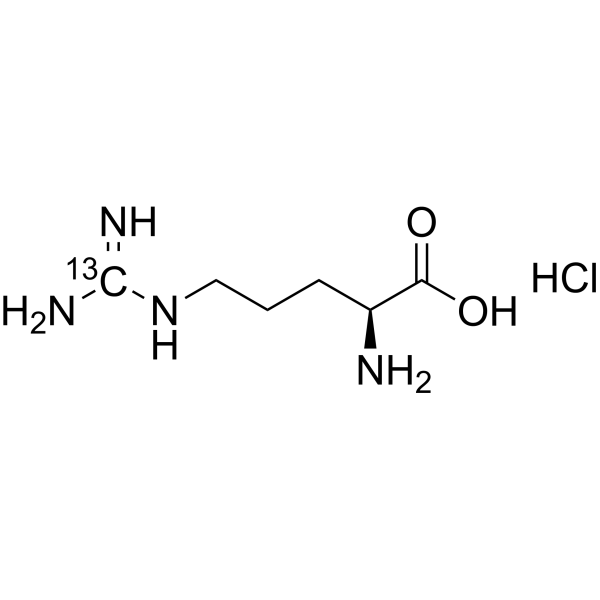
(S)-(+)-Arginine-13C hydrochloride
|
NO Synthase
Endogenous Metabolite
|
Others
|
|
L-Arginine- 13C (hydrochloride) is the 13C-labeled L-Arginine hydrochloride. L-Arginine hydrochloride ((S)-(+)-Arginine hydrochloride) is the nitrogen donor for synthesis of nitric oxide, a potent vasodilator that is deficient during times of sickle cell crisis.
|
-
-
- HY-N0455AS3
-
|
(S)-(+)-Arginine-1-13C hydrochloride
|
NO Synthase
Endogenous Metabolite
|
Others
|
|
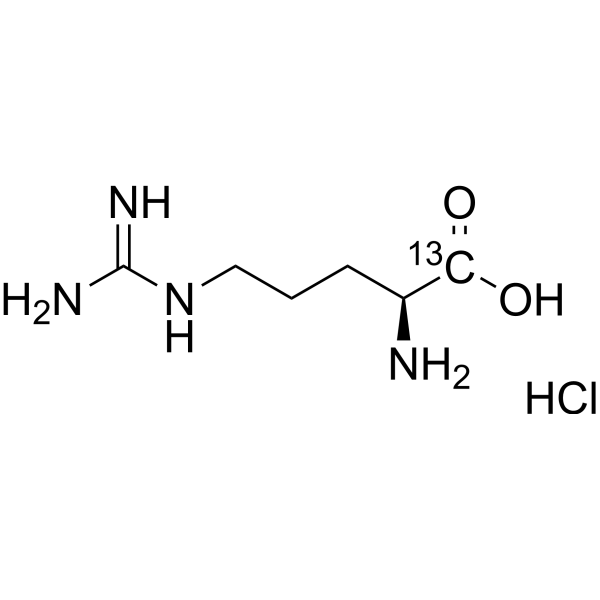
L-Arginine-1- 13C (hydrochloride) is the 13C-labeled L-Arginine hydrochloride. L-Arginine hydrochloride ((S)-(+)-Arginine hydrochloride) is the nitrogen donor for synthesis of nitric oxide, a potent vasodilator that is deficient during times of sickle cell crisis.
|
-
-
- HY-W013305
-
-
-
- HY-23020
-
|
|
Proteasome
|
Cancer
|
|
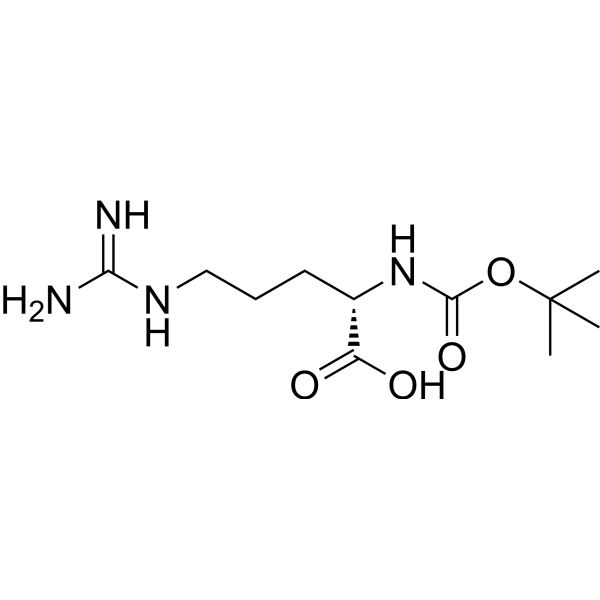
Boc3Arg is the tert-butyl carbamate-protected arginine. Boc3Arg is an efficient tag to induce degradation through directly localizing the protein to the 20S proteasome .
|
-

-
- HY-128579
-
|
|
Histone Methyltransferase
|
Cancer
|
|
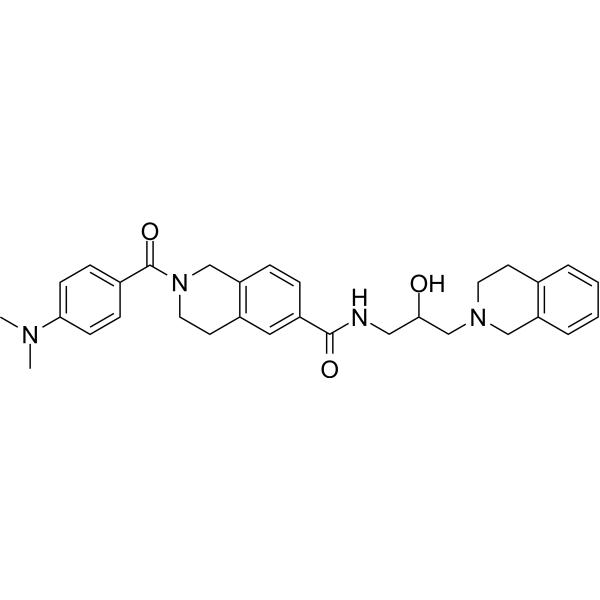
DW14800 is a protein arginine methyltransferase 5 (PRMT5) inhibitor, with an IC50 of 17 nM. DW14800 reduces H4R3me2s levels and enhances the transcription of HNF4α, but does not alter PRMT5 expression. Anti-cancer activity .
|
-
-
- HY-18962A
-
|
|
Histone Methyltransferase
|
Cancer
|
|
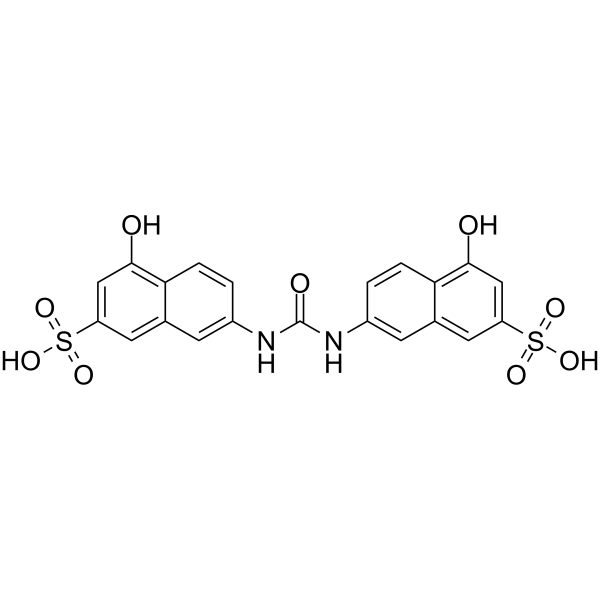
AMI-1 free acid is a potent, cell-permeable and reversible inhibitor of protein arginine N-methyltransferases (PRMTs), with IC50s of 8.8 μM and 3.0 μM for human PRMT1 and yeast-Hmt1p, respectively. AMI-1 free acid exerts PRMTs inhibitory effects by blocking peptide-substrate binding .
|
-
-
- HY-N0455AS5
-
|
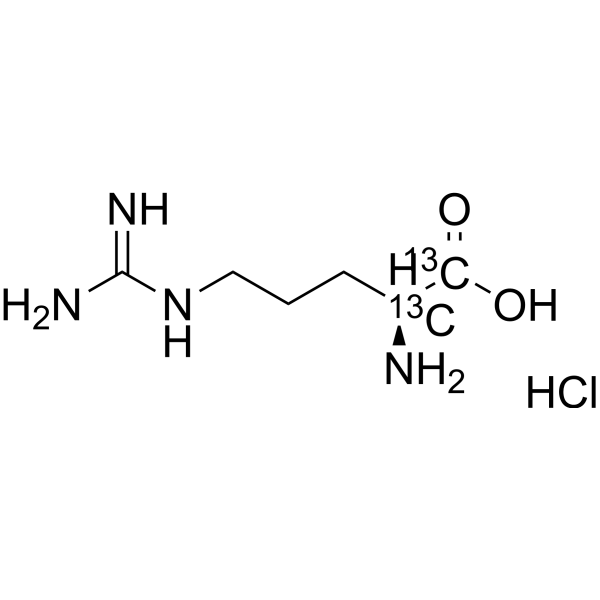
(S)-(+)-Arginine-1,2-13C2 hydrochloride
|
Isotope-Labeled Compounds
NO Synthase
Endogenous Metabolite
|
Others
|
|
L-Arginine-1,2- 13C2 (hydrochloride) is the 13C-labeled L-Arginine hydrochloride. L-Arginine hydrochloride ((S)-(+)-Arginine hydrochloride) is the nitrogen donor for synthesis of nitric oxide, a potent vasodilator that is deficient during times of sickle cell crisis.
|
-
-
- HY-W105809R
-
|
(S)-2-Amino-5-((diaminomethylene)amino)pentanoic acid compound with L-aspartic acid (1:1) (Standard)
|
Reference Standards
|
|
|
L-Arginine L-aspartate (Standard) is the analytical standard of L-Arginine L-aspartate. This product is intended for research and analytical applications.
|
-

-
- HY-110137A
-
|
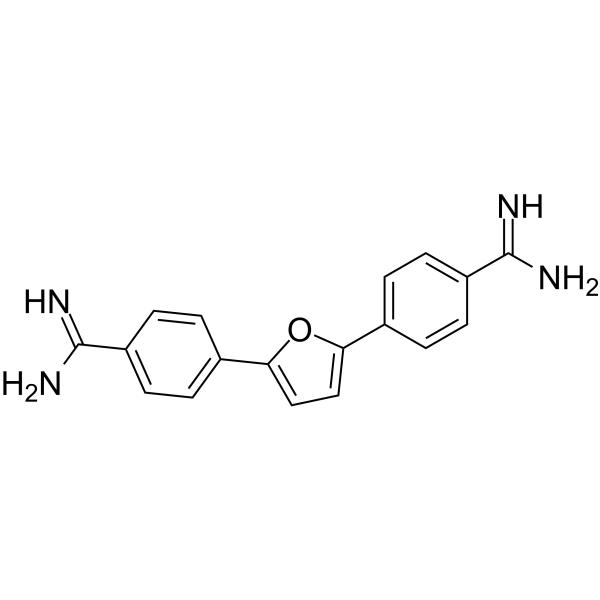
DB75; NSC 305831
|
Histone Methyltransferase
Phosphodiesterase (PDE)
Parasite
|
Infection
Inflammation/Immunology
Cancer
|
|
Furamidine (DB75) is a selective protein arginine methyltransferase 1 (PRMT1) inhibitor with an IC50 of 9.4 μM. Furamidine is selective for PRMT1 over PRMT5, PRMT6, and PRMT4 (CARM1) (IC50s of 166 µM, 283 µM, and >400 µM, respectively). Furamidine is a potent, reversible and competitive tyrosyl-DNA phosphodiesterase 1 (TDP-1) inhibitor. Inhibition of TDP-1 by Furamidine is effective both with single- and double-stranded DNA substrates but is slightly stronger with the duplex DNA. Furamidine is also an antiparasite agent .
|
-
-
- HY-N0455AS4
-
|
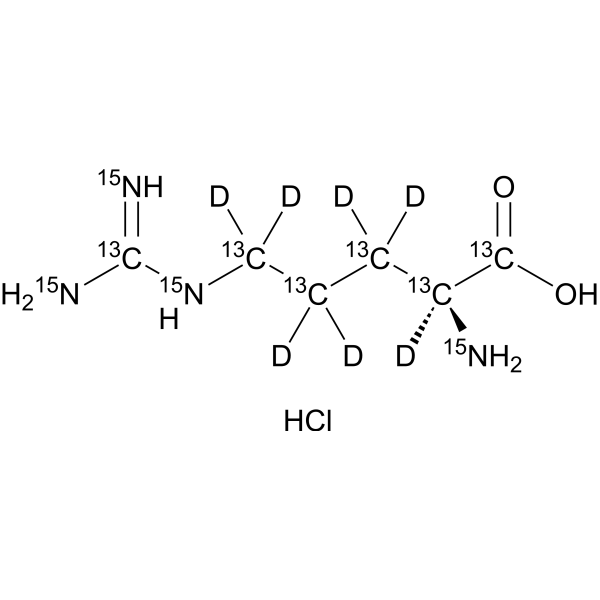
(S)-(+)-Arginine-13C6,15N4,d7 hydrochloride
|
Isotope-Labeled Compounds
NO Synthase
Endogenous Metabolite
|
Others
|
|
L-Arginine- 13C6, 15N4,d7 (hydrochloride) is the deuterium, 13C-, and 15-labeled L-Arginine hydrochloride. L-Arginine hydrochloride ((S)-(+)-Arginine hydrochloride) is the nitrogen donor for synthesis of nitric oxide, a potent vasodilator that is deficient during times of sickle cell crisis.
|
-
-
- HY-W010913
-
-
-
- HY-135432
-
|
APD334 Arginine
|
LPL Receptor
|
Inflammation/Immunology
|
|
Etrasimod arginine is an orally available S1P receptor modulator that is a potent full agonist of the S1P1 receptor and has partial agonist activity at S1P4. Etrasimod arginine reduces inflammation in a CD4 +CD45RB high T cell-transferred mouse colitis model .
|
-

-
- HY-N0455AS
-
|
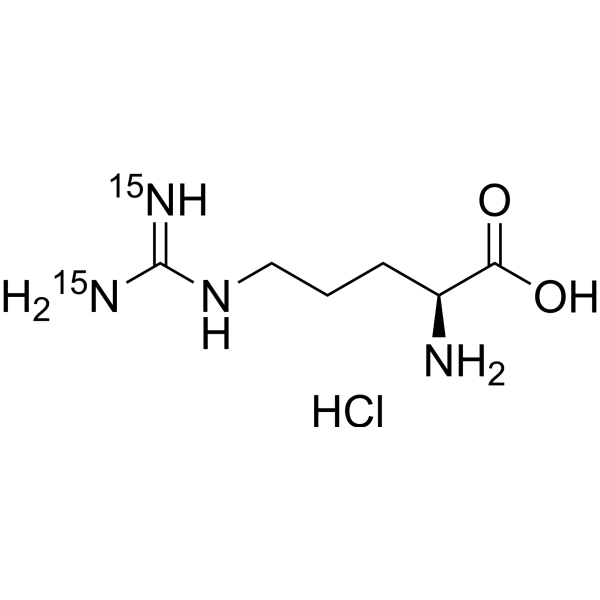
(S)-(+)-Arginine-15N2 hydrochloride
|
NO Synthase
Endogenous Metabolite
|
Others
|
|
L-Arginine- 15N2 (hydrochloride) is the 15N-labeled L-Arginine (hydrochloride). L-Arginine hydrochloride ((S)-(+)-Arginine hydrochloride) is the nitrogen donor for synthesis of nitric oxide, a potent vasodilator that is deficient during times of sickle cell crisis.
|
-
-
- HY-N0455D
-
|
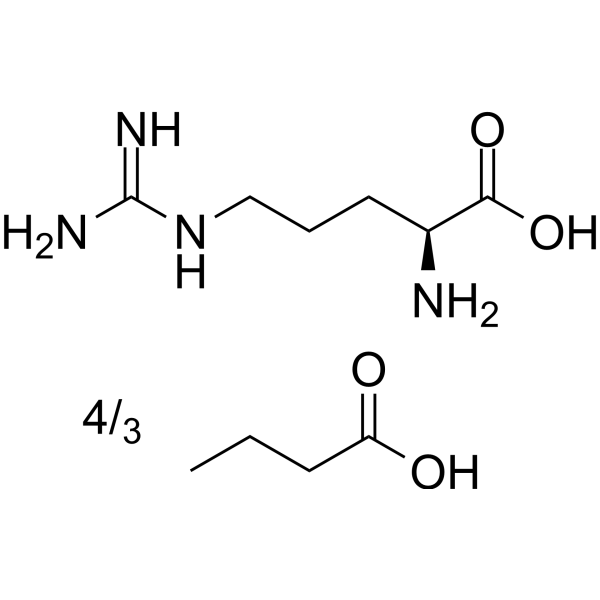
(S)-(+)-Arginine butanoate
|
Amino Acid Derivatives
|
Others
|
|
L-Arginine butanoate ((S)-(+)-Arginine butanoate) is a compound consisting of L-Arginine and butanoate. L-Arginine is one of the essential nutrients in the human body and participates in various biochemical processes. Butanoate is a short-chain fatty acid commonly used as a food additive and solvent in pharmaceutical formulations .
|
-
-
- HY-N0455AR
-
|
(S)-(+)-Arginine hydrochloride (Standard)
|
Reference Standards
NO Synthase
Endogenous Metabolite
|
Cancer
|
|
L-Arginine (hydrochloride) (Standard) is the analytical standard of L-Arginine (hydrochloride). This product is intended for research and analytical applications. L-Arginine ((S)-(+)-Arginine) is the substrate for the endothelial nitric oxide synthase (eNOS) to generate NO. L-Arginine is transported into vascular smooth muscle cells by the cationic amino acid transporter family of proteins where it is metabolized to nitric oxide (NO), polyamines, or L-proline. L-Arginine is a potent vasodilator, and can be used to induce experimental acute pancreatitis .
|
-

-
- HY-14926A
-
|
(S)-(-)-Nadifloxacin Arginine hydrate; WCK-771A Arginine hydrate
|
Antibiotic
Bacterial
|
Infection
|
|
Levonadifloxacin (arginine) hydrate is a broad-spectrum anti-staphylococcal agent. Levonadifloxacin (arginine) hydrate shows antibacterial activity against Methicillin (HY-121544)-susceptible Staphylococcus aureus (MSSA) and Methicillin-resistant S. aureus (MRSA) strains, with a reduction of which phagocytized in THP-1 monocytes .
|
-

-
- HY-175821
-
|
|
Histone Methyltransferase
Apoptosis
|
Cancer
|
|
PRMT1-IN-3 is a potent protein arginine methyltransferase 1 (PRMT1) inhibitor with an IC50 of 4.11 μM. PRMT1-IN-3 inhibits PRMT6 and PRMT8 with IC50s of 23.3 and 30.1 μM. PRMT1-IN-3 suppresses asymmetric dimethylarginine (ADMA) levels and histone H4R3me2a modification in triple-negative breast cancer (TNBC) cells. PRMT1-IN-3 induces cell cycle arrest, apoptosis, and inhibits migration and colony formation in MDA-MB-231 cells. PRMT1-IN-3 acts as chemotherapeutic sensitizers for Paclitaxel (HY-B0015). PRMT1-IN-3 can be used for the study of TNBC .
|
-

-
- HY-14926B
-
|
(S)-(-)-Nadifloxacin Arginine; WCK 771 Arginine
|
Bacterial
|
Infection
|
|
Levonadifloxacin ((S)-(-)-Nadifloxacin; WCK 771) arginine is a broad-spectrum antistaphylococcal agent. Levonadifloxacin arginine has antimicrobial activity against methicillin-sensitive Staphylococcus aureus (MSSA) and methicillin-resistant Staphylococcus aureus and reduces phagocytosis of MRSA and MSSA strains by monocytic THP-1 cells .
|
-

-
- HY-N0455AS11
-
|
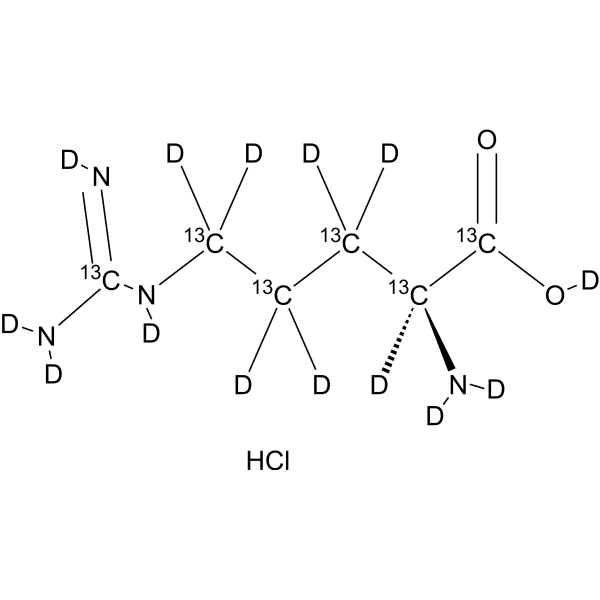
(S)-(+)-Arginine-13C6,d14 hydrochloride
|
Isotope-Labeled Compounds
Endogenous Metabolite
|
Cancer
|
|
L-Arginine-13C6,d14 hydrochloride ((S)-(+)-Arginine-13C6,d14 hydrochloride) is a deuterated derivative of L-Arginine hydrochloride (HY-N0455A) that is labeled with 13C6. L-Arginine hydrochloride ((S)-(+)-Arginine hydrochloride) serves as a nitrogen donor for the synthesis of nitric oxide and is a vasodilator .
|
-
-
- HY-N0455AS9
-
|
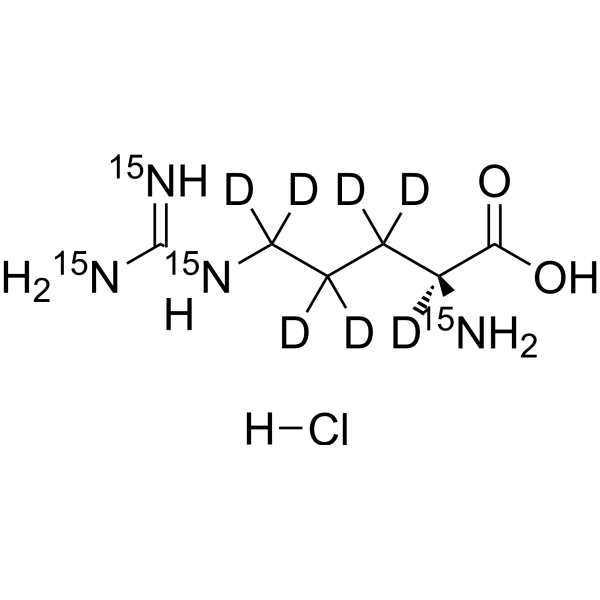
(S)-(+)-Arginine-15N4,d7 hydrochloride
|
Isotope-Labeled Compounds
NO Synthase
Endogenous Metabolite
|
Others
|
|
L-Arginine- 15N4,d7 (hydrochloride) is the deuterium and 15N-labeled L-Arginine hydrochloride. L-Arginine hydrochloride ((S)-(+)-Arginine hydrochloride) is the nitrogen donor for synthesis of nitric oxide, a potent vasodilator that is deficient during times of sickle cell crisis.
|
-
-
- HY-122008
-
|
|
Bacterial
|
Infection
|
|
Levonadifloxacin ((S)-(-)-Nadifloxacin; WCK 771) arginine is a broad-spectrum antistaphylococcal agent. Levonadifloxacin arginine has antimicrobial activity against methicillin-susceptible Staphylococcus aureus (MSSA) and methicillin-resistant Staphylococcus aureus and reduces phagocytosis of MRSA and MSSA strains by monocytic THP-1.
|
-

-
- HY-W128037
-
-
-
- HY-128717B
-
|
EPZ019997 trihydrochloride
|
Histone Methyltransferase
|
Cancer
|
|
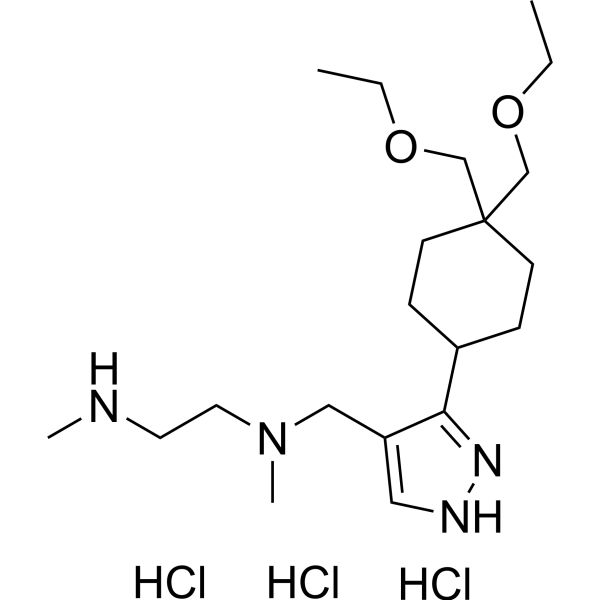
GSK3368715 trihydrochloride (EPZ019997) is an orally active, reversible, and S-adenosyl-L-methionine (SAM) uncompetitive type I protein arginine methyltransferases (PRMTs) inhibitor (IC50=3.1 nM (PRMT1), 48 nM (PRMT3), 1148 nM (PRMT4), 5.7 nM (PRMT6), 1.7 nM (PRMT8)). GSK3368715 trihydrochloride (EPZ019997) produces a shift in arginine methylation states, alters exon usage, and has strong anti-cancer activity .
|
-
-
- HY-155154
-
|
|
Histone Methyltransferase
|
Cancer
|
|
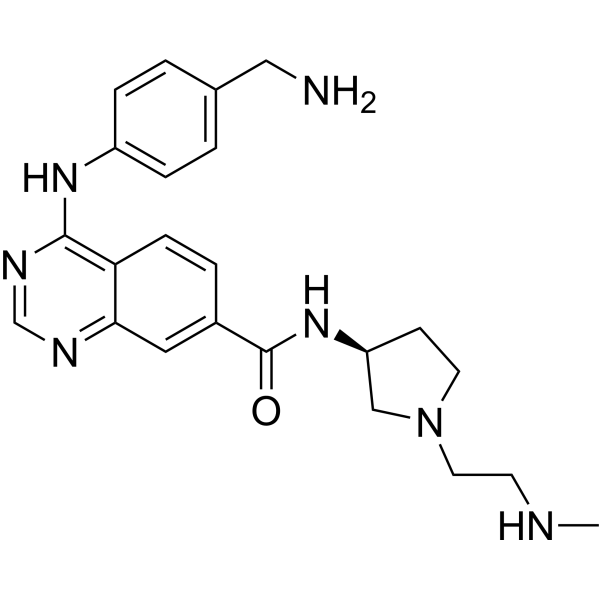
PRMT4-IN-2 (compound 55) is a pan-inhibitor of protein arginine methyltransferase (PRMT) with IC50s of 92 nM (PRMT4), 436 nM (PRMT6), 460 nM (PRMT1), 823 nM ( PRMT8), 1.386 μM (PRMT3) .
|
-
-
- HY-19615A
-
|
|
Histone Methyltransferase
|
Cancer
|
|
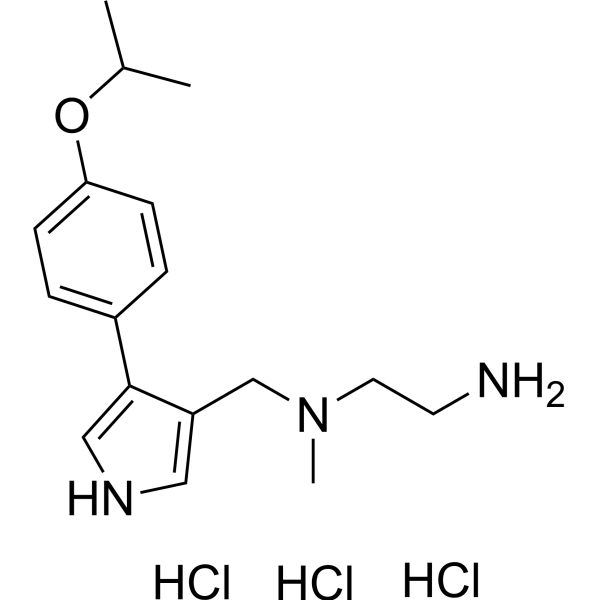
MS023 trihydrochloride is a potent, selective, and cell-active inhibitor of human type I protein arginine methyltransferases (PRMTs) inhibitor, with IC50s of 30, 119, 83, 4 and 5 nM for PRMT1, PRMT3, PRMT4, PRMT6, and PRMT8, respectively .
|
-
-
- HY-172922
-
|
|
FGFR
|
Cancer
|
|
Arg-IN-1 is a selective Arginine (Arg)-targeting covalent inhibitor with IC50s of 9.7 nM and 30.4 nM for FGFR2 and FGFR3,respectively. Arg-IN-1 has the potential to avoid FGFR1/4-targeted toxicity as well as conquer acquired on-target resistance, potential for FGFR-targeting cancer therapy .
|
-

-
- HY-18962R
-
|
|
Histone Methyltransferase
|
Cancer
|
|
AMI-1 (Standard) is the analytical standard of AMI-1. This product is intended for research and analytical applications. AMI-1 is a potent, cell-permeable and reversible inhibitor of protein arginine N-methyltransferases (PRMTs), with IC50s of 8.8 μM and 3.0 μM for human PRMT1 and yeast-Hmt1p, respectively. AMI-1 exerts PRMTs inhibitory effects by blocking peptide-substrate binding .
|
-

-
- HY-18962AR
-
|
|
Histone Methyltransferase
|
Cancer
|
|
AMI-1 (free acid) (Standard) is the analytical standard of AMI-1 (free acid). This product is intended for research and analytical applications. AMI-1 free acid is a potent, cell-permeable and reversible inhibitor of protein arginine N-methyltransferases (PRMTs), with IC50s of 8.8 μM and 3.0 μM for human PRMT1 and yeast-Hmt1p, respectively. AMI-1 free acid exerts PRMTs inhibitory effects by blocking peptide-substrate binding .
|
-

-
- HY-172732
-
|
|
Histone Methyltransferase
|
Cancer
|
|
PRMT5-IN-50 is an orally active and selective inhibitor of PRMT5. PRMT5-IN-50 has good metabolic stability and low clearance rate in human liver microsomes. PRMT5-IN-50 inhibits SDMA/HCT116-MTAPdel and SDMA/HCT116-MTAPwt with IC50s value of 1.0, 536 nM for arginine symmetric methylation, 19, 1620 nM for anti-proliferation, respectively. PRMT5-IN-50 inhibits tumor growth in mice .
|
-

-
- HY-110137R
-
|
DB75 dihydrochloride (Standard); NSC 305831 dihydrochloride (Standard)
|
Histone Methyltransferase
Phosphodiesterase (PDE)
Parasite
Reference Standards
|
Infection
Inflammation/Immunology
Cancer
|
|
Furamidine (dihydrochloride) (Standard) is the analytical standard of Furamidine (dihydrochloride). This product is intended for research and analytical applications. Furamidine dihydrochloride (DB75 dihydrochloride) is a selective protein arginine methyltransferase 1 (PRMT1) inhibitor with an IC50 of 9.4 μM. Furamidine dihydrochloride is selective for PRMT1 over PRMT5, PRMT6, and PRMT4 (CARM1) (IC50s of 166 μM, 283 μM, and >400 μM, respectively). Furamidine dihydrochloride is a potent, reversible and competitive tyrosyl-DNA phosphodiesterase 1 (TDP-1) inhibitor. Inhibition of TDP-1 by Furamidine dihydrochloride is effective both with single- and double-stranded DNA substrates but is slightly stronger with the duplex DNA. Furamidine dihydrochloride is also an antiparasite agent .
|
-

-
- HY-114510
-
|
|
Discoidin Domain Receptor
Histone Acetyltransferase
Sirtuin
Fungal
Apoptosis
|
Infection
Cancer
|
|
PRMT/HKMT-IN-1 is an epigenetic multi-target protein arginine methyltransferases (PRMTs) and histone lysine methyltransferases (HKMTs) inhibitor. PRMT/HKMT-IN-1 inhibits Aspergillus nidulans RmtA with an IC50 of 29 μM. PRMT/HKMT-IN-1 inhibits human PRMT1, p300/CBP HAT, CARM1, SET7, SIRT1 and SIRT2. PRMT/HKMT-IN-1 inhibits methylation of histone H3K4, H4R3, and H3R17 residues. CBP/p300-IN-23 induces apoptosis, arrests cell cycle in S phase, and triggers granulocytic differentiation in leukemia cells. PRMT/HKMT-IN-1 can be used for the research of leukemia .
|
-

-
- HY-180976
-
|
|
PROTACs
α-synuclein
|
Neurological Disease
|
|
Arg-PEG1-Tαsyn is an α-syn PROTAC degrader with a DC50 of 0.28 μM in U251 cells. Arg-PEG1-Tαsyn employs the amino acid arginine (Arg) as the E3 ligase UBR1 ligand and a benzothiazole-aniline variant as the warhead for α-syn. Arg-PEG1-Tαsyn significantly reduces α-syn aggregates and improves the dopaminergic neuronal impairment and the locomotion with safety profile in vivo.Arg-PEG1-Tαsyn shows the high degradation effect in mammalian cells for both wild-type α-syn and the α-syn (A53T) mutant. Arg-PEG1-Tαsyn can be used for Parkinson’s disease research .
|
-

| 製品番号 |
製品名 |
Category |
Target |
構造式 |
-
- HY-N0455AS8
-
|
|
|
L-Arginine- 13C6, 15N4 (hydrochloride) is the 13C- and 15N-labeled L-Arginine hydrochloride. L-Arginine hydrochloride ((S)-(+)-Arginine hydrochloride) is the nitrogen donor for synthesis of nitric oxide, a potent vasodilator that is deficient during times of sickle cell crisis.
|
-
-
- HY-N0455AS2
-
|
|
|
L-Arginine-d7 (hydrochloride) is the deuterium labeled L-Arginine hydrochloride. L-Arginine hydrochloride ((S)-(+)-Arginine hydrochloride) is the nitrogen donor for synthesis of nitric oxide, a potent vasodilator that is deficient during times of sickle cell crisis.
|
-
-
- HY-N0455AS6
-
|
|
|
L-Arginine- 13C6 (hydrochloride) is the 13C-labeled L-Arginine hydrochloride. L-Arginine hydrochloride ((S)-(+)-Arginine hydrochloride) is the nitrogen donor for synthesis of nitric oxide, a potent vasodilator that is deficient during times of sickle cell crisis.
|
-
-
- HY-N0455AS1
-
|
|
|
L-Arginine- 15N4 (hydrochloride) is the 15N-labeled L-Arginine hydrochloride. L-Arginine hydrochloride ((S)-(+)-Arginine hydrochloride) is the nitrogen donor for synthesis of nitric oxide, a potent vasodilator that is deficient during times of sickle cell crisis .
|
-
-
- HY-N0455AS7
-
|
|
|
L-Arginine- 13C (hydrochloride) is the 13C-labeled L-Arginine hydrochloride. L-Arginine hydrochloride ((S)-(+)-Arginine hydrochloride) is the nitrogen donor for synthesis of nitric oxide, a potent vasodilator that is deficient during times of sickle cell crisis.
|
-
-
- HY-N0455AS3
-
|
|
|
L-Arginine-1- 13C (hydrochloride) is the 13C-labeled L-Arginine hydrochloride. L-Arginine hydrochloride ((S)-(+)-Arginine hydrochloride) is the nitrogen donor for synthesis of nitric oxide, a potent vasodilator that is deficient during times of sickle cell crisis.
|
-
-
- HY-N0455AS5
-
|
|
|
L-Arginine-1,2- 13C2 (hydrochloride) is the 13C-labeled L-Arginine hydrochloride. L-Arginine hydrochloride ((S)-(+)-Arginine hydrochloride) is the nitrogen donor for synthesis of nitric oxide, a potent vasodilator that is deficient during times of sickle cell crisis.
|
-
-
- HY-N0455AS4
-
|
|
|
L-Arginine- 13C6, 15N4,d7 (hydrochloride) is the deuterium, 13C-, and 15-labeled L-Arginine hydrochloride. L-Arginine hydrochloride ((S)-(+)-Arginine hydrochloride) is the nitrogen donor for synthesis of nitric oxide, a potent vasodilator that is deficient during times of sickle cell crisis.
|
-
-
- HY-N0455AS
-
1 Publications Verification
|
|
L-Arginine- 15N2 (hydrochloride) is the 15N-labeled L-Arginine (hydrochloride). L-Arginine hydrochloride ((S)-(+)-Arginine hydrochloride) is the nitrogen donor for synthesis of nitric oxide, a potent vasodilator that is deficient during times of sickle cell crisis.
|
-
-
- HY-N0455AS11
-
|
|
|
L-Arginine-13C6,d14 hydrochloride ((S)-(+)-Arginine-13C6,d14 hydrochloride) is a deuterated derivative of L-Arginine hydrochloride (HY-N0455A) that is labeled with 13C6. L-Arginine hydrochloride ((S)-(+)-Arginine hydrochloride) serves as a nitrogen donor for the synthesis of nitric oxide and is a vasodilator .
|
-
-
- HY-N0455AS9
-
|
|
|
L-Arginine- 15N4,d7 (hydrochloride) is the deuterium and 15N-labeled L-Arginine hydrochloride. L-Arginine hydrochloride ((S)-(+)-Arginine hydrochloride) is the nitrogen donor for synthesis of nitric oxide, a potent vasodilator that is deficient during times of sickle cell crisis.
|
-
-
- HY-N0455
-
|
|
|
Solubilizing Agents
|
|
L-Arginine ((S)-(+)-Arginine) is the substrate for the endothelial nitric oxide synthase (eNOS) to generate NO. L-Arginine is transported into vascular smooth muscle cells by the cationic amino acid transporter family of proteins where it is metabolized to nitric oxide (NO), polyamines, or L-proline. L-Arginine is a potent vasodilator, and can be used to induce experimental acute pancreatitis .
|
入力情報は安全に管理されます. ※ 必須入力項目.
Inquiry Information
- 製品名:
- 製品番号:
- 数量:
- MCE 日本正規代理店:





