Search Result
Results for "
786-O
" in MedChemExpress (MCE) Product Catalog:
| Cat. No. |
Product Name |
Target |
Research Areas |
Chemical Structure |
-
- HY-10331
-
Regorafenib
Maximum Cited Publications
87 Publications Verification
BAY 73-4506
|
VEGFR
Autophagy
PDGFR
Raf
RET
c-Kit
FGFR
Tie
|
Cancer
|
|
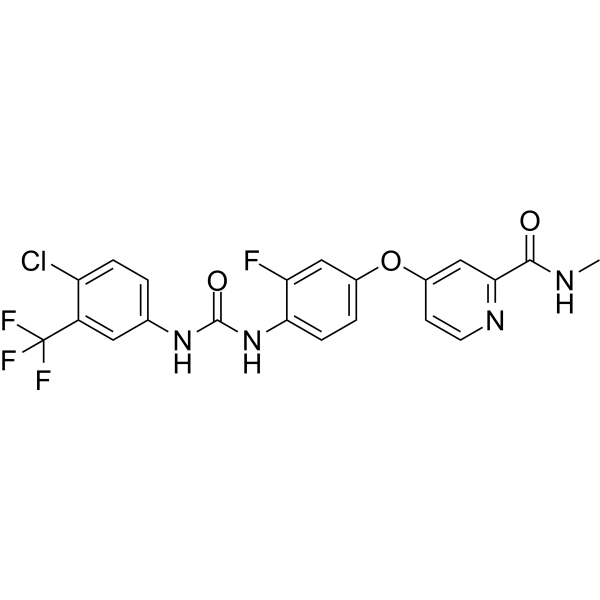
Regorafenib (BAY 73-4506) is an orally active and potent multi-targeted receptor tyrosine kinase inhibitor, with IC50 values of 13/4.2/46, 22, 7, 1.5 and 2.5 nM for VEGFR1/2/3, PDGFRβ, Kit, RET and Raf-1, respectively. Regorafenib shows very robust antitumor and antiangiogenic activity .
|
-
-
- HY-50879
-
|
GF120918; GW0918; GG918; GW120918
|
P-glycoprotein
BCRP
|
Cancer
|
|
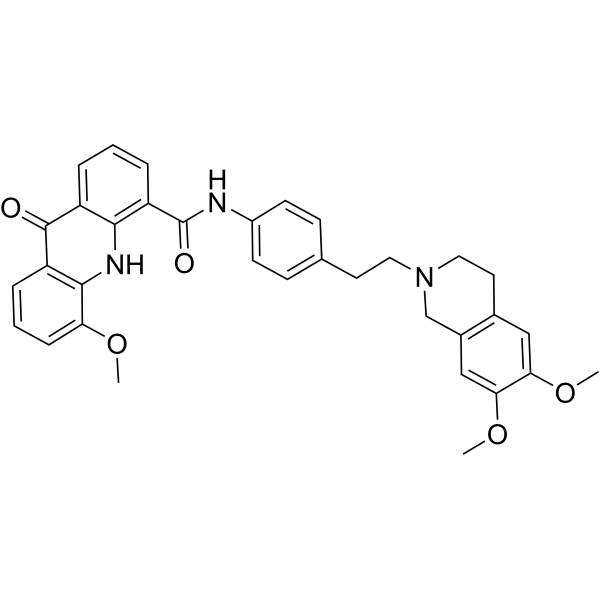
Elacridar is an orally active P-glycoprotein (Pgp) and breast cancer resistance protein (BCRP) inhibitor. Elacridar can be used to examine the influence of efflux transporters on agent distribution to brain and the research of cancer .
|
-
-
- HY-111431
-
|
p-Tolyl sulfate
|
JNK
p38 MAPK
Reactive Oxygen Species (ROS)
|
Metabolic Disease
|
|
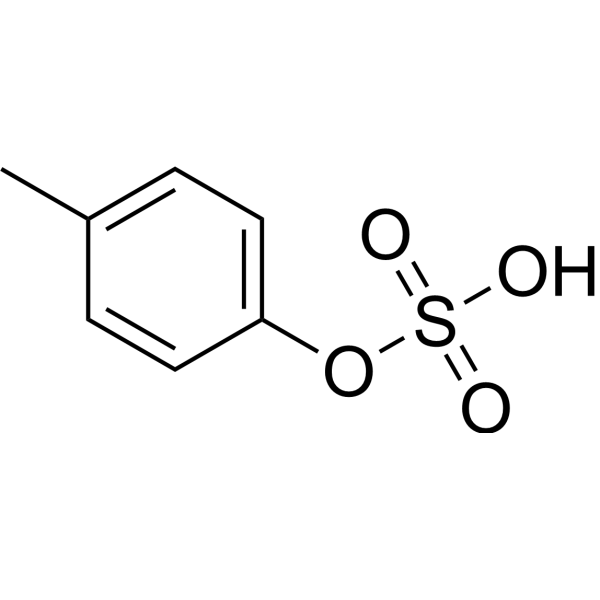
p-Cresyl sulfate (p-Tolyl sulfate) is a uremic toxin, that can cause renal damage and dysfunction. p-Cresyl sulfate shows antiproliferation activity. p-Cresyl sulfate increases the protein expression of HIF-1α and VHL, decreases the protein expression of HIF-2α. p-Cresyl sulfate induces epithelial-mesenchymal transition (EMT). p-Cresyl sulfate activates the JNK and p38 MAPK signaling pathways .
|
-
-
- HY-50880
-
|
GF120918A
|
P-glycoprotein
BCRP
|
Cancer
|
|
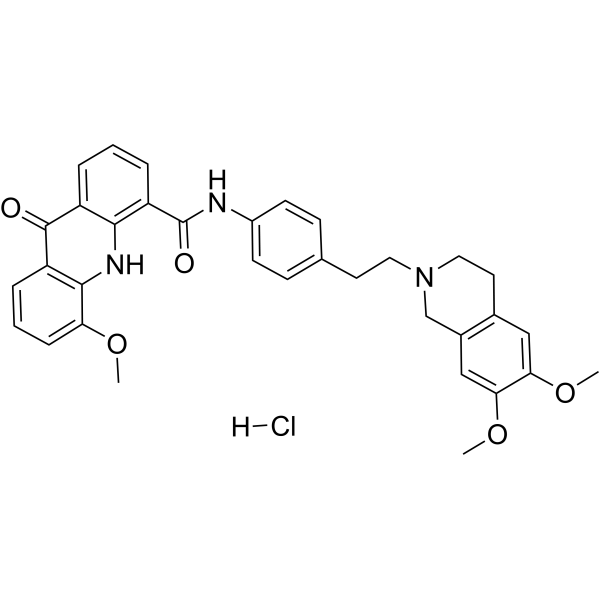
Elacridar hydrochloride (GF120918A) is an orally active P-glycoprotein (P-gp) and breast cancer resistance protein (BCRP) inhibitor. Elacridar hydrochloride can be used to examine the influence of efflux transporters on agent distribution to brain and it can be used for the research of cancer .
|
-
-
- HY-112055
-
|
|
Nuclear Hormone Receptor 4A/NR4A
Apoptosis
|
Cancer
|
|
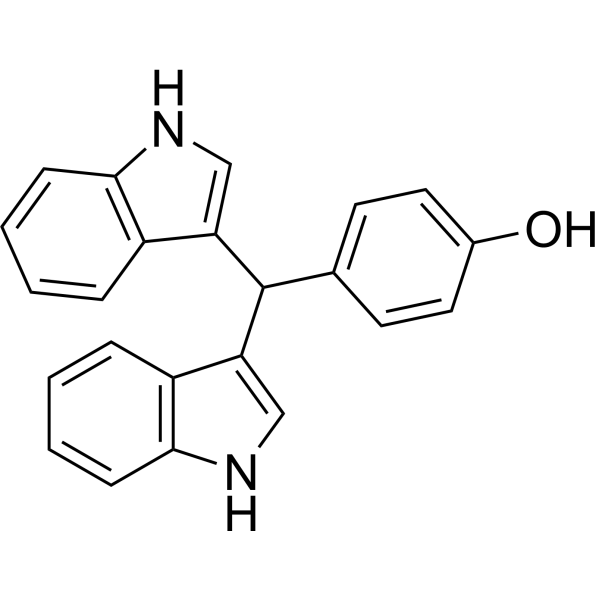
DIM-C-pPhOH is a nuclear receptor 4A1 (NR4A1) antagonist. DIM-C-pPhOH inhibits cancer cell growth and mTOR signaling, induce apoptosis and cellular stress. DIM-C-pPhOH reduces cell proliferation with IC50 values of 13.6 μM and 13.0 μM for ACHN cells and 786-O cells, respectively .
|
-
-
- HY-112780
-
|
|
MDM-2/p53
Apoptosis
|
Cancer
|
|
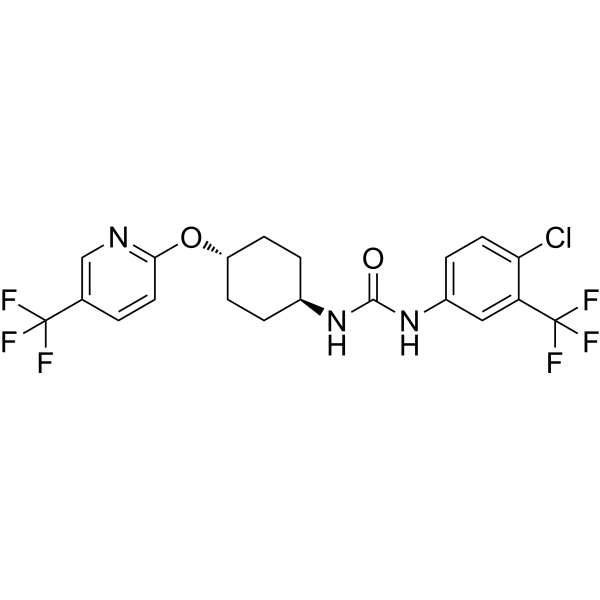
UC2288 is a potent and orally active p21 attenuator (relatively selective activity for p21), which is synthesized based Sorafenib (HY-10201). UC2288 potently inhibits cancer cell growth by inducing apoptosis. UC2288 has no inhibition of VEGFR2 and Raf kinases even at 10 μM .
|
-
-
- HY-B0735A
-
|
Fenoldopam methanesulfonate; SKF-82526 mesylate
|
Dopamine Receptor
Apoptosis
|
Cardiovascular Disease
Cancer
|
|
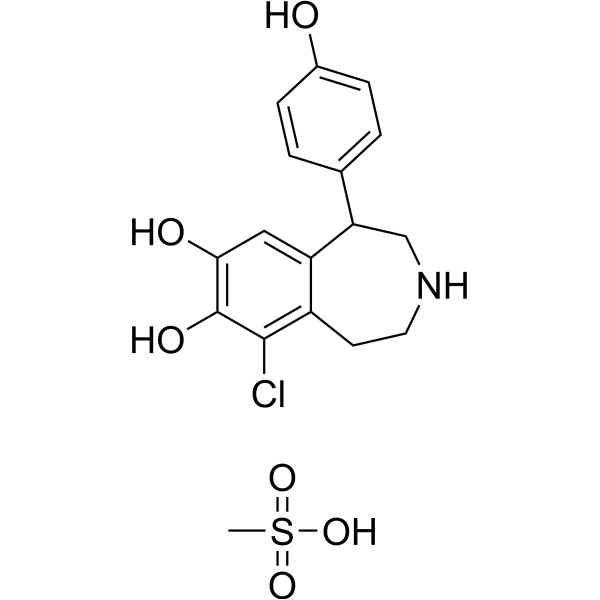
Fenoldopam mesylate (SKF-82526) is a D1 receptor agonist and a novel lysine-specific demethylase 1 (LSD1) inhibitor (IC50=0.8974 μM). Fenoldopam mesylate shows anti-hypertensive effects, anti-cancer cell proliferation activity and can induce cells apoptosis .
|
-
-
- HY-138556
-
-
-
- HY-10331A
-
|
BAY 73-4506 monohydrate
|
VEGFR
Autophagy
PDGFR
Raf
RET
FGFR
c-Kit
Tie
|
Cancer
|
|
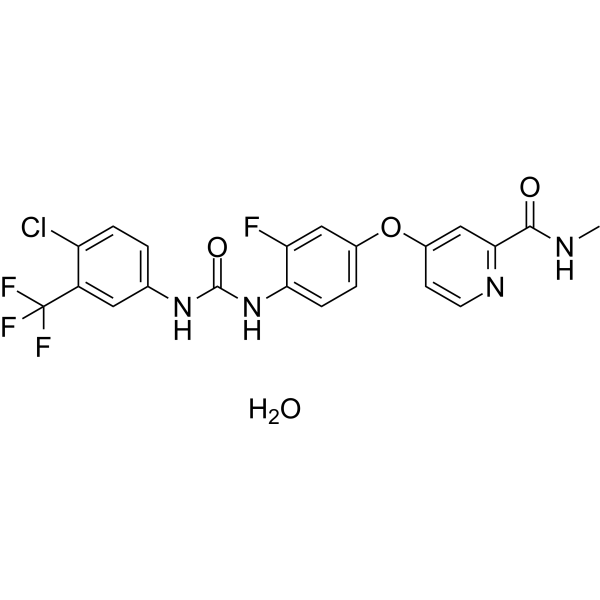
Regorafenib (BAY 73-4506) monohydrate is an orally active and potent multi-targeted receptor tyrosine kinase inhibitor, with IC50 values of 13/4.2/46, 22, 7, 1.5 and 2.5 nM for VEGFR1/2/3, PDGFRβ, Kit, RET and Raf-1, respectively. Regorafenib monohydrate shows very robust antitumor and antiangiogenic activity .
|
-
-
- HY-W195984
-
|
|
Phosphoglycerate Kinase (PGK)
|
Cancer
|
|
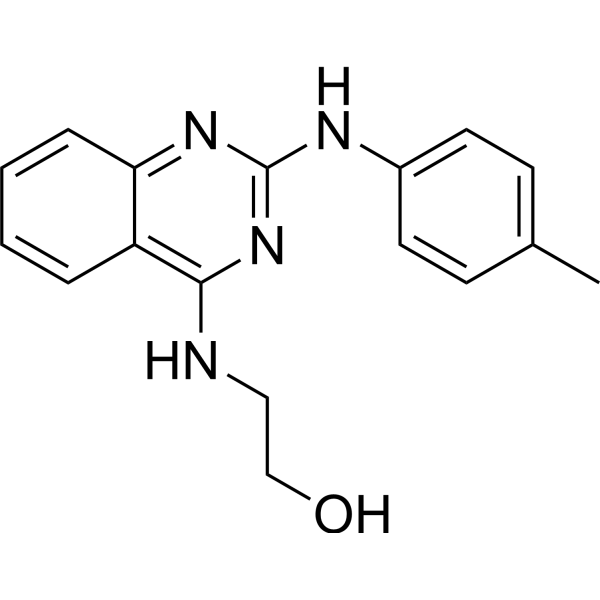
Z57346765 is an inhibitor that targets the ADP-binding pocket of PGK1, with a Kd of 20.9 μM for human PGK1, and exhibits anticancer activity. Z57346765 reduces the activity of the metabolic enzyme PGK1 during glycolysis, regulates lipid peroxidation and cancer cell proliferation, and promotes lipid peroxidation in cervical cancer cells. Z57346765 inhibits the proliferation of cervical cancer and clear cell renal cell carcinoma cells in xenograft mouse models, and induces the expression of genes associated with cell metabolism, DNA replication and cell cycle. Z57346765 is used in research related to cervical cancer, clear cell renal cell carcinoma and breast cancer .
|
-
-
- HY-159644
-
|
AB521
|
HIF/HIF Prolyl-Hydroxylase
VEGFR
|
Cancer
|
|
Casdatifan (AB521) is an orally active and selective allosteric small-molecule inhibitor of hypoxia-inducible factor 2α (HIF-2α). Casdatifan inhibits pro-tumor gene transcription by blocking the heterodimerization of HIF-2α with ARNT, and significantly suppresses tumor growth in clear cell renal cell carcinoma (ccRCC) models either as a monotherapy or in combination with agents such as Zimberelimab (HY-P99109). Casdatifan is applicable for the research of ccRCC .
|
-

-
- HY-P2324
-
|
|
Bacterial
HIF/HIF Prolyl-Hydroxylase
Antibiotic
|
Infection
Cancer
|
|
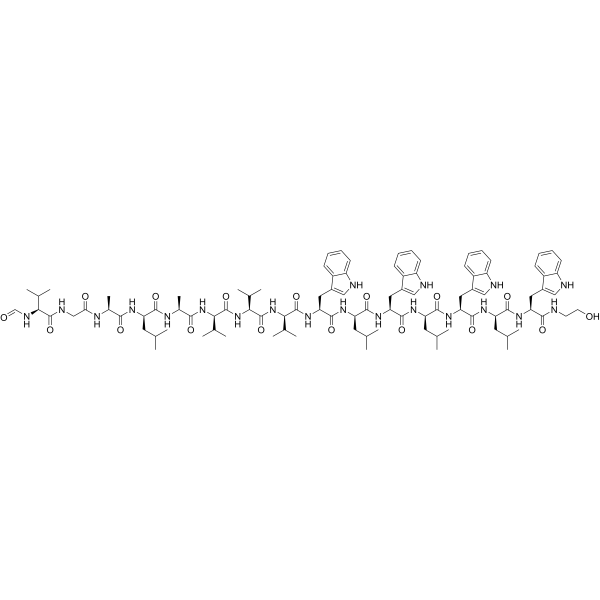
Gramicidin A is a peptide component of gramicidin, an antibiotic mixture originally isolated from B. brevis. Gramicidin A is a highly hydrophobic channel-forming ionophore that forms channels in model membranes that are permeable to monovalent cations. Gramicidin A induces degradation of hypoxia inducible factor 1 α (HIF-1α) .
|
-
-
- HY-112056
-
|
|
Nuclear Hormone Receptor 4A/NR4A
Apoptosis
DAPK
Isocitrate Dehydrogenase (IDH)
PERK
|
Cancer
|
|
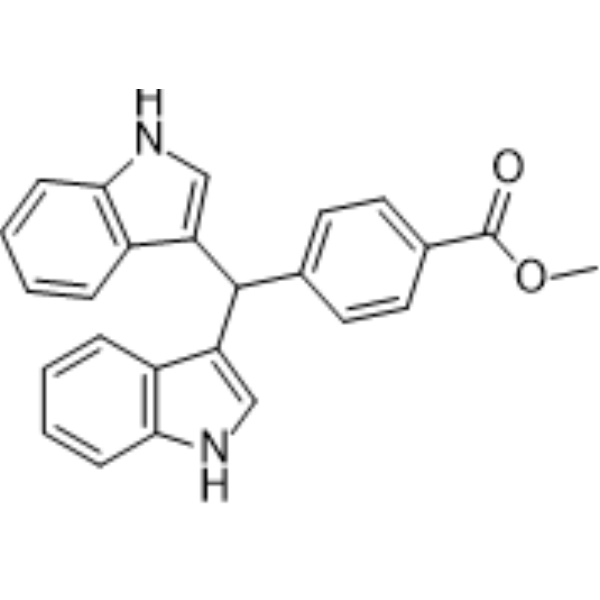
DIM-C-pPhCO2Me is a nuclear receptor 4A1 (NR4A1) antagonist. DIM-C-pPhCO2Me induces Apoptosis. DIM-C-pPhCO2Me decreases PAX3-FOXO1A, N-Myc, Rassf4, MyoD1, Grem1, and DAPK1 proteins. DIM-C-pPhCO2Me decreases expression of TXNDC5 and IDH1, induces markers of ER stress (CHOP, ATF4 and p-PERK). DIM-C-pPhCO2Me inhibits renal cell carcinoma, breast cancer. DIM-C-pPhCO2Me can also be used in rhabdomyosarcoma research .
|
-
-
- HY-139287
-
M1002
2 Publications Verification
|
HIF/HIF Prolyl-Hydroxylase
|
Cancer
|
|
M1002 is a hypoxia-inducible factor-2 (HIF-2) agonist, and can enhance the expression of HIF-2 target genes. M1002 shows synergy with prolyl-hydroxylase domain (PHD) inhibitors .
|
-
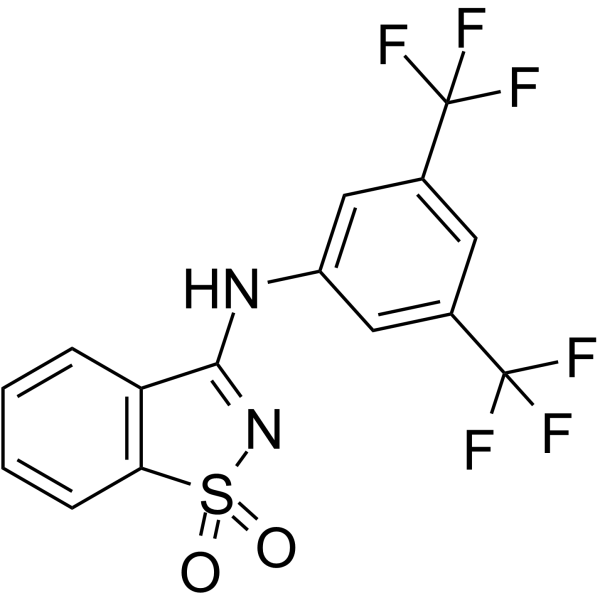
-
- HY-111547
-
|
|
HIF/HIF Prolyl-Hydroxylase
|
Cancer
|
|
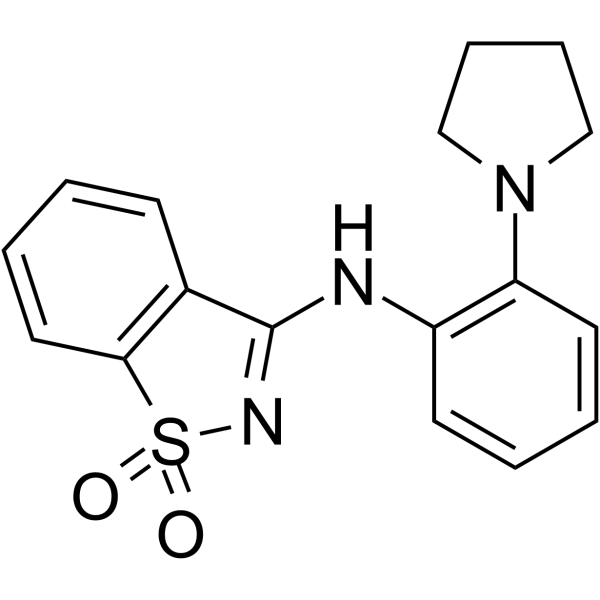
M1001 is a weak hypoxia-inducible factor-2α (HIF-2α) agonist. M1001 can bind to the HIF-2α PAS-B domain, with a Kd of 667 nM. M1001 can be used in chronic kidney disease research .
|
-
-
- HY-157231A
-
|
|
PERK
|
Cancer
|
|
HC-5404-Fu is an orally active PERK inhibitor with an IC50 of 0.001 μM against human PERK. HC-5404-Fu blocks PERK activation induced by VEGFR-TKI and disrupts the adaptive stress response triggered by VEGFR-TKI. HC-5404-Fu enhances anti-angiogenic effects by inhibiting newly formed and mature tumor blood vessels in renal cell carcinoma models. HC-5404-Fu can be used in research related to renal cell carcinoma .
|
-

-
- HY-153016
-
|
|
HIF/HIF Prolyl-Hydroxylase
|
Inflammation/Immunology
|
|
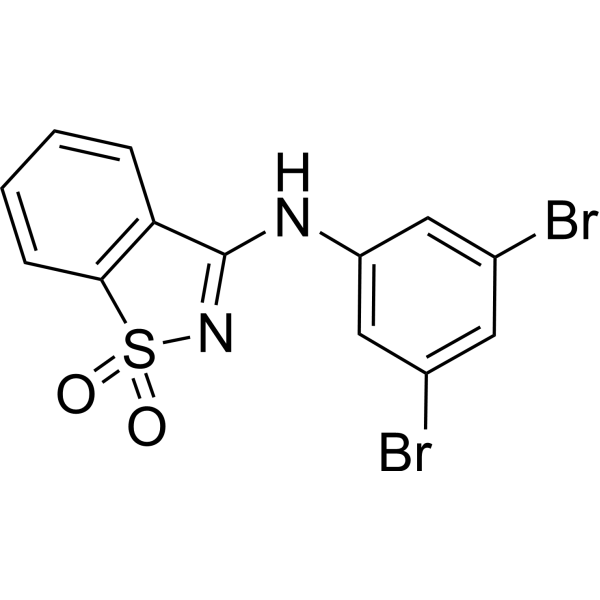
HIF-2α agonist 2 (compound 10) is a HIF-2α agonist with an EC50 value of 1.68 μM at the dose of 20 μM. HIF-2α agonist 2 is non-cytotoxic against 786-O-HRE-Luc cells. HIF-2α agonist 2 can be used for oxygen metabolism research .
|
-
-
- HY-155374
-
|
|
Phosphatase
Apoptosis
Caspase
|
Cancer
|
|
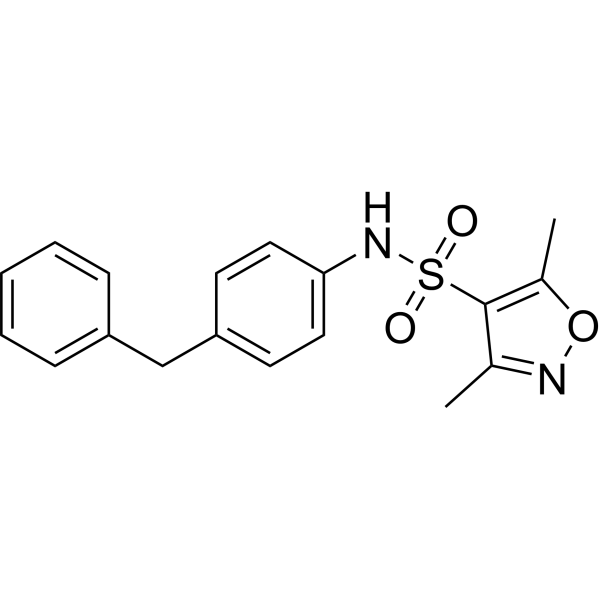
PP5-IN-1 is a competitive and selective serine/threonine protein phosphatase 5 (PP5) inhibitor with a Ki value of 244 nM. PP5-IN-1 induces extrinsic apoptosis (Apoptosis), disrupts the integrity of complex II, and activates Caspase 8. PP5-IN-1 can be used in research related to clear cell renal cell carcinoma .
|
-
-
- HY-145835
-
|
|
PERK
|
Cancer
|
|
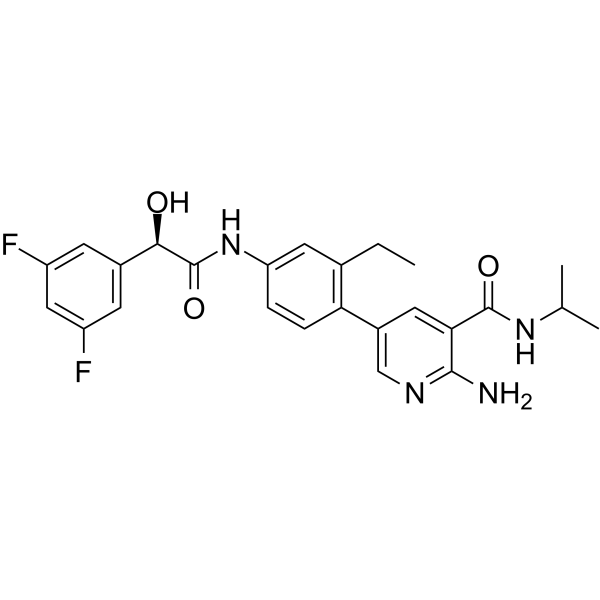
PERK-IN-5 is a highly potent, selectively and orally bioavailable PERK inhibitor (IC50s of 2 and 9 nM for PERK and p-eIF2α, respectively). PERK-IN-5 can significantly inhibit tumor growth in the 786-O renal cell carcinoma xenograft tumor model .
|
-
-
- HY-176508
-
|
|
Casein Kinase
|
Cancer
|
|
KDX1381 is a bivalent CK2α inhibitor (IC50: 17 nM, KD: 54 nM). KDX1381 has antitumor activity in mouse 786-O and A375 tumor xenograft models. KDX1381 combined with VEGFR inhibitors or DNA damaging agents enhances antitumor efficacy in mouse hepatocellular carcinoma and glioma models .
|
-

-
- HY-50879R
-
|
GF120918 (Standard); GW0918 (Standard); GG918 (Standard); GW120918 (Standard)
|
P-glycoprotein
BCRP
Reference Standards
|
Cancer
|
|
Elacridar (Standard) is the analytical standard of Elacridar. This product is intended for research and analytical applications. Elacridar is an orally active P-glycoprotein (Pgp) and breast cancer resistance protein (BCRP) inhibitor. Elacridar can be used to examine the influence of efflux transporters on agent distribution to brain and the research of cancer .
|
-

-
- HY-165245
-
|
|
Transmembrane Glycoprotein
|
Cancer
|
|
SBI-183 is an orally active inhibitor of QSOX1 (Kd: 20 μM). SBI-183 suppresses the proliferative and invasive phenotype of renal cancer cell lines, including triple negative breast cancer cell line, lung adenocarcinoma cell line and pancreatic ductal adenocarcinoma. SBI-183 inhibits tumor growth in two human xenograft mouse models of renal cell carcinoma in vivo .
|
-

-
- HY-P10222
-
|
|
HIF/HIF Prolyl-Hydroxylase
|
Cancer
|
|
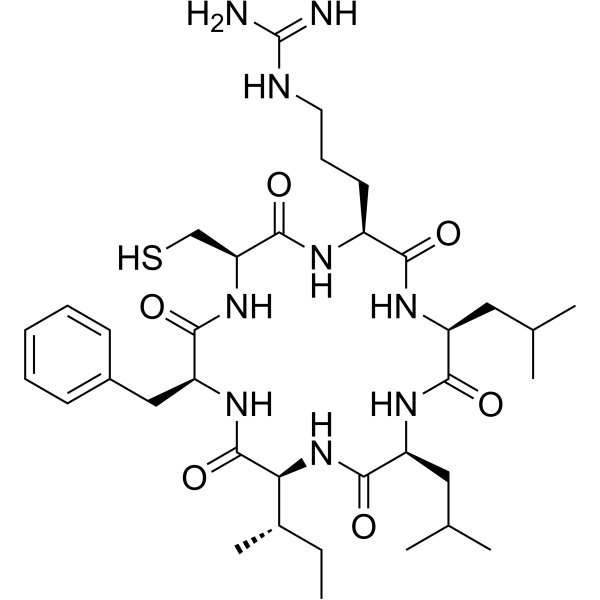
Cyclo CRLLIF is a dual inhibitor for hypoxia inducible factor (HIF) 1 and 2, which disrupts the interaction of both HIF1-α and HIF2-α with HIF1-β, with affinity for HIF1-α and HIF2-α PAS-B domains KD of 14.5 and 10.2 μM, respectively .
|
-
-
- HY-126710
-
-
-
- HY-161096
-
|
|
ROR
|
Cancer
|
|
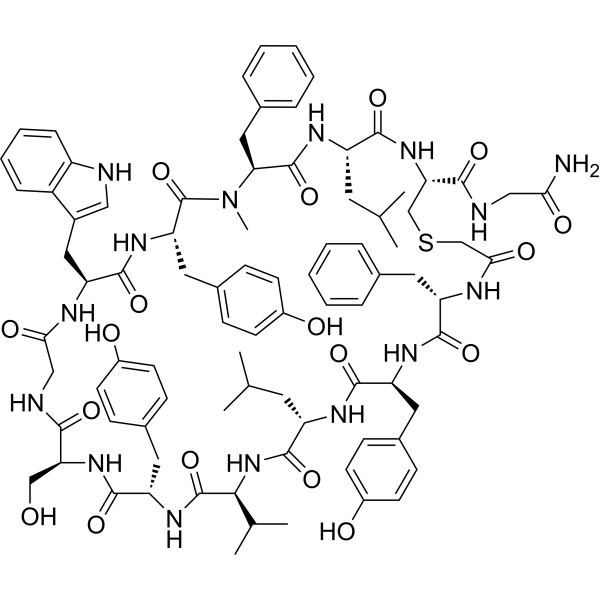
Antitumor agent-127 (compound 1) is a parent macrocyclic peptide. Antitumor agent-127 displays nanomolar cell-based binding to ROR1 and relatively good internalization in 786-O and MDA-MB-231 tumor cell lines .
|
-
-
- HY-111431AR
-
|
p-Tolyl sulfate potassium (Standard)
|
JNK
p38 MAPK
Reactive Oxygen Species (ROS)
Reference Standards
|
Metabolic Disease
|
|
p-Cresyl sulfate (potassium) (Standard) is the analytical standard of p-Cresyl sulfate (potassium). This product is intended for research and analytical applications. p-Cresyl sulfate (p-Tolyl sulfate) potassium is a uremic toxin, that can cause renal damage and dysfunction. p-Cresyl sulfate potassium shows antiproliferation activity. p-Cresyl sulfate potassium increases the protein expression of HIF-1α and VHL, decreases the protein expression of HIF-2α. p-Cresyl sulfate potassium induces epithelial-mesenchymal transition (EMT). p-Cresyl sulfate potassium activates the JNK and p38 MAPK signaling pathways .
|
-

-
- HY-170675
-
|
|
Ferroptosis
|
Cancer
|
|
Ferroptosis-IN-13 (compound NY-26) is a ferroptosis inhibitor. Ferroptosis-IN-13 inhibits RSL3(HY-100218A)-induced ferroptosis in 786-O cells with an EC50 value of 62 nM .
|
-

-
- HY-169298
-
|
|
Ferroptosis
|
Cancer
|
|
Ferroptosis-IN-15 (compound 12) is a potent inhibitor of ferroptosis, with the EC50s of 0.76 and 0.67 μM in A375 cells and 786-O cells, respectively.Ferroptosis-IN-15 is a potential iron chelator and radical trapping antioxidant .
|
-

-
- HY-P10223
-
|
|
HIF/HIF Prolyl-Hydroxylase
|
Cancer
|
|
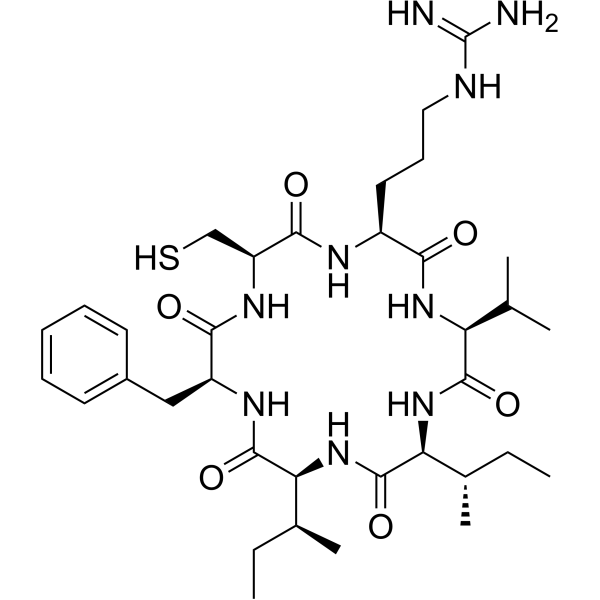
Cyclo CRVIIF is a dual inhibitor for hypoxia inducible factor (HIF) 1 and 2, which disrupts the interaction of both HIF1-α and HIF2-α with HIF1-β, with affinity for HIF1-α and HIF2-α PAS-B domains KD of 65 and 123 μM, respectively .
|
-
-
- HY-168707
-
|
|
Casein Kinase
|
Cancer
|
|
CK2-IN-14 (Compound 10b) is an inhibitor for cyclin kinase 2α with an IC50 of 36.7 nM. CK2-IN-14 inhibits the growth of cancer cell 786-O and U937 with GI50 of 7.3 μM and 7.5 μM .
|
-

-
- HY-146420
-
|
|
HSP
|
Cardiovascular Disease
Cancer
|
|
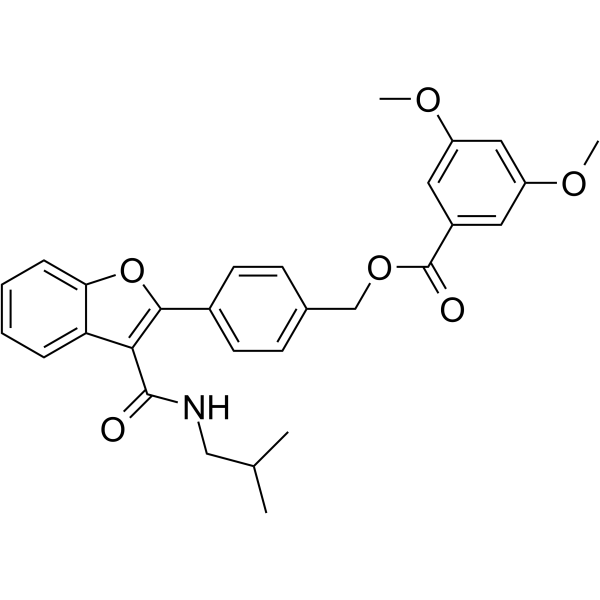
GRP78-IN-2 (Compound FL5) is a GRP78 (Glucose Regulated Protein 78 kDa) inhibitor. GRP78-IN-2 preferentially targeting cell surface GRP78 and shows potent antiangiogenic and anticancer activities without affecting other normal cells .
|
-
-
- HY-111431R
-
|
p-Tolyl sulfate (Standard)
|
Reference Standards
JNK
p38 MAPK
Reactive Oxygen Species (ROS)
|
Metabolic Disease
|
|
Platycodin D (Standard) is the analytical standard of Platycodin D. This product is intended for research and analytical applications. Platycodin D is a saponin isolated from Platycodon grandiflorus, acts as an activator of AMPKα, with anti-obesity property. WNT/β-catenin pathway mediates the anti-adipogenic effect of platycodin D .
|
-

-
- HY-10331B
-
|
BAY 73-4506 mesylate
|
VEGFR
PDGFR
RET
Raf
c-Kit
FGFR
Autophagy
Tie
|
Cancer
|
|
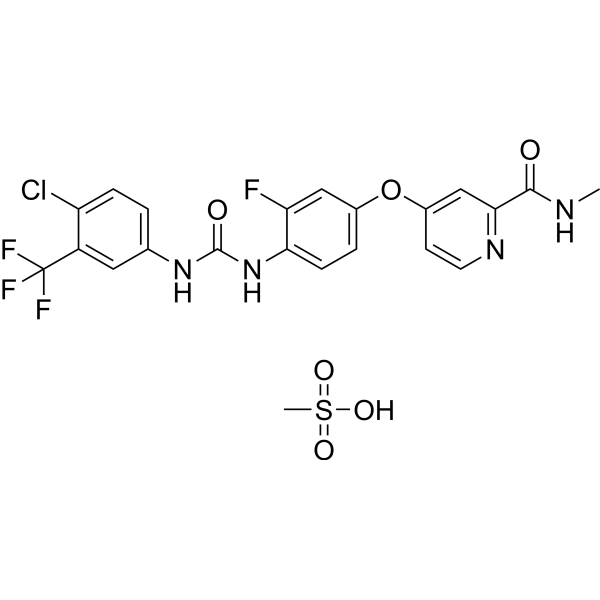
Regorafenib (BAY 73-4506) mesylate is an orally active and potent multi-targeted receptor tyrosine kinase inhibitor, with IC50 values of 13/4.2/46, 22, 7, 1.5 and 2.5 nM for VEGFR1/2/3, PDGFRβ, Kit, RET and Raf-1, respectively. Regorafenib mesylate shows very robust antitumor and antiangiogenic activity .
|
-
-
- HY-10331R
-
|
BAY 73-4506 (Standard)
|
Reference Standards
VEGFR
Autophagy
PDGFR
Raf
RET
c-Kit
FGFR
Tie
|
Cancer
|
|
Regorafenib (Standard) is the analytical standard of Regorafenib. This product is intended for research and analytical applications. Regorafenib (BAY 73-4506) is an orally active and potent multi-targeted receptor tyrosine kinase inhibitor, with IC50 values of 13/4.2/46, 22, 7, 1.5 and 2.5 nM for VEGFR1/2/3, PDGFRβ, Kit, RET and Raf-1, respectively. Regorafenib shows very robust antitumor and antiangiogenic activity .
|
-

-
- HY-10331AR
-
|
BAY 73-4506 monohydrate (Standard)
|
Reference Standards
VEGFR
Autophagy
PDGFR
Raf
RET
FGFR
c-Kit
Tie
|
Cancer
|
|
Regorafenib (monohydrate) (Standard) is the analytical standard of Regorafenib (monohydrate). This product is intended for research and analytical applications. Regorafenib (BAY 73-4506) monohydrate is an orally active and potent multi-targeted receptor tyrosine kinase inhibitor, with IC50 values of 13/4.2/46, 22, 7, 1.5 and 2.5 nM for VEGFR1/2/3, PDGFRβ, Kit, RET and Raf-1, respectively. Regorafenib monohydrate shows very robust antitumor and antiangiogenic activity .
|
-

-
- HY-170959
-
|
|
Ferroptosis
|
Neurological Disease
Metabolic Disease
|
|
NYY-6a is a Ferroptosis inhibitor. NYY-6a shows significant inhibitory activity against RSL3-induced ferroptosis across 786-O and HT-1080 cells with EC50s of 52 and 50 nM, respectively. NYY-6a functions as a radical trapping antioxidant (RTA) with efficacy of diminishing lipid peroxidation comparable to ferrostatin-1 and liproxtatin-1. NYY-6a is potential for ferroptosis related pathologies reasearch .
|
-

-
- HY-149388
-
|
|
Microtubule/Tubulin
|
Cancer
|
|
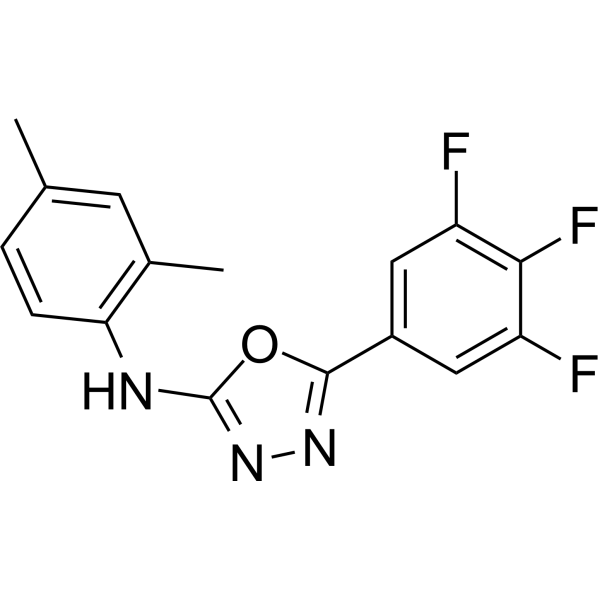
Anticancer agent 139 (Compound 6h) has potent anticancer activity. Anticancer agent 139 displayed a π–cationic interaction with the residue Lys352 of Tublin. Anticancer agent 139 has good anticancer activity against SNB-19, OVCAR-8, and NCI-H40 with PGIs of 86.61, 85.26, and 75.99, respectively. Anticancer agent 139 also has moderate anticancer activity against HOP-62, SNB-75, ACHN, NCI/ADR-RES, 786-O, A549/ATCC, HCT-116, and MDA-MB-231 with PGIs of 67.55, 65.46, 59.09, 59.02, 57.88, 56.88, 56.53, 56.4, and 51.88 respectively .
|
-
-
- HY-50880R
-
|
GF120918A (Standard)
|
P-glycoprotein
BCRP
Reference Standards
|
Cancer
|
|
Elacridar (hydrochloride) (Standard) is the analytical standard of Elacridar (hydrochloride). This product is intended for research and analytical applications. Elacridar hydrochloride (GF120918A) is an orally active P-glycoprotein (P-gp) and breast cancer resistance protein (BCRP) inhibitor. Elacridar hydrochloride can be used to examine the influence of efflux transporters on agent distribution to brain and it can be used for the research of cancer .
|
-

-
- HY-110021
-
|
SKF 82526 hydrochloride
|
Dopamine Receptor
Histone Demethylase
Apoptosis
|
Cardiovascular Disease
Cancer
|
|
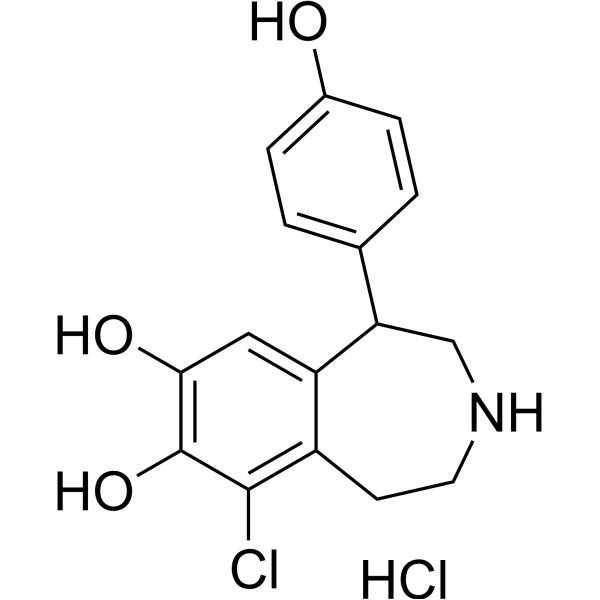
Fenoldopam (SKF 82526) hydrochloride is a D1 receptor agonist and a novel lysine-specific demethylase 1 (LSD1) inhibitor (IC50=0.8974 μM). Fenoldopam hydrochloride shows anti-hypertensive effects, anti-cancer cell proliferation activity and can induce cells apoptosis .
|
-
-
- HY-P2324A
-
|
|
Antibiotic
Bacterial
|
Infection
|
|
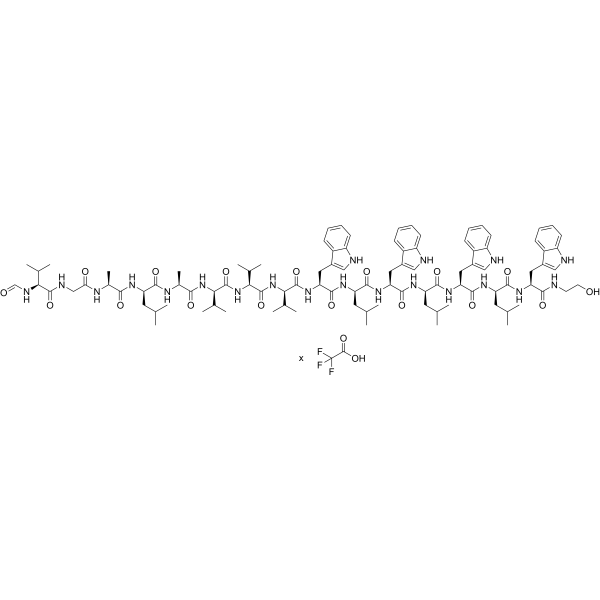
Gramicidin A (TFA) is a peptide component of gramicidin, an antibiotic mixture originally isolated from B. brevis. Gramicidin A (TFA) is a highly hydrophobic channel-forming ionophore that forms channels in model membranes that are permeable to monovalent cations. Gramicidin A (TFA) induces degradation of hypoxia inducible factor 1 α (HIF-1α) .
|
-
-
- HY-145835A
-
|
|
PERK
|
Infection
Cancer
|
|
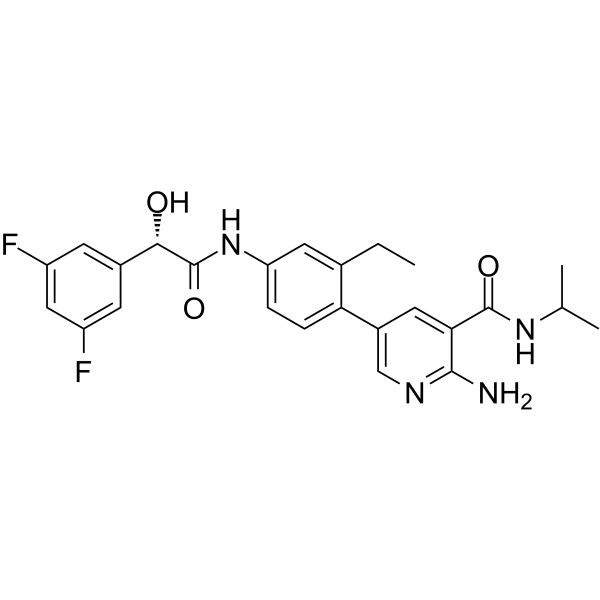
(S)-PERK-IN-5 is the S-enantiomer of PERK-IN-5. (S)-PERK-IN-5 (example 39) is a PERK inhibitor, with an IC50 of 0.101-0.250 μM .
|
-
-
- HY-B0735AR
-
|
Fenoldopam methanesulfonate (Standard); SKF-82526 mesylate (Standard)
|
Reference Standards
Dopamine Receptor
Apoptosis
|
Cardiovascular Disease
Cancer
|
|
Fenoldopam (mesylate) (Standard) is the analytical standard of Fenoldopam (mesylate). This product is intended for research and analytical applications. Fenoldopam mesylate (SKF-82526) is a D1 receptor agonist and a novel lysine-specific demethylase 1 (LSD1) inhibitor (IC50=0.8974 μM). Fenoldopam mesylate shows anti-hypertensive effects, anti-cancer cell proliferation activity and can induce cells apoptosis .
|
-

-
- HY-186143
-
|
|
Glutathione Peroxidase
Ferroptosis
|
Cancer
|
|
KY0418 is a selective GPX4 inhibitor. KY0418 selectively and covalently modifies the selenocysteine residue of GPX4 and inhibits GPX4 activity. KY0418 induces ferroptosis and suppresses cell proliferation. KY0418 can be used for the study of ferroptosis and cancer .
|
-

-
- HY-181270
-
|
|
HIF/HIF Prolyl-Hydroxylase
|
Cancer
|
|
RH01504 is a HIF2α inhibitor with a Kd value of 5.42 nM against human HIF2α. RH01504 inhibits the growth of renal cancer cells. RH01504 can be used in research related to renal cell carcinoma .
|
-

-
- HY-W470101
-
|
|
HIF/HIF Prolyl-Hydroxylase
Apoptosis
HSP
Caspase
|
Cancer
|
|
HIF-2α-IN-17 is a selective hypoxia-inducible factor 2α (HIF2α) inhibitor that binds to the PAS-B domain of HIF2α. HIF-2α-IN-17 disrupts the interaction between HIF2α and the molecular chaperone Hsp70, leading to proteasomal degradation of HIF2α. HIF-2α-IN-17 exhibits antitumor activity and induces apoptosis in cancer cells. HIF-2α-IN-17 is applicable for research on cancers such as clear cell renal cell carcinoma .
|
-

-
- HY-181955
-
|
|
Apoptosis
DNA Methyltransferase
HIF/HIF Prolyl-Hydroxylase
Caspase
|
Cancer
|
|
MS1129 is a DNMT degrader that induces proteasomal degradation of DNMT1, DNMT3A and DNMT3B proteins. MS1129 upregulates TRAIL, DR4 and DR5 proteins, downregulates the decoy receptor DcR2, and activates TRAIL-dependent apoptosis via the HIF-1/2 and Caspase-10 pathways. MS1129 is applicable to the research of VHL-deficient clear cell renal cell carcinoma .
|
-

-
- HY-183583
-
|
|
HIF/HIF Prolyl-Hydroxylase
|
Cancer
|
|
HIF-2α-IN-18 is a selective HIF-2α inhibitor with a human IC50 of 8.1 nM. HIF-2α-IN-18 binds to the HIF-2α PAS-B domain, induces conformational perturbations at the HIF-2α/ARNT dimerization interface, destabilizes the HIF-2α/ARNT heterodimer, and blocks HIF-2α-mediated transcriptional activity. HIF-2α-IN-18 inhibits hypoxia-induced expression of HIF-2α target genes EPO and SERPINE1, without inhibiting HIF-1α target genes PGK1 and PDK1. HIF-2α-IN-18 can be used for the research of clear cell renal cell carcinoma, hepatocellular carcinoma[1].
|
-

-
- HY-183589
-
|
|
Ferroptosis
Reactive Oxygen Species (ROS)
|
Metabolic Disease
|
|
Ferroptosis-IN-26 is a CEPT1-targeting ferroptosis inhibitor. Ferroptosis-IN-26 enhances CEPT1-dependent phosphatidylcholine remodeling to enrich cellular membranes with monounsaturated fatty acid-containing phosphatidylcholine (PC-MUFA). Ferroptosis-IN-26 suppresses lipid peroxidation. Ferroptosis-IN-26 can be used for the research of acute liver injury .
|
-

-
- HY-185484
-
|
BMS-936561
|
Antibody-Drug Conjugates (ADCs)
Transmembrane Glycoprotein
|
Cancer
|
|
MDX-1203 (BMS-936561) is an antibody-drug conjugate targeting CD70. MDX-1203 binds to CD70 and mediates the specific delivery of its conjugated cytotoxic payload to tumors. MDX-1203 delivers a DNA alkylating payload into cells. MDX-1203 can be used in research related to advanced clear cell renal cell carcinoma and relapsed/refractory B-cell non-Hodgkin lymphoma .
|
-

| Cat. No. |
Product Name |
Target |
Research Area |
-
- HY-P2324
-
|
|
Bacterial
HIF/HIF Prolyl-Hydroxylase
Antibiotic
|
Infection
Cancer
|
|
Gramicidin A is a peptide component of gramicidin, an antibiotic mixture originally isolated from B. brevis. Gramicidin A is a highly hydrophobic channel-forming ionophore that forms channels in model membranes that are permeable to monovalent cations. Gramicidin A induces degradation of hypoxia inducible factor 1 α (HIF-1α) .
|
-
- HY-P10222
-
|
|
HIF/HIF Prolyl-Hydroxylase
|
Cancer
|
|
Cyclo CRLLIF is a dual inhibitor for hypoxia inducible factor (HIF) 1 and 2, which disrupts the interaction of both HIF1-α and HIF2-α with HIF1-β, with affinity for HIF1-α and HIF2-α PAS-B domains KD of 14.5 and 10.2 μM, respectively .
|
-
- HY-161096
-
|
|
ROR
|
Cancer
|
|
Antitumor agent-127 (compound 1) is a parent macrocyclic peptide. Antitumor agent-127 displays nanomolar cell-based binding to ROR1 and relatively good internalization in 786-O and MDA-MB-231 tumor cell lines .
|
-
- HY-P10223
-
|
|
HIF/HIF Prolyl-Hydroxylase
|
Cancer
|
|
Cyclo CRVIIF is a dual inhibitor for hypoxia inducible factor (HIF) 1 and 2, which disrupts the interaction of both HIF1-α and HIF2-α with HIF1-β, with affinity for HIF1-α and HIF2-α PAS-B domains KD of 65 and 123 μM, respectively .
|
-
- HY-P2324A
-
|
|
Antibiotic
Bacterial
|
Infection
|
|
Gramicidin A (TFA) is a peptide component of gramicidin, an antibiotic mixture originally isolated from B. brevis. Gramicidin A (TFA) is a highly hydrophobic channel-forming ionophore that forms channels in model membranes that are permeable to monovalent cations. Gramicidin A (TFA) induces degradation of hypoxia inducible factor 1 α (HIF-1α) .
|
| Cat. No. |
Product Name |
Category |
Target |
Chemical Structure |
Your information is safe with us. * Required Fields.
Inquiry Information
- Product Name:
- Cat. No.:
- Quantity:
- MCE Japan Authorized Agent:








