



Regorafenib monohydrate (Standard)
Regorafenib (monohydrate) (Standard) is the analytical standard of Regorafenib (monohydrate). This product is intended for research and analytical applications. Regorafenib (BAY 73-4506) monohydrate is an orally active and potent multi-targeted receptor tyrosine kinase inhibitor, with IC50 values of 13/4.2/46, 22, 7, 1.5 and 2.5 nM for VEGFR1/2/3, PDGFRβ, Kit, RET and Raf-1, respectively. Regorafenib monohydrate shows very robust antitumor and antiangiogenic activity.
For research use only. We do not sell to patients.
- Purity : 98%
- CAS No.: 1019206-88-2
- Formula: C21H17ClF4N4O4
- Molecular Weight:500.83
-
Storage:
Please store the product under the recommended conditions in the Certificate of Analysis.


To place orders, for customer services and technical support, please contact: MedChemExpress USA
Tel: 609-228-6898 E-mail: [email protected] [email protected]


-
 Product Information
-
Chemical Information
- Purity & Documentation
-
 Help & FAQs


-
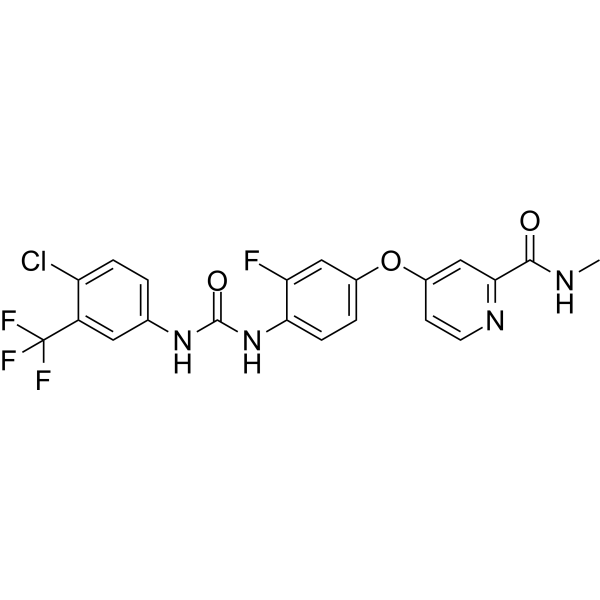
HY-10331
RegorafenibMulti-kinase Inhibitor -
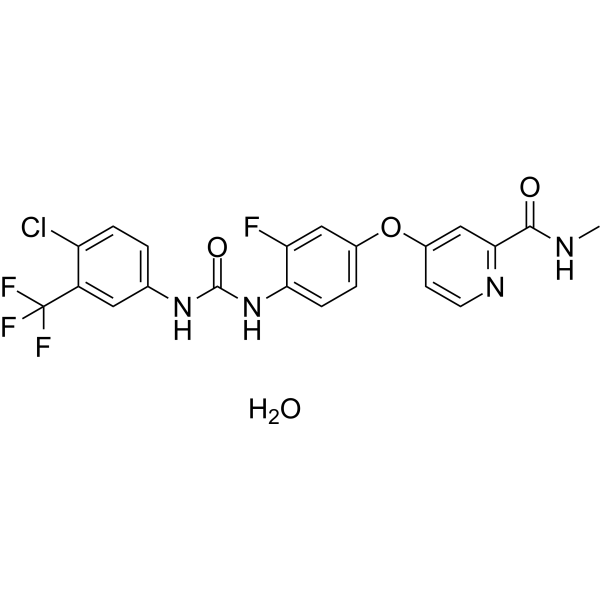
HY-10331A
Regorafenib monohydrateMulti-Kinase Inhibitor -
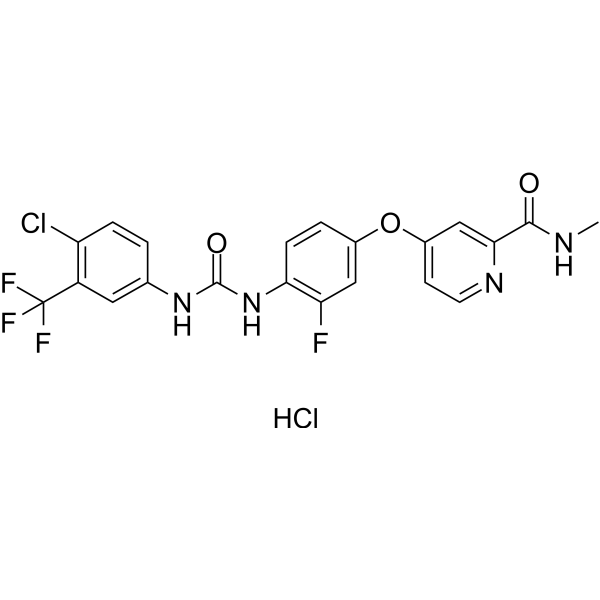
HY-13308
Regorafenib HydrochlorideAutophagy Inducer -
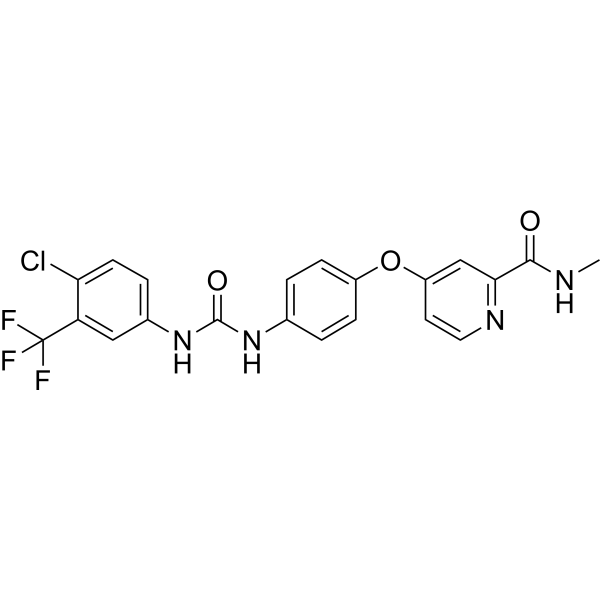
HY-10201
SorafenibMultikinase Inhibitor -
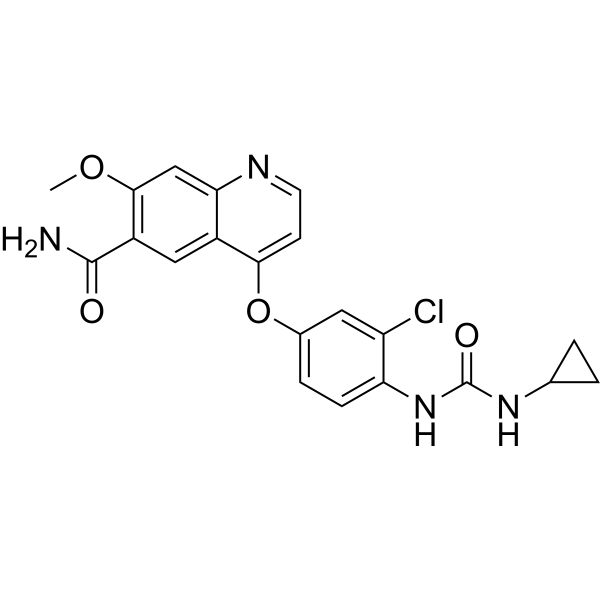
HY-10981
LenvatinibVEGFR/FGFR Inhibitor -
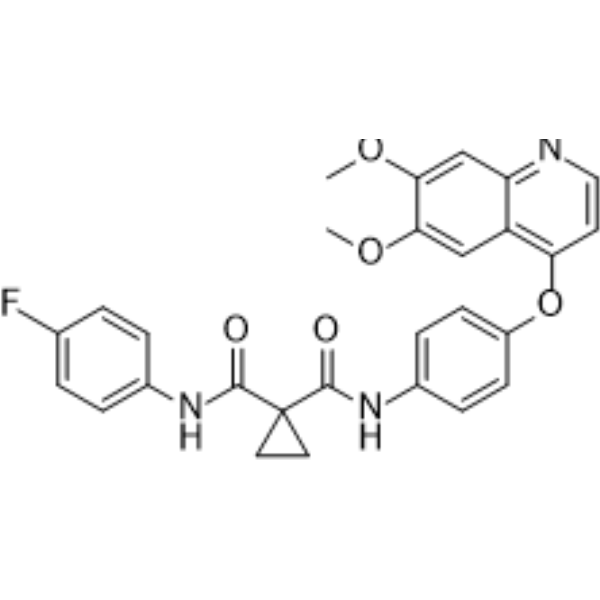
HY-13016
CabozantinibVEGFR2/MET Inhibitor -
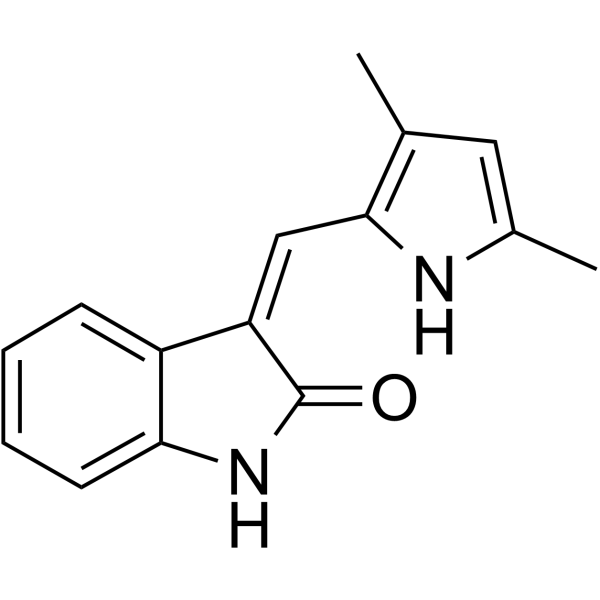
HY-10374
SemaxinibFlk-1/KDR Inhibitor -
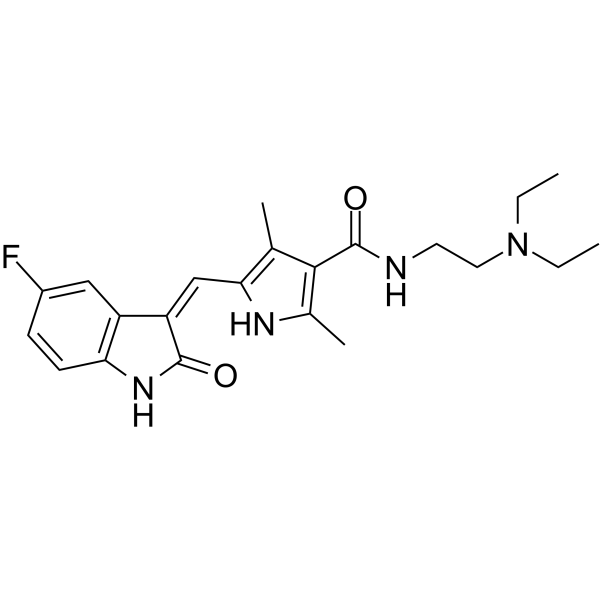
HY-10255A
SunitinibMulti-targeted RTK Inhibitor -
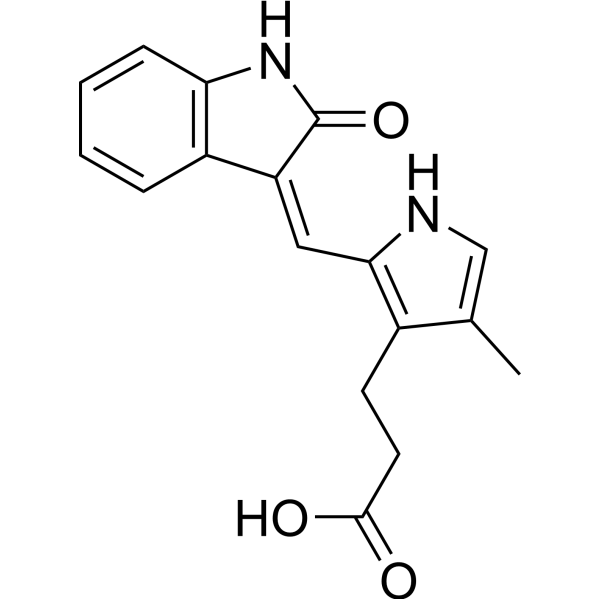
HY-10407
SU 5402Tyrosine Kinase Inhibitor -
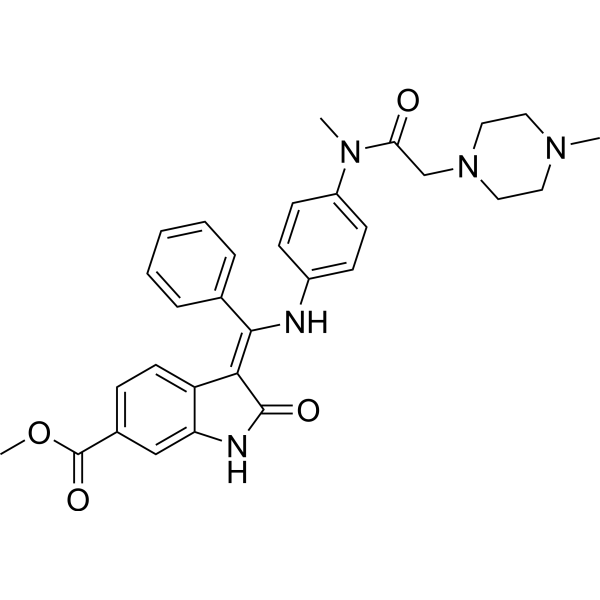
HY-50904
NintedanibPDGFR/VEGFR/FGFR Inhibitor -
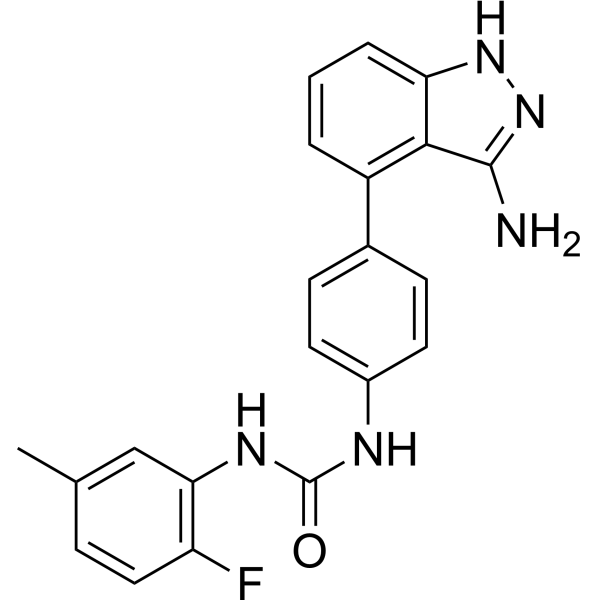
HY-50751
LinifanibMulti-Targeted RTK Inhibitor -
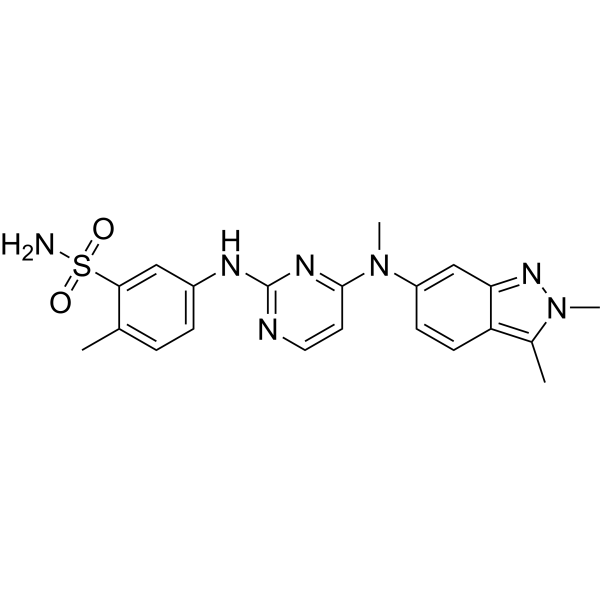
HY-10208
PazopanibVEGFR Inhibitor


Product Information
Information
Application
The compound is the grade of analytical standard, which is the reference standard supplied assay. It is commonly used in qualitative, quantitative and methodological research experiments in HPLC, GC and MS.


Chemical Information
-
CAS No. 1019206-88-2
-
Molecular Weight 500.83
-
Formula C21H17ClF4N4O4
-
SMILES
O=C(NC1=CC=C(C(C(F)(F)F)=C1)Cl)NC2=CC=C(OC3=CC(C(NC)=O)=NC=C3)C=C2F.O
-
Synonyms
BAY 73-4506 monohydrate (Standard)
-
Shipping
Room temperature in continental US; may vary elsewhere.
-
Storage
Please store the product under the recommended conditions in the Certificate of Analysis.


Purity & Documentation
References
[1]. Wilhelm SM, et al. Regorafenib (BAY 73-4506): a new oral multikinase inhibitor of angiogenic, stromal and oncogenic receptor tyrosine kinases with potent preclinical antitumor activity. Int J Cancer, 2011, 129(1), 245-255. [Content Brief]
[2]. Heng DY, et al. Targeted therapy for metastatic renal cell carcinoma: current treatment and future directions. Ther Adv Med Oncol, 2010, 2(1), 39-49. [Content Brief]
[3]. Carr BI, et al. Fluoro-Bay 43-9006 (Regorafenib) effects on hepatoma cells: growth inhibition, quiescence, and recovery. J Cell Physiol, 2013, 228(2), 292-297. [Content Brief]

Calculators
Concentration (start) × Volume (start) = Concentration (final) × Volume (final)


Regorafenib monohydrate (Standard) Related Classifications
HY-10331AR Related Classifications
 Powered by Bioz