



p-Cresyl sulfate
Based on 6 publication(s) in Google Scholar
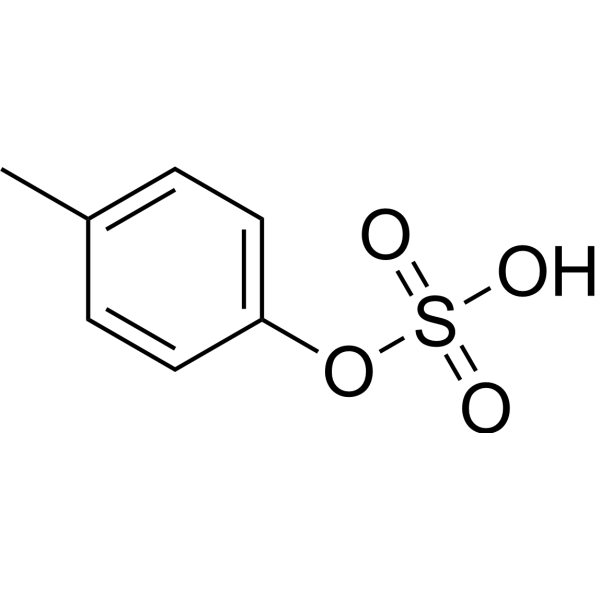
p-Cresyl sulfate (p-Tolyl sulfate) is a uremic toxin, that can cause renal damage and dysfunction. p-Cresyl sulfate shows antiproliferation activity. p-Cresyl sulfate increases the protein expression of HIF-1α and VHL, decreases the protein expression of HIF-2α. p-Cresyl sulfate induces epithelial-mesenchymal transition (EMT). p-Cresyl sulfate activates the JNK and p38 MAPK signaling pathways.
Nur für Forschungszwecke. Wir verkaufen nicht an Patienten.
- Reinheit : 99.98%
- CAS. Nr.: 3233-58-7
- Formel: C7H8O4S
- Molecular Weight:188.20
-
Speicherung:
4°C, protect from light
* In solvent : -80°C, 6 months; -20°C, 1 month (protect from light)

To place orders, for customer services and technical support, please contact: MedChemExpress USA
Tel: 609-228-6898 E-mail: [email protected] [email protected]


-
 Biologische Aktivität
-
Chemical Information
-
Lösungsmittel & Löslichkeit
- Protokoll
- Reinheit & Dokumentation
- Verweise
-
 Help & FAQs


-
HY-W011910
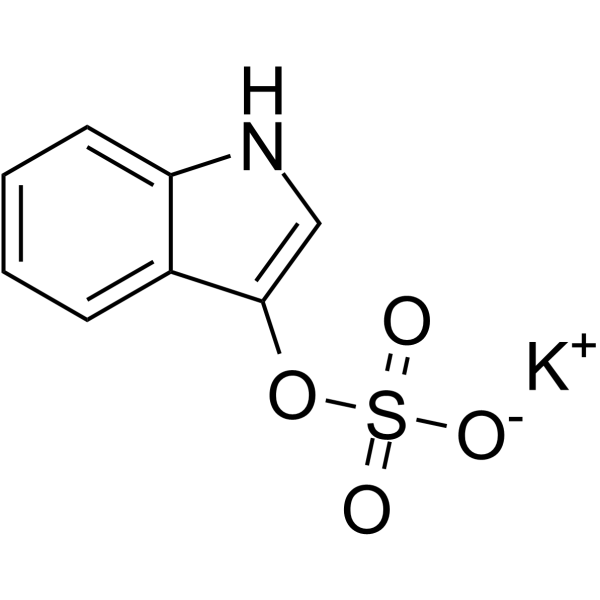
Potassium 1H-indol-3-yl sulfateMetabolite of Tryptophan -
HY-15772
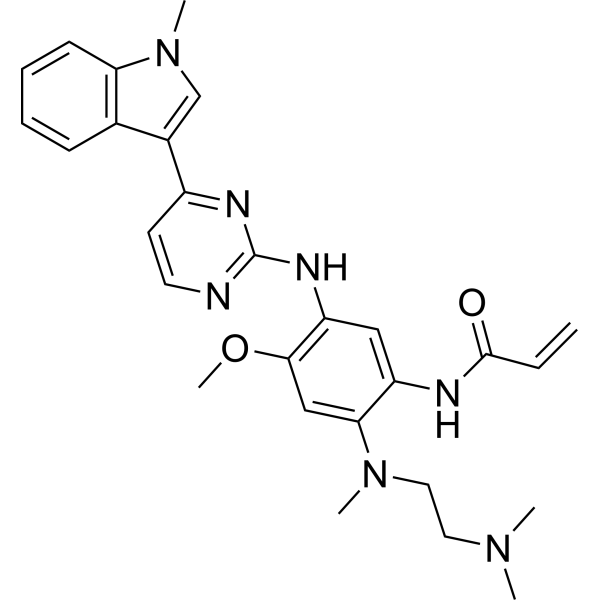
OsimertinibMutant-Selective EGFR Inhibitor -
HY-100806
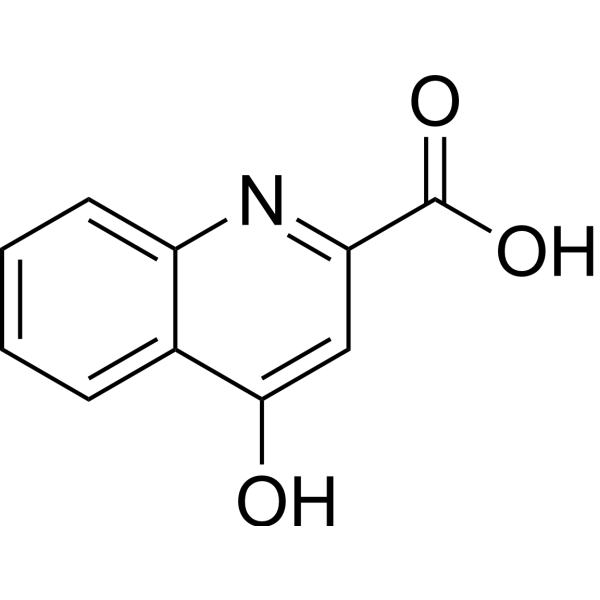
Kynurenic acidiGluR/α7 nAChR Antagonist -

HY-116084
Trimethylamine N-oxideROS/NLRP3 Inflammasome Activator -
HY-W016562
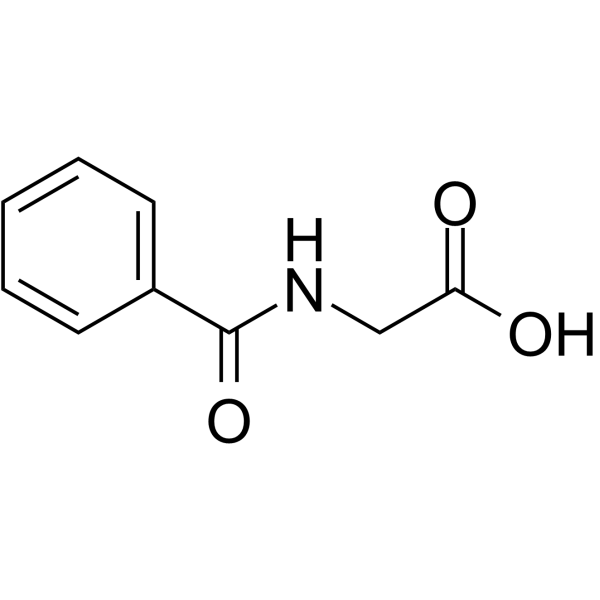
Hippuric acidMetabolite -
HY-15142
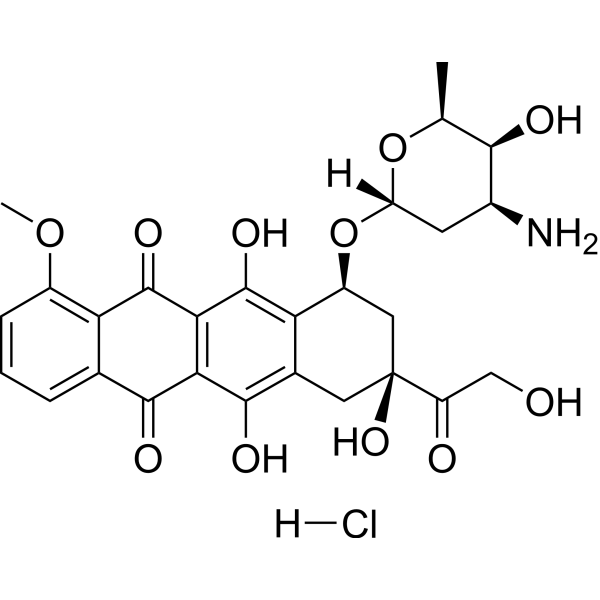
Doxorubicin hydrochlorideTopoisomerase Inhibitor -
HY-50895
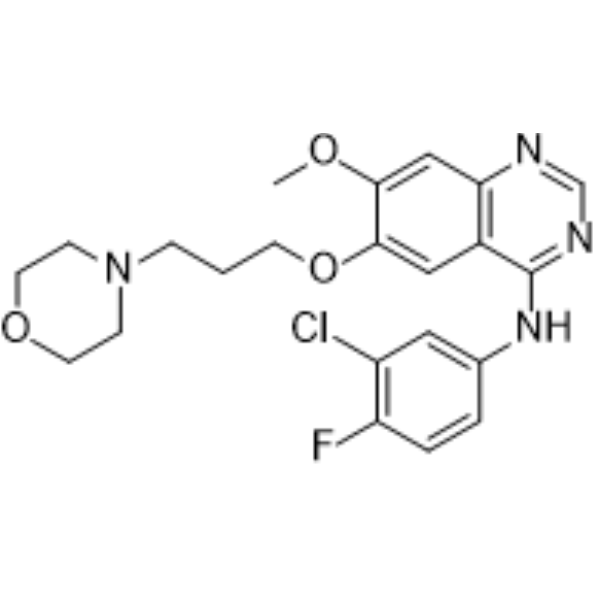
GefitinibEGFR Inhibitor -
HY-B1776
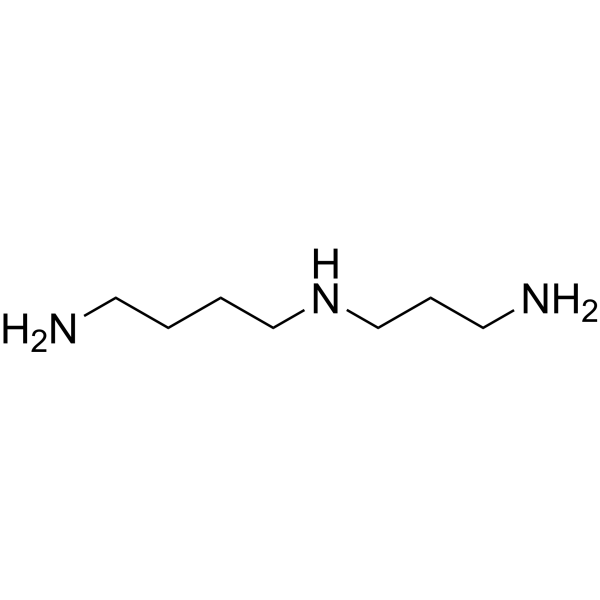
SpermidinePolyamine Compound -
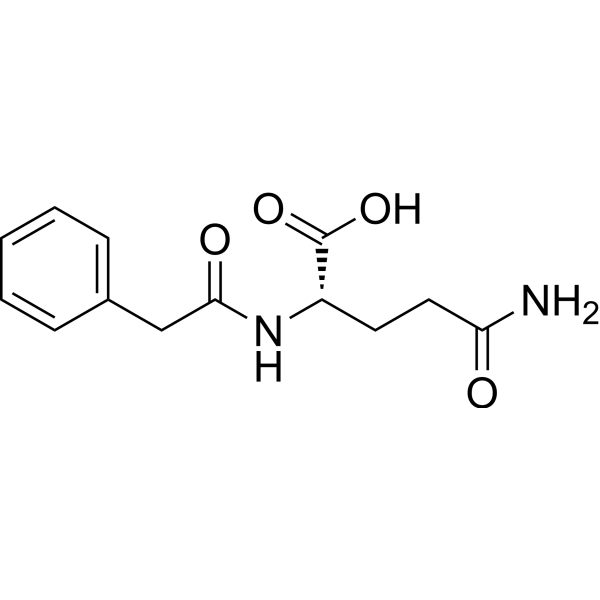
HY-W050026
Phenylacetylglutamine -
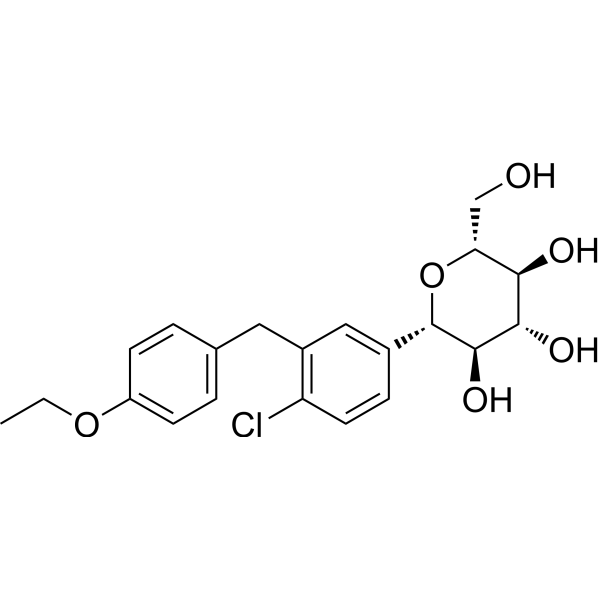
HY-10450
DapagliflozinSGLT2 Inhibitor -
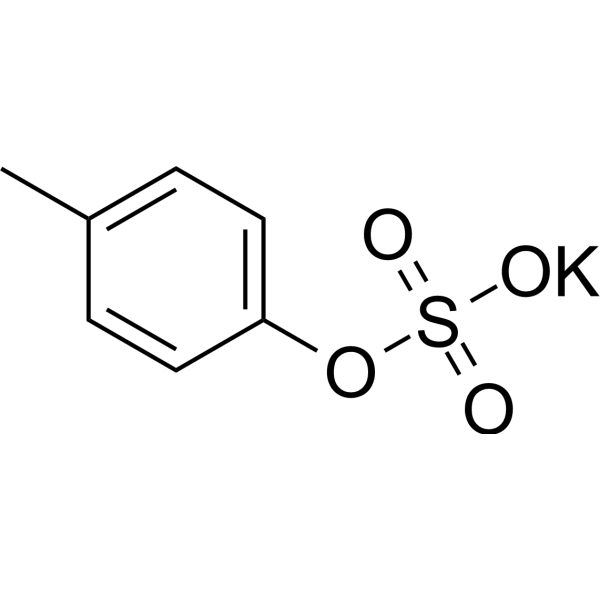
HY-111431A
p-Cresyl sulfate potassiumEndogenous Metabolite -
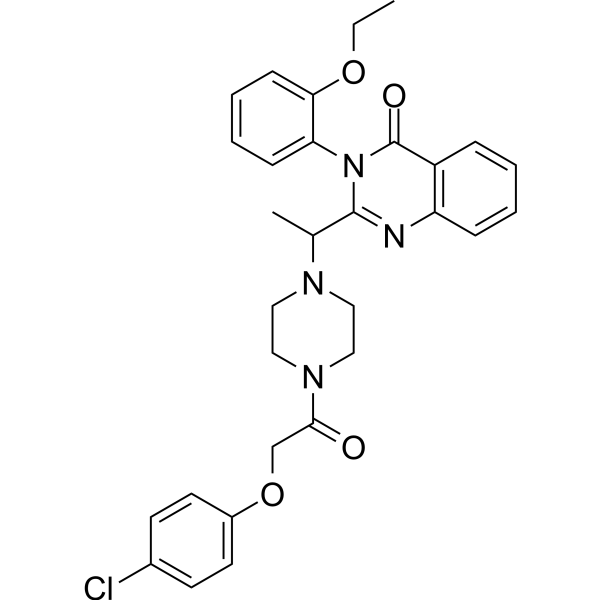
HY-15763
ErastinFerroptosis Inducer
Publications Citing Use of MedChemExpress (MCE) p-Cresyl sulfate
More- Cell Metab. 2024 Aug 6;36(8):1806-1822.e11. [Abstract]
- Cell Death Dis. 2023 Feb 2;14(2):78. [Abstract]
- Phytomedicine. 2024 Dec:135:156174. [Abstract]
- Colloids Surf B Biointerfaces. 2024 Dec:244:114164. [Abstract]
- Electrochim Acta. 2025 Oct 26.
- ACS Appl Bio Mater. 2024 Jun 17;7(6):3841-3853. [Abstract]
 Customer Validation & Images

-
Bio/Physico-chemical Assay

-
Bio/Physico-chemical Assay

-
Others

-
Cell Proliferation/Viability Assay
-
WB


Biologische Aktivität
Beschreibung
IC50 & Target
|
Microbial Metabolite |
Human Endogenous Metabolite |
In Vitro
p-Cresyl sulfate (0-500 μM; 0-48 h) shows antiproliferation activity in a dose- and time-dependent manner[1].
p-Cresyl sulfate (100, 200 μM; 1, 3, 5 days) increases the protein expression of HIF-1α and VHL, decreases the protein expression of HIF-2α[1].
p-Cresyl sulfate (40 µg/mL) inhibits lipogenesis and increases lipolysis in adipocytes in 3T3-L1 cells[2].
p-Cresyl sulfate (0.125 mM, 24 h) induces osteoblast dysfunction through activating JNK and p38 MAPK pathways[3].
p-Cresyl sulfate (0-0.5 mM; 60 min) induces ROS production in primary osteoblastic cells[3].
MedChemExpress (MCE) has not independently confirmed the accuracy of these methods. They are for reference only. Further protocols information, click here.
-
Cell Line:786-O, A498 cells
-
Concentration:20, 50, 100, 200, 500 μM
-
Incubation Time:0-48 h
-
Result:Inhibited cell proliferation in a dose- and time-dependent manner.
-
Cell Line:786-O, A498 cells
-
Concentration:100, 200 μM
-
Incubation Time:1, 3, 5 days
-
Result:Increased the protein expression of HIF-1α and VHL, decreased the protein expression of HIF-2α.
-
Cell Line:Primary osteoblastic cells
-
Concentration:0.125 mM
-
Incubation Time:24 h
-
Result:Induced rapid and sustained phosphorylation of JNK.
In Vivo
MedChemExpress (MCE) has not independently confirmed the accuracy of these methods. They are for reference only.
-
Animal Model:CD1 Swiss mice[2]
-
Dosage:10 mg/kg
-
Administration:IP; twice daily for 4 weeks
-
Result:Increased the fasting plasma glucose concentration, plasma cholesterol levels were increased by >50% compared with vehicle mice, Induced insulin resistance.


Chemical Information
-
CAS. Nr. 3233-58-7
-
Appearance Solid
-
Molecular Weight 188.20
-
Formel C7H8O4S
-
Color White to off-white
-
SMILES
O=S(OC1=CC=C(C)C=C1)(O)=O
-
Synonyms
p-Tolyl sulfate
-
Structure Classification
-
Initial Source
-
Versand
Room temperature in continental US; may vary elsewhere.
-
Speicherung
4°C, protect from light
* In solvent : -80°C, 6 months; -20°C, 1 month (protect from light)


Publications (6)
-
Journal Impact Factor
-
Most Recent
-
Cell Metab
Nicotinamide metabolism face-off between macrophages and fibroblasts manipulates the microenvironment in gastric cancer. [Abstract]2024 Aug 6;36(8):1806-1822.e11. PMID: 38897198 -
Cell Death Dis
3-Carboxy-4-methyl-5-propyl-2-furanpropanoic acid (CMPF) induces cell death through ferroptosis and acts as a trigger of apoptosis in kidney cells. [Abstract]2023 Feb 2;14(2):78. PMID: 36732325
p-Cresyl sulfate purchased from MedChemExpress. Usage Cited in: Cell Death Dis. 2023 Feb 2;14(2):78. [Abstract]
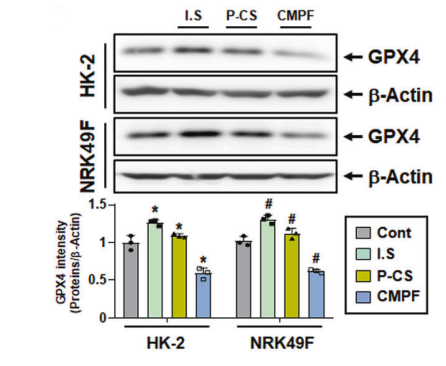
HK-2 and NRK49F cells were treated with 400 μM IS, p-Cresyl sulfate (p-CS) and CMPF under serum starvation for 24 h and harvested. GPX4 protein levels in cells treated with 400 μM uremic toxin as detected by immunoblotting. The relative protein levels are shown.
p-Cresyl sulfate purchased from MedChemExpress. Usage Cited in: Cell Death Dis. 2023 Feb 2;14(2):78. [Abstract]
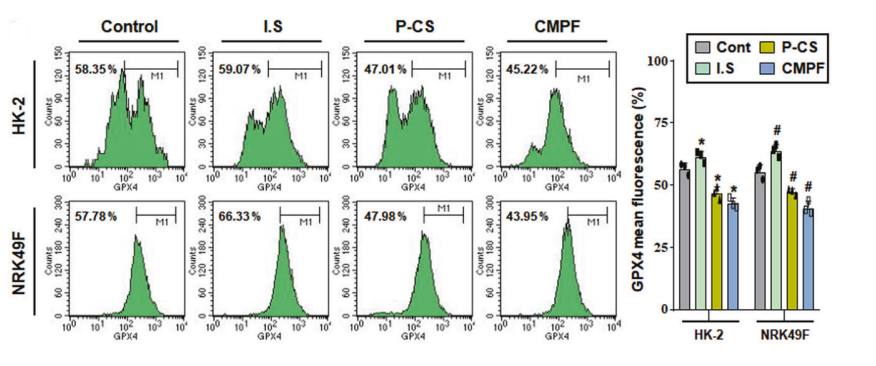
HK-2 and NRK49F cells were treated with 400 μM IS, p-Cresyl sulfate (p-CS) and CMPF under serum starvation for 24 h and harvested. GPX4 protein levels in cells treated with uremic toxin as detected by flow cytometry. The graph on right shows the mean value of GPX4 fluorescence.
-
Phytomedicine
Huangqi Jianzhong decoction improves gastric intestinal metaplasia in rats by regulating the gut‒thyroid axis. [Abstract]2024 Dec:135:156174. PMID: 39488101
p-Cresyl sulfate purchased from MedChemExpress. Usage Cited in: Phytomedicine. 2024 Dec:135:156174. [Abstract]
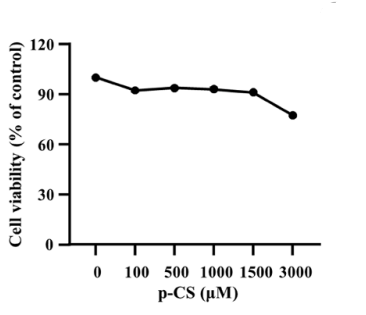
Indoxyl sulfate compromises mitochondrial function in Nthy-ori 3–1 cells. Survival rate of Nthy-ori 3–1 cells treated with p-Cresol sulfate.
-
Colloids Surf B Biointerfaces
Trimethylamine N-oxide detection by electrochemical sensor based on screen printed electrode modified with molecularly imprinted polypyrrole-molybdenum(III) sulfide nanosheets. [Abstract]2024 Dec:244:114164. PMID: 39180990 -
p-Cresyl sulfate purchased from MedChemExpress. Usage Cited in: Electrochim Acta. 2025 Oct 26.
FTIR spectra of pCS (p-Cresyl sulfate potassium).
p-Cresyl sulfate purchased from MedChemExpress. Usage Cited in: Electrochim Acta. 2025 Oct 26.
IR spectra of pCS (p-Cresyl sulfate potassium).
p-Cresyl sulfate purchased from MedChemExpress. Usage Cited in: Electrochim Acta. 2025 Oct 26.
Schematic of synthesis of Ppy-SnO2-rGO MIP and sensing of pCS (p-Cresyl sulfate potassium) in spiked urine samples with synthesized MIP.
-
ACS Appl Bio Mater
4-Ethylphenyl Sulfate Detection by an Electrochemical Sensor Based on a MoS2 Nanosheet-Modified Molecularly Imprinted Biopolymer. [Abstract]2024 Jun 17;7(6):3841-3853. PMID: 38836520


Lösungsmittel & Löslichkeit
In Vitro:
DMSO : 250 mg/mL (1328.37 mM; Need ultrasonic; Hygroscopic DMSO has a significant impact on the solubility of product, please use newly opened DMSO)
H2O : ≥ 100 mg/mL (531.35 mM)
* "≥" means soluble, but saturation unknown.
Please refer to the solubility information to select the appropriate solvent. Once prepared, please aliquot and store the solution to prevent product inactivation from repeated freeze-thaw cycles.
Storage method and period of stock solution: -80°C, 6 months; -20°C, 1 month (protect from light). When stored at -80°C, please use it within 6 months. When stored at -20°C, please use it within 1 month.
* Note: If you choose water as the stock solution, please dilute it to the working solution, then filter and sterilize it with a 0.22 μm filter before use.
Please refer to the solubility information to select the appropriate solvent. Once prepared, please aliquot and store the solution to prevent product inactivation from repeated freeze-thaw cycles.
Storage method and period of stock solution: -80°C, 6 months; -20°C, 1 month (protect from light). When stored at -80°C, please use it within 6 months. When stored at -20°C, please use it within 1 month.
* Note: If you choose water as the stock solution, please dilute it to the working solution, then filter and sterilize it with a 0.22 μm filter before use.
Konzentration (Stammlösung) × Volumen (Stammlösung) = Konzentration (Ziellösung) × Volumen (Ziellösung)
In Vivo:
Select the appropriate dissolution method based on your experimental animal and administration route.
- For the following dissolution methods, please ensure to first prepare a clear stock solution using an In Vitro approach and then sequentially add co-solvents:
- To ensure reliable experimental results, the clarified stock solution can be appropriately stored based on storage conditions. As for the working solution for In Vivo experiments, it is recommended to prepare freshly and use it on the same day.
- The percentages shown for the solvents indicate their volumetric ratio in the final prepared solution. If precipitation or phase separation occurs during preparation, heat and/or sonication can be used to aid dissolution.
Add each solvent one by one: 10% DMSO 40% PEG300 5% Tween-80 45% Saline
Solubility: ≥ 2.08 mg/mL (11.05 mM); Clear solution
This protocol yields a clear solution of ≥ 2.08 mg/mL (saturation unknown).
Taking 1 mL working solution as an example, add 100 μL DMSO stock solution (20.8 mg/mL) to 400 μL PEG300, and mix evenly; then add 50 μL Tween-80 and mix evenly; then add 450 μL Saline to adjust the volume to 1 mL.
Preparation of Saline: Dissolve 0.9 g sodium chloride in ddH₂O and dilute to 100 mL to obtain a clear Saline solution.
Add each solvent one by one: 10% DMSO 90% (20% SBE-β-CD in Saline)
Solubility: ≥ 2.08 mg/mL (11.05 mM); Clear solution
This protocol yields a clear solution of ≥ 2.08 mg/mL (saturation unknown).
Taking 1 mL working solution as an example, add 100 μL DMSO stock solution (20.8 mg/mL) to 900 μL 20% SBE-β-CD in Saline, and mix evenly.
Preparation of 20% SBE-β-CD in Saline (4°C, storage for one week): 2 g SBE-β-CD powder is dissolved in 10 mL Saline, completely dissolve until clear.
In Vivo Dissolution Calculator
Please enter the basic information of animal experiments:
-
-
-
-
Recommended: Prepare an additional quantity of animals to account for potential losses during experiments.
Working solution concentration: 0.22 mg/mL
This product has good water solubility, please refer to the measured solubility data in water/PBS/Saline for details.

Protokoll
-
RNA extraction experimental
By lysing cells, releasing RNA, and removing impurities such as proteins and DNA, high-purity RNA products are finally obtained. The commonly used traditional method is the guanidine isothiocyanate/phenol/chloroform method (Trizol), which is suitable for a variety of animal materials including animal tissues, microorganisms, cultured cells, etc., and most plant materials.
-
Western Blot
Western blotting (WB) is a commonly used experimental method in molecular biology, biochemistry, and immunogenetics for identifying and quantifying target proteins. It combines gel electrophoresis with immunoassay, enabling researchers to analyze protein expression, post-translational modifications, and molecular weight.
-
Protocol For Protein Expression And Purification
Recombinant protein expression in Escherichia coli followed by purification of a His-tagged soluble protein by immobilized metal affinity chromatography (IMAC), with optional MBP fusion and TEV tag removal when the construct includes these elements. The biological readout is production of the encoded target protein, detected as an inducible band at the expected molecular mass by SDS-PAGE and quantified by total protein assay or chromatographic absorbance; the purification readout is enrichment of the target protein in elution fractions after selective binding of polyhistidine residues to immobilized Ni2+/metal-chelate resin and elution by imidazole-containing buffer. Expression is driven by an inducible bacterial expression system, commonly T7/lac-based, in which IPTG or lactose/auto-induction activates transcription and translation of the cloned gene; lower induction temperature, lower inducer concentration, induction timing, and solubility-enhancing fusion tags can influence the frac


Reinheit & Dokumentation
-
Data Sheet (280 KB)
-
SDS (555 KB)
- English - EN (555 KB)
- Français - FR (555 KB)
- Deutsch - DE (555 KB)
- Norwegian - NO (555 KB)
- Español - ES (555 KB)
- Swedish - SV (555 KB)
- Italian - IT (555 KB)
- Korean - KR (555 KB)
- Portuguese - PT (555 KB)
-
Handling Instructions (2659 KB)
Verweise
[1]. Wu TK, et al. The uremic toxin p-cresyl sulfate induces proliferation and migration of clear cell renal cell carcinoma via microRNA-21/ HIF-1α axis signals. Sci Rep. 2019 Mar 1;9(1):3207. [Content Brief]
[2]. Koppe L, et al. p-Cresyl sulfate promotes insulin resistance associated with CKD. J Am Soc Nephrol. 2013 Jan;24(1):88-99. [Content Brief]
[3]. Tanaka H, et al. p-Cresyl sulfate induces osteoblast dysfunction through activating JNK and p38 MAPK pathways. Bone. 2013 Oct;56(2):347-54. [Content Brief]


Complete Stock Solution Preparation Table
Please refer to the solubility information to select the appropriate solvent. Once prepared, please aliquot and store the solution to prevent product inactivation from repeated freeze-thaw cycles.
Storage method and period of stock solution: -80°C, 6 months; -20°C, 1 month (protect from light). When stored at -80°C, please use it within 6 months. When stored at -20°C, please use it within 1 month.
| Optional Solvent | Concentration Solvent Mass | 1 mg | 5 mg | 10 mg | 25 mg |
|---|---|---|---|---|---|
| H2O / DMSO | 1 mM | 5.3135 mL | 26.5675 mL | 53.1350 mL | 132.8374 mL |
| 5 mM | 1.0627 mL | 5.3135 mL | 10.6270 mL | 26.5675 mL | |
| 10 mM | 0.5313 mL | 2.6567 mL | 5.3135 mL | 13.2837 mL | |
| 15 mM | 0.3542 mL | 1.7712 mL | 3.5423 mL | 8.8558 mL | |
| 20 mM | 0.2657 mL | 1.3284 mL | 2.6567 mL | 6.6419 mL | |
| 25 mM | 0.2125 mL | 1.0627 mL | 2.1254 mL | 5.3135 mL | |
| 30 mM | 0.1771 mL | 0.8856 mL | 1.7712 mL | 4.4279 mL | |
| 40 mM | 0.1328 mL | 0.6642 mL | 1.3284 mL | 3.3209 mL | |
| 50 mM | 0.1063 mL | 0.5313 mL | 1.0627 mL | 2.6567 mL | |
| 60 mM | 0.0886 mL | 0.4428 mL | 0.8856 mL | 2.2140 mL | |
| 80 mM | 0.0664 mL | 0.3321 mL | 0.6642 mL | 1.6605 mL | |
| 100 mM | 0.0531 mL | 0.2657 mL | 0.5313 mL | 1.3284 mL |
* Note: If you choose water as the stock solution, please dilute it to the working solution, then filter and sterilize it with a 0.22 μm filter before use.


p-Cresyl sulfate Related Classifications
HY-111431 Related Classifications
 Powered by Bioz