Search Result
Results for "
5-Hydroxytryptamine Receptors Inhibitors
" in MedChemExpress (MCE) Product Catalog:
7
Isotope-Labeled Compounds
| Cat. No. |
Product Name |
Target |
Research Areas |
Chemical Structure |
-
- HY-B1473
-
|
5-Hydroxytryptamine hydrochloride; 5-HT hydrochloride
|
5-HT Receptor
COMT
Endogenous Metabolite
|
Neurological Disease
|
|
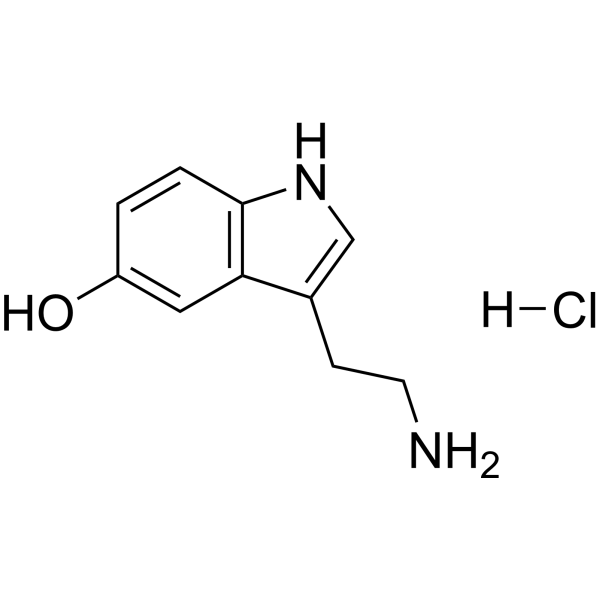
Serotonin (5-Hydroxytryptamine) hydrochloride is a monoamine neurotransmitter in the CNS and an endogenous 5-HT receptor agonist, with blood-brain barrier permeability. Serotonin hydrochloride is also a catechol O-methyltransferase (COMT) inhibitor with a Ki of 44 μM.
|
-
-
- HY-B0527A
-
|
|
Serotonin Transporter
5-HT Receptor
mAChR
Histamine Receptor
Adrenergic Receptor
Trk Receptor
Sodium Channel
Potassium Channel
Dopamine Transporter
Apoptosis
|
Neurological Disease
Inflammation/Immunology
Endocrinology
|
|
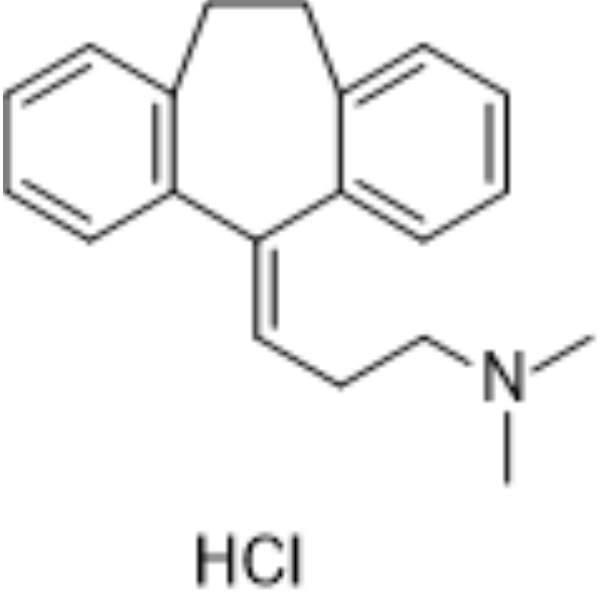
Amitriptyline hydrochloride is an orally active tricyclic antidepressant (TCA). Amitriptyline hydrochloride mainly exerts its antidepressant effect by blocking SERT (Ki = 3.45 nM) and NET (Ki = 13.3 nM), thereby increasing the concentrations of 5-hydroxytryptamine (5-HT) and norepinephrine (NE) in the synaptic cleft. Amitriptyline hydrochloride is also an agonist at α2A and TrkA/TrkB receptors, thereby exerting analgesic and neurotrophic activities (inhibiting cell apoptosis). Amitriptyline hydrochloride can reduce inflammation, angiogenesis and fibrosis. Amitriptyline hydrochloride binds to DAT (with Ki = 2.58 μM). Amitriptyline hydrochloride has high affinity for a series of receptors and can antagonize muscarinic cholinergic receptors (M1/M2/M3/M4/M5 receptors) (Ki = 11-24 nM), H1 receptors (Ki = 0.5-1.1 nM), adrenergic α1 receptors (Ki = 4.4 nM), etc., resulting in a series of side effects. Amitriptyline hydrochloride can block sodium channels and hERG potassium channel (IC50 = 4.78 μM) and it has cardiotoxicity .
|
-
-
- HY-N1957
-
|
γ-Mangostin
|
5-HT Receptor
COX
Transthyretin (TTR)
|
Metabolic Disease
Inflammation/Immunology
Cancer
|
|
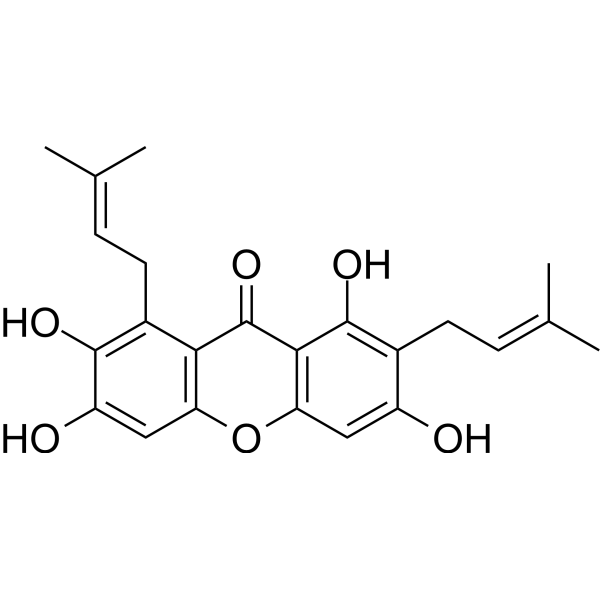
Gamma-Mangostin is a novel competitive 5-hydroxytryptamine 2A (5-HT2A) receptor antagonist and potent epoxidase 2 (COX-2) inhibitor, as well as a transthyroxin protein (TTR) profibrosis inhibitor. Gamma-Mangostin binds to the thyroxine (T4)-binding sites and stabilized the TTR tetramer . Gamma-Mangostin inhibits [3 H] spiperone binding to cultured rat aortic myocytes (IC50=3.5 nM) and reduces The perfusion pressure response of rat coronary artery to 5-HT2A (IC50=0.32 μM). Gamma-Mangostin has anti-inflammatory, antibacterial, antioxidant and anticancer activities, and can be used in the study of metabolic disorders such as diabetes .
|
-
-
- HY-B0527
-
|
|
Serotonin Transporter
Trk Receptor
Sodium Channel
5-HT Receptor
Histamine Receptor
Adrenergic Receptor
mAChR
Potassium Channel
Dopamine Transporter
Apoptosis
|
Neurological Disease
Inflammation/Immunology
Endocrinology
|
|
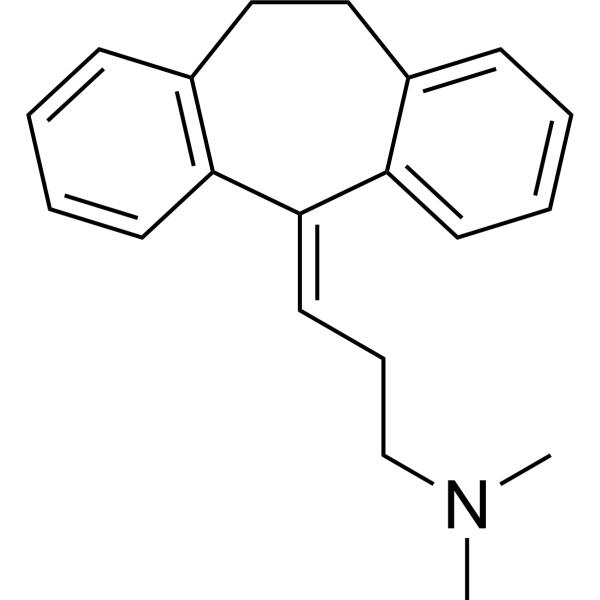
Amitriptyline is an orally active tricyclic antidepressant (TCA). Amitriptyline mainly exerts its antidepressant effect by blocking SERT (Ki = 3.45 nM) and NET (Ki = 13.3 nM), thereby increasing the concentrations of 5-hydroxytryptamine (5-HT) and norepinephrine (NE) in the synaptic cleft. Amitriptyline is also an agonist at α2A and TrkA/TrkB receptors, thereby exerting analgesic and neurotrophic activities (inhibiting cell apoptosis). Amitriptyline can reduce inflammation, angiogenesis and fibrosis. Amitriptyline binds to DAT (with Ki = 2.58 μM). Amitriptyline has high affinity for a series of receptors and can antagonize muscarinic cholinergic receptors (M1/M2/M3/M4/M5 receptors) (Ki = 11-24 nM), H1 receptors (Ki = 0.5-1.1 nM), adrenergic α1 receptors (Ki = 4.4 nM), etc., resulting in a series of side effects. Amitriptyline can block sodium channels and hERG potassium channel (IC50 = 4.78 μM) and it has cardiotoxicity .
|
-
-
- HY-15414A
-
|
Lu AA21004 hydrobromide
|
5-HT Receptor
Serotonin Transporter
|
Neurological Disease
Cancer
|
|
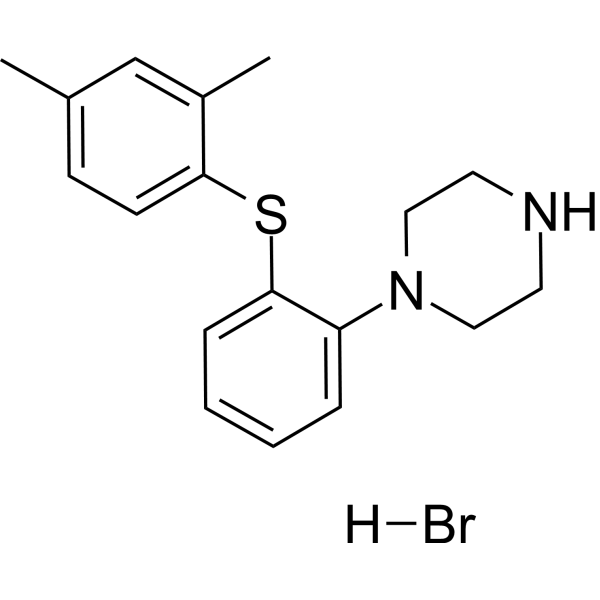
Vortioxetine (Lu AA 21004) hydrobromide is an antagonist of 5-HT3A and 5-HT7 receptors (Ki: 3.7 nM, 19 nM) and an inhibitor of 5-hydroxytryptamine transporter (SERT) (Ki: 1.6 nM), as well as a 5-HT1A agonist and a partial 5-HT1B agonist (Ki: 15 nM, 33 nM) .
|
-
-
- HY-B1018A
-
|
|
Monoamine Oxidase
GABA Receptor
Histone Demethylase
|
Cardiovascular Disease
Neurological Disease
Metabolic Disease
Inflammation/Immunology
Cancer
|
|
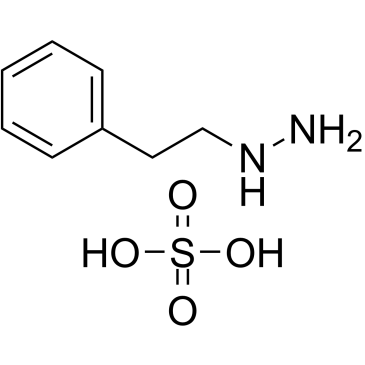
Phenelzine sulfate, an antidepressant agent, is an irreversible and orally active monoamine oxidase (MAO-A and MAO-B) inhibitor. Phenelzine sulfate inhibits GABA transaminase and primary amine oxidase (PrAO), and sequester reactive aldehydes. Phenelzine sulfate also inhibits LSD1 (Ki: 5.6 μM) and suppresses oxidative stress and lipogenesis. Phenelzine sulfate elevates neurotransmitters (serotonin, norepinephrine, dopamine). Phenelzine sulfate is studied in neurological, metabolic and cancer diseases for depression and anxiety disorders, stroke, spinal cord injury, traumatic brain injury, multiple sclerosis, Parkinson’s disease, Alzheimer’s disease, inflammatory pain, obesity and prostate cancer .
|
-
-
- HY-A0019A
-
|
9-Hydroxyrisperidone palmitate
|
Dopamine Receptor
5-HT Receptor
|
Neurological Disease
|
|
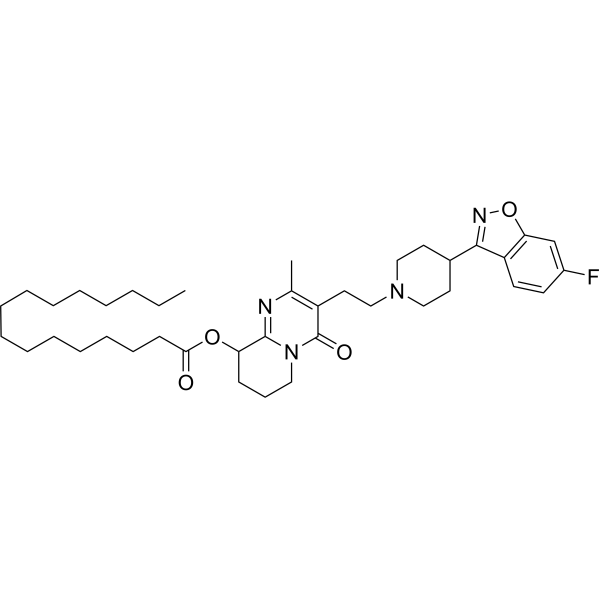
Paliperidone palmitate is an orally effective competitive antagonist of dopamine D2 receptors and 5-hydroxytryptamine 2A (5-HT2A) receptors that can cross the blood-brain barrier. Paliperidone palmitate competitively inhibits the effects of dopamine and 5-hydroxytryptamine by binding to dopamine D2 receptors and 5-HT2A receptors, regulating the balance of the neurotransmitter system and thus exerting antipsychotic activity. Paliperidone palmitate is mainly used in the research field of schizophrenia .
|
-
-
- HY-10351A
-
|
NAD-299 hydrochloride
|
5-HT Receptor
|
Neurological Disease
|
|
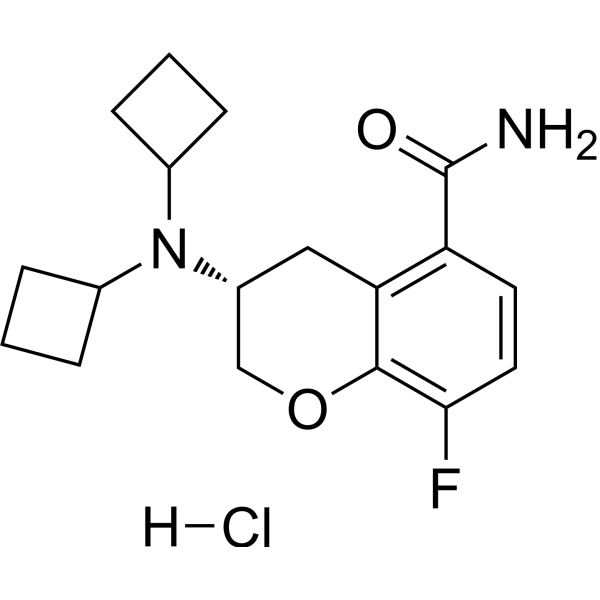
Robalzotan hydrochloride (NAD-299 hydrochloride) is a potent and selective 5-Hydroxytryptamine 1A (5-HT1A) inhibitor. Robalzotan hydrochloride increases the firing rate of 5-HT cells. Robalzotan hydrochloride induces 5-HT1A receptor occupancy. Robalzotan hydrochloride has the potential for the research of a cholinergic deficit in the central -nervous system .
|
-
-
- HY-B1473S
-
|
5-Hydroxytryptamine-d4 hydrochloride; 5-HT-d4 hydrochloride
|
Isotope-Labeled Compounds
5-HT Receptor
Endogenous Metabolite
COMT
|
Others
|
|
Serotonin-d4 (5-Hydroxytryptamine-d4) hydrochloride is the deuterium labeled Serotonin (hydrochloride) (HY-B1473) . Serotonin (5-Hydroxytryptamine) hydrochloride is a monoamine neurotransmitter in the CNS and an endogenous 5-HT receptor agonist. Serotonin hydrochloride is also a catechol O-methyltransferase (COMT) inhibitor with a Ki of 44 μM .
|
-

-
- HY-15472
-
|
|
5-HT Receptor
p38 MAPK
TGF-β Receptor
FGFR
Apoptosis
Caspase
|
Cardiovascular Disease
Neurological Disease
Cancer
|
|
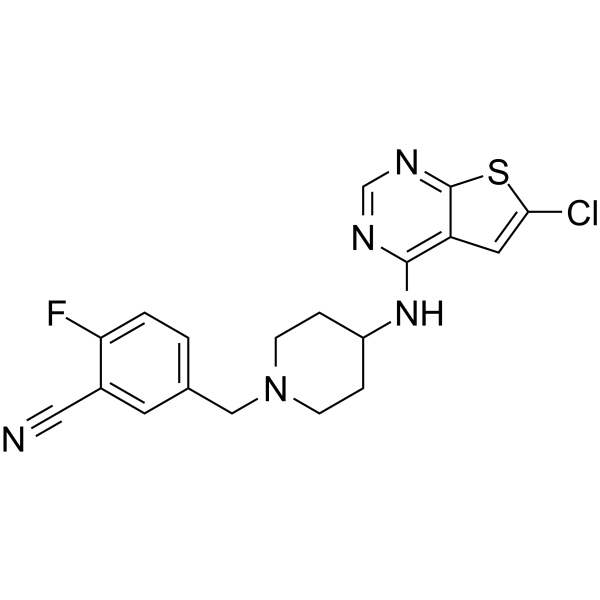
PRX-08066 is a selective and orally active 5-hydroxytryptamine receptor 2B (5-HT2BR) antagonist with a Ki of 3.4 nM. PRX-08066 inhibits the MAPK pathway, 5-HT release and fibrotic factor (TGFβ1, CTGF and FGF2) expression. PRX-08066 inhibits the proliferation of KRJ-I cells and induces apoptosis (caspase-3 activation). PRX-08066 inhibits pulmonary vascular remodeling. PRX-08066 can be used of pulmonary Arterial Hypertension (PAH) and neuroendocrine tumor (NET) .
|
-
-
- HY-B0189B
-
|
TAK-370 citrate dihydrate; AS-4370 citrate dihydrate
|
5-HT Receptor
Potassium Channel
Cytochrome P450
|
Metabolic Disease
Cancer
|
|
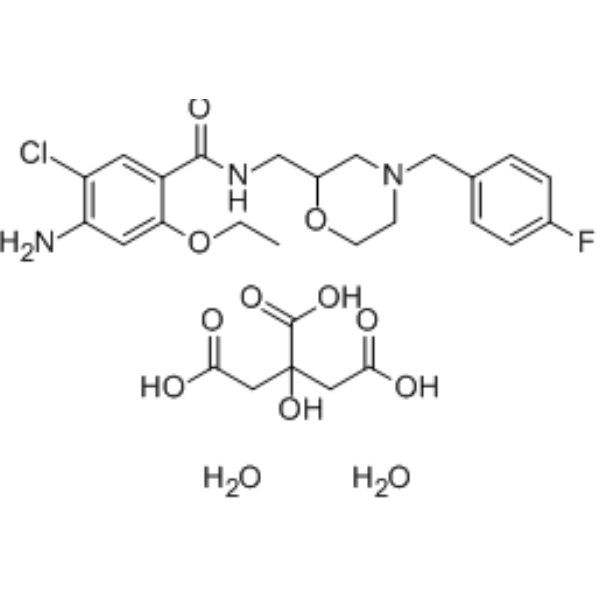
Mosapride (TAK-370) citrate dehydrate is a gastroprokinetic agent with 5-hydroxytryptamine4 receptor agonist activity and has been widely used in the research of a variety of gastrointestinal disorders. Mosapride citrate dihydrate potently inhibits Kv4.3 in a concentration-dependent manner with IC50 values of 15.2 μM . Mosapride citrate dihydrateselectively stimulates upper GI motility in vivo .
|
-
-
- HY-B0527AR
-
|
|
Reference Standards
Serotonin Transporter
5-HT Receptor
Histamine Receptor
mAChR
Adrenergic Receptor
Trk Receptor
Sodium Channel
Potassium Channel
Dopamine Transporter
Apoptosis
|
Neurological Disease
Inflammation/Immunology
Endocrinology
|
|
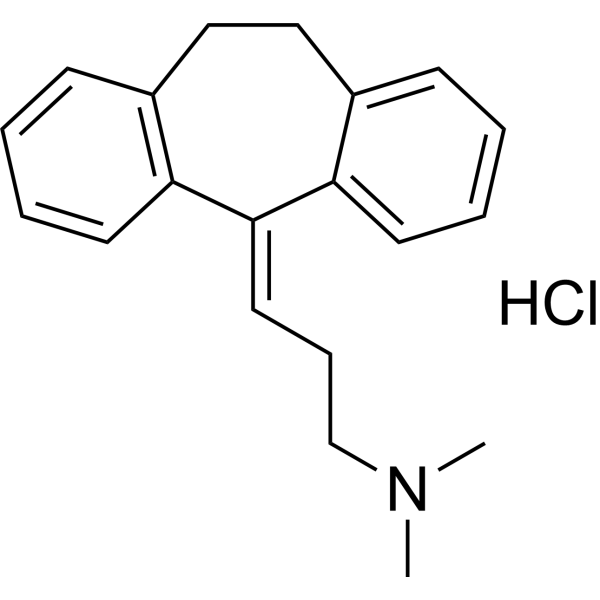
Amitriptyline hydrochloride (Standard) is the analytical standard of Amitriptyline hydrochloride (HY-B0527A). This product is intended for research and analytical applications. Amitriptyline hydrochloride is an orally active tricyclic antidepressant (TCA). Amitriptyline hydrochloride mainly exerts its antidepressant effect by blocking SERT (Ki = 3.45 nM) and NET (Ki = 13.3 nM), thereby increasing the concentrations of 5-hydroxytryptamine (5-HT) and norepinephrine (NE) in the synaptic cleft. Amitriptyline hydrochloride is also an agonist at α2A and TrkA/TrkB receptors, thereby exerting analgesic and neurotrophic activities (inhibiting cell apoptosis). Amitriptyline hydrochloride can reduce inflammation, angiogenesis and fibrosis. Amitriptyline hydrochloride binds to DAT (with Ki = 2.58 μM). Amitriptyline hydrochloride has high affinity for a series of receptors and can antagonize muscarinic cholinergic receptors (M1/M2/M3/M4/M5 receptors) (Ki = 11-24 nM), H1 receptors (Ki = 0.5-1.1 nM), adrenergic α1 receptors (Ki = 4.4 nM), etc., resulting in a series of side effects. Amitriptyline hydrochloride can block sodium channels and hERG potassium channel (IC50 = 4.78 μM) and it has cardiotoxicity.
|
-
-
- HY-B0527AS
-
|
|
Isotope-Labeled Compounds
Serotonin Transporter
5-HT Receptor
Histamine Receptor
mAChR
Adrenergic Receptor
Trk Receptor
Sodium Channel
Potassium Channel
Dopamine Transporter
Apoptosis
|
Neurological Disease
Inflammation/Immunology
Endocrinology
|
|
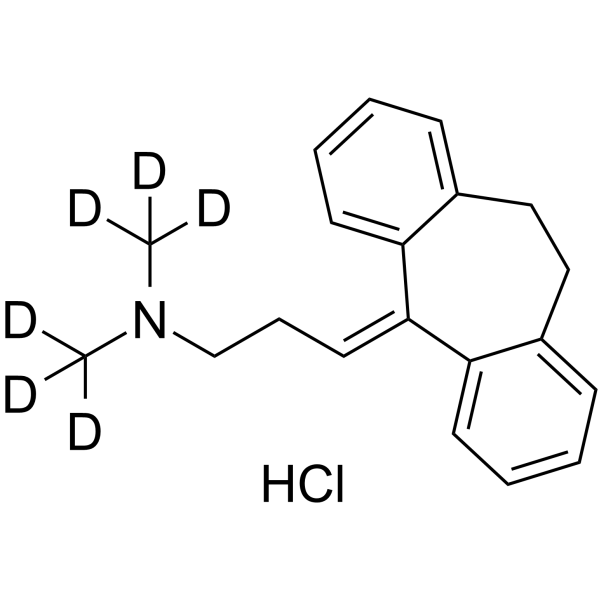
Amitriptyline-d6 hydrochloride is the deuterium labeled Amitriptyline hydrochloride (HY-B0527A). Amitriptyline hydrochloride is an orally active tricyclic antidepressant (TCA). Amitriptyline hydrochloride mainly exerts its antidepressant effect by blocking SERT (Ki = 3.45 nM) and NET (Ki = 13.3 nM), thereby increasing the concentrations of 5-hydroxytryptamine (5-HT) and norepinephrine (NE) in the synaptic cleft. Amitriptyline hydrochloride is also an agonist at α2A and TrkA/TrkB receptors, thereby exerting analgesic and neurotrophic activities (inhibiting cell apoptosis). Amitriptyline hydrochloride can reduce inflammation, angiogenesis and fibrosis. Amitriptyline hydrochloride binds to DAT (with Ki = 2.58 μM). Amitriptyline hydrochloride has high affinity for a series of receptors and can antagonize muscarinic cholinergic receptors (M1/M2/M3/M4/M5 receptors) (Ki = 11-24 nM), H1 receptors (Ki = 0.5-1.1 nM), adrenergic α1 receptors (Ki = 4.4 nM), etc., resulting in a series of side effects. Amitriptyline hydrochloride can block sodium channels and hERG potassium channel (IC50 = 4.78 μM) and it has cardiotoxicity.
|
-
-
- HY-B1473R
-
|
5-Hydroxytryptamine hydrochloride (Standard); 5-HT hydrochloride (Standard)
|
5-HT Receptor
Reference Standards
COMT
Endogenous Metabolite
|
Neurological Disease
|
|
Serotonin (5-Hydroxytryptamine) (Standard) hydrochloride is the analytical standard of Serotonin hydrochloride (HY-B1473). This product is intended for research and analytical applications. Serotonin (5-Hydroxytryptamine) hydrochloride is a monoamine neurotransmitter in the CNS and an endogenous 5-HT receptor agonist. Serotonin hydrochloride is also a catechol O-methyltransferase (COMT) inhibitor with a Ki of 44 μM.
|
-

-
- HY-15414AR
-
|
Lu AA21004 hydrobromide (Standard)
|
5-HT Receptor
Serotonin Transporter
Reference Standards
|
Neurological Disease
Cancer
|
|
Vortioxetine (hydrobromide) (Standard) is the analytical standard of Vortioxetine (hydrobromide). This product is intended for research and analytical applications. Vortioxetine (Lu AA 21004) hydrobromide is an antagonist of 5-HT3A and 5-HT7 receptors (Ki: 3.7 nM, 19 nM) and an inhibitor of 5-hydroxytryptamine transporter (SERT) (Ki: 1.6 nM), as well as a 5-HT1A agonist and a partial 5-HT1B agonist (Ki: 15 nM, 33 nM) .
|
-

-
- HY-15414S
-
|
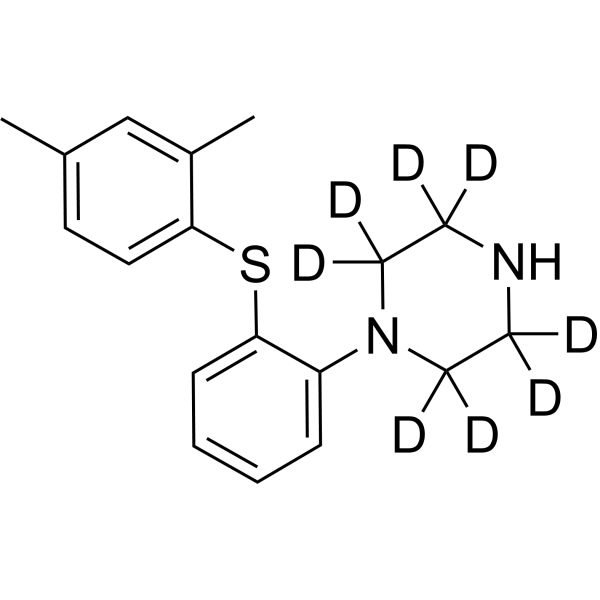
Lu AA 21004 d8
|
Isotope-Labeled Compounds
5-HT Receptor
Serotonin Transporter
|
Neurological Disease
|
|
Vortioxetine-d8 (Lu AA 21004-d8) is a deuterated version of Vortioxetine. Vortioxetine (Lu AA 21004) is an antagonist of 5-HT3A and 5-HT7 receptors (Ki: 3.7 nM, 19 nM) and an inhibitor of 5-hydroxytryptamine transporter (SERT) (Ki: 1.6 nM), as well as a 5-HT1A agonist and a partial 5-HT1B agonist (Ki: 15 nM, 33 nM) .
|
-
-
- HY-156807
-
|
|
Serotonin Transporter
5-HT Receptor
|
Neurological Disease
|
LY 367265 is a 5-hydroxytryptamine transporter (SERT) inhibitor (IC₅₀ = 3.1 nM) and a 5-HT₂A receptor antagonist (Kᵢ = 0.81 nM). LY 367265 has the inhibitory activity on the norepinephrine transporter (NET) of extremely weak (IC₅₀ > 1000 nM); it has low affinity for subtypes such as 5-HT₁B (Kᵢ = 490 nM) and 5-HT₁D (Kᵢ = 81 nM), showing high selectivity. LY 367265 concentration-dependently enhances of [³H]5-HT efflux (EC₅₀ = 250 nM). LY 367265 antagonizes the contraction response of Sumatriptan (HY-B0121B), indicating its functional antagonistic activity on 5-HT₁D-like receptors. LY 367265 can be used for the study of diseases such as anxiety disorders and post-traumatic stress disorder .
|
-

-
- HY-B1473S2
-
-

-
- HY-B0884
-
|
|
Monoamine Oxidase
Cholinesterase (ChE)
|
Neurological Disease
|
|
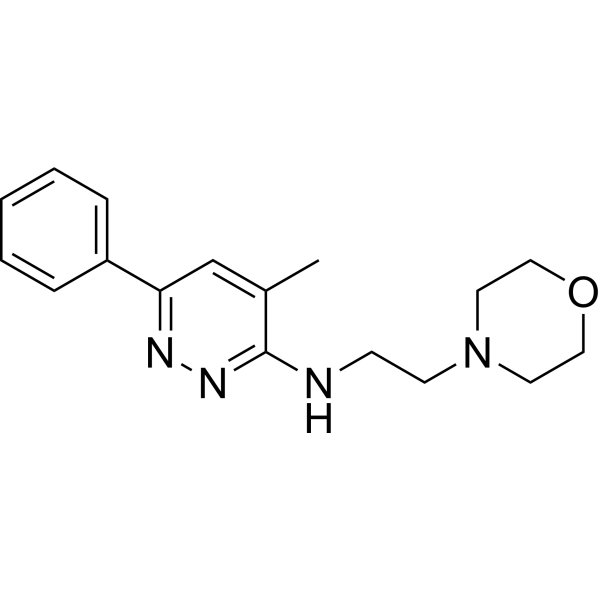
Minaprine is a brain-penetrant monoamine oxidase inhibitor. Minaprine also weakly inhibits acetylcholinesterase (AChE) activity. Minaprine reduces intraneuronal dopamine metabolism, lowers striatal homovanillic acid and dihydroxyphenylacetic acid levels, and raises striatal 3-methoxytyramine and 5-hydroxytryptamine levels. Minaprine exhibits convulsant, antidepressant properties .
|
-
-
- HY-A0019AS
-
|
9-Hydroxyrisperidone palmitate-d4
|
Isotope-Labeled Compounds
Dopamine Receptor
5-HT Receptor
|
Neurological Disease
|
|
Paliperidone palmitate-d4 (9-Hydroxyrisperidone palmitate-d4) is the deuterium labeled Paliperidone palmitate (HY-A0019A). Paliperidone palmitate is an orally effective competitive antagonist of dopamine D2 receptors and 5-hydroxytryptamine 2A (5-HT2A) receptors that can cross the blood-brain barrier. Paliperidone palmitate competitively inhibits the effects of dopamine and 5-hydroxytryptamine by binding to dopamine D2 receptors and 5-HT2A receptors, regulating the balance of the neurotransmitter system and thus exerting antipsychotic activity. Paliperidone palmitate is mainly used in the research field of schizophrenia .
|
-

-
- HY-106605
-
|
LY 120363
|
Dopamine Receptor
5-HT Receptor
|
Neurological Disease
|
|
Flumezapine (LY 120363) is a potent and balanced antagonist of the dopamine D2 receptor and the 5-hydroxytryptamine receptor (5-HT receptor). Flumezapine does not alter the increase in serum cortisol caused by κ-opioid receptor agonists. Flumezapine inhibits the conditioned avoidance response in rats and has a low risk of extrapyramidal side effects. Flumezapine can be used in antipsychotic research .
|
-

-
- HY-10351
-
|
NAD-299
|
5-HT Receptor
|
Neurological Disease
|
|
Robalzotan (NAD-299) is a potent and selective 5-Hydroxytryptamine 1A (5-HT1A) inhibitor. Robalzotan increases the firing rate of 5-HT cells. Robalzotan induces 5-HT1A receptor occupancy. Robalzotan has the potential for the research of a cholinergic deficit in the central -nervous system .
|
-

-
- HY-121562
-
|
|
5-HT Receptor
|
Neurological Disease
|
|
SB 714786 is a potent and selective 5-hydroxytryptamine 1D (5-HT1D) receptor antagonist. It was developed from the previously reported series of dual 5-HT1 selective 5-hydroxytryptamine reuptake inhibitors (5HT1-SSRIs). SB 714786 is the first reported highly potent and selective 5-HT1D receptor antagonist, providing an extremely useful pharmacological tool for further understanding the role of 5-HT1 receptor subtypes. It has no or very low intrinsic activity against all three receptors. SB 714786 has pKi values of 6.5, 6.7, 9.1 and 6.5 for 5-HT1A, 5-HT1B, 5-HT1D and SerT receptors, respectively, showing high selectivity for 5-HT1D receptors. These properties make SB 714786 a potential tool compound for studying the function of 5-HT1D receptors and the treatment of related diseases.
|
-

-
- HY-15414AS
-
|
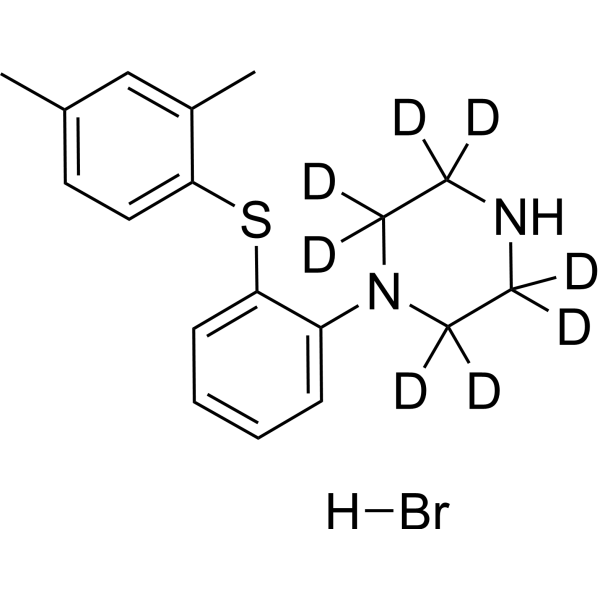
Lu AA21004-d8 hydrobromide
|
Isotope-Labeled Compounds
5-HT Receptor
Serotonin Transporter
|
Neurological Disease
|
|
Vortioxetine-d8 (Lu AA 21004-d8) hydrobromide is the deuterated form of Vortioxetine. Vortioxetine (Lu AA 21004) is an antagonist of 5-HT3A and 5-HT7 receptors (Ki: 3.7 nM, 19 nM) and an inhibitor of 5-hydroxytryptamine transporter (SERT) (Ki: 1.6 nM), as well as a 5-HT1A agonist and a partial 5-HT1B agonist (Ki: 15 nM, 33 nM) .
|
-
-
- HY-136634
-
|
|
mAChR
|
Others
|
|
BTM-1042 is a newly synthesized compound with antispasmodic effects. It can inhibit the twitch reaction of the guinea pig ileum under electrical stimulation and is not affected by naloxone. It has similar effects to atropine and can block muscarinic receptors, but has less effect on other types of receptors. BTM-1042 also has an inhibitory effect on the ileal reaction caused by nicotine and 5-hydroxytryptamine. BTM-1042 showed a dose-dependent inhibitory effect on the spontaneous movement of the rabbit stomach. In general, BTM-1042 is a agent with a strong antispasmodic effect.
|
-

-
- HY-175285
-
|
|
5-HT Receptor
|
Neurological Disease
|
|
5-HT2AR-IN-1 (Compound Ie) is an orally active 5-hydroxytryptamine 2A receptor (5-HT2AR) inhibitor with antidepressant efficacy. 5-HT2AR-IN-1 reduces 5-HT2AR expression and SERT protein levels. 5-HT2AR-IN-1 is promising for research of central nervous system (CNS), such as depression and addiction-related disorders .
|
-

-
- HY-N1957R
-
|
γ-Mangostin (Standard)
|
Reference Standards
5-HT Receptor
COX
Transthyretin (TTR)
|
Metabolic Disease
Inflammation/Immunology
Cancer
|
|
Gamma-Mangostin (Standard) is the analytical standard of Gamma-Mangostin. This product is intended for research and analytical applications. Gamma-Mangostin is a novel competitive 5-hydroxytryptamine 2A (5-HT2A) receptor antagonist and potent epoxidase 2 (COX-2) inhibitor, as well as a transthyroxin protein (TTR) profibrosis inhibitor. Gamma-Mangostin binds to the thyroxine (T4)-binding sites and stabilized the TTR tetramer . Gamma-Mangostin inhibits [3H] spiperone binding to cultured rat aortic myocytes (IC50=3.5 nM) and reduces The perfusion pressure response of rat coronary artery to 5-HT2A (IC50=0.32 μM). Gamma-Mangostin has anti-inflammatory, antibacterial, antioxidant and anticancer activities, and can be used in the study of metabolic disorders such as diabetes .
|
-

-
- HY-118727
-
-

-
- HY-A0019AR
-
|
9-Hydroxyrisperidone palmitate (Standard)
|
Dopamine Receptor
5-HT Receptor
Reference Standards
|
Neurological Disease
|
|
Paliperidone palmitate (Standard) is the analytical standard of Paliperidone palmitate. This product is intended for research and analytical applications. Paliperidone palmitate is an orally effective competitive antagonist of dopamine D2 receptors and 5-hydroxytryptamine 2A (5-HT2A) receptors that can cross the blood-brain barrier. Paliperidone palmitate competitively inhibits the effects of dopamine and 5-hydroxytryptamine by binding to dopamine D2 receptors and 5-HT2A receptors, regulating the balance of the neurotransmitter system and thus exerting antipsychotic activity. Paliperidone palmitate is mainly used in the research field of schizophrenia .
|
-

-
- HY-W982195
-
|
|
Adrenergic Receptor
5-HT Receptor
|
Neurological Disease
|
|
Napamezole hydrochloride is an orally active α-2 adrenergic receptor antagonist and serotonin (5-HT Receptor) reuptake inhibitor, with Ki values of 28 nM and 93 nM for rat α-2 and α-1 adrenergic receptors, respectively. Napamezole hydrochloride can be used for the research of depression .
|
-

-
- HY-106605S
-
|
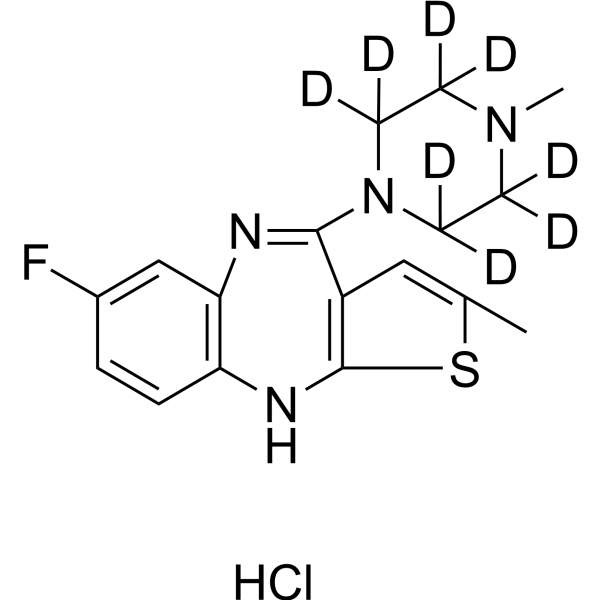
LY 120363-d8 hydrochloride
|
Isotope-Labeled Compounds
Dopamine Receptor
5-HT Receptor
|
Neurological Disease
|
|
Flumezapine-d8 (LY 120363-d8) hydrochloride is deuterated labeled Flumezapine hydrochloride. Flumezapine hydrochloride is a potent and balanced antagonist of the dopamine D2 receptor and the 5-hydroxytryptamine receptor (5-HT receptor). Flumezapine hydrochloride does not alter the increase in serum cortisol caused by κ-opioid receptor agonists. Flumezapine hydrochloride inhibits the conditioned avoidance response in rats and has a low risk of extrapyramidal side effects. Flumezapine hydrochloride can be used in antipsychotic research.
|
-
-
- HY-19927A
-
|
|
5-HT Receptor
|
Neurological Disease
Endocrinology
|
|
DA-6886 is a 5-Hydroxytryptamine receptor 4 (5-HT4) agonist. DA-6886 induces relaxation of the rat oesophagus preparation in a 5-HT4 receptor antagonist-sensitive manner. The evaluation of DA-6886 in CHO cells expressing hERG channels reveals that it inhibits hERG channel current with an pIC50 value of 4.3, indicating that the compound is 1000-fold more selective for the 5-HT4 receptor over hERG channels. DA-6886 can be used in the study of constipated irritable bowel syndrome .
|
-

-
- HY-15472A
-
|
|
5-HT Receptor
p38 MAPK
TGF-β Receptor
FGFR
Apoptosis
Caspase
|
Cardiovascular Disease
Neurological Disease
Cancer
|
|
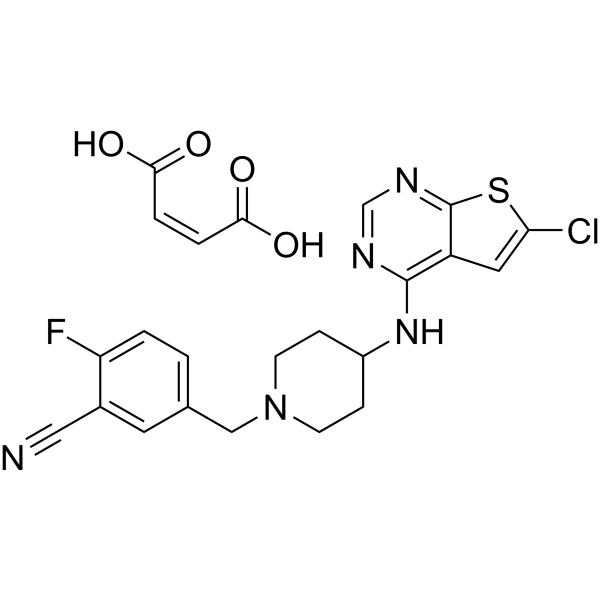
PRX-08066 maleate is a selective and orally active 5-hydroxytryptamine receptor 2B (5-HT2BR) antagonist with a Ki of 3.4 nM. PRX-08066 maleate inhibits the MAPK pathway, 5-HT release and fibrotic factor (TGFβ1, CTGF and FGF2) expression. PRX-08066 maleate inhibits the proliferation of KRJ-I cells and induces apoptosis (caspase-3 activation). PRX-08066 maleate inhibits pulmonary vascular remodeling. PRX-08066 maleate can be used of pulmonary Arterial Hypertension (PAH) and neuroendocrine tumor (NET) .
|
-
-
- HY-148032
-
|
5-BT
|
5-HT Receptor
|
Neurological Disease
|
|
5-Benzyloxytryptamine (5-BT) is a selective partial agonist for 5-hydroxytryptamine 1D/1B (5-HT1D/1B) receptors with an IC50 value of 40 nM for bovine caudate 5-HT1D and reduced affinity for other receptors (5-HT2 IC50>470 nM). 5-Benzyloxytryptamine inhibits adenylate cyclase to decrease neurotransmitter release and downregulate cAMP signaling. 5-Benzyloxytryptamine is promising for research of neurotransmitter imbalance-related disorders like migraine .
|
-

| Cat. No. |
Product Name |
Category |
Target |
Chemical Structure |
| Cat. No. |
Product Name |
Chemical Structure |
-
- HY-B1473S
-
|
|
|
Serotonin-d4 (5-Hydroxytryptamine-d4) hydrochloride is the deuterium labeled Serotonin (hydrochloride) (HY-B1473) . Serotonin (5-Hydroxytryptamine) hydrochloride is a monoamine neurotransmitter in the CNS and an endogenous 5-HT receptor agonist. Serotonin hydrochloride is also a catechol O-methyltransferase (COMT) inhibitor with a Ki of 44 μM .
|
-
-
- HY-B0527AS
-
|
|
|
Amitriptyline-d6 hydrochloride is the deuterium labeled Amitriptyline hydrochloride (HY-B0527A). Amitriptyline hydrochloride is an orally active tricyclic antidepressant (TCA). Amitriptyline hydrochloride mainly exerts its antidepressant effect by blocking SERT (Ki = 3.45 nM) and NET (Ki = 13.3 nM), thereby increasing the concentrations of 5-hydroxytryptamine (5-HT) and norepinephrine (NE) in the synaptic cleft. Amitriptyline hydrochloride is also an agonist at α2A and TrkA/TrkB receptors, thereby exerting analgesic and neurotrophic activities (inhibiting cell apoptosis). Amitriptyline hydrochloride can reduce inflammation, angiogenesis and fibrosis. Amitriptyline hydrochloride binds to DAT (with Ki = 2.58 μM). Amitriptyline hydrochloride has high affinity for a series of receptors and can antagonize muscarinic cholinergic receptors (M1/M2/M3/M4/M5 receptors) (Ki = 11-24 nM), H1 receptors (Ki = 0.5-1.1 nM), adrenergic α1 receptors (Ki = 4.4 nM), etc., resulting in a series of side effects. Amitriptyline hydrochloride can block sodium channels and hERG potassium channel (IC50 = 4.78 μM) and it has cardiotoxicity.
|
-
-
- HY-15414S
-
|
|
|
Vortioxetine-d8 (Lu AA 21004-d8) is a deuterated version of Vortioxetine. Vortioxetine (Lu AA 21004) is an antagonist of 5-HT3A and 5-HT7 receptors (Ki: 3.7 nM, 19 nM) and an inhibitor of 5-hydroxytryptamine transporter (SERT) (Ki: 1.6 nM), as well as a 5-HT1A agonist and a partial 5-HT1B agonist (Ki: 15 nM, 33 nM) .
|
-
-
- HY-B1473S2
-
|
|
|
Serotonin- 13C,D4 (5-Hydroxytryptamine-13C,D4) is a 13C- and deuterated labeled Serotonin (HY-B1473A). Serotonin is a monoamine neurotransmitter in the CNS and an endogenous 5-HT receptor agonist. Serotonin is also a catechol O-methyltransferase (COMT) inhibitor with a Ki of 44 μM .
|
-
-
- HY-A0019AS
-
|
|
|
Paliperidone palmitate-d4 (9-Hydroxyrisperidone palmitate-d4) is the deuterium labeled Paliperidone palmitate (HY-A0019A). Paliperidone palmitate is an orally effective competitive antagonist of dopamine D2 receptors and 5-hydroxytryptamine 2A (5-HT2A) receptors that can cross the blood-brain barrier. Paliperidone palmitate competitively inhibits the effects of dopamine and 5-hydroxytryptamine by binding to dopamine D2 receptors and 5-HT2A receptors, regulating the balance of the neurotransmitter system and thus exerting antipsychotic activity. Paliperidone palmitate is mainly used in the research field of schizophrenia .
|
-
-
- HY-15414AS
-
|
|
|
Vortioxetine-d8 (Lu AA 21004-d8) hydrobromide is the deuterated form of Vortioxetine. Vortioxetine (Lu AA 21004) is an antagonist of 5-HT3A and 5-HT7 receptors (Ki: 3.7 nM, 19 nM) and an inhibitor of 5-hydroxytryptamine transporter (SERT) (Ki: 1.6 nM), as well as a 5-HT1A agonist and a partial 5-HT1B agonist (Ki: 15 nM, 33 nM) .
|
-
-
- HY-106605S
-
|
|
|
Flumezapine-d8 (LY 120363-d8) hydrochloride is deuterated labeled Flumezapine hydrochloride. Flumezapine hydrochloride is a potent and balanced antagonist of the dopamine D2 receptor and the 5-hydroxytryptamine receptor (5-HT receptor). Flumezapine hydrochloride does not alter the increase in serum cortisol caused by κ-opioid receptor agonists. Flumezapine hydrochloride inhibits the conditioned avoidance response in rats and has a low risk of extrapyramidal side effects. Flumezapine hydrochloride can be used in antipsychotic research.
|
-
Your information is safe with us. * Required Fields.
Inquiry Information
- Product Name:
- Cat. No.:
- Quantity:
- MCE Japan Authorized Agent:








