1. Search Result
Search Result
Results for "

C.+elegans

" in MedChemExpress (MCE) Product Catalog:

41

Inhibitors & Agonists

14

Natural
Products

9

Isotope-Labeled Compounds

2

Antibodies

Cat. No. Product Name Target Research Areas Chemical Structure
  • HY-125731
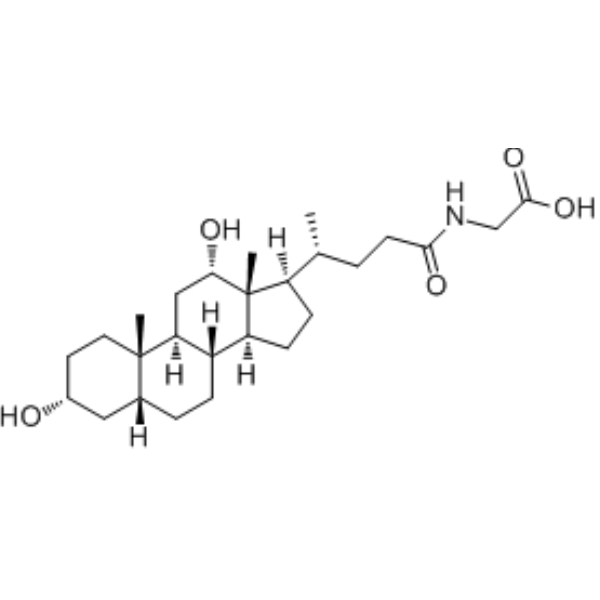
    Glycodeoxycholic acid
    3 Publications Verification

    Endogenous Metabolite STAT Autophagy Inflammation/Immunology Cancer
    Glycodeoxycholic Acid is a natural product found in Streptomyces nigricans, Trypanosoma brucei and C. elegans. Glycodeoxycholic Acid induces hepatocyte necrosis and autophagy in patients with obstructive cholestasis .
    Glycodeoxycholic acid
  • HY-N2149
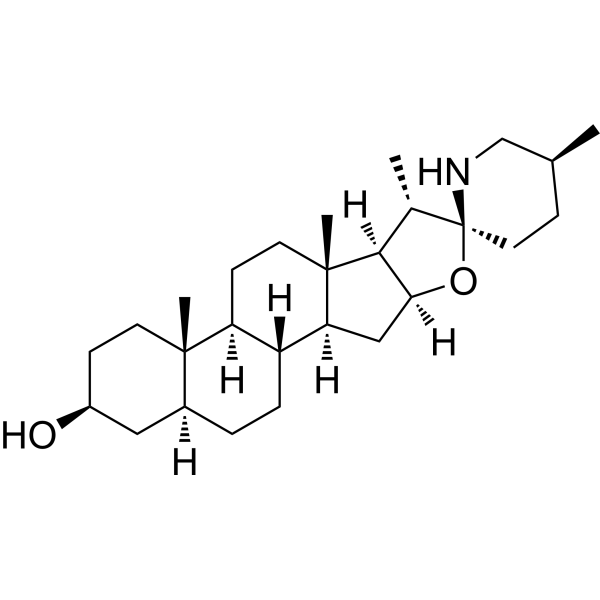
    Tomatidine
    Maximum Cited Publications
    9 Publications Verification

    NF-κB JNK Autophagy Endogenous Metabolite Cardiovascular Disease Inflammation/Immunology
    Tomatidine acts as an anti-inflammatory agent by blocking NF-κB and JNK signaling . Tomatidine activates autophagy either in mammal cells or C elegans .
    Tomatidine
  • HY-W592871

    10-HDA; Queen Bee Acid

    mTOR Apoptosis ERK MDM-2/p53 GSK-3 AMPK Interleukin Related TNF Receptor Caspase NF-κB Bacterial Fungal Cardiovascular Disease Neurological Disease Inflammation/Immunology Cancer
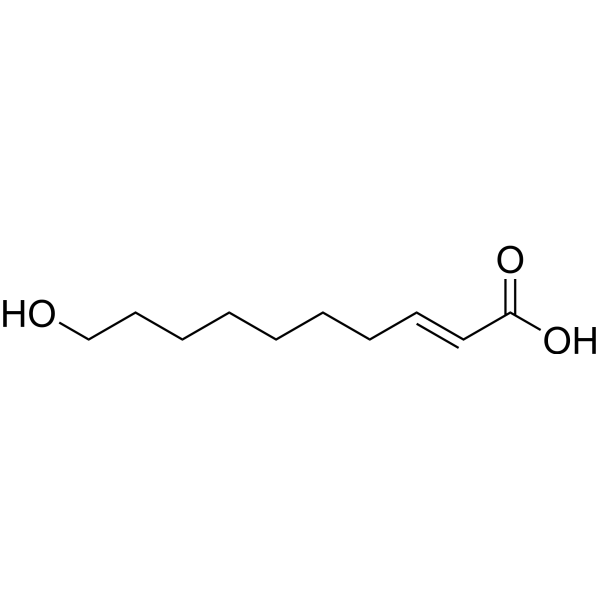
    10-Hydroxy-2-decenoic acid (10-HDA) is an orally active unsaturated medium-chain fatty acid with various physiological activities. 10-Hydroxy-2-decenoic acid induces ROS-mediated apoptosis in A549 cells. 10-Hydroxy-2-decenoic acid inhibits VEGF-induced angiogenesis in human venous endothelial cells. 10-Hydroxy-2-decenoic acid alleviates non-alcoholic fatty liver disease (NAFLD) by activating the AMPK-α signaling pathway. 10-Hydroxy-2-decenoic acid protects against bone loss by inhibiting NF-κB signaling downstream of FFAR4. 10-Hydroxy-2-decenoic acid is an antibiotic against many bacteria and fungi, such as Neurospora sitophila, molds and Staphylococcus aureus. 10-Hydroxy-2-decenoic acid has longevity-promoting effects in C. elegans. 10-Hydroxy-2-decenoic acid prevents osteoarthritis by targeting aspartyl β hydroxylase and inhibiting chondrocyte senescence .
    10-Hydroxy-2-decenoic acid
  • HY-N0059

    Parasite Bacterial AMPK PPAR Infection Neurological Disease Metabolic Disease
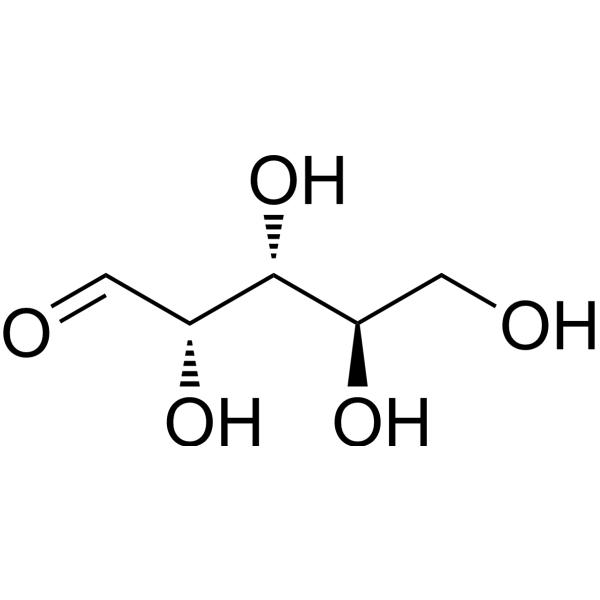
    D-Arabinose is is an orally active antidepressant and a growth inhibitor of C. elegans (IC50 is 7.5 mM). D-Arabinose can penetrate the blood-brain barrier, selectively interfere with the metabolism of D-ribose and D-fructose, and inhibit the growth of nematodes. D-Arabinose can also inhibit the synthesis of cell biofilm and exert antibacterial activity. D-Arabinose activates the ACSS2-PPARγ/TFEB-CRTC1 axis through the lysosomal AXIN-LKB1-AMPK pathway, inducing CRTC1 transcription, exerts antidepressant-like activity. D-Arabinose is the ring-opened form of the aldopentose D-?Arabinose (HY-N7082) .
    D-Arabinose
  • HY-170794

    Acyltransferase Ceramidase Metabolic Disease
    ALT-007 is an orally active serine palmitoyltransferase (SPT) inhibitor that selectively reduces the levels of toxic very-long-chain deoxysphingolipids to enhance protein homeostasis. ALT-007 restores aging-related loss of muscle mass in a mouse model of sarcopenia. ALT-007 enhances protein homeostasis in both mouse and C. elegans models of aging and disease. ALT-007 can be used for age-related neuromuscular diseases research .
    ALT-007
  • HY-N2149A
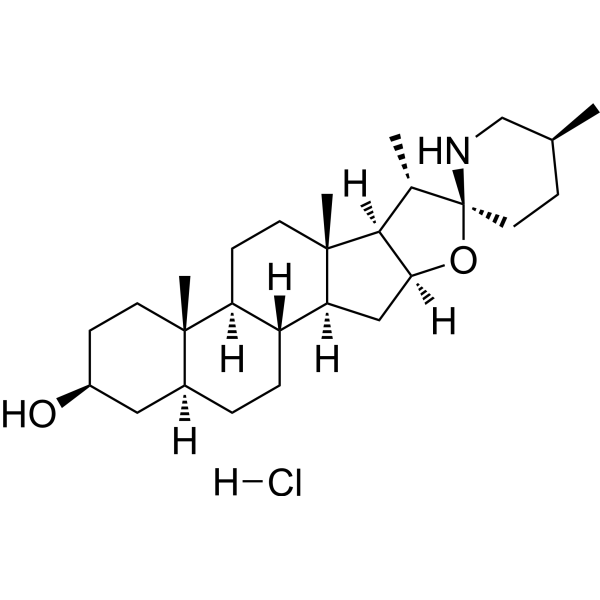
    Tomatidine hydrochloride
    Maximum Cited Publications
    9 Publications Verification

    NF-κB JNK Autophagy Endogenous Metabolite Cardiovascular Disease Inflammation/Immunology
    Tomatidine hydrochloride acts as an anti-inflammatory agent by blocking NF-κB and JNK signaling . Tomatidine hydrochloride activates autophagy either in mammal cells or C elegans .
    Tomatidine hydrochloride
  • HY-N7082

    Parasite Bacterial AMPK PPAR Infection Neurological Disease Metabolic Disease
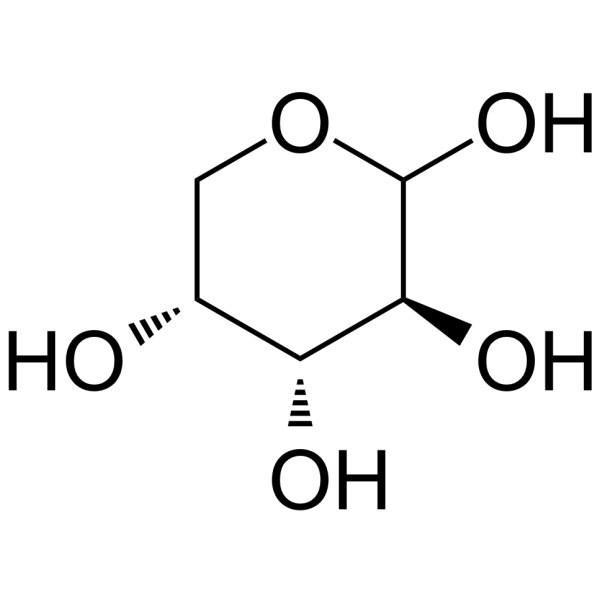
    D-Arabinopyranose is a rare aldehyde pentose, and its ring-opened form is D-arabinose (HY-N0059). D-arabinose is is an orally active antidepressant and a growth inhibitor of C. elegans (IC50 is 7.5 mM). D-arabinose can penetrate the blood-brain barrier, selectively interfere with the metabolism of D-ribose and D-fructose, and inhibit the growth of nematodes. D-arabinose can also inhibit the synthesis of cell biofilm and exert antibacterial activity. D-arabinose activates the ACSS2-PPARγ/TFEB-CRTC1 axis through the lysosomal AXIN-LKB1-AMPK pathway, inducing CRTC1 transcription, exerts antidepressant-like activity. D-arabinose is the ring-opened form of the aldopentose D-?Arabinose (HY-N7082) .
    D-Arabinopyranose
  • HY-P2779

    Endogenous Metabolite Metabolic Disease
    Microsomal aminopeptidase, Microorganism is first reported from C. elegans. The Microsomal aminopeptidase, Microorganism is beneficial for the development of molecular vaccines against parasitic nematodes .
    Microsomal aminopeptidase, Microorganism
  • HY-141894
    5-Ph-IAA-AM
    2 Publications Verification

    Histone Acetyltransferase Metabolic Disease
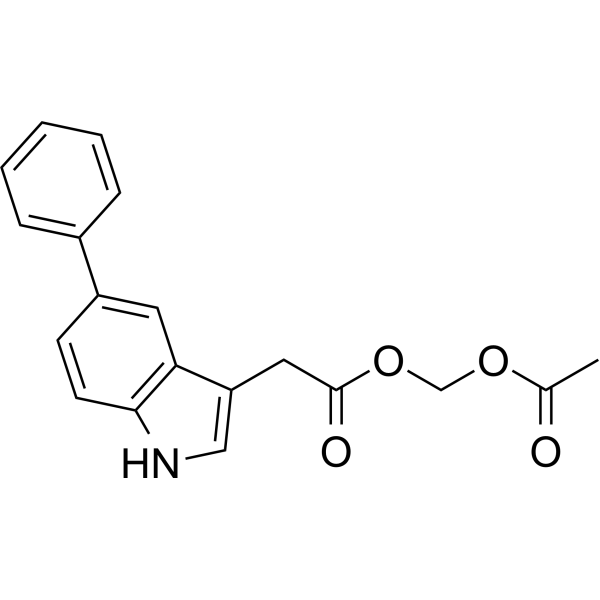
    5-Ph-IAA-AM is an eggshell-permeable 5-Ph-IAA (HY-134653) analog which contains an acetoxymethyl (AM) group. 5-Ph-IAA-AM affords an enhanced protein degradation in laid embryos. 5-Ph-IAA-AM can be used to disclosure the roles of proteins in C. elegans, in particular those that are involved in embryogenesis and development, through temporally controlled protein degradation .
    5-Ph-IAA-AM
  • HY-W035409
    RPW-24
    1 Publications Verification

    Bacterial Infection
    RPW-24 protects C. elegans from bacterial infection by stimulating the host immune response of the nematode. RPW-24 has antibacterial activity .
    RPW-24
  • HY-145376

    CAI-1

    Bacterial Others
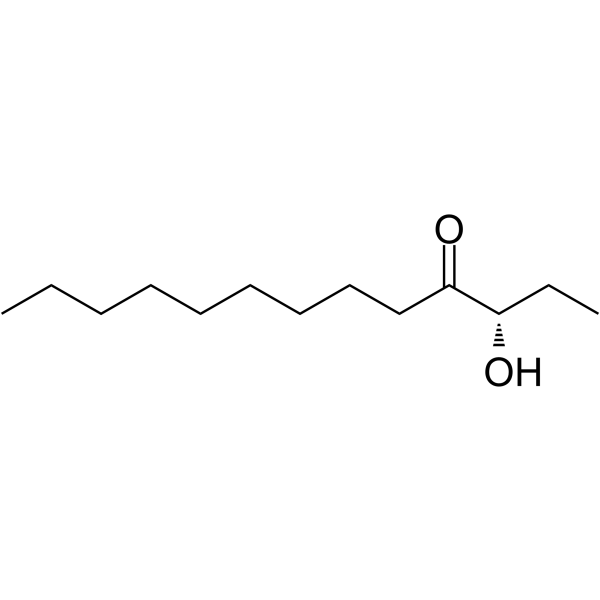
    Cholera autoinducer 1 is Vibrio cholerae autoinducer (S)-3-hydroxytridecan-4-one. Cholera autoinducer 1 influences chemotaxis in C. elegans .
    Cholera autoinducer 1
  • HY-125731R

    Reference Standards Endogenous Metabolite STAT Autophagy Inflammation/Immunology Cancer
    Glycodeoxycholic Acid (Standard) is the analytical standard of Glycodeoxycholic Acid. This product is intended for research and analytical applications. Glycodeoxycholic Acid is a natural product found in Streptomyces nigricans, Trypanosoma brucei and C. elegans. Glycodeoxycholic Acid induces hepatocyte necrosis and autophagy in patients with obstructive cholestasis .
    Glycodeoxycholic Acid (Standard)
  • HY-N2149R

    Reference Standards NF-κB JNK Autophagy Endogenous Metabolite Cardiovascular Disease Inflammation/Immunology
    Tomatidine acts as an anti-inflammatory agent by blocking NF-κB and JNK signaling . Tomatidine activates autophagy either in mammal cells or C elegans .
    Tomatidine (Standard)
  • HY-133859

    Mitochondrial Metabolism Metabolic Disease
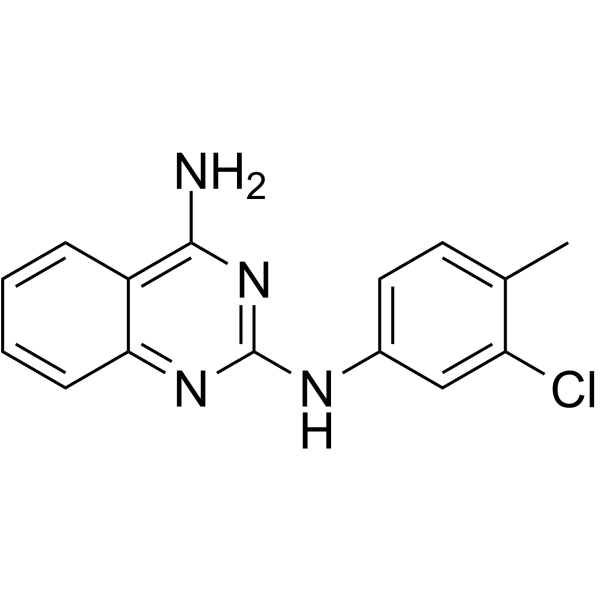
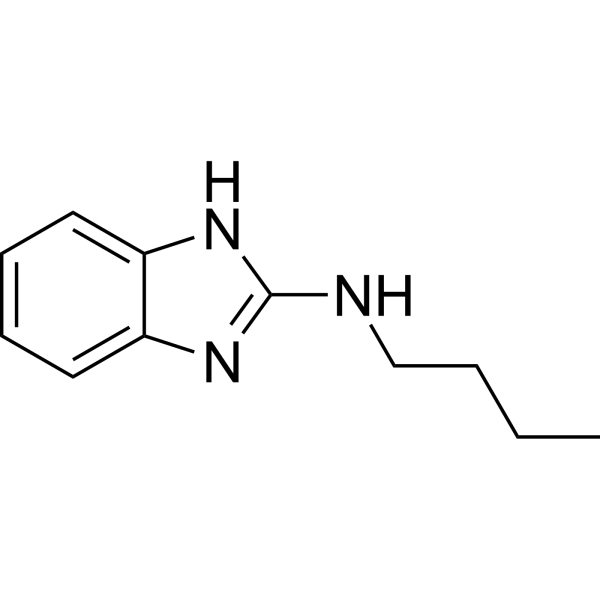
    M084 is a benzimidazole derivative. M084 inhibits the mitochondrial respiration, activate mitochondrial unfolded protein response and AMPK, recruites SIR-2.1 and SKN-1, and finally through the transcription factor DAF-16, delays the aging process of C. elegans .
    M084
  • HY-W643167

    Glycerol Tritridecanoyl; 13:0 TAG; 13:0/13:0/13:0-TG

    Biochemical Assay Reagents Infection
    1,2,3-Tritridecanoyl glycerol is a synthetic triacylglycerol that contains tridecanoic acid in the sn-1, sn-2, and sn-3 positions. It has been used as a standard for the relative quantification of triacylglycerols in C. elegans fat stores. It has also been used as an internal standard for the quantification of triacylglycerols in the serum and liver of adult rat offspring receiving dietary conjugated linoleic acids during and after gestation.
    1,2,3-Tritridecanoylglycerol
  • HY-N0059R

    Reference Standards Parasite Bacterial AMPK PPAR Infection Neurological Disease Metabolic Disease
    D-Arabinose (Standard) is the analytical standard of D-Arabinose. This product is intended for research and analytical applications. D-Arabinose is is an orally active antidepressant and a growth inhibitor of C. elegans (IC50 is 7.5 mM). D-Arabinose can penetrate the blood-brain barrier, selectively interfere with the metabolism of D-ribose and D-fructose, and inhibit the growth of nematodes. D-Arabinose can also inhibit the synthesis of cell biofilm and exert antibacterial activity. D-Arabinose activates the ACSS2-PPARγ/TFEB-CRTC1 axis through the lysosomal AXIN-LKB1-AMPK pathway, inducing CRTC1 transcription, exerts antidepressant-like activity. D-Arabinose is the ring-opened form of the aldopentose D-?Arabinose (HY-N7082) .
    D-Arabinose (Standard)
  • HY-N0059S1

    Isotope-Labeled Compounds Parasite Bacterial AMPK PPAR Infection Neurological Disease Metabolic Disease
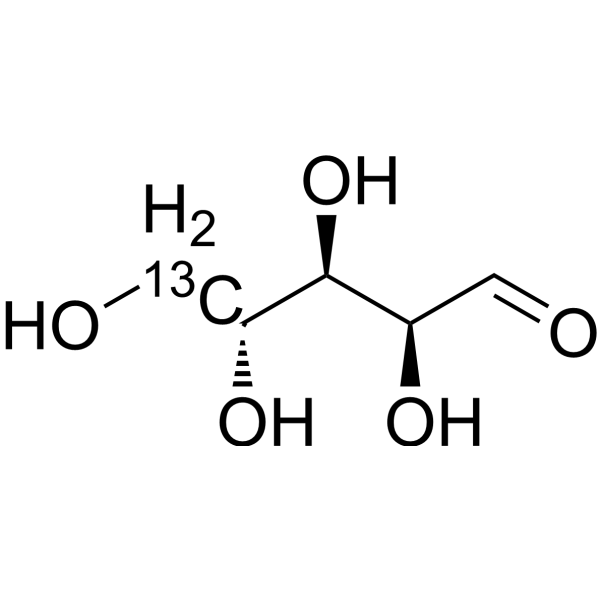
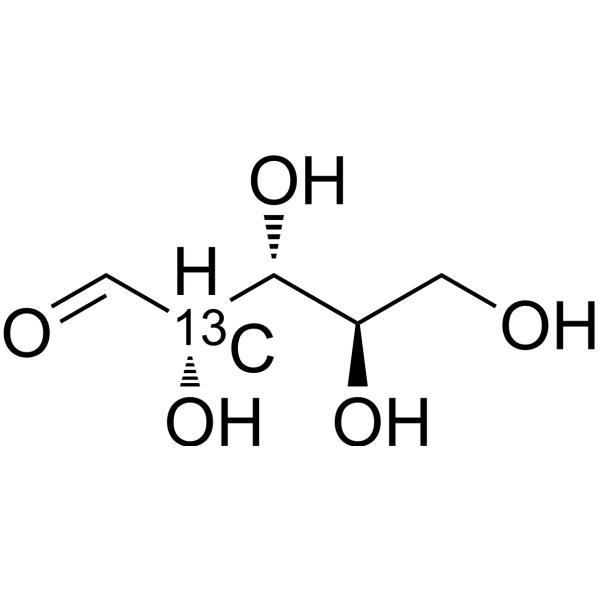
    D-Arabinose- 13C-1 is the 13C labeled D-Arabinose (HY-N0059). D-Arabinose is is an orally active antidepressant and a growth inhibitor of C. elegans (IC50 is 7.5 mM). D-Arabinose can penetrate the blood-brain barrier, selectively interfere with the metabolism of D-ribose and D-fructose, and inhibit the growth of nematodes. D-Arabinose can also inhibit the synthesis of cell biofilm and exert antibacterial activity. D-Arabinose activates the ACSS2-PPARγ/TFEB-CRTC1 axis through the lysosomal AXIN-LKB1-AMPK pathway, inducing CRTC1 transcription, exerts antidepressant-like activity. D-Arabinose is the ring-opened form of the aldopentose D-?Arabinose (HY-N7082) .
    D-Arabinose-13C-1
  • HY-N0059S3

    Isotope-Labeled Compounds Parasite Bacterial AMPK PPAR Infection Neurological Disease Metabolic Disease
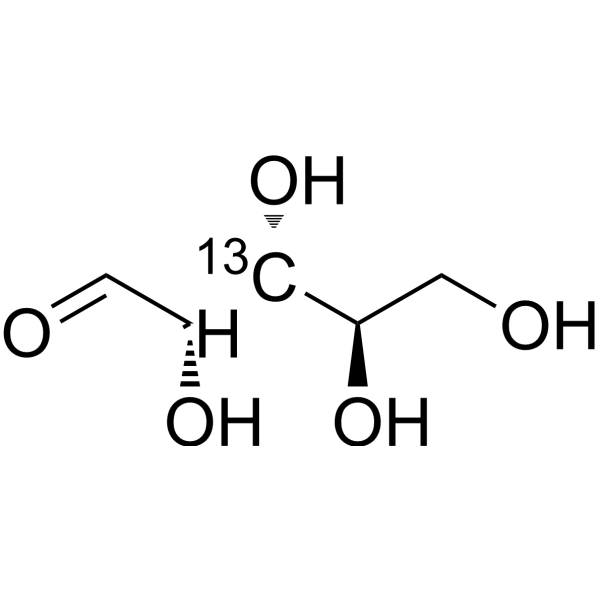
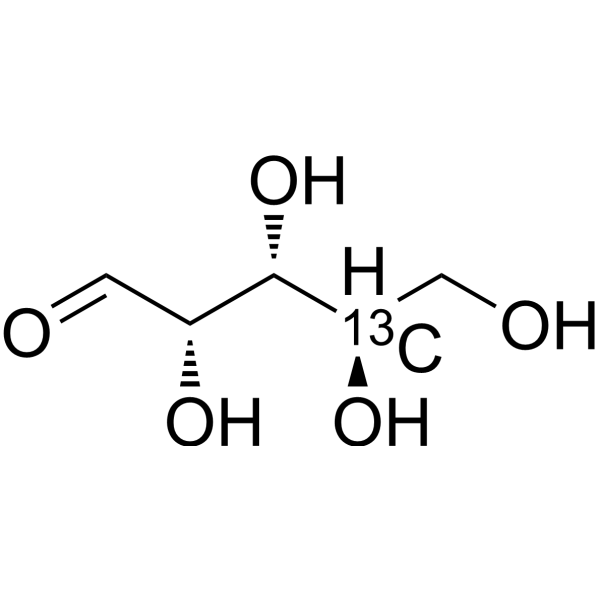
    D-Arabinose- 13C-3 is the 13C labeled D-Arabinose (HY-N0059). D-Arabinose is is an orally active antidepressant and a growth inhibitor of C. elegans (IC50 is 7.5 mM). D-Arabinose can penetrate the blood-brain barrier, selectively interfere with the metabolism of D-ribose and D-fructose, and inhibit the growth of nematodes. D-Arabinose can also inhibit the synthesis of cell biofilm and exert antibacterial activity. D-Arabinose activates the ACSS2-PPARγ/TFEB-CRTC1 axis through the lysosomal AXIN-LKB1-AMPK pathway, inducing CRTC1 transcription, exerts antidepressant-like activity. D-Arabinose is the ring-opened form of the aldopentose D-?Arabinose (HY-N7082) .
    D-Arabinose-13C-3
  • HY-175862

    Aldose Reductase Reactive Oxygen Species (ROS) PI3K Akt SOD p38 MAPK Keap1-Nrf2 Metabolic Disease
    ALR2-IN-9 is a potent ALR2 inhibitor (IC50 = 21.8 nM) with excellent antioxidant activity (EC50 for DPPH radical scavenging = 2.8 μM). ALR2-IN-9 interacts directly with Reactive Oxygen Species (ROS)/Reactive Nitrogen Species (RNS) and interrupts the free radical chain reactions, and as an endogenous enzymatic antioxidant regulator, which regulates enzyme functions of CAT and SOD. ALR2-IN-9 regulates PI3K/Akt/Nrf2 pathway to attenuate hyperglycemia-mediated mitochondrial superoxide overproduction in vitro, and ameliorates CuSO4- and H2O2-induced oxidative stress in vivo. ALR2-IN-9 prolongs lifespan of C. elegans via the regulation of stress response genes such as PMK-1. ALR2-IN-9 is a promising anti-aging drug candidate. ALR2-IN-9 can be used for diabetic complication research .
    ALR2-IN-9
  • HY-W592871R

    10-HDA (Standard); Queen Bee Acid (Standard)

    Reference Standards mTOR Cardiovascular Disease Neurological Disease Inflammation/Immunology Cancer
    10-Hydroxy-2-decenoic acid (Standard) is an analytical standard for 10-Hydroxy-2-decenoic acid (HY-W592871). This product is intended for research and analytical applications.10-Hydroxy-2-decenoic acid (10-HDA) is an orally active unsaturated medium-chain fatty acid with various physiological activities. 10-Hydroxy-2-decenoic acid induces ROS-mediated apoptosis in A549 cells. 10-Hydroxy-2-decenoic acid inhibits VEGF-induced angiogenesis in human venous endothelial cells. 10-Hydroxy-2-decenoic acid alleviates non-alcoholic fatty liver disease (NAFLD) by activating the AMPK-α signaling pathway. 10-Hydroxy-2-decenoic acid protects against bone loss by inhibiting NF-κB signaling downstream of FFAR4. 10-Hydroxy-2-decenoic acid is an antibiotic against many bacteria and fungi, such as Neurospora sitophila, molds and Staphylococcus aureus. 10-Hydroxy-2-decenoic acid has longevity-promoting effects in C. elegans. 10-Hydroxy-2-decenoic acid prevents osteoarthritis by targeting aspartyl β hydroxylase and inhibiting chondrocyte senescence .
    10-Hydroxy-2-decenoic acid (Standard)
  • HY-162297

    Drug Metabolite Others
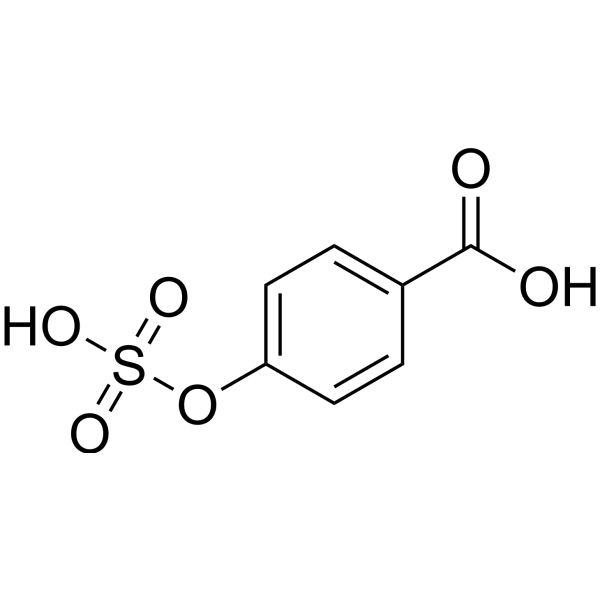
    4-(Sulfooxy)benzoic acid is a sulfated phenolic acid found in C. elegans. 4-(Sulfooxy)benzoic acid is a metabolite of ethyl para-hydroxybenzoate and several flavonoids .
    4-(Sulfooxy)benzoic acid
  • HY-163804

    Cytochrome P450 Parasite Others
    Cyprocide-B is activated by Cytochrome P450 and converted to electrophilic metabolites that selectively kill nematodes C. elegans. Cyprocide-B is promising for research of selective nematicide .
    Cyprocide-B
  • HY-176127

    p38 MAPK NF-κB Metabolic Disease
    JX10 is a senomorphic agent. JX10 suppresses the expression of p38 MAPK and NF-κB. JX10 exhibits competent antiaging effects in C. elegans, senescent cells, and aged mice .
    JX10
  • HY-123265

    Griseulin

    Bacterial Infection
    Luteoreticulin is a nitro-containing bacterial metabolite originally isolated from S. luteoreticuli. It has mosquitocidal activity against A. aegypti when used at a concentration of 6.25 mg/L and nematocidal activity against C. elegans.
    Luteoreticulin
  • HY-W653999

    Isotope-Labeled Compounds Endogenous Metabolite STAT Autophagy Inflammation/Immunology
    Glycodeoxycholic acid-d5 is deuterium labeled Glycodeoxycholic Acid. Glycodeoxycholic Acid is a natural product found in Streptomyces nigricans, Trypanosoma brucei and C. elegans. Glycodeoxycholic Acid induces hepatocyte necrosis and autophagy in patients with obstructive cholestasis .
    Glycodeoxycholic acid-d5
  • HY-N12526

    Others Others
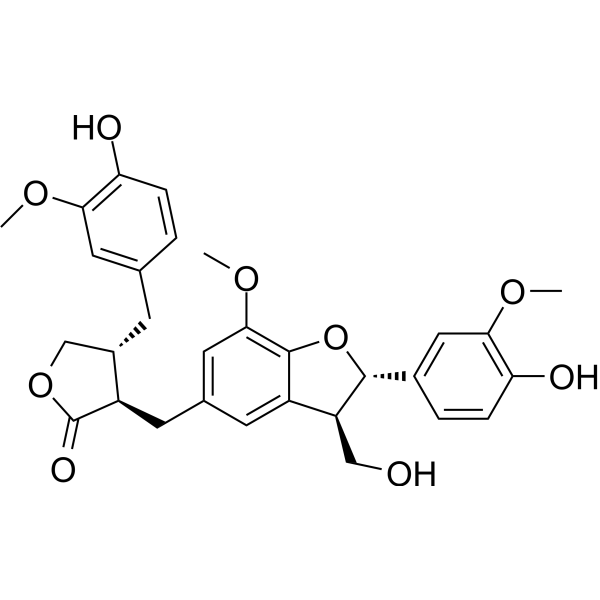
    Isolappaol A is a natural product that can be isolated from the Arctium lappa. Isolappaol A upregulates the expression of jnk-1, which may promote longevity and stress resistance of C. elegans through the JNK-1-DAF-16 cascade .
    Isolappaol A
  • HY-116498

    Others Infection
    Penigequinolone A is an alkaloid isolated from Penicillium. It is lethal to P. penetrans (LD50=100 mg/L) but has no effect on C. elegans at concentrations up to 1000 mg/L.1 Penigequinolone A also accelerates the root growth of rice seedlings in a dose-dependent manner.
    Penigequinolone A
  • HY-123693

    Insecticide Inflammation/Immunology
    ML358 is a first in class, potent, and selective inhibitor of the SKN-1 pathway (IC50=0.24 μM). ML358 sensitizes the model nematode C. elegans to oxidants and anthelmintic. ML358 potentially used as adjuvants to increase the efficacy and useful life of current anthelmintics .
    ML358
  • HY-158423

    Mitochondrial Metabolism Parasite Infection
    NPD8790 is a species selective mitochondrial respiratory complex I inhibitor with an IC50 of 2.4 µM for C. elegans complex I. NPD8790 is more selective for nematode species mitochondria than human, bovine, and mouse mitochondria. NPD8790 is an anthelmintic that kills adult soil-transmitted helminths .
    NPD8790
  • HY-168928

    Bacterial Infection
    Antibiofilm agent prodrug 1 (Compound 5c) exhibits antibacterial activity through inhibition of biofilm formation and iron uptake. Antibiofilm agent prodrug 1 inhibits P. aeruginosa PAO1 with a MIC of 1.07 μM. Antibiofilm agent prodrug 1 exhibits anti-infectious efficacy in C. elegans with improved survival rate .
    Antibiofilm agent prodrug 1
  • HY-130431

    Parasite Infection
    Vinclozolin M2 is an active metabolite of vinclozolin. It is formed from vinclozolin by successive esterase activity and decarboxylation of vinclozolin in C. elegans and by decarboxylation in human liver microsomes. Vinclozolin M2 is an antagonist of the mineralocorticoid receptor (IC50=1,400 nM) and androgen receptor (IC50=0.17 nM) in reporter assays using MCF-7 cells.
    Vinclozolin M2
  • HY-N12887

    Mitochondrial Metabolism Others Cancer
    Mycothiazole is an inhibitor for mitochondrial electron transport chain (ETC) complex I. Mycothiazole exhibits cytotoxicity in cancer cells Huh7 (IC50 is 55.8 μM), U87 and MCF7. Mycothiazole induces apoptosis in Huh7. Mycothiazole utilizes the unfolded protein response (UPR) and heat shock response (HSR) pathway involved transcription factors ATFS-1 and HSF1, to extend the lifespan of C. elegans .
    Mycothiazole
  • HY-168077

    Fungal Infection
    Antibiofilm agent-12 (Compound C13) is an antifungal agent that belongs to the class of carbazate derivatives. Antibiofilm agent-12 exhibits significant antifungal activity against Candida auris, with a MIC90 of 237.9 μM. By inhibiting the drug efflux pump activity of Candida auris and promoting ergosterol depletion, Antibiofilm agent-12 hinders biofilm formation and reduces the metabolic flexibility of Candida auris. Additionally, Antibiofilm agent-12 demonstrates antifungal activity in a Candida auris-infected C. elegans model .
    Antibiofilm agent-12
  • HY-169156

    HDAC Monoamine Oxidase Cholinesterase (ChE) Histamine Receptor 5-HT Receptor Neurological Disease
    HDAC6-IN-49 (Compound 3) is an inhibitor for HDAC with IC50 of 0.012 and 0.735 μM for HDAC6 and HDAC1. HDAC6-IN-49 also exhibits inhibitory activities against MAO-B, cholinesterase (ChE), histamine receptor (H3R) and serotonin 6 receptor (5-HT6R). HDAC6-IN-49 exhibits neuroprotective efficacy on SH-SY5Y cell. HDAC6-IN-49 improves cognitive function and locomotor ability in Drosophila Parkinson's disease models and in C. elegans Alzheimer's disease models .
    HDAC6-IN-49
  • HY-N0059S4

    Isotope-Labeled Compounds Parasite Bacterial AMPK PPAR Infection Neurological Disease Metabolic Disease
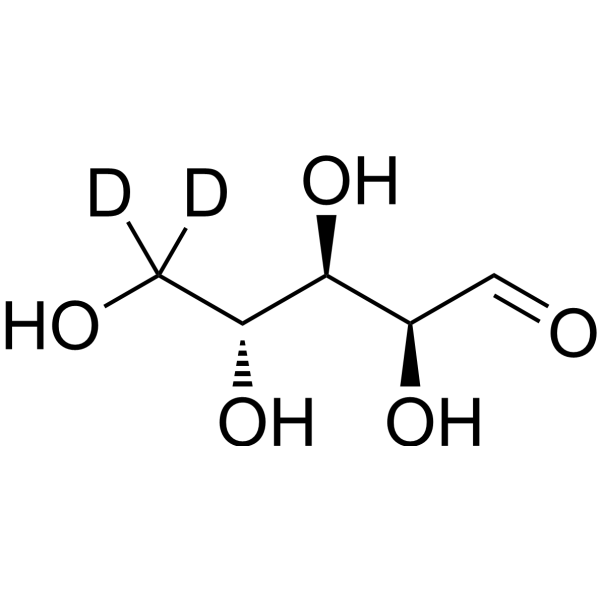
    D-Arabinose-d2 is the deuterium labeled D-Arabinose (HY-N0059). D-Arabinose is is an orally active antidepressant and a growth inhibitor of C. elegans (IC50 is 7.5 mM). D-Arabinose can penetrate the blood-brain barrier, selectively interfere with the metabolism of D-ribose and D-fructose, and inhibit the growth of nematodes. D-Arabinose can also inhibit the synthesis of cell biofilm and exert antibacterial activity. D-Arabinose activates the ACSS2-PPARγ/TFEB-CRTC1 axis through the lysosomal AXIN-LKB1-AMPK pathway, inducing CRTC1 transcription, exerts antidepressant-like activity. D-Arabinose is the ring-opened form of the aldopentose D-?Arabinose (HY-N7082) .
    D-Arabinose-d2
  • HY-N0059S

    Isotope-Labeled Compounds Parasite Bacterial AMPK PPAR Infection Neurological Disease Metabolic Disease
    D-Arabinose- 13C is the 13C labeled D-Arabinose (HY-N0059). D-Arabinose is is an orally active antidepressant and a growth inhibitor of C. elegans (IC50 is 7.5 mM). D-Arabinose can penetrate the blood-brain barrier, selectively interfere with the metabolism of D-ribose and D-fructose, and inhibit the growth of nematodes. D-Arabinose can also inhibit the synthesis of cell biofilm and exert antibacterial activity. D-Arabinose activates the ACSS2-PPARγ/TFEB-CRTC1 axis through the lysosomal AXIN-LKB1-AMPK pathway, inducing CRTC1 transcription, exerts antidepressant-like activity. D-Arabinose is the ring-opened form of the aldopentose D-?Arabinose (HY-N7082) .
    D-Arabinose-13C
  • HY-N0059S6

    Isotope-Labeled Compounds Parasite Bacterial AMPK PPAR Infection Neurological Disease Metabolic Disease
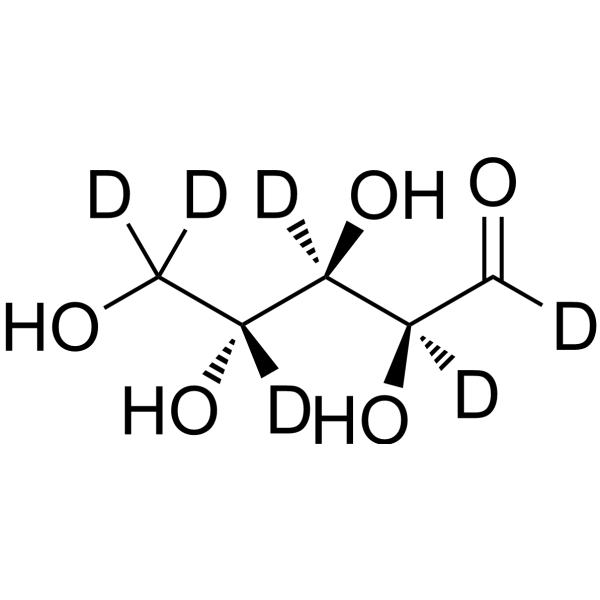
    D-Arabinose-d6 is the deuterium labeled D-Arabinose (HY-N0059). D-Arabinose is is an orally active antidepressant and a growth inhibitor of C. elegans (IC50 is 7.5 mM). D-Arabinose can penetrate the blood-brain barrier, selectively interfere with the metabolism of D-ribose and D-fructose, and inhibit the growth of nematodes. D-Arabinose can also inhibit the synthesis of cell biofilm and exert antibacterial activity. D-Arabinose activates the ACSS2-PPARγ/TFEB-CRTC1 axis through the lysosomal AXIN-LKB1-AMPK pathway, inducing CRTC1 transcription, exerts antidepressant-like activity. D-Arabinose is the ring-opened form of the aldopentose D-?Arabinose (HY-N7082) .
    D-Arabinose-d6
  • HY-N0059S5

    Isotope-Labeled Compounds Parasite Bacterial AMPK PPAR Infection Neurological Disease Metabolic Disease
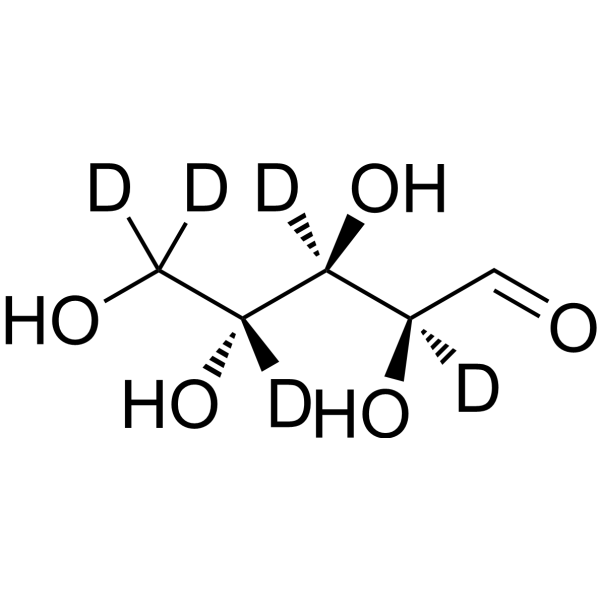
    D-Arabinose-d5 is the deuterium labeled D-Arabinose (HY-N0059). D-Arabinose is is an orally active antidepressant and a growth inhibitor of C. elegans (IC50 is 7.5 mM). D-Arabinose can penetrate the blood-brain barrier, selectively interfere with the metabolism of D-ribose and D-fructose, and inhibit the growth of nematodes. D-Arabinose can also inhibit the synthesis of cell biofilm and exert antibacterial activity. D-Arabinose activates the ACSS2-PPARγ/TFEB-CRTC1 axis through the lysosomal AXIN-LKB1-AMPK pathway, inducing CRTC1 transcription, exerts antidepressant-like activity. D-Arabinose is the ring-opened form of the aldopentose D-?Arabinose (HY-N7082) .
    D-Arabinose-d5
  • HY-N0059S2

    Isotope-Labeled Compounds Parasite Bacterial AMPK PPAR Infection Neurological Disease Metabolic Disease
    D-Arabinose- 13C-2 is the 13C labeled D-Arabinose (HY-N0059). D-Arabinose is is an orally active antidepressant and a growth inhibitor of C. elegans (IC50 is 7.5 mM). D-Arabinose can penetrate the blood-brain barrier, selectively interfere with the metabolism of D-ribose and D-fructose, and inhibit the growth of nematodes. D-Arabinose can also inhibit the synthesis of cell biofilm and exert antibacterial activity. D-Arabinose activates the ACSS2-PPARγ/TFEB-CRTC1 axis through the lysosomal AXIN-LKB1-AMPK pathway, inducing CRTC1 transcription, exerts antidepressant-like activity. D-Arabinose is the ring-opened form of the aldopentose D-?Arabinose (HY-N7082) .
    D-arabinose-13C-2
  • HY-N7082S

    Isotope-Labeled Compounds Parasite Bacterial AMPK PPAR Infection Neurological Disease Metabolic Disease
    D-Arabinopyranos- 13C5 is 13C labeled D-Arabinopyranos (HY-N7082). D-Arabinopyranose is a rare aldehyde pentose, and its ring-opened form is D-arabinose (HY-N0059). D-arabinose is is an orally active antidepressant and a growth inhibitor of C. elegans (IC50 is 7.5 mM). D-arabinose can penetrate the blood-brain barrier, selectively interfere with the metabolism of D-ribose and D-fructose, and inhibit the growth of nematodes. D-arabinose can also inhibit the synthesis of cell biofilm and exert antibacterial activity. D-arabinose activates the ACSS2-PPARγ/TFEB-CRTC1 axis through the lysosomal AXIN-LKB1-AMPK pathway, inducing CRTC1 transcription, exerts antidepressant-like activity. D-arabinose is the ring-opened form of the aldopentose D-?Arabinose (HY-N7082) .
    D-Arabinopyranose-13C5
  • HY-180160

    Amyloid-β Neurological Disease
    Aβ aggregation-IN-3 (Compound B7) is an aggregation inhibitor. Aβ aggregation-IN-3 inhibits Aβ aggregation. Aβ aggregation-IN-3 confers protection in both neuronal and microglial models. Aβ aggregation-IN-3 reduces Aβ-induced paralysis in C. elegans. Aβ aggregation-IN-3 improves Alzheimer's disease .
    Aβ aggregation-IN-3

Inquiry Online

Your information is safe with us. * Required Fields.

Salutation


Country or Region *

Applicant Name *


Organization Name *

Department *


Email Address *


Product Name *

Cat. No.


Requested quantity *

Phone Number *


Remarks

Inquiry Online

Inquiry Information

Product Name:
Cat. No.:
Quantity:
MCE Japan Authorized Agent: