Search Result
Results for "
Carboxylic acid metabolite
" in MedChemExpress (MCE) Product Catalog:
8
Isotope-Labeled Compounds
| Cat. No. |
Product Name |
Target |
Research Areas |
Chemical Structure |
-
- HY-40161
-
|
|
Endogenous Metabolite
Bacterial
|
Metabolic Disease
Cancer
|
|
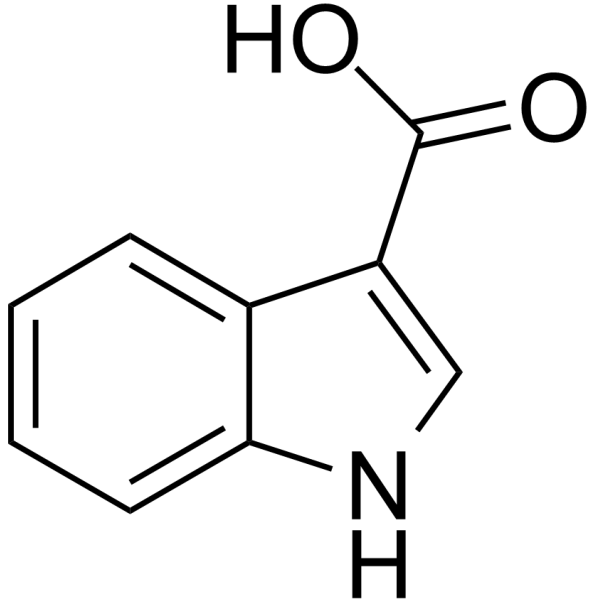
Indole-3-carboxylic acid is an orally active urinary indolic tryptophan metabolite. Indole-3-carboxylic acid is a mediator of priming against Plectosphaerella cucumerina. Indole-3-carboxylic acid enhances the anti-colorectal cancer potency of Doxorubicin (HY-15142A) by inducing cell senescence. Indole-3-carboxylic acid can be used in liver disease research .
|
-
-
- HY-30004
-
|
|
Environmental Pollutants
Endogenous Metabolite
|
Cardiovascular Disease
Metabolic Disease
|
|
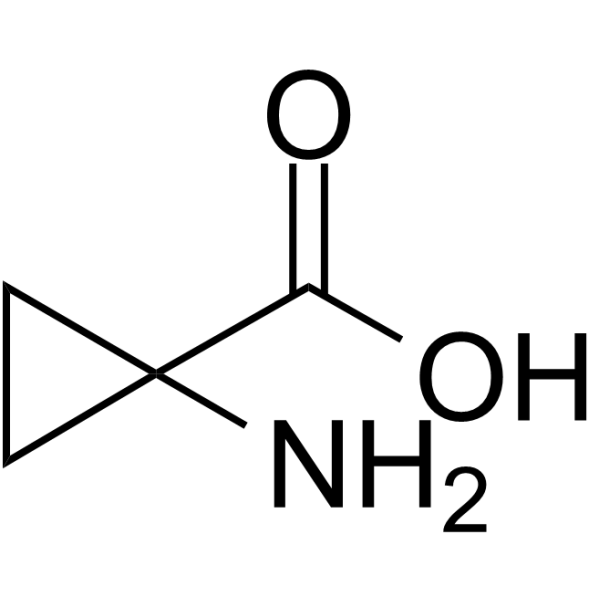
1-Aminocyclopropane-1-carboxylic acid is an endogenous metabolite. In the presence of low concentrations (1 μM) of glutamate, 1-Aminocyclopropane-1-carboxylic acid acts as a small molecule agonist of NMDA receptors with an EC50 of 0.7-0.9 μM. At high concentrations (10 μM) of glutamate, 1-Aminocyclopropane-1-carboxylic acid acts as a competitive antagonist of NMDA receptors with an EC50 of 81.6 nM. 1-Aminocyclopropane-1-carboxylic acid exerts neuroprotective activity by moderately activating NMDA receptors to prevent neuronal cell death in ischemic animal models. Additionally, 1-Aminocyclopropane-1-carboxylic acid is an antagonist of NMDA receptors, inducing blood pressure reduction and antioxidant effects in stroke-prone hypertensive rats. 1-Aminocyclopropane-1-carboxylic acid enhances object recognition memory and cognitive flexibility dependent on the prefrontal cortex, but does not affect impulsivity nor exhibit an antipsychotic-like profile. 1-Aminocyclopropane-1-carboxylic acid shows promise for research in the field of neurotoxicity. .
|
-
-
- HY-12765
-
|
E-3174; EXP-3174
|
Drug Metabolite
Angiotensin Receptor
|
Cardiovascular Disease
|
|
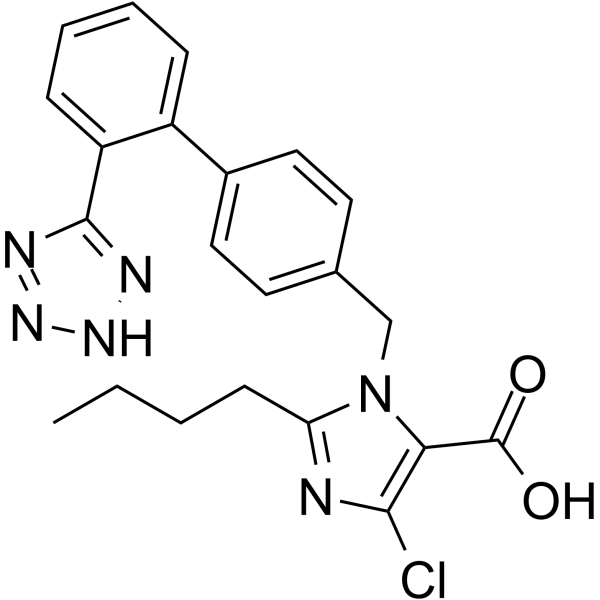
Losartan Carboxylic Acid (E-3174), an active carboxylic acid metabolite of Losartan, is an angiotensin II receptor type 1 (AT1) antagonist. The Ki values are 0.97, 0.57, 0.67 nM for rat AT1B/AT1A and human AT1, respectively. Losartan Carboxylic Acid blocks the angiotensin II-induced responses in vascular smoothmuscle cells (VSMC). Losartan Carboxylic Acid elevates plasma renin activities and reduces mean arterial pressure .
|
-
-
- HY-70002B
-
|
MDV3100 Carboxylic acid
|
Drug Metabolite
|
Cancer
|
|
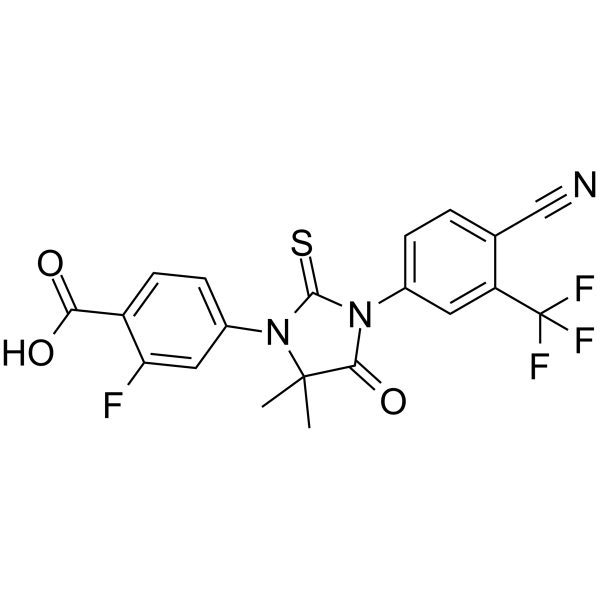
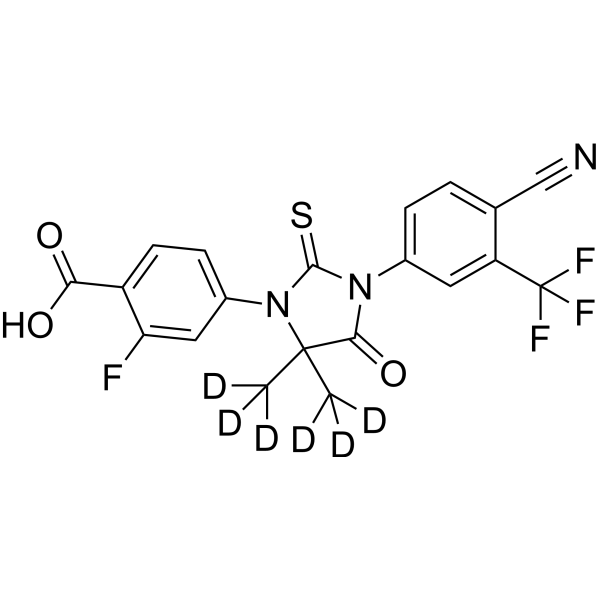
Enzalutamide carboxylic acid (MDV3100 carboxylic acid) is an inactive metabolite of Enzalutamide (MDV3100). Enzalutamide is an androgen receptor (AR) antagonist .
|
-
-
- HY-131669
-
|
Dasatinib Carboxylic acid
|
Drug Metabolite
|
Cancer
|
|
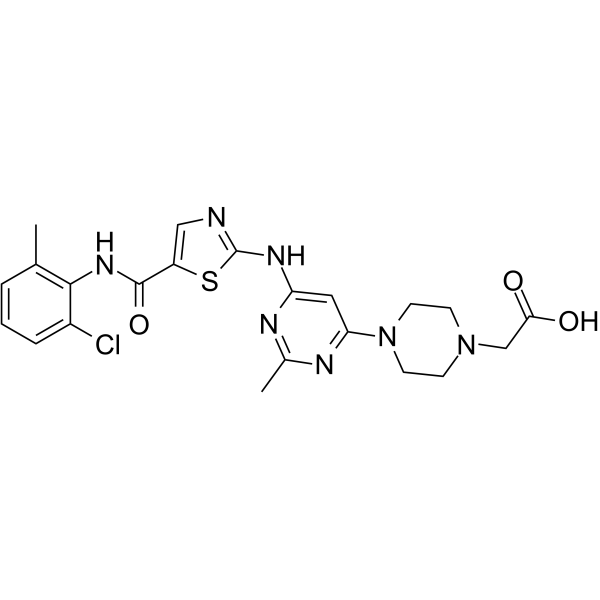
Dasatinib metabolite M6 (Dasatinib carboxylic acid) is a circulating metabolite of Dasatinib (HY-10181). Dasatinib exhibits potent anti-tumor activity .
|
-
-
- HY-G0023
-
|
Niraparib Carboxylic acid metabolite M1; M1 metabolite of niraparib
|
Drug Metabolite
|
Others
|
|
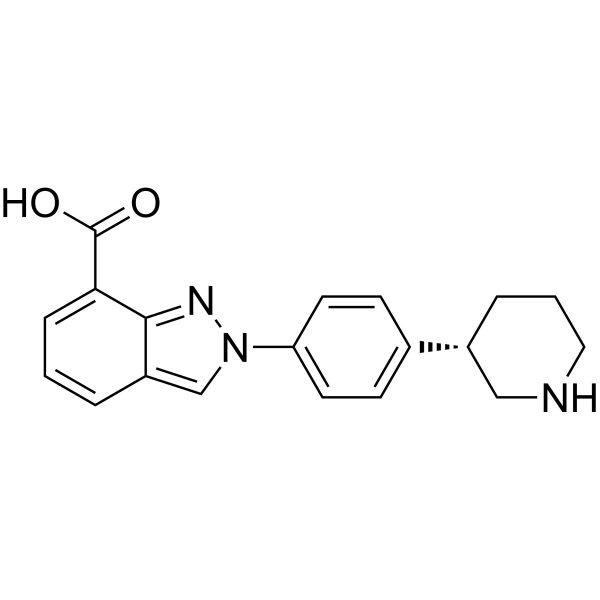
Niraparib metabolite M1 is a metabolite of niraparib, and the latter one acts as a novel poly(ADP-Ribose) polymerase (PARP) inhibitor.
|
-
-
- HY-145991
-
|
|
Drug Metabolite
|
Infection
|
|
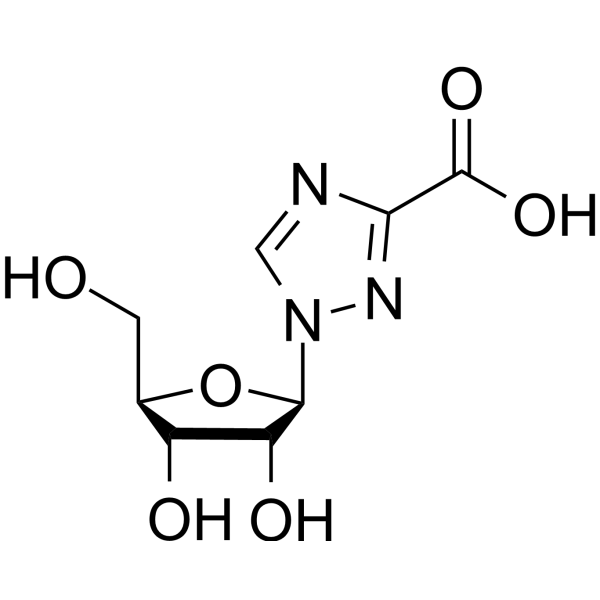
Ribavirin carboxylic acid (TR-COOH) is a metabolite of Ribavirin (HY-B0434), Ribavirin has strong antiviral activity .
|
-
-
- HY-141749B
-
|
CLPM hydrochloride; SR 26334 hydrochloride
|
Drug Metabolite
|
Cardiovascular Disease
|
|
Clopidogrel carboxylic acid (CLPM) hydrochloride is an inactive metabolite of the widely used antiplatelet medication clopidogrel, which serves as a reference standard for quantitative analysis of clopidogrel metabolism. Clopidogrel carboxylic acid hydrochloride has been shown to represent approximately 85% of circulating clopidogrel, hydrolyzed from the active form by esterases. Clopidogrel carboxylic acid hydrochloride plays a crucial role in assessing the pharmacokinetics and bioavailability of clopidogrel in various clinical and research settings.
|
-

-
- HY-12765S
-
|
E-3174 d4; EXP-3174 d4
|
Angiotensin Receptor
|
Cardiovascular Disease
Endocrinology
Cancer
|
|
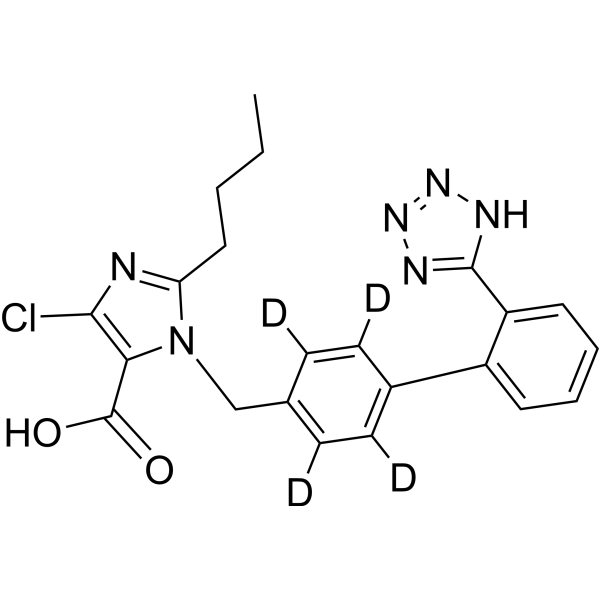
Losartan-d4 carboxylic acid (E-3174-d4) is the deuterium labeled Losartan Carboxylic Acid (HY-12765). Losartan Carboxylic Acid (E-3174), an active carboxylic acid metabolite of Losartan, is an angiotensin II receptor type 1 (AT1) antagonist. The Ki values are 0.97, 0.57, 0.67 nM for rat AT1B/AT1A and human AT1, respectively. Losartan Carboxylic Acid blocks the angiotensin II-induced responses in vascular smoothmuscle cells (VSMC). Losartan Carboxylic Acid elevates plasma renin activities and reduces mean arterial pressure.
|
-
-
- HY-34439
-
|
NSC 49139
|
Environmental Pollutants
Endogenous Metabolite
|
Metabolic Disease
|
|
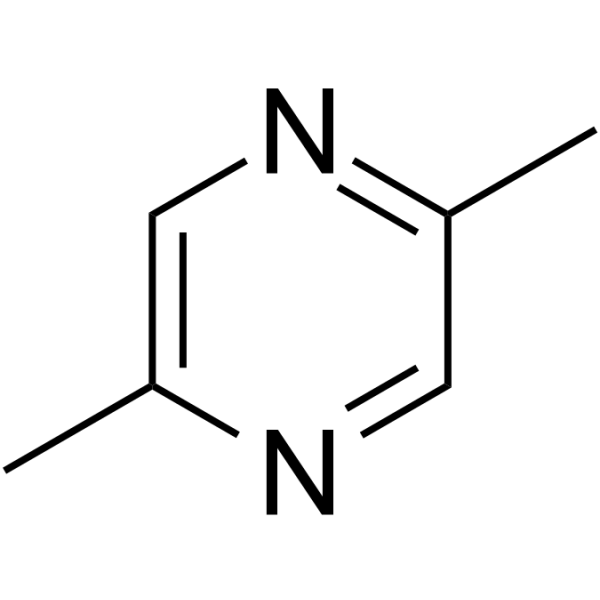
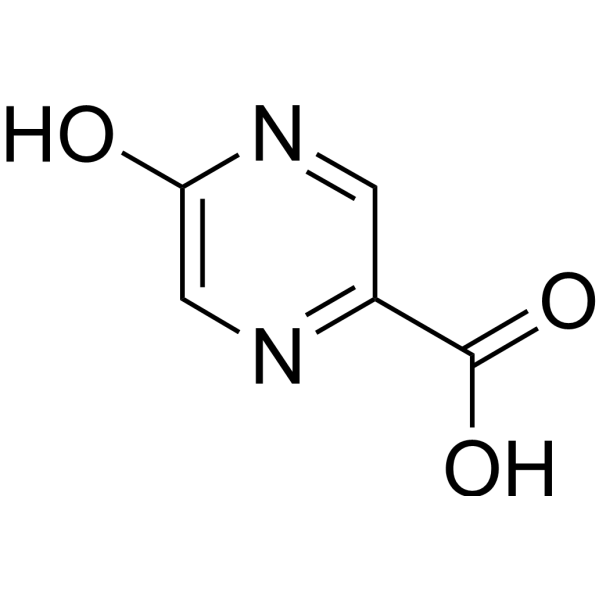
2,5-Dimethylpyrazine (NSC 49139) is an endogenous metabolite. 2,5-Dimethylpyrazine in produced in food systems of two whey protein hydrolysates, obtained using either trypsin or proteinase from Aspergillus melleus. 2,5-Dimethylpyrazine can be qualitatively monitored using a stable isotope dilution assay. 2,5-Dimethylpyrazine can also be generated via microbial mechanisms using Bacillus subtilis. 2,5-Dimethylpyrazine can be oxidized to form 5-methylpyrazine-2-carboxylic acid, which is the intermediate in the synthesis of antilipoltic agent. 2,5-Dimethylpyrazine is a volatile compound that can give a roasted peanut flavor .
|
-
-
- HY-156685
-
|
|
PI4K
Parasite
|
Infection
Metabolic Disease
Cancer
|
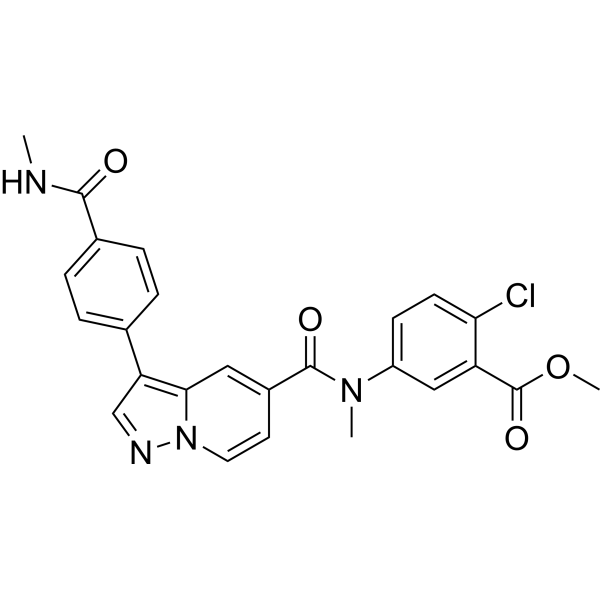
EDI048 is an orally active, gut-restricted parasiticidal agent. EDI048 specifically binds to the ATP-binding site of Cryptosporidium phosphatidylinositol 4-kinase (CpPI (4) K), blocks parasite membrane biogenesis, arrests the pathogen at the schizont stage, and thus irreversibly clears the infection. EDI048 is rapidly converted to an inactive carboxylic acid metabolite via hepatic first-pass metabolism, with extremely low systemic exposure, good safety profile, and no cardiotoxicity, genotoxicity or off-target effects. EDI048 is used in studies of intestinal cryptosporidiosis in children .
|
-
-
- HY-30004S
-
-
-
- HY-66035
-
|
4-(Trifluoromethyl)pyridine-3-Carboxylic acid
|
Parasite
|
Infection
|
|
4-(Trifluoromethyl)nicotinic acid (4-(Trifluoromethyl)pyridine-3-carboxylic acid) is a metabolite of the pyridinecarboxamide insecticide Flonicamid (HY-119649) .
|
-

-
- HY-I0177
-
|
|
Drug Metabolite
|
Others
|
|
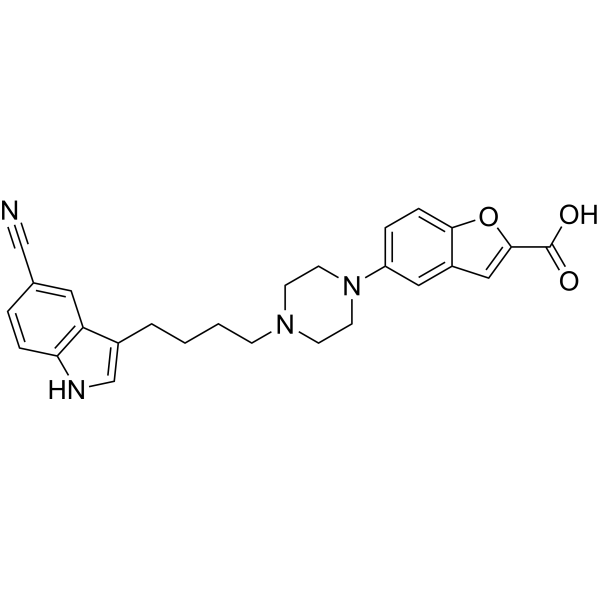
Vilazodone carboxylic acid is a vilazodone metabolite observed in both urine (major) and plasma (minor) .
|
-
-
- HY-141749A
-
-

-
- HY-30004R
-
|
|
Reference Standards
Endogenous Metabolite
|
Cardiovascular Disease
Metabolic Disease
|
|
1-Aminocyclopropane-1-carboxylic acid (Standard) is the analytical standard of 1-Aminocyclopropane-1-carboxylic acid. This product is intended for research and analytical applications. 1-Aminocyclopropane-1-carboxylic acid is an endogenous metabolite. In the presence of low concentrations (1 μM) of glutamate, 1-Aminocyclopropane-1-carboxylic acid acts as a small molecule agonist of NMDA receptors with an EC50 of 0.7-0.9 μM. At high concentrations (10 μM) of glutamate, 1-Aminocyclopropane-1-carboxylic acid acts as a competitive antagonist of NMDA receptors with an EC50 of 81.6 nM. 1-Aminocyclopropane-1-carboxylic acid exerts neuroprotective activity by moderately activating NMDA receptors to prevent neuronal cell death in ischemic animal models. Additionally, 1-Aminocyclopropane-1-carboxylic acid is an antagonist of NMDA receptors, inducing blood pressure reduction and antioxidant effects in stroke-prone hypertensive rats. 1-Aminocyclopropane-1-carboxylic acid enhances object recognition memory and cognitive flexibility dependent on the prefrontal cortex, but does not affect impulsivity nor exhibit an antipsychotic-like profile. 1-Aminocyclopropane-1-carboxylic acid shows promise for research in the field of neurotoxicity. .
|
-

-
- HY-136410
-
|
|
Endogenous Metabolite
|
Metabolic Disease
|
|
4-hydroxy Nonenal Mercapturic Acid is a major urinary metabolite of 4-hydroxy-2-nonenal (4-HNE). 4-hydroxy Nonenal Mercapturic Acid metabolites include reduced alcohols, aldehydes, and carboxylic acids, which further form gamma-lactols and gamma-lactones, resulting in 4-5 final urinary metabolites in vivo. 4-hydroxy Nonenal Mercapturic Acid can be used as a biomarker to assess oxidative stress .
|
-

-
- HY-B1259
-
|
Acexamic acid; 6-Acetamidocaproic acid
|
Drug Metabolite
Drug Intermediate
|
Inflammation/Immunology
Cancer
|
|
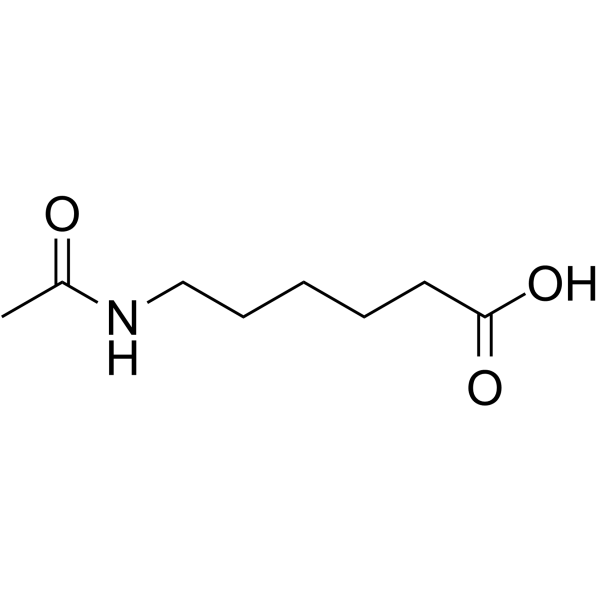
6-Acetamidohexanoic acid (Acexamic acid; 6-Acetamidocaproic acid) is a metabolite of Hexamethylene bisacetamide (HMBA) (HY-124284) with anti-pulmonary fibrosis activity. 6-Acetamidohexanoic acid does not induce differentiation of human promyelocytic leukemia cells, but is taken up by such cells. 6-Acetamidohexanoic acid serves as a carboxylic acid substrate component for constructing carboxylesterase-responsive near-infrared phototheranostic probes. 6-Acetamidohexanoic acid is applicable to research related to pulmonary fibrosis, refractory hypoxemia and cervical cancer .
|
-
-
- HY-76210
-
-
-
- HY-40161R
-
|
|
Reference Standards
Endogenous Metabolite
|
Metabolic Disease
|
|
Indole-3-carboxylic acid (Standard) is the analytical standard of Indole-3-carboxylic acid. This product is intended for research and analytical applications. Indole-3-carboxylic acid is a normal urinary indolic tryptophan metabolite and has been found elevated in patients with liver diseases .
|
-

-
- HY-40161S
-
-

-
- HY-W158239
-
|
|
Drug Metabolite
|
Others
|
|
4-Methyl-2-[4-(trifluoromethyl)phenyl]-1,3-thiazole-5-carboxylic acid is a metabolite of GW 501516 (HY-10838) .
|
-
![4-Methyl-2-[4-(trifluoromethyl)phenyl]-1,3-thiazole-5-carboxylic acid](//file.medchemexpress.com/product_pic/hy-w158239.gif)
-
- HY-131314
-
|
|
Drug Metabolite
|
Others
|
|
Ibuprofen carboxylic acid is the metabolite of Ibuprofen (HY-78131), that has high concentrations in wastewater and water environments, and disappears fast during biodegradation, compared to the other ibuprofen metabolite .
|
-

-
- HY-134234
-
|
|
COX
|
Others
|
|
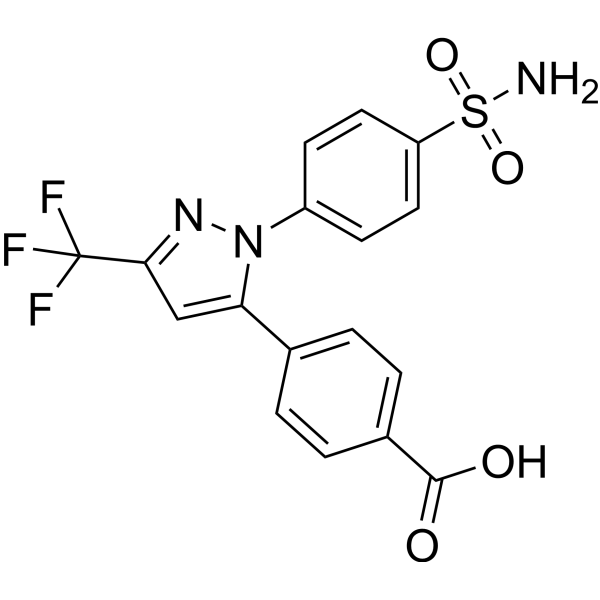
Celecoxib carboxylic acid is a metabolite of celecoxib (HY-14398). Celecoxib is a selective COX-2 inhibitor with an IC50 of 40 nM .
|
-
-
- HY-W002065
-
|
|
Drug Metabolite
Drug Intermediate
|
Cancer
|
|
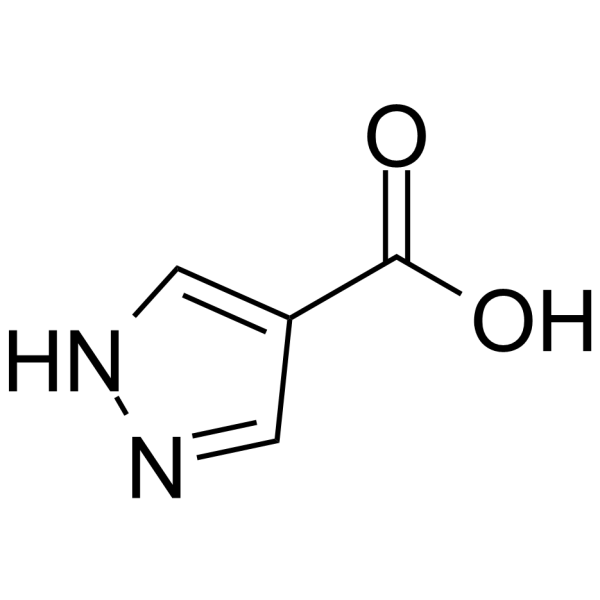
4-Carboxypyrazole (1H-Pyrazole-4-carboxylic acid) is a metabolite of Fomepizole (HY-B0876). 4-Carboxypyrazole is involved in the synthesis of ALKBH1 inhibitors. 4-Carboxypyrazole can be used in the research of gastric cancer .
|
-
-
- HY-W741575
-
-

-
- HY-135500
-
|
|
Endothelin Receptor
|
Endocrinology
|
|
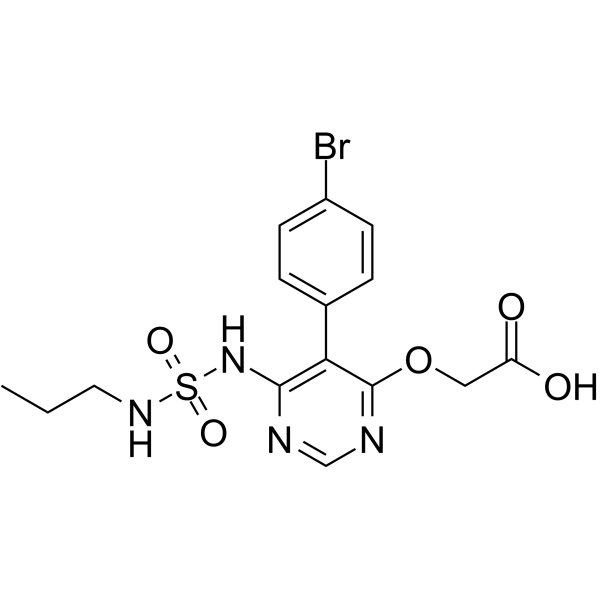
ACT-373898 is an inactive carboxylic acid metabolite of Macitentan. Macitentan is an orally active, non-peptide dual ETA and ETB (endothelin receptor) antagonist .
|
-
-
- HY-G0024A
-
|
Vildagliptin carboxy acid metabolite TFA
|
Cytochrome P450
|
Metabolic Disease
|
|
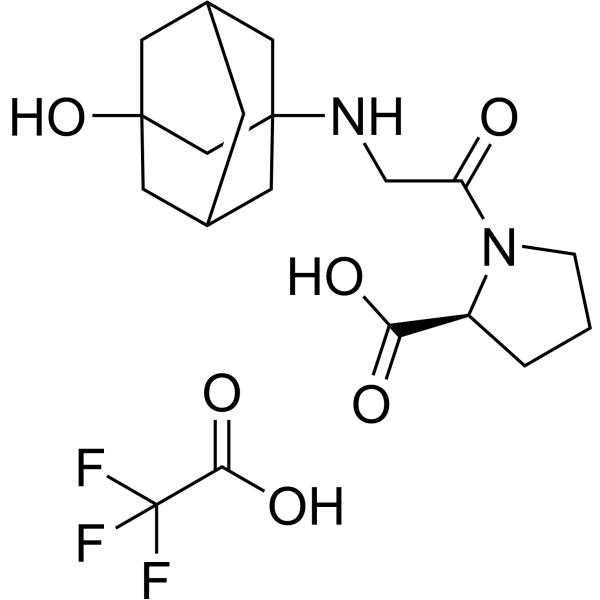
Vildagliptin carboxylic acid metabolite (M20.7) TFA is a potent P450 enzyme activity inhibitor .
|
-
-
- HY-148377
-
|
|
Drug Metabolite
|
Cancer
|
|
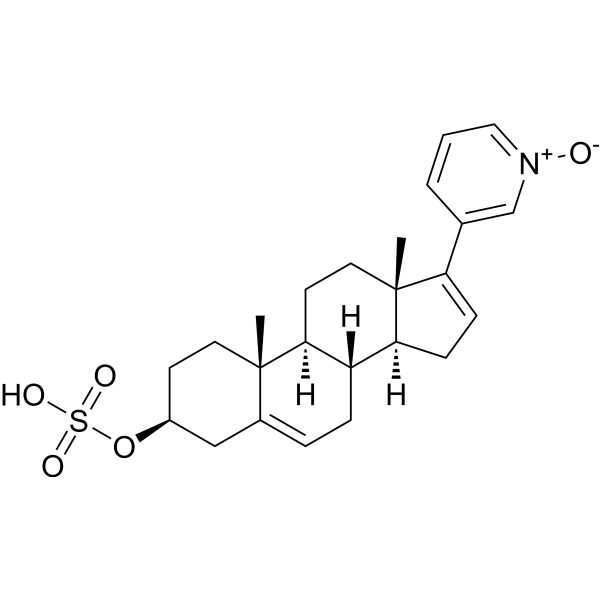
Abiraterone sulfate N-oxide is a carboxylic acid. Abiraterone sulfate N-oxide also is a major metabolite of Abiraterone (HY-70013). Abiraterone sulfate N-oxide can be used for the research of prostate cancer .
|
-
-
- HY-G0023R
-
|
Niraparib Carboxylic acid metabolite M1 (Standard); M1 metabolite of niraparib (Standard)
|
Reference Standards
Drug Metabolite
|
Others
|
|
Berberine (hemisulfate) (Standard) is the analytical standard of Berberine (hemisulfate). This product is intended for research and analytical applications. Berberine hemisulfate is the hemisulfate form of Berberine (HY-N0716). Berberine hemisulfate is an alkaloid isolated from the Chinese herbal medicine Huanglian. Berberine hemisulfate exhibits anti-inflammatory, antibiobic, antitumor, cardiovascular protective and neuroprotective activity .
|
-

-
- HY-N1272
-
|
|
Endogenous Metabolite
|
Others
|
|
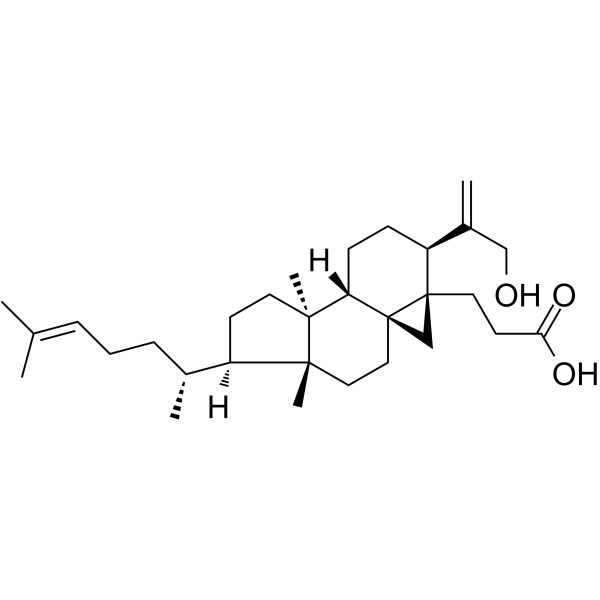
Secaubryenol is a class of 3,4-secocycloartane triterpenes isolated from Coussarea macrophylla. Secaubryenol does not display any cytotoxic effect at a dose of 10 μg/mL .
|
-
-
- HY-70002BS
-
-
-
- HY-Z12431
-
|
KMD-3293
|
Endogenous Metabolite
|
Metabolic Disease
|
|
Silodosin carboxylic acid impurity (KMD-3293) is an inactive silodosin metabolite. Silodosin carboxylic acid impurity is the major metabolite that can be generated via oxidation by alcohol and aldehyde dehydrogenase. Silodosin carboxylic acid impurity can be studied in research for benign prostatic hyperplasia .
|
-

-
- HY-W740380
-
|
|
Drug Metabolite
|
Others
|
|
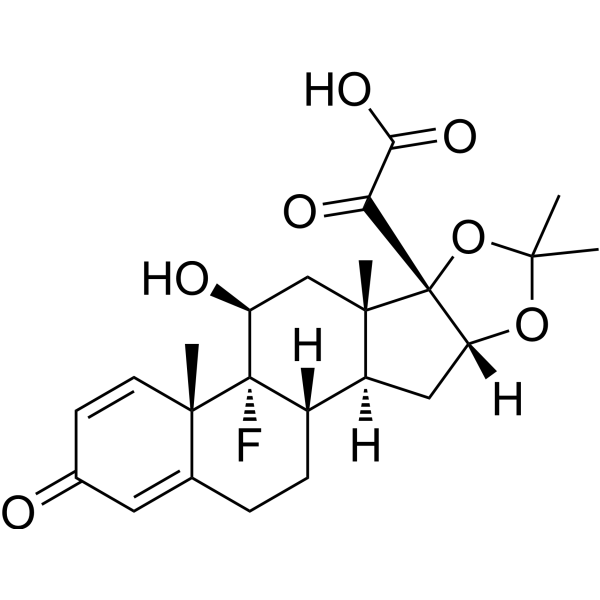
21-Carboxylic acid triamcinolone acetonide is a metabolite produced in the body after oral administration of [14C]-triamcinolone acetonide .
|
-
-
- HY-134234R
-
|
|
COX
Reference Standards
|
Others
|
|
Celecoxib carboxylic acid (Standard) is the analytical standard of Celecoxib carboxylic acid. This product is intended for research and analytical applications. Celecoxib carboxylic acid is a metabolite of celecoxib (HY-14398). Celecoxib is a selective COX-2 inhibitor with an IC50 of 40 nM .
|
-

-
- HY-145991R
-
|
|
Reference Standards
Drug Metabolite
|
Infection
|
|
Ribavirin carboxylic acid (Standard) is the analytical standard of Ribavirin carboxylic acid. This product is intended for research and analytical applications. Ribavirin carboxylic acid (TR-COOH) is a metabolite of Ribavirin (HY-B0434), Ribavirin has strong antiviral activity .
|
-

-
- HY-175659
-
-

-
- HY-W354369
-
-

-
- HY-141749AS
-
|
CLPM-d4; SR 26334-d4
|
Isotope-Labeled Compounds
|
Cardiovascular Disease
|
|
Clopidogrel carboxylic acid-d4 is a deuterated derivative of Clopidogrel carboxylic acid, which is an inactive metabolite of the antiplatelet agent Clopidogrel (HY-15283) in plasma. Clopidogrel carboxylic acid-d4 can be used to further explore the metabolic characteristics of Clopidogrel .
|
-

-
- HY-W591818
-
|
|
Drug Derivative
|
Cancer
|
|
Sunitinib carboxylic acid is a carboxylic acid metabolite of Sunitinib (HY-10255A). Sunitinib is a multi-target tyrosine kinase inhibitor, mainly used to inhibit malignant tumors such as gastrointestinal stromal tumors, renal cell carcinoma, and pancreatic neuroendocrine tumors .
|
-

-
- HY-N16371
-
|
|
Endogenous Metabolite
|
Inflammation/Immunology
Cancer
|
|
6-Methoxy-8-hydroxyisocoumarin-3-carboxylic acid (Compound MC-1), an isocoumarin, is a metabolite of Cytogenin (HY-19606). 6-Methoxy-8-hydroxyisocoumarin-3-carboxylic acid has anti-angiogenic activity in S-180 implanted dorsal air sac mice model. 6-Methoxy-8-hydroxyisocoumarin-3-carboxylic acid also modifies collagen-induced arthritis. 6-Methoxy-8-hydroxyisocoumarin-3-carboxylic acid can be used for cancers and inflammatory diseases research .
|
-

-
- HY-12765S1
-
|
|
Isotope-Labeled Compounds
Angiotensin Receptor
|
Cardiovascular Disease
|
|
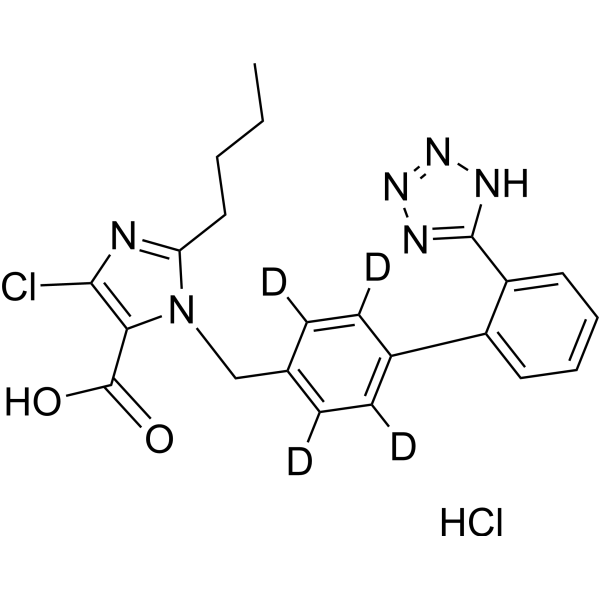
Losartan carboxylic acid-d4 (hydrochloride) is deuterium labeled Losartan Carboxylic Acid. Losartan Carboxylic Acid (E-3174), an active carboxylic acid metabolite of Losartan, is an angiotensin II receptor type 1 (AT1) antagonist. The Ki values are 0.97, 0.57, 0.67 nM for rat AT1B/AT1A and human AT1, respectively. Losartan Carboxylic Acid blocks the angiotensin II-induced responses in vascular smoothmuscle cells (VSMC). Losartan Carboxylic Acid elevates plasma renin activities and reduces mean arterial pressure .
|
-
-
- HY-12765R
-
|
E-3174 (Standard); EXP-3174 (Standard)
|
Drug Metabolite
Reference Standards
Angiotensin Receptor
|
Cardiovascular Disease
|
|
Losartan Carboxylic Acid (Standard) is the analytical standard of Losartan Carboxylic Acid. This product is intended for research and analytical applications. Losartan Carboxylic Acid (E-3174), an active carboxylic acid metabolite of Losartan, is an angiotensin II receptor type 1 (AT1) antagonist. The Ki values are 0.97, 0.57, 0.67 nM for rat AT1B/AT1A and human AT1, respectively. Losartan Carboxylic Acid blocks the angiotensin II-induced responses in vascular smoothmuscle cells (VSMC). Losartan Carboxylic Acid elevates plasma renin activities and reduces mean arterial pressure [4].
|
-

-
- HY-121029
-
|
KRP-104
|
Histone Methyltransferase
|
Metabolic Disease
|
|
Bisegliptin (KRP-104) is a small molecule compound with antidiabetic activity. Bisegliptin is metabolized mainly by converting the cyano group to the carboxylic acid form, and DPP-4 plays a partial role in its metabolism. The carboxylic acid metabolite of bisegliptin can be detected both in vivo and in vitro. In rat experiments, the plasma concentration of the carboxylic acid metabolite of bisegliptin was affected by other DPP inhibitors, showing the complexity of its metabolic process. The amide intermediate of bisegliptin was detected both in vivo and in vitro, and its conversion rate was significantly faster than that of the parent compound when incubated with DPP-4 .
|
-

-
- HY-W403633
-
|
|
Bacterial
|
Infection
|
|
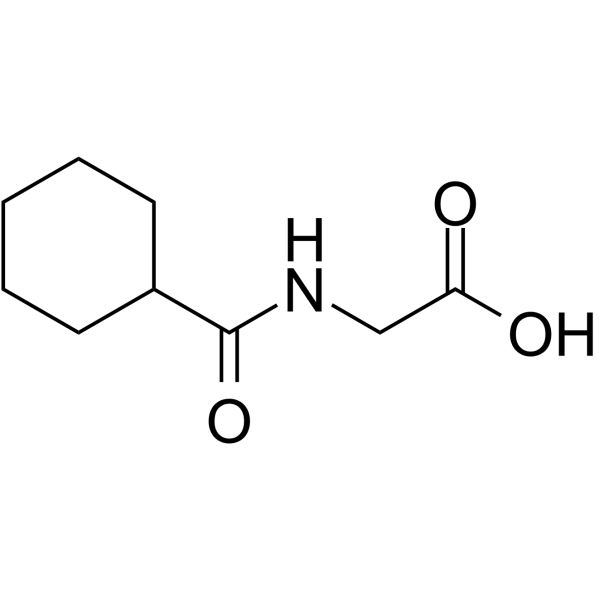
Hexahydrohippuric acid is a metabolite of Shikimate acid in both liver and kidney, under microbial metabolism effect. Hexahydrohippuric acid is made of cyclohexane carboxylic acid and glycinamide, and shows antibacterial activity .
|
-
-
- HY-135895
-
-
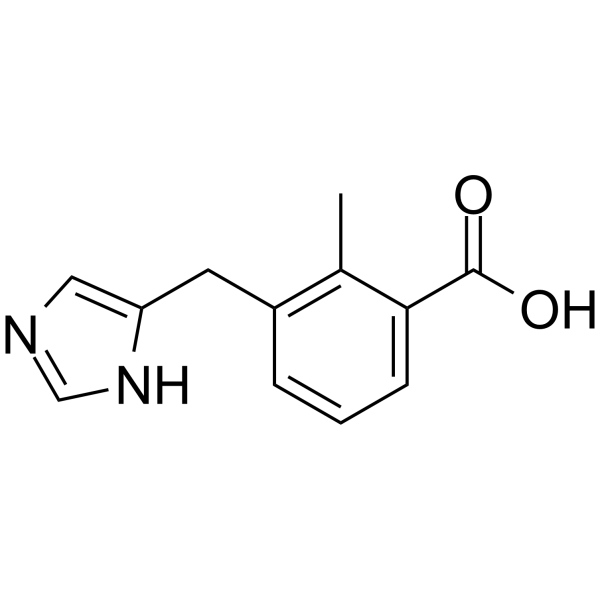
-
- HY-117923
-
|
|
mTOR
PI3K
|
Cancer
|
|
PF-06465603 is a highly potent and selective ATP-competitive kinase inhibitor and a class 1 PI3K and mTOR inhibitor. PF-06465603 is a metabolite of PF-04691502 with a terminal carboxylic acid structure .
|
-

-
- HY-157129
-
|
|
AMPK
|
Cardiovascular Disease
|
|
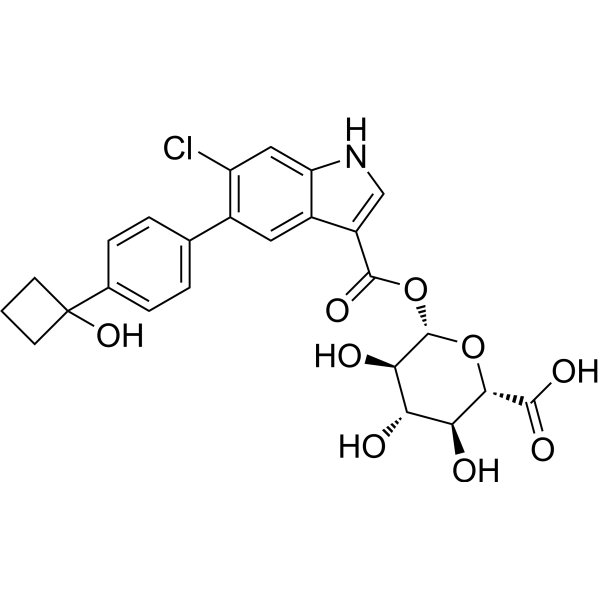
AMPK-α1β1γ1 activator 1 (M1) is an acyl glucuronide metabolite of Indole-3-carboxylic Acid-based AMPK activator. AMPK-α1β1γ1 activator 1 can selectively activated human β1 isoforms with an EC50 value of 38.1nM. AMPK-α1β1γ1 activator 1 can direct binding with human AMPK α1β1γ1 isoform. AMPK-α1β1γ1 activator 1 can be used for the research of diabetic nephropathy .
|
-
-
- HY-N15754
-
|
|
Drug Metabolite
|
Metabolic Disease
Inflammation/Immunology
Endocrinology
Cancer
|
|
3-Hydroxy-2-methylglutaric acid is a carboxylic acid metabolite. 3-Hydroxy-2-methylglutaric acid can be isolated from the flower Veronica incana L. 3-Hydroxy-2-methylglutaric acid can be used for upper respiratory tract diseases, malignant neoplasms, gastrointestinal tract and genitourinary system disorders and diabetes mellitus research .
|
-

-
- HY-180702
-
-

- HY-75087S
-
-
- HY-W341825
-
-

- HY-W725295
-
-

- HY-W728123
-
-

- HY-148377S
-
|
|
Isotope-Labeled Compounds
Drug Metabolite
|
Cancer
|
|
Abiraterone sulfate N-oxide-d4 TEA is the deuterium labeled Abiraterone sulfate N-oxide TEA (HY-148377). Abiraterone sulfate N-oxide is a carboxylic acid. Abiraterone sulfate N-oxide also is a major metabolite of Abiraterone (HY-70013). Abiraterone sulfate N-oxide can be used for the research of prostate cancer .
|
-

- HY-N7388
-
|
|
Endogenous Metabolite
|
Metabolic Disease
|
|
3-Hydroxy-2-methylbutanoic acid is a short-chain carboxylic acid and a normal urinary metabolite produced via isoleucine catabolism, fatty acid β-oxidation and ketogenesis. 3-Hydroxy-2-methylbutanoic acid exists as an acylated residue in resin glycosides derived from plants of the Ipomoea genus. 3-Hydroxy-2-methylbutanoic acid can be used in studies related to β-ketothiolase deficiency .
|
-

- HY-B1259R
-
|
Acexamic acid (Standard); 6-Acetamidocaproic acid (Standard)
|
Reference Standards
Drug Metabolite
Drug Intermediate
|
Inflammation/Immunology
Cancer
|
|
6-Acetamidohexanoic acid (Acexamic acid; 6-Acetamidocaproic acid) (Standard) is the analytical standard of 6-Acetamidohexanoic acid. This product is intended for research and analytical applications. 6-Acetamidohexanoic acid (Acexamic acid; 6-Acetamidocaproic acid) is a metabolite of Hexamethylene bisacetamide (HMBA) (HY-124284) with anti-pulmonary fibrosis activity. 6-Acetamidohexanoic acid does not induce differentiation of human promyelocytic leukemia cells, but is taken up by such cells. 6-Acetamidohexanoic acid serves as a carboxylic acid substrate component for constructing carboxylesterase-responsive near-infrared phototheranostic probes. 6-Acetamidohexanoic acid is applicable to research related to pulmonary fibrosis, refractory hypoxemia and cervical cancer.
|
-

| Cat. No. |
Product Name |
Category |
Target |
Chemical Structure |
-
- HY-40161
-
-
-
- HY-30004
-
|
|
Structural Classification
Classification of Application Fields
Ketones, Aldehydes, Acids
Metabolic Disease
Endogenous metabolite
Disease Research Fields
Source Classification
|
Environmental Pollutants
Endogenous Metabolite
|
|
1-Aminocyclopropane-1-carboxylic acid is an endogenous metabolite. In the presence of low concentrations (1 μM) of glutamate, 1-Aminocyclopropane-1-carboxylic acid acts as a small molecule agonist of NMDA receptors with an EC50 of 0.7-0.9 μM. At high concentrations (10 μM) of glutamate, 1-Aminocyclopropane-1-carboxylic acid acts as a competitive antagonist of NMDA receptors with an EC50 of 81.6 nM. 1-Aminocyclopropane-1-carboxylic acid exerts neuroprotective activity by moderately activating NMDA receptors to prevent neuronal cell death in ischemic animal models. Additionally, 1-Aminocyclopropane-1-carboxylic acid is an antagonist of NMDA receptors, inducing blood pressure reduction and antioxidant effects in stroke-prone hypertensive rats. 1-Aminocyclopropane-1-carboxylic acid enhances object recognition memory and cognitive flexibility dependent on the prefrontal cortex, but does not affect impulsivity nor exhibit an antipsychotic-like profile. 1-Aminocyclopropane-1-carboxylic acid shows promise for research in the field of neurotoxicity. .
|
-
-
- HY-34439
-
-
-
- HY-30004R
-
|
|
Structural Classification
Microorganisms
Ketones, Aldehydes, Acids
Endogenous metabolite
Source Classification
|
Reference Standards
Endogenous Metabolite
|
|
1-Aminocyclopropane-1-carboxylic acid (Standard) is the analytical standard of 1-Aminocyclopropane-1-carboxylic acid. This product is intended for research and analytical applications. 1-Aminocyclopropane-1-carboxylic acid is an endogenous metabolite. In the presence of low concentrations (1 μM) of glutamate, 1-Aminocyclopropane-1-carboxylic acid acts as a small molecule agonist of NMDA receptors with an EC50 of 0.7-0.9 μM. At high concentrations (10 μM) of glutamate, 1-Aminocyclopropane-1-carboxylic acid acts as a competitive antagonist of NMDA receptors with an EC50 of 81.6 nM. 1-Aminocyclopropane-1-carboxylic acid exerts neuroprotective activity by moderately activating NMDA receptors to prevent neuronal cell death in ischemic animal models. Additionally, 1-Aminocyclopropane-1-carboxylic acid is an antagonist of NMDA receptors, inducing blood pressure reduction and antioxidant effects in stroke-prone hypertensive rats. 1-Aminocyclopropane-1-carboxylic acid enhances object recognition memory and cognitive flexibility dependent on the prefrontal cortex, but does not affect impulsivity nor exhibit an antipsychotic-like profile. 1-Aminocyclopropane-1-carboxylic acid shows promise for research in the field of neurotoxicity. .
|
-
-
- HY-B1259
-
-
-
- HY-40161R
-
-
-
- HY-W002065
-
-
-
- HY-N1272
-
-
-
- HY-N16371
-
|
|
Microorganisms
Ketones, Aldehydes, Acids
Source Classification
|
Endogenous Metabolite
|
|
6-Methoxy-8-hydroxyisocoumarin-3-carboxylic acid (Compound MC-1), an isocoumarin, is a metabolite of Cytogenin (HY-19606). 6-Methoxy-8-hydroxyisocoumarin-3-carboxylic acid has anti-angiogenic activity in S-180 implanted dorsal air sac mice model. 6-Methoxy-8-hydroxyisocoumarin-3-carboxylic acid also modifies collagen-induced arthritis. 6-Methoxy-8-hydroxyisocoumarin-3-carboxylic acid can be used for cancers and inflammatory diseases research .
|
-
-
- HY-N15754
-
-
-
- HY-180702
-
-
-
- HY-W341825
-
-
-
- HY-N7388
-
|
|
Structural Classification
Endogenous metabolite
Lipid
Source Classification
|
Endogenous Metabolite
|
|
3-Hydroxy-2-methylbutanoic acid is a short-chain carboxylic acid and a normal urinary metabolite produced via isoleucine catabolism, fatty acid β-oxidation and ketogenesis. 3-Hydroxy-2-methylbutanoic acid exists as an acylated residue in resin glycosides derived from plants of the Ipomoea genus. 3-Hydroxy-2-methylbutanoic acid can be used in studies related to β-ketothiolase deficiency .
|
-
-
- HY-B1259R
-
|
Acexamic acid (Standard); 6-Acetamidocaproic acid (Standard)
|
Structural Classification
Ketones, Aldehydes, Acids
Endogenous metabolite
Source Classification
|
Reference Standards
Drug Metabolite
Drug Intermediate
|
|
6-Acetamidohexanoic acid (Acexamic acid; 6-Acetamidocaproic acid) (Standard) is the analytical standard of 6-Acetamidohexanoic acid. This product is intended for research and analytical applications. 6-Acetamidohexanoic acid (Acexamic acid; 6-Acetamidocaproic acid) is a metabolite of Hexamethylene bisacetamide (HMBA) (HY-124284) with anti-pulmonary fibrosis activity. 6-Acetamidohexanoic acid does not induce differentiation of human promyelocytic leukemia cells, but is taken up by such cells. 6-Acetamidohexanoic acid serves as a carboxylic acid substrate component for constructing carboxylesterase-responsive near-infrared phototheranostic probes. 6-Acetamidohexanoic acid is applicable to research related to pulmonary fibrosis, refractory hypoxemia and cervical cancer.
|
-
| Cat. No. |
Product Name |
Chemical Structure |
-
- HY-12765S
-
|
|
|
Losartan-d4 carboxylic acid (E-3174-d4) is the deuterium labeled Losartan Carboxylic Acid (HY-12765). Losartan Carboxylic Acid (E-3174), an active carboxylic acid metabolite of Losartan, is an angiotensin II receptor type 1 (AT1) antagonist. The Ki values are 0.97, 0.57, 0.67 nM for rat AT1B/AT1A and human AT1, respectively. Losartan Carboxylic Acid blocks the angiotensin II-induced responses in vascular smoothmuscle cells (VSMC). Losartan Carboxylic Acid elevates plasma renin activities and reduces mean arterial pressure.
|
-
-
- HY-30004S
-
|
|
|
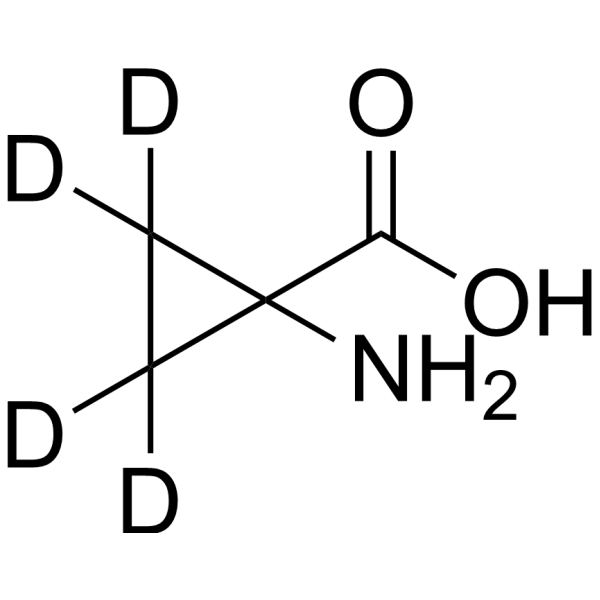
1-Aminocyclopropane-1-carboxylic acid-d4 is the deuterium labeled 1-Aminocyclopropane-1-carboxylic acid. Aminocyclopropane-1-carboxylic acid is an endogenous metabolite .
|
-
-
- HY-40161S
-
|
|
|
Indole-3-carboxylic acid-d4 is deuterium labeled Indole-3-carboxylic acid. Indole-3-carboxylic acid is a normal urinary indolic tryptophan metabolite and has been found elevated in patients with liver diseases .
|
-
-
- HY-70002BS
-
|
|
|
Enzalutamide carboxylic acid-d6 is the deuterium labeled Enzalutamide carboxylic acid (MDV3100 carboxylic acid). Enzalutamide carboxylic acid is an inactive metabolite of Enzalutamide .
|
-
-
- HY-141749AS
-
|
|
|
Clopidogrel carboxylic acid-d4 is a deuterated derivative of Clopidogrel carboxylic acid, which is an inactive metabolite of the antiplatelet agent Clopidogrel (HY-15283) in plasma. Clopidogrel carboxylic acid-d4 can be used to further explore the metabolic characteristics of Clopidogrel .
|
-
-
- HY-12765S1
-
|
|
|
Losartan carboxylic acid-d4 (hydrochloride) is deuterium labeled Losartan Carboxylic Acid. Losartan Carboxylic Acid (E-3174), an active carboxylic acid metabolite of Losartan, is an angiotensin II receptor type 1 (AT1) antagonist. The Ki values are 0.97, 0.57, 0.67 nM for rat AT1B/AT1A and human AT1, respectively. Losartan Carboxylic Acid blocks the angiotensin II-induced responses in vascular smoothmuscle cells (VSMC). Losartan Carboxylic Acid elevates plasma renin activities and reduces mean arterial pressure .
|
-
-
- HY-75087S
-
|
|
|
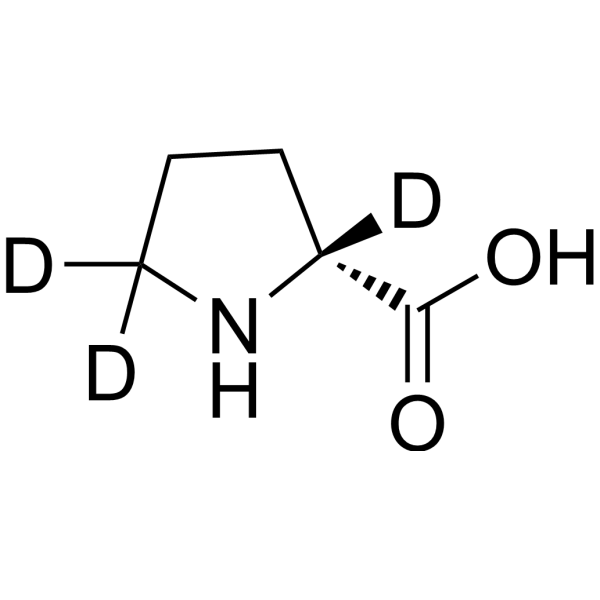
(R)-Pyrrolidine-2-carboxylic acid-d3 is the deuterium labeled (R)-pyrrolidine-2-carboxylic acid. (R)-pyrrolidine-2-carboxylic acid is an endogenous metabolite.
|
-
-
- HY-148377S
-
|
|
|
Abiraterone sulfate N-oxide-d4 TEA is the deuterium labeled Abiraterone sulfate N-oxide TEA (HY-148377). Abiraterone sulfate N-oxide is a carboxylic acid. Abiraterone sulfate N-oxide also is a major metabolite of Abiraterone (HY-70013). Abiraterone sulfate N-oxide can be used for the research of prostate cancer .
|
-
Your information is safe with us. * Required Fields.
Inquiry Information
- Product Name:
- Cat. No.:
- Quantity:
- MCE Japan Authorized Agent:





![4-Methyl-2-[4-(trifluoromethyl)phenyl]-1,3-thiazole-5-carboxylic acid](http://file.medchemexpress.com/product_pic/hy-w158239.gif)





