Search Result
Results for "
DA releasers
" in MedChemExpress (MCE) Product Catalog:
12
Isotope-Labeled Compounds
| Cat. No. |
Product Name |
Target |
Research Areas |
Chemical Structure |
-
- HY-14608
-
|
|
Environmental Pollutants
Endogenous Metabolite
iGluR
Ferroptosis
Apoptosis
|
Neurological Disease
|
|
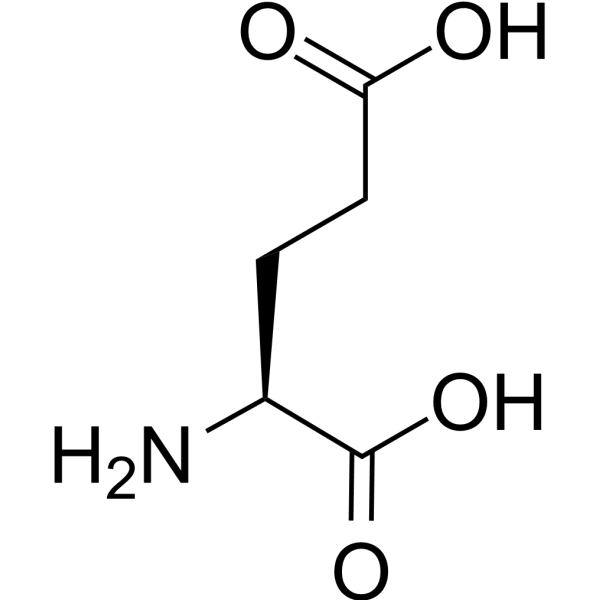
L-Glutamic acid is an excitatory amino acid neurotransmitter that acts as an agonist for all subtypes of glutamate receptors (metabolic rhodophylline, NMDA, and AMPA). L-Glutamic acid has an agonist effect on the release of DA from dopaminergic nerve endings. L-Glutamic acid can be used in the study of neurological diseases. L-Glutamic acid acts at ionotropic and metabotropic glutamate receptors .
|
-
-
- HY-14608A
-
|
|
Environmental Pollutants
iGluR
Apoptosis
Ferroptosis
Endogenous Metabolite
|
Neurological Disease
|
|
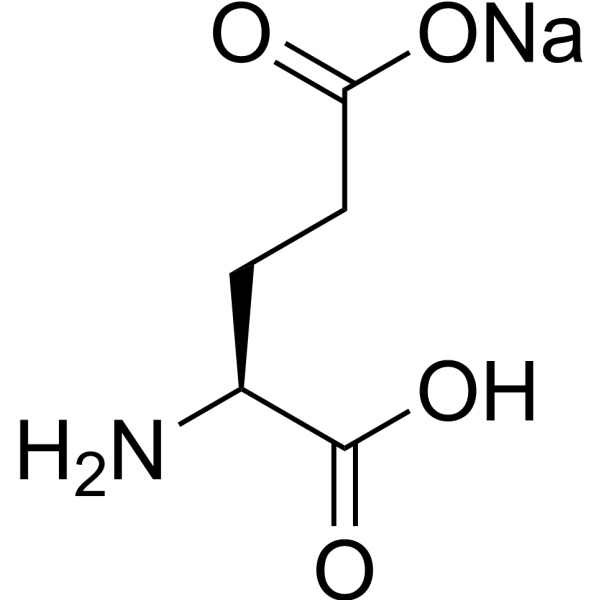
L-Glutamic acid monosodium salt is an excitatory amino acid neurotransmitter that acts as an agonist for all subtypes of glutamate receptors (metabolic rhodophylline, NMDA, and AMPA). L-Glutamic acid monosodium salt has an agonist effect on the release of DA from dopaminergic nerve endings. L-Glutamic acid monosodium salt can be used in the study of neurological diseases. L-Glutamic acid monosodium salt acts at ionotropic and metabotropic glutamate receptors .
|
-
-
- HY-14608S5
-
|
|
Endogenous Metabolite
iGluR
Ferroptosis
Apoptosis
|
Neurological Disease
|
|
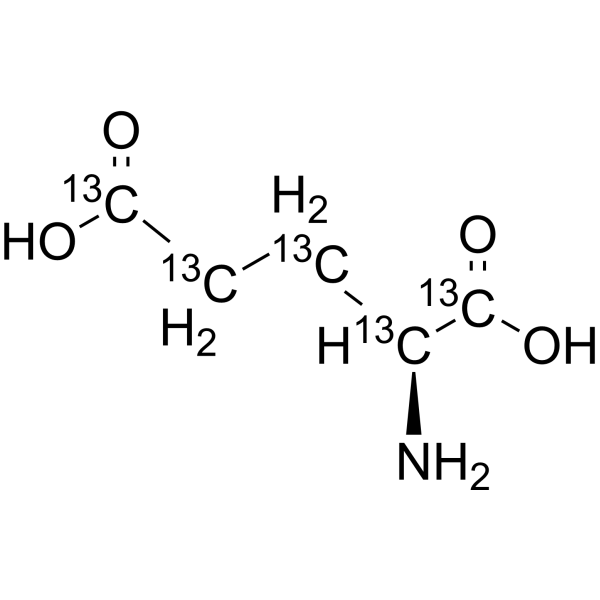
L-Glutamic acid- 13C5 is the 13C-labeled L-Glutamic acid. L-Glutamic acid acts as an excitatory transmitter and an agonist at all subtypes of glutamate receptors (metabotropic, kainate, NMDA, and AMPA). L-Glutamic acid shows a direct activating effect on the release of DA from dopaminergic terminals.
|
-
-
- HY-B0979
-
|
α-Lobeline hydrochloride; L-Lobeline hydrochloride
|
nAChR
Dopamine Transporter
|
Neurological Disease
|
|
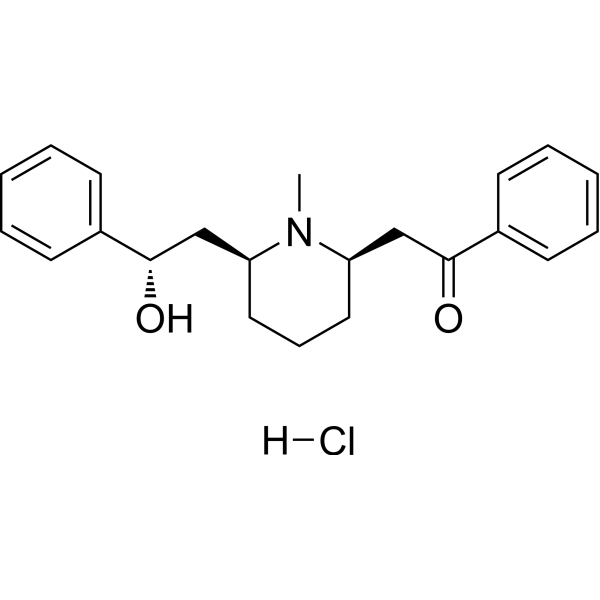
Lobeline (α-Lobeline) hydrochloride is a brain-penetrant nicotinic receptor agonist. Lobeline hydrochloride increases dopamine (DA) release by inhibiting DA uptake into synaptic vesicles, and altering presynaptic DA storage. Lobeline hydrochloride is effective in smoking cessation .
|
-
-
- HY-14608S7
-
|
|
Endogenous Metabolite
iGluR
Ferroptosis
Apoptosis
|
Neurological Disease
|
|
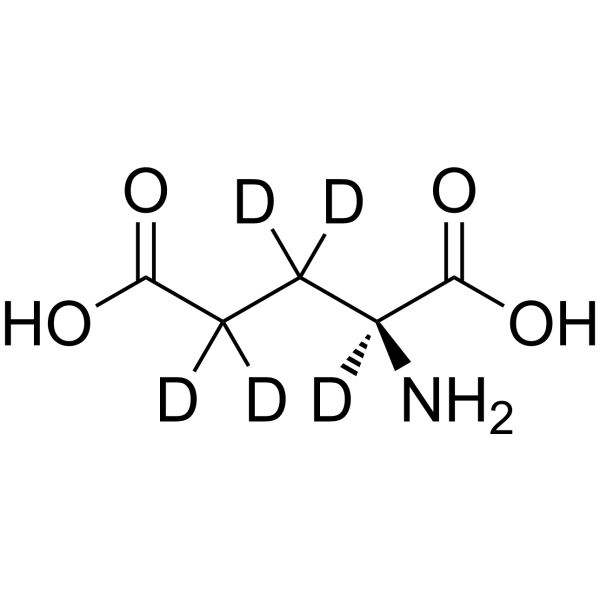
L-Glutamic acid-d5 is the deuterium labeled L-Glutamic acid. L-Glutamic acid acts as an excitatory transmitter and an agonist at all subtypes of glutamate receptors (metabotropic, kainate, NMDA, and AMPA). L-Glutamic acid shows a direct activating effect on the release of DA from dopaminergic terminals.
|
-
-
- HY-14608S8
-
|
|
Endogenous Metabolite
iGluR
Ferroptosis
Apoptosis
|
Neurological Disease
|
|
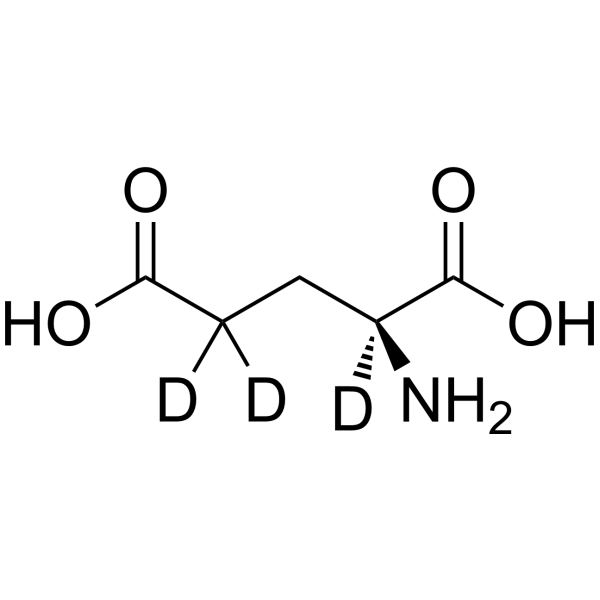
L-Glutamic acid-d3 is the deuterium labeled L-Glutamic acid. L-Glutamic acid acts as an excitatory transmitter and an agonist at all subtypes of glutamate receptors (metabotropic, kainate, NMDA, and AMPA). L-Glutamic acid shows a direct activating effect on the release of DA from dopaminergic terminals.
|
-
-
- HY-14608S3
-
-
-
- HY-14608R
-
|
|
Reference Standards
Endogenous Metabolite
iGluR
Ferroptosis
Apoptosis
|
Neurological Disease
|
L-Glutamic acid (Standard) is the analytical standard of L-Glutamic acid. This product is intended for research and analytical applications. L-Glutamic acid is an excitatory amino acid neurotransmitter that acts as an agonist for all subtypes of glutamate receptors (metabolic rhodophylline, NMDA, and AMPA). L-Glutamic acid has an agonist effect on the release of DA from dopaminergic nerve endings. L-Glutamic acid can be used in the study of neurological diseases .
IC50 & Target:DA .
In Vitro: L-Glutamic acid (120, 500, 750, 1000 mg/dL) can reduce the harmful effect of lithium on the embryonic development of Xenopus Xenopus .
L-Glutamic acid (2, 5, 10, 20 mM, 24-48 h) can induce neuroexcitotoxicity in neuroblastoma .
In Vivo: L-Glutamic acid (3 g/kg, subcutaneous injection) can promote excitotoxic degeneration of retinal ganglion cells in mice .
L-Glutamic acid (750 mg/kg, intraperitoneal injection) can reduce and inhibit oxidative stress induced by chlorpyrifos (CPF) in rats .
|
-

-
- HY-W419700
-
|
|
Endogenous Metabolite
iGluR
Ferroptosis
Apoptosis
|
Neurological Disease
|
|
L-Glutamic acid ammonium is an excitatory amino acid neurotransmitter that acts as an agonist for all subtypes of glutamate receptors (metabolic rhodophylline, NMDA, and AMPA). L-Glutamic acid ammonium has an agonist effect on the release of DA from dopaminergic nerve endings. L-Glutamic acid can be used in the study of neurological diseases. L-Glutamic acid ammonium acts at ionotropic and?metabotropic glutamate receptors .
|
-

-
- HY-14608S
-
|
|
Endogenous Metabolite
iGluR
Ferroptosis
Apoptosis
|
Neurological Disease
|
|
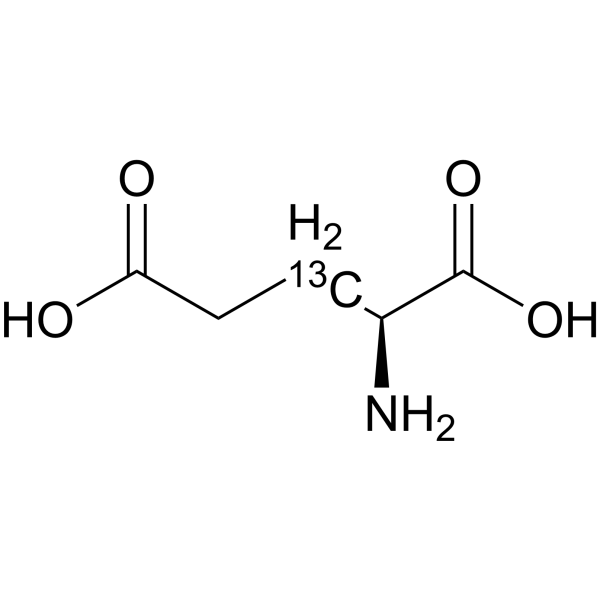
L-Glutamic acid- 13C is the 13C-labeled L-Glutamic acid. L-Glutamic acid acts as an excitatory transmitter and an agonist at all subtypes of glutamate receptors (metabotropic, kainate, NMDA, and AMPA). L-Glutamic acid shows a direct activating effect on the release of DA from dopaminergic terminals.
|
-
-
- HY-W016145
-
|
|
Endogenous Metabolite
iGluR
Ferroptosis
Apoptosis
|
Neurological Disease
Metabolic Disease
Inflammation/Immunology
Cancer
|
|
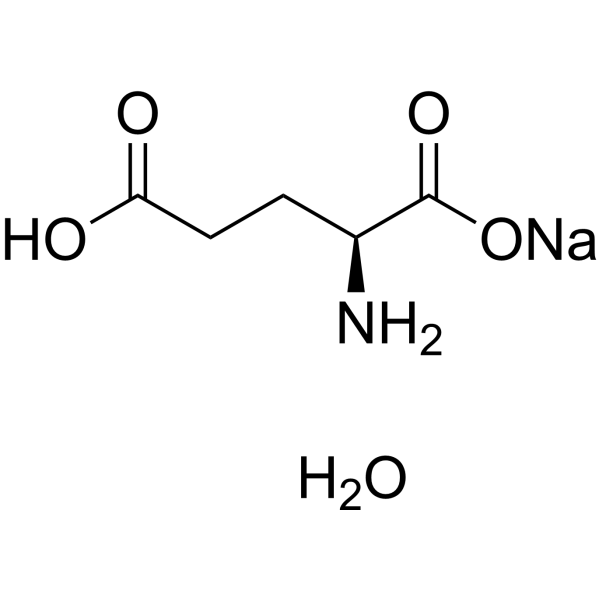
L-Glutamic acid monosodium hydrate is an excitatory amino acid neurotransmitter that acts as an agonist for all subtypes of glutamate receptors (metabolic rhodophylline, NMDA, and AMPA). L-Glutamic acid monosodium hydrate has an agonist effect on the release of DA from dopaminergic nerve endings. L-Glutamic acid monosodium hydrate can be used in the study of neurological diseases. L-Glutamic acid monosodium hydrate acts at ionotropic and?metabotropic glutamate receptors .
|
-
-
- HY-14608S2
-
|
|
Endogenous Metabolite
iGluR
Ferroptosis
Apoptosis
|
Neurological Disease
|
|
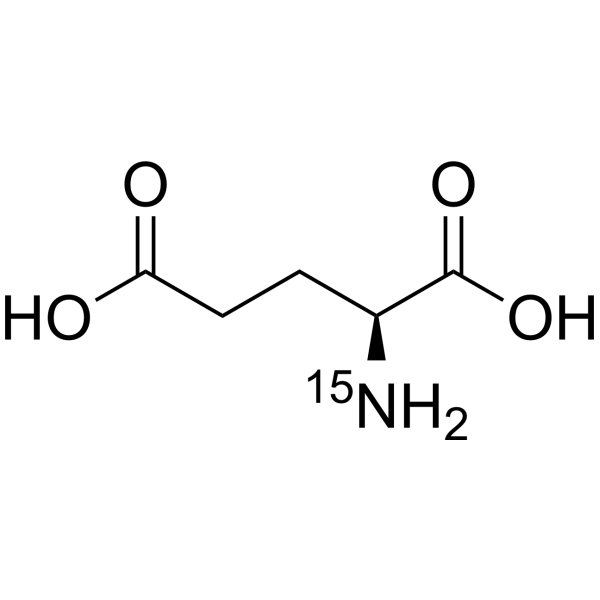
L-Glutamic acid- 15N is the 15N-labeled L-Glutamic acid. L-Glutamic acid acts as an excitatory transmitter and an agonist at all subtypes of glutamate receptors (metabotropic, kainate, NMDA, and AMPA). L-Glutamic acid shows a direct activating effect on the release of DA from dopaminergic terminals .
|
-
-
- HY-14608S1
-
|
|
Endogenous Metabolite
iGluR
Ferroptosis
Apoptosis
|
Neurological Disease
|
|
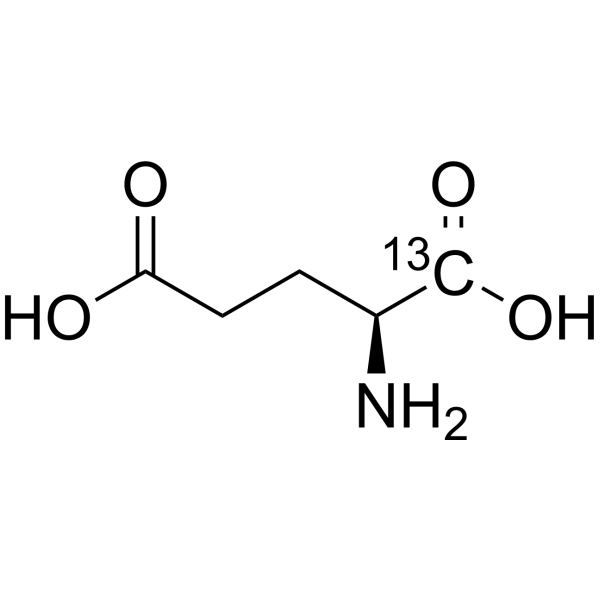
L-Glutamic acid-1- 13C is the 13C-labeled L-Glutamic acid. L-Glutamic acid acts as an excitatory transmitter and an agonist at all subtypes of glutamate receptors (metabotropic, kainate, NMDA, and AMPA). L-Glutamic acid shows a direct activating effect on the release of DA from dopaminergic terminals.
|
-
-
- HY-P0048
-
|
Surfagon
|
GnRH Receptor
|
Others
|
|
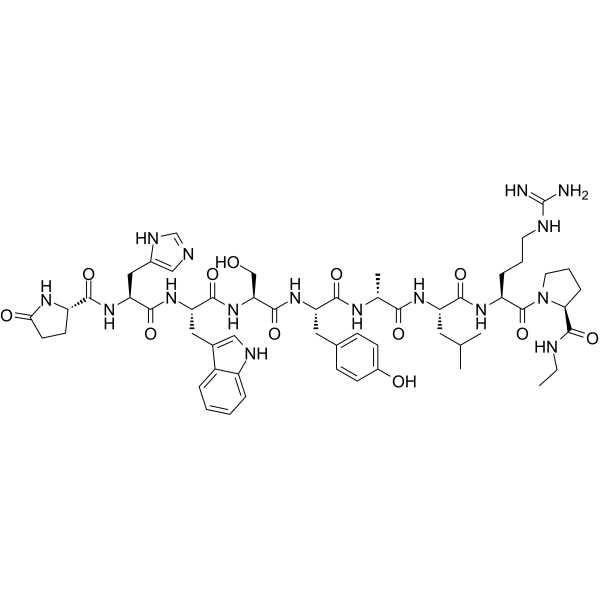
(Des-Gly10,D-Ala6,Pro-NHEt9)-LHRH (Surfagon, Mwt 1167.34 Da) is an agonist of gonadotropin-releasing hormone (GnRH). (Des-Gly10,D-Ala6,Pro-NHEt9)-LHRH can be used as an internal standard for the LC-MS analysis of leuprorelide acetate. (Des-Gly10,D-Ala6,Pro-NHEt9)-LHRH has potential applications in biochemical analysis and fertility .
|
-
-
- HY-106865
-
|
|
Dopamine Receptor
Adrenergic Receptor
|
Cardiovascular Disease
|
|
Mivazerol is a selective α2-adrenoceptor agonist. Mivazerol decreases the spontaneous release of serotonin (5-HT) and significantly inhibits the immobilization stress-induced enhancement of norepinephrine (NE), dopamine (DA) and dihydroxyphenylacetic acid (DOPAC). Mivazerol inhibits intrathecal release of glutamate evoked by halothane withdrawal in rats, and exerts neuroprotective effects in forebrain ischemia rats. Mivazerol can be used for myocardial ischemia research .
|
-

-
- HY-14608S6
-
-
-
- HY-156331
-
|
|
mGluR
|
Neurological Disease
|
|
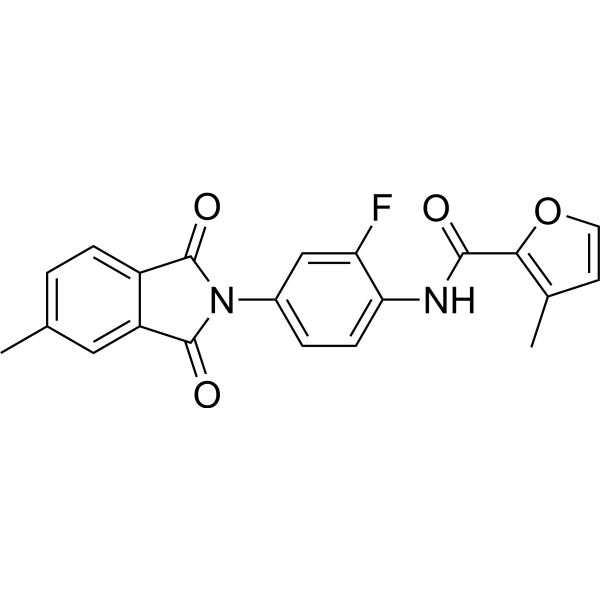
VU6004909 is a blood-brain barrier penetrated mGlu1 positive allosteric modulator (PAM), with the EC50s of 25.7 nM and 31 nM for human mGlu1 and rat mGlu1, respectively. VU6004909 reduces dorsolateral striatal dopamine (DA) release in vivo and displays antipsychotic efficacy .
|
-
-
- HY-B1423
-
|
α-Lobeline; L-Lobeline
|
nAChR
Dopamine Transporter
|
Neurological Disease
|
|
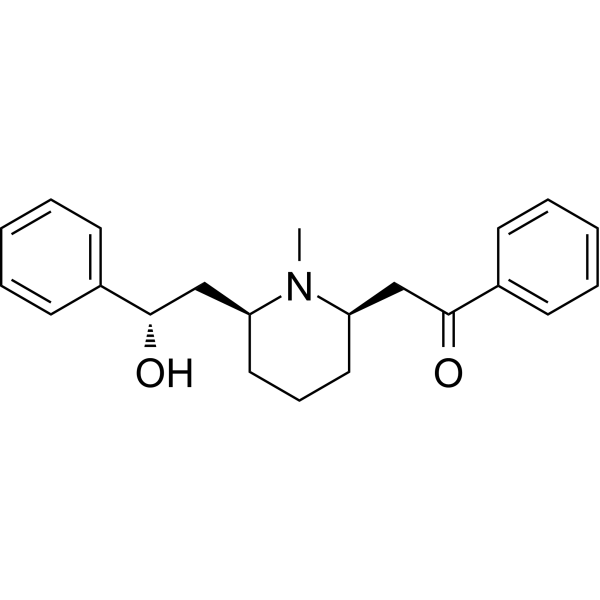
Lobeline (α-Lobeline) is a brain-penetrant nicotinic receptor agonist. Lobeline increases dopamine (DA) release by inhibiting DA uptake into synaptic vesicles, and altering presynaptic DA storage. Lobeline is effective in smoking cessation .
|
-
-
- HY-152170
-
bPiDI
1 Publications Verification
|
nAChR
|
Neurological Disease
|
|
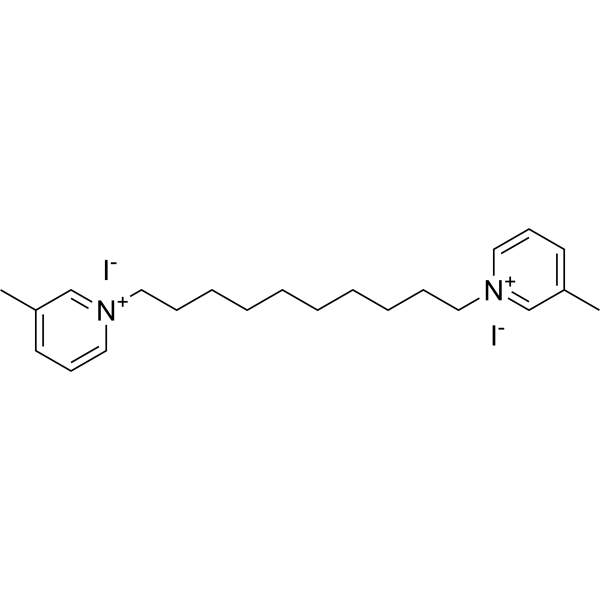
bPiDI is a novel selective α6β2 nicotinic receptor antagonist. bPiDI inhibits nicotine-evoked striatal dopamine (DA) release through an interaction with α6β2-containing nAChRs .
|
-
-
- HY-14608S4
-
-
-
- HY-14608S10
-
|
|
Apoptosis
iGluR
Ferroptosis
Endogenous Metabolite
|
Neurological Disease
|
|
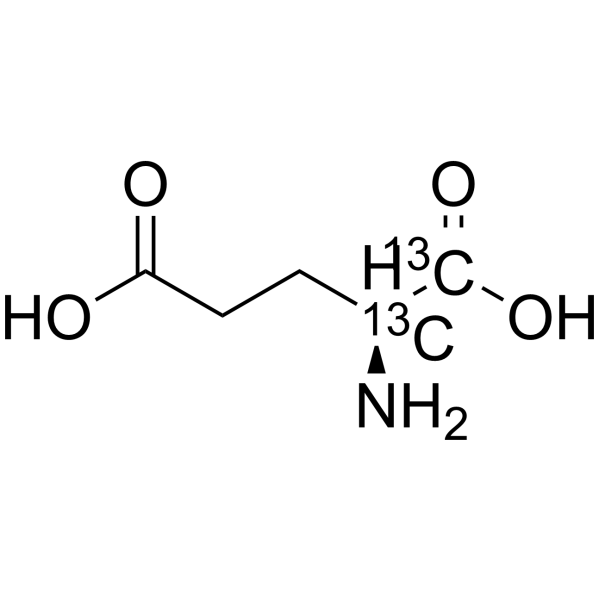
L-Glutamic acid- 13C2 is the 13C labeled L-Glutamic acid . L-Glutamic acid acts as an excitatory transmitter and an agonist at all subtypes of glutamate receptors (metabotropic, kainate, NMDA, and AMPA). L-Glutamic acid shows a direct activating effect on the release of DA from dopaminergic terminals .
|
-
-
- HY-101377A
-
|
(R)-8-Hydroxy-2-dipropylaminotetralin hydrobromide
|
5-HT Receptor
|
Neurological Disease
|
|
R(+)-8-OH-DPAT ((R)-8-Hydroxy-2-dipropylaminotetralin) hydrobromide is a potent 5-HT1A agonist. R(+)-8-OH-DPAT potentiates SUL (HY-B1059)-induced dopamine (DA) release in the medial prefrontal cortex (mPFC) .
|
-

-
- HY-176150
-
|
|
Bombesin Receptor
|
Cancer
|
|
AMTG-DA1 is a Gastrin-releasing peptide receptor (GRPR) ligand. AMTG-DA1 can be used in the study of cancer .
|
-

-
- HY-128420
-
|
α-Lobeline sulfate; L-Lobeline sulfate
|
nAChR
Dopamine Transporter
|
Neurological Disease
|
|
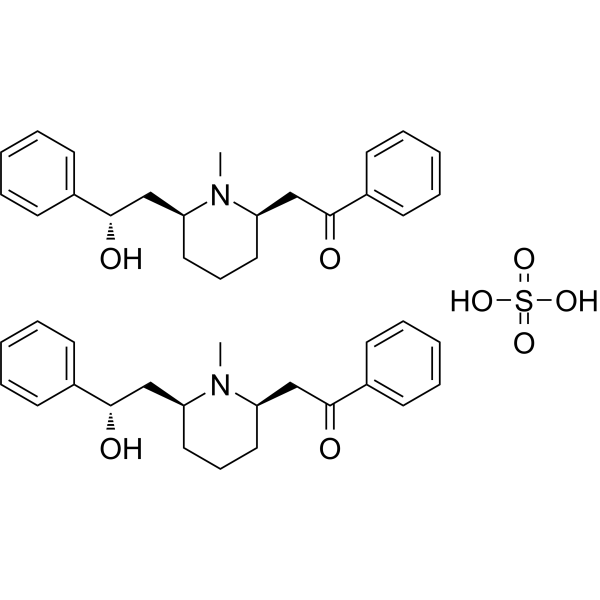
Lobeline (α-Lobeline) sulfate is a brain-penetrant nicotinic receptor agonist. Lobeline sulfate increases dopamine (DA) release by inhibiting DA uptake into synaptic vesicles, and altering presynaptic DA storage. Lobeline sulfate is effective in smoking cessation .
|
-
-
- HY-B0979R
-
|
α-Lobeline hydrochloride (StanDArd); L-Lobeline hydrochloride (StanDArd)
|
Reference Standards
nAChR
Dopamine Transporter
|
Neurological Disease
|
|
Lobeline (hydrochloride) (Standard) is the analytical standard of Lobeline (hydrochloride). This product is intended for research and analytical applications. Lobeline (α-Lobeline) hydrochloride is a brain-penetrant nicotinic receptor agonist. Lobeline hydrochloride increases dopamine (DA) release by inhibiting DA uptake into synaptic vesicles, and altering presynaptic DA storage. Lobeline hydrochloride is effective in smoking cessation .
|
-

-
- HY-107674
-
|
|
nAChR
|
Neurological Disease
|
|
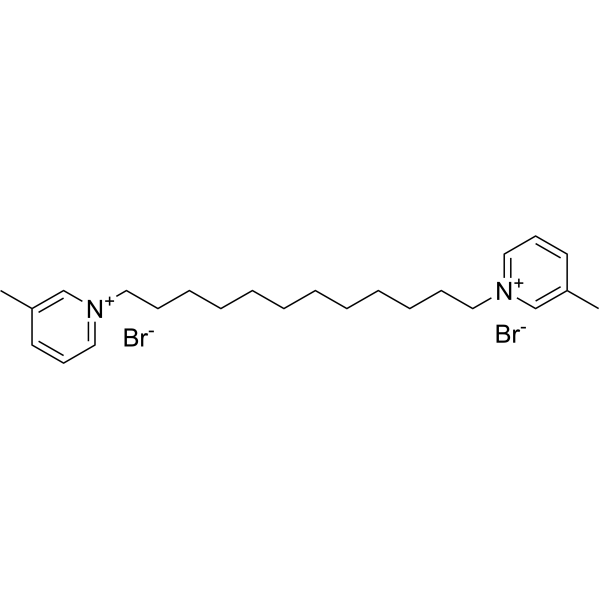
bPiDDB is a potent nAChR antagonist. bPiDDB potently (IC50=2 nM) inhibits nicotine-evoked striatal dopamine (DA) release through an interaction with α6β2-containing nAChRs .
|
-
-
- HY-14608AR
-
|
|
Reference Standards
iGluR
Apoptosis
Ferroptosis
Endogenous Metabolite
|
Neurological Disease
|
|
L-Glutamic acid (monosodium salt) (Standard) is the analytical standard of L-Glutamic acid (monosodium salt). This product is intended for research and analytical applications. L-Glutamic acid monosodium salt is an excitatory amino acid neurotransmitter that acts as an agonist for all subtypes of glutamate receptors (metabolic rhodophylline, NMDA, and AMPA). L-Glutamic acid monosodium salt has an agonist effect on the release of DA from dopaminergic nerve endings. L-Glutamic acid monosodium salt can be used in the study of neurological diseases .
|
-

-
- HY-W681014
-
|
|
5-HT Receptor
Dopamine Receptor
|
Neurological Disease
|
|
5-Fluoro-α-methyltryptamine hydrochloride may cause an increase in intracellular levels of 5-HT followed by an increase in 5-HT release. 5-Fluoro-α-methyltryptamine hydrochloride exhibits EC50 values of 37 nM, 14 nM, 78 nM and 8.47 nM for DA, 5HT, NE and 5-HT2A, respectively .
|
-

-
- HY-169467
-
|
|
5-HT Receptor
Dopamine Receptor
|
Neurological Disease
|
|
5-Chloro-α-methyltryptamine (Compound 7b) is a potent and selective dual DA/5-HT releaser and 5-HT2a agonist. 5-Chloro-α-methyltryptamine releases DA and 5-HT with the EC50 values of 54.3 nM and 16.2 nM, respectively. 5-Chloro-α-methyltryptamine can be used in the study of neurotransmitter .
|
-

-
- HY-167636
-
|
SK&F 89124 bromide
|
Dopamine Receptor
|
Cardiovascular Disease
Neurological Disease
|
|
7-Hydroxy ropinirole (SK&F 89124) bromide is a potent and highly selective DA2 receptor agonist, and a derivative of N,N-di-n-propyldopamine (DPDA). In isolated perfused rabbit ear artery models, 7-Hydroxy ropinirole (bromide) exerts its DA2 agonist effects by inhibiting neurotransmitter release or sympathetic nerve-induced responses. It shows potential for research in the fields of cardiovascular and neurological diseases .
|
-

-
- HY-19186
-
|
CI 1007
|
Dopamine Receptor
|
Neurological Disease
|
|
PD-143188 (CI 1007) is a selective agonist targeting dopamine (DA) receptors, with Ki values of 25.5 nM and 16.6 nM for human D2 and D3 receptors, respectively and lower affinity for D4.2 receptors (Ki=90.9 nM). PD-143188 inhibits DA release, synthesis and metabolism, while reducing cellular cyclic AMP levels, exerting antipsychotic activity. PD-143188 is promising for research of psychopharmacology .
|
-

-
- HY-P3168
-
|
|
Potassium Channel
NO Synthase
|
Cardiovascular Disease
Inflammation/Immunology
|
|
Martentoxin, a 4,046 Da polypeptide toxin, is a large-conductance Ca 2+-activated K + (BKCa) channel inhibitor. Martentoxin attenuates NO release, inhibits iNOS activation and upregulates eNOS mRNA expression in HUVECs induced by TNF-α. Martentoxin can be used for vascular diseases research .
|
-

-
- HY-105330
-
|
|
nAChR
|
Neurological Disease
|
|
SIB 1663 is a conformationally restricted analog of nicotine. SIB-1663 selectively activatedα2β4 and α4β4 human recombinant neuronal nAChRs. SIB 1663 can increase DA and NE release. SIB 1663 can be used for the research of neurological disease .
|
-

-
- HY-14608S9
-
-
-
- HY-W061043
-
|
|
Serotonin Transporter
Dopamine Transporter
|
Neurological Disease
|
|
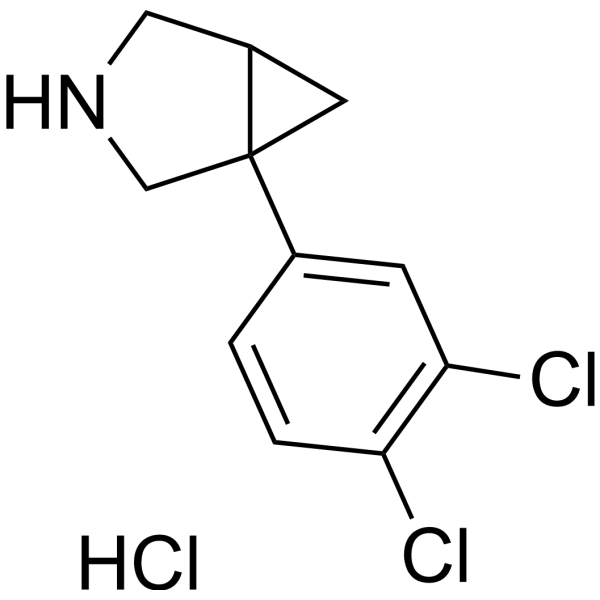
DOV-216,303 is an antidepressant compound. DOV-216,303 inhibits the reuptake of norepinephrine (NE), serotonin (5‐HT), and dopamine (DA), with IC50 values of 14 nM, 20 nM and 78 nM for hSERT, hNET and hDAT, respectively. DOV-216,303 increases monoamine release in the prefrontal cortex of olfactory bulbectomized (OBX) rats .
|
-
-
- HY-114659
-
-

-
- HY-14608S12
-
|
L-Glutamic acid-14C
|
iGluR
Ferroptosis
Apoptosis
|
Neurological Disease
|
|
L-Glutamic acid-14C is L-Glutamic acid (HY-14608) labeled with the radioactive isotope carbon-14. L-Glutamic acid is an excitatory amino acid neurotransmitter and an agonist for all subtypes of glutamate receptors (metabotropic, NMDA, and AMPA). L-Glutamic acid acts as an agonist in the release of DA from dopaminergic nerve terminals and can be used in the study of neurological diseases .
|
-

-
- HY-W016145S
-
|
|
Isotope-Labeled Compounds
Endogenous Metabolite
iGluR
Ferroptosis
Apoptosis
|
Neurological Disease
Metabolic Disease
Inflammation/Immunology
Cancer
|
|
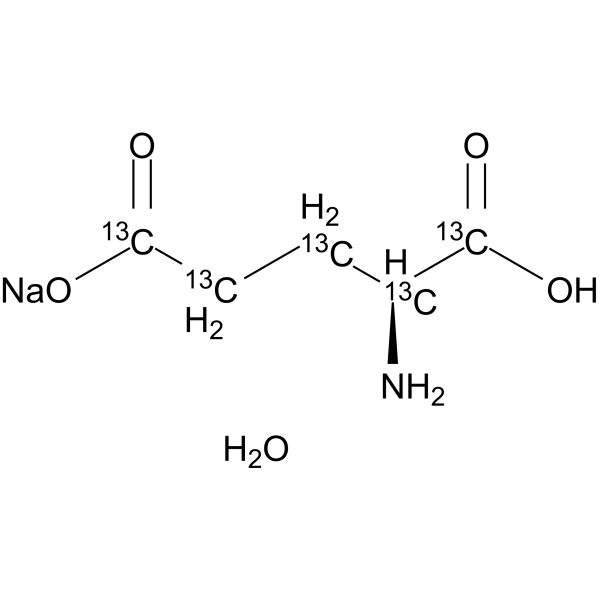
L-Glutamic acid- 13C5 hydrate salt is the 13C labeled L-Glutamic acid hydrate salt. L-Glutamic acid monosodium hydrate is an excitatory amino acid neurotransmitter that acts as an agonist for all subtypes of glutamate receptors (metabolic rhodophylline, NMDA, and AMPA). L-Glutamic acid monosodium hydrate has an agonist effect on the release of DA from dopaminergic nerve endings. L-Glutamic acid monosodium hydrate can be used in the study of neurological diseases. L-Glutamic acid monosodium hydrate acts at ionotropic and?metabotropic glutamate receptors.
|
-
-
- HY-107674R
-
|
|
Reference Standards
nAChR
|
Neurological Disease
|
|
bPiDDB (Standard) is the analytical standard of bPiDDB (HY-107674). This product is intended for research and analytical applications. bPiDDB is a potent nAChR antagonist. bPiDDB potently (IC50=2 nM) inhibits nicotine-evoked striatal dopamine (DA) release through an interaction with α6β2-containing nAChRs .
|
-

| Cat. No. |
Product Name |
Target |
Research Area |
-
- HY-P0048
-
|
Surfagon
|
GnRH Receptor
|
Others
|
|
(Des-Gly10,D-Ala6,Pro-NHEt9)-LHRH (Surfagon, Mwt 1167.34 Da) is an agonist of gonadotropin-releasing hormone (GnRH). (Des-Gly10,D-Ala6,Pro-NHEt9)-LHRH can be used as an internal standard for the LC-MS analysis of leuprorelide acetate. (Des-Gly10,D-Ala6,Pro-NHEt9)-LHRH has potential applications in biochemical analysis and fertility .
|
-
- HY-P3168
-
|
|
Potassium Channel
NO Synthase
|
Cardiovascular Disease
Inflammation/Immunology
|
|
Martentoxin, a 4,046 Da polypeptide toxin, is a large-conductance Ca 2+-activated K + (BKCa) channel inhibitor. Martentoxin attenuates NO release, inhibits iNOS activation and upregulates eNOS mRNA expression in HUVECs induced by TNF-α. Martentoxin can be used for vascular diseases research .
|
| Cat. No. |
Product Name |
Category |
Target |
Chemical Structure |
-
- HY-14608
-
-
-
- HY-14608A
-
-
-
- HY-B0979
-
-
-
- HY-14608R
-
|
|
Structural Classification
Microorganisms
Disease markers
Endocrine diseases
Amino acids
Nervous System Disorder
Endogenous metabolite
Cardiovascular System Disorder
Cancer
Source Classification
|
Reference Standards
Endogenous Metabolite
iGluR
Ferroptosis
Apoptosis
|
L-Glutamic acid (Standard) is the analytical standard of L-Glutamic acid. This product is intended for research and analytical applications. L-Glutamic acid is an excitatory amino acid neurotransmitter that acts as an agonist for all subtypes of glutamate receptors (metabolic rhodophylline, NMDA, and AMPA). L-Glutamic acid has an agonist effect on the release of DA from dopaminergic nerve endings. L-Glutamic acid can be used in the study of neurological diseases .
IC50 & Target:DA .
In Vitro: L-Glutamic acid (120, 500, 750, 1000 mg/dL) can reduce the harmful effect of lithium on the embryonic development of Xenopus Xenopus .
L-Glutamic acid (2, 5, 10, 20 mM, 24-48 h) can induce neuroexcitotoxicity in neuroblastoma .
In Vivo: L-Glutamic acid (3 g/kg, subcutaneous injection) can promote excitotoxic degeneration of retinal ganglion cells in mice .
L-Glutamic acid (750 mg/kg, intraperitoneal injection) can reduce and inhibit oxidative stress induced by chlorpyrifos (CPF) in rats .
|
-
-
- HY-B1423
-
-
-
- HY-128420
-
-
-
- HY-B0979R
-
-
-
- HY-14608AR
-
-
| Cat. No. |
Product Name |
Chemical Structure |
-
- HY-14608S5
-
1 Publications Verification
|
|
L-Glutamic acid- 13C5 is the 13C-labeled L-Glutamic acid. L-Glutamic acid acts as an excitatory transmitter and an agonist at all subtypes of glutamate receptors (metabotropic, kainate, NMDA, and AMPA). L-Glutamic acid shows a direct activating effect on the release of DA from dopaminergic terminals.
|
-
-
- HY-14608S7
-
|
|
|
L-Glutamic acid-d5 is the deuterium labeled L-Glutamic acid. L-Glutamic acid acts as an excitatory transmitter and an agonist at all subtypes of glutamate receptors (metabotropic, kainate, NMDA, and AMPA). L-Glutamic acid shows a direct activating effect on the release of DA from dopaminergic terminals.
|
-
-
- HY-14608S8
-
|
|
|
L-Glutamic acid-d3 is the deuterium labeled L-Glutamic acid. L-Glutamic acid acts as an excitatory transmitter and an agonist at all subtypes of glutamate receptors (metabotropic, kainate, NMDA, and AMPA). L-Glutamic acid shows a direct activating effect on the release of DA from dopaminergic terminals.
|
-
-
- HY-14608S3
-
|
|
|
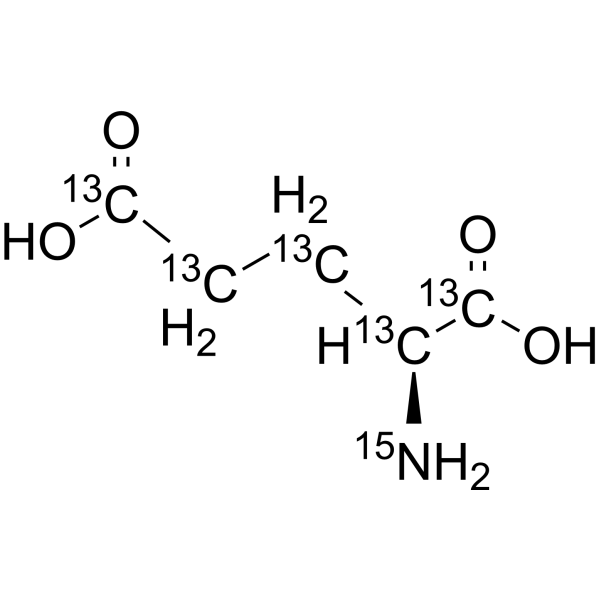
L-Glutamic acid- 13C5, 15N is the 13C- and 15N-labeled L-Glutamic acid. L-Glutamic acid acts as an excitatory transmitter and an agonist at all subtypes of glutamate receptors (metabotropic, kainate, NMDA, and AMPA). L-Glutamic acid shows a direct activating effect on the release of DA from dopaminergic terminals.
|
-
-
- HY-14608S
-
|
|
|
L-Glutamic acid- 13C is the 13C-labeled L-Glutamic acid. L-Glutamic acid acts as an excitatory transmitter and an agonist at all subtypes of glutamate receptors (metabotropic, kainate, NMDA, and AMPA). L-Glutamic acid shows a direct activating effect on the release of DA from dopaminergic terminals.
|
-
-
- HY-14608S2
-
|
|
|
L-Glutamic acid- 15N is the 15N-labeled L-Glutamic acid. L-Glutamic acid acts as an excitatory transmitter and an agonist at all subtypes of glutamate receptors (metabotropic, kainate, NMDA, and AMPA). L-Glutamic acid shows a direct activating effect on the release of DA from dopaminergic terminals .
|
-
-
- HY-14608S1
-
|
|
|
L-Glutamic acid-1- 13C is the 13C-labeled L-Glutamic acid. L-Glutamic acid acts as an excitatory transmitter and an agonist at all subtypes of glutamate receptors (metabotropic, kainate, NMDA, and AMPA). L-Glutamic acid shows a direct activating effect on the release of DA from dopaminergic terminals.
|
-
-
- HY-14608S6
-
|
|
|
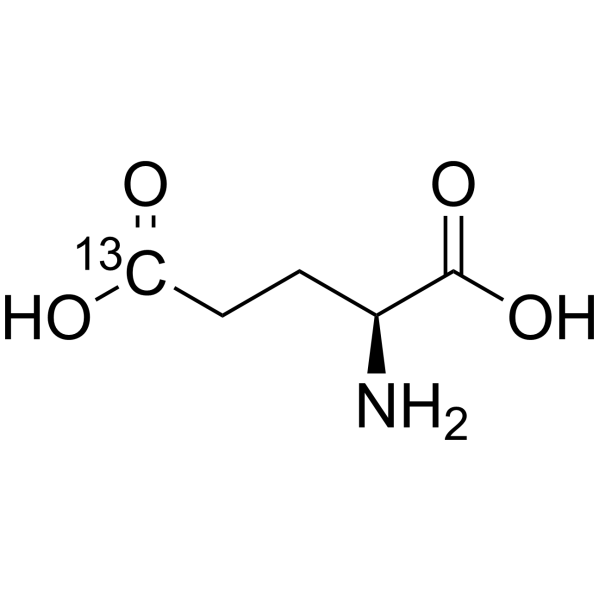
L-Glutamic acid-5- 13C is the 13C-labeled L-Glutamic acid. L-Glutamic acid acts as an excitatory transmitter and an agonist at all subtypes of glutamate receptors (metabotropic, kainate, NMDA, and AMPA). L-Glutamic acid shows a direct activating effect on the release of DA from dopaminergic terminals.
|
-
-
- HY-14608S4
-
|
|
|
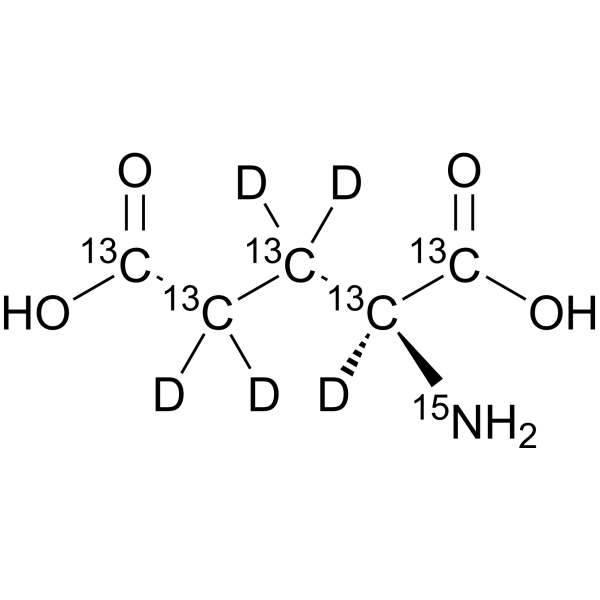
L-Glutamic acid- 13C5, 15N,d5 is the deuterium, 13C-, and 15-labeled L-Glutamic acid. L-Glutamic acid acts as an excitatory transmitter and an agonist at all subtypes of glutamate receptors (metabotropic, kainate, NMDA, and AMPA). L-Glutamic acid shows a direct activating effect on the release of DA from dopaminergic terminals.
|
-
-
- HY-14608S10
-
|
|
|
L-Glutamic acid- 13C2 is the 13C labeled L-Glutamic acid . L-Glutamic acid acts as an excitatory transmitter and an agonist at all subtypes of glutamate receptors (metabotropic, kainate, NMDA, and AMPA). L-Glutamic acid shows a direct activating effect on the release of DA from dopaminergic terminals .
|
-
-
- HY-14608S9
-
|
|
|
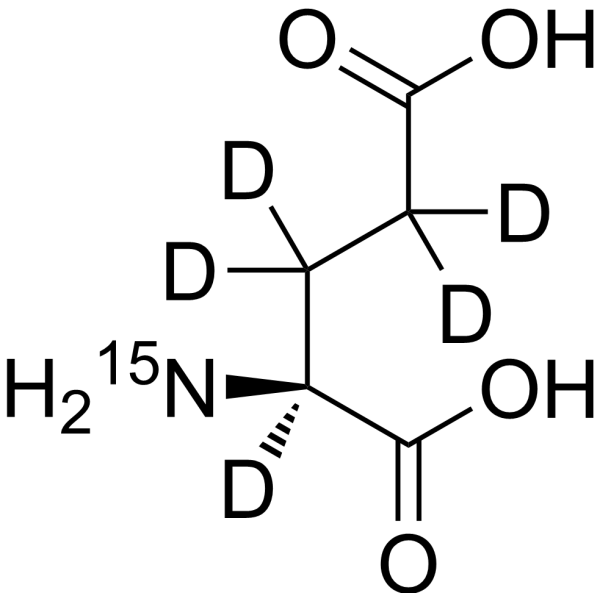
L-Glutamic acid- 15N,d5 is the deuterium and 15N-labeled L-Glutamic acid. L-Glutamic acid acts as an excitatory transmitter and an agonist at all subtypes of glutamate receptors (metabotropic, kainate, NMDA, and AMPA). L-Glutamic acid shows a direct activating effect on the release of DA from dopaminergic terminals.
|
-
-
- HY-W016145S
-
|
|
|
L-Glutamic acid- 13C5 hydrate salt is the 13C labeled L-Glutamic acid hydrate salt. L-Glutamic acid monosodium hydrate is an excitatory amino acid neurotransmitter that acts as an agonist for all subtypes of glutamate receptors (metabolic rhodophylline, NMDA, and AMPA). L-Glutamic acid monosodium hydrate has an agonist effect on the release of DA from dopaminergic nerve endings. L-Glutamic acid monosodium hydrate can be used in the study of neurological diseases. L-Glutamic acid monosodium hydrate acts at ionotropic and?metabotropic glutamate receptors.
|
-
Your information is safe with us. * Required Fields.
Inquiry Information
- Product Name:
- Cat. No.:
- Quantity:
- MCE Japan Authorized Agent:








