1. Search Result
Search Result
Results for "

ERGIC

" in MedChemExpress (MCE) Product Catalog:

36

Inhibitors & Agonists

2

Peptides

2

Inhibitory Antibodies

1

Natural
Products

1

Recombinant Proteins

2

Antibodies

6

Oligonucleotides

Cat. No. Product Name Target Research Areas Chemical Structure
  • HY-W193545A
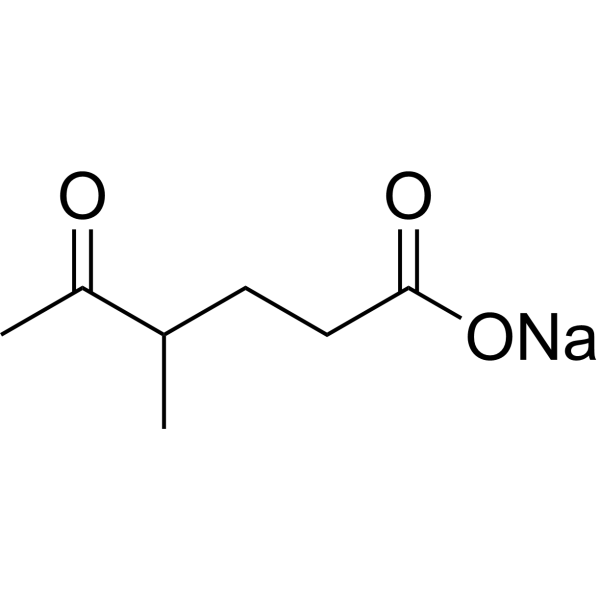
    ERG240
    5 Publications Verification

    Aminotransferases (Transaminases) Inflammation/Immunology Cancer
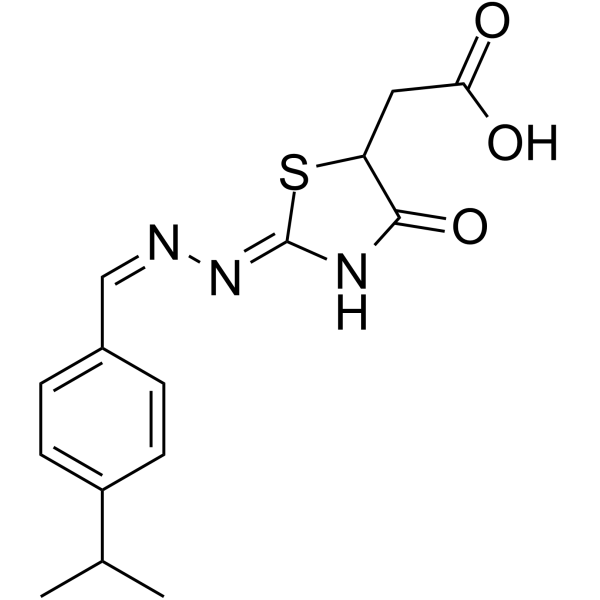
    ERG240 is an oral active branched-chain amino acid aminotransferase 1 (BCAT1) inhibitor. ERG240 can be used for the research of cancer, rheumatoid arthritis, and bone disease .
    ERG240
  • HY-A0148A
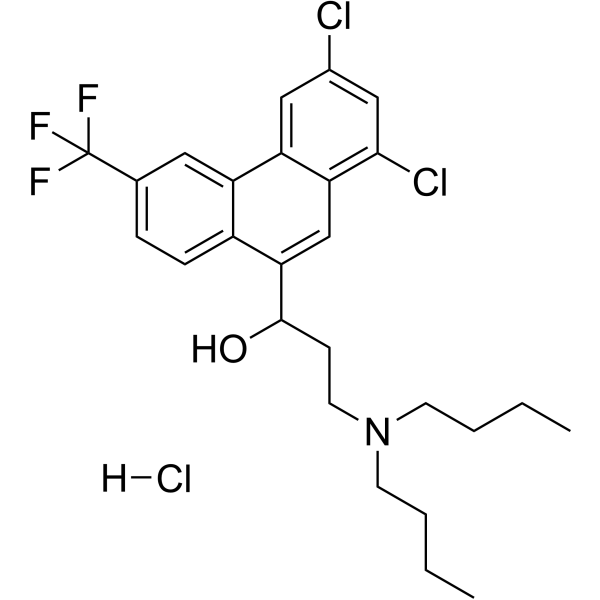
    Halofantrine hydrochloride
    2 Publications Verification

    SKF-102886; WR-171669 hydrochloride

    Parasite Fungal Reactive Oxygen Species (ROS) Potassium Channel Infection
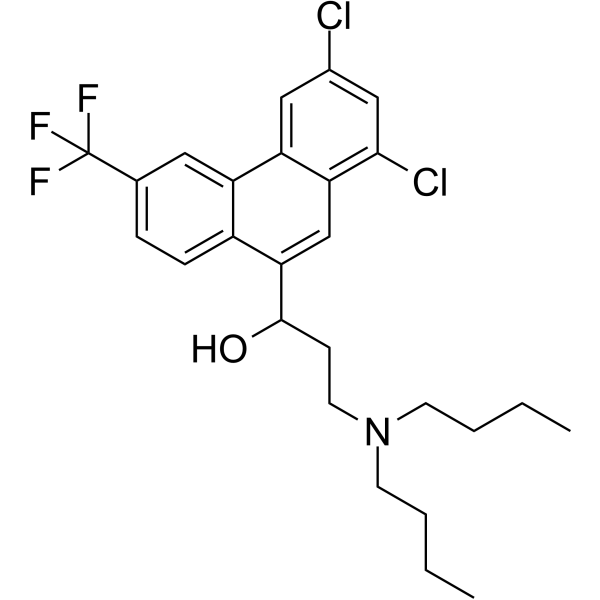
    Halofantrine hydrochloride (SKF-102886 hydrochloride; WR-171669 hydrochloride) is a blocker that delays the delayed rectifier potassium current by inhibiting human ERG channels, and it is a potent antimalarial agent with oral activity. Halofantrine hydrochloride inhibits the Cap1-dependent oxidative stress response of Candida albicans, suppresses ROS responses, and enhances the antifungal (Fungal) activity of oxidative damage agents. Halofantrine hydrochloride exhibits antifungal activity in the Galleria mellonella model, and shows antimalarial activity against Plasmodium strains both in vitro and in animal models. Halofantrine hydrochloride can be used in studies related to invasive candidiasis, falciparum malaria, and vivax malaria .
    Halofantrine hydrochloride
  • HY-112158
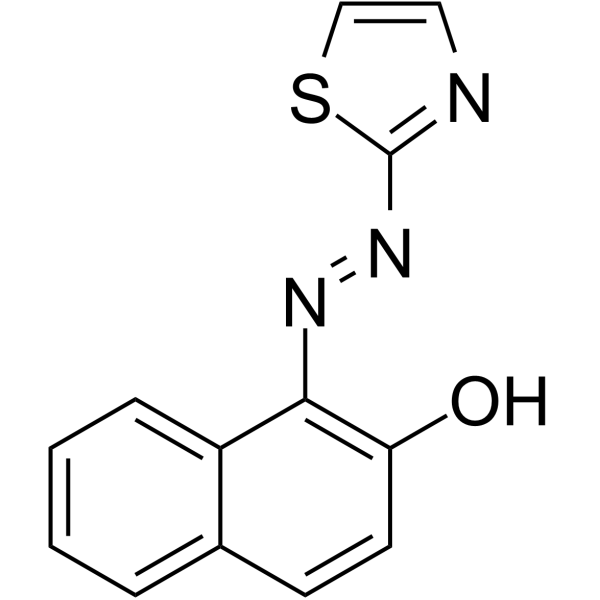
    NSC139021
    1 Publications Verification

    ERGi-USU

    RIO Kinase Cancer
    NSC139021 (ERGi-USU) is a RIOK2 inhibitor with anticancer activity. RIOK2 can highly selectively inhibit the growth of ERG-positive cancer cells with IC50s of 30-400 nM against cell lines. RIOK2 also causes cell cycle arrest and apoptosis in glioblastoma via induction of Skp2 and Skp2-p27/p21-Cyclin E/CDK2-pRb signaling .
    NSC139021
  • HY-162351

    Emopamil Binding Protein Metabolic Disease
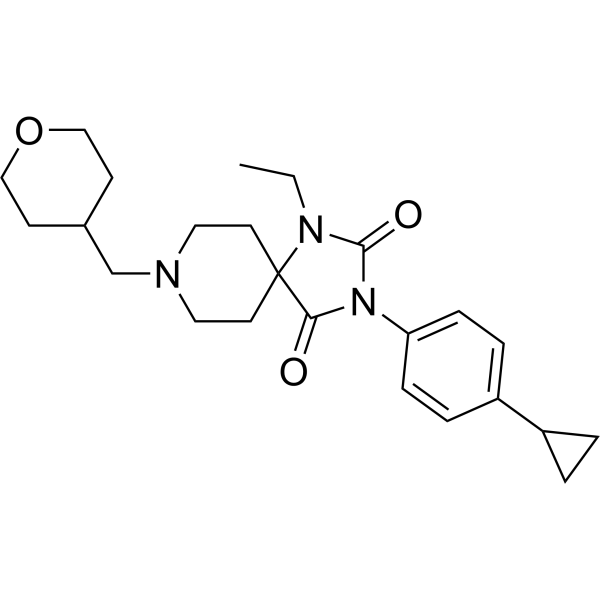
    EBP-IN-1 is an orally active, blood-brain barrier-permeable inhibitor of emopamil binding protein (EBP). EBP-IN-1 has an IC50 of 8.2 μM against human ERG potassium channels (in CHO background). By inhibiting the sterol isomerase activity of EBP, EBP-IN-1 causes the accumulation of Zymostenol (HY-113345), and exhibits strong target binding in the brain after repeated administration in rodents. EBP-IN-1 also promotes oligodendrocyte formation in human cortical organoids and can be used in research related to multiple sclerosis .
    EBP-IN-1
  • HY-159730

    Aminotransferases (Transaminases) Inflammation/Immunology Cancer
    ERG245 is a selective amino acid aminotransferase (BCAT1) inhibitor with a human IC50 of 0.5 nM. ERG245 enhances oxidative phosphorylation (OXPHOS) in CD8 + T cells by specifically inhibiting BCAT1 activity, thereby increasing the cytotoxicity of CD8 + T cells. ERG245 shows anti-inflammatory and anti-tumor activities. ERG245 can be used for the researches of cancer anf inflammation, such as colitis and colon cancer .
    ERG245
  • HY-122234

    DNA/RNA Synthesis Cancer
    VPC-18005 inhibits ERG-induced transcription and interacts directly with the ERG-ETS domain, and disrupts the ERG binding to DNA. VPC-18005 is a potent inhibitor of luciferase activity .
    VPC-18005
  • HY-16915
    RPR-260243
    1 Publications Verification

    Potassium Channel Cardiovascular Disease
    RPR-260243, a potent activator of human ether-a-go-go-related gene (hERG), slows deactivation and attenuates inactivation of hERG1 channels. RPR260243-modified HERG currents are inhibited by Dofetilide (IC50=58 nM). RPR260243 displays no activator-like effects on other voltage-dependent ion channels, including the closely related ERG3 K+ channel . RPR-260243 is a click chemistry reagent, it contains an Alkyne group and can undergo copper-catalyzed azide-alkyne cycloaddition (CuAAc) with molecules containing Azide groups.
    RPR-260243
  • HY-N7848

    Linoleic acid amide

    Calcium Channel Metabolic Disease
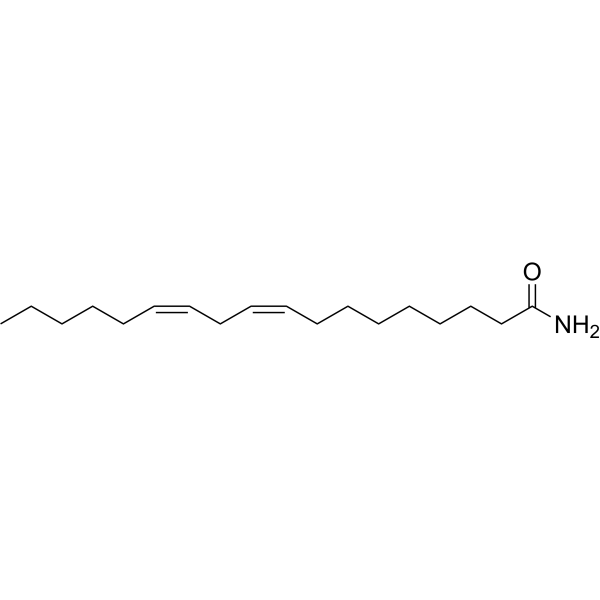
    Linoleamide is a linoleic acid amide. Linoleamide regulates Ca (II) ux and inhibits the erg current .
    Linoleamide
  • HY-139893

    RIO Kinase Cancer
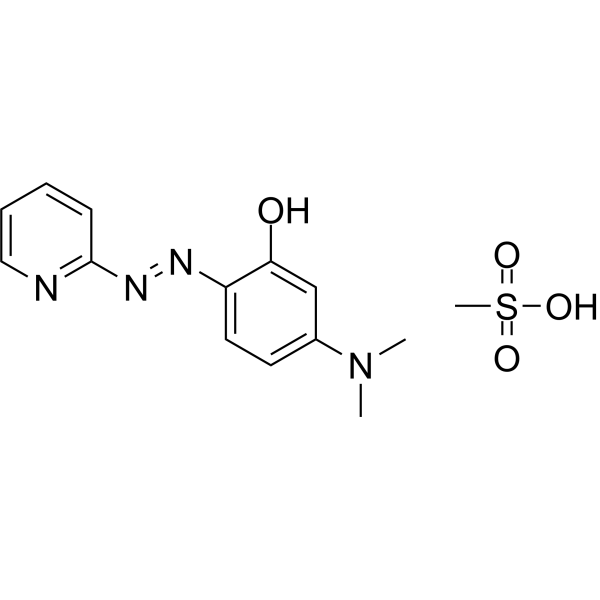
    ERGi-USU-6 mesylate (Compound 7b) is an inhibitor of ERG and RIOK2 (IC50 values: 0.17 and 0.13 μM in VCaP cells, respectively). ERGi-USU-6 mesylate exhibits anticancer activity against ERG-positive prostate cancer .
    ERGi-USU-6 mesylate
  • HY-121964

    iGluR Neurological Disease
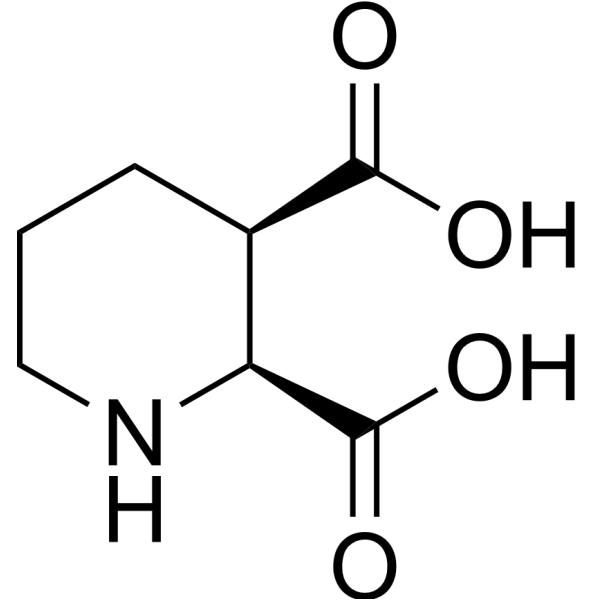
    Cis-piperidine-2,3-dicarboxylic acid is a non-specific antagonist of NMDA, AMPA and kainate ionotropic receptors and a partial agonist for NMDA receptors. Cis-piperidine-2,3-dicarboxylic acid can be used in blocking general excitatory synaptic transmissions .
    cis-Piperidine-2,3-dicarboxylic acid
  • HY-108592

    Potassium Channel Cardiovascular Disease Neurological Disease
    UCL 2077 is a potassium channel and slow afterhyperpolarization (sAHP) inhibitor. UCL 2077 selectively blocks sAHP channels without affecting L-type Ca 2+ currents. UCL 2077 blocks KCNQ1- and KCNQ2-containing K + channels, decreases erg current amplitude, increases erg deactivation rate. UCL 2077 can be used for the research of hippocampus-dependent memory retrieval deficit and cardiac arrhythmias .
    UCL 2077
  • HY-A0148

    SKF-102886 free base; WR-171669

    Parasite Fungal Potassium Channel Reactive Oxygen Species (ROS) Infection Cancer
    Halofantrine (SKF-102886 hydrochloride; WR-171669 hydrochloride) is a blocker that delays the delayed rectifier potassium current by inhibiting human ERG channels, and it is a potent antimalarial agent with oral activity. Halofantrine inhibits the Cap1-dependent oxidative stress response of Candida albicans, suppresses ROS responses, and enhances the antifungal (Fungal) activity of oxidative damage agents. Halofantrine exhibits antifungal activity in the Galleria mellonella model, and shows antimalarial activity against Plasmodium strains both in vitro and in animal models. Halofantrine can be used in studies related to invasive candidiasis, falciparum malaria, and vivax malaria .
    Halofantrine
  • HY-144694

    HSP HDAC Fungal Infection
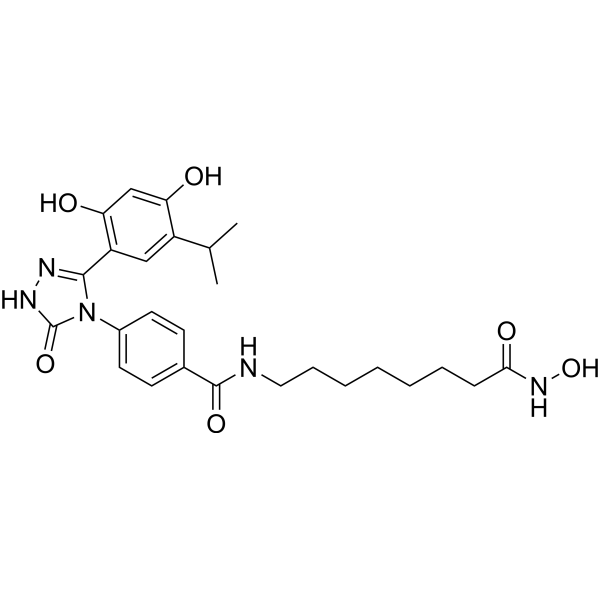
    HDAC/HSP90-IN-3 (compound J5) is a potent and selective fungal Hsp90 and HDAC dual inhibitor, with IC50 values of 0.83 and 0.91 μM, respectively. HDAC/HSP90-IN-3 shows antifungal activity against azole resistant C. albicans. HDAC/HSP90-IN-3 can suppress important virulence factors and down-regulate drug-resistant genes ERG11 and CDR1 .
    HDAC/HSP90-IN-3
  • HY-145814

    HSP Fungal Infection
    HSP90-IN-9 is a potent and selective HSP90 inhibitor. HSP90-IN-9 displays a fungicidal effect in a dose-dependent manner. HSP90-IN-9 inhibits fungal biofilm formation and fungal morphological changes after being combined with FLC. HSP90-IN-9 recovers FLC resistance by down-regulating the expression of related genes (ERG11, CDR1 and CDR2) .
    HSP90-IN-9
  • HY-175663

    RPE65 Metabolic Disease
    EYE-002 is a RPE65 inhibitor with an IC50 of 69 nM. EYE-002 promotes recovery of scotopic ERG a-/b-wave amplitudes. EYE-002 regulates the visual cycle in mice by reducing 11-cis-retinal (11cRAL) (HY-116711) synthesis and increasing all-trans-retinyl esters (atREs). EYE-002 exerts protective effects against photic retinal damage in mice. EYE-002 can be used for the study of visual cycle-associated retinopathies, such as Stargardt disease type 1 (STGD1) .
    EYE-002
  • HY-175664

    RPE65 Metabolic Disease
    EYE-003 is an orally active RPE65 inhibitor with an IC50 of 102 nM. EYE-003 regulates the visual cycle in mice by reducing 11-cis-retinal (11cRAL) (HY-116711) synthesis and increasing all-trans-retinyl esters (atREs). EYE-003 suppresses scotopic ERG b-wave amplitude and exerts protective effects against retinal degeneration in Abca4 ⁻/⁻ Rdh8 ⁻/⁻ mice (a STGD1 model) by reducing retinal autofluorescent puncta and preserving outer nuclear layer (ONL) thickness in a dose-dependent manner. EYE-003 can be used for the study of visual cycle-associated retinopathies, such as Stargardt disease type 1 (STGD1) .
    EYE-003
  • HY-P1426

    Potassium Channel Neurological Disease
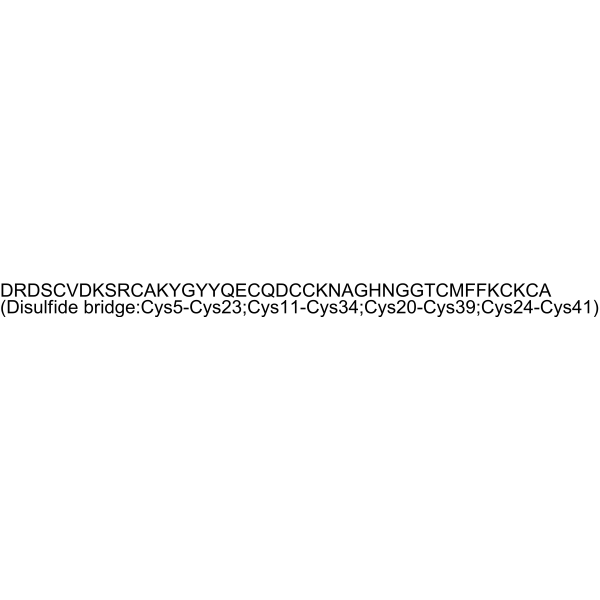
    AmmTX3 is a peptide toxin identified from the venom of the scorpion Androctonus mauretanicus. AmmTX3 is a highly specific blocker of Kv4 channels, which selectively and almost completely blocks transient A-type K + currents with a Ki of 131 nM. AmmTX3 induces epileptiform behaviors and causes death in mice receiving intracerebroventricular injection. AmmTX3 increases the excitability of dentate gyrus granule cells, reduces GABAergic inhibition, enhances and stabilizes the EPSP-spike component of long-term potentiation, and impairs reference memory. AmmTX3 can be used in research related to pain, epilepsy, and autism spectrum disorder .
    AmmTX3
  • HY-RS04493

    Small Interfering RNA (siRNA) Others

    ERGIC1 Human Pre-designed siRNA Set A contains three designed siRNAs for ERGIC1 gene (Human), as well as a negative control, a positive control, and a FAM-labeled negative control.

    ERGIC1 Human Pre-designed siRNA Set A
    ERGIC1 Human Pre-designed siRNA Set A
  • HY-RS04494

    Small Interfering RNA (siRNA) Others

    ERGIC3 Human Pre-designed siRNA Set A contains three designed siRNAs for ERGIC3 gene (Human), as well as a negative control, a positive control, and a FAM-labeled negative control.

    ERGIC3 Human Pre-designed siRNA Set A
    ERGIC3 Human Pre-designed siRNA Set A
  • HY-P991886

    Complement System Neurological Disease
    ANX-M1 is a blood-brain barrier-permeable anti-C1q antibody. ANX-M1 can slow down the progression of retinal degeneration following photo-oxidative damage. ANX-M1 has been incorporated into nanocarriers to evaluate its brain delivery efficacy in a mouse model of Alzheimer's disease. ANX-M1 is applicable for research on age-related macular degeneration and Alzheimer's disease [1] .
    ANX-M1 (Human IgG1)
  • HY-RS23146

    Small Interfering RNA (siRNA) Others

    Erg Rat Pre-designed siRNA Set A contains three designed siRNAs for Erg gene (Rat), as well as a negative control, a positive control, and a FAM-labeled negative control.

    Erg Rat Pre-designed siRNA Set A
    Erg Rat Pre-designed siRNA Set A
  • HY-RS04491

    Small Interfering RNA (siRNA) Others

    ERG Human Pre-designed siRNA Set A contains three designed siRNAs for ERG gene (Human), as well as a negative control, a positive control, and a FAM-labeled negative control.

    ERG Human Pre-designed siRNA Set A
    ERG Human Pre-designed siRNA Set A
  • HY-RS04492

    Small Interfering RNA (siRNA) Others

    ERG28 Human Pre-designed siRNA Set A contains three designed siRNAs for ERG28 gene (Human), as well as a negative control, a positive control, and a FAM-labeled negative control.

    ERG28 Human Pre-designed siRNA Set A
    ERG28 Human Pre-designed siRNA Set A
  • HY-117744

    Pim Endocrinology Cancer
    NMS-P645 is a PIM1 inhibitor. NMS-P645 exhibits anti-proliferative activity when combined with GDC-0941 (HY-50094) in TMPRSS2/ERG positive and negative PCa cells. NMS-P645 can reverse PIM1-induced pro-survival signals in prostate cells. NMS-P645 can be studied in research on prostate cancer .
    NMS-P645
  • HY-P5806

    ErgTx1

    Potassium Channel Neurological Disease
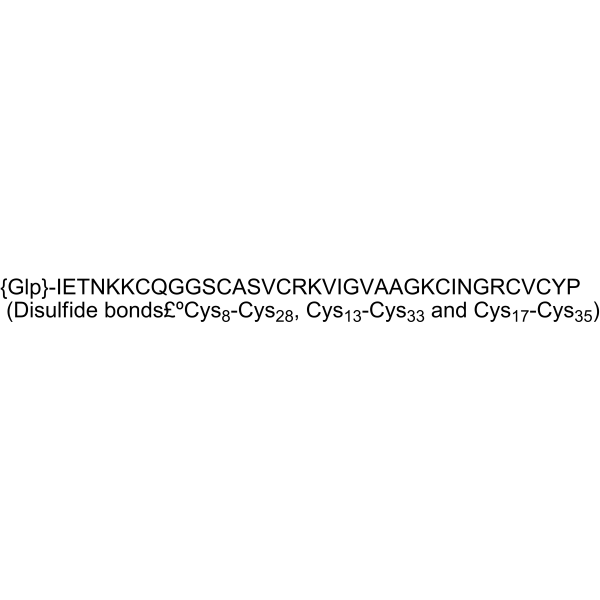
    Ergtoxin-1 is a potassium channel blocker. Ergtoxin-1 is isolated from the venom of the Mexican scorpion Centruroides noxius. Ergtoxin 1 can block ERG-K + channels in nerve, heart and endocrine cells .
    Ergtoxin-1
  • HY-W749520

    Dihydrofolate reductase (DHFR) Metabolic Disease
    Zymosterone is converted into zymosterol, an intermediate in cholesterol synthesis, through the action of the enzyme hydroxysteroid (17β) dehydrogenase 7 (HSD17B7), and this transformation, catalyzed by 3-keto sterol reductase (ERG27), plays a crucial role in the biosynthesis of ergosterol in yeast.
    Zymosterone
  • HY-116445

    Dopamine Receptor Neurological Disease
    UNC9975 is a D2R agonist that displays signaling bias via β-arrestin–ergic signaling and a simultaneously antagonist of Gi-regulated cAMP production and partial agonist for D2R/β-arrestin-2 interactions. UNC9975 can be utilized in antipsychotic research .
    UNC9975
  • HY-117523

    (Z)-Tyrphostin RG13022

    EGFR Cancer
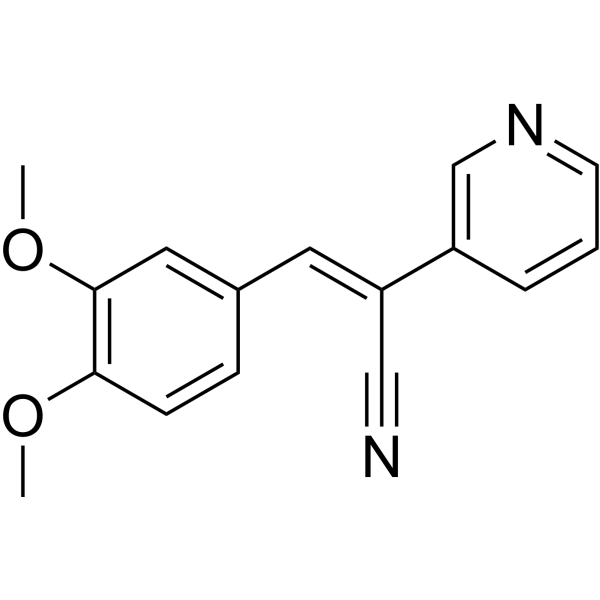
    (Z)-RG-13022 is a tyrosine kinase (TK) inhibitor, which inhibits preferentially the TK activity of the EGF receptor and inhibits EGF-stimulated growth of cultured cells. (Z)-RG-13022 exerts an IC50 of 11 μM for DNA synthesis in the HN5 cells, which is 3 times more potent than (E)-RG-13022 (IC50=38 μM). (Z)-RG-13022 can be used for research of breast cancer cells .
    (Z)-RG-13022
  • HY-159585

    Cytochrome P450 Fungal Infection
    CYP51-IN-20 (compound 5b) is an inhibitor of CYP51 and has antifungal activity. CYP51-IN-20 has a significant inhibitory effect on Candida albicans ATCC 10231, downregulates ERG11 (Cyp51) gene expression, and significantly reduces the yeast-to-hyphae morphological transition. CYP51-IN-20 can synergize with Voriconazole (HY-76200) to occupy the entire CYP51 binding site and exert a synergistic inhibitory effect in the Glechoma moth model .
    CYP51-IN-20
  • HY-A0148AR

    SKF-102886 (Standard); WR-171669 hydrochloride (Standard)

    Reference Standards Parasite Fungal Potassium Channel Reactive Oxygen Species (ROS) Infection
    Halofantrine hydrochloride (Standard) is the analytical standard of Halofantrine hydrochloride. This product is intended for research and analytical applications. Halofantrine hydrochloride (SKF-102886 hydrochloride; WR-171669 hydrochloride) is a blocker that delays the delayed rectifier potassium current by inhibiting human ERG channels, and it is a potent antimalarial agent. Halofantrine hydrochloride inhibits the Cap1-dependent oxidative stress response of Candida albicans, suppresses ROS responses, and enhances the antifungal (Fungal) activity of oxidative damage agents. Halofantrine hydrochloride exhibits antifungal activity in the Galleria mellonella model, and shows antimalarial activity against Plasmodium strains both in vitro and in animal models. Halofantrine hydrochloride can be used in studies related to invasive candidiasis, falciparum malaria, and vivax malaria.
    Halofantrine hydrochloride (Standard)
  • HY-180918

    Potassium Channel Pregnane X Receptor (PXR) Cancer
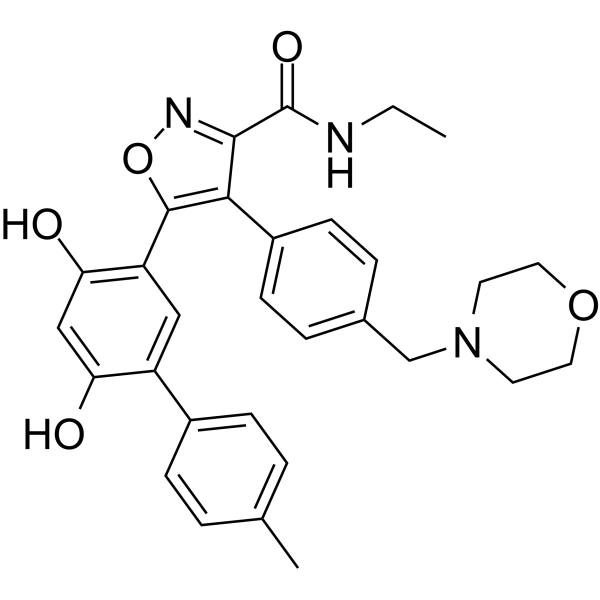
    ERG-IN-4 (Compound 12) is an orally active, selective ERG inhibitor with an IC50 of 5.2 μM for hERG. ERG-IN-4 activates PXR. ERG-IN-4 exhibits anticancer activity against MTAP-deleted non-small cell lung cancer .
    ERG-IN-4
  • HY-180919

    Potassium Channel Drug Metabolite Cancer
    ERG-IN-5 (Compound M1) is a metabolite of ERG-IN-4 (HY-180918), and it is a hERG potassium channel inhibitor with an IC50 of 1.5 μM. ERG-IN-5 is cytotoxic to MTAP del HCT116 and its CC50 is 28 nM. ERG-IN-5 can be used for the study of colon cancer .
    ERG-IN-5
  • HY-181103

    Opioid Receptor Potassium Channel Neurological Disease
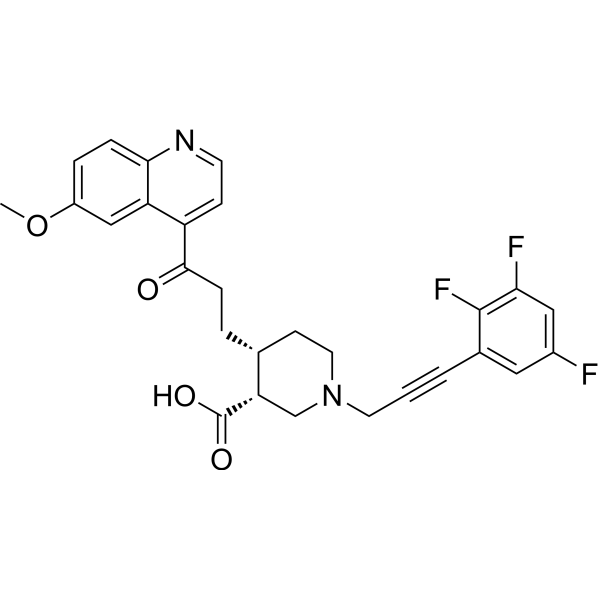
    ERG-IN-6 (compound (+)-(S)-5a) is a μ-opioid receptor activator with an EC50 of 0.12 nM. ERG-IN-6 also is a hERG (Kv11.1) potassium channel inhibitor with an IC50 of 0.681 μM. ERG-IN-6 can be used for the research of pain .
    ERG-IN-6
  • HY-RS16711

    Small Interfering RNA (siRNA) Others

    Erg Mouse Pre-designed siRNA Set A contains three designed siRNAs for Erg gene (Mouse), as well as a negative control, a positive control, and a FAM-labeled negative control.

    Erg Mouse Pre-designed siRNA Set A
    Erg Mouse Pre-designed siRNA Set A
  • HY-Y0282

    NSC 77384; Sanibrom 40

    Environmental Pollutants Neurological Disease
    Sodium bromide (NSC 77384; Sanibrom 40) is a GABA-ergic system modulator that crosses the blood-brain barrier, and it effectively reduces and blocks epileptiform discharges. Sodium bromide exerts significant anticonvulsant effects by enhancing GABA-ergic inhibitory functions, such as increasing the amplitude of inhibitory postsynaptic currents and paired-pulse inhibition. Sodium bromide specifically enhances stimulation-induced extracellular alkalosis without affecting baseline pH or subsequent acidosis processes. Sodium bromide exhibits species-specific pharmacokinetic characteristics, competes with chloride ions for renal tubular reabsorption sites, and serves as a marker for extracellular fluid volume. Sodium bromide can be used in the research of epilepsy and related neurological diseases .
    Sodium bromide
  • HY-124057

    nAChR Neurological Disease
    RO5126946 is a selective, orally active α7 nAChR allosteric potentiator with EC50 values of 0.06 μM (hα7 nAChR) and 770 nM (α7 nAChR), and it crosses the blood-brain barrier. RO5126946 enhances synaptic transmission and positively modulates GABA-ergic responses by increasing peak current, slowing current decay, and elevating the frequency of spontaneous inhibitory postsynaptic currents, without affecting the recovery of receptors from the desensitized state. RO5126946 not only enhances subthreshold nicotine effects and improves associative learning, but also does not interfere with the original pro-cognitive effects of nicotine. RO5126946 can be used to study cognitive impairments associated with diseases such as Alzheimer's disease and schizophrenia .
    RO5126946

Inquiry Online

Your information is safe with us. * Required Fields.

Salutation


Country or Region *

Applicant Name *


Organization Name *

Department *


Email Address *


Product Name *

Cat. No.


Requested quantity *

Phone Number *


Remarks

Inquiry Online

Inquiry Information

Product Name:
Cat. No.:
Quantity:
MCE Japan Authorized Agent: