1. Search Result
Search Result
Results for "

GCN

" in MedChemExpress (MCE) Product Catalog:

36

Inhibitors & Agonists

1

Recombinant Proteins

6

Antibodies

1

Oligonucleotides

Cat. No. Product Name Target Research Areas Chemical Structure
  • HY-129039
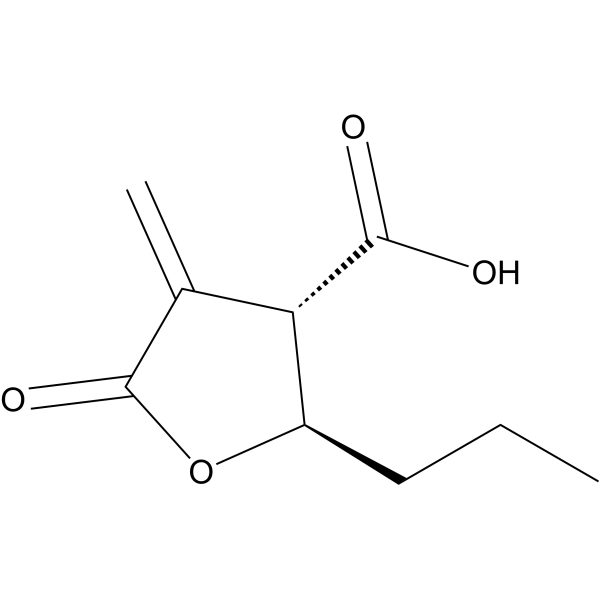
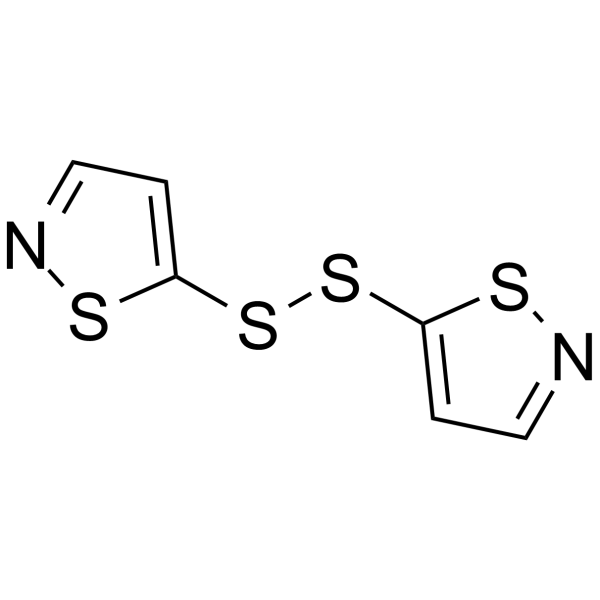
    Butyrolactone 3
    10+ Cited Publications

    MB-3

    Histone Acetyltransferase Neurological Disease Metabolic Disease Inflammation/Immunology Cancer
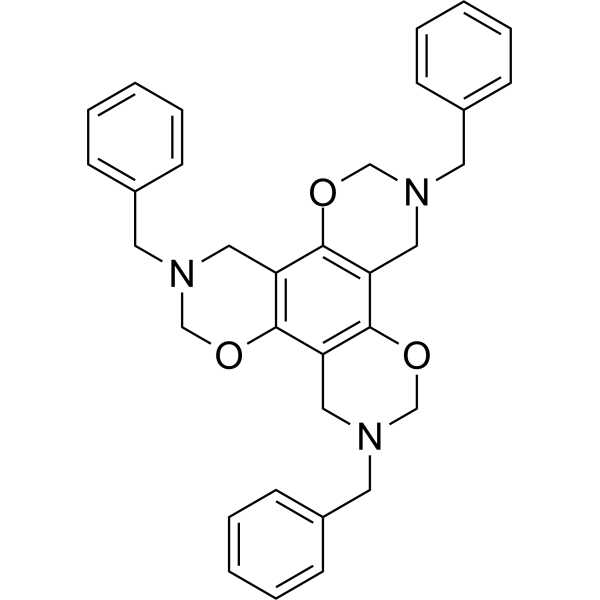
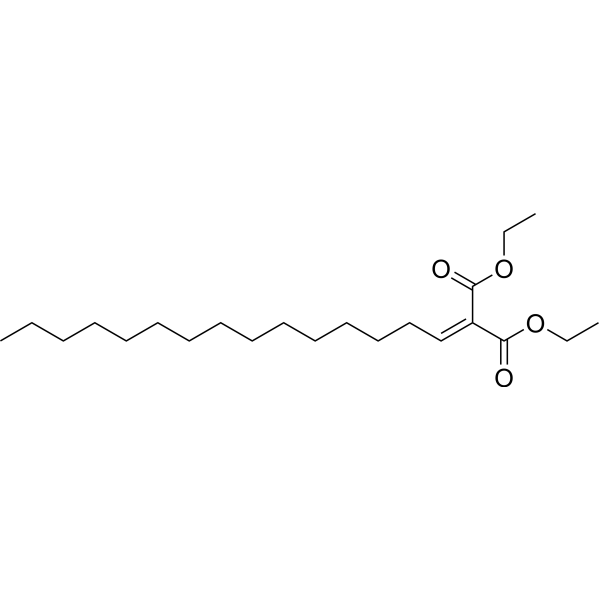
    Butyrolactone 3 (MB-3) is a specifical small-molecule inhibitor of the histone acetyltransferase Gcn5 (IC50=100 μM), which has a high affinity to the Gcn5 enzyme comparable to that of its natural substrate, histone H3. Butyrolactone 3 shows weak inhibitory on CBP (IC50=0.5 mM). Butyrolactone 3 can be used in studies of cancer, metabolic, autoimmune and neurological diseases .
    Butyrolactone 3
  • HY-112654
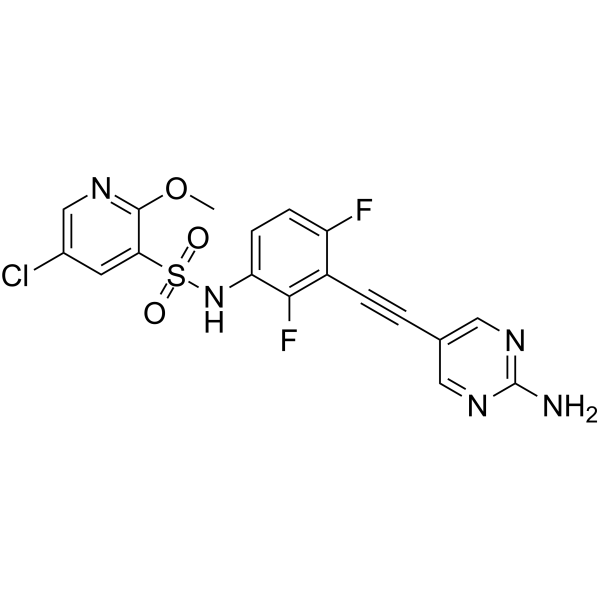
    GCN2iB
    Maximum Cited Publications
    60 Publications Verification

    Eukaryotic Initiation Factor (eIF) Glutathione Peroxidase Cardiovascular Disease Metabolic Disease Cancer
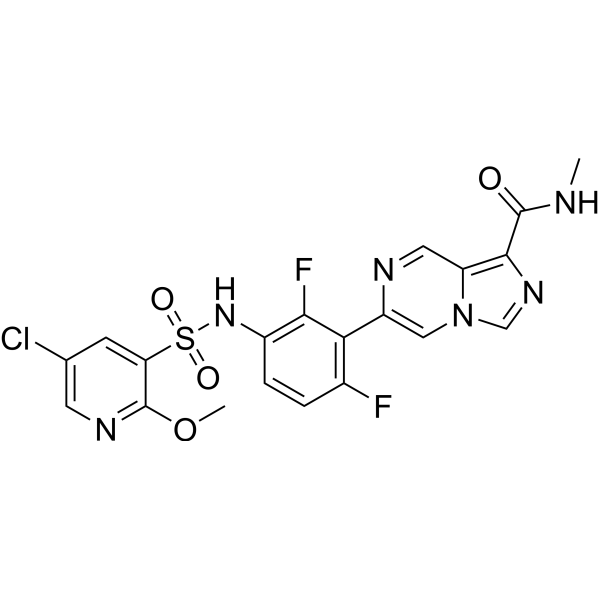
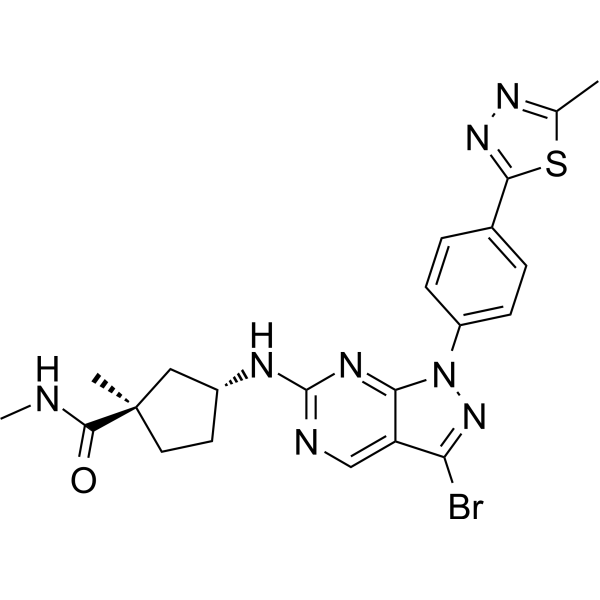
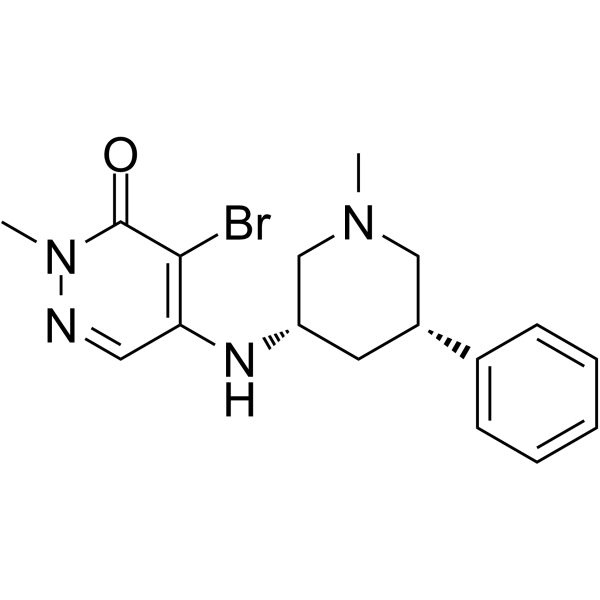
    GCN2iB is an ATP-competitive, selective GCN2 inhibitor with an IC50 of 2.4 nM. GCN2iB inhibits the activation of the GCN2 pathway and upregulates GPX4. GCN2iB enhances the anticancer effect of ASNase against acute lymphoblastic leukemia. GCN2iB increases left ventricular ejection fraction, while reducing fasting blood glucose and myocardial fibrosis. GCN2iB can be used in research related to acute lymphoblastic leukemia, acute myeloid leukemia and diabetic cardiomyopathy .
    GCN2iB
  • HY-12661A
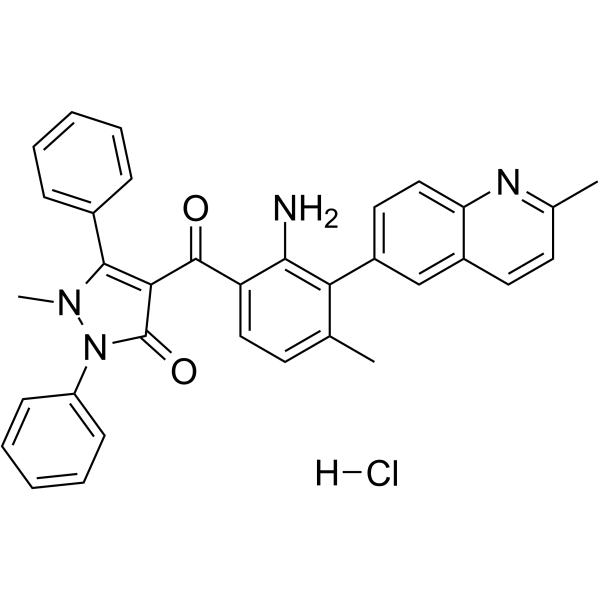
    AMG PERK 44
    5+ Cited Publications

    PERK Autophagy Cancer
    AMG PERK 44 is an orally active and highly selective PERK inhibitor with an IC50 of 6 nM. AMG PERK 44 has 1000-fold and 160-fold selectivity over GCN2 (IC50=7300 nM) and B-Raf (IC50 >1000 nM), respectively. AMG PERK 44 induces autophagy .
    AMG PERK 44
  • HY-100877
    GCN2-IN-1
    20+ Cited Publications

    Eukaryotic Initiation Factor (eIF) Cancer
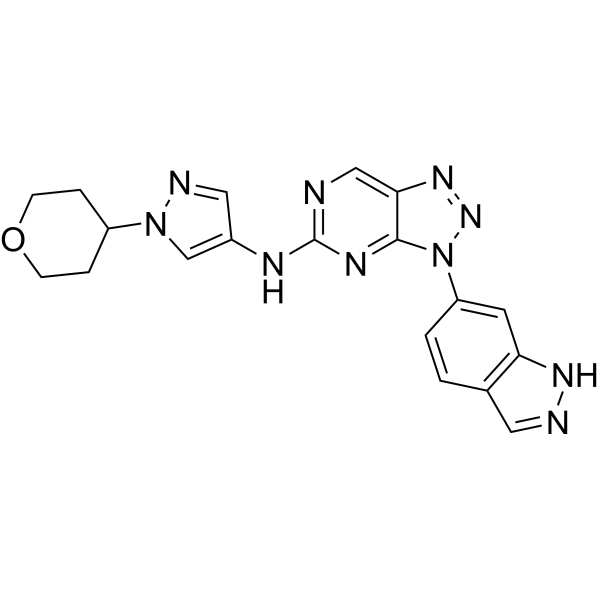
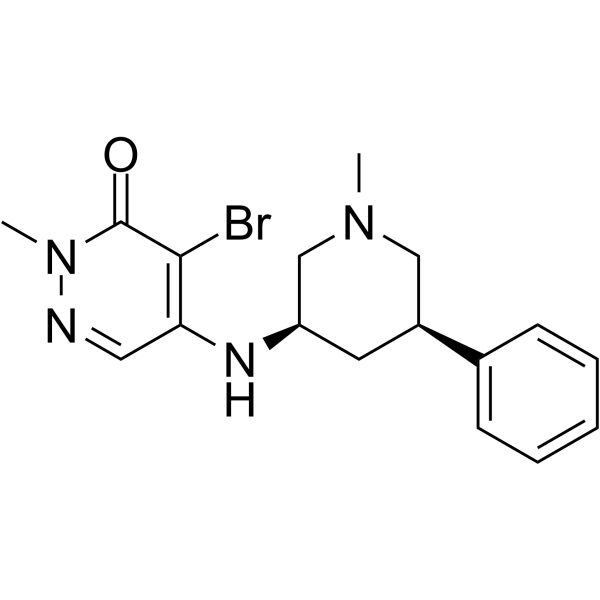
    GCN2-IN-1 is a potent general control nonderepressible 2 kinase (GCN2) inhibitor with an IC50 of <0.3 μM in the enzyme assay and an IC50 of 0.3-3 μM in the cell assay .
    GCN2-IN-1
  • HY-173158

    PROTACs Histone Acetyltransferase Cancer
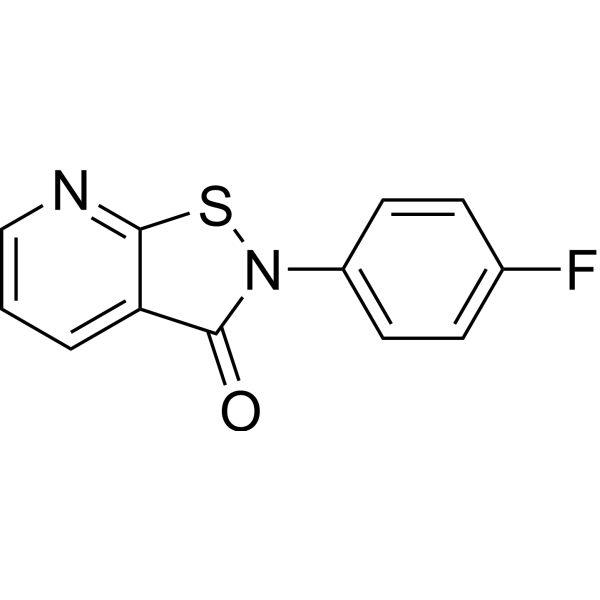
    AUR1545 is a selective KAT2A/KAT2B ((GCN5/PCAF)) PROTAC degrader that induces monocyte differentiation and inhibits the growth of acute myeloid leukemia cells. AUR1545 inhibits cell growth, induces epithelial differentiation and suppresses tumor growth in small cell lung cancer models. AUR1545 inhibits cell growth and induces differentiation in neuroendocrine prostate cancer cells and primary patient-derived organoids. AUR1545 is applicable to research related to acute myeloid leukemia, small cell lung cancer and neuroendocrine prostate cancer .
    AUR1545
  • HY-110127
    NU9056
    5+ Cited Publications

    Histone Acetyltransferase Apoptosis Cancer
    NU9056 is a potent and selective Tip60 (KAT5) histone acetyltransferase inhibitor with an of 2 µM. NU9056 shows >16-fold selectivity for Tip60 over PCAF, p300 and GCN5. NU9056 induces apoptosis of prostate cancer cells .
    NU9056
  • HY-W013274
    CPTH2
    1 Publications Verification

    Histone Acetyltransferase Apoptosis Cancer
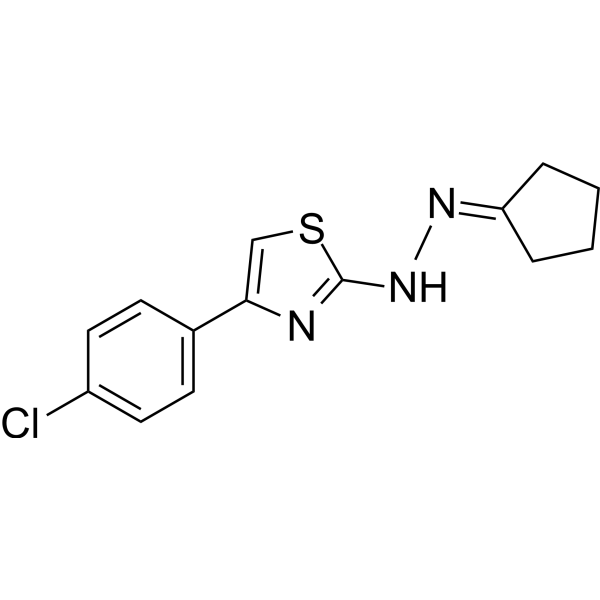
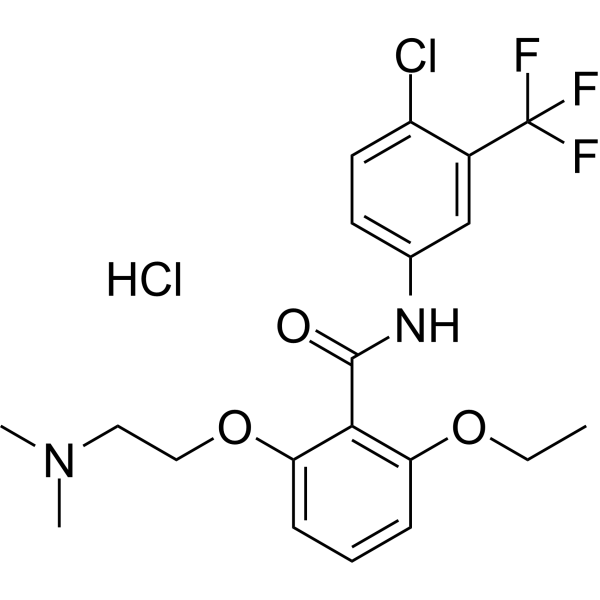
    CPTH2 is a potent histone acetyltransferase (HAT) inhibitor. CPTH2 selectively inhibits the acetylation of histone H3 by Gcn5. CPTH2 induces apoptosis and decreases the invasiveness of a clear cell renal carcinoma (ccRCC) cell line through the inhibition of acetyltransferase p300 (KAT3B) .
    CPTH2
  • HY-160196

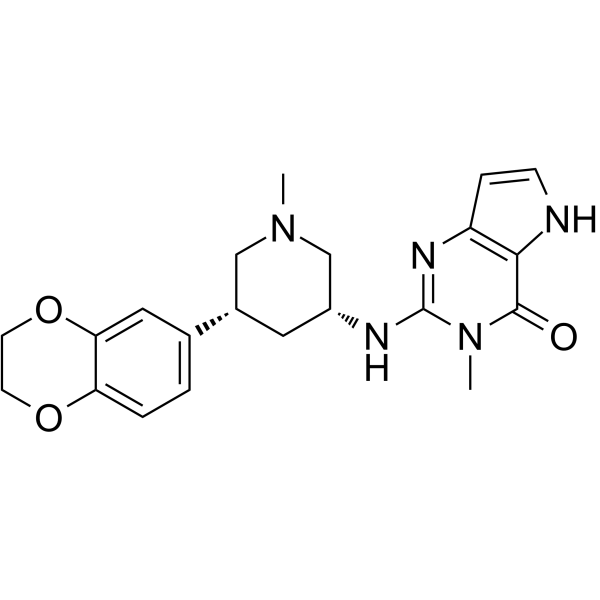
    GCN2 modulator-1

    Eukaryotic Initiation Factor (eIF) Cancer
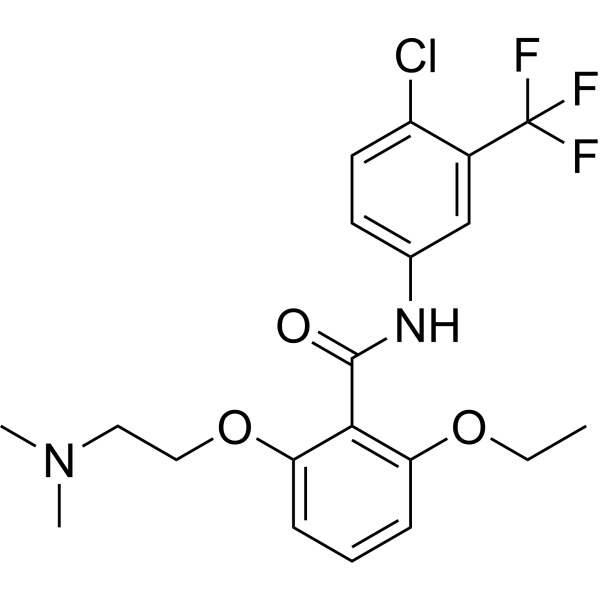
    HC-7366 (GCN2 modulator-1) is an orally effective GCN2 activator. HC-7366 can effectively compete and occupy the ATP binding pocket of GCN2, with its IC50 being 72 nM. This binding triggers the conformational activation of GCN2, leading to the upregulation of downstream signals (such as ATF4, ASNS) in the integrated stress response (ISR) pathway, ultimately exerting anti-tumor effects. HC-7366 also has inhibitory activity against ZAK, with its IC50 being 47 nM. HC-7366 can be used for research on fibrosarcoma and acute myeloid leukemia .
    HC-7366
  • HY-124696
    PU139
    4 Publications Verification

    Histone Acetyltransferase Cancer
    PU139 is a potent pan-histone acetyltransferase (HAT) inhibitor. PU139 blocks the HATs Gcn5, p300/CBP-associated factor (PCAF), CREB (cAMP response element-binding) protein (CBP) and p300 with IC50s of 8.39, 9.74, 2.49 and 5.35 μM, respectively .
    PU139
  • HY-151460
    GCN2-IN-7
    2 Publications Verification

    Eukaryotic Initiation Factor (eIF) Cancer
    GCN2-IN-7 (compound 39) is an orally active and selective general control nonderepressible 2 (GCN2) inhibitor (IC50=5 nM). GCN2-IN-7 shows anti-tumor activity in vivo .
    GCN2-IN-7
  • HY-101027
    GSK 4027
    2 Publications Verification

    Epigenetic Reader Domain Histone Acetyltransferase Inflammation/Immunology Cancer
    GSK 4027 is a chemical probe for the PCAF/GCN5 bromodomain with an pIC50 of 7.4±0.11 for PCAF in a time-resolved fluorescence resonance energy transfer (TR-FRET) assay.
    GSK 4027
  • HY-16531
    YF-2
    2 Publications Verification

    Histone Acetyltransferase Neurological Disease Cancer
    YF-2 is a highly selective, blood-brain-barrier permeable histone acetyltransferase activator, acetylates H3 in the hippocampus, with EC50s of 2.75 μM, 29.04 μM and 49.31 μM for CBP, PCAF, and GCN5, respectively, shows no effect on HDAC. Anti-cancer and anti-Alzheimer's disease .
    YF-2
  • HY-130240
    GCN2-IN-6
    3 Publications Verification

    Eukaryotic Initiation Factor (eIF) Cancer
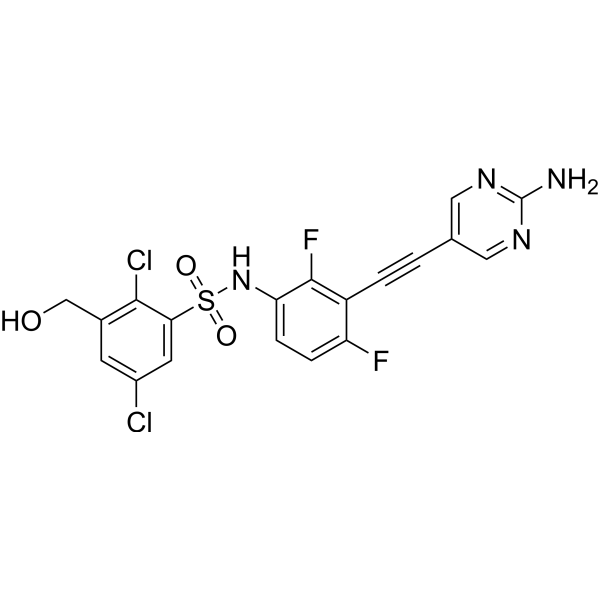
    GCN2-IN-6 (Compound 6d) is a potent, and orally available GCN2 inhibitor confirmed by in-house enzymatic (IC50 of 1.8 nM) and cellular assays (IC50 of 9.3 nM). GCN2-IN-6 is also a eIF2α kinase PERK inhibitor with an IC50 of 0.26 nM (in enzymatic assay) and 230 nM (in cells) . GCN2-IN-6 is a click chemistry reagent, it contains an Alkyne group and can undergo copper-catalyzed azide-alkyne cycloaddition (CuAAc) with molecules containing Azide groups.
    GCN2-IN-6
  • HY-158009
    SGF29-IN-1
    1 Publications Verification

    Histone Acetyltransferase Cancer
    SGF29-IN-1 (Compound Cpd_DC60) is a selective inhibitor for Spt-Ada-Gcn5 acetyltransferase (SAGA)–associated factor 29 (SGF29)-Tudor domain. SGF29-IN-1 exhibits activity against leukemia .
    SGF29-IN-1
  • HY-162730

    Molecular Glues Phosphodiesterase (PDE) Cancer
    OPB-171775 is an orally active molecular glue. OPB-171775 forms ternary complex with phosphodiesterase 3A (PDE3A) and schlafen family member 12 (SLFN12). OPB-171775 causes SLFN12 RNase-mediated cell death, activates SLFN12 RNase-associated GCN2 signaling pathway. OPB-171775 exhibits significant efficacy against gastrointestinal stromal tumor .
    OPB-171775
  • HY-W319647

    Eukaryotic Initiation Factor (eIF) Pyruvate Kinase Inflammation/Immunology
    GCN2 activator-1 (Compound 20) is a GCN2 activator. GCN2 activator-1 binds within the ATP-pocket of GCN2 and activates GCN2 in a GCN1-independent manner. GCN2 activator-1 activates Integrated Stress Response (ISR) in cells. GCN2 activator-1 inhibits PKR with an IC50 of 3.75 µM. GCN2 activator-1 can be used for research of pulmonary veno-occlusive disease (PVOD) .
    GCN2 activator-1
  • HY-101027A
    GSK4028
    1 Publications Verification

    Epigenetic Reader Domain Histone Acetyltransferase Inflammation/Immunology Cancer
    GSK4028 is the enantiomeric negative control of GSK4027, which is a PCAF/GCN5 bromodomain chemical probe, the pIC50 of GSK4028 is 4.9 in a time-resolved fluorescence resonance energy transfer (TR-FRET) assay.
    GSK4028
  • HY-122822

    PROTACs Histone Acetyltransferase Interleukin Related CXCR TNF Receptor CD28 Inflammation/Immunology Cancer
    GSK699 is a KAT2A/B/PCAF/GCN5 PROTAC degrader . GSK699 induces proteasome-dependent degradation of KAT2A, KAT2B, PCAF and GCN5, regulates the histone acetyltransferase activity of the SAGA complex, and reduces the level of histone H3K9ac. GSK699 inhibits the growth of neuroblastoma, acute myeloid leukemia and small cell lung cancer cells. GSK699 reduces the production of inflammatory cytokines and chemokines, and impairs LPS-stimulated immune cell responses. GSK699 is applicable to research related to acute myeloid leukemia, small cell lung cancer, neuroblastoma and inflammatory diseases .
    GSK699
  • HY-16531A
    YF-2 hydrochloride
    2 Publications Verification

    Histone Acetyltransferase Neurological Disease Cancer
    YF-2 hydrochloride is a highly selective, blood-brain-barrier permeable histone acetyltransferase activator, acetylates H3 in the hippocampus, with EC50s of 2.75 μM, 29.04 μM and 49.31 μM for CBP, PCAF, and GCN5, respectively, shows no effect on HDAC. Anti-cancer and anti-Alzheimer's disease .
    YF-2 hydrochloride
  • HY-117938

    Aminoacyl-tRNA Synthetase Cancer
    T-3861174 is an inhibitor of prolyl-tRNA synthetase (PRS, Aminoacyl-tRNA Synthetase) without completely inhibiting its translation process. T-3861174 activates the GCN2-ATF4 pathway and induces death in multiple tumor cell lines, including SK-MEL-2. T-3861174 demonstrated significant antitumor activity in multiple xenograft models without significantly affecting body weight .
    T-3861174
  • HY-175880

    Eukaryotic Initiation Factor (eIF) Cancer
    AMG-34 is a GCN2-targeting agent with IC50 values of 0.395 μM, 0.010 μM, 1.07 μM and > 10 μM for GCN2, PERK, HRland PKR, respectively .
    AMG-34
  • HY-114566

    Histone Acetyltransferase Metabolic Disease
    SPV106 is histone acetylase (HAT) and GCN5-related N-acetyltransferases (GNAT) activator. SPV106 can be used for the research of type 2 diabetes (T2D) .
    SPV106
  • HY-177569

    Eukaryotic Initiation Factor (eIF) Others
    NVS1.1 is a potent, orally active and brain-penetrant readthrough promoter. NVS1.1 triggers the degradation of eRF1 by activating the ribosome-related quality control pathways (involving GCN1, RNF14, and RNF25), thereby facilitating the reading through of premature termination codons. NVS1.1 can be used for the research of genetic diseases caused by nonsense mutations .
    NVS1.1
  • HY-175877

    Eukaryotic Initiation Factor (eIF) Cancer
    RAPT-37-Me is a GCN2-targeting agent with IC50 values of 0.002μM, > 10 μM,4.40 μM and 1.31 μM for GCN2, PERK, HRl and PKR, respectively .
    RAPT-37-Me
  • HY-177757

    Eukaryotic Initiation Factor (eIF) Others
    NVS2.1 is a potent, orally active and brain-penetrant readthrough promoter. NVS2.1 triggers the degradation of eRF1 by activating the ribosome-related quality control pathways (involving GCN1, RNF14, and RNF25), thereby facilitating the reading through of premature termination codons. NVS2.1 can be used for the research of genetic diseases caused by nonsense mutations .
    NVS2.1
  • HY-112654A

    Eukaryotic Initiation Factor (eIF) Glutathione Peroxidase Cardiovascular Disease Metabolic Disease Cancer
    GCN2iB acetate is an ATP-competitive, selective GCN2 inhibitor with an IC50 of 2.4 nM. GCN2iB acetate inhibits the activation of the GCN2 pathway and upregulates GPX4. GCN2iB acetate enhances the anticancer effect of ASNase against acute lymphoblastic leukemia. GCN2iB acetate increases left ventricular ejection fraction, while reducing fasting blood glucose and myocardial fibrosis. GCN2iB acetate can be used in research related to acute lymphoblastic leukemia, acute myeloid leukemia and diabetic cardiomyopathy .
    GCN2iB acetate
  • HY-RS05337

    Small Interfering RNA (siRNA) Others

    GCN1 Human Pre-designed siRNA Set A contains three designed siRNAs for GCN1 gene (Human), as well as a negative control, a positive control, and a FAM-labeled negative control.

    GCN1 Human Pre-designed siRNA Set A
    GCN1 Human Pre-designed siRNA Set A
  • HY-175878

    Eukaryotic Initiation Factor (eIF) Cancer
    EMD-C02602 is a GCN2-targeting agent with IC50 values of 0.023 μM, 4.52 μM, > 10 μM and 0.048 μM for GCN2, PERK, HRland PKR, respectively .
    EMD-C02602
  • HY-128597

    Epigenetic Reader Domain Cancer
    BRD-IN-3 ((R,R)-36n) is a highly potent PCAF bromodomain (BRD) inhibitor, with an IC50 of 7 nM. BRD-IN-3 also exhibits activity against GCN5 and FALZ .
    BRD-IN-3
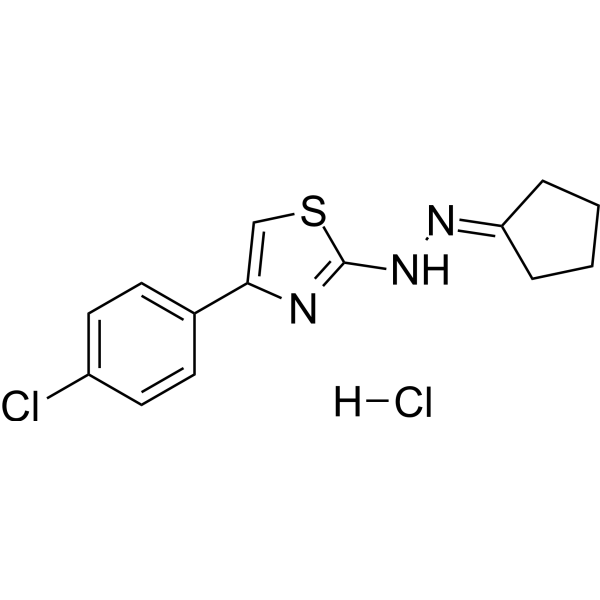
  • HY-W013274A

    Histone Acetyltransferase Apoptosis Cancer
    CPTH2 hydrochloride is a potent histone acetyltransferase (HAT) inhibitor. CPTH2 hydrochloride selectively inhibits the acetylation of histone H3 by Gcn5. CPTH2 hydrochloride induces apoptosis and decreases the invasiveness of a clear cell renal carcinoma (ccRCC) cell line through the inhibition of acetyltransferase p300 (KAT3B) .
    CPTH2 hydrochloride
  • HY-181279

    Epigenetic Reader Domain Histone Acetyltransferase Inflammation/Immunology Cancer
    PCAF/GCN5 ligand 1 is a PCAF/GCN5 ligand with high binding affinity. PCAF/GCN5 ligand 1 shows no functional effect on PCAF/GCN5 activity. PCAF/GCN5 ligand 1 undergoes optimization into a potent and selective PCAF/GCN5 ligand GSK4027 (HY-101027) .
    PCAF/GCN5 ligand 1
  • HY-101027R

    Epigenetic Reader Domain Reference Standards Histone Acetyltransferase Inflammation/Immunology Cancer
    GSK 4027 (Standard) is the analytical standard of GSK 4027 (HY-101027). This product is intended for research and analytical applications. GSK 4027 is a chemical probe for the PCAF/GCN5 bromodomain with an pIC50 of 7.4±0.11 for PCAF in a time-resolved fluorescence resonance energy transfer (TR-FRET) assay.
    GSK 4027 (Standard)
  • HY-101027AR

    Epigenetic Reader Domain Reference Standards Histone Acetyltransferase Inflammation/Immunology Cancer
    GSK4028 (Standard) is the analytical standard of GSK4028 (HY-101027A). This product is intended for research and analytical applications. GSK4028 is the enantiomeric negative control of GSK4027, which is a PCAF/GCN5 bromodomain chemical probe, the pIC50 of GSK4028 is 4.9 in a time-resolved fluorescence resonance energy transfer (TR-FRET) assay.
    GSK4028 (Standard)
  • HY-181959

    Eukaryotic Initiation Factor (eIF) Cancer
    APL-4098 is an orally active, selective, ATP-competitive GCN2 inhibitor with a Ki of 4.39 nM and a Kd of 2.9 nM. APL-4098 reduces the phosphorylation level of eIF2α and the expression level of ATF4. APL-4098 impairs mitochondrial function and exerts cytotoxic effects on primary acute myeloid leukemia cells. APL-4098 is applicable to research related to acute myeloid leukemia .
    APL-4098
  • HY-185009

    PROTACs Histone Acetyltransferase Interleukin Related Inflammation/Immunology
    GSK702, a PROTAC, is a the less active cis-(S,S)-enantiomer of GSK983 (P300/CBP-associated factor (PCAF)/general control nonderepressible 5 (GCN5) PROTAC). GSK702 induces only a small decrease of PCAF protein levels. GSK702 binds to CRBN and causes a reduction of IL-1β in macrophages. GSK702 can be used for the study of inflammatory mediators .
    GSK702
  • HY-162730R

    Reference Standards Molecular Glues Phosphodiesterase (PDE) Cancer
    OPB-171775 (Standard) is the analytical standard of OPB-171775 (HY-162730). This product is intended for research and analytical applications. OPB-171775 is an orally active molecular glue. OPB-171775 forms ternary complex with phosphodiesterase 3A (PDE3A) and schlafen family member 12 (SLFN12). OPB-171775 causes SLFN12 RNase-mediated cell death, activates SLFN12 RNase-associated GCN2 signaling pathway. OPB-171775 exhibits significant efficacy against gastrointestinal stromal tumor.
    OPB-171775 (Standard)

Inquiry Online

Your information is safe with us. * Required Fields.

Salutation


Country or Region *

Applicant Name *


Organization Name *

Department *


Email Address *


Product Name *

Cat. No.


Requested quantity *

Phone Number *


Remarks

Inquiry Online

Inquiry Information

Product Name:
Cat. No.:
Quantity:
MCE Japan Authorized Agent: