1. Search Result
Search Result
Results for "

LLC-PK1

" in MedChemExpress (MCE) Product Catalog:

18

Inhibitors & Agonists

1

Fluorescent Dyes

4

Natural
Products

Cat. No. Product Name Target Research Areas Chemical Structure
  • HY-B0735A
    Fenoldopam mesylate
    4 Publications Verification

    Fenoldopam methanesulfonate; SKF-82526 mesylate

    Dopamine Receptor Apoptosis Cardiovascular Disease Cancer
    Fenoldopam mesylate (SKF-82526) is a D1 receptor agonist and a novel lysine-specific demethylase 1 (LSD1) inhibitor (IC50=0.8974 μM). Fenoldopam mesylate shows anti-hypertensive effects, anti-cancer cell proliferation activity and can induce cells apoptosis [1] .
    Fenoldopam mesylate
  • HY-124171
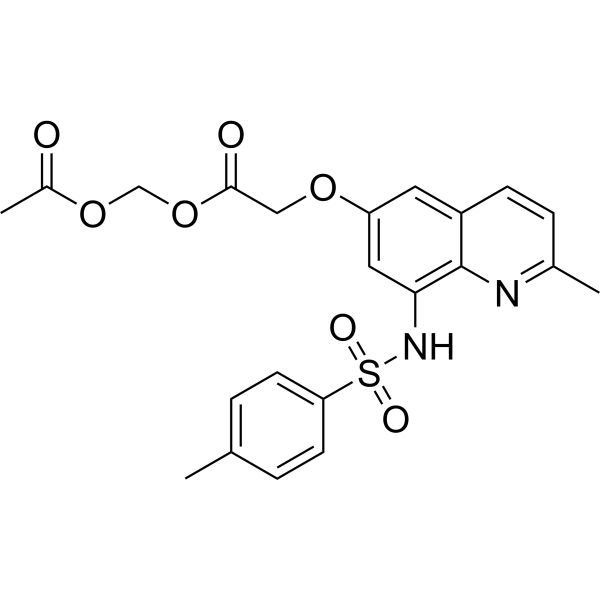
    Zinquin ethyl ester
    1 Publications Verification

    Fluorescent Dye Drug Derivative Others
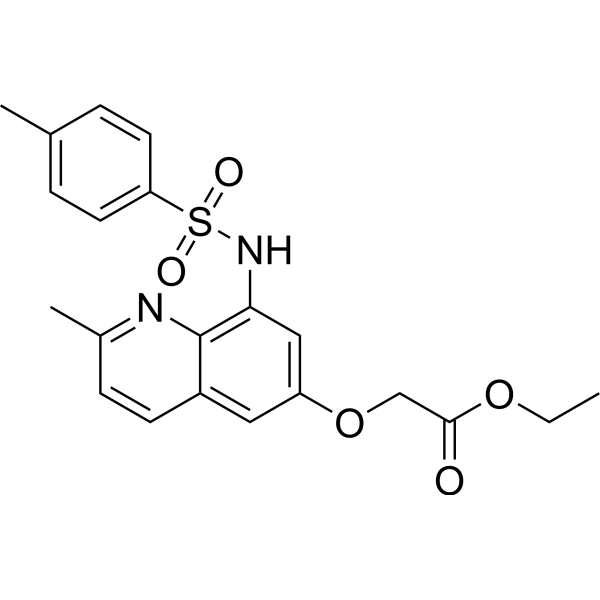
    Zinquin ethyl ester is a cell-permeable and lipophilic fluorescent derivative of Zinquin (HY-D0982). Zinquin ethyl ester reacts with protein-bound Zn 2+ in cells and forms fluorescent ternary adducts. Zinquin ethyl ester undergoes hydrolysis by intracellular esterases impeding its efflux across the plasma membrane (Ex/Em = 370/470 nm) [1].
    Zinquin ethyl ester
  • HY-W353102

    Endogenous Metabolite P-glycoprotein Metabolic Disease
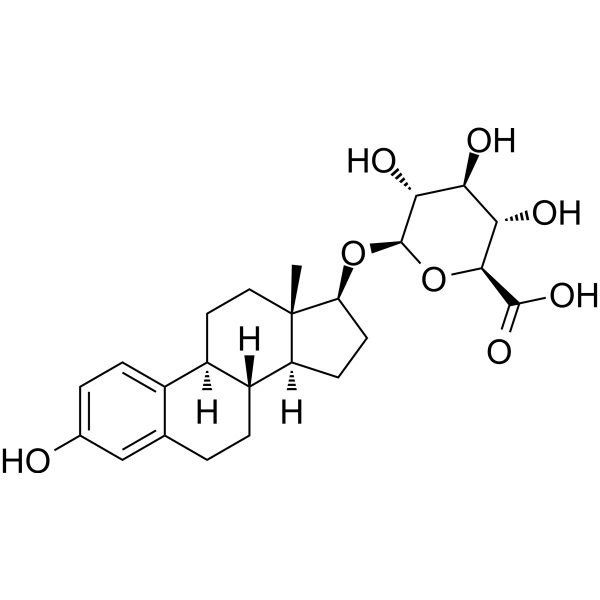
    Estradiol 17-(β-D-Glucuronide) is a D-ring glucuronide metabolite of natural estrogen formed in the liver. Estradiol 17-(β-D-Glucuronide) is a substrate of the organic anion-transporting polypeptide family (Oatp) and multidrug resistance-associated protein 2 (Mrp2). Estradiol 17-(β-D-Glucuronide) regulates MRP8-mediated transport processes and inhibits MRP8-mediated transport of dehydroepiandrosterone 3-sulfate and taurocholic acid. Estradiol 17-(β-D-Glucuronide) induces immediate, reversible reduction of bile flow and acute intrahepatic cholestasis in female rats without altering the bile acid composition in bile. Estradiol 17-(β-D-Glucuronide) can be used in studies related to intrahepatic cholestasis [1] .
    Estradiol 17-(β-D-Glucuronide)
  • HY-B1022
    Dimesna
    1 Publications Verification

    BNP-7787

    Drug Derivative Endocrinology Cancer
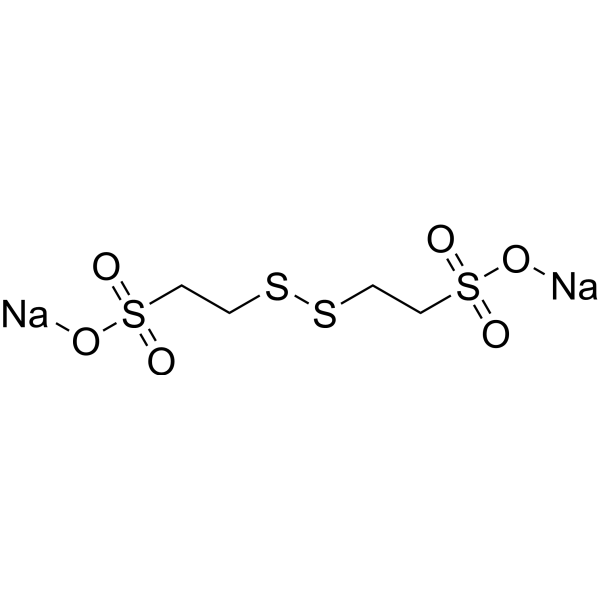
    Dimesna (BNP-7787), the disulfide form of Mesna (HY-13679), is a platinum-related toxicity protective agent. Dimesna converts to Mesna, which in turn inactivates toxic platinum substances. Dimesna does not interfere with the antitumor activity of platinum compounds. Dimesna does not affect the antiproliferative effects of Cisplatin (HY-17394) or Carboplatin (HY-17393). Dimesna counteracts Cisplatin-induced nephrotoxicity. Dimesna exerts selective protective effects on the kidneys. Dimesna can be used in studies related to ovarian cancer and Cisplatin-induced nephrotoxicity .
    Dimesna
  • HY-N1465

    Aristolochic acid-IVa

    Phosphodiesterase (PDE) CDK Interleukin Related Inflammation/Immunology Cancer
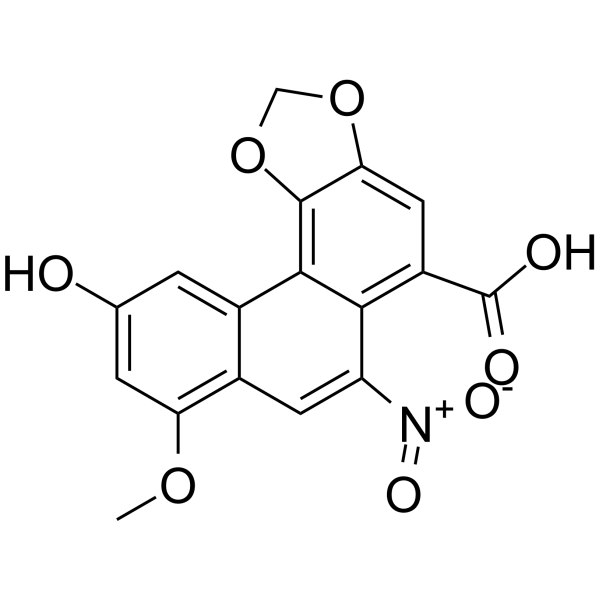
    Aristolochic acid D (Aristolochic acid-IVa) is an orally active PDE2 (IC50: 4.673 μM) and CDK2 (IC50: 25 μM) inhibitor that can be isolated from Aristolochia indica L. Aristolochic acid D exhibits anti-inflammatory activity and is non-carcinogenic and non-nephrotoxic. Aristolochic acid D can be used in the research of inflammation and tumor-related diseases [1] .
    Aristolochic acid D
  • HY-N2757

    Apoptosis Cancer
    7-Ketositosterol is a phytosterol isolated from the fruits of the mulberry tree (Morus alba L.). 7-Ketositosterol can significantly inhibit Cisplatin (HY-17394)-induced apoptosis in LLC-PK1 cells and has the potential to improve Cisplatin-induced nephrotoxicity [1].
    7-Ketositosterol
  • HY-U00433A
    JMV 2959 hydrochloride
    3 Publications Verification

    GHSR Neurological Disease Endocrinology
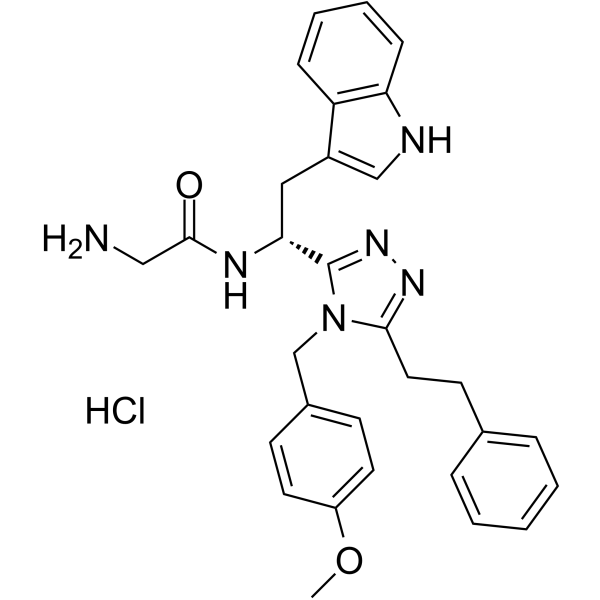
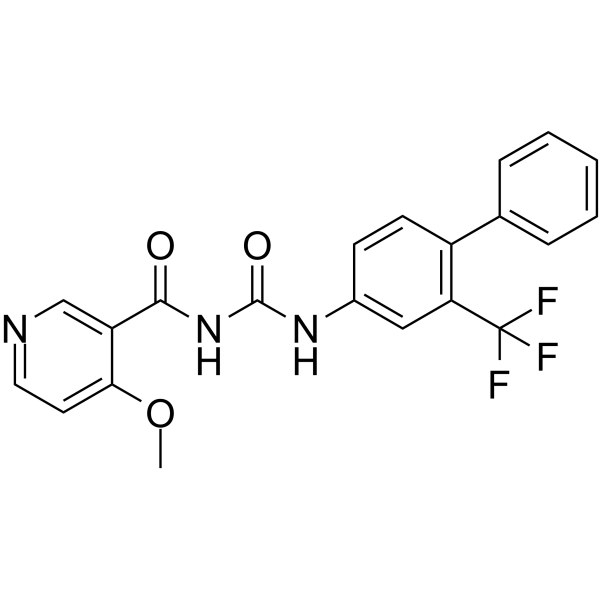
    JMV 2959 hydrochloride is a growth hormone secretagogue receptor type 1a (GHS-R1a) antagonist with an IC50 of 32±3 nM in LLC-PK1 cells.
    JMV 2959 hydrochloride
  • HY-136182A

    Na+/Ca2+ Exchanger Cardiovascular Disease Neurological Disease
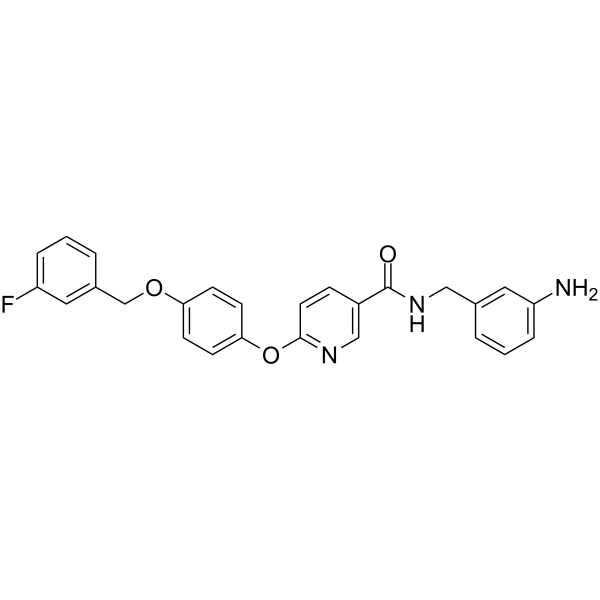
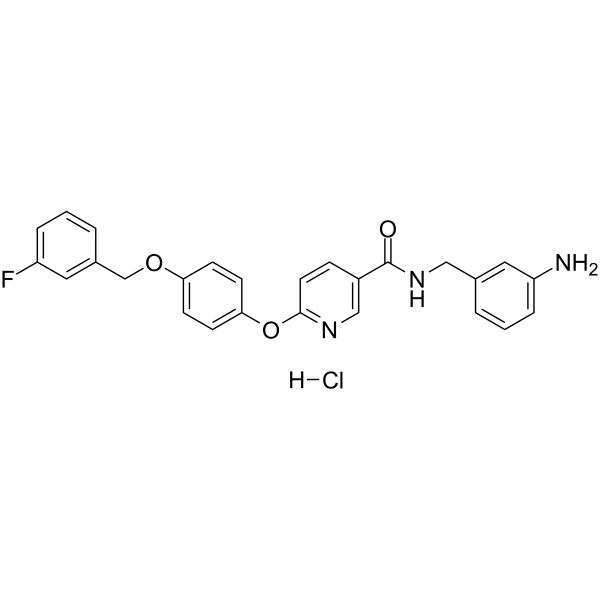
    YM-244769 is a potent, selective and orally active Na +/Ca 2+ exchanger (NCX) inhibitor. YM-244769 preferentially inhibits NCX3 and suppresses the unidirectional outward NCX current (Ca 2+ entry mode), with IC50s of 18 nM and 50 nM, respectively. YM-244769 efficiently protects against hypoxia/reoxygenation-induced SH-SY5Y neuronal cell damage. YM-244769 can also increase urine volume and urinary excretion of electrolytes in mice [1] .
    YM-244769
  • HY-136182

    Na+/Ca2+ Exchanger Cardiovascular Disease Neurological Disease
    YM-244769 dihydrochloride is a potent, selective and orally active Na +/Ca 2+ exchanger (NCX) inhibitor. YM-244769 dihydrochloride preferentially inhibits NCX3 and suppresses the unidirectional outward NCX current (Ca 2+ entry mode), with IC50s of 18 nM and 50 nM, respectively. YM-244769 dihydrochloride efficiently protects against hypoxia/reoxygenation-induced SH-SY5Y neuronal cell damage. YM-244769 dihydrochloride can also increase urine volume and urinary excretion of electrolytes in mice [1] .
    YM-244769 dihydrochloride
  • HY-12835

    LPL Receptor Inflammation/Immunology
    S1P1 agonist III is an orally active hS1P1 agonist with an EC50 value of 18 nM. S1P1 agonist III shows limited activity against hS1P3. S1P1 agonist III can be used in the research of multiple sclerosis [1].
    S1P1 agonist III
  • HY-107659

    Na+/Ca2+ Exchanger Cardiovascular Disease Neurological Disease
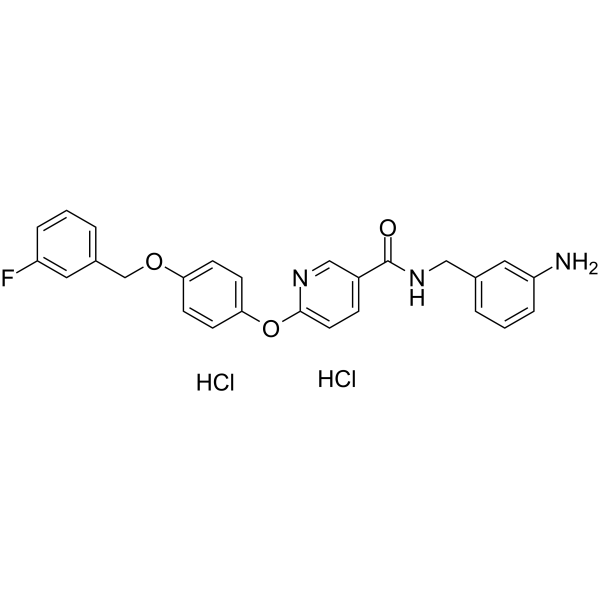
    YM-244769 hydrochloride is a potent, selective and orally active Na +/Ca 2+ exchanger (NCX) inhibitor. YM-244769 hydrochloride preferentially inhibits NCX3 and suppresses the unidirectional outward NCX current (Ca 2+ entry mode), with IC50s of 18 nM and 50 nM, respectively. YM-244769 hydrochloride efficiently protects against hypoxia/reoxygenation-induced SH-SY5Y neuronal cell damage. YM-244769 hydrochloride can also increase urine volume and urinary excretion of electrolytes in mice [1] .
    YM-244769 hydrochloride
  • HY-122379

    Reactive Oxygen Species (ROS) Others
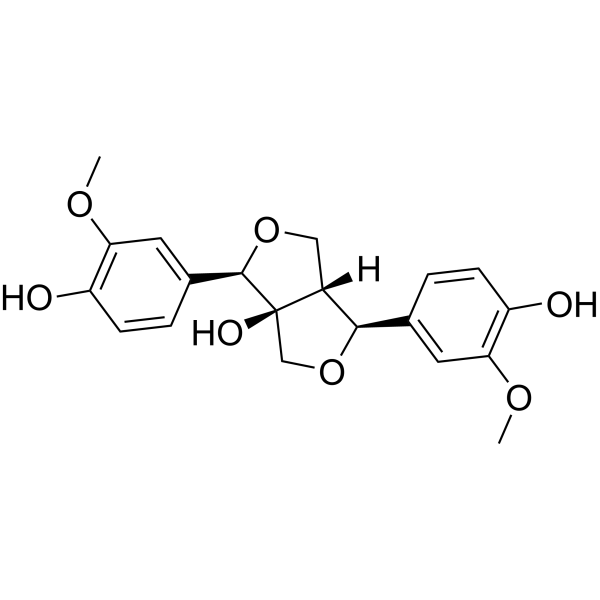
    8-Hydroxypinoresinol is a tetrahydrofurofuran lignan that has cytoprotective effects against peroxynitrite-induced LLC-PK1 cell damage [1].
    8-Hydroxypinoresinol
  • HY-116794

    2,2-Diphenylethyl isothiocyanate

    Apoptosis JNK MDM-2/p53 Caspase Cancer
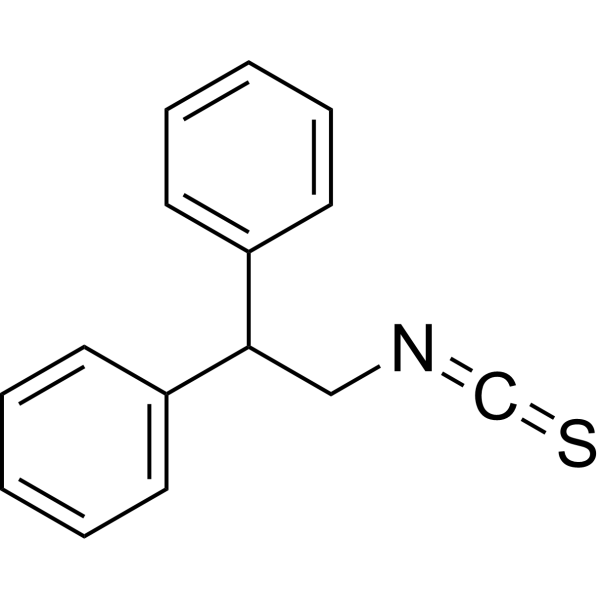
    SF5 (2,2-Diphenylethyl isothiocyanate) is a sulforaphane analog. SF5 inhibits apoptosis by the JNK-p53-caspase pathway. SF5 can be used as a new renal protective agent for drug-resistant acute renal disease [1].
    SF5
  • HY-14931

    AZD 3582; HCT 3012; Nitronaproxen

    COX Inflammation/Immunology
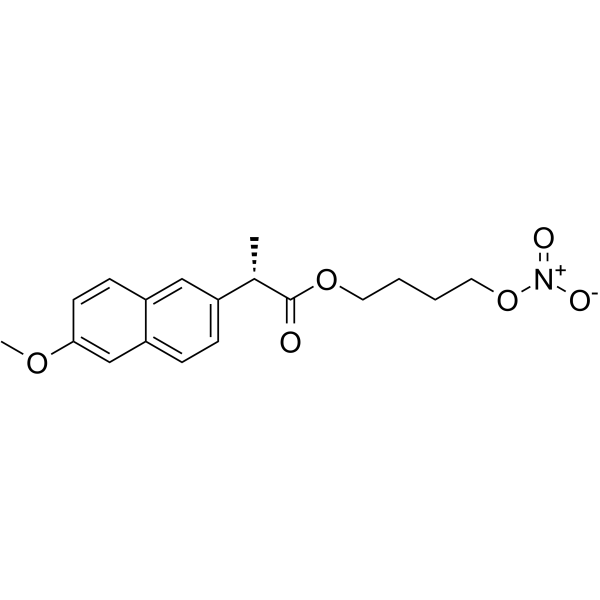
    Naproxcinod (Nitronaproxen) is the first in class of cyclooxygenase (COX)-inhibiting nitric oxide donators (CINODs). Naproxcinod shows analgesic and anti-inflammatory effects, it can be used for the research of osteoarthritis and inflammation [1] .
    Naproxcinod
  • HY-110021

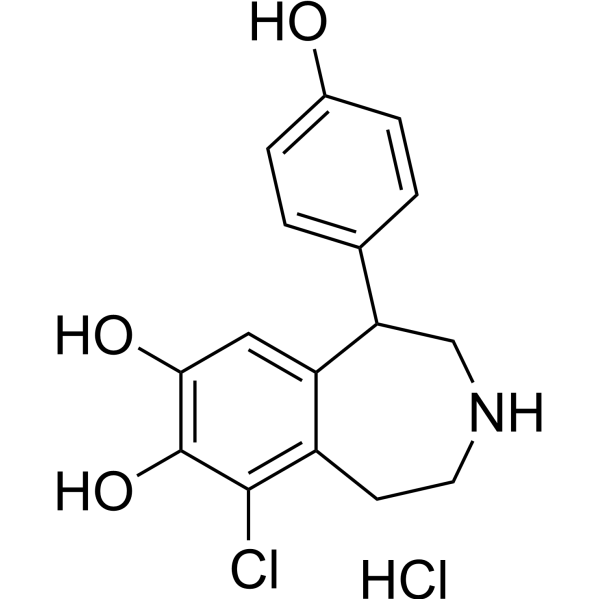
    SKF 82526 hydrochloride

    Dopamine Receptor Histone Demethylase Apoptosis Cardiovascular Disease Cancer
    Fenoldopam (SKF 82526) hydrochloride is a D1 receptor agonist and a novel lysine-specific demethylase 1 (LSD1) inhibitor (IC50=0.8974 μM). Fenoldopam hydrochloride shows anti-hypertensive effects, anti-cancer cell proliferation activity and can induce cells apoptosis [1] .
    Fenoldopam hydrochloride
  • HY-B0735AR

    Fenoldopam methanesulfonate (Standard); SKF-82526 mesylate (Standard)

    Reference Standards Dopamine Receptor Apoptosis Cardiovascular Disease Cancer
    Fenoldopam (mesylate) (Standard) is the analytical standard of Fenoldopam (mesylate). This product is intended for research and analytical applications. Fenoldopam mesylate (SKF-82526) is a D1 receptor agonist and a novel lysine-specific demethylase 1 (LSD1) inhibitor (IC50=0.8974 μM). Fenoldopam mesylate shows anti-hypertensive effects, anti-cancer cell proliferation activity and can induce cells apoptosis [1] .
    Fenoldopam mesylate (Standard)
  • HY-107659R

    Reference Standards Na+/Ca2+ Exchanger Cardiovascular Disease Neurological Disease
    YM-244769 hydrochloride (Standard) is the analytical standard of YM-244769 (hydrochloride) (HY-107659). This product is intended for research and analytical applications. YM-244769 hydrochloride is a potent, selective and orally active Na+/Ca2+ exchanger (NCX) inhibitor. YM-244769 hydrochloride preferentially inhibits NCX3 and suppresses the unidirectional outward NCX current (Ca2+ entry mode), with IC50s of 18 nM and 50 nM, respectively. YM-244769 hydrochloride efficiently protects against hypoxia/reoxygenation-induced SH-SY5Y neuronal cell damage. YM-244769 hydrochloride can also increase urine volume and urinary excretion of electrolytes in mice [1] .
    YM-244769 hydrochloride (Standard)
  • HY-186116

    Histone Demethylase Others
    LSD1-IN-49 is a Lysine-specific demethylase 1 (LSD1/KDM1A) inhibitor with a human IC50 of 29 nM. LSD1-IN-49 irreversibly inhibits LSD1 enzyme activity by forming an adduct with the flavin adenine dinucleotide (FAD) cofactor of LSD1. LSD1-IN-49 can be used as a lead compound for the development of LSD1-targeted PET imaging agents for the brain [1].
    LSD1-IN-49

Inquiry Online

Your information is safe with us. * Required Fields.

Salutation


Country or Region *

Applicant Name *


Organization Name *

Department *


Email Address *


Product Name *

Cat. No.


Requested quantity *

Phone Number *


Remarks

Inquiry Online

Inquiry Information

Product Name:
Cat. No.:
Quantity:
MCE Japan Authorized Agent:

