1. Search Result
Search Result
Pathways Recommended: Membrane Transporter/Ion Channel
Results for "

Na ions

" in MedChemExpress (MCE) Product Catalog:

41

Inhibitors & Agonists

3

Screening Libraries

2

Fluorescent Dyes

3

Biochemical Assay Reagents

1

Peptides

4

Natural
Products

3

Isotope-Labeled Compounds

Cat. No. Product Name Target Research Areas Chemical Structure
  • HY-B0246
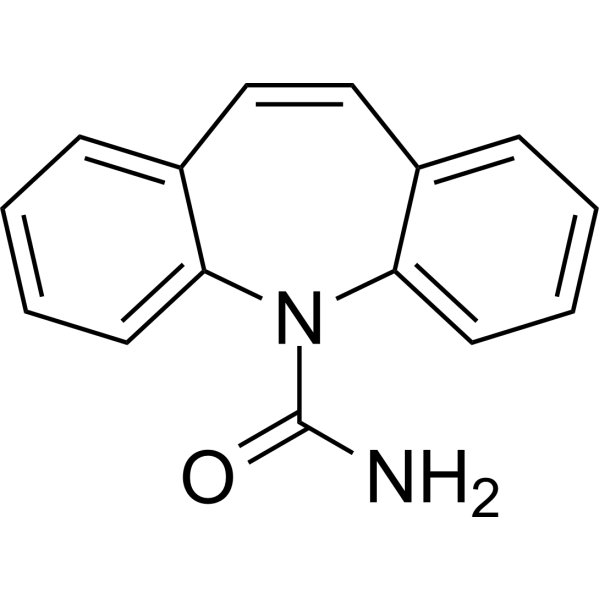
    Carbamazepine
    Maximum Cited Publications
    17 Publications Verification

    CBZ; NSC 169864

    Sodium Channel Autophagy Mitophagy Potassium Channel Calcium Channel HDAC Neurological Disease Cancer
    Carbamazepine is an orally active pressure-sensitive sodium ion channel blocker with an IC50 of 131 μM. Carbamazepine blocks voltage gated Na +, Ca 2+, and K + channels, and is also a HDAC inhibitor (IC50: 2 μM). Carbamazepine is an anticonvulsant and can be used for research of epilepsy and neuropathic pain .
    Carbamazepine
  • HY-128067
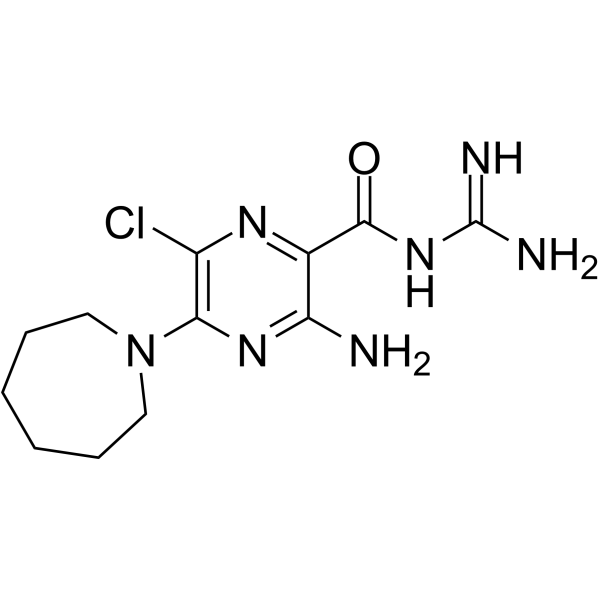
    5-(N,N-Hexamethylene)-amiloride
    2 Publications Verification

    Hexamethylene amiloride; HMA

    Sodium Channel HIV Apoptosis Infection Cancer
    5-(N,N-Hexamethylene)-amiloride (Hexamethylene amiloride) derives from an amiloride and is a potent Na +/H + exchanger inhibitor, which decreases the intracellular pH (pHi) and induces apoptosis in leukemic cells. 5-(N,N-Hexamethylene)-amiloride (Hexamethylene amiloride) is also an inhibitor of the HIV-1 Vpu virus ion channel and inhibits mouse hepatitis virus (MHV) replication and human coronavirus 229E (HCoV229E) replication in cultured L929 cells with EC50s of 3.91 μM and 1.34 μM, respectively .
    5-(N,N-Hexamethylene)-amiloride
  • HY-113410

    Na+/K+ ATPase Mitochondrial Metabolism Reactive Oxygen Species (ROS) Neurological Disease Metabolic Disease
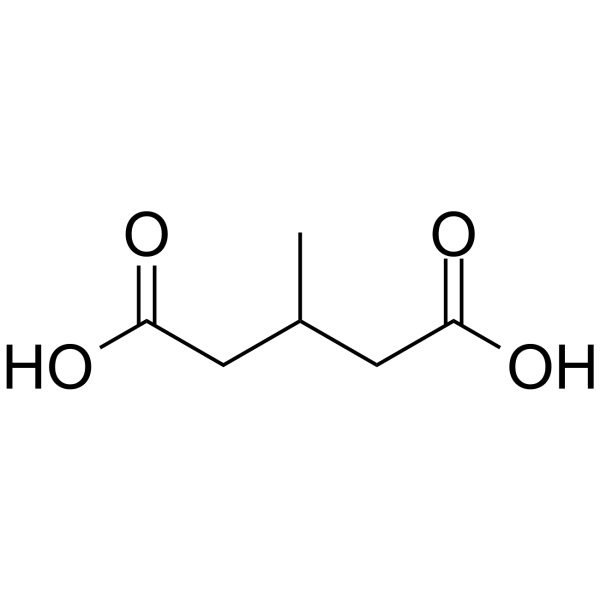
    3-Methylglutaric acid is a non-selective inhibitor of mitochondrial function and Na +, K +-ATPase, with an inhibition rate of 30% on rat cortical synaptosomal Na +, K +-ATPase. 3-Methylglutaric acid can induce reactive oxygen species (ROS) generation, thereby causing oxidative damage and inhibiting mitochondrial redox potential and ion pump function of cell membranes. 3-Methylglutaric acid can be used to study the neuropathological mechanisms of metabolic diseases and the role of oxidative stress-mediated neuronal damage in neurodegeneration .
    3-Methylglutaric acid
  • HY-A0082

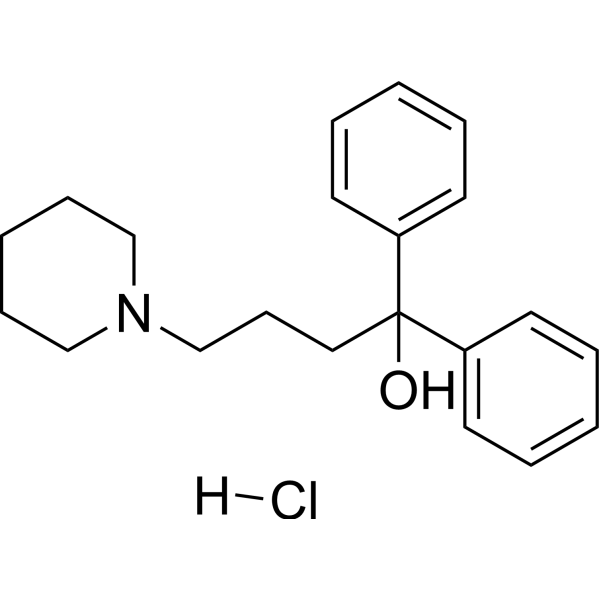
    Difenidol hydrochloride

    mAChR Sodium Channel Neurological Disease
    Diphenidol hydrochloride (Difenidol hydrochloride) is a non-selective muscarinic M1-M4 receptor antagonist, has anti-arrhythmic activity. Diphenidol hydrochloride is also a potent non-specific blocker of voltage-gated ion channels (Na +, K +, and Ca 2+) in neuronal cells. Diphenidol hydrochloride can be used in the study of antivertigo and antinausea .
    Diphenidol hydrochloride
  • HY-NP009

    Bacterial Infection Neurological Disease
    α-Lactalbumin is a globular whey protein that exists in milk. α-Lactalbumin binds Ca 2+, Mg 2+, Mn 2+, Na +, K + and Zn 2+ ions; among these, Ca 2+ binding enhances protein stability, while Zn 2+ binding reduces stability and induces aggregation. α-Lactalbumin forms amyloid fibrils, amorphous aggregates, nanoparticles and nanotubes depending on external conditions. α-Lactalbumin exhibits bactericidal and antiviral activities. α-Lactalbumin has anxiolytic and antidepressant activities, and its effects are enhanced under stress conditions .
    α-Lactalbumin
  • HY-P5712
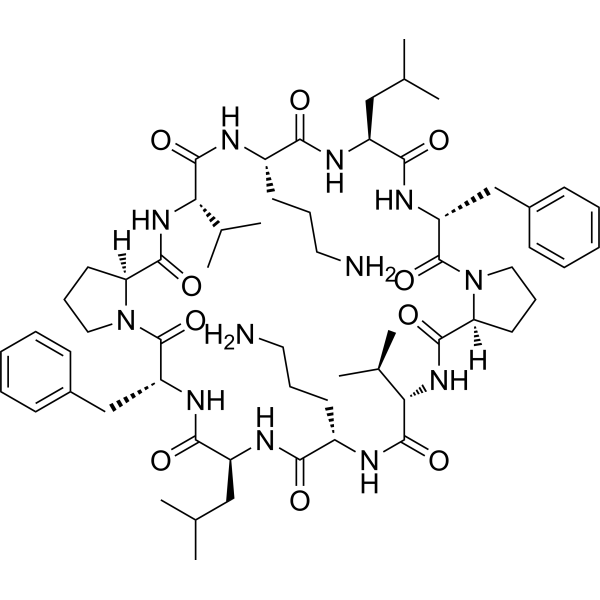
    Gramicidin S
    1 Publications Verification

    Gramicidin soviet

    Antibiotic Bacterial Na+/K+ ATPase Infection
    Gramicidin S (Gramicidin soviet) is a cationic cyclic peptide antibiotic that selectively targets bacterial cell membranes and has anticancer activity. Gramicidin S also exerts antibacterial activity by destroying membrane integrity and interfering with membrane protein function. Gramicidin S inserts into the phospholipid bilayer through hydrophobic amino acid residues, specifically binds to negatively charged membrane lipids and disrupts membrane structure, thereby inhibiting cell division and cell wall synthesis, and ultimately causing bacterial death. Gramicidin S also inhibits ion channels, with IC50s of 41 μM, 24 μM, and 3 μM for Na +/K +-ATPase, tobacco leaf plasma membrane Mg 2+/K +-ATPase, and rat heart plasma membrane Ca 2+-ATPase, respectively .
    Gramicidin S
  • HY-W020249

    Biochemical Assay Reagents Others
    Sodium ionophore X is a neutral ionophore that binds highly selectively to sodium ions (Na +) to form stable complexes. Sodium ionophore X can be used to construct ion-selective chemical sensors (including optical sensors and electrochemical sensors) .
    Sodium ionophore X
  • HY-W042301

    Anion Exchangers Carbonic Anhydrase Endothelin Receptor Cardiovascular Disease
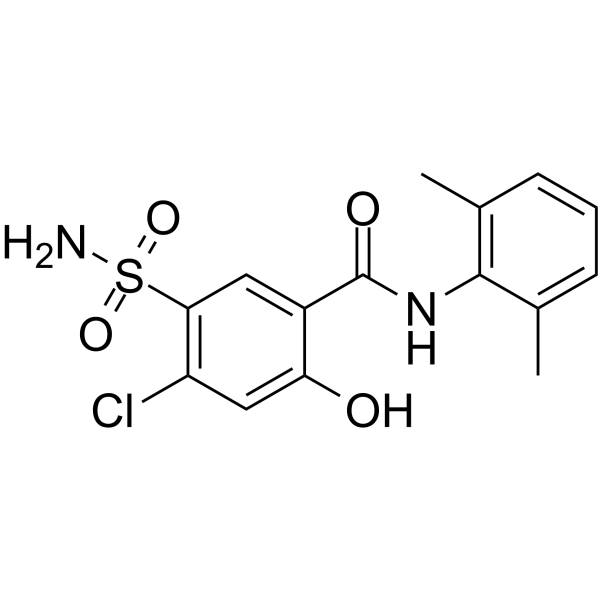
    Xipamide is an orally active carbonic anhydrase (CA) inhibitor and Na +/Cl --potassium transporter inhibitor with diuretic and antihypertensive effects. Xipamide reduces NaCl reabsorption by inhibiting the Cl -/NaCO3 - anion exchanger, and increases calcium reabsorption while promoting potassium and magnesium excretion. Xipamide is mainly cleared via the renal pathway and causes a temporary decrease in glomerular filtration rate under specific conditions. Xipamide does not affect Ca 2+ signaling induced by endothelin-1 and other factors, nor does it inhibit various ion cotransport or pump activities in red blood cells. Xipamide can be used in researches related to cardiovascular diseases, hypertension (especially with left ventricular hypertrophy), advanced renal failure, and liver cirrhosis with ascites .
    Xipamide
  • HY-B0246R

    CBZ (Standard); NSC 169864 (Standard)

    Reference Standards Sodium Channel Autophagy Mitophagy Potassium Channel Calcium Channel HDAC Neurological Disease Cancer
    Carbamazepine (Standard) is the analytical standard of Carbamazepine. This product is intended for research and analytical applications. Carbamazepine is an orally active pressure-sensitive sodium ion channel blocker with an IC50 of 131 μM. Carbamazepine blocks voltage gated Na +, Ca 2+, and K + channels, and is also a HDAC inhibitor (IC50: 2 μM). Carbamazepine is an anticonvulsant and can be used for research of epilepsy and neuropathic pain .
    Carbamazepine (Standard)
  • HY-D1760

    Fluorescent Dye Others
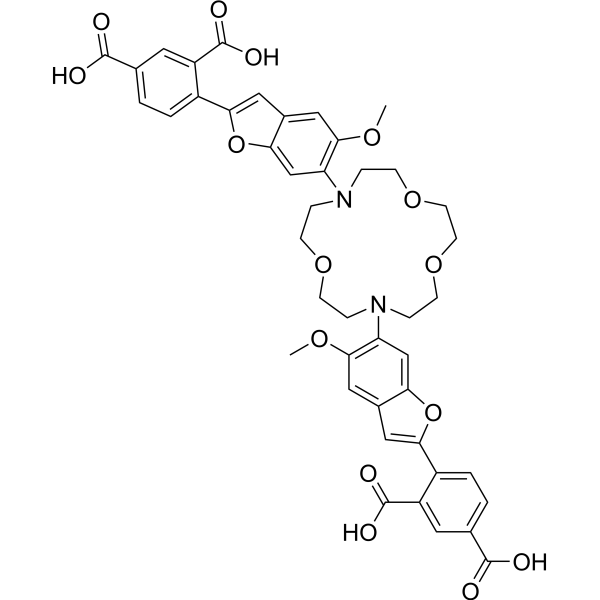
    SBFI is a cell-impermeant, fluorescent Na + indicator dye. SBFI is excited at 340 nm and the fluorophore emission is collected at 450 nm . SBFI selective for Na + over K + with Kd values of 20 and 120 mM for these ions, respectively. .
    Sodium-binding benzofuran isophthalate
  • HY-D2482

    APG-1 AM

    Fluorescent Dye Neurological Disease
    Asante potassium green-1 AM (APG-1 AM) is a cell-permeable K +-sensitive fluorescent indicator and potassium ion indicator that exhibits minimal interference from Na + and pH at physiologically relevant intracellular levels. Asante potassium green-1 AM enables non-invasive monitoring and quantitative analysis of intracellular potassium ion concentrations (Ex/Em = 522/547 nm) .
    Asante potassium green-1 AM
  • HY-Y0682I

    0.5M EDTA Solution, pH 8.0

    Biochemical Assay Reagents Others
    0.5M Ethylenediaminetetraacetic acid Solution, pH 8.0 (0.5M EDTA Solution, pH 8.0) is a commonly used molecular biology reagent used for chelating magnesium ions, etc. This product is prepared using EDTA-Na2 and the pH value is adjusted to 8.0 with NaOH.
    0.5M Ethylenediaminetetraacetic acid Solution, pH 8.0
  • HY-A0236

    Sodium Channel Potassium Channel Calcium Channel Calmodulin Cardiovascular Disease
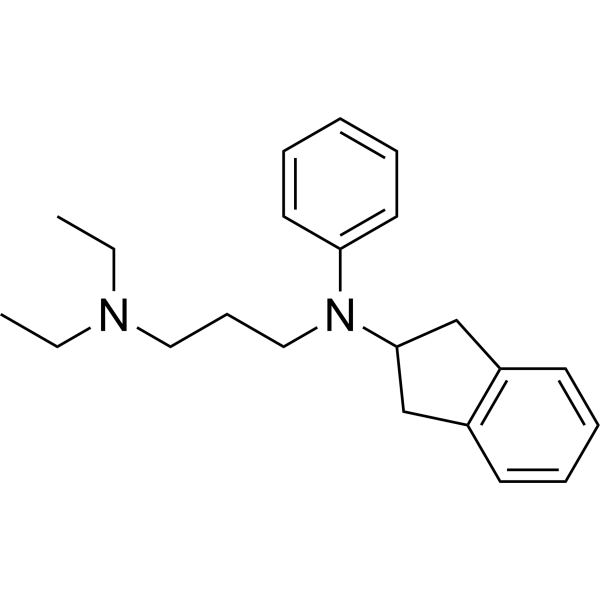
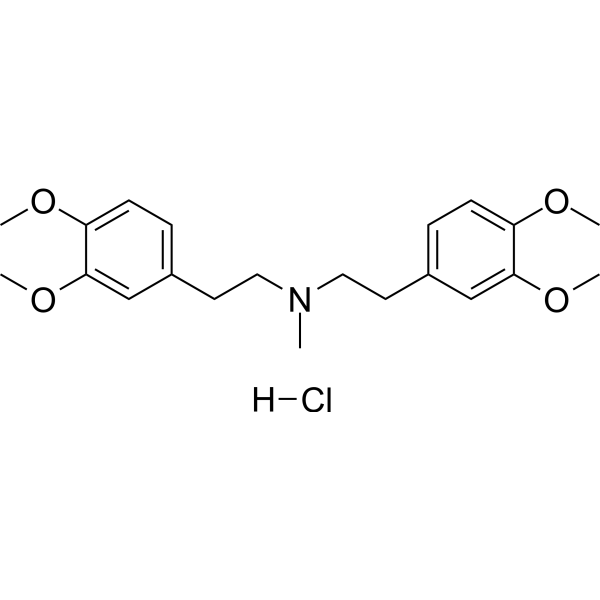
    Aprindine is an Ib-class anti-arrhythmic agent. Aprindine mainly exerts its effect by blocking sodium channels (INa), thereby reducing the excitability and conduction velocity of cardiac muscle cells. Aprindine significantly inhibits delayed potassium currents, which helps to prolong the atrial effective refractory period (AERP) and inhibit the occurrence of atrial fibrillation. Aprindine can also regulate intracellular calcium ion concentration by inhibiting Na +/Ca 2+ exchange current (INCX), thereby further stabilizing cardiac electrical activity. Aprindine can be used for the study of atrial fibrillation (AF) and ventricular arrhythmias .
    Aprindine
  • HY-161104
    Kv2.1-IN-1
    1 Publications Verification

    Potassium Channel Apoptosis Cardiovascular Disease Neurological Disease
    Kv2.1-IN-1 is an orally active and blood-brain barrier penetrant Kv2.1 inhibitor with an IC50 of 0.07 μM. Kv2.1-IN-1 exhibits a selectivity >130 fold over other K +, Na +, and Ca 2+ ion channels. Kv2.1-IN-1 decreases the apoptosis of HEK293 cells induced by H2O2. Kv2.1-IN-1 produces significant neuroprotection efficacy in middle cerebral artery occlusion (MCAO) rat. Kv2.1-IN-1 can be used for the study of ischemic stroke .
    Kv2.1-IN-1
  • HY-N1989

    Na+/K+ ATPase CaMK Apoptosis Cholinesterase (ChE) NO Synthase NF-κB Neurological Disease Cancer
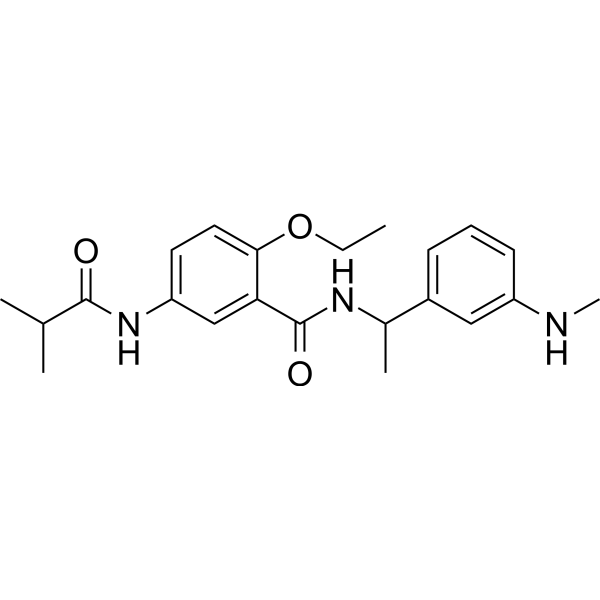
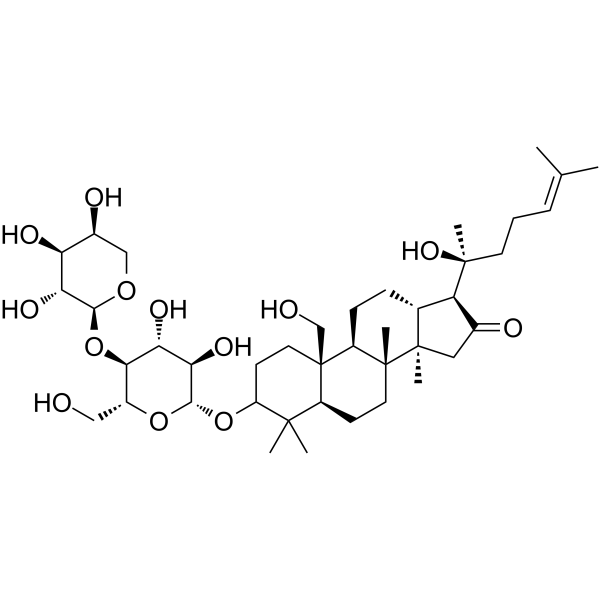
    Bacoside A is an orally active, blood-brain barrier-permeable triterpenoid saponin that modulates the activities of ATPases, AChE, CaMK2A and iNOS. Derived from Bacopa monniera. Bacoside A exerts significant antioxidant, anti-inflammatory and anti-apoptotic effects by maintaining ion balance, scavenging reactive oxygen species, stabilizing cell membranes, and regulating the expression of NF-κB and apoptosis-related proteins. Bacoside A counteracts morphine-induced reductions in Na +/K +-ATPase, Ca 2+-ATPase and Mg 2+-ATPase activities, increases mitochondrial membrane potential, and decreases intracellular reactive oxygen species levels. Bacoside A specifically binds to calcium/calmodulin-dependent protein kinase IIA to trigger endoplasmic reticulum calcium release. Bacoside A exhibits non-apoptotic cytotoxicity against glioblastoma cells while protecting normal nerve cells from stress-induced damage. Bacoside A is applicable to the research of Parkinson's disease and glioblastoma multiforme .
    Bacoside A
  • HY-157914

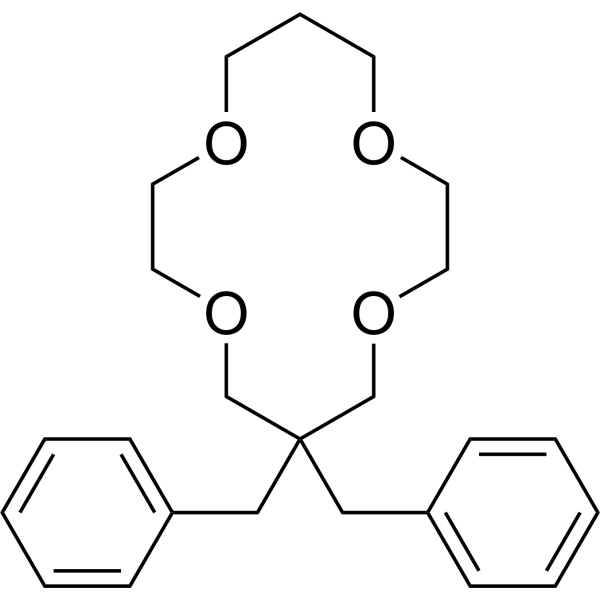
    6,6-Dibenzyl-1,4,8,11-tetraoxacyclotetradecane

    Biochemical Assay Reagents Others
    Dibenzyl-14-crown-4 (6,6-Dibenzyl-1,4,8,11-tetraoxacyclotetradecane) is a crown ether derivate, which serves as neutral carrier in PVC ion-selective electrode, improves the Li + selectivity against Na + and K + .
    Dibenzyl-14-crown-4
  • HY-100928

    Calcium Channel Neurological Disease
    YS 035 hydrochloride is a Ca 2+ antagonist on cellular uptake and mitochondrial efflux of calcium ions. YS 035 hydrochloride inhibits Ca 2+ uptake by muscle cells and inhibits Na +/Ca 2+ exchange (Ki=28 µM). YS 035 hydrochloride is a useful tool for research on the mitochondrial Ca 2+ transport .
    YS 035 hydrochloride
  • HY-135000

    DcSTX; DecarbamoylSTX

    Endogenous Metabolite Drug Metabolite Neurological Disease
    Decarbamoylsaxitoxin is a sodium channel inhibitor that blocks the influx of sodium ions through the membranes of excitable nerves and skeletal muscle cells, thereby preventing the formation of action potentials. Decarbamoylsaxitoxin is an acidic hydrolysis product of saxitoxin, and its toxic effects on mice are identical to those of saxitoxin. Decarbamoylsaxitoxin inhibits veratridine- and ouabain-induced swelling and lysis of mouse neuroblastoma cells by blocking Na + channels. Decarbamoylsaxitoxin can be used in studies related to paralytic shellfish poisoning .
    Decarbamoylsaxitoxin
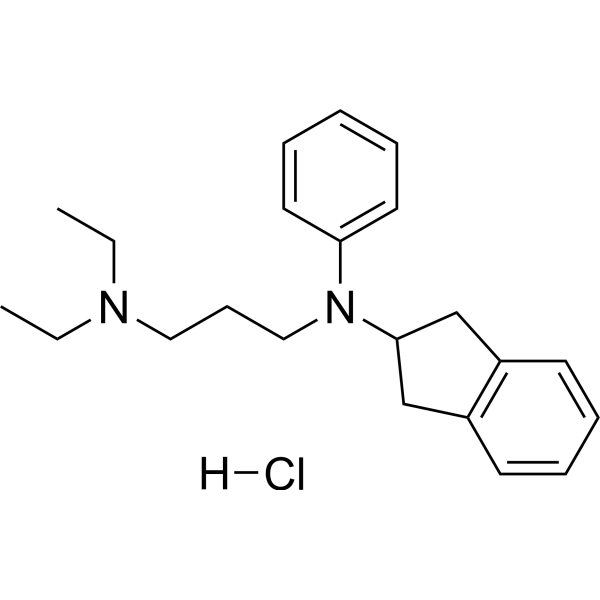
  • HY-A0236A

    Sodium Channel Potassium Channel Calcium Channel Calmodulin Cardiovascular Disease
    Aprindine hydrochloride is an Ib-class anti-arrhythmic agent. Aprindine hydrochloride mainly exerts its effect by blocking sodium channels (INa), thereby reducing the excitability and conduction velocity of cardiac muscle cells. Aprindine hydrochloride significantly inhibits delayed potassium currents, which helps to prolong the atrial effective refractory period (AERP) and inhibit the occurrence of atrial fibrillation. Aprindine hydrochloride can also regulate intracellular calcium ion concentration by inhibiting Na +/Ca 2+ exchange current (INCX), thereby further stabilizing cardiac electrical activity. Aprindine hydrochloride can be used for the study of atrial fibrillation (AF) and ventricular arrhythmias .
    Aprindine hydrochloride
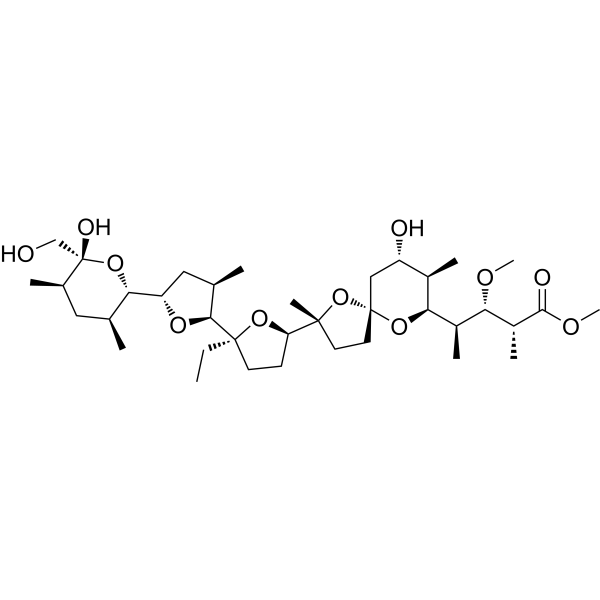
  • HY-131142

    Drug Derivative Others
    Monensin methyl ester, a neutral analog of Monensin (HY-N4302), is an ion active component for Na + selective disk electrodes .
    Monensin methyl ester
  • HY-B0246S4

    CBZ-d4; NSC 169864-d4

    Isotope-Labeled Compounds Others
    Carbamazepine-d4 (CBZ-d4) is the deuterium labeled Carbamazepine (HY-B0246) . Carbamazepine is an orally active pressure-sensitive sodium ion channel blocker with an IC50 of 131 μM. Carbamazepine blocks voltage gated Na +, Ca 2+, and K + channels, and is also a HDAC inhibitor (IC50: 2 μM). Carbamazepine is an anticonvulsant and can be used for research of epilepsy and neuropathic pain.
    Carbamazepine-d4
  • HY-P2837

    Endogenous Metabolite Metabolic Disease
    Oxaloacetate decarboxylase catalyzes the irreversible decarboxylation of oxaloacetate to pyruvate and COIC2. Oxaloacetate decarboxylase is a member of the sodium ion transport decarboxylase (NaT-DC) enzyme family. Oxaloacetate decarboxylase converts the chemical energy of the decarboxylation reaction into an electrochemical gradient of Na + ions across the membrane .
    Oxaloacetate decarboxylase
  • HY-124742

    Na+/K+ ATPase Others
    AR-HO47108 is an orally active reversible Na+/K+ ATPase inhibitor. AR-HO47108 reversibly blocks the final step of gastric acid secretion by competitively binding to the potassium ion binding site of the Na+/K+ ATPase in the gastric wall cells. AR-HO47108 can be used for research on diseases related to excessive gastric acid secretion, such as peptic ulcers .
    AR-HO47108
  • HY-16923

    BIII-890; BIII-890 CL free acid

    Sodium Channel Neurological Disease
    Crobenetine (BIII-890), a benzomorphan derivative, is a potent, selective, and highly use-dependent Na + channel blocker. Crobenetine displaces [3H]BTX from site 2 of the Na + channel (IC50=49 nM) in rat brain synaptosomes, yet exhibits only low binding affinity for other receptors and ion channels. Crobenetine protects brain tissue from the deleterious effects of focal cerebral ischemia in rodents .
    Crobenetine
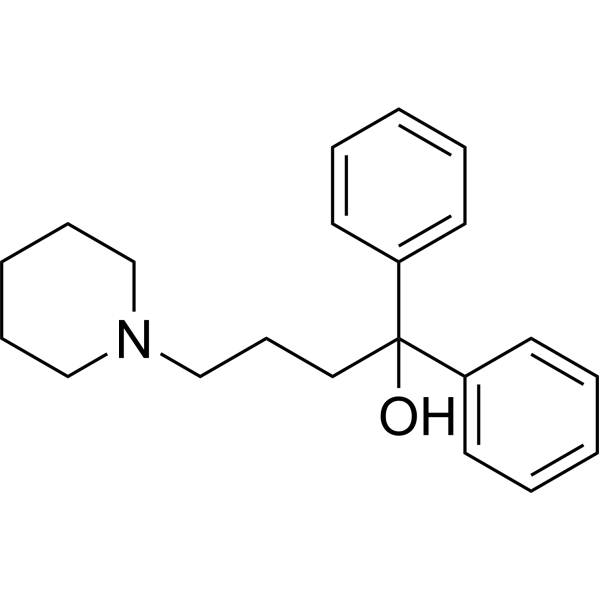
  • HY-A0270

    mAChR Sodium Channel Neurological Disease
    Diphenidol is a non-selective muscarinic M1-M4 receptor antagonist, has anti-arrhythmic activity. Diphenidol is also a potent non-specific blocker of voltage-gated ion channels (Na +, K +, and Ca 2+) in neuronal cells. Diphenidol can be used in the study of antivertigo and antinausea .
    Diphenidol
  • HY-165569

    Potassium Channel Neurological Disease
    AU-1421 is a potassium ion (K⁺) site-directed regulator that specifically acts on various cation transport ATPases. AU-1421 can distinguish between two different K⁺-sensitive phosphorylation intermediate (E2P) states: for non-K⁺ transport type ATPases (such as the sarcoplasmic reticulum Ca²⁺-ATPase), after binding to AU-1421, it mimics the agonistic effect of K⁺, significantly accelerating the hydrolysis (dephosphorylation) of E2P. For K⁺ transport type ATPases (such as the gastric mucosa H⁺/K⁺-ATPase and the renal Na⁺/K⁺-ATPase), after binding to AU-1421, it inhibits the hydrolysis of E2P, stabilizing the phosphorylated intermediate, thereby blocking the ion transport cycle. AU-1421 can be used to study the mechanism of the potassium ion pump .
    AU-1421
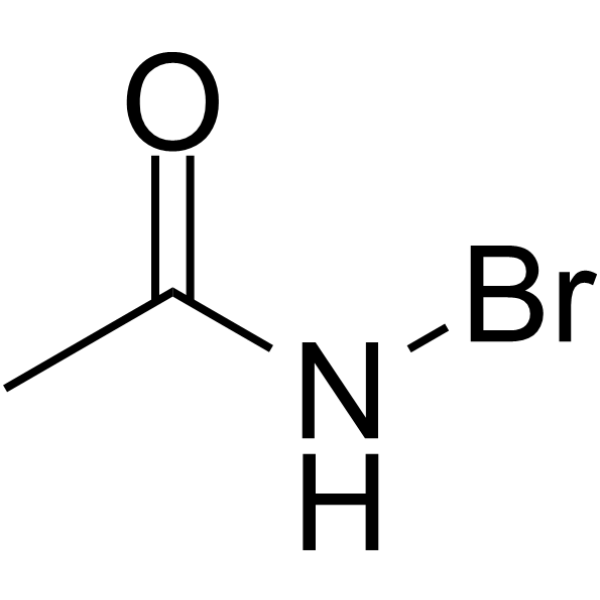
  • HY-131899

    Potassium Channel Sodium Channel Others
    N-Bromoacetamide can irreversibly remove sodium channel inactivation in the cytoplasmic face of the membrane, also decreasing K current rapid inactivation .
    N-Bromoacetamide
  • HY-19857

    Calcium Channel Potassium Channel Sodium Channel Neurological Disease
    Sulcardine (sulfate) is a novel multi-ion channel blocker with activity against Na +, K + and Ca 2+ channels. Sulcardine has antiarrhythmic activity .
    Sulcardine sulfate
  • HY-16923A

    BIII-890 hydrochloride; BIII-890 CL

    Sodium Channel Neurological Disease
    Crobenetine hydrochloride (BIII-890 hydrochloride) is the hydrochloride form of Crobenetine (HY-16923). Crobenetine hydrochloride is a selective inhibitor for Na + channel. Crobenetine hydrochloride displaces 3HBTX from site 2 of the Na + channel (IC50=49 nM) in rat brain synaptosomes, exhibits only low binding affinity for other receptors and ion channels. Crobenetine hydrochloride protects brain tissue from the deleterious effects of focal cerebral ischemia in rodents .
    Crobenetine hydrochloride
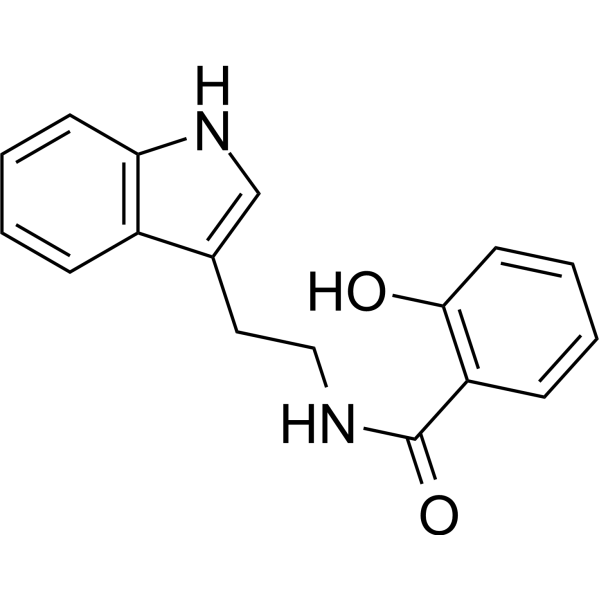
  • HY-147377

    Calcium Channel ERK Potassium Channel Guanylate Cyclase NF-κB Cardiovascular Disease Neurological Disease Inflammation/Immunology
    N-Salicyloyltryptamine acts on voltage-dependent Na +, Ca 2+, and K + ion channels inhibitor. N-Salicyloyltryptamine inhibits K + currents with an IC50 value of 34.6 μM (Ito). N-Salicyloyltryptamine also exhibits anticonvulsant, anti-inflammatory, analgesic, and vasorelaxation effect - .
    N-Salicyloyltryptamine
  • HY-118148

    Potassium Channel Cardiovascular Disease
    UK-66914, is a class III antiarrhythmic agent that specifically acts on the delayed rectifier potassium current (I_K). UK-66914 is designed to prolong action potential duration (APD) and increase cardiac refractory period, thereby potentially terminating the reentry mechanism in arrhythmias without affecting the serious side effects of antiarrhythmic drugs associated with other ion channels such as Na+ and Ca2+ currents .
    UK-66914
  • HY-106017

    Potassium Channel Sodium Channel Neurological Disease
    Nerispirdine is an ion channel inhibitor with IC50s of 3.6, 3.7 and 11.9 μM against K(v)1.1, K(v)1.2 and voltage-dependent Na(+) channel, respectively. Nerispirdine is a 4-aminopyridine (4-AP, HY-B0604) derivative and can be utilized in research on neurological disorders .
    Nerispirdine
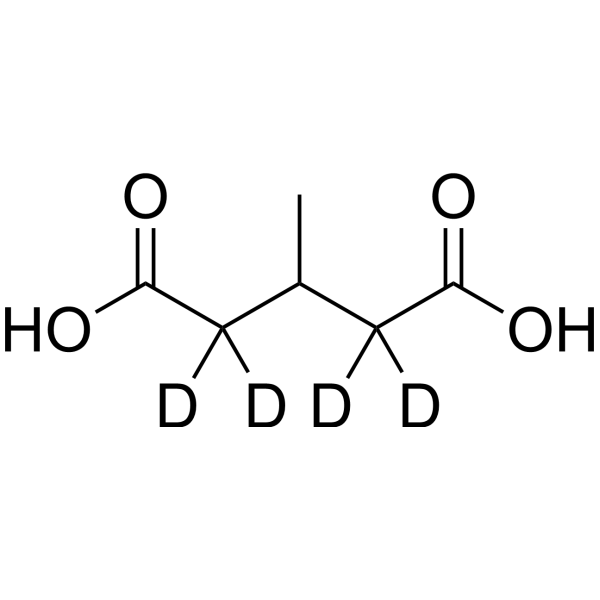
  • HY-113410S

    Isotope-Labeled Compounds Na+/K+ ATPase Mitochondrial Metabolism Reactive Oxygen Species (ROS) Neurological Disease Metabolic Disease
    3-Methylglutaric acid-d4 is the deuterium labeled 3-Methylglutaric acid (HY-113410). 3-Methylglutaric acid is a non-selective inhibitor of mitochondrial function and Na +, K +-ATPase, with an inhibition rate of 30% on rat cortical synaptosomal Na +, K +-ATPase. 3-Methylglutaric acid can induce reactive oxygen species (ROS) generation, thereby causing oxidative damage and inhibiting mitochondrial redox potential and ion pump function of cell membranes. 3-Methylglutaric acid can be used to study the neuropathological mechanisms of metabolic diseases and the role of oxidative stress-mediated neuronal damage in neurodegeneration .
    3-Methylglutaric acid-d4
  • HY-113410R

    Reference Standards Na+/K+ ATPase Mitochondrial Metabolism Reactive Oxygen Species (ROS) Neurological Disease Metabolic Disease
    3-Methylglutaric acid (Standard) is the analytical standard of 3-Methylglutaric acid (HY-113410). This product is intended for research and analytical applications. 3-Methylglutaric acid is a non-selective inhibitor of mitochondrial function and Na +, K +-ATPase, with an inhibition rate of 30% on rat cortical synaptosomal Na +, K +-ATPase. 3-Methylglutaric acid can induce reactive oxygen species (ROS) generation, thereby causing oxidative damage and inhibiting mitochondrial redox potential and ion pump function of cell membranes. 3-Methylglutaric acid can be used to study the neuropathological mechanisms of metabolic diseases and the role of oxidative stress-mediated neuronal damage in neurodegeneration .
    3-Methylglutaric acid (Standard)
  • HY-A0082R

    Difenidol hydrochloride (Standard)

    Reference Standards mAChR Sodium Channel Neurological Disease
    Diphenidol (hydrochloride) (Standard) is the analytical standard of Diphenidol (hydrochloride). This product is intended for research and analytical applications. Diphenidol hydrochloride (Difenidol hydrochloride) is a non-selective muscarinic M1-M4 receptor antagonist, has anti-arrhythmic activity. Diphenidol hydrochloride is also a potent non-specific blocker of voltage-gated ion channels (Na+, K+, and Ca2+) in neuronal cells. Diphenidol hydrochloride can be used in the study of antivertigo and antinausea [4] .
    Diphenidol hydrochloride (Standard)
  • HY-A0082S

    Difenidol hydrochloride-d10

    Isotope-Labeled Compounds Sodium Channel mAChR Neurological Disease
    Diphenidol-d10 (hydrochloride) (Difenidol hydrochloride-d10) is deuterium labeled Diphenidol (hydrochloride). Diphenidol hydrochloride (Difenidol hydrochloride) is a non-selective muscarinic M1-M4 receptor antagonist, has anti-arrhythmic activity. Diphenidol hydrochloride is also a potent non-specific blocker of voltage-gated ion channels (Na +, K +, and Ca 2+) in neuronal cells. Diphenidol hydrochloride can be used in the study of antivertigo and antinausea .
    Diphenidol-d10 hydrochloride
  • HY-128067R

    Hexamethylene amiloride (Standard); HMA (Standard)

    Sodium Channel HIV Apoptosis Reference Standards Infection Cancer
    5-(N,N-Hexamethylene)-amiloride (Standard) is the analytical standard of 5-(N,N-Hexamethylene)-amiloride. This product is intended for research and analytical applications. 5-(N,N-Hexamethylene)-amiloride (Hexamethylene amiloride) derives from an amiloride and is a potent Na+/H+ exchanger inhibitor, which decreases the intracellular pH (pHi) and induces apoptosis in leukemic cells. 5-(N,N-Hexamethylene)-amiloride (Hexamethylene amiloride) is also an inhibitor of the HIV-1 Vpu virus ion channel and inhibits mouse hepatitis virus (MHV) replication and human coronavirus 229E (HCoV229E) replication in cultured L929 cells with EC50s of 3.91 μM and 1.34 μM, respectively .
    5-(N,N-Hexamethylene)-amiloride (Standard)
  • HY-181885

    Influenza Virus Drug Derivative Infection
    Antiviral agent 80 is a conjugate of Zanamivir (HY-13210) and Amantadine (HY-13317), acting as a dual inhibitor of influenza virus M2 ion channel/neuraminidase (NA). Antiviral agent 80 exhibits potent inhibitory activity against both wild-type and drug-resistant influenza neuraminidase mutants, with an IC50 value range of 1.50 nM to 120.4 nM. Antiviral agent 80 can be used in influenza-related research .
    Antiviral agent 80
  • HY-185721

    Polyguanylic acid

    DNA/RNA Synthesis Others
    Poly (G) (Polyguanylic acid) is a high-molecular-weight synthetic ribopolynucleotide. In the presence of Na + or K + ions, Poly (G) undergoes time-dependent structural modification, gradually self-assembling from a single strand into large G-quadruplex aggregates. Poly (G) undergoes cooperative secondary structure dissociation under alkaline conditions, but its secondary structure can withstand high temperatures up to 100°C and is resistant to snake venom diesterase at low Na + concentrations. Poly (G) forms stable 1:1 complexes with polycytidylic acid or poly 5-bromocytidylic acid, but does not bind to polyinosinic acid or polyadenylic acid. Poly (G) can be applied to studies on the interactions between drugs and G-rich DNA fragments in electrochemical biosensors .
    Poly(G)
  • HY-181821

    Parasite Na+/K+ ATPase Infection
    MMV1581361 is a PfATP4 inhibitor and an orally active, transmission-blocking agent with nanomolar activity against Plasmodium falciparum blood-stage isolates. MMV1581361 disrupts sodium ion (Na +) homeostasis in Plasmodium falciparum. MMV1581361 inhibits male gamete exflagellation, reduces oocyst intensity, and blocks transmission of Plasmodium falciparum. MMV1581361 demonstrates efficacy in the humanized Plasmodium falciparum NOD scid IL2Rγ null mouse model. MMV1581361 can be used for the research of malaria .
    MMV1581361
  • HY-A0236AR

    Reference Standards Sodium Channel Potassium Channel Calcium Channel Calmodulin Cardiovascular Disease
    Aprindine hydrochloride (Standard) is the analytical reference standard of Aprindine hydrochloride (HY-A0236A). This product is used for research and analytical applications. Aprindine hydrochloride is an Ib-class anti-arrhythmic agent. Aprindine hydrochloride mainly exerts its effect by blocking sodium channels (INa), thereby reducing the excitability and conduction velocity of cardiac muscle cells. Aprindine hydrochloride significantly inhibits delayed potassium currents, which helps to prolong the atrial effective refractory period (AERP) and inhibit the occurrence of atrial fibrillation. Aprindine hydrochloride can also regulate intracellular calcium ion concentration by inhibiting Na +/Ca 2+ exchange current (INCX), thereby further stabilizing cardiac electrical activity. Aprindine hydrochloride can be used for the study of atrial fibrillation (AF) and ventricular arrhythmias.
    Aprindine hydrochloride (Standard)

Inquiry Online

Your information is safe with us. * Required Fields.

Salutation


Country or Region *

Applicant Name *


Organization Name *

Department *


Email Address *


Product Name *

Cat. No.


Requested quantity *

Phone Number *


Remarks

Inquiry Online

Inquiry Information

Product Name:
Cat. No.:
Quantity:
MCE Japan Authorized Agent: