1. Search Result
Search Result
Results for "

Prostaglandin Blocker

" in MedChemExpress (MCE) Product Catalog:

53

Inhibitors & Agonists

1

Fluorescent Dyes

2

Biochemical Assay Reagents

4

Peptides

4

Natural
Products

2

Isotope-Labeled Compounds

1

GMP Molecules

Cat. No. Product Name Target Research Areas Chemical Structure
  • HY-124108

    ETYA

    COX Lipoxygenase Orthopoxvirus Potassium Channel DNA/RNA Synthesis Drug Derivative Infection Neurological Disease Inflammation/Immunology Cancer
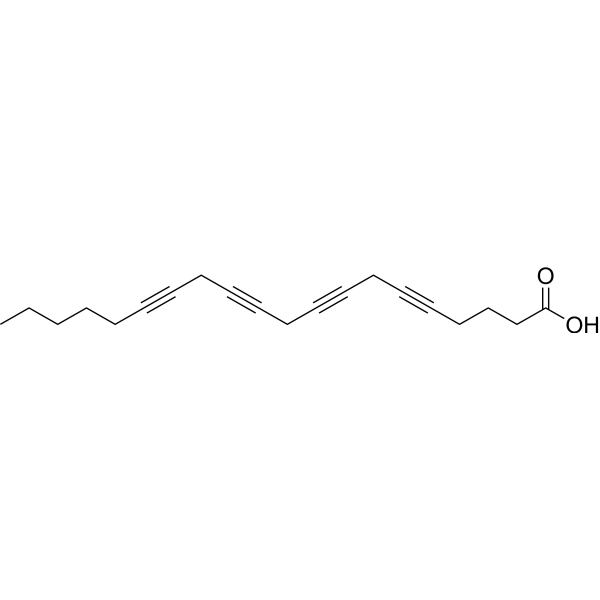
    Eicosatetraynoic acid (ETYA) is a non-metabolizable analog of Arachidonic acid (HY-109590) and also an inhibitor of the lipoxygenase (LOX)/cyclooxygenase (COX) pathway (ID50 = 8 μM and 4 μM). Eicosatetraynoic acid acts as a suicide substrate to inhibit the production of inflammatory mediators such as leukotrienes and prostaglandins. Eicosatetraynoic acid acts directly on cell membranes and membrane proteins to exert a wide range of effects, including blocking potassium channels, increasing cell membrane fluidity, elevating intracellular calcium levels, inhibiting DNA synthesis in tumor cells, inducing differentiation of certain cells, and specifically inhibiting the assembly and replication of orthopoxviruses. Eicosatetraynoic acid alleviates acute lung injury induced by chemicals such as phosgene .
    Eicosatetraynoic acid
  • HY-B0336
    Pranoprofen
    2 Publications Verification

    COX Apoptosis PGE synthase Inflammation/Immunology Cancer
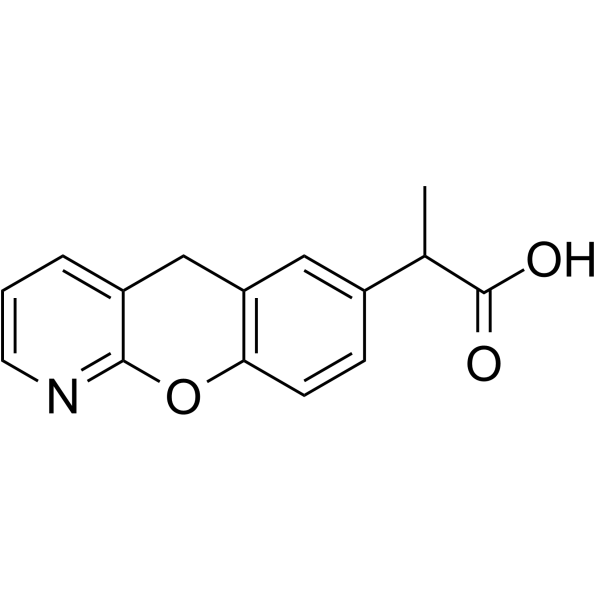
    Pranoprofen is a non-steroidal anti-inflammatory agent (NSAID) for the research of keratitis or other ophthalmology diseases. Pranoprofen inhibit COX-1 and COX-2 enzymes, thus blocking arachidonic acid converted to eicosanoids and reducing prostaglandins synthesis .
    Pranoprofen
  • HY-13568

    LRCL 3794

    Cytochrome P450 COX Lipoxygenase PGE synthase Inflammation/Immunology
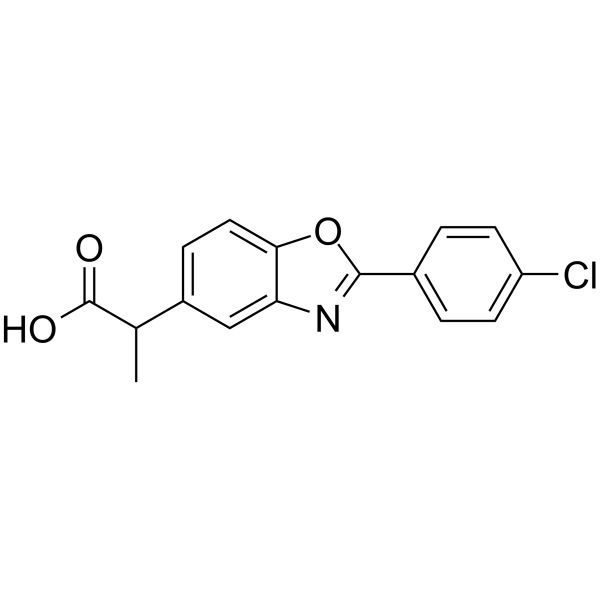
    Benoxaprofen (LRCL 3794) is a nonsteroidal anti-inflammatory agent that blocks the biosynthesis of inflammatory mediators such as leukotrienes and prostaglandins by inhibiting 5-LOX, PGH2 synthase and cytochrome P-450. Benoxaprofen exhibits significant toxicity: it not only alters cellular redox status, uncouples oxidative phosphorylation and disrupts calcium ion homeostasis, but also causes liver injury through the formation of covalent adducts between its active metabolites and hepatic proteins. Benoxaprofen shows strong phototoxicity under ultraviolet irradiation, and induces erythrocyte lysis, mast cell degranulation and histamine release. Benoxaprofen is widely used in studies of urticaria and related phototoxic mechanisms .
    Benoxaprofen
  • HY-N12586

    ERK Reactive Oxygen Species (ROS) COX PGE synthase STAT HCV HCV Protease Infection Neurological Disease Cancer
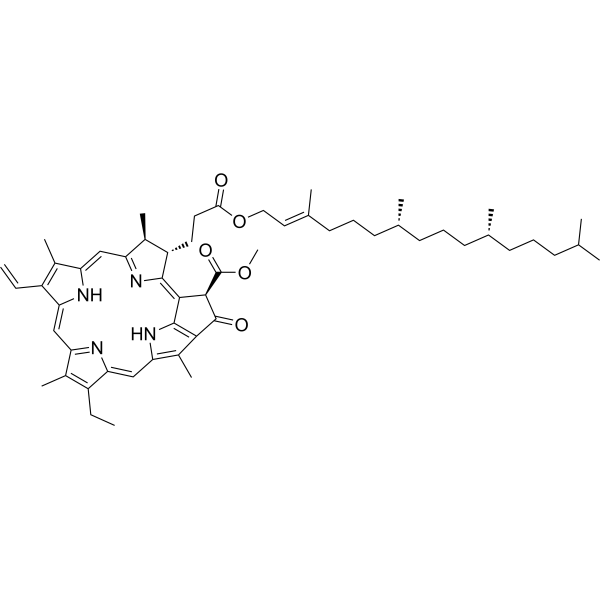
    Pheophytin a is a multi-target inhibitor, anticancer agent, antioxidant and antiviral agent. Pheophytin a directly binds to and inhibits HCV-NS3/4A protease (IC50=0.89 μM) to block viral replication. Pheophytin a also scavenges free radicals, reduces ferric ions, and exhibits cytotoxic activity against breast cancer cells. Pheophytin a effectively inhibits LPS-induced production of nitric oxide, prostaglandin E2, NOS2 and COX-2, as well as various pro-inflammatory cytokines, by downregulating the transcription levels of inflammatory mediators and blocking the ERK1/2 and STAT-1 pathways. In a low nerve growth factor environment, Pheophytin a also enhances ERK1/2 phosphorylation and synergistically promotes neurite outgrowth through MAPK pathway. Pheophytin a can be used to investigate the pathogenic mechanisms of diseases including chronic hepatitis C, sepsis, breast cancer and Alzheimer's disease .
    Pheophytin a
  • HY-B0885
    Econazole
    5 Publications Verification

    (±)-Econazol

    Fungal Bacterial Calcium Channel Cytochrome P450 Infection Metabolic Disease
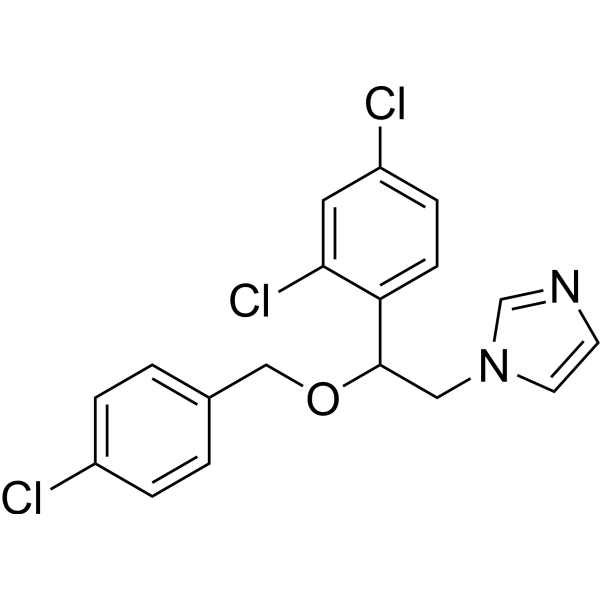
    Econazole ((±)-Econazol) is an orally active imidazole antifungal agent, as well as a cytochrome P-450 inhibitor and a blocker of calcium and manganese ion uptake. Econazole is active against a variety of fungi and some Gram-positive bacteria, but has no significant activity against Gram-negative bacteria. Econazole can inhibit the synthesis of prostaglandins and can also induce liver damage .
    Econazole
  • HY-A0221

    R 68070

    Prostaglandin Receptor Inflammation/Immunology
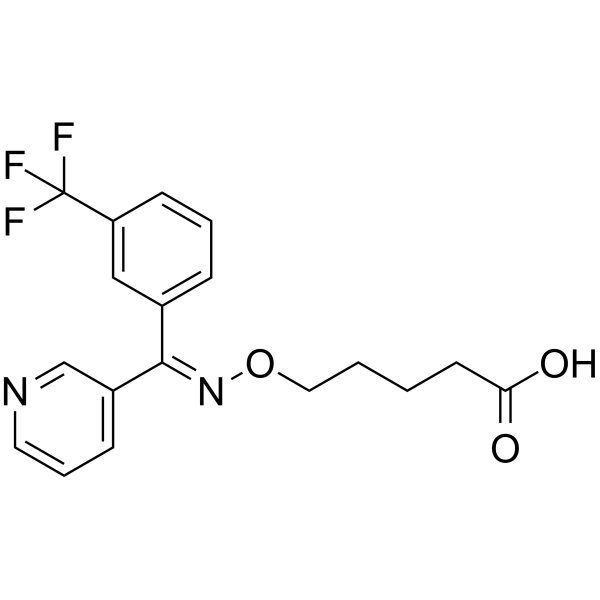
    Ridogrel (R 68070) is an orally active combined thromboxane A2 synthetase inhibitor and thromboxane A2/prostaglandin endoperoxide receptor blocker. Ridogrel is potent antiplatelet agent. Anti-inflammatory activities .
    Ridogrel
  • HY-B0890

    McN-2783-21-98

    PGE synthase Neurological Disease Inflammation/Immunology
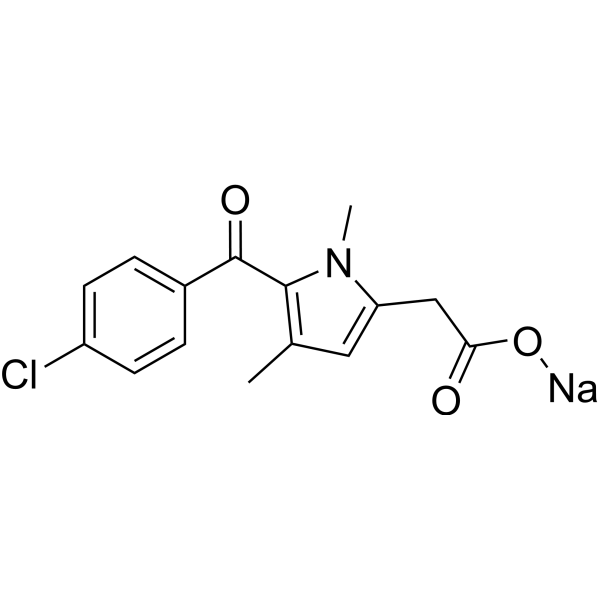
    Zomepirac sodium salt (McN-2783-21-98) is an orally active prostaglandin synthetase inhibitor. Zomepirac sodium salt blocks prostaglandin synthesis and inhibits Collagen (HY-P72147)- or Epinephrine (HY-B0447)-induced platelet aggregation. Zomepirac sodium salt can be used for the research of postoperative pain and osteoarthritis .
    Zomepirac sodium salt
  • HY-W008393

    Drug Intermediate Cardiovascular Disease Inflammation/Immunology
    (-)-Corey lactone diol is the reduced form of Corey aldehyde. (-)-Corey lactone diol can be used as a drug intermediate for the synthesis of Beraprost (HY-13569A) .
    (-)-Corey lactone diol
  • HY-150270A

    P2X Receptor Prostaglandin Receptor NOD-like Receptor (NLR) Caspase Interleukin Related Inflammation/Immunology
    NP-1815-PX sodium is an orally active dual inhibitor of P2X4 and prostaglandin TP receptors, with an IC50 of 0.26 μM against human P2X4 receptors. NP-1815-PX sodium specifically inhibits ATP-mediated prostaglandin production, TP receptor-induced calcium elevation, and the canonical/non-canonical NLRP3 inflammasome signaling pathway. NP-1815-PX sodium selectively blocks smooth muscle contractions induced by ATP, U46619 (HY-108566) and prostaglandin F2α. NP-1815-PX sodium not only produces anti-allodynic effects in vivo, but also significantly alleviates symptoms of DNBS (HY-W324435)-induced colitis (such as weight loss and tissue damage). NP-1815-PX sodium exerts anti-inflammatory effects by downregulating IL-1β levels and Caspase-1 activity. NP-1815-PX sodium is used in studies related to asthma and inflammatory bowel disease (colitis) .
    NP-1815-PX sodium
  • HY-139589

    ISC-27864; GRC-27864

    PGE synthase COX Collagen Neurological Disease Inflammation/Immunology
    Zaloglanstat (ISC-27864; GRC-27864) is a selective, orally active microsomal mPGES-1 inhibitor. Zaloglanstat has an IC50 of 5 nM for human mPGES-1 without significant inhibitory effect on COX-1/2 (IC50 >10 μM). Zaloglanstat blocks the conversion of arachidonic acid metabolite prostaglandin PGH2 to prostaglandin PGE2, thereby inhibiting inflammation-related PGE2 overproduction and reducing inflammatory responses and pain. Zaloglanstat inhibits IL-1β-induced PGE2 release in A549 cells and human synovial fibroblasts in vitro. Zaloglanstat inhibits PGE2 release in pig and dog whole blood with IC50s ??of 161 nM and 154 nM, respectively. Zaloglanstat can be used in the study of asthma, osteoarthritis, and neurodegenerative diseases .
    Zaloglanstat
  • HY-13219

    COX Lipoxygenase Reactive Oxygen Species (ROS) NF-κB Neurological Disease Inflammation/Immunology
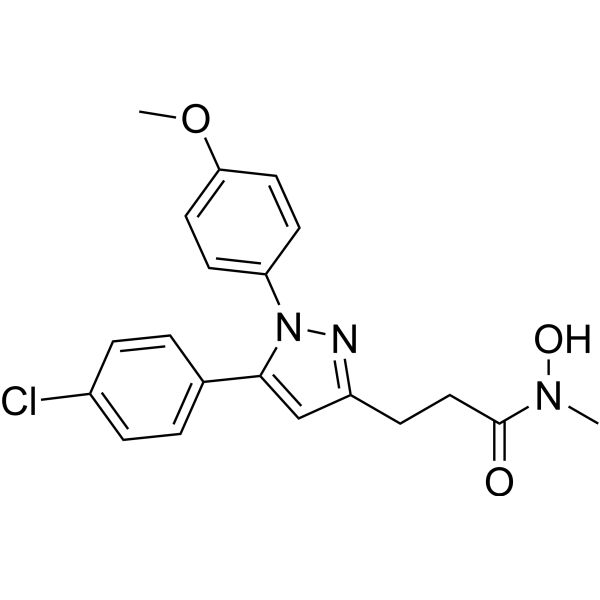
    Tepoxalin is an orally active dual inhibitor of Cyclooxygenase/Lipoxygenase, with IC50 values of 4.6 μM (sheep cyclooxygenase), 2.85 μM (rat cyclooxygenase), 0.15 μM (rat 5-lipoxygenase), and 3.0 μM (h12-lipoxygenase), respectively. Tepoxalin inhibits ROS production and NF-κB activation. Tepoxalin suppresses the production of thromboxane B2, leukotriene B4, prostaglandins and cytokines, and blocks platelet aggregation. Tepoxalin exhibits potent anti-inflammatory activity in rats with adjuvant-induced arthritis. Tepoxalin possesses analgesic activity. Tepoxalin shows no ulcerogenic activity within the anti-inflammatory dose range. Tepoxalin can be used in studies related to adjuvant-induced arthritis, skin inflammation and Alzheimer's disease .
    Tepoxalin
  • HY-109532

    Ganirest

    GnRH Receptor Metabolic Disease
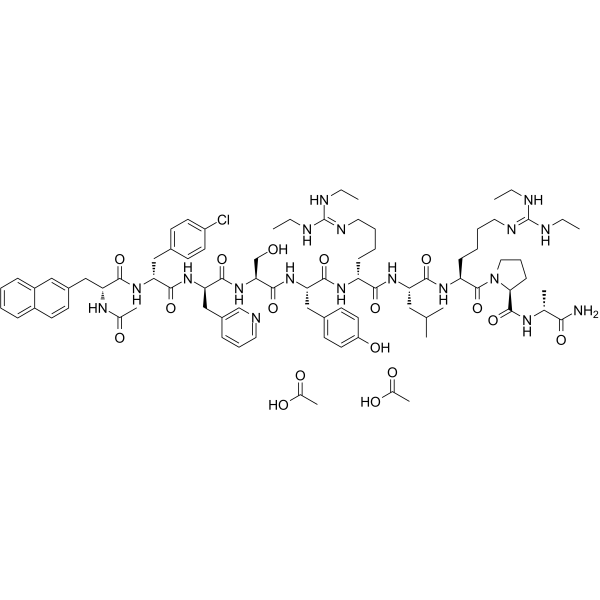
    Ganirelix acetate (Ganirest) is a competitive and selective gonadotropin-releasing hormone (GnRH) antagonist. Ganirelix acetate blocks endogenous GnRH-induced release of luteinizing hormone (LH) and follicle-stimulating hormone. Ganirelix acetate antagonizes Prostaglandin E2 (HY-101952)-induced detrusor overactivity and enhances Carbachol (HY-B1208)-induced detrusor contraction. Ganirelix acetate is applicable to research related to female infertility and detrusor overactivity .
    Ganirelix acetate
  • HY-139578

    COX Inflammation/Immunology
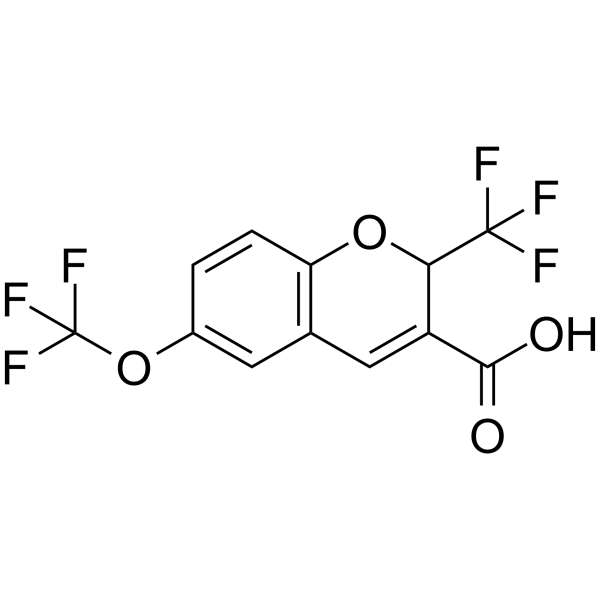
    Ocarocoxib is a potent cyclooxygenase-2 (COX-2) inhibitor (IC50: 1.4 μM). Ocarocoxib inhibits COX to block the production of prostaglandins, thus exerting an anti-inflammatory effect. Ocarocoxib has potential in the study of inflammation and related diseases .
    Ocarocoxib
  • HY-162387

    PGE synthase Cardiovascular Disease Inflammation/Immunology Cancer
    UK4b is a highly selective microsomal prostaglandin E2 synthase-1 (mPGES-1) inhibitor. UK4b possesses anti-inflammatory and analgesic effects. UK4b can block the growth of abdominal aortic aneurysms in mice .
    UK4b
  • HY-177440

    Prostaglandin Receptor COX PGE synthase Metabolic Disease
    T26A is a highly selective prostaglandin transporter (PGT) inhibitor.T26A does not interact with the PGT homolog OATPc, blocks PGT-mediated PGE2 influx, and blocks PGE2 metabolism.T26A retains PGE2 in the extracellular compartment and reduces intracellular PGE2 metabolites.T26A elevates circulating endogenous PGE2 levels, reduces circulating endogenous PGE2 metabolite levels, and slows metabolism of exogenously injected PGE2 in Rattus norvegicus via intravenous injection.T26A does not affect PGE2 synthesis.T26A can be used for the research of PGT function in adult animals .
    T26A
  • HY-138665

    Prostaglandin Receptor Endocrinology
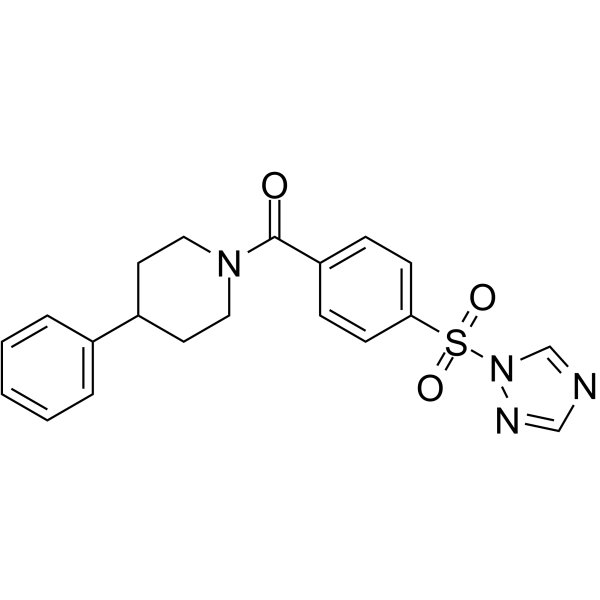
    HHS-0701, a sulfur-triazole exchange (SuTEx) ligand, is a potent tyrosine-reactive prostaglandin reductase 2 (PTGR2) inhibitor. HHS-0701 blocks PTGR2 metabolism of the lipid substrate 15-Keto-PGE2 .
    HHS-0701
  • HY-102065

    Prostaglandin Receptor RANKL/RANK Metabolic Disease
    SC-19220 is a prostaglandin E2 receptor EP1 antagonist. SC-19220 blocks functional EP1 receptor activation, and RANK/RANKL signaling pathway. SC-19220 inhibits osteoclast formation and bone resorption by pre-existing osteoclasts. SC-19220 can be used for the research of osteoporotic disorders, inflammatory bone resorption .
    SC-19220
  • HY-130046

    16-epi-Estriol; 16β,17β-Estriol

    UGT Bacterial Infection Inflammation/Immunology
    16-Epiestriol (16-epi-Estriol; 16β,17β-Estriol) is a natural stereoisomer of estriol and an anti-inflammatory agent that targets UGT. The Ki values of 16-Epiestriol against human UGT1A10 and UGT2B7 are 98.1 μM and 162 μM, respectively. As a glucuronidation substrate, 16-Epiestriol can be modified at the 3-OH, 16-OH and 17-OH sites by various UGT enzymes; in liver microsomes, the modification mainly occurs at the 16-OH and 17-OH sites, while reactions take place at all three sites in intestinal microsomes. 16-Epiestriol acts on the phase II inflammatory process by blocking edema mediated by prostaglandins and leukocyte infiltration. It lacks glycogenic activity or any effect on blood glucose levels, and serves as an important candidate molecule in the research of inflammatory diseases .
    16-Epiestriol
  • HY-179041

    PGE synthase Prostaglandin Receptor MDM-2/p53 Amino acid Transporter Glutathione Peroxidase Ferroptosis Metabolic Disease Endocrinology
    SZ0232 is a selective mPGES-2 inhibitor. SZ0232 binds to the active site of mPGES-2 via hydrogen bonds and π-π stacking, reduces the production of prostaglandin E2 (PGE2) and blocks the PGE2-EP3 pathway. SZ0232 regulates Ferroptosis by activating the heme-dependent p53/SLC7A11/GPX4 axis, inhibits lipid peroxidation, and protects renal tubules. SZ0232 enhances glucose-stimulated insulin secretion, inhibits β-cell senescence, and improves glucose homeostasis. SZ0232 reduces renal lipid accumulation, alleviates fibrosis, and ameliorates renal dysfunction in diabetic mice. SZ0232 inhibits renal cyst growth in polycystic kidney disease models. SZ0232 exhibits an insulinotropic effect that strengthens with the increase of animal age. SZ0232 can be used in studies related to type 2 diabetes, acute kidney injury, diabetic kidney disease, and autosomal dominant polycystic kidney disease .
    SZ0232
  • HY-169430

    PGE synthase
    AGU654 (Compound 44) is a selective mPGES-1 inhibitor with an IC50 of 2.9 nM against mPGES-1. AGU654 inhibits mPGES-1 to block the pathway converting arachidonic acid into prostaglandin E2 (PGE2) by COX-1/2, thereby alleviating inflammatory responses, pain, and fever. In activated human monocyte-derived macrophages and human whole blood models, AGU654 selectively suppresses bacterial exotoxin-induced PGE2 production while preserving the production of other prostaglandins. In guinea pig models, AGU654 significantly alleviates fever, inflammation, and inflammatory pain, exhibiting excellent anti-inflammatory, analgesic, and antipyretic effects. AGU654 holds promise as a strategy for studying inflammatory diseases and pain .
    AGU654
  • HY-150270

    Prostaglandin Receptor P2X Receptor NOD-like Receptor (NLR) Caspase Interleukin Related Neurological Disease Inflammation/Immunology
    NP-1815-PX is an orally active dual inhibitor of P2X4 and prostaglandin TP receptors, with an IC50 of 0.26 μM against human P2X4 receptors. NP-1815-PX specifically inhibits ATP-mediated prostaglandin production, TP receptor-induced calcium elevation, and the canonical/non-canonical NLRP3 inflammasome signaling pathway. NP-1815-PX selectively blocks smooth muscle contractions induced by ATP, U46619 (HY-108566) and prostaglandin F2α. NP-1815-PX not only produces anti-allodynic effects in vivo, but also significantly alleviates symptoms of DNBS (HY-W324435)-induced colitis (such as weight loss and tissue damage). NP-1815-PX exerts anti-inflammatory effects by downregulating IL-1β levels and Caspase-1 activity. NP-1815-PX is used in studies related to asthma and inflammatory bowel disease (colitis) .
    NP-1815-PX
  • HY-151173

    Xanthine Oxidase Lipoxygenase COX Metabolic Disease Inflammation/Immunology
    XO/COX/LOX-IN-1 is a XO/COX/LOX inhibitor with an IC50 of 3.2 μM against rat XO, 10.83 μM against 5-LOX, 12.67 μM against COX-1, and 8.31 μM against COX-2. XO/COX/LOX-IN-1 binds to the active sites of XO, 5-LOX, COX-1 and COX-2, thereby blocking enzyme activities associated with uric acid, leukotriene, prostaglandin synthesis and inflammatory pathways. XO/COX/LOX-IN-1 can be used in the research of hyperuricemia and inflammation .
    XO/COX/LOX-IN-1
  • HY-P10457

    15-PGDH (92-105)

    15-PGDH Others
    5-Hydroxy prostaglandin dehydrogenase blocking peptide (15-PGDH (92-105)) is a blocking peptide that corresponds to the amino acids (AGVNNEKNWEKTLQ) located at positions 92-105 of the 15-hydroxy prostaglandin dehydrogenase (15-PGDH) sequence. 5-Hydroxy prostaglandin dehydrogenase blocking peptide can block the formation of protein-antibody complexes during immunohistochemical analysis of 15-PGDH .
    15-Hydroxy prostaglandin dehydrogenase blocking peptide
  • HY-W268542

    COX SOD PGE synthase Inflammation/Immunology Cancer
    4-Acetylaminoantipyrine (4-AA) is a derivative of antipyrine (HY-B0171). 4-Acetylaminoantipyrine acts as a PGE2-dependent blocker and inhibitor of cyclooxygenase (COX) . 4-Acetylaminoantipyrine can inhibit Cu/ZnSOD . 4-Acetylaminoantipyrine can spontaneously bind with bovine serum albumin (BSA) and alter its conformation .
    4-Acetylaminoantipyrine
  • HY-178792

    Prostaglandin Receptor Inflammation/Immunology Endocrinology
    TGI-15 is a highly selective prostaglandin F receptor antagonist. TGI-15 inhibits downstream signaling pathways by blocking the binding of PGF2 α to FP receptors. TGI-15 can be used for research on fibrotic and inflammatory conditions .
    TGI-15
  • HY-10419A
    AH23848 hemicalcium salt
    1 Publications Verification

    Prostaglandin Receptor Cardiovascular Disease
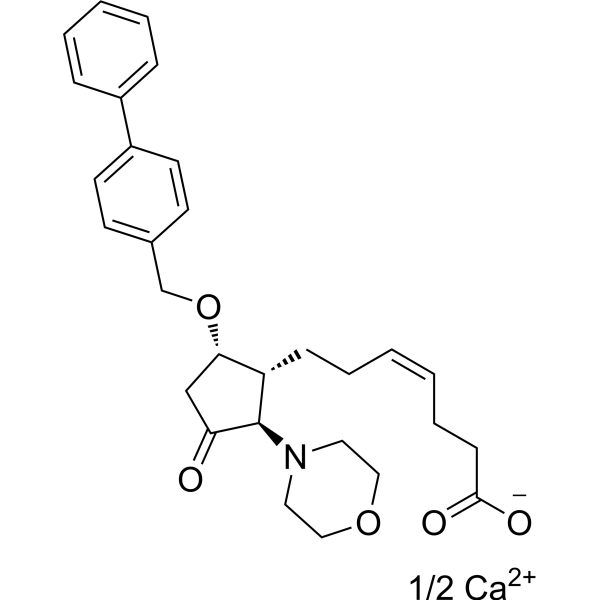
    AH23848 hemicalcium salt is an orally active, selective competitive blocker of the thromboxane A2 receptor, with an IC50 value of 50 nM. AH23848 hemicalcium salt shows no activity against other prostaglandin, serotonin (5-HT) or adenosine diphosphate (ADP) receptors. AH23848 hemicalcium salt can be used in the research of occlusive vascular diseases .
    AH23848 hemicalcium salt
  • HY-105866

    Calcium Channel Prostaglandin Receptor Cardiovascular Disease
    Wy 27569 is an orally active vascular selective calcium channel blocker that can effectively lower blood pressure. Wy 27569 is a thromboxane synthase inhibitor that can reshape prostaglandin balance, reduce pro thrombotic TXA2, and increase anti thrombotic PGI2. Wy 27569 can be used for research on cardiovascular diseases such as hypertension and angina .
    Wy 27569
  • HY-B0885R

    (±)-Econazol (Standard)

    Reference Standards Fungal Bacterial Calcium Channel Cytochrome P450 Infection Metabolic Disease
    Econazole (Standard) ((±)-Econazol (Standard)) is the analytical standard of Econazole (HY-B0885). This product is intended for research and analytical applications. Econazole ((±)-Econazol) is an orally active imidazole antifungal agent, as well as a cytochrome P-450 inhibitor and a blocker of calcium and manganese ion uptake. Econazole is active against a variety of fungi and some Gram-positive bacteria, but has no significant activity against Gram-negative bacteria. Econazole can inhibit the synthesis of prostaglandins and can also induce liver damage .
    Econazole (Standard)
  • HY-165587

    Prostaglandin Receptor Cardiovascular Disease
    BM-573 is an orally active dual thromboxane A₂ (TXA₂) modulator with an IC50 of 1.3 nM. BM-573 possesses both thromboxane synthase (TxAS) inhibition and thromboxane receptor (TP) antagonistic effects. BM-573 can completely inhibit platelet aggregation induced by Arachidonic acid (HY-109590) or U-46619 (TXA₂ analogues). BM-573 completely blocks the generation of TXB₂ (the stable metabolite of TXA₂) in human platelets and does not inhibit cyclooxygenase (COX-1/COX-2), thus avoiding interference with other prostaglandin synthesis. BM-573 has an inhibitory effect on U-46619-induced contractions in rat gastric fundus smooth muscle (ED₅₀ = 4.2 μM), but has no effect on contractions caused by PGE₂, PGF₂α, or PGI₂. BM-573 can be used in the study of atherosclerosis, myocardial infarction, pulmonary hypertension and shock .
    BM-573
  • HY-114761

    Prostaglandin Receptor Cardiovascular Disease
    Prostaglandin F2α dimethyl amine is a Prostaglandin F2α (HY-12956) derivative. Prostaglandin F2α dimethyl amine is an antagonist for Prostaglandin F receptor (FP) . Prostaglandin F2α dimethyl amine blocks the cardiovascular responses induced by orexin and Arachidonic acid (HY-109590) .
    Prostaglandin F2α dimethyl amine
  • HY-W268542R

    Reference Standards COX SOD PGE synthase Inflammation/Immunology Cancer
    4-Acetylaminoantipyrine (Standard) is the analytical standard of 4-Acetylaminoantipyrine. This product is intended for research and analytical applications. 4-Acetylaminoantipyrine (4-AA) is a derivative of antipyrine (HY-B0171). 4-Acetylaminoantipyrine acts as a PGE2-dependent blocker and inhibitor of cyclooxygenase (COX) . 4-Acetylaminoantipyrine can inhibit Cu/ZnSOD . 4-Acetylaminoantipyrine can spontaneously bind with bovine serum albumin (BSA) and alter its conformation .
    4-Acetylaminoantipyrine (Standard)
  • HY-P1020

    Prostaglandin Receptor Neurological Disease
    Nocistatin (human) blocks nociceptin-induced allodynia and hyperalgesia, and attenuates pain evoked by prostaglandin E2 .
    Nocistatin(human)
  • HY-139119

    Prostaglandin Receptor Others
    Prostaglandin F2α dimethyl amide is an antagonist for Prostaglandin F2α (HY-12956), which blocks 50% contraction on gerbilMeriones unguiculatus colon induced by PGF2α at 3.2 μg/mL .
    Prostaglandin F2α dimethyl amide
  • HY-P1020A

    Prostaglandin Receptor Neurological Disease
    Nocistatin (human) TFA blocks nociceptin-induced allodynia and hyperalgesia, and attenuates pain evoked by prostaglandin E2 .
    Nocistatin(human) TFA
  • HY-B0890A

    McN-2783-21-98 free acid

    PGE synthase Neurological Disease Inflammation/Immunology
    Zomepirac (McN-2783-21-98 free acid) is an orally active prostaglandin synthetase inhibitor. Zomepirac blocks prostaglandin synthesis and inhibits Collagen (HY-P72147)- or Epinephrine (HY-B0447)-induced platelet aggregation. Zomepirac can be used for the research of postoperative pain and osteoarthritis .
    Zomepirac
  • HY-101236

    Prostaglandin Receptor Endocrinology
    ICI 192605 is a potent TXA2R (thromboxane A2 receptor) antagonist as cell signaling prostaglandin. ICI 192605 blocks contraction of isolated guinea pig trachea induced by U-46619 .
    ICI 192605
  • HY-B0890R

    McN-2783-21-98 (Standard)

    PGE synthase Reference Standards Neurological Disease Inflammation/Immunology
    Zomepirac sodium salt (Standard) is the analytical standard of Zomepirac sodium salt (HY-B0890). This product is intended for research and analytical applications. Zomepirac sodium salt (McN-2783-21-98) is an orally active prostaglandin synthetase inhibitor. Zomepirac sodium salt blocks prostaglandin synthesis and inhibits Collagen (HY-P72147)- or Epinephrine (HY-B0447)-induced platelet aggregation. Zomepirac sodium salt can be used for the research of postoperative pain and osteoarthritis .
    Zomepirac sodium salt (Standard)
  • HY-B0336R

    Reference Standards COX Apoptosis PGE synthase Inflammation/Immunology Cancer
    Pranoprofen (Standard) is the analytical standard of Pranoprofen. This product is intended for research and analytical applications. Pranoprofen is a non-steroidal anti-inflammatory agent (NSAID) for the research of keratitis or other ophthalmology diseases. Pranoprofen inhibit COX-1 and COX-2 enzymes, thus blocking arachidonic acid converted to eicosanoids and reducing prostaglandins synthesis .
    Pranoprofen (Standard)
  • HY-168766

    Prostaglandin Receptor COX Inflammation/Immunology
    O-Acetylsalicylhydroxamic acid is an acetylation inhibitor of prostaglandin H2 synthase that can suppress PGE2 synthesis in the body and block the cyclooxygenase activity of PGHS in vitro. O-Acetylsalicylhydroxamic acid requires the presence of the active site residue Ser-529 to act on human PGHS-1; the S529A mutant is resistant to the inactivation effects of this inhibitor .
    O-Acetylsalicylhydroxamic acid
  • HY-P0193

    Biochemical Assay Reagents Neurological Disease Endocrinology
    Nocistatin (Bovine) is a nociceptin precursor contains another biologically active peptide. Nocistatin (Bovine) blocks nociception-induced allodynia and hyperalgesia. Nocistatin (Bovine) also attenuates pain evoked by prostaglandin E2. Nocistatin (Bovine) can bind to the membrane of mouse brain and spinal cord with high affinity. Nocistatin (Bovine) can be studied in research on pain transmission .
    Nocistatin (Bovine)
  • HY-B0885S

    (±)-Econazol-d6

    Isotope-Labeled Compounds Fungal Bacterial Calcium Channel Cytochrome P450 Infection Metabolic Disease
    Econazole-d6 ((±)-Econazol-d6) is the deuterium labeled Econazole (HY-B0885). Econazole is an orally active imidazole antifungal agent, as well as a cytochrome P-450 inhibitor and a blocker of calcium and manganese ion uptake. Econazole is active against a variety of fungi and some Gram-positive bacteria, but has no significant activity against Gram-negative bacteria. Econazole can inhibit the synthesis of prostaglandins and can also induce liver damage .
    Econazole-d6
  • HY-W778179

    LRCL 3794-13C,d3

    Isotope-Labeled Compounds COX Cytochrome P450 Lipoxygenase PGE synthase Inflammation/Immunology
    Benoxaprofen- 13C, d3 is the 13C-labeled Benoxaprofen (HY-13568). Benoxaprofen (LRCL 3794) is a nonsteroidal anti-inflammatory agent that blocks the biosynthesis of inflammatory mediators such as leukotrienes and prostaglandins by inhibiting 5-LOX, PGH2 synthase and cytochrome P-450. Benoxaprofen exhibits significant toxicity: it not only alters cellular redox status, uncouples oxidative phosphorylation and disrupts calcium ion homeostasis, but also causes liver injury through the formation of covalent adducts between its active metabolites and hepatic proteins. Benoxaprofen shows strong phototoxicity under ultraviolet irradiation, and induces erythrocyte lysis, mast cell degranulation and histamine release. Benoxaprofen is widely used in studies of urticaria and related phototoxic mechanisms .
    Benoxaprofen-13C,d3
  • HY-13568R

    LRCL 3794 (Standard)

    Reference Standards COX Cytochrome P450 Lipoxygenase PGE synthase Inflammation/Immunology
    Benoxaprofen (Standard) is the analytical standard of Benoxaprofen. This product is intended for research and analytical applications. Benoxaprofen (LRCL 3794) is a nonsteroidal anti-inflammatory agent that blocks the biosynthesis of inflammatory mediators such as leukotrienes and prostaglandins by inhibiting 5-LOX, PGH2 synthase and cytochrome P-450. Benoxaprofen exhibits significant toxicity: it not only alters cellular redox status, uncouples oxidative phosphorylation and disrupts calcium ion homeostasis, but also causes liver injury through the formation of covalent adducts between its active metabolites and hepatic proteins. Benoxaprofen shows strong phototoxicity under ultraviolet irradiation, and induces erythrocyte lysis, mast cell degranulation and histamine release. Benoxaprofen is widely used in studies of urticaria and related phototoxic mechanisms .
    Benoxaprofen (Standard)
  • HY-131384

    8,11,14-Icosatriynoic acid

    COX Others
    8,11,14-Eicosatriynoic Acid, as an inhibitor of prostaglandin, leukotriene biosynthesis, and arachidonic acid-induced platelet aggregation, blocks human 12-lipoxygenase (12-LO), cyclooxygenase (COX)and 5-lipoxygenase (5-LO) with IC50 values of 0.46 μM, 14 μMand 25 μM, respectively. In addition, 8,11,14-Eicosatriynoic Acid inhibits the action of slow-reacting substances of allergic reactions, with IC50 value of 10 μM. Lipoxygenase is widely found in fungi, plants and animals. 12-LO involves in many important disease states and may play a role in oxidative glutamate toxicity. COX enzymes play complex roles in human physiology and pathology involving the neuronal, immune, renal, cardiovascular, gastrointestinal and reproductive systems. COX enzymes are blocked by aspirin and a variety of other NSAIDs, which makes them clinically important. 5-LO involves in cancer pathology. It is expressed by a variety of cancer cells, including colon, lung, breast, and prostate cancers, and promotes cancer cell growth and neovascularization . 8,11,14-Eicosatriynoic acid is a click chemistry reagent, it contains an Alkyne group and can undergo copper-catalyzed azide-alkyne cycloaddition (CuAAc) with molecules containing Azide groups.
    8,11,14-Eicosatriynoic acid
  • HY-A0221R

    R 68070 (Standard)

    Prostaglandin Receptor Reference Standards Inflammation/Immunology
    Ridogrel (Standard) is the analytical standard of Ridogrel. This product is intended for research and analytical applications. Ridogrel (R 68070) is an orally active combined thromboxane A2 synthetase inhibitor and thromboxane A2/prostaglandin endoperoxide receptor blocker. Ridogrel is potent antiplatelet agent. Anti-inflammatory activities .
    Ridogrel (Standard)
  • HY-183845

    Prostaglandin Receptor Cancer
    HTL0039732 is an orally active antagonist of the prostaglandin EP4 receptor (Prostaglandin E2 Receptor EP4). HTL0039732 reverses PGE2-induced differentiation toward M2-like macrophages. HTL0039732 exhibits efficacy in syngeneic tumor models and acts synergistically with PD-1/PD-L1 pathway blockers. HTL0039732 can be used for the research of advanced solid tumors .
    HTL0039732
  • HY-W740009

    Drug Metabolite Prostaglandin Receptor Inflammation/Immunology
    4-Oxoetodolac, Etodolac (HY-76251) metabolite, is an orally active antiinflammatory agent. 4-Oxoetodolac blocks prostaglandin production in cultured chondrocyte cells. 4-Oxoetodolac exhibits slight antiinflammatory activity in a rat adjuvant edema model. 4-Oxoetodolac can be used for the research of inflammation .
    4-Oxoetodolac
  • HY-N16849

    YM 26567-1

    COX Prostaglandin Receptor Fungal Infection Inflammation/Immunology
    Myristinin A (YM 26567-1) is a trans-isomer flavan compound found in Horsfieldia amygdaline and Myristica cinnamomea. Myristinin A can selectively inhibit COX-2 activity with an IC50 of 16.9 μg/mL. Myristinin A can reduce the production of prostaglandin E2 (PGE2) and inhibit phospholipase A2 (PLA2), thereby blocking the release of inflammatory mediators. Myristinin A can inhibit Candida albicans with an IC50 of 8.8 μg/mL. Myristinin A can be used for the research of inflammation and infection, such as rheumatoid arthritis .
    Myristinin A
  • HY-102065R

    Reference Standards Prostaglandin Receptor RANKL/RANK Metabolic Disease
    SC-19220 (Standard) is the analytical standard of SC-19220 (HY-102065). This product is intended for research and analytical applications. SC-19220 is a prostaglandin E2 receptor EP1 antagonist. SC-19220 blocks functional EP1 receptor activation, and RANK/RANKL signaling pathway. SC-19220 inhibits osteoclast formation and bone resorption by pre-existing osteoclasts. SC-19220 can be used for the research of osteoporotic disorders, inflammatory bone resorption .
    SC-19220 (Standard)
  • HY-N16865

    COX Prostaglandin Receptor Fungal Infection Inflammation/Immunology
    Myristinin B/C is a mixture of Myristinin B and Myristinin C. Myristinin B/C is a flavan compound found in Horsfieldia amygdaline and Myristica cinnamomea. Myristinin B/C can selectively inhibit COX-2 activity with an IC50 of 2.1 μg/mL. Myristinin B/C can reduce the production of prostaglandin E2 (PGE2) and inhibit phospholipase A2 (PLA2), thereby blocking the release of inflammatory mediators. Myristinin B/C can inhibit Candida albicans with an IC50 of 6 μg/mL. Myristinin B/C can be used for the research of inflammation and infection, such as rheumatoid arthritis .
    Myristinin B/C

Inquiry Online

Your information is safe with us. * Required Fields.

Salutation


Country or Region *

Applicant Name *


Organization Name *

Department *


Email Address *


Product Name *

Cat. No.


Requested quantity *

Phone Number *


Remarks

Inquiry Online

Inquiry Information

Product Name:
Cat. No.:
Quantity:
MCE Japan Authorized Agent:

