Search Result
Results for "
PurE
" in MedChemExpress (MCE) Product Catalog:
3
Biochemical Assay Reagents
8
Isotope-Labeled Compounds
| Cat. No. |
Product Name |
Target |
Research Areas |
Chemical Structure |
-
- HY-13636
-
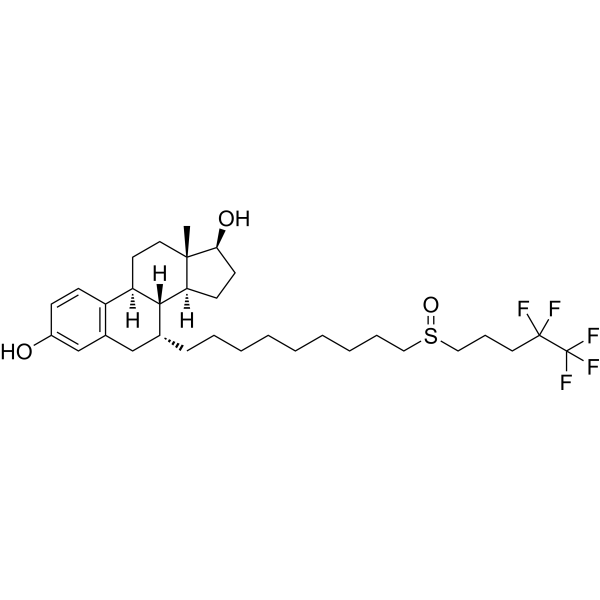
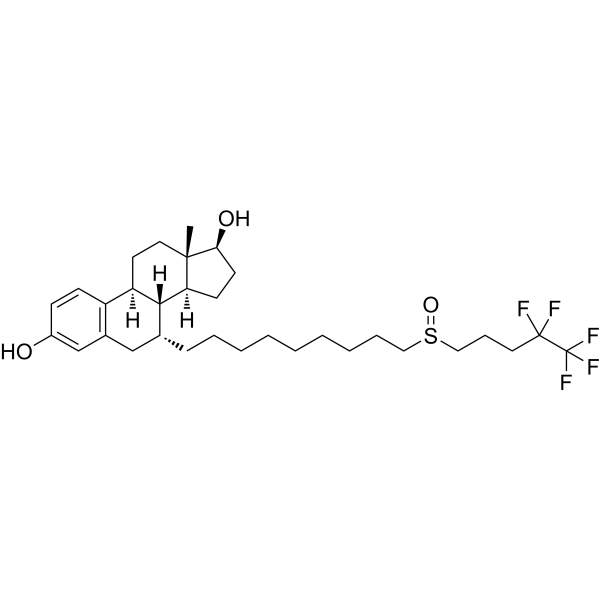
Fulvestrant
Maximum Cited Publications
133 Publications Verification
ICI 182780; ZD 9238; ZM 182780
|
Estrogen Receptor/ERR
Autophagy
Apoptosis
|
Inflammation/Immunology
Cancer
|
|
Fulvestrant (ICI 182780) is a pure antiestrogen and a potent estrogen receptor (ER) antagonist with an IC50 of 9.4 nM. Fulvestrant is also a GPR30 agonist. Fulvestrant effectively inhibits the growth of ER-positive MCF-7 cells with an IC50 of 0.29 nM. Fulvestrant also induces autophagy and has antitumor efficacy .
|
-
-
- HY-145572
-
|
LY-3484356
|
Estrogen Receptor/ERR
|
Cancer
|
|
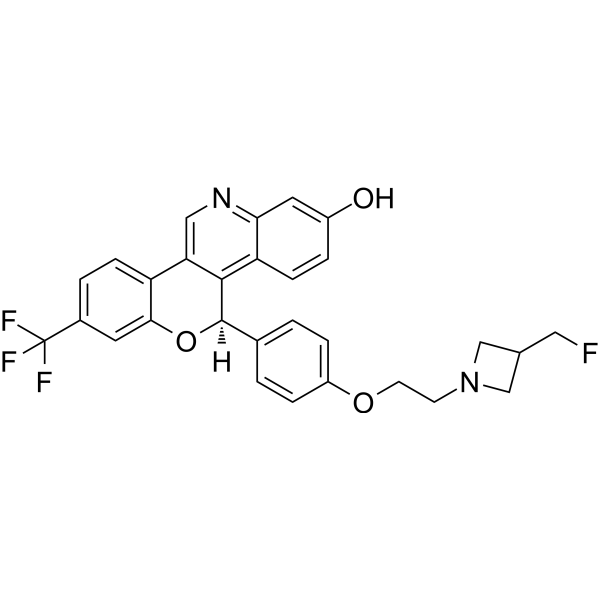
Imlunestrant (LY-3484356) is an orally active, potent and selective estrogen receptor degrader (SERD) with pure antagonistic properties. Imlunestrant results in sustained inhibition of ER-dependent gene transcription and cell growth. Imlunestrant can be used for the research of ER-positive (ER+) advanced breast cancer (aBC) and endometrial endometrioid cancer (EEC) .
|
-
-
- HY-15758
-
-
-
- HY-50868
-
|
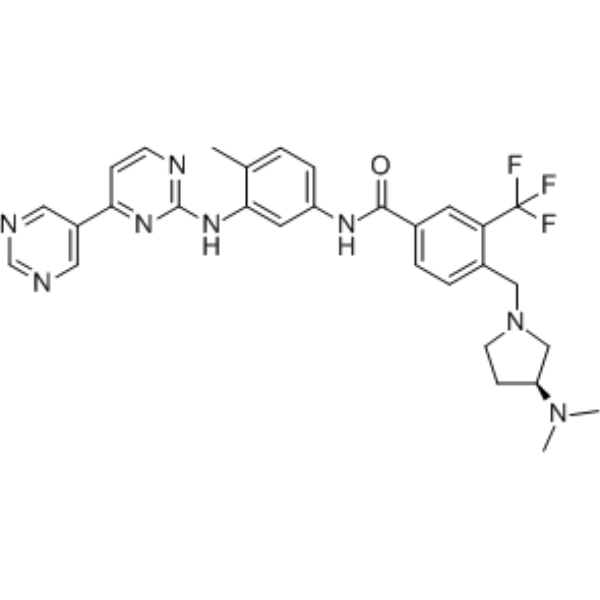
INNO-406; NS-187
|
Bcr-Abl
Src
Apoptosis
|
Cancer
|
|
Bafetinib is an orally active Lyn/Bcr-Abl tyrosine kinase inhibitor. Bafetinib enhances the activity of several pro-apoptotic Bcl-2 homology (BH) 3-pure proteins (Bim, Bad, Bmf, and Bik) through intrinsic apoptotic pathways regulated by the Bcl-2 family, and induces apoptosis of Ph + leukemia cells. Bafetinib has antitumor activity .
|
-
-
- HY-145572A
-
|
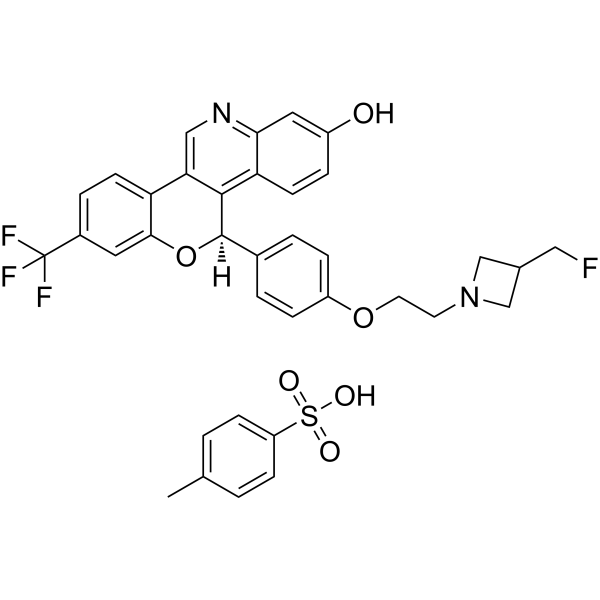
LY-3484356 tosylate
|
Estrogen Receptor/ERR
|
Cancer
|
|
Imlunestrant (LY-3484356) tosylate is an orally active, potent and selective estrogen receptor degrader (SERD) with pure antagonistic properties. Imlunestrant tosylate results in sustained inhibition of ER-dependent gene transcription and cell growth. Imlunestrant tosylate can be used for the research of ER-positive (ER+) advanced breast cancer (aBC) and endometrial endometrioid cancer (EEC) .
|
-
-
- HY-12407
-
|
|
VD/VDR
|
Metabolic Disease
|
|
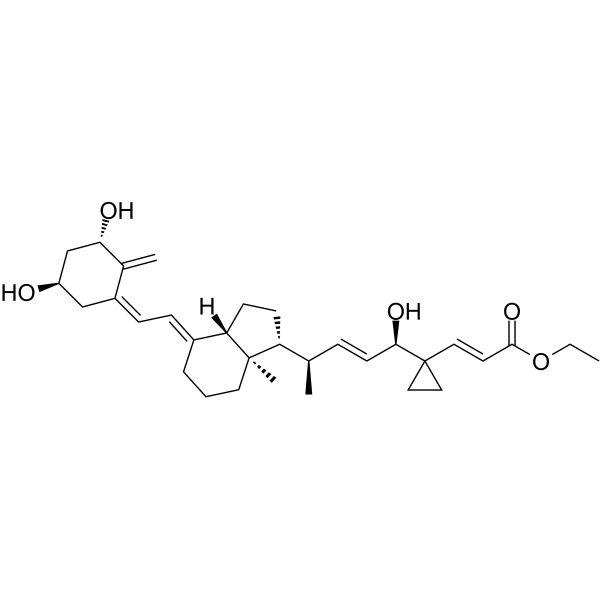
ZK168281 is a 25-carboxylic ester 1α,25(OH)2D3 analog and a pure VDR antagonist with a Kd value of 0.1 nM. ZK168281 is an effective inhibitor of the coactivator (CoA) interaction of its receptor .
|
-
-
- HY-13636R
-
|
ICI 182780(Standard); ZD 9238(Standard); ZM 182780 (Standard)
|
Reference Standards
Estrogen Receptor/ERR
Autophagy
Apoptosis
|
Cancer
|
|
Fulvestrant (Standard) is the analytical standard of Fulvestrant. This product is intended for research and analytical applications. Fulvestrant (ICI 182780) is a pure antiestrogen and a potent estrogen receptor (ER) antagonist with an IC50 of 9.4 nM. Fulvestrant is also a GPR30 agonist. Fulvestrant effectively inhibits the growth of ER-positive MCF-7 cells with an IC50 of 0.29 nM. Fulvestrant also induces autophagy and has antitumor efficacy .
|
-
-
- HY-B1804
-
|
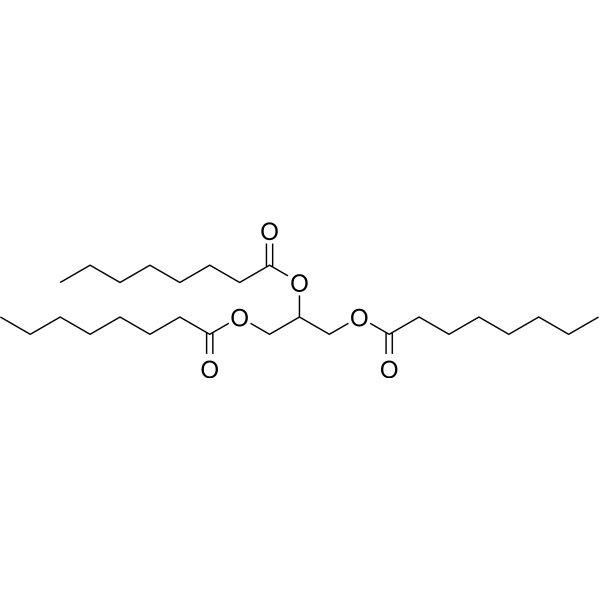
Trioctanoin; Glyceryl trioctanoate
|
Endogenous Metabolite
|
Neurological Disease
Inflammation/Immunology
|
|
Tricaprilin (Trioctanoin) is an orally active and well tolerated ketogenic agent that safely induces ketosis. Tricaprilin restores brain electrical activity and metabolism to help counteract neuroinflammation in migraine. Tricaprilin is promising for research of migraine prevention and Alzheimer’s disease (AD). Tricaprilin is a pure C8 medium chain triglyceride (MCT) .
|
-
-
- HY-Y0286
-
|
Hartshorn salt, 99%
|
Environmental Pollutants
Biochemical Assay Reagents
|
Others
|
|
Ammonium carbonate (Ammonium carbonate), 99% is a solid amino compound that functions as a buffer, pH regulator, pore-forming agent, and electrocatalytic oxidation substrate. Ammonium carbonate, 99% is a GRAS-grade direct food additive with no restricted daily intake specified by FAO/WHO, and it shows no acute skin toxicity, clinical signs of toxicity, or effects on body weight in rats. Ammonium carbonate, 99% undergoes electrocatalytic oxidation in alkaline solutions with a Pt/C catalyst (carbonate adsorption interferes with activity). Ammonium carbonate, 99% can serve as a fuel for low-temperature polymer fuel cells and anion exchange membrane fuel cells (with performance superior to pure ammonia), and can also form pores in the carrier-free Pt cathode catalyst layer after low-temperature decomposition, thereby enhancing catalyst activity under low-humidity conditions and the performance of proton exchange membrane fuel cells .
|
-
-
- HY-16023A
-
|
EM-652; SCH 57068
|
Estrogen Receptor/ERR
|
Cancer
|
|
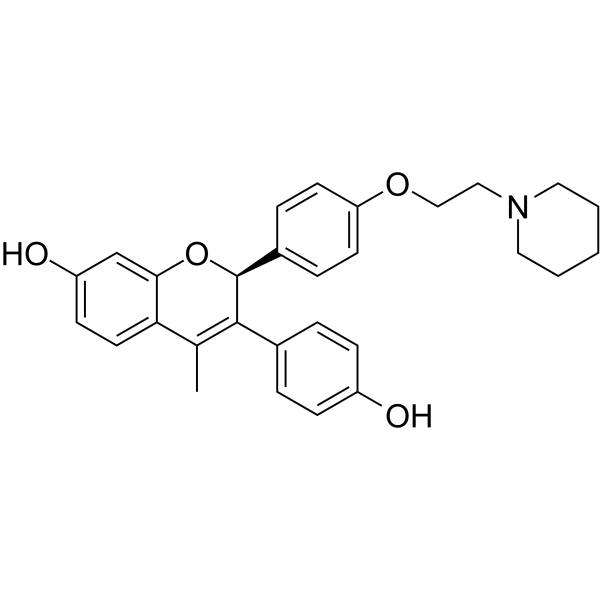
Acolbifene (EM-652), the active metabolite of EM800, is an orally active pure antiestrogen and selective estrogen receptor antagonist. Acolbifene (EM-652) inhibits estradiol (E2)-induced transcriptional activity of ERα (IC50 = 2 nM) and ERβ (IC50 = 0.4 nM). Acolbifene (EM-652) possesses potent and pure anticarcinogenic properties .
|
-
-
- HY-121418
-
|
|
c-Myc
|
Cancer
|
|
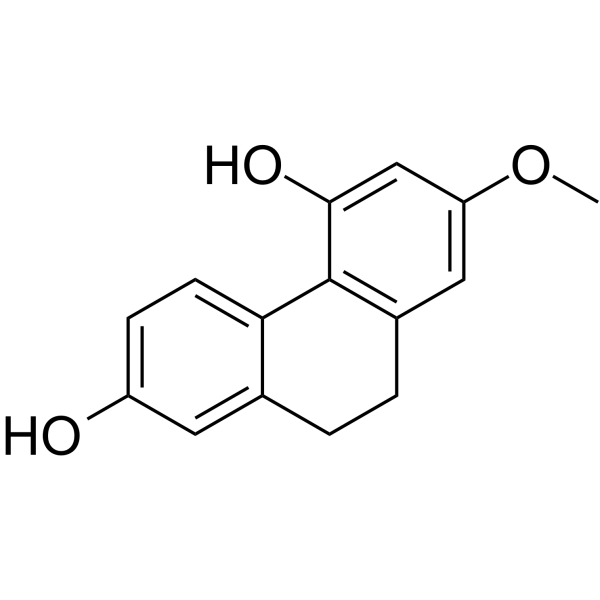
Lusianthridin, a pure compound from Dendrobium venustum, have an anti-migratory effect. Lusianthridin enhances c-Myc degradation through the inhibition of Src-STAT3 signaling .
|
-
-
- HY-13636S
-
|
ICI 182780-d3; ZD 9238-d3; ZM 182780-d3
|
Isotope-Labeled Compounds
Estrogen Receptor/ERR
Autophagy
Apoptosis
|
Cancer
|
|
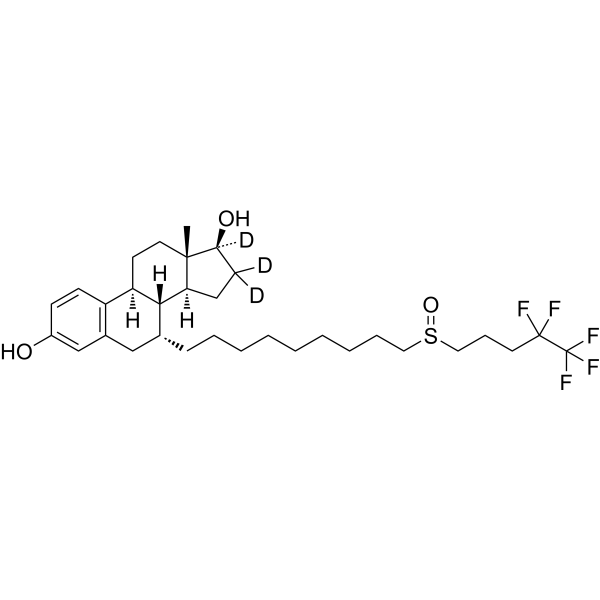
Fulvestrant-d3 is the deuterium labeled Fulvestrant. Fulvestrant (ICI 182780) is a pure antiestrogen and a potent estrogen receptor (ER) antagonist with an IC50 of 9.4 nM. Fulvestrant is also a GPR30 agonist. Fulvestrant effectively inhibits the growth of ER-positive MCF-7 cells with an IC50 of 0.29 nM. Fulvestrant also induces autophagy and has antitumor efficacy .
|
-
-
- HY-133154
-
|
CAIR; 4-Carboxy-AIR
|
Endogenous Metabolite
|
Infection
|
|
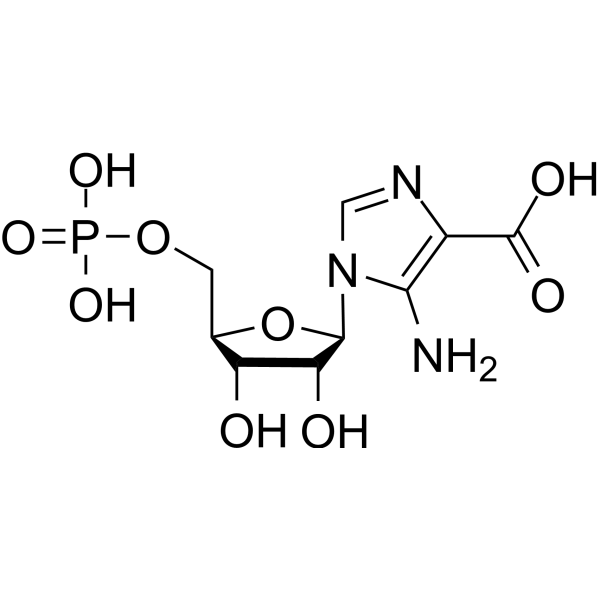
Carboxyaminoimidazole ribotide (CAIR) is a metabolite of E. coli. Carboxyaminoimidazole ribotide can be used to detect distinctive features of E. coli PurE active site and synthesis fungal de novo purine .
|
-
-
- HY-15758R
-
|
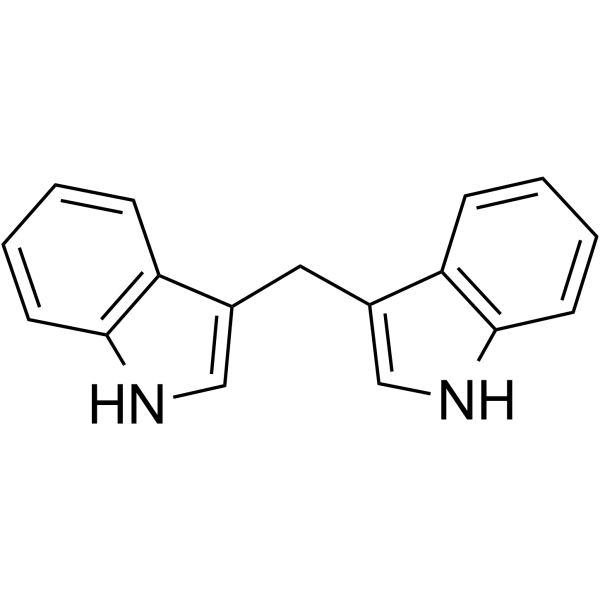
DIM (Standard); Arundine (Standard); HB 236 (Standard)
|
Reference Standards
Androgen Receptor
Autophagy
|
Cancer
|
|
3,3'-Diindolylmethane (Standard) is the analytical standard of 3,3'-Diindolylmethane. This product is intended for research and analytical applications. 3,3'-Diindolylmethane is a strong, pure androgen receptor (AR) antagonist.
|
-
-
- HY-13636S1
-
|
ICI 182780-d5; ZD 9238-d5; ZM 182780-d5
|
Isotope-Labeled Compounds
|
Others
|
|
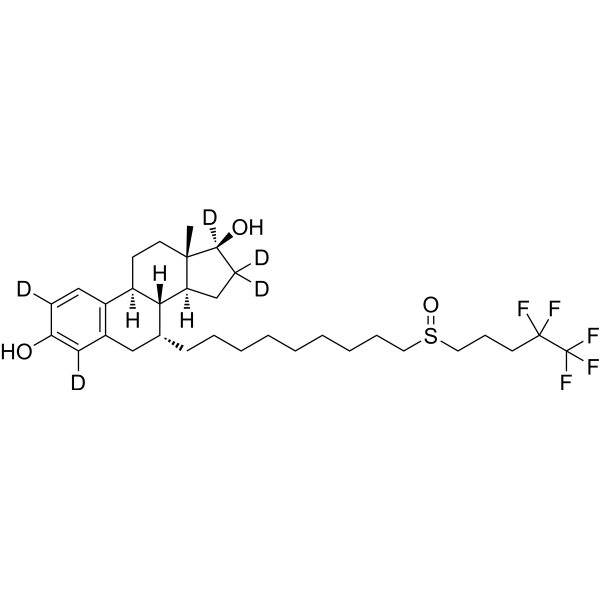
Fulvestrant-d5 (ICI 182780-d5) is a isotope of Fulvestrant (HY-13636) . Fulvestrant (ICI 182780) is a pure antiestrogen and a potent estrogen receptor (ER) antagonist with an IC50 of 9.4 nM. Fulvestrant is also a GPR30 agonist. Fulvestrant effectively inhibits the growth of ER-positive MCF-7 cells with an IC50 of 0.29 nM. Fulvestrant also induces autophagy and has antitumor efficacy.
|
-
-
- HY-B0162AS
-
-
-
- HY-148225
-
|
|
Drug Metabolite
|
Cancer
|
|
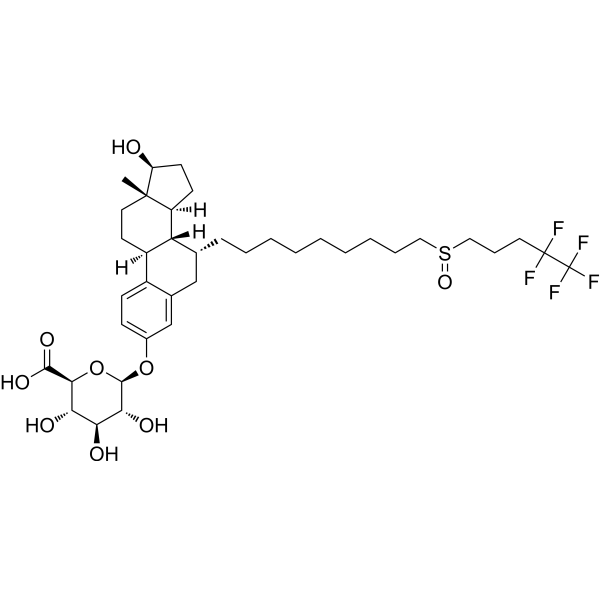
Fulvestrant 3-β-D-Glucuronide, a metabolite, is glucuronide and sulfate conjugates of Fulvestrant (HY-13636), a pure anti-estrogenic steroid. Fulvestrant 3-β-D-Glucuronide can be used for the research of breast cancer .
|
-
-
- HY-Y1890B
-
|
|
Biochemical Assay Reagents
|
Others
|
|
Cremophor EL-10 is a nonionic polyoxyethylene castor oil surfactant with multiple functions including organic solubilizer, mixed zinc anode corrosion inhibitor and dendrite growth inhibitor. By forming a physical barrier to block electrolyte contact and constructing oriented hydration channels to reduce the desolvation energy barrier of Zn 2+ , Cremophor EL-10 achieves a corrosion inhibition efficiency of over 99%. Cremophor EL-10 exerts no significant effects on the mitochondrial activity and cell viability of epithelial cells, making it suitable for in vitro drug delivery and biopharmaceutical research at concentrations ≤10% v/v. However, Cremophor EL-10 may induce sustained non-endothelium-dependent contraction in rat aortic rings and exert concentration-dependent inhibitory effects on acetylcholine-induced endothelium-dependent relaxation responses .
|
-
-
- HY-B1804S
-
|
Trioctanoin-13C3; Glyceryl trioctanoate-13C3
|
Isotope-Labeled Compounds
Endogenous Metabolite
|
Neurological Disease
Inflammation/Immunology
|
|
Tricaprilin- 13C3 (Trioctanoin- 13C3) is a 13C-labeled Tricaprilin (HY-B1804) . Tricaprilin is an orally active and well tolerated ketogenic agent that safely induces ketosis. Tricaprilin restores brain electrical activity and metabolism to help counteract neuroinflammation in migraine. Tricaprilin is promising for research of migraine prevention and Alzheimer’s disease (AD). Tricaprilin is a pure C8 medium chain triglyceride (MCT) .
|
-
-
- HY-W134423B
-
|
|
Biochemical Assay Reagents
|
Others
|
|
Agar, meets USP testing specifications is a high-quality selective growth support and substrate for non-adherent cells. Agar, meets USP testing specifications effectively supports the growth, colony formation and metachromatic matrix production of chondrocytes, and also facilitates the isolation and differentiation of pure chondrocyte strains by restricting the proliferation of fibroblast-like cells. Chondrocytes grown in Agar, meets USP testing specifications can be successfully transferred to a liquid suspension culture system, where they continue to proliferate while retaining the characteristics exhibited during growth in agar .
|
-
-
- HY-145341
-
|
|
Estrogen Receptor/ERR
|
Cancer
|
|
GNE-149 is an orally bioavailable full antagonist of estrogen receptor α (ERα; IC50=0.053 nM). GNE-149 is a selective estrogen receptor degrader (SERD). GNE-149 can be used for the research of breast cancer .
|
-
-
- HY-W067358
-
-
-
- HY-N9506
-
|
|
GABA Receptor
|
Neurological Disease
|
|
Anisatin, a pure toxic substance isolated from the seeds of a Japanese plant (Illicium anisatum) acts as a picrotoxin-like, non-competitive GABA antagonist. Anisatin suppresses GABA-induced currents in a concentration-dependent manner with an EC50 of ~1.10 μM .
|
-
-
- HY-W783247
-
-
-
- HY-15206A
-
|
Glyburide potassium
|
Potassium Channel
CFTR
|
Others
|
|
Glibenclamide (Glyburide) potassium is a potassium salt of Glibenclamide (HY-15206). Glibenclamid potassium exists in anhydrous and hydrate forms, with higher solubility compared to pure Glibenclamide .
|
-
-
- HY-B0162AS1
-
-
-
- HY-W781921
-
|
|
Fluorescent Dye
|
Others
|
|
BP Fluor 488 Alkyne is a popular labeling dye used in Click Chemistry reactions. It will react with the azide group in antibody, proteins, peptides, amino-modified oligos, and other target molecules. The dye has an excitation peak at 499 nm and an emission peak at 520 nm. The conjugates are widely used in microscopy, flow cytometry, and other applications. BP Fluor 488 is a pure 5-sulfonated rhodamine molecule and it eliminates the lot-to-lot variation caused by two isomers ratio differences.
|
-
-
- HY-N16572
-
|
|
Drug Intermediate
Drug Metabolite
|
Others
|
|
5-endo-Hydroxyborneol is a hydroxylation metabolite of a monoterpene compound. 5-endo-Hydroxyborneol can be used as a drug intermediate to synthesize optically pure compounds .
|
-
-
- HY-N17235
-
-
-
- HY-125263
-
|
|
Estrogen Receptor/ERR
|
Cancer
|
|
OP-1074, a pure anti-estrogen drug, is a selective ER degrader (PA-SERD) with specific anti-estrogenic activity against ERα and ERβ, inhibiting 17β-estradiol (E2)-stimulated transcription with IC50 values of 1.6 and 3.2 nM, respectively.
|
-
-
- HY-W800680
-
|
|
Fluorescent Dye
|
Others
|
|
BP Fluor 488 DBCO is a popular labeling dye used in copper-free Click Chemistry reactions. It will react with the azide group in antibody, proteins, peptides, amino-modified oligos, and other target molecules. The dye has an excitation peak at 499 nm and an emission peak at 520 nm. The conjugates are widely used in microscopy, flow cytometry, and other applications. BP Fluor 488 is a pure 5-sulfonated rhodamine molecule and it eliminates the lot-to-lot variation caused by two isomers ratio differences.
|
-
-
- HY-16023
-
|
EM-652 hydrochloride; SCH 57068 hydrochloride
|
Estrogen Receptor/ERR
|
Cancer
|
|
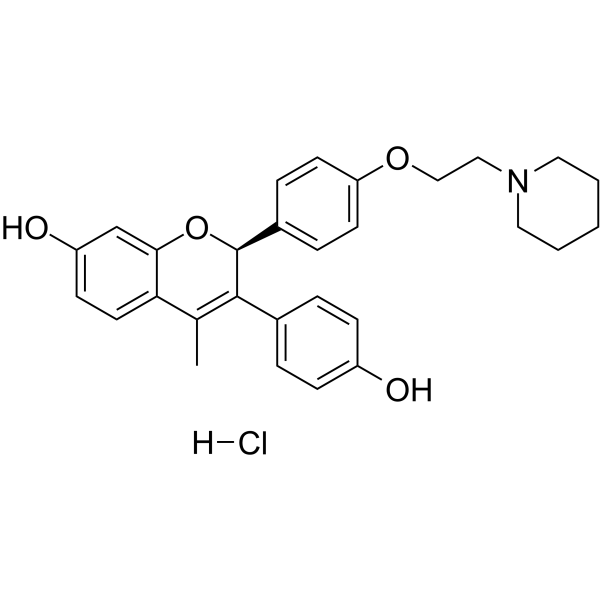
Acolbifene (EM-652) hydrochloride, an active metabolite of EM800, is an orally active, cancer-preventing selective estrogen receptor modulator (SERM). Acolbifene (EM-652) hydrochloride inhibits estradiol (E2)-induced transcriptional activity of ERα (IC50=2 nM) and ERβ (IC50=0.4 nM). Acolbifene (EM-652) hydrochloride exerts a potent and pure antiestrogenic action in the mammary gland and uterus. Anticarcinogenic properties .
|
-
-
- HY-D0317
-
|
Sunchromine PurE Blue BX
|
Fluorescent Dye
|
Others
|
|
Chrome Pure Blue BX (Sunchromine Pure Blue BX) is a multifunctional dye. Dyes are important tools in biological experiments. They can help researchers observe and analyze cell structures, track biomolecules, evaluate cell functions, distinguish cell types, detect biomolecules, study tissue pathology and monitor microorganisms. Their applications range from basic scientific research to clinical A wide range of diagnostics. Dyes are also widely used in traditional fields such as textile dyeing, as well as in emerging fields such as functional textile processing, food pigments and dye-sensitized solar cells.
|
-
-
- HY-113701
-
|
|
Androgen Receptor
|
Cancer
|
|
CH5137291 is an orally active pure antagonist of the androgen receptor (AR), without generating agonist metabolites. CCH5137291 directly blocks the transfer of AR from the cytoplasm to the nucleus. H5137291 can completely inhibit tumor growth in cells and mouse models of castration-resistant prostate cancer models. CH5137291 can be used for the study of castration-resistant prostate cancer (CRPC) .
|
-
-
- HY-142919
-
|
|
Opioid Receptor
|
Neurological Disease
|
|
μ opioid receptor agonist 2 (Compound H-3)is an optically pure oxaspiro ring substituted pyrrolopyrazole derivative, acts as a MOR receptor agonist and can be used for the research of pain and pain related diseases .
|
-
-
- HY-142918
-
|
|
Opioid Receptor
|
Neurological Disease
|
|
μ opioid receptor agonist 1 (Compound H-1a)is an optically pure oxaspiro ring substituted pyrrolopyrazole derivative, acts as a MOR receptor agonist and can be used for the research of pain and pain related diseases .
|
-
-
- HY-W783249
-
-
-
- HY-W783248
-
-
-
- HY-W725300
-
-
-
- HY-W783245
-
-
-
- HY-W739252
-
-
-
- HY-W250446
-
|
|
Biochemical Assay Reagents
|
Others
|
|
(R)-Methyl 3-hydroxydecanoate is an enantiomerically pure hydroxylated fatty acid methyl ester. The hydroxyl group enables further derivatization or replacement with other reactive functional groups.
|
-
-
- HY-50868R
-
|
INNO-406 (Standard); NS-187 (Standard)
|
Bcr-Abl
Src
Apoptosis
Reference Standards
|
Cancer
|
|
Bafetinib (Standard) is the analytical standard of Bafetinib. This product is intended for research and analytical applications. Bafetinib is an orally active Lyn/Bcr-Abl tyrosine kinase inhibitor. Bafetinib enhances the activity of several pro-apoptotic Bcl-2 homology (BH) 3-pure proteins (Bim, Bad, Bmf, and Bik) through intrinsic apoptotic pathways regulated by the Bcl-2 family, and induces apoptosis of Ph+ leukemia cells. Bafetinib has antitumor activity .
|
-
-
- HY-P1167
-
-
-
- HY-W013812S1
-
|
Linoleic Acid ethyl ester-d5; Ethyl linoleate, PurE-d5; Mandenol-d5
|
Isotope-Labeled Compounds
Others
|
Cardiovascular Disease
|
Ethyl linoleate-d5 (Linoleic Acid ethyl ester-d5) is deuterium labeled Ethyl linoleate. Ethyl linoleate (Linoleic Acid ethyl ester) inhibit the development of atherosclerotic lesions and the expression of inflammatory mediators . .
|
-
-
- HY-P1167A
-
-
-
- HY-133173
-
|
RU51599
|
Vasopressin Receptor
Opioid Receptor
|
Neurological Disease
|
|
Niravoline (RU51599) is an arginine vasopressin (AVP) release inhibitor and a selective kappa opioid receptor agonist. Niravoline has a pure water diuresis effect without associated electrolyte excretion. Niravoline can reduce brain oedema following transient forebrain ischaemia in rats .
|
-
-
- HY-111231
-
|
|
Androgen Receptor
|
Cancer
|
|
CH4933468 is a thiohydantoin derivative, shows androgen receptor (AR) pure antagonist activity in vitro. CH4933468 inhibits AR-mediated transactivation and proliferation of LNCaP and LNCaP-BC2 cells. CH4933468 can be used for castration-resistant prostate cancer (CRPC) research .
|
-
-
- HY-D1756
-
|
|
Fluorescent Dye
|
Others
|
|
ROX NHS ester, 6-isomer is a highly fluorescent, and photostable rhodamine dye for various applications. ROX labeled oligonucleotide probes are often used in qPCR, and qPCR instruments have ROX channel. This is reactive dye for the labeling of amino-groups in peptides, proteins, and amino-oligonucleotides. Pure single isomer.
|
-
-
- HY-171033
-
|
|
Phospholipase
|
Neurological Disease
|
|
ASM-IN-3 (Compound 21b) is a selective and BBB-penetrating acid sphingomyelinase (ASM) inhibitor (IC50: 3.37 μM for pure human ASM). ASM-IN-3 improves depression-like behaviors by inhibiting ASM activity and increasing neurogenesis in hippocampus in Reserpine (HY-N0480)-induced depressed rats .
|
-
- HY-D2740
-
|
|
Fluorescent Dye
|
Others
|
|
ROX azide, 6-isomer is an alkyne-reactive derivative of ROX (Rhodamine X, Rhodamine 101) dye. ROX is a red-emitting fluorophore possessing high brightness and fluorescence quantum yield. This reagent is a pure 6-isomer. It is used for labeling alkyne and cycloalkyne-containing biomolecules via copper-catalyzed and copper-free click chemistry reactions.
|
-
- HY-172268
-
|
|
Fluorescent Dye
|
Others
|
|
R6G phosphoramidite for oligonucleotide synthesis, pure 6-isomer. R6G (rhodamine 6G) is a xanthene dye of the rhodamine family with high fluorescence quantum yield and high molar extinction coefficient. Relative to those of fluorescein, the absorption (518 nm) and emission (542 nm) maxima of 6-R6G are shifted into the long-wave region.
|
-
- HY-D2758
-
|
|
Fluorescent Dye
|
Others
|
|
TAMRA DBCO, 5-isomer is a derivative of tetramethylrhodamine (TMR, TAMRA) containing a cyclooctyne moiety (dibenzocyclooctyne, DBCO). Pure 5-isomer. DBCO reacts quickly and efficiently with azides by simply mixing the components without the need for a copper catalyst (so-called sterically promoted cycloaddition reaction (SPAAC)). TAMRA DBCO can be used for the labeling of proteins, peptides, nucleic acids, and other molecules containing azide groups.
|
-
- HY-125263B
-
|
|
Estrogen Receptor/ERR
|
Cancer
|
|
(R)-OP-1074 is an isomer of OP-1074 (HY-125263) and can serve as a control compound in experiments. OP-1074, a pure anti-estrogen drug, is a selective ER degrader (PA-SERD) with specific anti-estrogenic activity against ERα and ERβ, inhibiting 17β-estradiol (E2)-stimulated transcription with IC50 values of 1.6 and 3.2 nM, respectively.
|
-
- HY-B1804S1
-
|
Trioctanoin-d50; Glyceryl trioctanoate-d50
|
Isotope-Labeled Compounds
Endogenous Metabolite
|
Neurological Disease
Inflammation/Immunology
|
|
Tricaprilin-d50 (Trioctanoin-d50) is the deuterium labeled Tricaprilin (HY-B1804). Tricaprilin is an orally active and well tolerated ketogenic agent that safely induces ketosis. Tricaprilin restores brain electrical activity and metabolism to help counteract neuroinflammation in migraine. Tricaprilin is promising for research of migraine prevention and Alzheimer’s disease (AD). Tricaprilin is a pure C8 medium chain triglyceride (MCT) .
|
-
- HY-B1804S2
-
|
Trioctanoin-d15; Glyceryl trioctanoate-d15
|
Isotope-Labeled Compounds
Endogenous Metabolite
|
Neurological Disease
Inflammation/Immunology
|
|
Tricaprilin-d15 (Trioctanoin-d15) is the deuterium labeled Tricaprilin (HY-B1804). Tricaprilin is an orally active and well tolerated ketogenic agent that safely induces ketosis. Tricaprilin restores brain electrical activity and metabolism to help counteract neuroinflammation in migraine. Tricaprilin is promising for research of migraine prevention and Alzheimer’s disease (AD). Tricaprilin is a pure C8 medium chain triglyceride (MCT) .
|
-
- HY-100981
-
|
|
Endogenous Metabolite
|
Neurological Disease
|
|
MR-16728 hydrochloride is a compound that promotes the release of acetylcholine and has activity that enhances the release of acetylcholine. MR-16728 hydrochloride inhibits acetylcholine release induced by KCl depolarization. MR-16728 hydrochloride also inhibits Ca(2+)-ATPase activity in pure presynaptic membranes. The half-maximal effect of MR-16728 hydrochloride occurs at a concentration of 13.5 μM. MR-16728 hydrochloride significantly enhances the release of acetylcholine in the presence of low concentrations of calcium (approximately 10 μM range). Enhanced acetylcholine release was also observed with MR-16728 hydrochloride in proteoliposomes loaded with mediator proteins .
|
-
- HY-117063
-
|
|
5-HT Receptor
|
Endocrinology
|
|
LEK 8841 methanesulfonate is a gastrointestinal calming agent with strong selective 5-HT2 receptor antagonist activity. The antipsychotic potential of LEK 8841 has made it the focus of research into alternative medicines. LEK 8841 behaves as a pure competitive antagonist in response to 5-HT and norepinephrine, with pA2 values of 7.93 and 6.45, respectively. The selectivity of LEK 8841 is better than that of the comparative drug ketanserin, making it an important reference value in corresponding receptor research. Studies related to structural modifications have shown that LEK 8841 exhibits high affinity for 5-HT2 receptors and low alpha-adrenergic receptor activity .
|
-
- HY-15191B
-
|
(S)-BI-97C1
|
Bcl-2 Family
|
Cancer
|
|
(S)-Sabutoclax ((S)-BI-97C1), an optically pure apogossypol derivative, is pan-active inhibitor of antiapoptotic B-cell lymphoma/leukemia-2 (Bcl-2) family proteins. (S)-Sabutoclax (Compound II) inhibits the binding of BH3 peptides to Bcl-XL, Bcl-2, Mcl-1, and Bfl-1 with IC50 values of 0.31, 0.32, 0.20, and 0.62 μM, respectively. (S)-Sabutoclax also potently inhibits cell growth of human prostate cancer, lung cancer, and lymphoma cell lines with EC50 values of 0.13, 0.56, and 0.049 μM, respectively. (S)-Sabutoclax can be used for the research of apoptosis-based therapies against cancer .
|
-
- HY-W725302
-
-
- HY-W753387
-
-
- HY-W783246
-
-
- HY-W725301
-
-
- HY-164217
-
|
|
Drug Derivative
|
Others
|
|
β-D-Glucuronylmonomethylauristatin E is a derivative of MMAE (HY-15162). β-D-Glucuronylmonomethylauristatin E does not interact with pure phospholipid membranes, but can be effectively solubilized by micelles .
|
-
- HY-E71042
-
|
|
Biochemical Assay Reagents
|
Others
|
|
Cytosolic 5'-nucleotidase II, Huamn (EC 3.1.3.5) is a pure and active protein cloned by RT-PCR amplification of mRNA extracted from human hepatoma cells and expressed in E.coli.
|
-
- HY-133240
-
|
|
DNA Alkylator/Crosslinker
Calcium Channel
Potassium Channel
Sodium Channel
|
Infection
|
|
trans-AzoTAB is a photoresponsive potassium/sodium/calcium channel modulator and DNA-binding agent. trans-AzoTAB undergoes trans-cis isomerization driven by light, with variable polarity and DNA affinity. trans-AzoTAB also enhances voltage-gated potassium currents and inhibits sodium and calcium currents in cardiomyocytes, thereby reducing spontaneous electrical activity and excitation conduction velocity. In addition, trans-AzoTAB induces compaction and frozen conformation of λ-phage DNA, and non-sequence-dependently inhibits transcription and translation processes in the dark; its activity can be reversed and restored by visible light after activation with ultraviolet irradiation. trans-AzoTAB can serve as a probe for two-photon optical regulation of myocardial excitability, and is used to construct photoresponsive interfacial polymer structures .
|
-
| Cat. No. |
Product Name |
Type |
-
- HY-W800680
-
|
|
Fluorescent Dyes
|
|
BP Fluor 488 DBCO is a popular labeling dye used in copper-free Click Chemistry reactions. It will react with the azide group in antibody, proteins, peptides, amino-modified oligos, and other target molecules. The dye has an excitation peak at 499 nm and an emission peak at 520 nm. The conjugates are widely used in microscopy, flow cytometry, and other applications. BP Fluor 488 is a pure 5-sulfonated rhodamine molecule and it eliminates the lot-to-lot variation caused by two isomers ratio differences.
|
-
- HY-D0317
-
|
Sunchromine PurE Blue BX
|
Fluorescent Dyes
|
|
Chrome Pure Blue BX (Sunchromine Pure Blue BX) is a multifunctional dye. Dyes are important tools in biological experiments. They can help researchers observe and analyze cell structures, track biomolecules, evaluate cell functions, distinguish cell types, detect biomolecules, study tissue pathology and monitor microorganisms. Their applications range from basic scientific research to clinical A wide range of diagnostics. Dyes are also widely used in traditional fields such as textile dyeing, as well as in emerging fields such as functional textile processing, food pigments and dye-sensitized solar cells.
|
-
- HY-D1756
-
|
|
Fluorescent Dyes
|
|
ROX NHS ester, 6-isomer is a highly fluorescent, and photostable rhodamine dye for various applications. ROX labeled oligonucleotide probes are often used in qPCR, and qPCR instruments have ROX channel. This is reactive dye for the labeling of amino-groups in peptides, proteins, and amino-oligonucleotides. Pure single isomer.
|
-
- HY-D2740
-
|
|
Fluorescent Dyes
|
|
ROX azide, 6-isomer is an alkyne-reactive derivative of ROX (Rhodamine X, Rhodamine 101) dye. ROX is a red-emitting fluorophore possessing high brightness and fluorescence quantum yield. This reagent is a pure 6-isomer. It is used for labeling alkyne and cycloalkyne-containing biomolecules via copper-catalyzed and copper-free click chemistry reactions.
|
-
- HY-172268
-
|
|
Fluorescent Dyes
|
|
R6G phosphoramidite for oligonucleotide synthesis, pure 6-isomer. R6G (rhodamine 6G) is a xanthene dye of the rhodamine family with high fluorescence quantum yield and high molar extinction coefficient. Relative to those of fluorescein, the absorption (518 nm) and emission (542 nm) maxima of 6-R6G are shifted into the long-wave region.
|
-
- HY-D2758
-
|
|
Fluorescent Dyes
|
|
TAMRA DBCO, 5-isomer is a derivative of tetramethylrhodamine (TMR, TAMRA) containing a cyclooctyne moiety (dibenzocyclooctyne, DBCO). Pure 5-isomer. DBCO reacts quickly and efficiently with azides by simply mixing the components without the need for a copper catalyst (so-called sterically promoted cycloaddition reaction (SPAAC)). TAMRA DBCO can be used for the labeling of proteins, peptides, nucleic acids, and other molecules containing azide groups.
|
| Cat. No. |
Product Name |
Type |
-
- HY-Y0286
-
|
Hartshorn salt, 99%
|
Biochemical Assay Reagents
|
|
Ammonium carbonate (Ammonium carbonate), 99% is a solid amino compound that functions as a buffer, pH regulator, pore-forming agent, and electrocatalytic oxidation substrate. Ammonium carbonate, 99% is a GRAS-grade direct food additive with no restricted daily intake specified by FAO/WHO, and it shows no acute skin toxicity, clinical signs of toxicity, or effects on body weight in rats. Ammonium carbonate, 99% undergoes electrocatalytic oxidation in alkaline solutions with a Pt/C catalyst (carbonate adsorption interferes with activity). Ammonium carbonate, 99% can serve as a fuel for low-temperature polymer fuel cells and anion exchange membrane fuel cells (with performance superior to pure ammonia), and can also form pores in the carrier-free Pt cathode catalyst layer after low-temperature decomposition, thereby enhancing catalyst activity under low-humidity conditions and the performance of proton exchange membrane fuel cells .
|
-
- HY-Y1890B
-
|
|
Biochemical Assay Reagents
|
|
Cremophor EL-10 is a nonionic polyoxyethylene castor oil surfactant with multiple functions including organic solubilizer, mixed zinc anode corrosion inhibitor and dendrite growth inhibitor. By forming a physical barrier to block electrolyte contact and constructing oriented hydration channels to reduce the desolvation energy barrier of Zn 2+ , Cremophor EL-10 achieves a corrosion inhibition efficiency of over 99%. Cremophor EL-10 exerts no significant effects on the mitochondrial activity and cell viability of epithelial cells, making it suitable for in vitro drug delivery and biopharmaceutical research at concentrations ≤10% v/v. However, Cremophor EL-10 may induce sustained non-endothelium-dependent contraction in rat aortic rings and exert concentration-dependent inhibitory effects on acetylcholine-induced endothelium-dependent relaxation responses .
|
-
- HY-W134423B
-
|
|
Biochemical Assay Reagents
|
|
Agar, meets USP testing specifications is a high-quality selective growth support and substrate for non-adherent cells. Agar, meets USP testing specifications effectively supports the growth, colony formation and metachromatic matrix production of chondrocytes, and also facilitates the isolation and differentiation of pure chondrocyte strains by restricting the proliferation of fibroblast-like cells. Chondrocytes grown in Agar, meets USP testing specifications can be successfully transferred to a liquid suspension culture system, where they continue to proliferate while retaining the characteristics exhibited during growth in agar .
|
| Cat. No. |
Product Name |
Target |
Research Area |
| Cat. No. |
Product Name |
Category |
Target |
Chemical Structure |
| Cat. No. |
Product Name |
Chemical Structure |
-
- HY-13636S
-
|
|
|
Fulvestrant-d3 is the deuterium labeled Fulvestrant. Fulvestrant (ICI 182780) is a pure antiestrogen and a potent estrogen receptor (ER) antagonist with an IC50 of 9.4 nM. Fulvestrant is also a GPR30 agonist. Fulvestrant effectively inhibits the growth of ER-positive MCF-7 cells with an IC50 of 0.29 nM. Fulvestrant also induces autophagy and has antitumor efficacy .
|
-
-
- HY-13636S1
-
|
|
|
Fulvestrant-d5 (ICI 182780-d5) is a isotope of Fulvestrant (HY-13636) . Fulvestrant (ICI 182780) is a pure antiestrogen and a potent estrogen receptor (ER) antagonist with an IC50 of 9.4 nM. Fulvestrant is also a GPR30 agonist. Fulvestrant effectively inhibits the growth of ER-positive MCF-7 cells with an IC50 of 0.29 nM. Fulvestrant also induces autophagy and has antitumor efficacy.
|
-
-
- HY-B0162AS
-
|
|
|
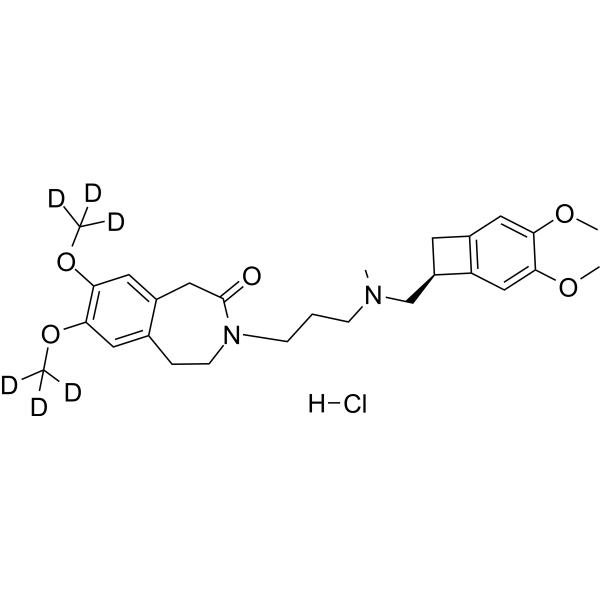
Ivabradine-d6 hydrochloride is the deuterium labeled Ivabradine hydrochloride. Ivabradine hydrochloride is a new If inhibitor with IC50 of 2.9 μM, and used as a pure heart rate lowering agent.
|
-
-
- HY-B1804S
-
|
|
|
Tricaprilin- 13C3 (Trioctanoin- 13C3) is a 13C-labeled Tricaprilin (HY-B1804) . Tricaprilin is an orally active and well tolerated ketogenic agent that safely induces ketosis. Tricaprilin restores brain electrical activity and metabolism to help counteract neuroinflammation in migraine. Tricaprilin is promising for research of migraine prevention and Alzheimer’s disease (AD). Tricaprilin is a pure C8 medium chain triglyceride (MCT) .
|
-
-
- HY-B0162AS1
-
|
|
|
Ivabradine-d3 (hydrochloride) is the deuterium labeled Ivabradine hydrochloride. Ivabradine hydrochloride is a new If inhibitor with IC50 of 2.9 μM, and used as a pure heart rate lowering agent.
|
-
-
- HY-W013812S1
-
|
|
Ethyl linoleate-d5 (Linoleic Acid ethyl ester-d5) is deuterium labeled Ethyl linoleate. Ethyl linoleate (Linoleic Acid ethyl ester) inhibit the development of atherosclerotic lesions and the expression of inflammatory mediators . .
|
-
-
- HY-B1804S1
-
|
|
|
Tricaprilin-d50 (Trioctanoin-d50) is the deuterium labeled Tricaprilin (HY-B1804). Tricaprilin is an orally active and well tolerated ketogenic agent that safely induces ketosis. Tricaprilin restores brain electrical activity and metabolism to help counteract neuroinflammation in migraine. Tricaprilin is promising for research of migraine prevention and Alzheimer’s disease (AD). Tricaprilin is a pure C8 medium chain triglyceride (MCT) .
|
-
-
- HY-B1804S2
-
|
|
|
Tricaprilin-d15 (Trioctanoin-d15) is the deuterium labeled Tricaprilin (HY-B1804). Tricaprilin is an orally active and well tolerated ketogenic agent that safely induces ketosis. Tricaprilin restores brain electrical activity and metabolism to help counteract neuroinflammation in migraine. Tricaprilin is promising for research of migraine prevention and Alzheimer’s disease (AD). Tricaprilin is a pure C8 medium chain triglyceride (MCT) .
|
-
| Cat. No. |
Product Name |
|
Classification |
-
- HY-D2740
-
|
|
|
Azide
|
|
ROX azide, 6-isomer is an alkyne-reactive derivative of ROX (Rhodamine X, Rhodamine 101) dye. ROX is a red-emitting fluorophore possessing high brightness and fluorescence quantum yield. This reagent is a pure 6-isomer. It is used for labeling alkyne and cycloalkyne-containing biomolecules via copper-catalyzed and copper-free click chemistry reactions.
|
-
- HY-D2758
-
|
|
|
DBCO
|
|
TAMRA DBCO, 5-isomer is a derivative of tetramethylrhodamine (TMR, TAMRA) containing a cyclooctyne moiety (dibenzocyclooctyne, DBCO). Pure 5-isomer. DBCO reacts quickly and efficiently with azides by simply mixing the components without the need for a copper catalyst (so-called sterically promoted cycloaddition reaction (SPAAC)). TAMRA DBCO can be used for the labeling of proteins, peptides, nucleic acids, and other molecules containing azide groups.
|
| Cat. No. |
Product Name |
|
Classification |
Your information is safe with us. * Required Fields.
Inquiry Information
- Product Name:
- Cat. No.:
- Quantity:
- MCE Japan Authorized Agent:

