Search Result
Results for "
S. pneumoniae
" in MedChemExpress (MCE) Product Catalog:
1
Biochemical Assay Reagents
| Cat. No. |
Product Name |
Target |
Research Areas |
Chemical Structure |
-
- HY-D1056B3
-
|
LPS, from bacterial (Klebsiella pneumoniae)
|
Toll-like Receptor (TLR)
|
Inflammation/Immunology
|
Lipopolysaccharides, from Klebsiella pneumoniae (LPS, from bacterial (Klebsiella pneumoniae)) are lipopolysaccharide endotoxins and TLR4 activators derived from Klebsiella pneumoniae, and are classified as S-type LPS. Lipopolysaccharides, from Klebsiella pneumoniae exhibit a typical three-part structure: O-antigen, core oligosaccharide, and lipid A. Lipopolysaccharides, from Klebsiella pneumoniae may participate in bacterial immune evasion by inhibiting complement-mediated killing and suppressing the host's secretion of antimicrobial peptides, thereby allowing the bacteria to escape immune defenses. Lipopolysaccharides, from Klebsiella pneumoniae possess high viscosity and resistance to serum-mediated killing, which may lead to sepsis. Lipopolysaccharides, from Klebsiella pneumoniae can be used to construct Acute Lung Injury Model .
It is recommended to prepare a solution with concentration ≥2 mg/mL. Vortex thoroughly for more than 10 minutes. Due to the adsorption characteristics of LPS, silanized container or low adsorption centrifuge tubes should be used for aliquoting and storage, and mix thoroughly before use.
|
-
-
- HY-P1633
-
|
PG1
|
Bacterial
ERK
COX
NF-κB
Apoptosis
NO Synthase
Dengue Virus
|
Infection
Inflammation/Immunology
|
|
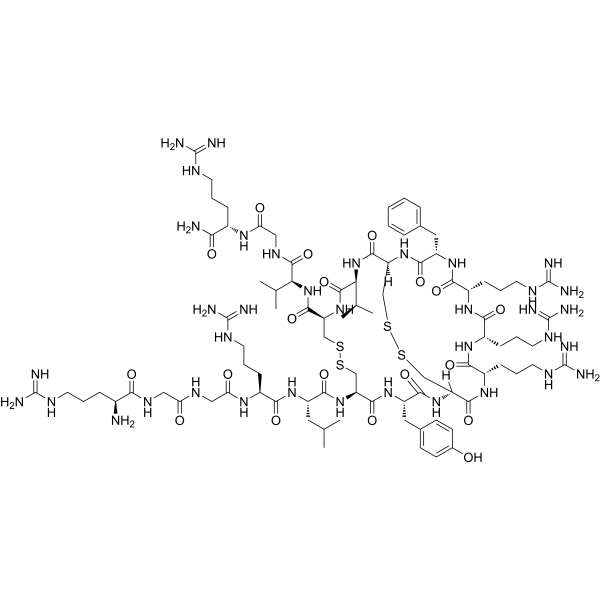
Protegrin-1 is an orally active antibacterial peptide. Protegrin-1 activates ERK, COX2, NFκB, inhibits Apoptosis, and NO production. Protegrin-1 has antibacterial activity against S. aureus, E. faecium, E. coli, P. aeruginosa and K. Pneumoniae, with MBC values between 10 and 20 µM. Protegrin-1 has antiviral activity against dengue NS2B-NS3. Protegrin-1 has anti-inflammatory activity. Protegrin-1 is used in the study of inflammatory diseases and infections .
|
-
-
- HY-136429A
-
|
Optochin hydrochloride
|
Bacterial
Parasite
|
Infection
|
|
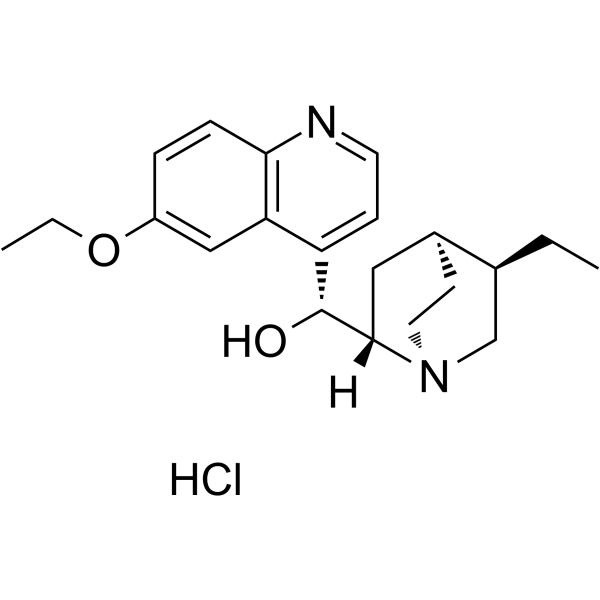
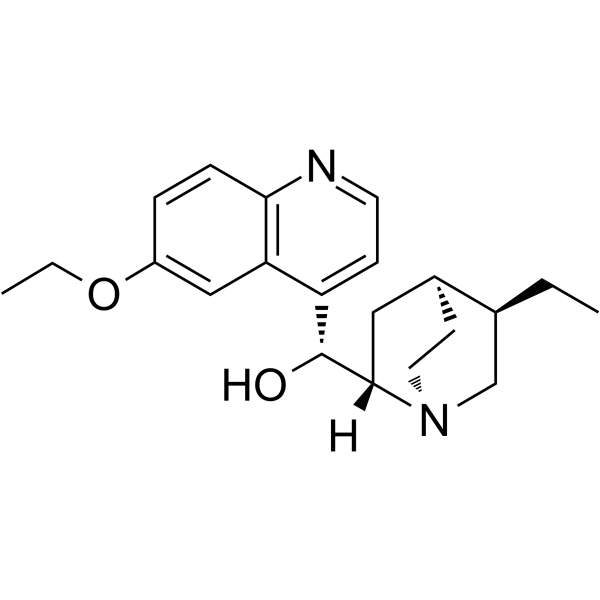
Ethylhydrocupreine hydrochloride (Optochin hydrochloride) is a quinine derivate with antimicrobial activity against S. pneumoniae. Ethylhydrocupreine hydrochloride also possesses antimalarial activity against Plasmodium falciparum, with an IC50 of 25.75 nM. Ethylhydrocupreine hydrochloride is a Gallus gallus taste 2 receptors (ggTas2r1, ggTas2r2 and ggTas2r7) agonist .
|
-
-
- HY-Y0191
-
|
2-Pyridone
|
Endogenous Metabolite
Bacterial
|
Infection
|
|
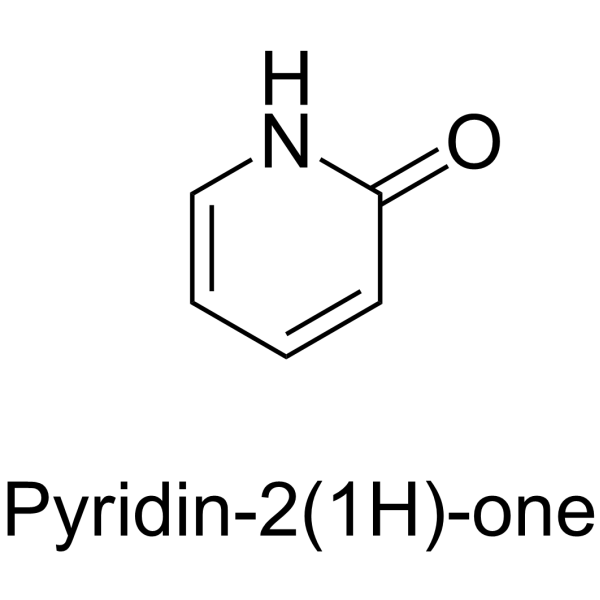
α-Pyridone (2-Pyridone) is an antibacterial agent that plays an important role in the field of biochemical research. α-Pyridone can serve as a scaffold compound to synthesize a variety of active compounds .
|
-
-
- HY-N10495
-
|
|
Antibiotic
Bacterial
Topoisomerase
|
Infection
|
|
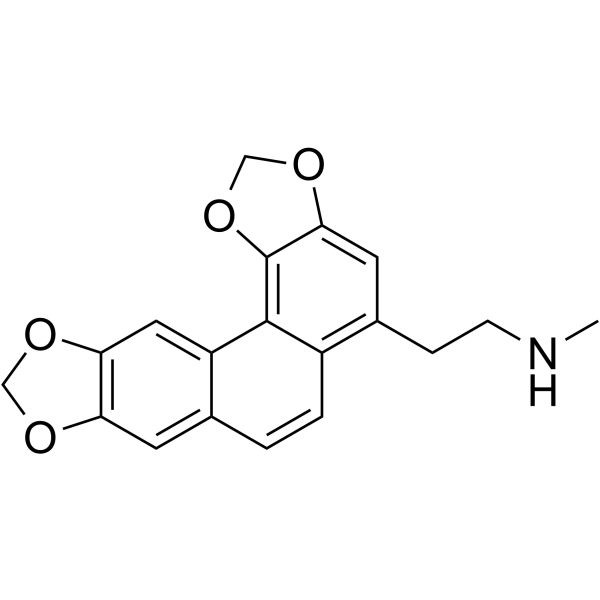
Seconeolitsine, an antibiotic, and is an inhibitor of targeting topoisomerase I (TopA). Seconeolitsine also is a new antimicrobial agent that can inhibit S. pneumoniae growth. Seconeolitsine can inhibit TopA relaxation activity with an IC50 value of 17 μM. Seconeolitsine can be used for the research of S. pneumoniae infections resistant to other antibiotics .
|
-
-
- HY-135748A
-
|
|
RIG-I-like receptor (RLR)
Toll-like Receptor (TLR)
Apoptosis
|
Infection
Cancer
|
|
Poly (I:C):Kanamycin (1:1) sodium is an isometric complex of Poly (I:C) (HY-135748) and Kanamycin (HY-16566). Poly(I:C) sodium, a synthetic analog of double-stranded RNA, is a TLR3 and retinoic acid-inducible gene I receptor (RIG-I and b>MDA5) agonist. Poly(I:C) sodium can be used as a vaccine adjuvant to enhance innate and adaptive immune responses and induce apoptosis in cancer cells . Kanamycin is an orally active antibacterial agent (Gram-negative/positive bacteria) that inhibits translocation and causes miscoding by binding to the 70S ribosomal subunit. Kanamycin shows good inhibitory activity against Mycobacterium tuberculosis (susceptible and drug-resistant) and Klebsiella pneumoniae, and can be used in the research of tuberculosis and pneumonia .
|
-
-
- HY-124679
-
|
|
Bacterial
|
Infection
|
|
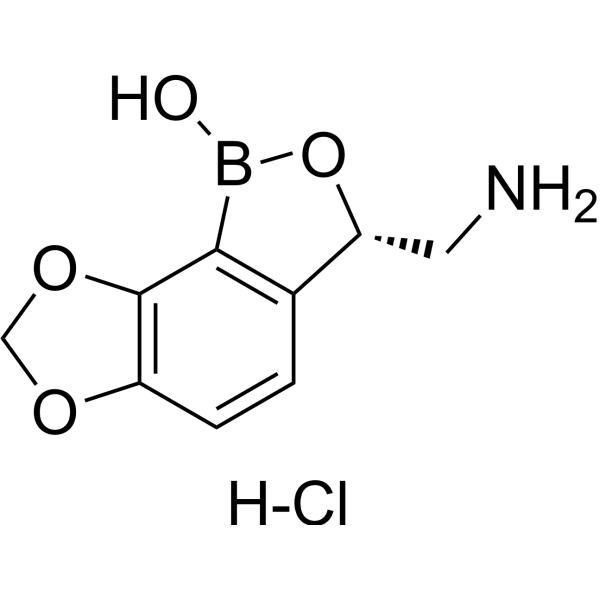
DS86760016 is a potent leucyl-tRNA synthetase (LeuRS) inhibitor with activity against multidrug-resistant (MDR) Gram-negative bacteria, such as Escherichia coli, Klebsiella pneumoniae, and Pseudomonas aeruginosa. DS86760016 inhibits LeuRS enzymes from Escherichia coli, Pseudomonas aeruginosa, and Acinetobacter baumannii, with IC50s of 0.38, 0.62, and 0.16 μM, respectively .
|
-
-
- HY-136429
-
|
Optochin
|
Bacterial
Parasite
|
Infection
|
|
Ethylhydrocupreine (Optochin) is a quinine derivate with antimicrobial activity against S. pneumoniae. Ethylhydrocupreine also possesses antimalarial activity against Plasmodium falciparum, with an IC50 of 25.75 nM. Ethylhydrocupreine is a Gallus gallus taste 2 receptors (ggTas2r1, ggTas2r2 and ggTas2r7) agonist .
|
-
-
- HY-W099540
-
|
|
Bacterial
|
Infection
|
|
OES2-0017 shows potent synergy with polyamines and growth-inhibitory effects at the low micromolar range. OES2-0017 inhibits spermine/spermidine acetyltransferase (SpeG) (IC50: 34.82 μM ) and other polyamine detoxification enzymes in low concentrations, perturbed the bacterial membrane in higher concentrations .
|
-
-
- HY-N16459
-
|
|
Antibiotic
Bacterial
|
Infection
|
|
Albomycin δ1 is a selective bacterial ribosome-targeted antibiotic (MIC: 0.0625 μg/mL against S. pneumoniae). Albomycin δ1 exerts bactericidal activity via covalent binding to 70S ribosomes and irreversible inhibition of peptidyl transferase. Albomycin δ1 is promising for research of S. pneumoniae and S. aureus infections .
|
-
-
- HY-139982
-
|
|
Bacterial
|
Infection
|
|
OX11 is a selective inhibitor of S. pneumoniae, P. aeruginosa, and E. coli bacterial strains .
|
-
-
- HY-N16460
-
|
|
Antibiotic
Bacterial
|
Infection
|
|
Albomycin δ2 is a siderophore-antibiotic conjugate targeting bacterial ribosomes (MIC: 0.0625 μg/mL against S. pneumoniae, 0.125 μg/mL against MRSA). Albomycin δ2 is promising for research of Streptococcus pneumoniae and Staphylococcus aureus infections .
|
-
-
- HY-W023253
-
|
|
Bacterial
Fungal
|
Infection
Inflammation/Immunology
|
|
Biclotymol is an antimicrobial agent against gram-positive cocci. Biclotymol inhibits Streptococcus pneumoniae and Haemophilus influenzae, with MIC of 150 and 150 μM. Biclotymol exhibits anti-inflammatory and analgesic activity and ameliorates the otolaryngology infection and throat sore .
|
-
-
- HY-113619
-
|
|
Bacterial
|
Infection
|
|
ABT-255 free base is an orally active anti-bacterial agent. ABT-255 free base exhibits potent in vitro potency (MIC = 0.016-0.031 μg/mL) against drug-susceptible and Rifampin (HY-B0272)- or Ethambutol (HY-B0535)-resistant Mycobacterium tuberculosis. ABT-255 free base shows efficacy against S. aureus, S. pneumoniae and E. coli and reduces viable counts of drug-resistant Mycobacterium tuberculosis in CF-1 mice. ABT-255 free base can be used for the study of pulmonary tuberculosis .
|
-
-
- HY-105425
-
|
|
Bacterial
Antibiotic
|
Infection
|
|
DWC 751 is a cephalosporin antibiotic. DWC 751 exhibits activity against most Gram-positive bacteria, such as methicillin-sensitive Staphylococcus aureus and S. pneumoniae, as well as Gram-negative bacteria including E. coli and E. cloacae. DWC 751 can be used in the research of infectious diseases .
|
-
-
- HY-128222
-
|
Hydrazinecarboselenoamide
|
Bacterial
|
Infection
Cancer
|
|
Selenosemicarbazide (Hydrazinecarboselenoamide) exhibits antimicrobial activity, that inhibits B. subtilis, S. aureus, Klebsiella pneumoniae, Sarcina lutea and Mycobacterium tuberculosis. Selenosemicarbazide forms complex with metal ions, and exhibits antitumor efficacy against cancer cells
|
-
-
- HY-156661
-
-
-
- HY-111047
-
|
|
Topoisomerase
Bacterial
|
Infection
|
|
GSK945237 is a potent and orally active bacterial type IIA topoisomerases inhibitor. GSK945237 shows broad-spectrum activity against Gram-positive and Gram-negative bacteria (IC50 of 0.034 μg/mL against H. influenzae DNA gyrase). GSK945237 demonstrates good in vivo efficacy in a rat respiratory tract infection model. GSK945237 can be used for anti-infection research .
|
-
-
- HY-P3119
-
|
Desotamide A
|
Bacterial
Antibiotic
|
Infection
|
|
Desotamide is a cyclic hexapeptide antibiotic originally isolated from Streptomyces. It is active against S. aureus, S. pneumoniae, and methicillin-resistant S. epidermidis (MRSE; MICs=16, 12.5, and 32 μg/mL, respectively).
|
-
-
- HY-113687
-
|
|
Bacterial
|
Infection
|
|
T145 is an oxazolidinone with antibacterial activity that inhibits growth of gram negatives (K. pneumoniae, A. baumannii, P. aeruginosa and E. cloacae), gram positives (E. faecalis and S. aureus) and acid fast pathogens (Mab, Mav and Mtb) .
|
-
-
- HY-138621
-
|
|
Bacterial
|
Infection
|
|
Antibacterial agent 19 (compound 8) is a potent antibacterial agent. Antibacterial agent 19 has antibacterial activity against K. pneumoniae, (M-R)S. aureus and (M-R,V-R)S. aureus with MIC values of 0.022, 0.022 and 0.045 mg/mL, respectively .
|
-
-
- HY-165154
-
|
Desdanine; Pyracrimycin A
|
Antibiotic
Bacterial
Fungal
Pyruvate Kinase
Oxidative Phosphorylation
|
Infection
Inflammation/Immunology
|
|
Cyclamidomycin (Desdanine) is an acrylamide antibiotic with antibacterial activity. Cyclamidomycin inhibits nucleoside diphosphate kinase and pyruvate kinase (in E. coli) and oxidative phosphorylation in rat liver mitochondria. Cyclamidomycin is active against S. aureus, M. flavus, S. lutea, B. subtilis, E. coli, S. flexneri, S. typhosa, P. vulgaris, and K. pneumoniae (MICs=3.12-25 mg/ml) .
|
-
-
- HY-174756
-
|
|
mRNA
|
Inflammation/Immunology
|
|
Human CCL26 mRNA encodes the human C-C motif chemokine ligand 26 (CCL26) protein, a cytokine that displays chemotactic activity for normal peripheral blood eosinophils and basophils. CCL26 also has antimicrobial activity, displaying an antibacterial effect on S. pneumoniae, S. aureus, Non-typeable H. influenzae, and P. aeruginosa.
|
-
-
- HY-174227
-
|
|
Topoisomerase
Bacterial
|
Infection
|
|
Topoisomerase inhibitor 6 (Compound REDX05931) is a dual irreversible inhibitor of DNA gyrase and topoisomerase IV (MIC=0.06 μg/mL against fluoroquinolone-resistant S. aureus). Topoisomerase inhibitor 6 blocks DNA strand break-reunion, inducing lethal DNA damage. Topoisomerase inhibitor 6 is promising for research of Gram-positive bacterial infections (e.g., S. aureus, S. pneumoniae) .
|
-
-
- HY-174758
-
|
|
mRNA
|
Inflammation/Immunology
|
|
Human CCL24 mRNA encodes the human C-C motif chemokine ligand 24 (CCL24) protein, a cytokine that displays chemotactic activity on resting T lymphocytes, a minimal activity on neutrophils, and is negative on monocytes and activated T lymphocytes. CCL24 also has antimicrobial activity, displaying an antibacterial effect on S. pneumoniae, S. aureus, Non-typeable H. influenzae, and P. aeruginosa.
|
-
-
- HY-W587414
-
|
|
Bacterial
Antibiotic
|
Infection
|
|
Neospiramycin I is a macrolide antibiotic and a derivative of Spiramycin I (HY-N7141). Neospiramycin I is effective against the macrolide-sensitive KB210 strain of S. aureus, but ineffective against the macrolide-resistant KB224 strain, with minimum inhibitory concentrations (MIC) of 3.12 and greater than 100 µg/mL, respectively; it is also effective against B. cereus, B. subtilis, M. luteus, E. coli, and K. pneumoniae, with respective MIC values of 1.56, 3.12, 3.12, 0.2, 50, and 12.5 µg/mL. Neospiramycin I binds to the ribosomes of E. coli, with an inhibitory concentration 50 (IC50) of 1.2 µM. It protects mice from death in a type III S. pneumoniae infection model, with an effective dose 50 (ED50) of 399.8 mg/kg .
|
-
-
- HY-P5632
-
|
|
Bacterial
|
Infection
|
|
Bovine tracheal antimicrobial peptide is a kind of comes from the tracheal mucosa of antimicrobial peptides. Bovine tracheal antimicrobial peptide has activity against E.coli D31, K.pneumoniae 13883, S.aureus 25923, P.aeruginosa 27853 and C.albicans 14053, MIC value 12-25, 12-25, 25-50, 25-50, 6-12 μg/ml, respectively .
|
-
-
- HY-123508
-
|
|
Drug Metabolite
Bacterial
|
Infection
|
|
PD 131628 is an antimicrobial agent and active PD 131112 metabolite. PD 131628 is two- to four-fold more active than Ciprofloxacin (HY-B0356), inhibiting all strains of Staphylococcus aureus and Streptococcus pneumoniae. PD 131628 is very active against Neisseria spp., Haemophilus influenzae and Moraxella catarrhalis, with MIC90s ranging from 0.004 to 0.008 mg/L .
|
-
-
- HY-136429AR
-
|
Optochin hydrochloride (Standard)
|
Reference Standards
Bacterial
Parasite
|
Infection
|
|
Ethylhydrocupreine (hydrochloride) (Standard) is the analytical standard of Ethylhydrocupreine (hydrochloride). This product is intended for research and analytical applications. Ethylhydrocupreine hydrochloride (Optochin hydrochloride) is a quinine derivate with antimicrobial activity against S. pneumoniae. Ethylhydrocupreine hydrochloride also possesses antimalarial activity against Plasmodium falciparum, with an IC50 of 25.75 nM. Ethylhydrocupreine hydrochloride is a Gallus gallus taste 2 receptors (ggTas2r1, ggTas2r2 and ggTas2r7) agonist .
|
-
-
- HY-127020
-
|
|
Bacterial
|
Infection
|
|
Deoxyenterocin is a bacterial metabolite originally isolated from Streptomyces that has diverse biological activities, including antibiotic, antiviral, and antioxidant properties. It inhibits the growth of S. lutea, S. aureus, K. pneumoniae, and V. percolans in vitro when used at a concentration of 500 μg/mL. Deoxyenterocin (50 μg/mL) inhibits the cytopathic effect of influenza A H1N1 virus by 60.6% in vitro. It also prevents hydrogen peroxide-induced decreases in glutathione (GSH) levels and in the mitochondrial membrane potential in mouse primary cortical neuronal cultures when used at a concentration of 1 μM.
|
-
-
- HY-N8256
-
|
Mycousunin
|
Fungal
|
Infection
|
|
(–)-Mycousnine is a microbial metabolite and derivative of Usnic Acid (HY-N0656) originally isolated from M. nawae that has antibacterial and antifungal activities. It is active against the Gram-positive bacteria B. subtilis, K. rhizophila, and S. aureus (MICs=4, 8, and 4 g/ml, respectively) but not the Gram-negative bacteria E. coli, S. typhimurium, and K. pneumoniae (MICs=>128 g/ml for all).2 (–)-Mycousnine is also active against the fungi T. mentagrophytes, T. rubrum, and C. albicans (MICs=25, 25, and 100 μg/mL, respectively).
|
-
-
- HY-113619A
-
|
|
Bacterial
|
Infection
|
|
ABT-255 hydrochloride is an orally active anti-bacterial agent. ABT-255 hydrochloride exhibits potent in vitro potency (MIC = 0.016-0.031 μg/mL) against drug-susceptible and Rifampin (HY-B0272)- or Ethambutol (HY-B0535)-resistant Mycobacterium tuberculosis. ABT-255 hydrochloride shows efficacy against S. aureus, S. pneumoniae and E. coli and reduces viable counts of drug-resistant Mycobacterium tuberculosis in CF-1 mice. ABT-255 hydrochloride can be used for the study of pulmonary tuberculosis .
|
-
-
- HY-B1894
-
|
Ro 15-8075 free base
|
Antibiotic
Bacterial
|
Infection
|
|
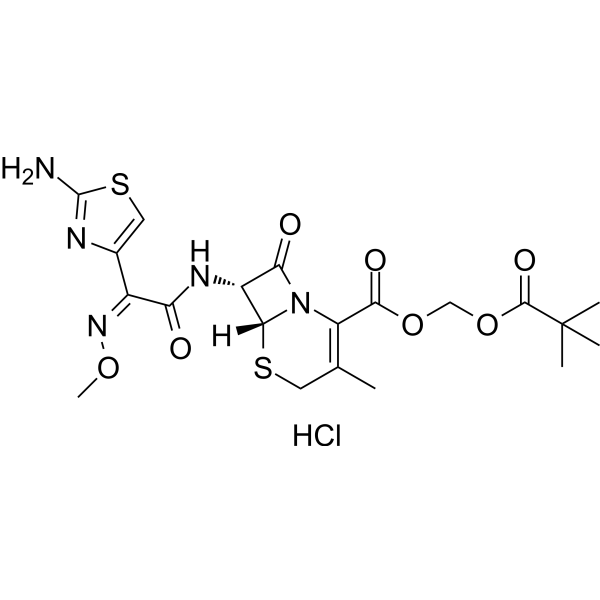
Cefetamet pivoxyl (Ro 15-8075 free base) is an orally active cephalosporin Antibiotic and a prodrug of Cefetamet (HY-A0111). After ingestion, Cefetamet pivoxyl is hydrolyzed by gastrointestinal esterases to form Cefetamet. Cefetamet pivoxyl is primarily active against aerobic Gram-negative bacteria (such as Enterobacteriaceae, *Neisseria*, *Haemophilus*) and some Gram-positive bacteria (such as non-enterococcal streptococci). Cefetamet pivoxyl exhibits potent in vivo antibacterial activity against strains of Gram-positive bacteria (S. pyogenes) and Gram-negative bacteria (E. coli, K. pneumoniae, S. marcescens, P. vulgaris, P. mirabilis, H. influenzae) .
|
-
-
- HY-172109
-
|
|
DNA/RNA Synthesis
|
Infection
|
|
DNA Gyrase-IN-15 (Compound 11) is an antimicrobial agent and inhibitor of DHPS and DNA gyrase, with IC50s of 1.73 and 0.07 µM, respectively. DNA Gyrase-IN-15 shows antimicrobial activity against Enterococcus faecalis (MIC of 15.62 µg/mL), Acinetobacter baumannii, Enterobacter species (MIC of 7.81 µg/mL), Pseudomonas aeruginosa, Klebsiella pneumoniae and Staphylococcus aureus. DNA Gyrase-IN-15 also shows antibiofilm activity against Enterococcus faecalis .
|
-
-
- HY-173077
-
|
|
PD-1/PD-L1
Bacterial
|
Infection
Inflammation/Immunology
|
|
PD-L1/LpxC-IN-1 (Conpound 12b) is the inhibitor for PD-L1 and LpxC with IC50 of 5.2 μM and 0.081 μM. PD-L1/LpxC-IN-1 inhibits the biosynthesis of bacterial lipopolysaccharide, causes the lysis and death of bacterial cells. PD-L1/LpxC-IN-1 inhibits Gram-negative bacteria, MIC for K. pneumoniae ATCC 13883, E. coli ATCC 8739, S. typhimurium ATCC 14028 and P. aeruginosa ATCC 9027 is 0.25-0.5 μg/mL. PD-L1/LpxC-IN-1 downregulates the expression of inflammatory factors IL-2 and IFN-γ, upregulates the expression of CD4+ and CD8+ cells, thereby activating the immune system and inhibiting excessive inflammatory responses. PD-L1/LpxC-IN-1 exhibits antibacterial activity in K. pneumoniae ATCC 13883 infected mouse models .
|
-
-
- HY-117736
-
|
|
Penicillin-binding protein (PBP)
Bacterial
|
Infection
Inflammation/Immunology
|
|
Ro 09-1428 is a broad-spectrum parenteral cephalosporin. Ro 09-1428 has potent antibacterial activities against Pseudomonas aeruginosa and Acinetobacter caloaceticus, with MIC90s of 0.39 and 6.25 μg/mL, respectively, better than Ceftazidime (HY-B0593). Additionally, Ro 09-1428 shows high activity against Escherichia coli, Kkbsielia pneumoniae, Proteus mirabilis, P. aeruginosa, staphylococci, and more. Ro 09-1428 preferentially attacks PBP 3 for target in E. coli and P. aeruginosa, which is promising for research of septicemias and serious P. aeruginosa infections .
|
-
-
- HY-179038
-
|
|
Bacterial
|
Infection
|
|
PYO12 is a 3-phenyl-4-phenoxypyrazole type antibacterial compound. PYO12 exhibits selective activity against Gram-positive bacteria with MIC for S. aureus, B. subtilis, S. pneumoniae, and MRSA of 1, 1, 1, and 4 μg/mL respectively. PYO12 has no activity against Gram-negative bacteria. PYO12 can significantly increase bacterial membrane permeability and significantly upregulate cell wall stress-related genes, possibly by binding to the C55-PP part of lipid II. PYO12 shows a concentration-dependent bactericidal effect, has low toxicity to mammalian cells, and does not cause hemolysis. PYO12 can be used to develop new antibiotics targeting bacterial cell wall synthesis .
|
-
-
- HY-E70895
-
-
-
- HY-P11720
-
|
|
Beta-lactamase
Bacterial
|
Infection
|
|
M104 peptide is an OXA-48 carbapenemase inhibitor and antibiotic potentiator. M104 peptide effectively blocks the binding and active site cavity of OXA-48 . M104 peptide restores Meropenem (HY-13678)’s antibacterial activity against OXA-48-producing Klebsiella pneumoniae. M104 peptide can be used for the research of Carbapenem-resistant Klebsiella pneumoniae infection .
|
-
-
- HY-W653770
-
|
|
Antibiotic
|
Infection
|
|
Desmycosin is a macrolide antibiotic. Desmycosin exhibits biological activity against H. influenzae, S.aureus, S. pneumoniae, and S. pyogenes with MIC values of 4, 1, <0.125, and <0.125 µg/ml, respectively. Desmycosin is an acidic degradation product of tylosin .
|
-
-
- HY-N19293
-
|
|
Bacterial
|
Infection
|
|
Aquastatin C is a glycoaromatic derivative that can be found in Sporothrix sp. FN611. Aquastatin C is a substance that neither regulates bacterial enzymes nor inhibits bacterial growth .
|
-
-
- HY-180118
-
|
|
Bacterial
|
Infection
|
|
Moxifloxacin prodrug-1 TFA (Compound 1e) is a Moxifloxacin (HY-66011A) prodrug and antibacterial agent. Moxifloxacin prodrug-1 TFA exhibits comparable potent activity as Moxifloxacin against E. coli, S. aureus, K. pneumoniae, A. baumannii, and P. aeruginosa. Moxifloxacin prodrug-1 TFA inhibits Mtb .
|
-
-
- HY-182022
-
|
|
Bacterial
Reactive Oxygen Species (ROS)
Drug Derivative
DNA/RNA Synthesis
|
Infection
|
|
ZLWH-67 is a β-Carboline derivative and Antibacterial agent. ZLWH-67 inhibits DNA synthesis, suppresses biofilm formation, and increases reactive oxygen species (ROS) levels. ZLWH-67 exhibits potent in vitro antibacterial activity against MRSA (MIC = 0.5-4 μg/mL), S. epidermidis (MIC = 4 μg/mL), E. faecalis (MIC = 4-8 μg/mL), and S. pneumoniae (MIC = 16 μg/mL). ZLWH-67 displays anti-MRSA effects in murine skin and pneumonia infection models .
|
-
-
- HY-179637
-
|
|
Bacterial
DNA/RNA Synthesis
|
Infection
|
|
RNAP-σ interaction-IN-4 (Compound 3a) is an inhibitor of the RNA polymerase-sigma factor interaction (RNAP-σ) with MIC values against S. pneumoniae and S. aureus of 1 μg/mL and 2 μg/mL, respectively. RNAP-σ interaction-IN-4 exhibits strong bactericidal properties by interfering with the interaction of β′CH−σ and disrupting the transcription of bacteria. RNAP-IN-2 shows significant efficacy in sepsis models. RNAP-σ interaction-IN-4 can be used to study Gram-positive bacterial infections caused by multi-drug resistant strains .
|
-
-
- HY-P11659
-
|
|
Antibiotic
Bacterial
|
Infection
|
|
B26 peptoid is a ptoid antibiotic. B26 peptoid exhibits excellent broad-spectrum activity and high selectivity toward a panel of Gram-positive and Gram-negative bacterial strains. B26 peptoid disrupts bacterial membranes and has bactericidal activity. B26 peptoid shows low propensity for bacterial drug resistance. B26 peptoid can be used for the research of bacterial infection .
|
-
-
- HY-W093378
-
|
|
Biochemical Assay Reagents
Bacterial
|
Infection
|
|
Silver (I) sulfide is a biochemical reagent. Silver (I) sulfide nanoparticles exert Antibacterial effects against a variety of resistant bacteria, including Gram-positive and Gram-negative bacteria. Silver (I) sulfide can be used in the research of bacterial infections, such as infections caused by Staphylococcus aureus, Streptococcus agalactiae, Escherichia coli and Pseudomonas species .
|
-
-
- HY-P11583
-
|
|
Bacterial
|
Infection
|
|
N2W2 is a tryptophan- and lysine-rich β-hairpin antimicrobial peptide. N2W2 exhibits potent antimicrobial activity but also high toxicity. N2W2 is highly susceptible to trypsin or chymotrypsin. N2W2 can be used for the research of bacterial infection .
|
-
-
- HY-P11615
-
|
|
Bacterial
|
Infection
|
|
FuK is a WK2-analog antimicrobial peptide modified with fluorinated unnatural amino acids. FuK has an LD50 of 72.34 mg/kg in mice, shows no hemolytic activity, with high stability against trypsin, chymotrypsin, and saline environments. FuK exerts bactericidal effects by enhancing the permeability of bacterial outer membranes, inducing depolarization of cytoplasmic membranes, and disrupting membrane potential balance against bacterias such as Staphylococcus aureus, Escherichia coli, Klebsiella pneumoniae, and MRSA. FuK exhibits synergistic antimicrobial activity with polymyxin B (HY-149179), vancomycin (HY-B0671), and ciprofloxacin (HY-B0356), and also inhibits Ciprofloxacin-induced bacterial drug resistance. FuK has in vivo safety, effectively reduces bacterial load and inflammatory cell infiltration in a mouse MRSA model, and promotes collagen fiber formation in skin wounds .
|
-
-
- HY-W142206
-
|
|
Fungal
|
Infection
|
|
Cyclopent-4-ene-1,3-dione is a potent antifungal inhibitor of chitin synthesis. Cyclopent-4-ene-1,3-dione is potently antifungal against human pathogenic Candida species (IC50 = 1-2 μM). Cyclopent-4-ene-1,3-dione is detected in feijoa cultivars with high antifungal bioactivity. Cyclopent-4-ene-1,3-dione can be used for the research of fungal infections .
|
-
| Cat. No. |
Product Name |
Type |
-
- HY-D1056B3
-
|
LPS, from bacterial (Klebsiella pneumoniae)
|
Biochemical Assay Reagents
|
Lipopolysaccharides, from Klebsiella pneumoniae (LPS, from bacterial (Klebsiella pneumoniae)) are lipopolysaccharide endotoxins and TLR4 activators derived from Klebsiella pneumoniae, and are classified as S-type LPS. Lipopolysaccharides, from Klebsiella pneumoniae exhibit a typical three-part structure: O-antigen, core oligosaccharide, and lipid A. Lipopolysaccharides, from Klebsiella pneumoniae may participate in bacterial immune evasion by inhibiting complement-mediated killing and suppressing the host's secretion of antimicrobial peptides, thereby allowing the bacteria to escape immune defenses. Lipopolysaccharides, from Klebsiella pneumoniae possess high viscosity and resistance to serum-mediated killing, which may lead to sepsis. Lipopolysaccharides, from Klebsiella pneumoniae can be used to construct Acute Lung Injury Model .
It is recommended to prepare a solution with concentration ≥2 mg/mL. Vortex thoroughly for more than 10 minutes. Due to the adsorption characteristics of LPS, silanized container or low adsorption centrifuge tubes should be used for aliquoting and storage, and mix thoroughly before use.
|
| Cat. No. |
Product Name |
Target |
Research Area |
-
- HY-P1633
-
|
PG1
|
Bacterial
ERK
COX
NF-κB
Apoptosis
NO Synthase
Dengue Virus
|
Infection
Inflammation/Immunology
|
|
Protegrin-1 is an orally active antibacterial peptide. Protegrin-1 activates ERK, COX2, NFκB, inhibits Apoptosis, and NO production. Protegrin-1 has antibacterial activity against S. aureus, E. faecium, E. coli, P. aeruginosa and K. Pneumoniae, with MBC values between 10 and 20 µM. Protegrin-1 has antiviral activity against dengue NS2B-NS3. Protegrin-1 has anti-inflammatory activity. Protegrin-1 is used in the study of inflammatory diseases and infections .
|
-
- HY-P3119
-
|
Desotamide A
|
Bacterial
Antibiotic
|
Infection
|
|
Desotamide is a cyclic hexapeptide antibiotic originally isolated from Streptomyces. It is active against S. aureus, S. pneumoniae, and methicillin-resistant S. epidermidis (MRSE; MICs=16, 12.5, and 32 μg/mL, respectively).
|
-
- HY-P5632
-
|
|
Bacterial
|
Infection
|
|
Bovine tracheal antimicrobial peptide is a kind of comes from the tracheal mucosa of antimicrobial peptides. Bovine tracheal antimicrobial peptide has activity against E.coli D31, K.pneumoniae 13883, S.aureus 25923, P.aeruginosa 27853 and C.albicans 14053, MIC value 12-25, 12-25, 25-50, 25-50, 6-12 μg/ml, respectively .
|
-
- HY-P11720
-
|
|
Beta-lactamase
Bacterial
|
Infection
|
|
M104 peptide is an OXA-48 carbapenemase inhibitor and antibiotic potentiator. M104 peptide effectively blocks the binding and active site cavity of OXA-48 . M104 peptide restores Meropenem (HY-13678)’s antibacterial activity against OXA-48-producing Klebsiella pneumoniae. M104 peptide can be used for the research of Carbapenem-resistant Klebsiella pneumoniae infection .
|
-
- HY-P11659
-
|
|
Antibiotic
Bacterial
|
Infection
|
|
B26 peptoid is a ptoid antibiotic. B26 peptoid exhibits excellent broad-spectrum activity and high selectivity toward a panel of Gram-positive and Gram-negative bacterial strains. B26 peptoid disrupts bacterial membranes and has bactericidal activity. B26 peptoid shows low propensity for bacterial drug resistance. B26 peptoid can be used for the research of bacterial infection .
|
-
- HY-P11583
-
|
|
Bacterial
|
Infection
|
|
N2W2 is a tryptophan- and lysine-rich β-hairpin antimicrobial peptide. N2W2 exhibits potent antimicrobial activity but also high toxicity. N2W2 is highly susceptible to trypsin or chymotrypsin. N2W2 can be used for the research of bacterial infection .
|
-
- HY-P11615
-
|
|
Bacterial
|
Infection
|
|
FuK is a WK2-analog antimicrobial peptide modified with fluorinated unnatural amino acids. FuK has an LD50 of 72.34 mg/kg in mice, shows no hemolytic activity, with high stability against trypsin, chymotrypsin, and saline environments. FuK exerts bactericidal effects by enhancing the permeability of bacterial outer membranes, inducing depolarization of cytoplasmic membranes, and disrupting membrane potential balance against bacterias such as Staphylococcus aureus, Escherichia coli, Klebsiella pneumoniae, and MRSA. FuK exhibits synergistic antimicrobial activity with polymyxin B (HY-149179), vancomycin (HY-B0671), and ciprofloxacin (HY-B0356), and also inhibits Ciprofloxacin-induced bacterial drug resistance. FuK has in vivo safety, effectively reduces bacterial load and inflammatory cell infiltration in a mouse MRSA model, and promotes collagen fiber formation in skin wounds .
|
| Cat. No. |
Product Name |
Category |
Target |
Chemical Structure |
| Cat. No. |
Product Name |
|
Classification |
-
- HY-174756
-
|
|
|
mRNA
Chemokine & Receptors
|
|
Human CCL26 mRNA encodes the human C-C motif chemokine ligand 26 (CCL26) protein, a cytokine that displays chemotactic activity for normal peripheral blood eosinophils and basophils. CCL26 also has antimicrobial activity, displaying an antibacterial effect on S. pneumoniae, S. aureus, Non-typeable H. influenzae, and P. aeruginosa.
|
-
- HY-174758
-
|
|
|
mRNA
Chemokine & Receptors
|
|
Human CCL24 mRNA encodes the human C-C motif chemokine ligand 24 (CCL24) protein, a cytokine that displays chemotactic activity on resting T lymphocytes, a minimal activity on neutrophils, and is negative on monocytes and activated T lymphocytes. CCL24 also has antimicrobial activity, displaying an antibacterial effect on S. pneumoniae, S. aureus, Non-typeable H. influenzae, and P. aeruginosa.
|
Your information is safe with us. * Required Fields.
Inquiry Information
- Product Name:
- Cat. No.:
- Quantity:
- MCE Japan Authorized Agent:

